Table of Contents

Equipboard
Equipboard is the world's largest community of artists and their gear. Read our review process.
We are reader-supported. When you buy through links on our site, we may earn an affiliate commission. Learn more.
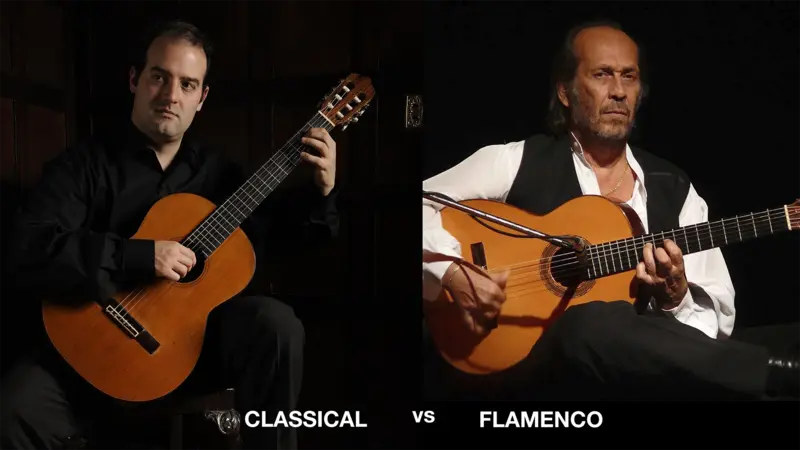
Classical guitars and flamenco guitars may look alike at first glance, but pick them up and play them, and you'll discover two distinct musical worlds. These nylon-stringed cousins each tell their own story - one born in European concert halls, the other in the vibrant streets of Andalusia.
Both guitars share nylon strings and similar silhouettes, but that's where the family resemblance starts to fade. A classical guitar resonates with warm, sustained tones perfect for the intricate compositions of Bach or Segovia. A flamenco guitar, meanwhile, delivers sharp, percussive sounds that cut through the rhythm of dancing feet and passionate handclaps.
Many players assume these instruments are interchangeable, but guitar makers have spent generations perfecting each type for its specific musical purpose. Everything from wood choice to body depth has been carefully considered to create instruments with distinct voices.
You wouldn't bring a flamenco guitar to perform a delicate classical piece any more than you'd wear running shoes to a formal dance. Both might work in a pinch, but neither would be ideal.
Subtypes: Variations Within Traditions
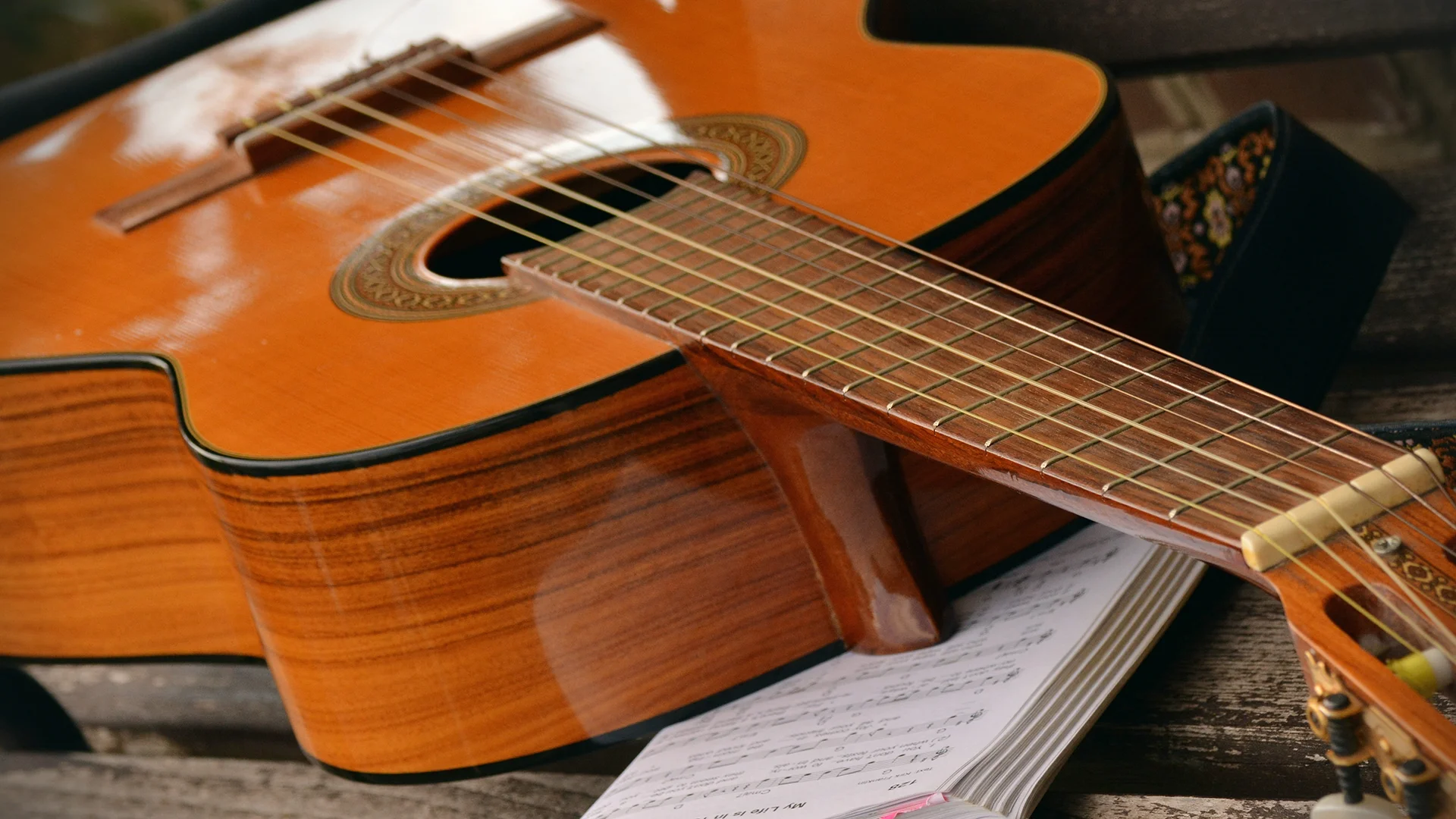
Within each guitar family, several subtypes exist, each with characteristics suited to specific playing contexts and sounds.
Classical guitars broadly fall into student, concert, and master categories. Student models prioritize affordability and playability, with laminated woods and simplified construction. Concert guitars feature solid tops with laminated back and sides, offering improved tone for advancing players. Master-grade instruments use all-solid woods with premium craftsmanship, producing the complex tones needed for professional performance.
Modern classical guitars sometimes incorporate features like cutaways for better upper fret access, elevated fingerboards for ergonomics, or even carbon fiber construction. There's also the smaller requinto classical guitar, tuned higher for specialized repertoire.

Flamenco guitars have their own distinct subtypes. The flamenco blanca (white) represents the traditional approach with its bright cypress back and sides. The flamenco negra (black) developed later, using rosewood instead of cypress for a somewhat richer tone while maintaining flamenco's characteristic attack. This variant bridges the gap slightly between classical and traditional flamenco sounds.
Contemporary flamenco guitars sometimes feature amplification options integrated directly into their design. Some luthiers now offer hybrid designs that aim to satisfy both classical and flamenco players, though purists might argue these compromise the distinctive qualities of each tradition.
Whether you're buying your first nylon-string guitar, exploring a new playing style, or simply curious about these beautiful instruments, this guide will help you appreciate what makes each one special and decide which belongs in your hands.
Key Differences: A Comparative Overview
| Feature | Classical Guitar | Flamenco Guitar | Visual Characteristics |
|---|---|---|---|
| Tonewoods | Cedar or spruce tops with rosewood back and sides | Spruce tops with cypress (Blanca) or rosewood (Negra) back and sides | Classical: Darker woods, richer grain. Flamenco: Lighter colored woods (especially Blanca) |
| Body Depth | Deeper (95-105mm) | Shallower (85-95mm) | Visible difference in profile thickness |
| Neck & Action | Wider neck, higher action | Often slightly narrower neck, lower action | Strings closer to fretboard on flamenco guitars |
| Tone & Sound | Warm, resonant, sustained | Bright, percussive, quick decay | N/A (audible difference) |
| Golpeador (Tap Plate) | Typically absent | Present (clear or white plastic) | Protective plate visible below sound hole on flamenco guitars |
| Bracing Pattern | Stronger, heavier fan bracing | Lighter, more flexible bracing | Not visible externally |
| Weight | Heavier | Lighter | Noticeable when holding |
| Playing Style | Fingerpicking, legato phrasing | Rasgueado, golpe, picado techniques | Different hand positions and techniques |
| Best Use Cases | Classical repertoire, solo pieces, fingerstyle | Flamenco, accompanying dancers, percussive styles | N/A |
| Amplification Options | Often acoustic only, sometimes discreet pickups | More commonly equipped with pickups | Pickup controls sometimes visible on flamenco guitars |
| String Spacing | Wider for clean separation | Sometimes slightly closer together | Subtle difference at nut |
| Saddle & Nut Material | Bone or high-quality synthetic | Often synthetic for consistent bright tone | Color difference (bone is ivory-colored) |
Construction & Materials: Shaping Sonic Landscapes
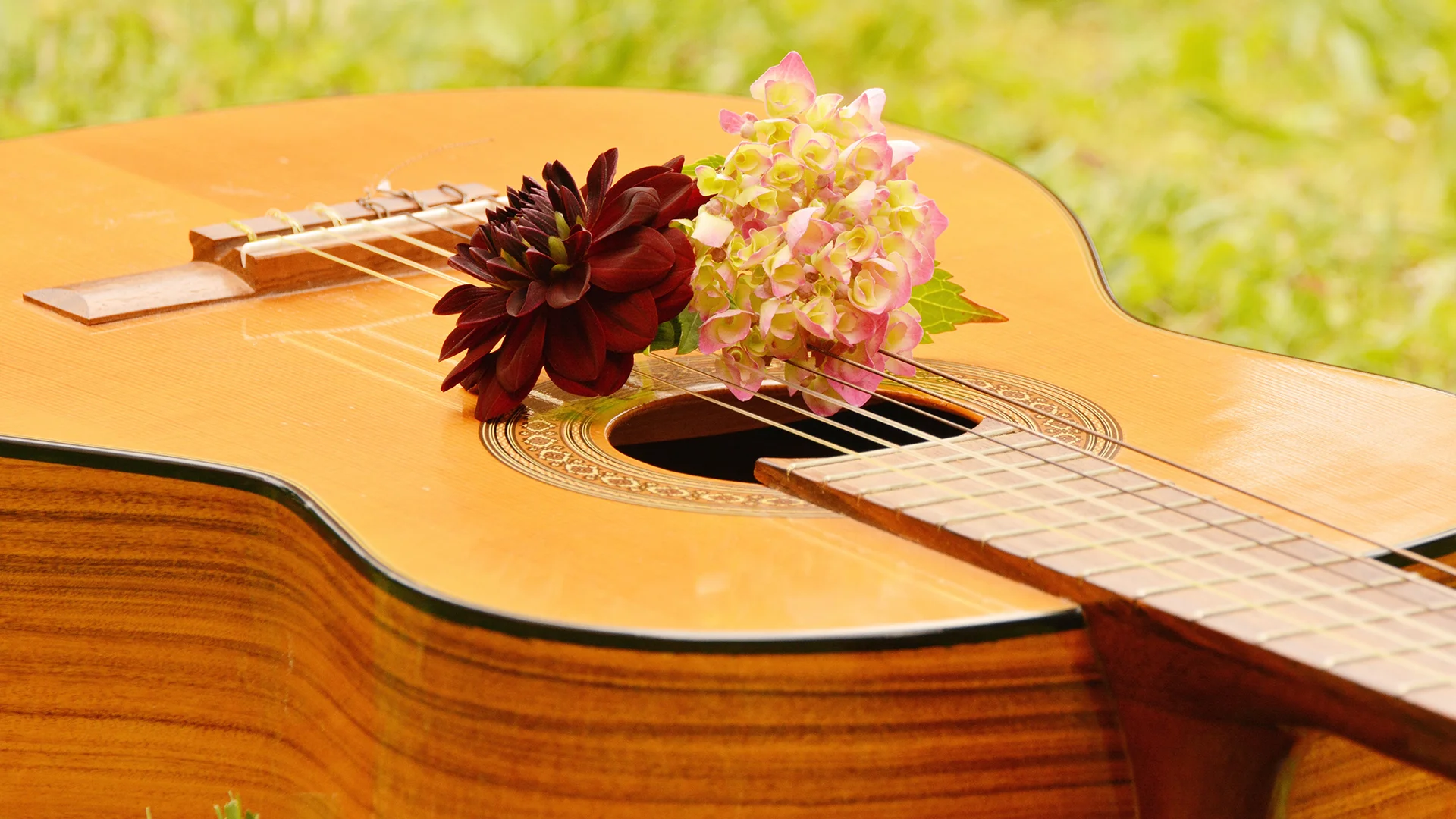
The personality of any guitar begins with its physical form. For classical and flamenco guitars, every construction choice reflects generations of refinement to serve their distinct musical traditions. From wood selection to internal bracing, these details work together to create instruments that speak with unique voices.
Tonewoods & Their Sonic Influence
A guitar's voice starts with its wood. Classical guitars traditionally pair cedar or spruce tops with rosewood bodies. Cedar gives a warmer, darker tone with immediate response – perfect for intimate venues where subtle expression matters. Spruce offers more dynamic range and clarity, with a brighter voice that projects better in larger spaces. The rosewood back and sides add richness and complex overtones that sustain beautifully.
Flamenco guitars take a different approach. Most use spruce tops exclusively for their quick response and cutting projection. Traditional flamenco blanca guitars use Spanish cypress for back and sides, creating that distinctive bright, percussive sound that pierces through the noise of dancers and singers. Flamenco negra guitars substitute rosewood for a slightly warmer tone while maintaining the characteristic flamenco attack.
The grain patterns matter too. Luthiers select tight, even grain for tops to ensure uniform vibration. You'll often find quarter-sawn wood in quality instruments, which provides superior stability and resonance. The wood's age significantly impacts tone – well-seasoned woods produce more complex, mature sounds than newer materials, which is why vintage instruments command such respect.
Body Shape & Depth
Pick up a classical and flamenco guitar side by side, and you'll immediately feel the difference in their bodies. Classical guitars typically measure 95-105mm in depth, creating a substantial resonance chamber. This deeper body produces richer bass response and longer sustain – qualities essential for the dynamic range needed in classical repertoire.
Flamenco guitars are noticeably slimmer at 85-95mm deep. This reduced depth isn't a compromise but a deliberate choice to produce faster sound response with less sustain. Notes speak quickly and decay rapidly, allowing for the rapid-fire passages and rhythmic precision that flamenco demands. The thinner profile also makes these instruments lighter and more comfortable during the animated performances traditional to the style.
While both share similar overall outlines, subtle differences appear in waist curves and shoulder shapes. Flamenco guitars sometimes feature slightly narrower waists and less pronounced curves, contributing to their more focused, direct sound. Classical guitars often have more generous curves that enhance bass response and create a more balanced frequency spectrum.
Neck Profile & Action
The neck is where your hands meet the instrument, and its design profoundly affects playability. Classical guitar necks tend to be wider (52mm at the nut) with a flatter radius and more substantial profile. This design supports proper left-hand technique for complex fingerings while providing clean string separation. The higher action (distance between strings and fretboard) prevents buzzing during powerful playing and allows strings to vibrate freely.
Flamenco guitar necks often feature slightly lower action and sometimes narrower dimensions. This setup facilitates the lightning-fast runs and technical passages that define flamenco playing. The lower action requires less finger pressure, enabling quicker movement across the fretboard. Some buzzing might occur, but this actually becomes part of the characteristic flamenco sound – a feature, not a flaw.
The neck join differs as well. While both typically use Spanish heel construction where the neck and body form one continuous piece, flamenco guitars sometimes have slightly different neck angles to accommodate the lower action without causing buzz. This subtle adjustment speaks to the thoughtful engineering behind these seemingly simple instruments.
Bracing & Internal Structure
What you can't see matters as much as what you can. Inside these guitars, the bracing pattern – thin wooden struts that support the top and direct its vibration – plays a crucial role in shaping tone.
Classical guitars typically employ stronger fan bracing, with seven or more struts radiating from below the soundhole. This pattern supports the top during sustained, powerful playing while allowing it to vibrate freely enough to produce rich, complex tones. The bracing in classical guitars balances strength with resonance, creating an instrument that sings with a full voice.
Flamenco guitars use lighter, more flexible bracing with fewer or thinner struts. This reduced bracing allows the top to respond more quickly to attack, producing that characteristic bright, immediate sound. The trade-off comes in sustain and bass response, but these aren't priorities in flamenco music, where rhythmic precision and percussive qualities take precedence.
The bridge plate – a reinforcement beneath the bridge – also differs, with classical guitars having sturdier plates to support string tension during sustained notes. Flamenco guitars can use lighter bridge plates since the notes don't need to sustain as long.
Golpeador (Tap Plate) & Percussive Playability
Perhaps the most visible distinction between these guitars is the golpeador or tap plate found on flamenco instruments. This thin plastic sheet (clear or white) protects the delicate spruce top from damage during golpe techniques – rhythmic tapping on the guitar's face that forms an integral part of flamenco performance.
Classical guitars rarely feature tap plates, as percussive techniques aren't traditionally part of classical playing. The absence of this protective element allows for unrestricted top vibration but makes these guitars vulnerable to damage if used for flamenco techniques.
The presence of a golpeador isn't merely protective – it slightly alters the guitar's voice by dampening certain frequencies and adding to the characteristic dry, percussive quality of flamenco guitars. Some flamenco guitarists even argue that the golpeador is as essential to the instrument's voice as the woods themselves, demonstrating how deeply intertwined construction and sound truly are.
Modern luthiers sometimes offer removable golpeadores or hybrid designs that bridge these traditions, but the classic forms remain distinct – each a perfect expression of its musical purpose, crafted through centuries of evolution to speak with a voice that tells its cultural story.
How They Sound: A Tonal Tapestry
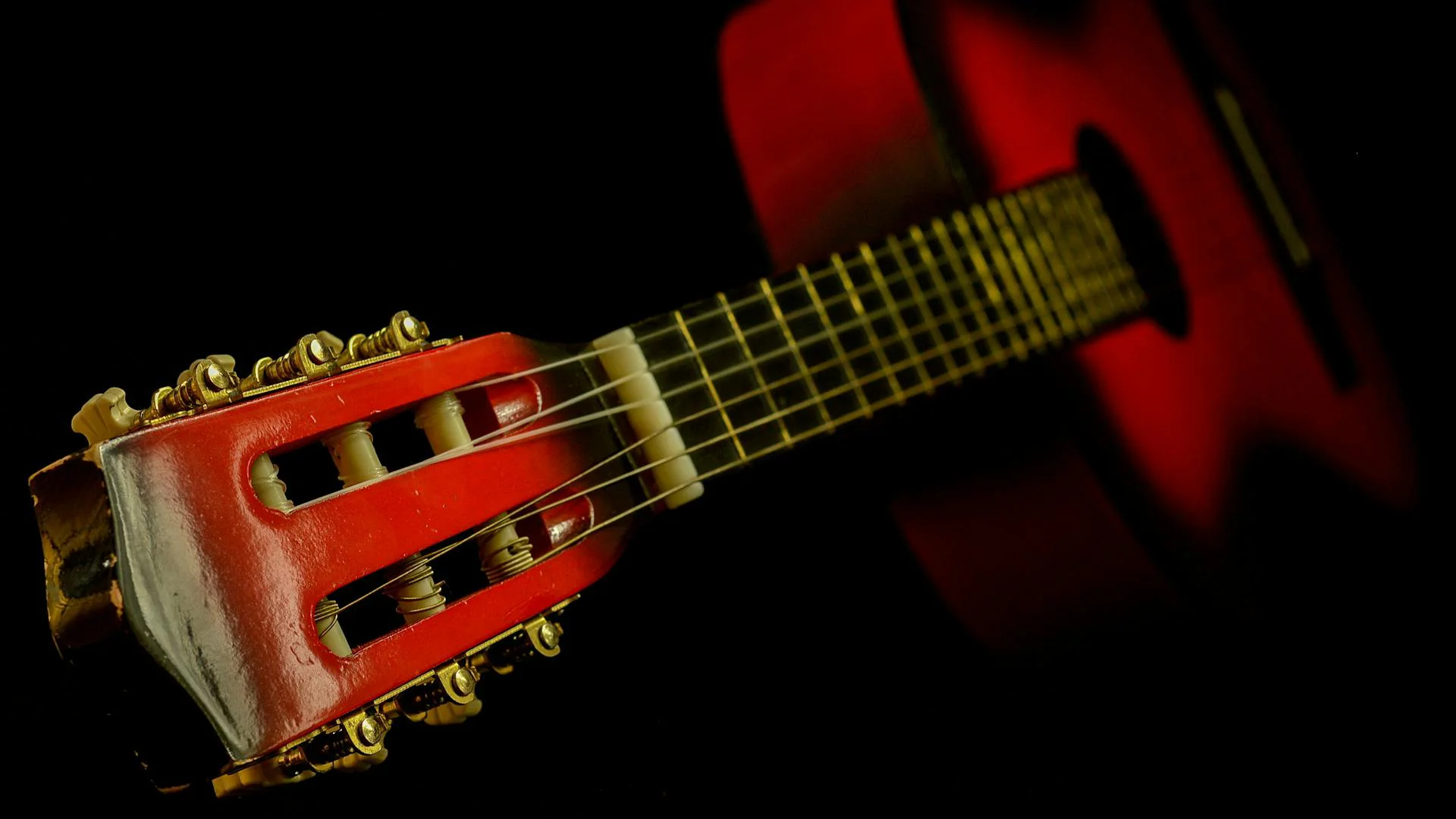
If the construction differences between classical and flamenco guitars represent the body, then their distinctive sounds are the soul. These tonal characteristics aren't just academic distinctions - they're the very reason these instruments evolved along separate paths.
Classical Guitar Tone
A well-made classical guitar produces a rich, warm sound with remarkable complexity. When you strike a note, you'll hear a full-bodied fundamental tone followed by a bloom of harmonics that sustain and gradually fade. This creates that characteristic singing quality that allows melodies to flow seamlessly between notes.
The bass strings resonate with depth and authority, while the treble strings offer clarity without harshness. This balanced voice across all registers allows the classical guitar to function as a complete musical universe, capable of handling bass lines, harmony, and melody simultaneously. The sound envelops the listener, filling the space with three-dimensional resonance rather than projecting in a single direction.
Play a chord on a quality classical guitar, and you'll hear each note maintaining its distinct voice while blending harmoniously with the others. This clarity within complexity allows for the intricate counterpoint of Bach or the colorful harmonies of Debussy to be rendered with all their musical detail intact.
The dynamic range of a good classical guitar is its hidden superpower. From the gentlest pianissimo (a direction in music that’s played very softly) to a robust forte (a passage that should be played loudly), the instrument responds faithfully to the player's touch, enabling expressive phrasing and emotional nuance. The guitar breathes with the music, expanding and contracting in volume and intensity as the composition demands.
Flamenco Guitar Tone
Strike a note on a flamenco guitar, and you'll experience something entirely different - an immediate, bright attack that speaks with assertive clarity. The sound jumps from the guitar with minimal delay, cutting through ambient noise with laser-like precision.
Where a classical guitar sustains, a flamenco guitar delivers its sonic message quickly and then decays, making room for the next note in rapid passages. This shorter sustain isn't a limitation but a feature, perfectly suited to the intricate, rapid-fire runs (picado) and rhythmic strumming patterns (rasgueados) that characterize flamenco music.
The percussive quality of a flamenco guitar can't be overstated. Even when playing single notes, there's a crispness and definition that provides rhythmic drive. The sound has an inherent momentum that propels the music forward. When strummed forcefully, a good flamenco guitar produces a satisfying "bark" or "snap" that adds percussive texture to the harmony.
Treble notes sparkle with brilliant clarity, while bass notes provide punctuation rather than sustained foundation. This tonal profile creates clear separation between notes, allowing for the precision timing essential to flamenco's complex rhythms. The sound is more focused and directional than a classical guitar's, projecting forward to reach the ears of dancers and audiences even in lively settings.
Volume and Projection
How these instruments project sound reveals another fascinating contrast. Classical guitars disperse their sound in a more omnidirectional pattern, filling a room with sound that seems to come from everywhere at once. The volume builds gradually, allowing for subtle dynamic shading.
Flamenco guitars project more directly, with sound focused forward from the guitar. The volume response is more immediate - what you put in is what you get out, with less of the compression effect that classical guitars exhibit under forceful playing. This directional projection helps the flamenco guitar be heard in traditional settings alongside dancers, singers, and handclaps.
Interestingly, a flamenco guitar often sounds louder to the audience than to the player, while a classical guitar can sometimes sound louder to the player than to distant listeners. This projection difference affects how performers gauge their dynamics during performance.
Modern innovations have somewhat blurred these distinctions, with contemporary classical guitars incorporating design elements that increase projection for concert hall performance, and some flamenco instruments being built with slightly more sustain for solo playing contexts. Yet the fundamental tonal differences remain - each voice optimized for its musical purpose.
Playing Style & Technique: A Study in Contrasts
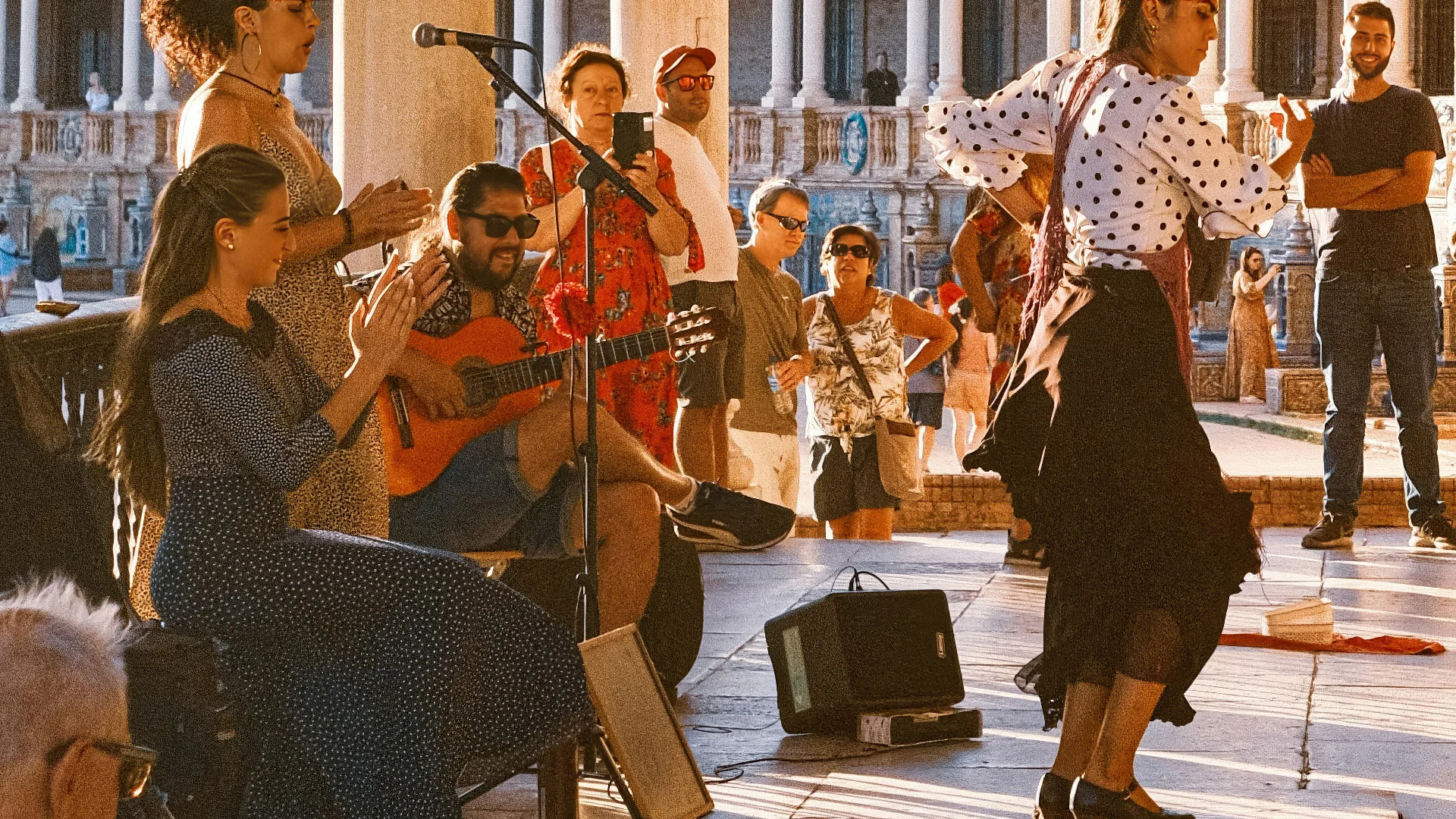
The differences between classical and flamenco guitars extend well beyond their physical construction and sound. The techniques used to play these instruments have evolved alongside the instruments themselves, each developing to serve specific musical traditions and expressions.
Classical Playing
Classical guitar technique emphasizes clarity, precision, and tonal beauty. Players typically sit in a formal position with the guitar elevated on the left leg (for right-handed players), often using a footstool or support to raise the instrument to an optimal height. This position allows maximum left-hand mobility and right-hand control.
The right-hand technique focuses on clean, deliberate plucking of strings to produce pure tones. Fingers strike strings with the flesh or nails using free stroke (tirando) as the primary technique, where the finger moves away from the guitar after plucking. Classical players cultivate their nails with meticulous care, shaping them to produce the cleanest possible tone without extraneous noise.
Left-hand movements prioritize efficiency and precision, with fingers approaching the strings at a perpendicular angle. Vibrato is applied subtly, primarily for expressive purposes rather than as a constant technique. The thumb remains behind the neck, providing a stable anchor point for complex fingerwork.
The musical approach emphasizes legato phrasing, where notes connect smoothly to create flowing melodic lines. Dynamic control is paramount, with players developing the ability to produce everything from whisper-quiet passages to forceful fortissimo while maintaining tonal purity.
Flamenco Playing
Flamenco technique presents a striking contrast. Traditional players often use a more casual sitting position with the guitar resting flat against the body, though many modern players have adopted elements of classical positioning. This traditional position allows for the animated upper body movement often seen in flamenco performance.
The right hand employs a wider variety of techniques, including the distinctive rasgueado (rapid strumming using multiple fingers in sequence) that creates the characteristic machine-gun flurry of sound. Golpe techniques involve striking the guitar top for percussion effects, while alzapúa uses the thumb for rapid alternation between bass notes and chords.
Picado technique features prominently in flamenco, with players developing remarkable speed for the rapid-fire single-note runs that punctuate performances. Unlike classical players who primarily use tirando (free stroke), flamenco guitarists frequently employ apoyando (rest stroke) for greater volume and attack, where the finger comes to rest on the next string after striking.
Left-hand technique often incorporates more slides, hammer-ons, and pull-offs to create the fluid, speech-like phrasing characteristic of the style. The thumb sometimes comes around the neck to fret bass notes, a technique generally avoided in classical playing but useful for certain flamenco passages.
Hand Positions
Hand positions reveal fundamental philosophical differences between these styles. Classical technique establishes a stable, consistent hand position from which all movements occur with minimal wasted motion. The right wrist maintains a gentle curve, and fingers approach strings at a consistent angle.
Flamenco playing often involves more flexible, shifting hand positions to accommodate its diverse techniques. The right hand might move from a position near the bridge for bright, percussive tones to one over the soundhole for fuller sounds, sometimes within the same phrase. This mobility sacrifices some consistency but gains expressive versatility.
The left hand in classical playing maintains a "C" shape with the thumb behind the neck. Flamenco players sometimes use a flatter left-hand position with the thumb wrapped around the neck for certain passages, particularly when playing the thumb-over technique on the sixth string.
Rhythm and Timing
Perhaps the most profound difference lies in rhythmic approach. Classical guitar typically follows Western art music's approach to rhythm, with precise adherence to written time values and rubato (expressive timing) applied according to established traditions.
Flamenco operates within the complex world of compás, rhythmic cycles that define different palos (styles) within the tradition. These range from the 12-beat cycles of soleá and bulería to the 4-beat tangos and rhythmically free styles like taranta. Mastering these rhythmic frameworks requires immersion in the tradition, as the subtle accents and feel cannot be fully captured in standard notation.
The sense of time differs as well. Classical playing often allows phrases to breathe with subtle pushing and pulling of tempo. Flamenco demands relentless rhythmic drive with a particular swing or groove (aire) unique to each palo. Even in moments of apparent rubato, the underlying compás continues as an internal pulse.
These technical approaches aren't simply arbitrary differences. They've evolved to serve the music each tradition celebrates, with every technical element supporting the core expressive purpose of the style. While modern players increasingly borrow techniques across these boundaries, understanding the traditional approaches provides essential foundation for authentic expression in either style.
Classical for Flamenco & Vice Versa: Navigating the Boundaries

Musicians often wonder if they can cross the boundaries between these guitar traditions. Can you play flamenco on a classical guitar? Or classical pieces on a flamenco instrument? The answer isn't simply yes or no, but rather "yes, with limitations" – and understanding these limitations helps you make informed choices about your instrument.
Possibilities and Limitations
A classical guitar can certainly be used to play flamenco music. The instrument will produce the correct notes and allow for most flamenco techniques. However, you'll notice important differences in the experience and results. The higher action makes rapid techniques more demanding, while the warmer, more resonant tone lacks the bright attack that defines authentic flamenco sound. Percussive techniques are possible but risk damaging the unprotected top of a classical guitar.
Conversely, a flamenco guitar can play classical repertoire, but again with compromises. The bright, immediate response and quick decay mean that sustaining melodies won't sing with the same resonance. The lower action that facilitates speed can introduce buzzing that's inappropriate in classical contexts. While some players prefer the responsiveness of flamenco guitars for certain classical pieces, particularly those with Spanish influences, the instrument won't deliver the full tonal palette classical music demands.
The degree of compromise depends largely on the specific instruments involved. Some high-end classical guitars with cedar tops offer quicker response that works better for flamenco, while a flamenco negra might provide enough warmth for certain classical pieces. The boundaries between these instruments exist on a spectrum rather than as an absolute divide.
Guitar Adaptations for Crossover Playing
Some adaptations can help bridge these gaps. A classical guitarist wanting to explore flamenco might consider installing a temporary tap plate to protect the top during percussive playing. Adjusting the action slightly lower (though not as low as a true flamenco guitar) can facilitate faster techniques while still maintaining classical tone.
Flamenco guitarists approaching classical music might benefit from raising their action slightly to reduce buzzing and increase sustain. Some players add specific classical-oriented techniques to their approach, like prioritizing tirando (free stroke) over apoyando (rest stroke) for cleaner tone.
Hybrid or crossover guitars represent another solution. These instruments incorporate elements from both traditions, perhaps using flamenco-style shallow bodies with classical bracing patterns, or classical depth with flamenco neck profiles. While purists might argue these compromise both voices, they offer versatile options for players who regularly cross stylistic boundaries.
String Choice Considerations
Strings significantly impact how successfully a guitar crosses stylistic boundaries. Classical guitars typically use higher tension strings that enhance sustain and dynamic range. Flamenco guitars often feature lighter tension strings that speak quickly and facilitate rapid techniques.
Switching to medium tension strings can help a classical guitar achieve more flamenco-like response. Adding slightly higher tension strings to a flamenco guitar can improve sustain for classical playing, though this requires careful consideration of the instrument's bracing, which may not be designed for higher tensions.
Some string manufacturers offer specialized sets designed specifically for crossover playing. These balanced-tension sets aim to provide quick response while maintaining adequate sustain, offering a middle ground between traditional classical and flamenco string characteristics.
Microphone and Amplification Factors
In performance contexts, amplification can help overcome some limitations when crossing stylistic boundaries. A classical guitar played through a microphone with slight midrange emphasis can project more effectively in flamenco settings. Similarly, a flamenco guitar amplified with added reverb can simulate some of the sustain and warmth of a classical instrument.
Modern pickup systems sometimes include EQ options that can help shape the tone toward either tradition. Rolling off some high frequencies can warm up a bright flamenco guitar for classical pieces, while boosting attack can help a classical guitar cut through in flamenco contexts.
However, amplification remains a supplement rather than a solution. The fundamental acoustic properties of these instruments shape how they respond to the player's touch, and no amount of electronic enhancement can fully transform one into the other. The physical experience of playing the instrument – how it responds, how techniques translate, how it feels under the fingers – remains tied to its construction.
Understanding these limitations and possibilities helps set realistic expectations when crossing stylistic boundaries. While neither instrument perfectly substitutes for the other, both offer enough flexibility for exploration and growth. Many guitarists find that experiencing both traditions enriches their playing regardless of which instrument they ultimately prefer.
Choosing Your Ideal Guitar: A Personalized Decision

Selecting between a classical and flamenco guitar ultimately comes down to your personal musical journey. This decision requires honest assessment of your playing style, repertoire interests, and technical preferences. Let's explore how to match the right instrument to your musical path.
Who Should Buy a Classical Guitar?
A classical guitar makes the most sense if your musical heart lies in traditional classical repertoire, from Renaissance pieces to contemporary compositions. This instrument excels at bringing out the nuanced voicings and sustained melodies found in works by composers like Tárrega, Sor, and Villa-Lobos.
If your playing style emphasizes fingerstyle technique with complex counterpoint and voice leading, a classical guitar's balanced response across all strings will serve you well. Players who value dynamic range and tonal color variations will appreciate how a classical guitar responds to subtle changes in right-hand position and attack.
Classical guitars also work beautifully for other fingerstyle genres beyond classical music. Jazz standards, bossa nova, and even thoughtful folk arrangements benefit from the warm, complex voice of these instruments. If you see yourself primarily as a solo performer creating complete musical statements on a single instrument, a classical guitar offers the full-spectrum voice you'll need.
Players who prefer a more relaxed, less percussive approach to rhythm will find a classical guitar's smooth response satisfying. If you're drawn to music where notes blend into one another, creating seamless legato phrases, this instrument will feel like a natural extension of your musical intentions.
Who Should Buy a Flamenco Guitar?
A flamenco guitar becomes the obvious choice if you're drawn to traditional flamenco music with its distinctive techniques and fiery character. If terms like bulería, soleá, and alegría excite you, this instrument will provide the authentic voice and response these forms demand.
Players who value speed, percussive elements, and rhythmic precision above sustain and warmth will feel immediately at home with a flamenco guitar. If your playing incorporates rasgueados, golpes, and other traditional flamenco techniques, this instrument is designed specifically to facilitate those approaches.
Guitarists who perform with singers or dancers, particularly in flamenco settings, will benefit from the flamenco guitar's cutting projection and immediate response. The flamenco guitar's voice is designed to be part of an ensemble, working in conversation with vocalists, dancers, and percussionists rather than standing entirely alone.
If you're attracted to music with strong rhythmic drive and percussive elements beyond traditional flamenco, this guitar type still makes sense. Some contemporary players use flamenco guitars for rumba, Latin styles, and even percussive fingerstyle approaches, taking advantage of the instrument's quick response and bright attack.
Importance of Experiencing Both Styles
Before committing to either guitar type, try to play both if possible. The descriptions in this article provide guidance, but nothing replaces the experience of holding these instruments in your hands and hearing how they respond to your touch.
Visit guitar shops that specialize in nylon-string instruments, or attend classical and flamenco concerts to hear these guitars in their natural musical environments. Many guitar festivals and workshops offer opportunities to try different instruments and get feedback from experienced players.
If you're new to both traditions, consider taking a few lessons in each style before investing in an instrument. Even brief exposure to proper technique can dramatically change how you experience these guitars and may clarify which direction calls to you more strongly.
Remember that many accomplished guitarists eventually own both types, using each for its intended purpose. Your first choice doesn't have to be your only choice forever. Musicians often start in one tradition and gradually explore the other as their interests evolve.
Finding Qualified Instruction
Regardless of which guitar you choose, finding a qualified teacher makes an enormous difference in your development. Classical and flamenco techniques differ substantially, and proper guidance helps establish foundations that will serve you throughout your musical life.
Classical guitar instruction typically follows structured pedagogical approaches developed over centuries, with progressive studies that build technique methodically. Finding a teacher with formal training in this tradition provides access to this rich educational heritage.
Flamenco instruction often emphasizes learning by ear within the tradition, though many modern teachers also incorporate elements of music theory and notation. A teacher with authentic flamenco background brings not just technical knowledge but cultural context that's essential to the style.
Consider your learning preferences when choosing a teacher. Some students thrive with highly structured approaches, while others prefer more intuitive, ear-based learning. Either approach can work with either guitar type, though traditional teaching methods tend to align with the respective guitar traditions.
Final Thoughts & FAQs
What's better for a complete beginner - classical or flamenco?
For absolute beginners, a classical guitar often provides a more forgiving starting point. The wider neck spacing makes it easier to form clean chords without accidental string muting, while the higher action is more tolerant of imprecise technique. Classical technique builds fundamental skills that transfer well to other styles later. That said, if a student is specifically passionate about flamenco, starting with the appropriate instrument for that style can provide stronger motivation to practice and overcome initial challenges.
Which one is easier to play?
Neither is inherently easier - they're optimized for different techniques. Classical guitars require more finger strength due to higher action but offer more string clearance for clean playing. Flamenco guitars allow faster movement with their lower action but demand more precise control to avoid buzzing. What feels "easier" depends entirely on what techniques you're attempting to execute. Classical technique may feel more approachable initially, while flamenco's percussive elements present different challenges.
Can you add a tap plate to a classical guitar?
Yes, temporary or permanent tap plates can be added to classical guitars. Self-adhesive clear tap plates provide protection without permanent modification. For a professional installation, a luthier can carefully apply a tap plate that minimizes impact on the guitar's voice. However, adding a tap plate won't transform a classical guitar into a flamenco instrument - it addresses only one of many differences between these guitar types.
What's better for live performance?
Traditionally, flamenco guitars project more effectively in live settings due to their brighter, more focused sound that cuts through ambient noise. Many also come factory-equipped with pickups. Classical guitars may require more careful amplification to maintain their tonal character. However, modern classical guitars designed for concert performance offer excellent projection, and both types can be effectively amplified with today's sophisticated pickup and microphone systems.
Do these guitars use the same strings?
While both use nylon strings, the specific tensions and compositions often differ. Classical guitars typically use medium to high tension strings that maximize sustain and volume. Flamenco guitars traditionally use lighter tension strings for quicker response and easier execution of techniques like rapid picado passages. String manufacturers now offer specialized sets for each tradition, optimized for their particular playing characteristics.
Can electric guitarists easily transition to either type?
Electric guitarists often find the wider neck and higher action of classical guitars initially challenging, while the flamenco guitar's lower action may feel more familiar. However, nylon strings require completely different right-hand techniques than electric guitar playing. The transition to either classical or flamenco depends more on adapting to nylon-string technique than on which specific type you choose. Many electric players find the flamenco guitar's percussive qualities make for an easier stylistic bridge.
What about left-handed options?
Left-handed models exist for both types but are less common than right-handed versions. Many teachers actually recommend that left-handed beginners learn right-handed technique, as finding quality left-handed instruments can be challenging, especially for flamenco guitars. However, for committed players, custom left-handed instruments can be ordered from luthiers specializing in either tradition.
Conclusion: Two Paths, One Musical Journey
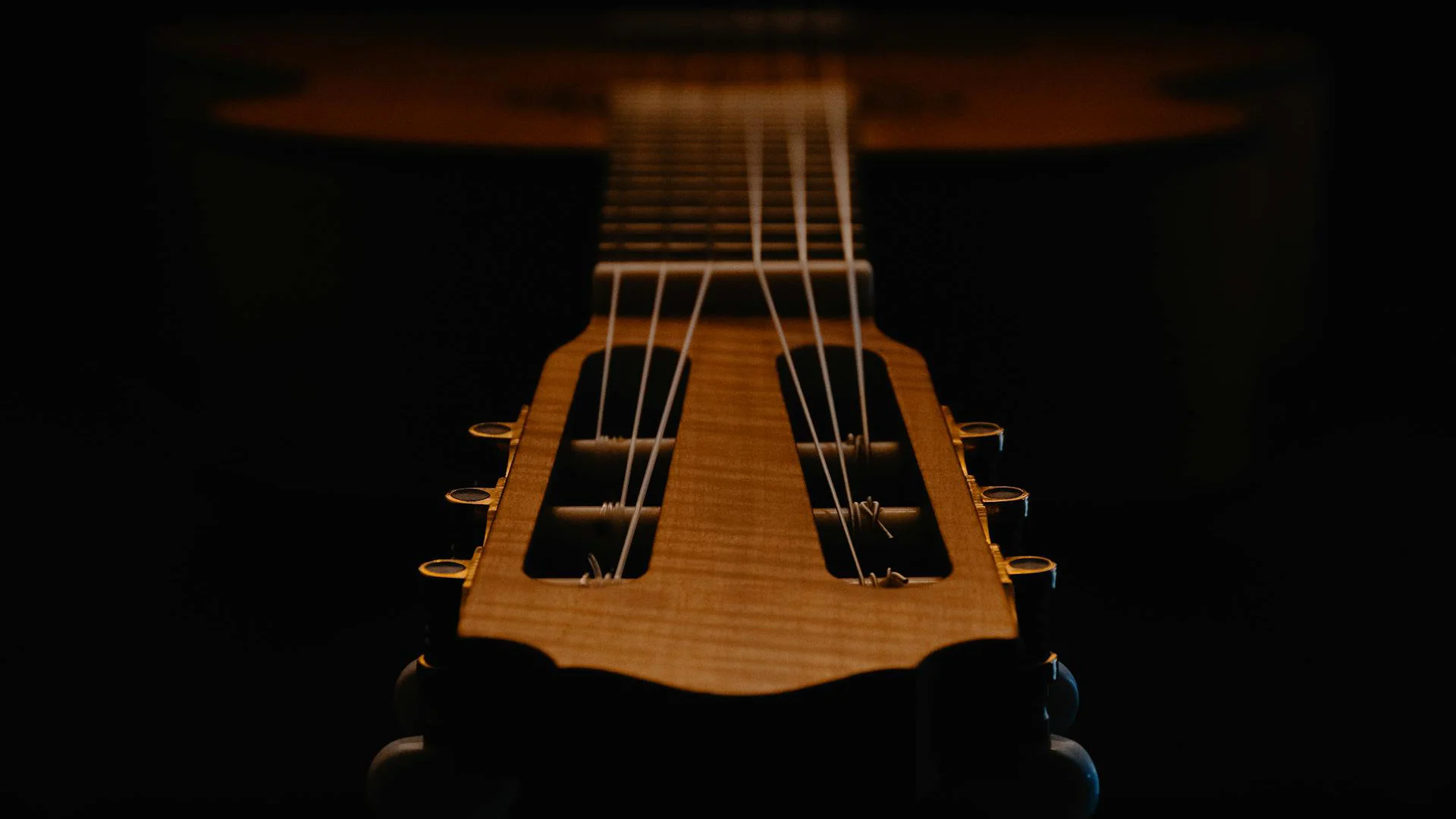
At the end of the day, classical and flamenco guitars each tell their own musical story. One speaks with warm, sustained tones that fill a room; the other answers with bright, percussive sounds that cut through noise and drive rhythm forward.
Your choice comes down to which voice matches the music in your head. Do you hear yourself playing flowing classical pieces that sing with complex harmonies? Or are you drawn to the fiery rhythms and techniques of flamenco?
Many players eventually explore both worlds, finding that each tradition enriches their understanding of the other. Some even keep both types of guitars, switching between them as their musical mood changes.
Whatever you decide, remember that the "right" guitar is simply the one that makes you want to keep playing. Trust your ears, your hands, and the way the instrument feels against your body. That connection matters more than any technical specification.
Pick up both types if you can, play them, and listen not just with your ears but with your heart. The guitar that feels like it's completing your musical thoughts is the one you should take home.
Top Ranked Classical & Nylon-String Guitars on Equipboard


About the authors

S. Jino is an accomplished multi-instrumentalist and music producer based in Kolkata, India, distinguished by his self-taught mastery and unique blend of technical acumen and musical performance. His extensive experience was forged through hands-on dedication, starting with the full restoration of a broken guitar. Jino's capabilities span keyboards, pedals, and advanced digital production, reflecting a comprehensive skill set developed independently. As a significant contributor to the music scene, Jino regularly performs with worship bands and college ensembles. He has also established himself as a reliable and authoritative professional in freelance mixing, mastering, and original music creation. Inspired by the innovative sounds of Brian May and David Gilmour, and influenced by Kolkata's vibrant metal community, Jino is committed to the intricate art of vintage gear restoration and the continuous exploration of music and technology fusion. His current professional setup, featuring a meticulously restored nameless guitar, a Fender Player Strat, and a Boss Katana 50. Read more
New in Classical & Nylon-String Guitars

$364.00 - $449.99
in Classical & Nylon-String Guitars Rank


$1,199.00 - $1,199.99
in Classical & Nylon-String Guitars Rank