
By Gear Experts
Table of Contents

Equipboard
Equipboard is the world's largest community of artists and their gear. Read our review process.
We are reader-supported. When you buy through links on our site, we may earn an affiliate commission. Learn more.
Our Picks

The most recorded bass guitar in history continues to define what a bass should sound like, setting the standard that all others follow.
Read more


Offering unparalleled tonal flexibility and sleek playability, the Jazz Bass remains the choice for players who demand ultimate versatility.
Read more


-l.webp?v=1785250782)
Combining pristine clarity with powerful punch, the StingRay revolutionized active bass design and continues to set standards for contemporary bass tone.
Read more
With its distinctive reversed body and thunderous tone, the Thunderbird IV has been the weapon of choice for rock's heaviest hitters since 1963.
Read more
Combining unmistakable aesthetics with its signature bright, piano-like tone, the 4003 represents the pinnacle of Rickenbacker's bass craftsmanship.
Read more
A flagship model in the SR series that exemplifies Ibanez's modern approach to bass design, delivering professional features in a refined package.
Read more

Delivering premium features and stunning aesthetics at a mid-tier price point, the TRBX605FM proves that professional quality doesn't have to break the bank.
Read more
Combining classic Precision and Jazz Bass tones in a shorter-scale format, the Mustang PJ Bass proves that great things come in small packages.
Read more
Hofner (Höfner) Ignition Violin Bass
This affordable recreation of Paul McCartney's iconic violin bass brings the distinctive hollow-body sound and vintage aesthetics to players on a budget.
Read moreRecommended Bass Guitars: In-Depth Reviews
Choosing the right bass isn't just about reading specifications – it's about understanding how those features translate into real-world performance. In this section, we'll take a detailed look at carefully selected bass guitars that represent the best options across different styles, price points, and playing needs.
Whether you're looking for your first serious instrument or adding to a professional collection, these reviews will help you understand exactly what each bass brings to the table. Let's dive into the details of these industry-standard instruments.
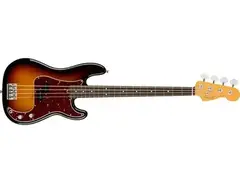
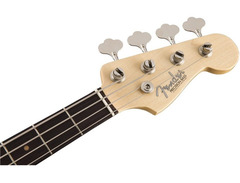
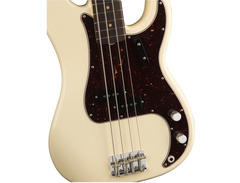
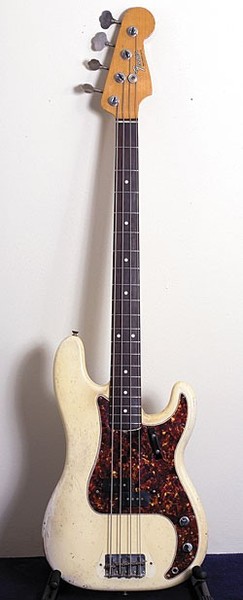
Fender Precision Bass
4.5 (352)
The Benchmark Bass





Average Price: $1,275
High-end/Boutique
$400
$1001+
Budget
Standard
High-end
- Iconic punchy tone that cuts through any mix
- Solid construction feels reliable and durable
- Versatile for various genres from punk to soul
- Neck design offers a comfortable and smooth playability
- See 6 more
- Some find the neck too thick for smaller hands
- Can be heavy for extended playing sessions
- Action may require adjustment for personal taste
- Basic single pickup limits tonal variety for some
- See 1 more
When Leo Fender introduced the Precision Bass in 1951, he didn't just create a new instrument - he revolutionized modern music. Today's P-Bass continues this legacy, remaining one of the most recorded and performed bass guitars in history. Let's examine why this workhorse continues to dominate studios and stages worldwide.
Key Specifications
- Body: Alder
- Neck: Maple, 34" scale length
- Fingerboard: Maple or Rosewood, 20 medium-jumbo frets
- Pickup: Split-coil single pickup
- Electronics: Passive, Volume and Tone controls
- Bridge: 4-saddle high-mass vintage-style
- Made in: USA, Mexico, or Japan (varying price points)
The P-Bass exemplifies thoughtful, player-focused design. Its contoured alder body strikes an excellent balance between comfort and weight, while the bolt-on maple neck's "C" profile accommodates various playing styles. The split-coil pickup sits precisely where the strings' fundamental frequencies are strongest – a design detail that contributes significantly to its signature sound.
The P-Bass's voice is immediately recognizable: punchy, full, and authoritative. The split-coil pickup delivers a thick midrange that sits perfectly in any mix, with enough low-end depth to provide a solid foundation and just the right amount of top-end clarity for articulation. It's this tonal balance that has made the P-Bass the benchmark for what many people consider "proper" bass tone.
Despite being one of the oldest bass designs, the P-Bass's playability remains remarkably modern. The substantial neck might initially feel hefty to some players, but it provides excellent stability and sustain. The 34" scale length has become the industry standard, offering ideal string tension for most playing styles.
Best Suited For
- Recording sessions across all genres
- Live performance in any setting
- Players who prefer simple, reliable controls
- Musicians seeking that classic bass sound
- Rock, punk, country, and blues players
While the American-made models command premium prices, they represent a solid investment, holding their value exceptionally well. The Mexican-made Player Series offers outstanding value, delivering most of the classic P-Bass features at a more accessible price point.
See how artists use this









Fender Jazz Bass
4.5 (319)
The Versatile Virtuoso

Average Price: $1,170
High-end/Boutique
$400
$1001+
Budget
Standard
High-end
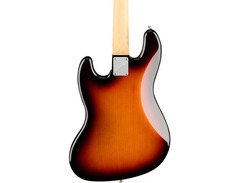
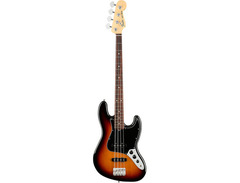
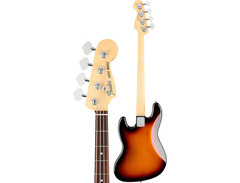
Fender introduced the Jazz Bass in 1960 as a deluxe alternative to the P-Bass. It would go on to become one of the most versatile bass guitars ever made. Designed to appeal to jazz musicians with its sleeker neck profile and sophisticated dual-pickup configuration, it quickly transcended its namesake genre to become a favorite across all styles of music. From Jaco Pastorius's revolutionary fusion playing to John Paul Jones's rock groove and Marcus Miller's modern funk, the Jazz Bass has proven itself as an instrument of limitless potential.
Key Specifications
- Body: Alder
- Neck: Maple, 34" scale length
- Fingerboard: Maple or Rosewood, 20 medium-jumbo frets
- Pickups: Two single-coil Jazz Bass pickups
- Electronics: Passive, Dual Volume and Master Tone controls
- Bridge: 4-saddle high-mass vintage-style
- Made in: USA, Mexico, or Japan (varying price points)
The Jazz Bass's slim neck profile and offset body design showcase Fender's commitment to player comfort. While sharing similar construction materials with its P-Bass sibling, the J-Bass offers a more streamlined feel. The dual pickup configuration allows for unprecedented tonal flexibility, while the contoured body ensures comfort during long playing sessions.
Where the P-Bass is about consistency, the Jazz Bass excels in versatility. Its dual single-coil pickup configuration delivers everything from warm, fat tones with both pickups blended to punchy mids with the bridge pickup, or classic hollow tones with the neck pickup soloed. The famous "scooped" J-Bass sound, with its pronounced lows and highs, cuts through any mix while maintaining exceptional clarity.
The slimmer neck profile makes the Jazz Bass particularly appealing to players transitioning from guitar or those with smaller hands. The offset body design naturally sits well whether playing seated or standing. The dual volume controls allow for quick tonal changes mid-performance, making it exceptionally responsive to playing dynamics.
Like the P-Bass, American-made Jazz Basses command premium prices but retain their value exceptionally well. The Player Series offers an excellent entry point into the J-Bass world, providing the essential features and tones that made this model famous, at a more accessible price point.
See how artists use this

.jpg)






.png?v=1785227140)

Music Man Stingray
5.0 (143)
The Professional's Precision Tool
-s.webp?v=1785250782)
Average Price: $2,283
High-end/Boutique
$400
$1001+
Budget
Standard
High-end
- Iconic and distinctive tone that stands out in any mix
- Versatile sound suitable for genres like rock, funk, and metal
- Active preamp offers a wide range of tonal options
- Comfortable playability with a smooth neck
- See 6 more
- Battery box and output jack may require frequent replacement
- G string can sound dead during slapping
- Tone can get buzzy at times
- Some users find it heavy compared to other basses
First introduced in 1976 by Leo Fender's Music Man company, the StingRay represented a dramatic leap forward in bass guitar design. It was one of the first production basses to feature active electronics, and its powerful preamp, paired with its distinctive oversized humbucker, created a bold new sound that would define modern bass playing. Today's StingRay continues this legacy of innovation while maintaining the unmistakable character that made it famous.
Key Specifications
- Body: Selected hardwoods (ash or alder)
- Neck: Roasted maple, 34" scale length
- Fingerboard: Maple or Rosewood, 22 stainless steel frets
- Pickups: Music Man humbucker with neodymium magnets
- Electronics: Active 3-band EQ, 18V system
- Bridge: Music Man vintage-style with stainless steel saddles
- Made in: USA
The StingRay showcases exceptional attention to detail in every aspect of its construction. The neck-through-body design provides outstanding sustain, while the sculptured neck joint offers unrestricted access to the highest frets. Modern appointments like stainless steel frets and roasted maple necks demonstrate Music Man's commitment to combining tradition with innovation.
The StingRay's voice is immediately recognizable: punchy, articulate, and powerful. Its active electronics deliver pristine clarity with enough headroom to handle any playing style. The distinctive bridge humbucker provides a bold midrange presence that can be further sculpted through the active 3-band EQ. From aggressive slap tones to warm fingerstyle sounds, the StingRay delivers with authority.
Despite its robust sound, the StingRay is remarkably comfortable to play. The careful body contouring and balanced weight distribution make it ideal for long performances. The smooth, speed-neck profile accommodates both fingerstyle and slap techniques with equal ease.
Best Suited For
- Professional recording and touring musicians
- Modern rock, funk, and fusion players
- Bassists who need precise tone control
- Players who demand premium build quality
- Those seeking maximum punch and clarity
While the StingRay represents a significant investment, its build quality, reliability, and professional-grade features justify the price for serious players. Its enduring popularity and reputation for quality help maintain strong resale values.
See how artists use this








Gibson Thunderbird IV
4.5 (51)
The Rock Icon

Average Price: $2,347
High-end/Boutique
$400
$1001+
Budget
Standard
High-end
- Surprisingly wide and deep tonal range
- Comfortable, thin neck reminiscent of a jazz bass
- Light-weight and not top-heavy
- Excellent sustain and tone
- See 6 more
- Stock pickups are notoriously noisy
- Not as flexible as other basses for varied styles
- Might be too long for some players
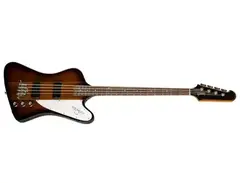
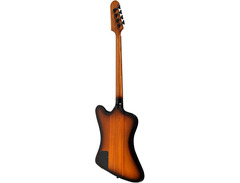
When Gibson introduced the Thunderbird IV in 1963, they created more than just a bass - they forged an icon of heavy music. This four-string variant became the definitive Thunderbird model, wielded by legends like John Entwistle, Pete Way, and Nikki Sixx. Today's Thunderbird IV maintains its rebellious spirit while incorporating modern refinements that make it more player-friendly than its ancestors.
Key Specifications
- Body: Mahogany wings with 9-ply mahogany/walnut neck-through
- Neck: Mahogany/Walnut laminate, 34" scale length
- Fingerboard: Rosewood, 20 medium-jumbo frets
- Pickups: Dual Gibson Thunderbird TB+ Humbuckers
- Electronics: Passive, Dual volume, Master tone
- Bridge: Grover/Gibson 3-point adjustable bridge
- Made in: USA (Nashville, Tennessee)
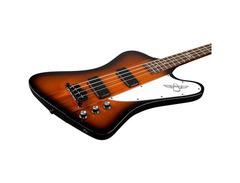
The Thunderbird IV's massive mahogany body and neck-through construction create a substantial instrument that resonates with authority. The 9-ply neck-through design ensures stability while maximizing sustain. Modern versions feature improved weight distribution to address the neck dive issues that plagued earlier models. The classic white pickguard, chrome hardware, and reversed body design create that unmistakable silhouette that's graced countless stages.
If you've ever wondered what thunder sounds like through an amplifier, the Thunderbird IV provides the answer. The dual TB+ humbuckers deliver massive low-end thump and aggressive midrange growl that have defined heavy rock bass tone for generations. While it excels at high-gain settings, the passive electronics can also produce surprisingly musical clean tones when rolled back.
The Thunderbird IV demands commitment from its player, both physically and technically. The substantial neck profile and 34" scale length require a confident approach but reward players with exceptional sustain and powerful projection. Recent refinements to the body design and bridge system have made it more comfortable for extended playing sessions compared to vintage models.
Best Suited For
- Rock and metal players seeking definitive heavy bass tone
- Bassists who want an instantly recognizable stage presence
- Players who appreciate traditional American craftsmanship
- Musicians requiring maximum sustain and punch
- Those seeking the classic Thunderbird sound
The Thunderbird IV's premium price reflects its USA construction and heritage status. For players seeking its distinctive voice and aesthetic, there simply isn't a substitute. It remains a specialized tool for those who know exactly what they want and are willing to invest in an American-made legend.
See how artists use this




.jpg)
Rickenbacker 4003
5.0 (148)
The Timeless Tone Machine
Average Price: $2,378
High-end/Boutique
$400
$1001+
Budget
Standard
High-end
- Exceptional playability and comfortable neck for fast action
- Unique design with iconic visual appeal
- Versatile sound, capable of modern and vintage tones
- High-quality craftsmanship and durable build
- See 6 more
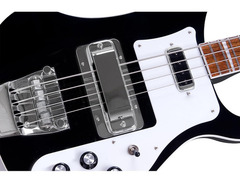
- Pickup cover can be obstructive, affecting playing style
- Original bridge design had limitations before recent updates
- High gain pickups may produce noise at elevated settings
- Neck is wider, similar to a Fender Precision, which may not suit everyone
- See 1 more
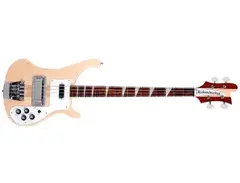
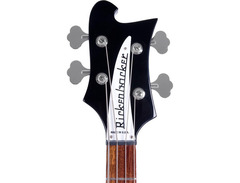
Since its introduction in 1979 as the successor to the legendary 4001, the 4003 has maintained Rickenbacker's reputation for distinctive sound and style. Famous for its cutting treble response and exceptional sustain, this bass has shaped the sound of progressive rock, alternative, and indie music. From Chris Squire's groundbreaking work with Yes to Lemmy Kilmister's aggressive approach with Motörhead, the 4003 has proven its versatility across genres while maintaining its unique character.
Key Specifications
- Body: Maple
- Neck: Maple, 33.25" scale length
- Fingerboard: Rosewood, 20 frets
- Pickups: Dual Rickenbacker Hi-gain pickups
- Electronics: Passive, Dual volume, Dual tone, Vintage tone selector
- Bridge: Rickenbacker bass bridge with adjustable saddles
- Made in: USA
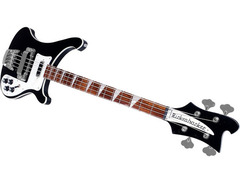
The 4003's distinctive double-cutaway body features Rickenbacker's famous cresting wave design, crafted from solid maple with a high-gloss finish. The neck-through construction and trademark dual truss rods provide exceptional stability and adjustment options. The binding, triangle inlays, and iconic "R" tailpiece showcase Rickenbacker's attention to detail and commitment to their aesthetic heritage.
The 4003 delivers the quintessential Rickenbacker sound: bright, cutting, and rich in harmonics. The bridge pickup provides the famous treble bite that helps bass lines stand out in any mix, while the neck pickup offers deeper, more traditional bass tones. The vintage tone circuit (activated by a push/pull pot) recreates the capacitor-based treble cut that gave the original 4001 its distinctive character.
The slim neck profile and slightly shorter scale length (33.25" vs. the standard 34") make the 4003 surprisingly comfortable despite its substantial body. The distinctive neck binding and lacquered finish give it a unique feel that some players find addictive. Upper fret access is excellent thanks to the double-cutaway design.
Best Suited For
- Progressive rock and alternative musicians
- Players seeking a distinctive voice and look
- Recording artists who need a bass that cuts through
- Musicians playing complex melodic bass lines
- Those seeking the classic Rickenbacker sound
Its unique combination of tone, craftsmanship, and heritage justifies the investment for those seeking its distinctive character. Its enduring popularity and limited production numbers help maintain strong resale values.
See how artists use this






Ibanez SR1305
The Progressive Player's Dream

Average Price: $1,200
High-end/Boutique
$400
$1001+
Budget
Standard
High-end
The SR1305 stands at the sweet spot of Ibanez's celebrated SR Premium line, showcasing everything that has made the SR series legendary while incorporating premium materials and advanced electronics. This five-string bass represents the evolution of Ibanez's mission to create instruments that meet the demands of contemporary players, from studio sessions to intense live performances.
Key Specifications
- Body: African Mahogany with Poplar Burl top
- Neck: 5-piece Wenge/Walnut, 34" scale length
- Fingerboard: Bound Panga Panga, 24 Premium frets
- Pickups: Nordstrand Big Single pickups
- Electronics: Ibanez Custom 3-band EQ with 3-way Mid frequency switch
- Bridge: MR5S bridge with 18mm string spacing
- Made in: Indonesia
The SR1305's build quality demonstrates why the Premium line has earned such respect. The multi-laminate neck features striped Wenge and Walnut for superior stability, while the African Mahogany body with Poplar Burl top offers both visual elegance and tonal complexity. Premium details include stainless steel frets, Luminlay side dots, and a refined finish that highlights the natural wood grain.
Nordstrand Big Single pickups deliver exceptional clarity and punch, offering single-coil articulation with humbucker-like body. The 3-band EQ includes a 3-way mid-frequency switch that allows precise tone sculpting, from vintage warmth to modern aggression. The passive tone control provides traditional sounds when the preamp is bypassed.
The SR1305 features the series' famous ultra-thin neck profile, measuring just 19.5mm at the first fret. The 24-fret neck offers extended range, while the perfectly balanced body eliminates neck dive. The 18mm string spacing makes this five-string as comfortable as many four-string basses.
Best Suited For
- Professional studio and touring musicians
- Players who need extended range with maximum comfort
- Modern rock, fusion, and progressive metal bassists
- Technical players who demand precise tone control
- Working musicians requiring versatile sounds
The SR1305 offers professional-grade features and build quality that compete with basses costing significantly more. Its versatility and reliability make it an excellent value for serious players.
See how artists use this





Yamaha TRBX605FM Bass Guitar
The Value Champion

Average Price: $728
Standard/Professional
$400
$1001+
Budget
Standard
High-end
- Exceptional value for the price, rivals more expensive models
- Wide tonal range with active/passive switch
- Excellent craftsmanship with smooth fret ends and solid construction
- Lightweight and well-balanced, comfortable for long sessions
- See 6 more
- Stock strings often need replacement for optimal sound
- Onboard EQ may not satisfy all tonal sculpting needs
- Battery box issues can affect reliability in active mode
- Finding a snug-fitting hard case can be challenging
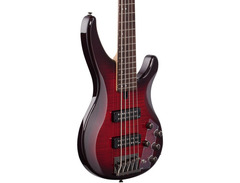
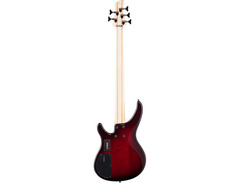
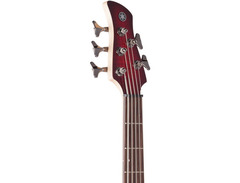
Yamaha's TRBX605FM represents the company's mission to deliver professional-grade instruments at reasonable prices. This five-string bass combines exotic looks, advanced electronics, and excellent craftsmanship in a package that has made many players question the need to spend more. With its flamed maple top and high-mass bridge, it's a testament to Yamaha's ability to balance beauty, functionality, and value.
Key Specifications
- Body: Mahogany with Flamed Maple top
- Neck: 5-piece Maple/Mahogany, 34" scale length
- Fingerboard: Rosewood, 24 frets
- Pickups: Dual YGD H5 Alnico V Humbuckers
- Electronics: Active/Passive switching, 3-band EQ
- Bridge: Die-cast bridge with adjustable saddles
- Made in: Indonesia
The TRBX605FM showcases exceptional attention to detail in its construction. The 5-piece neck provides outstanding stability, while the mahogany body with flamed maple top offers both visual appeal and tonal complexity. The smoothly contoured body and careful weight distribution make it comfortable for extended playing sessions.
The dual YGD H5 humbuckers deliver remarkable versatility. In active mode, the 3-band EQ provides precise tonal control, from deep, thunderous lows to sparkling highs. The passive mode offers more traditional, organic tones that work beautifully for vintage-style playing. The active/passive switch provides instant access to both modern and classic sounds.
A modern C-shaped neck profile strikes an excellent balance between comfort and stability. The 24-fret neck provides extended range, while the carefully designed body contours and neck joint offer unrestricted access to upper registers. The 5-string design maintains comfortable string spacing without feeling cramped.
Best Suited For
- Working musicians on a budget
- Players transitioning to five-string basses
- Versatile players needing multiple tonal options
- Studio musicians requiring reliable performance
- Gigging bassists who want premium features at mid-tier prices
The TRBX605FM offers exceptional value, delivering features and quality typically found in much more expensive instruments. Its combination of premium appointments and reasonable price point makes it one of the best values in its class.
Fender Mustang PJ Bass
4.5 (40)
The Compact Powerhouse

Average Price: $717
Standard/Professional
$400
$1001+
Budget
Standard
High-end
- Lightweight design ideal for long playing sessions
- Short scale enhances playability for smaller hands
- Versatile tone with PJ pickup configuration
- Impeccable build quality comparable to higher-end models
- See 6 more
- Factory strings often need immediate replacement
- J pickup is notably quieter and lacks low-end power
- Switch issues reported after limited use
- Some initial setup and intonation problems
- See 1 more
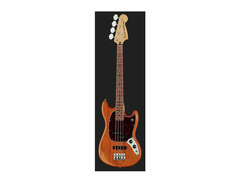
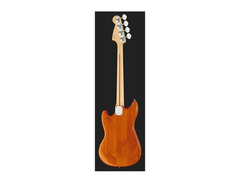
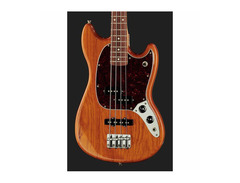
When Fender merged their beloved PJ pickup configuration with the comfortable Mustang platform, they created a uniquely versatile short-scale bass that punches well above its weight class. The Mustang PJ Bass has become a favorite among indie musicians, players with smaller frames, and anyone seeking classic Fender tone in a more manageable package.
Key Specifications
- Body: Poplar
- Neck: Maple, 30" scale length
- Fingerboard: Pau Ferro, 19 medium-jumbo frets
- Pickups: Split-coil Precision Bass middle pickup, Jazz Bass single-coil bridge pickup
- Electronics: Passive, Master Volume, Master Tone, pickup blend
- Bridge: 4-saddle standard bridge
- Made in: Mexico
The Mustang PJ combines the classic offset Mustang body shape with modern player-friendly features. The compact body and 30" scale length make it notably lighter and more manageable than standard-scale basses. Despite its smaller size, the build quality is solid, with clean fretwork and reliable hardware throughout.
The PJ pickup configuration offers impressive versatility. The Precision pickup provides the thick, punchy midrange that made the P-Bass famous, while the Jazz pickup adds definition and clarity when needed. Blending both pickups yields everything from vintage thump to modern clarity, all while maintaining the slightly warmer character typical of short-scale basses.
The reduced scale length and slim neck profile make this bass exceptionally comfortable, particularly for players coming from guitar or those with smaller hands. The offset body design sits well whether playing seated or standing, and the lighter weight makes it perfect for long sets.
Best Suited For
- Players seeking a more compact instrument
- Guitarists transitioning to bass
- Musicians with smaller frames
- Indie and alternative rock players
- Studio musicians wanting a different tonal option
The Mustang PJ Bass offers excellent value, delivering versatile tone and comfortable playability at a modest price point. Its unique combination of features makes it an excellent choice as both a main instrument for some players and a specialized tool for others.
See how artists use this


.jpg)




.jpg)
Hofner (Höfner) Ignition Violin Bass
The Beatle Bass

Average Price: $408
Standard/Professional
$400
$1001+
Budget
Standard
High-end
- Delivers iconic Beatle bass sound with flatwound strings
- Unique Hofner logo on the pickguard adds distinctive charm
- Extremely lightweight due to its hollow body design
- Short scale fretboard offers enhanced comfort and playability
- See 5 more
- Intonation issues reported, especially with the E string
- Electronics may be limiting for some advanced users
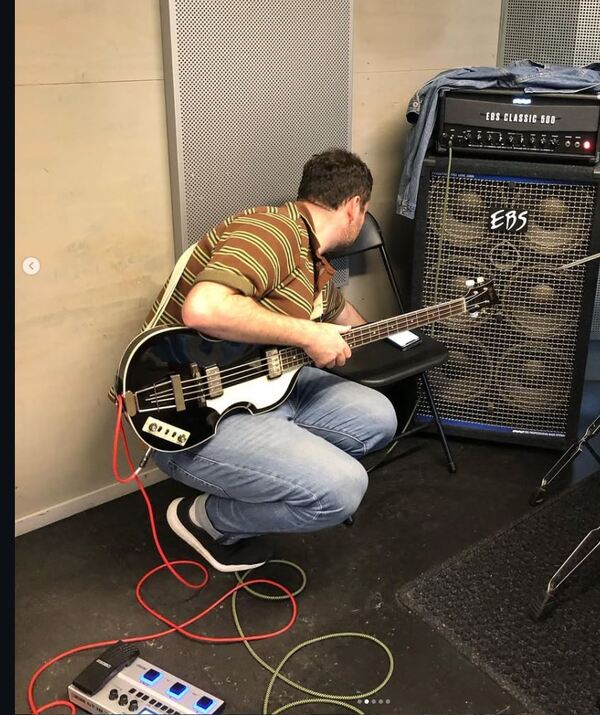
When Paul McCartney first appeared with his Höfner 500/1 in the early days of The Beatles, he unknowingly sparked a revolution in bass guitar design and desirability. The Hofner Ignition Series Violin Bass makes this legendary design accessible to players of all levels, capturing the essence of the original's visual appeal and distinctive tone while maintaining an affordable price point.
Key Specifications
- Body: Basswood, hollow body
- Neck: Maple, 30" scale length
- Fingerboard: Laurel, 22 frets
- Pickups: Dual Hofner Staple-style humbucking pickups
- Electronics: Passive, Dual volume, Dual tone, On/Off switches for each pickup
- Bridge: Adjustable wood bridge with trapeze tailpiece
- Made in: China
The Ignition Series maintains the iconic violin body shape and symmetrical design of its more expensive cousin. While using more affordable materials like basswood instead of spruce, the hollow construction still delivers the light weight and distinctive aesthetic that made the original famous. The vintage-style control panel and tea cup knobs maintain period-correct appearances.
The hollow body and short scale combine to produce the warm, woody tone that characterized countless Beatles recordings. The dual humbucking pickups deliver a surprisingly authentic recreation of the original's thick, rounded sound. While perhaps not as refined as the German-made versions, it captures that distinctive thump that's perfect for classic rock and indie styles.
Like the original, the 30" scale length and hollow design make this one of the lightest and most comfortable basses available. The slim neck profile suits players of all sizes, while the short scale makes it particularly appealing to younger players or those transitioning from guitar.
Best Suited For
- Beatles fans and vintage music enthusiasts
- Players wanting an ultra-lightweight bass
- Musicians seeking classic 60s hollow-body tone
- Beginners looking for a distinctive first bass
- Players with smaller frames or hand issues
While it may not match the quality of its German-made inspiration, the Ignition Violin Bass delivers impressive value for players seeking that classic look and sound. Its affordable price point makes it an attractive option for both beginners and players seeking a unique addition to their collection.
See how artists use this






Understanding Bass Guitar Basics
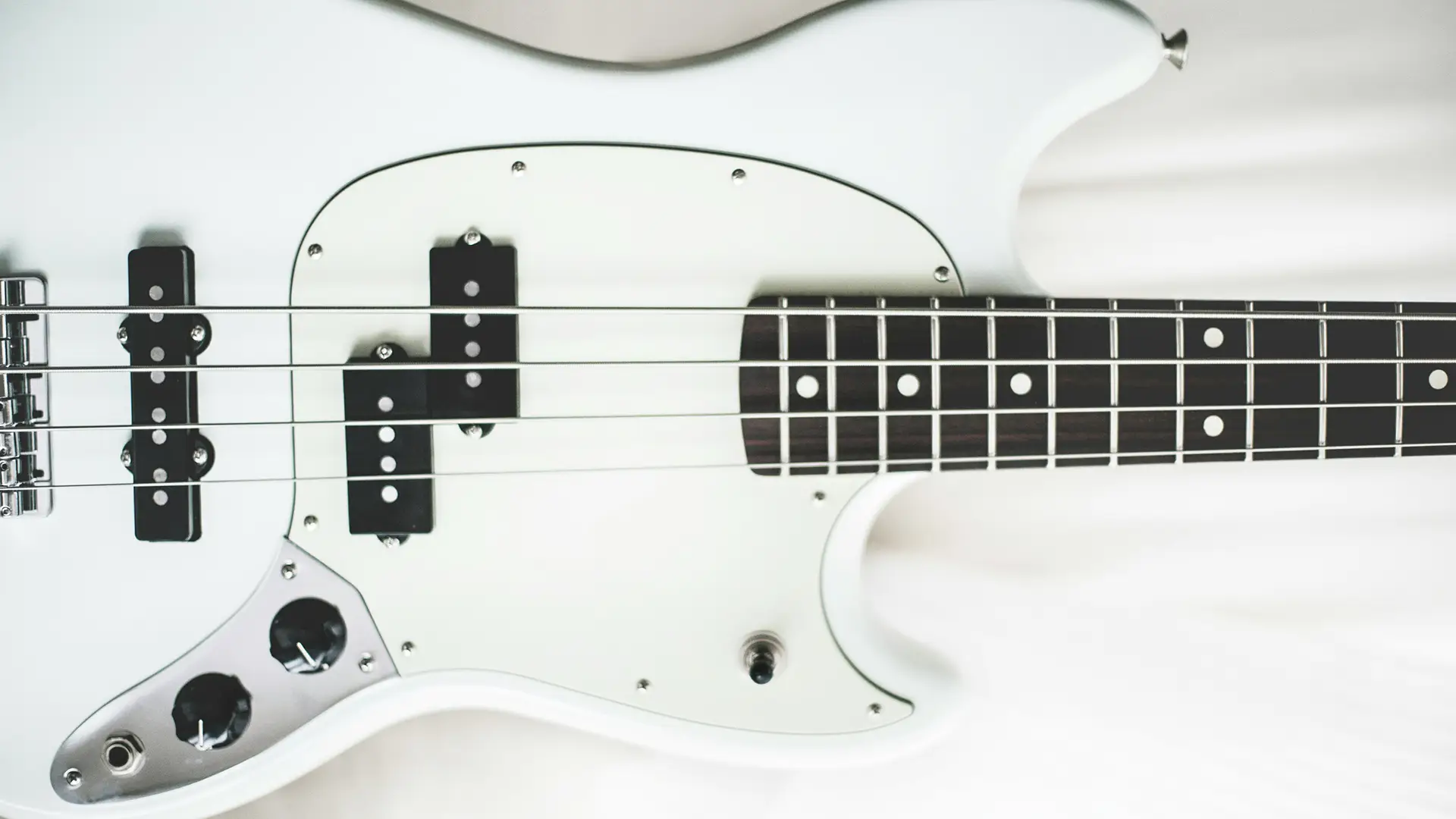
When you pick up a bass guitar for the first time, you're holding an instrument that has evolved over decades to become the backbone of modern music. Let's break down the essential components and variations that will influence your choice.
Anatomy of a Bass Guitar
At its heart, a bass guitar is an elegant combination of wood, metal, and electronics working in harmony. The body houses the pickups and electronics, anchors the bridge, and largely determines the instrument's resonance. The neck, typically made of maple or mahogany, hosts the fretboard where you'll shape your notes. The headstock carries the tuning machines that keep your strings at perfect pitch.
The pickups – those magnetic bars you see on the body – are your bass's microphones, translating string vibrations into electrical signals. Their placement and type dramatically affect your sound, from the warm thump of a neck pickup to the bright punch of a bridge position.
4-String vs. 5-String (and Beyond)
The traditional 4-string bass (E-A-D-G) has defined the sound of popular music for generations. It offers everything you need to lay down solid basslines across most genres. However, many players are drawn to the extended range of a 5-string bass, which adds a low B string. This extra string isn't just about going lower – it opens up new possibilities for chord voicings and position playing, particularly useful in jazz, metal, and gospel music.
Some adventurous players even opt for 6-string basses, adding a high C string above the G. While these require more technique to master, they can blur the line between bass and guitar, offering unique creative possibilities.
Fretted vs. Fretless
Picture the smooth, singing tone of Jaco Pastorius or the warm growl of Jack Bruce – that's the sound of a fretless bass. Without metal frets dividing the fingerboard, fretless basses allow for fluid slides and expressive vibrato that can almost mimic the human voice. However, they require precise finger placement and a well-developed ear.
Fretted basses, on the other hand, offer the security of clearly defined notes and that characteristic bright attack when the string meets the fret. For most beginners and many professional players, a fretted bass provides the ideal combination of playability and versatility.
Scale Length: Short vs. Long
Bass guitars come in different scale lengths – the distance between the bridge and nut that determines string tension and spacing. The standard 34" long scale, popularized by Fender, provides the tight, focused sound most players associate with electric bass. Short-scale basses (typically 30-32") offer easier playability for smaller hands and produce a warmer, more rounded tone that's found favor with many indie and vintage-style players.
Key Features to Consider When Choosing Your Bass Guitar

Every feature on a bass guitar has been carefully designed to shape your sound and playing experience. While it's easy to get overwhelmed by technical specifications, understanding these key features will empower you to choose an instrument that truly resonates with your musical voice. Let's explore the crucial elements that make each bass unique.
Body Style and Construction
The body of your bass guitar is its sonic foundation, and its construction method shapes everything from tone to stage presence. Solid-body basses, which dominate the modern music landscape, offer remarkable versatility and reliability. Their dense construction provides excellent sustain and feedback resistance, making them ideal for everything from intimate jazz clubs to arena rock shows. The Fender Precision Bass exemplifies this design, with its robust build contributing to the punchy, defined tone that has shaped countless recordings.
Semi-hollow bodies represent an intriguing middle ground, featuring a solid center block flanked by hollow chambers. This hybrid design delivers a warmer, more organic sound while maintaining enough feedback resistance for most playing situations. When you play a semi-hollow like the Guild Starfire, you'll notice an almost breath-like quality to the notes, with enhanced midrange resonance that works beautifully in jazz and indie rock contexts.
For players seeking the most acoustic-like experience, hollow-body basses like the legendary Hofner Violin Bass offer unparalleled warmth and natural resonance. Their lightweight construction and unique tonal characteristics have found favor with musicians ranging from Paul McCartney to modern indie bassists. However, these instruments require thoughtful handling in high-volume situations, as their hollow construction makes them more susceptible to feedback.
The Magic of Tonewoods
The choice of wood in your bass guitar isn't just about aesthetics – it's about how your instrument breathes and responds. Each species of wood brings its own sonic signature to the mix, creating a unique voice that can complement or contrast with your playing style.
Alder, a longtime favorite of manufacturers like Fender, provides an exceptionally balanced tone that has become a benchmark in the industry. Its slightly scooped midrange creates space for other instruments while maintaining enough presence to drive the band. This characteristic makes alder-bodied basses particularly versatile, excelling in everything from funk to rock.
Ash tells a different sonic story. With its prominent upper midrange and exceptional sustain, ash-bodied basses cut through dense mixes with authority. The wood's striking grain patterns make each instrument visually unique, though recent sustainability challenges have made ash increasingly precious in instrument manufacturing.
Mahogany brings warmth and depth to the equation. Its enhanced low-end response and rich midrange have made it a favorite in rock and reggae, where its fuller sound can fill out sparse arrangements or provide a robust foundation for heavy genres. The trade-off comes in weight – mahogany is typically heavier than alder or ash, something to consider for long performances.
Maple, particularly as a neck wood or body top, contributes to a bright, articulate sound. Its density and hardness translate to excellent note definition, making it particularly popular among jazz and fusion players who demand clarity in complex passages. When used as a body wood, maple's weight can be challenging, but its sonic benefits often outweigh this consideration for players seeking maximum articulation.
Pickups and Electronics
The pickup configuration of your bass guitar acts as its voice box, translating string vibrations into the electrical signals that ultimately reach your audience's ears. Understanding these options is crucial for finding your perfect tone.
Single-coil pickups, which first appeared on the legendary Fender Jazz Bass, deliver crystalline clarity that has become a benchmark in bass tone. When you hear the bright, punchy sound of a fingerstyle jazz line or the crisp articulation of a funk groove, you're often hearing single-coils at work. Their design offers impressive note definition and a percussive attack that works particularly well for slap techniques. Players like Jaco Pastorius and Marcus Miller have showcased the expressive potential of single-coils, though they do come with a trade-off: they can be susceptible to electrical interference, manifesting as a characteristic hum.
Humbucker pickups emerged as an evolution in pickup design, featuring two coils wired together to cancel out unwanted noise while delivering a thicker, meatier tone. This design produces a higher output and fuller sound that has become a staple in rock and metal. When you hear the growling bass lines of bands like Iron Maiden or Tool, you're experiencing the power of humbuckers. Their noise-canceling properties make them particularly valuable in high-gain situations or environments with electrical interference.
The split-coil pickup, immortalized in the Fender Precision Bass, offers a unique middle ground. Essentially a humbucker split into two pieces, this design delivers the noise-canceling benefits of a humbucker while maintaining a focused, punchy sound that sits perfectly in almost any mix. This is the sound of countless hit records, from Motown classics to modern rock anthems.
Active vs. Passive Electronics: A Tale of Two Systems
The choice between active and passive electronics represents one of the most significant tonal decisions you'll make when selecting a bass. Each system offers distinct advantages that can complement different playing styles and musical contexts.
Active electronics incorporate a preamp powered by a battery, essentially giving you an onboard mixing console. This system provides remarkable tonal control through built-in EQ circuits, allowing you to sculpt your sound with precision. When you play an active bass like a Music Man StingRay or modern Ibanez, you'll notice higher output, clearer note definition, and the ability to boost specific frequencies. This makes active basses particularly effective for technical styles, slap playing, or situations where you need to cut through a dense mix.
Passive systems, on the other hand, offer a more traditional approach. Without battery-powered preamps, passive basses like the classic Fender designs rely on simple volume and tone controls. This simplicity contributes to a more organic, vintage-flavored sound that many players prefer. The dynamic response of passive electronics can be more nuanced, responding sensitively to playing intensity and technique. While they typically offer less output than active basses, their warm, natural tone has defined countless classic recordings.
In Summary
| Feature Category | Types/Options | Characteristics | Best For |
|---|---|---|---|
| Body Style |
• Solid Body • Semi-Hollow • Hollow Body |
• Solid: Best sustain, feedback resistant • Semi-Hollow: Balanced warmth and control • Hollow: Most acoustic-like tone |
• Solid: Rock, metal, high-volume • Semi-Hollow: Jazz, indie • Hollow: Traditional styles |
| Tonewoods |
• Alder • Ash • Mahogany • Maple • Walnut |
• Alder: Balanced tone • Ash: Bright, resonant • Mahogany: Warm, rich • Maple: Bright, punchy • Walnut: Balanced with clarity |
• Alder: Versatile use • Ash: Slap styles • Mahogany: Rock, reggae • Maple: Jazz, technical • Walnut: All-around |
| Pickups |
• Single-coil • Humbucker • Split-coil |
• Single-coil: Clear, bright • Humbucker: Thick, noise-free • Split-coil: Focused, punchy |
• Single-coil: Jazz, funk • Humbucker: Rock, metal • Split-coil: All styles |
| Electronics |
• Active • Passive |
• Active: EQ control, high output • Passive: Simple, organic tone |
• Active: Modern styles • Passive: Traditional styles |
Matching the Bass to Your Style and Genre

Every genre of music has its sonic fingerprint, and choosing a bass guitar that naturally complements your preferred style can significantly enhance your playing experience. While any high-quality bass can be versatile enough to handle multiple genres, certain characteristics make some instruments particularly well-suited to specific styles.
Rock and Metal
The foundation of heavy music demands an instrument that can deliver power and clarity in equal measure. The Gibson Thunderbird, with its mahogany construction and high-output pickups, has become legendary in rock circles, delivering the thick, powerful tone that defines heavy music. For players seeking versatility within rock genres, the Fender Precision Bass remains unbeatable - its split-coil pickup and passive electronics provide the warm growl heard on countless classic rock recordings.
For modern rock and metal players, the Music Man StingRay offers exceptional note definition and aggressive midrange punch, thanks to its active electronics and unique humbucker design. Its powerful preamp system lets you cut through even the densest mix.
Jazz and Blues
These genres demand a bass that speaks with sophistication and warmth. The Fender Jazz Bass has been the go-to choice for jazz players since its introduction, and with good reason. Its dual single-coil pickups provide the clarity and nuance needed for walking bass lines, while offering enough warmth for melodic playing.
The Rickenbacker 4003, with its distinctive bright tone and excellent sustain, has found favor among jazz-rock fusion players who need clarity for complex passages. The Hofner Ignition Violin Bass, while famous for its use in rock, offers a warm, rounded tone that works beautifully in traditional jazz and blues settings.
Funk and R&B
These groove-centered genres require a bass that can handle dynamic playing styles while delivering pristine clarity. The Music Man StingRay shines here, particularly for slap techniques, while the Fender Jazz Bass's single-coil pickups provide the clarity and definition needed for intricate finger-style work.
The Ibanez SR Series offers excellent versatility for modern R&B, with active electronics that let you dial in precise tones for both deep, smooth grooves and percussive slap parts. Their lightweight bodies also make them comfortable for energetic performances.
Pop and Indie
Contemporary pop and indie music demand versatility above all else. The Fender Mustang Bass has become a favorite in indie circles, its shorter scale length and lightweight body making it perfect for energetic performances. Its bright, punchy tone cuts through modern mixes while maintaining enough warmth for traditional parts.
For pop sessions, the Yamaha TRBX Series offers remarkable flexibility with its active/passive switching and multiple tone-shaping options. The Squier Classic Vibe Series provides excellent value for emerging artists, delivering professional-quality tone and playability at a more accessible price point.
Budget Considerations
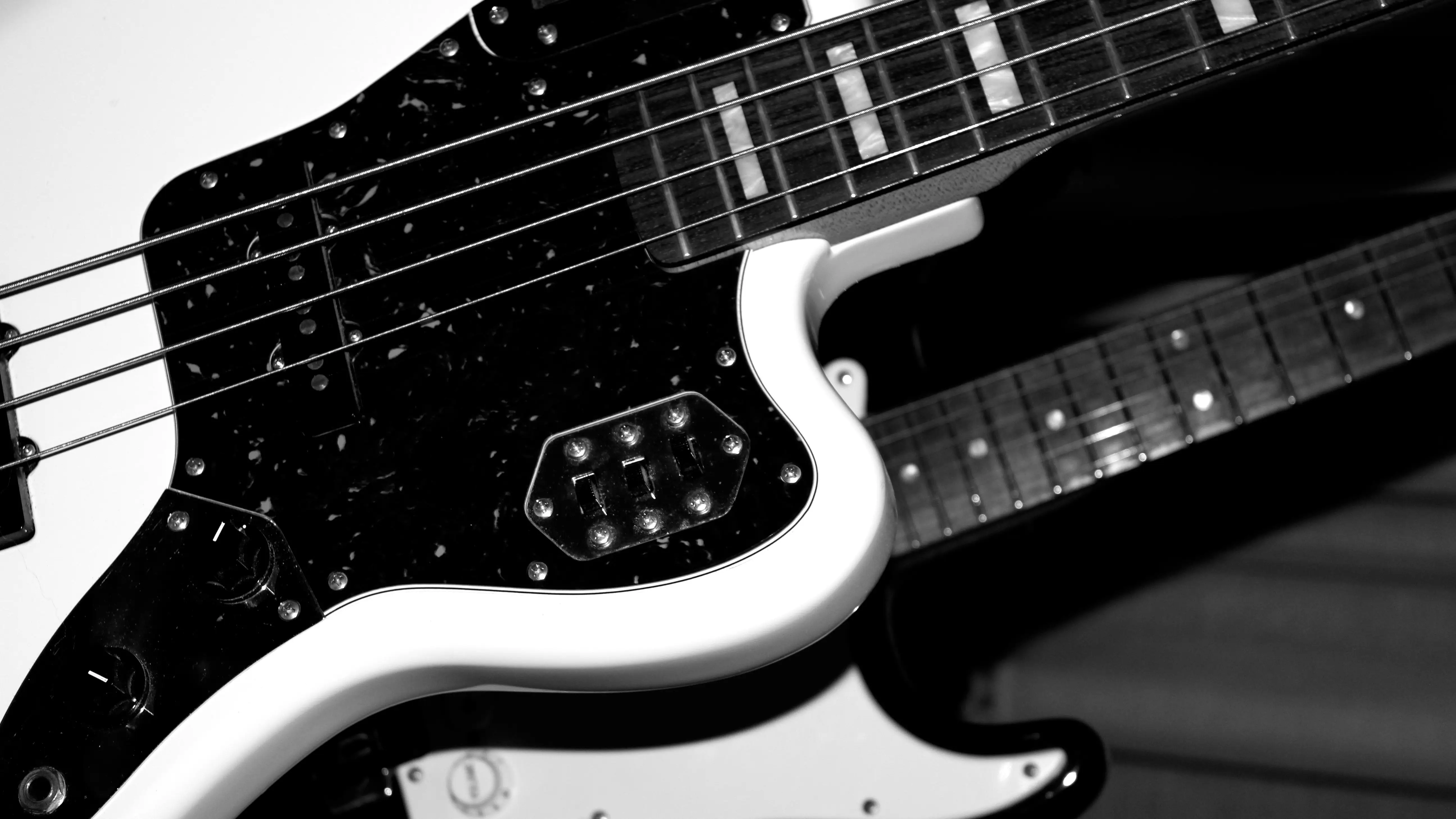
When investing in a bass guitar, your budget plays a crucial role in determining your options. However, thanks to modern manufacturing techniques and quality control, even entry-level instruments can deliver impressive performance. Let's break down what you can expect at different price points.
Entry-Level ($200-$500)
This price range has undergone a remarkable transformation in recent years. Gone are the days when budget basses meant poor playability and questionable electronics. Today's entry-level instruments offer surprising quality and versatility.
The Squier Classic Vibe Series stands as a perfect example of what modern manufacturing can achieve at this price point. These instruments capture the essence of vintage Fender basses while maintaining affordability. With careful quality control and premium appointments like nickel-plated hardware and alnico pickups, they prove that "budget" doesn't mean "beginner quality."
The Yamaha TRBX Series also shines in this category, particularly their 304 model. These basses offer features typically found on more expensive instruments, including active electronics and balanced tone woods. They're especially good for beginners who want a versatile instrument that can grow with their playing.
Mid-Tier ($500-$1,500)
This range represents the sweet spot for many working musicians, offering professional features and reliability without reaching premium prices.
The standard Fender Precision and Jazz Basses sit comfortably in this category. These workhorses of the music industry provide the classic tones that have defined popular music for decades. Their tried-and-true designs offer excellent value, especially for gigging musicians who need dependable instruments.
The Ibanez SR Series, particularly their mid-range models, delivers modern features like lightweight bodies, active electronics, and multi-laminate necks. These basses are especially popular among technical players who need an instrument that can handle complex playing styles.
High-End ($1,500+)
At this level, you're investing in premium materials, sophisticated electronics, and meticulous craftsmanship.
The Music Man StingRay represents the pinnacle of modern bass design, featuring premium hardware, exceptional electronics, and flawless construction. Its distinctive tone and bulletproof reliability have made it a favorite among professional musicians.
The Rickenbacker 4003, with its iconic design and unique sound, commands a premium price that reflects both its heritage and continuing influence. Its distinctive bright tone and excellent sustain make it particularly desirable for players seeking that classic sound.
The Gibson Thunderbird, another premium option, delivers the build quality and attention to detail you'd expect at this price point, along with its characteristic thick, powerful tone that's become a staple in rock music.
Value Considerations
When choosing your price point, consider:
- How often you'll play
- Whether you'll be performing live
- Recording requirements
- Long-term musical goals
- Resale value potential
Tips to Choose the Best Bass Guitar for You
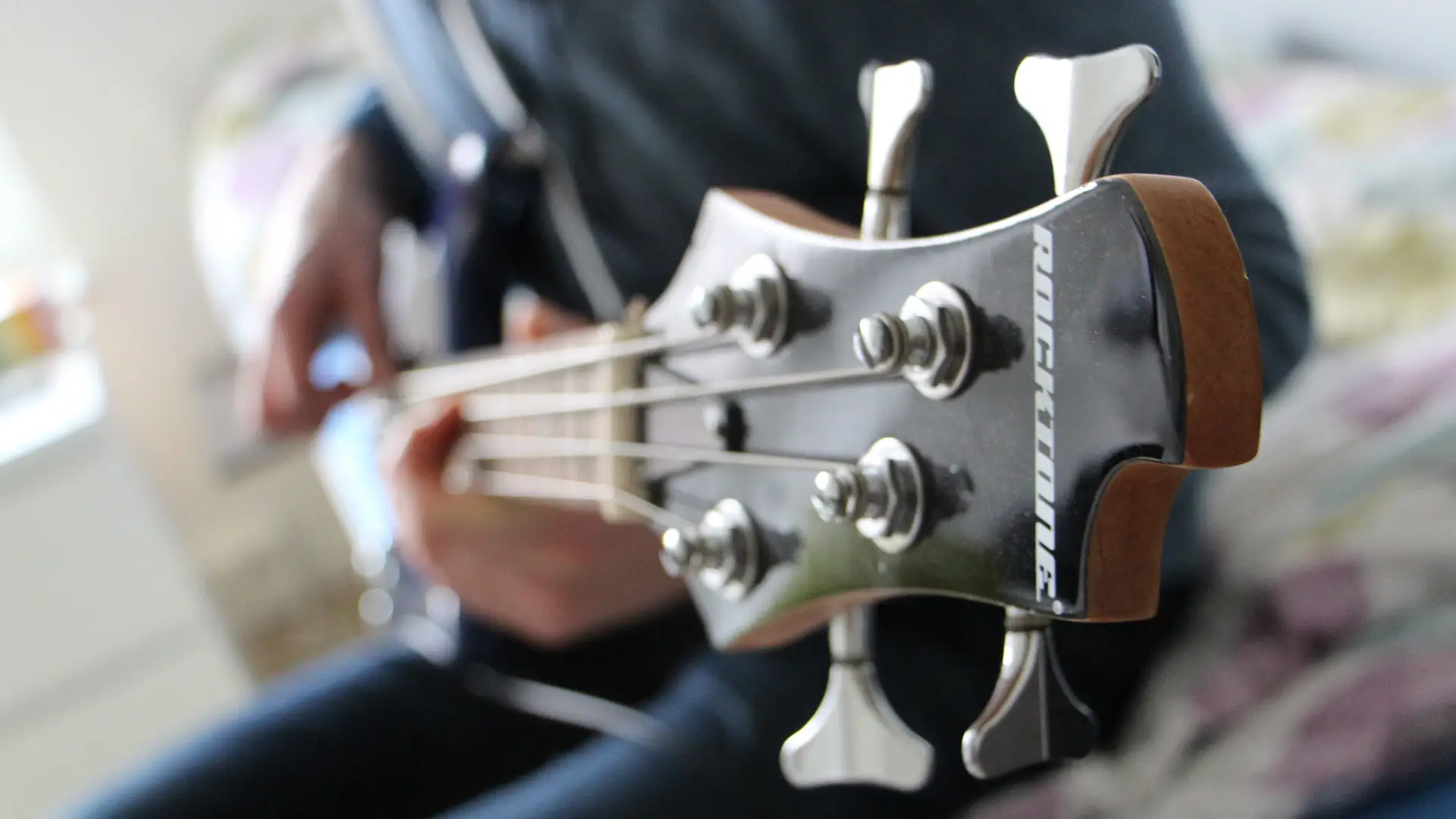
Finding your perfect bass guitar involves more than just picking the most expensive or popular model. Here are essential considerations to help you make an informed decision:
Try Before You Buy
Nothing replaces hands-on experience. Even identical models can feel and sound different, so whenever possible:
- Play the actual instrument you plan to purchase
- Test it through an amplifier similar to what you'll use
- Try different playing positions (sitting and standing)
- Spend enough time to evaluate comfort during extended play
Assess Your Playing Style
Consider how you'll primarily use the bass:
- Will you be playing fingerstyle, pick, or slap technique?
- What genres do you typically play?
- Are you primarily a live performer or studio player?
- Do you need versatility across multiple styles?
Consider Your Physical Comfort
Your bass should feel natural and comfortable:
- Pay attention to the weight - a heavy bass might sound great but could become problematic during long sets
- Evaluate neck thickness and string spacing - what feels comfortable for your hand size?
- Consider scale length - standard (34"), medium (32"), or short (30") scale
- Check the balance when standing - does the neck dive or feel unstable?
Evaluate Your Skill Level
Be honest about where you are in your bass playing journey:
- Beginners might benefit from simpler, more forgiving instruments
- Intermediate players should look for basses that can grow with their skills
- Advanced players might want specialized features for their particular style
Set a Realistic Budget
Remember to account for:
- The bass guitar itself
- A quality amp if you don't have one
- Essential accessories (strap, cables, case)
- Potential setup costs
- Future upgrade possibilities
Consider Long-Term Value
Think about the bass as an investment:
- Research the brand's reputation for durability
- Check if replacement parts are readily available
- Consider resale value if you might upgrade later
- Look into warranty coverage and support
Understand the Electronics
Different pickup configurations and electronics suit different needs:
- Passive electronics offer simplicity and reliability
- Active electronics provide more tonal control but require batteries
- Multiple pickups offer more sonic variety
- Single pickup configurations can be more straightforward to use
Remember, there's no universally "best" bass guitar - only the best one for your specific needs, playing style, and circumstances.
Conclusion
Choosing the right bass guitar is a deeply personal journey that goes beyond specifications and price tags. Throughout this guide, we've explored a diverse range of instruments, from affordable workhorses to premium professional tools, each with its own unique character and capabilities.
Whether you're drawn to the thunderous growl of a Gibson Thunderbird, the versatile punch of a Jazz Bass, or the lightweight comfort of a Mustang PJ, remember that the "perfect" bass is the one that inspires you to play and meets your practical needs. The best players have always known that tone comes as much from the hands as from the instrument itself.
As you begin your search, keep these key principles in mind:
- Comfort and playability should never be compromised
- Choose a bass that fits both your current needs and future aspirations
- Consider your budget holistically, including necessary accessories
- Trust your ears and hands over specs and reviews
- Don't be afraid to try different styles and brands
Most importantly, take your time with this decision. Visit local music stores, try as many basses as you can, and pay attention to how each instrument makes you feel. The right bass will feel like an extension of yourself, enabling you to express your musicality while inspiring you to grow as a player.
We invite you to share your own experiences with these basses in the comments below. Whether you're a seasoned professional or just starting your bass journey, your insights could help fellow musicians find their perfect instrument.
Remember, every legendary bassist started with that first crucial choice of instrument. Make yours count.
Top Ranked Bass Guitars on Equipboard

-m.webp?v=1785250797)

-m.webp?v=1785250782)

About the authors
Mason is a freelance music gear writer that contributes to Equipboard, Reverb, TuneCore, Music Aficionado, and more. He plays the guitar and mandolin and resides in Wyoming. Read more
Comments
Sign Up or Log In to add comments

838
I have a really nice 5 string LTD which is cheap and sounds good

99
On Facebook Marketplace I found a mint 2002 Squier Precision Bass PJ Vintage Modified (still had the original strings on it!). I picked it up for $165 and it is worth every bit of it. It took just over a week of truss rod adjustments to get the neck right, then 2 days to do the setup. The result is an incredibly strong bass guitar. And being a vintage Sunburst in mint condition it is beautiful.

2827
The Hofner Ignition Club bass is a great alternative to the Viola bass. It has similar hollow body construction, hardware and tonal qualities but a different profile reminiscent of a Les Paul - A great beginner bass; it's short scale, lightweight and more comfortable to play sitting down than the viola bass. Plus there's no Beatles association to make you look like a Macca wannabee :-)

miss Tagima here

580
unfortunately the market for beginner lefty basses is thin, epiphone doesnt even make a lefty thunderbird

111
I’m currently using a Yamaha, which aren’t too bad, other than the fret buzz that you get on the lower strings. Pretty decent for $300 AUD.
40
I'd have to add the Jay Turser 3/4 scale 4 string P-style bass. They're cheap, sound good and it's still the lightest wooden bass I've ever played. And for about 250 bucks new its a damned near unbeatable first bass. It's funny, I own one of these and an ESP LTD EX-104 which is one of the heaviest basses I've ever played, plus the scale and body are huge. I'm shaped weird so the Explorer body is one of the more comfortable bodies that they make for me, but it certainly isn't for a lot of people. I wouldn't recommend it for a beginner.