The Art & Science of Guitar Care: Your Complete Maintenance Manual

By Gear Experts
By Gear Experts
Table of Contents

Equipboard
Equipboard is the world's largest community of artists and their gear. Read our review process.
We are reader-supported. When you buy through links on our site, we may earn an affiliate commission. Learn more.
For musicians, knowing how to take care of your guitar is essential to keeping it in great shape. From preventative care to routine maintenance, learning the best practices for guitar care will help it stay in tune, play beautifully, and last for years.
Why Guitar Care Is Important
Your guitar is more than just an instrument; it’s an investment in both money and sentiment. Taking care of your guitar ensures it always sounds its best and remains a joy to play. Regular maintenance not only keeps it looking pristine but also prevents costly repairs in the long run.
Preventative Care for Your Guitar
Understanding how to take care of your guitar starts with preventative measures. Taking the right steps now will help avoid damage and extend your guitar's lifespan.
Proper Storage

To keep your guitar in top condition, always store it in a hard case or a well-padded gig bag to shield it from physical damage and environmental shifts—our guide to the best guitar cases can help you find the perfect fit. Maintain a stable environment with room temperature between 60-75°F and humidity levels around 40-50%. For acoustic guitars, a guitar humidifier is essential to prevent the wood from drying out and cracking, while in more humid climates, a dehumidifier will protect your instrument from warping or swelling. These precautions ensure your guitar stays in great shape, ready to play whenever inspiration strikes.
Avoiding Sunlight and Heat

Keep your guitar away from direct sunlight and heat sources like radiators. Sunlight can fade the finish and even cause wood to warp. Also, avoid leaving your guitar in cars or attics where temperatures can be extreme.
Handling Tips
Handling your guitar with clean hands is essential to maintaining its longevity and performance. The natural oils and dirt from your hands can transfer onto the guitar’s finish and fretboard, leading to buildup that dulls the finish, affects playability, and even accelerates wear on the strings. Washing and drying your hands before playing ensures your guitar stays clean, looks its best, and performs optimally for years to come.
If you play standing up, using strap locks can prevent accidental drops, protecting your guitar from unnecessary damage. A loose or unreliable strap increases the risk of accidental drops, which can lead to scratches, dents, or even severe damage to your guitar. Using strap locks provides peace of mind by keeping the strap firmly attached, allowing you to focus on your performance without worrying about mishaps. Protecting your instrument with secure strap locks is an easy and effective way to avoid unnecessary damage and keep your guitar in top condition.
Routine Guitar Maintenance Schedule
To know how to take care of your guitar effectively, it’s helpful to create a maintenance routine. Here’s a suggested schedule to keep your guitar in optimal shape.
- Daily: Wipe down strings and body after each
- Weekly: Check tuning stability and inspect strings for wear.
- Monthly:Clean the fretboard and polish the body.
- Every 6 Months: Adjust truss rod, intonation, and action settings if needed. Here's our guide to intonation so you know exactly how to do that.
- Annually: Perform a full setup, including fretboard conditioning and deep cleaning.
Essential Cleaning Techniques
One of the simplest ways to take care of your guitar is to keep it clean. Regular cleaning prevents buildup on strings, frets, and the guitar body.
Body Cleaning
- Use a soft, microfiber cloth to wipe down your guitar’s body after playing, removing any oils or sweat that could dull the finish.
- For a deeper clean, use a guitar-safe polish. Avoid household cleaners as they can harm the finish.
Fretboard Cleaning and Conditioning
- Clean your fretboard every 3-6 months, depending on how often you play.
- For Rosewood, Ebony, and Pau Ferro Fretboards: Use a small amount of lemon or fretboard oil to keep the wood hydrated.
- For Maple Fretboards: Maple is often finished, so avoid oils. Wipe with a damp cloth instead.
String Care
- Wipe down your strings after each session with a microfiber cloth to prevent dirt and oils from dulling the tone.
- Consider using string cleaners or lubricants to keep your strings fresh for longer.
Hardware Cleaning
- Clean hardware like tuners, bridges, and pickups with a dry cloth. For persistent grime, use a guitar-specific metal polish.
- Tip: Avoid getting any polish or cleaner on pickups to prevent interference with the magnets.
Key Adjustments for Guitar Care
Truss Rod Adjustments
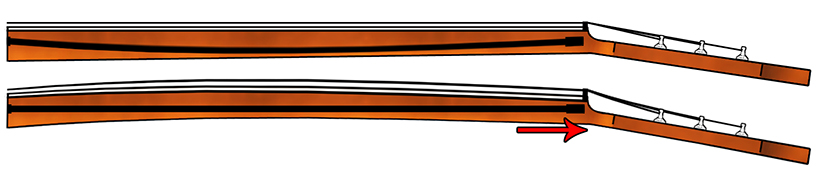
The truss rod is a crucial component of your guitar, responsible for maintaining the proper curvature (or relief) of the neck of the guitar. Adjusting it can dramatically improve your guitar’s playability, helping to reduce fret buzz or ensure a comfortable string action. Whether you’re dealing with a neck that’s bowing inward (concave) or outward (convex), a simple adjustment can make all the difference.
To adjust your truss rod, use the appropriate hex key for your guitar model. If your neck has too much bow, turning the truss rod clockwise will reduce the curve, bringing the neck closer to straight. Conversely, if the neck is too flat or curving outward, a counterclockwise turn will increase the bow, allowing for more relief. Always make small adjustments - turning the rod no more than 1/8 of a rotation at a time - and check your progress by sighting down the neck or using a straightedge to ensure you’re moving in the right direction.
While truss rod adjustments are straightforward, they do carry some risk. Over-tightening can damage the neck or the truss rod itself. If you’re unsure or uncomfortable with the process, it’s wise to consult a professional luthier or technician. Proper truss rod care ensures your guitar stays in top shape, delivering great tone and playability for years to come.
- Adjustment Tips: Use a hex key to adjust the truss rod.
- Turn clockwise to reduce neck bow (concave).
- Turn counterclockwise to increase bow (convex).
- Make small turns (1/8) and check your progress to avoid over-tightening.
- Tip: If you're not familiar with adjusting the truss rod, consider having a professional make this adjustment to prevent neck damage.
Setting the Action
Action height (distance between the strings and fretboard) impacts playability and sound. Lower action is often easier to play, while higher action can help avoid fret buzz.
- Adjusting Bridge Saddles: Raise or lower each saddle to set your preferred action height.
Intonation Check
Intonation keeps your guitar in tune up and down the fretboard. Adjusting intonation is crucial to ensure each note rings true. For more information see our guide to guitar intonation.
- Testing Intonation: Check the open string pitch and the 12th fret pitch with a tuner. Adjust the saddles as needed.
How to Change Guitar Strings
String changes are essential in learning how to take care of your guitar, as old strings can make tuning unstable and affect sound quality.
- Remove Old Strings: Loosen and remove each string individually.
- Clean the Fretboard: This is a great time to clean and condition the fretboard.
- Install New Strings: Insert the new string into the bridge, then wind it around the tuning peg with neat wraps.
- Stretch and Tune: After tuning, gently stretch the strings to stabilize them and re-tune.
Proper Storage and Transportation Tips
For musicians who tour or frequently move their gear, knowing how to store and transport a guitar properly is key to avoiding damage.
- Hard Cases: A sturdy hard case provides the best protection against physical and environmental impacts.
- Gig Bags: Opt for well-padded gig bags if using a soft case.
- Travel Tips: When flying, check airline policies in advance. Some airlines may allow guitars as carry-ons.
Essential Accessories for Guitar Care
To take care of your guitar effectively, consider investing in these essential maintenance tools.
- Humidifiers: Prevent dryness in dry climates, especially important for acoustic guitars.
- String Cleaners: Extend string life by keeping them fresh.
- Capo and Tuner: For quick adjustments and tuning checks.
- String Winder: Speeds up the string-changing process.
- Fretboard Oil: Conditions the wood for a healthier, more aesthetically pleasing fretboard.
Common Guitar Care Mistakes to Avoid
Here are some common mistakes musicians make when learning how to take care of a guitar.
- Over-tightening the Truss Rod: Make small adjustments to avoid neck damage.
- Using Household Cleaners: Avoid using household cleaners as they can damage the guitar’s finish.
- Neglecting Regular Cleaning: Dirt, sweat, and oil buildup can degrade your guitar’s sound and playability over time.
Conclusion

Knowing how to take care of your guitar isn’t difficult once you establish a routine. By following these steps, you’ll keep your guitar in top condition, improve its playability, and ensure it sounds great for years to come. Regular guitar care not only preserves the instrument’s quality but also enhances the playing experience.
Whether you’re strumming at home or performing on stage, a well-maintained guitar is a musician’s best friend. Equip yourself with the right tools and take time to care for your guitar - it’ll reward you with years of rich tone and inspiration.
About the authors
Juan Spinelli is a multi-instrumentalist musician, but more of a guitarist than anything else. Based in Buenos Aires, Argentina, he started playing at a very early age and learned various instruments such as flute, clarinet, percussion, didjeridoo, cavaquinho, bass and more. Today, he also works as a music producer and sound engineer, collaborating in several projects in his city and with artists from all over the world. Read more






.jpg)