Table of Contents

Equipboard
Equipboard is the world's largest community of artists and their gear. Read our review process.
We are reader-supported. When you buy through links on our site, we may earn an affiliate commission. Learn more.
When most people think of saxophones, they picture the curved brass instrument they've seen in jazz clubs or marching bands. Maybe they can name the alto or tenor sax. But here's the thing: the saxophone family is much larger and more diverse than most musicians realize. From the tiny sopranino that fits in a briefcase to the massive contrabass that towers over its player, each member of this family brings its own unique voice to the musical conversation.
This guide will take you through the entire saxophone family, helping you understand not just what makes each type different, but how they sound, where they're used, and most importantly, which one might be right for you.
Meet the Core Four Saxophones
The heart of the saxophone family consists of four main instruments that you'll find in virtually every music store and band room across the world. These are the workhorses of the sax world, each with its own personality and place in the musical landscape.
Soprano Saxophone (Bb)
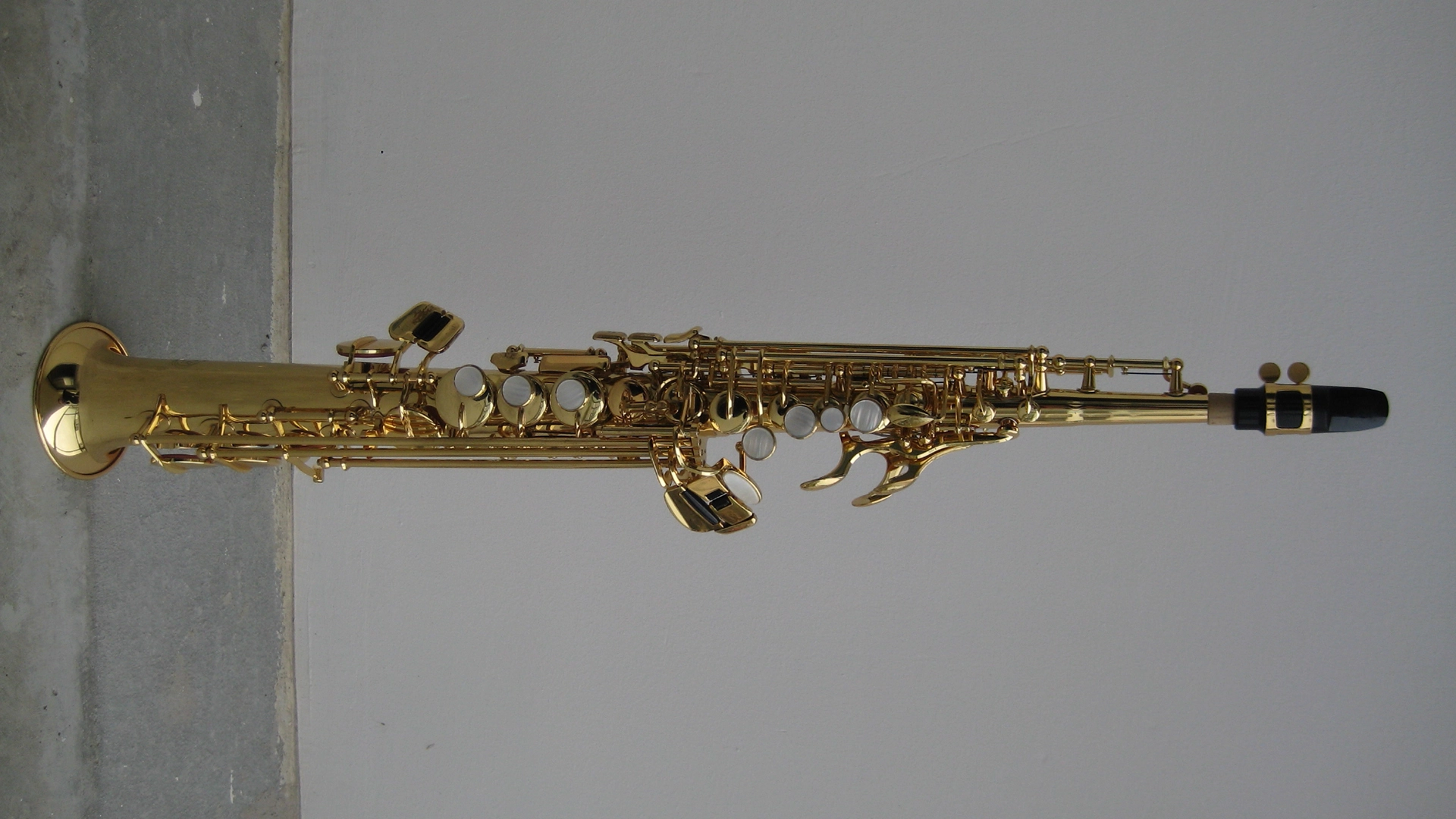
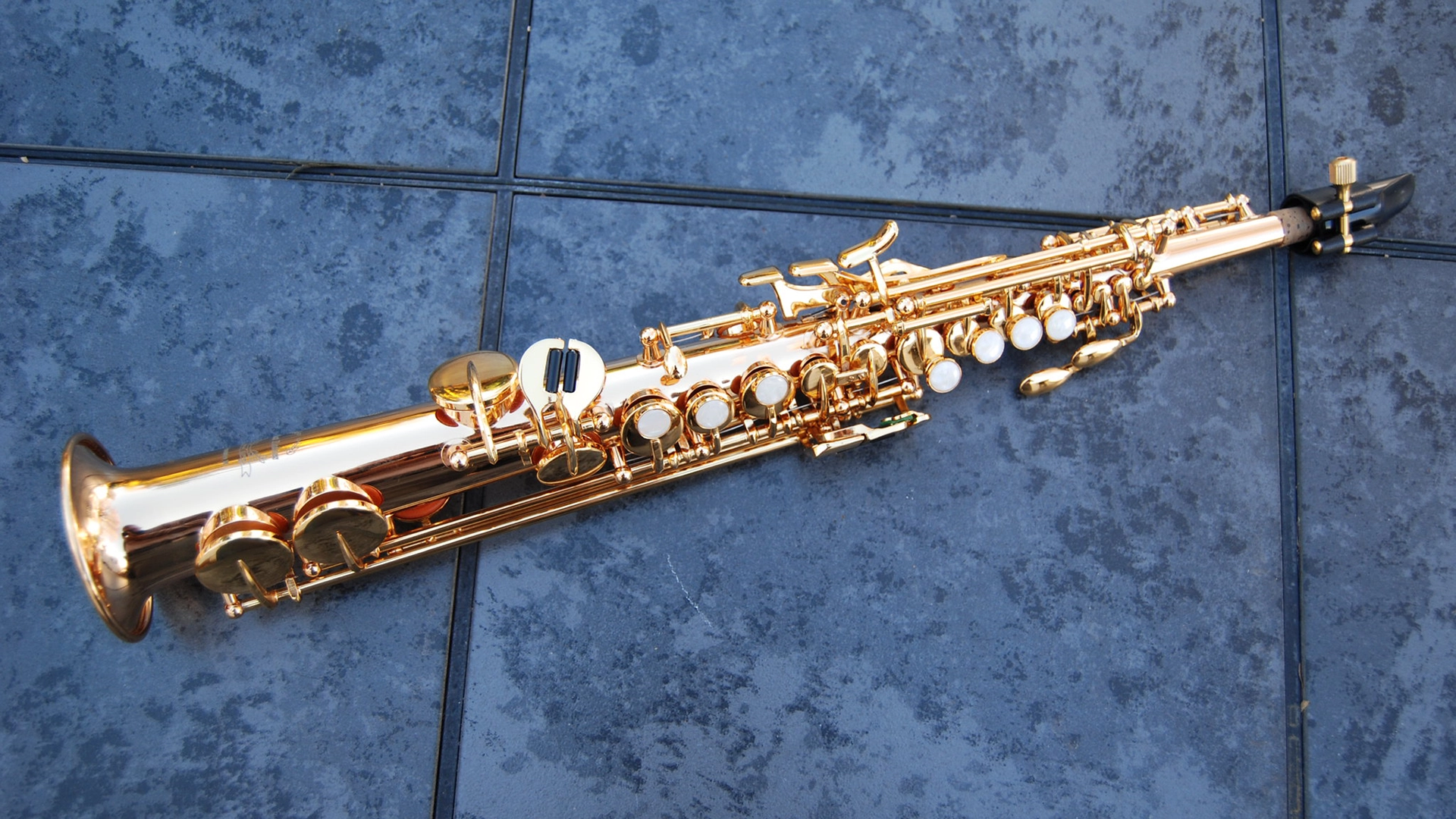
The soprano saxophone is the smallest of the core four, though not the smallest in the entire family. Pitched in B-flat, it typically comes in a straight design that looks more like a metal clarinet than what most people expect from a saxophone. Some models feature a curved neck or bell, giving them that classic saxophone appearance in miniature form.
Key and Range
The soprano sax is pitched in B-flat and has a written range from low Bb to high F# (sounding Ab3 to E6). This puts it an octave higher than the tenor saxophone, giving it a bright, penetrating voice that can soar above an ensemble.
Sound and Feel
Playing the soprano requires more precise embouchure control than its larger siblings. Its tone can range from sweet and lyrical to bright and cutting, depending on the player's approach. The sound is often described as having an almost vocal quality, which explains why many jazz artists use it for expressive, singing melodic lines. In classical settings, the soprano can produce a refined, focused tone that blends beautifully with woodwind sections.
Genres and Musical Applications
You'll hear the soprano saxophone across many genres. In jazz, it became iconic through players like Sidney Bechet in early jazz and John Coltrane in modern jazz. The smooth jazz movement of the 1980s and 90s, led by Kenny G, brought the soprano into mainstream consciousness. Classical composers have written extensively for soprano sax, and it appears in contemporary concert band literature and saxophone quartets.
Famous Players Who Define the Sound
John Coltrane revolutionized soprano saxophone playing with his spiritual, searching approach on albums like "My Favorite Things." Wayne Shorter brought a more abstract, mysterious quality to the instrument. Steve Lacy dedicated his entire career to the soprano, exploring its possibilities in free jazz. Jan Garbarek created a haunting, Nordic sound that influenced a generation of players.
Alto Saxophone (Eb)

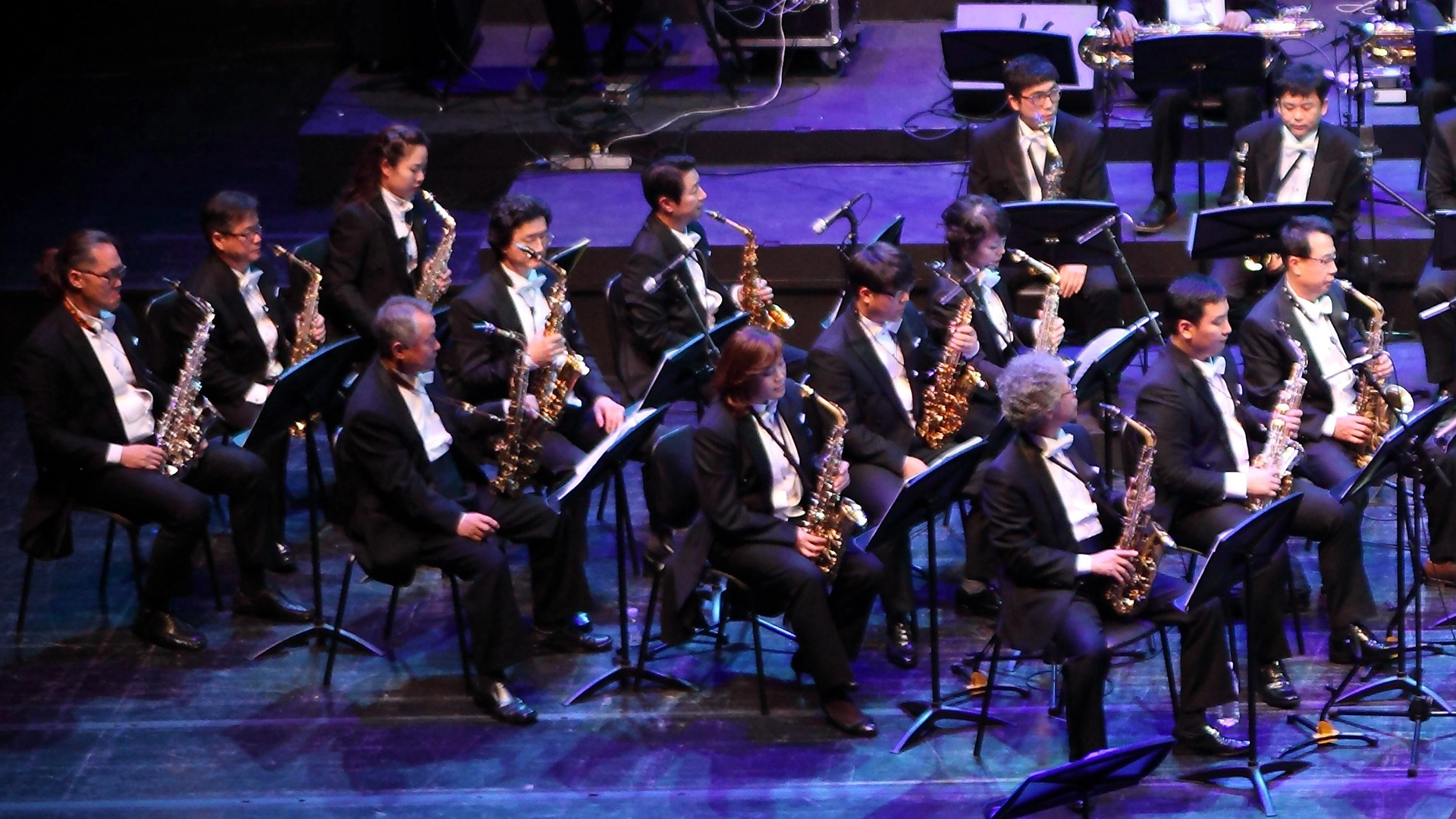
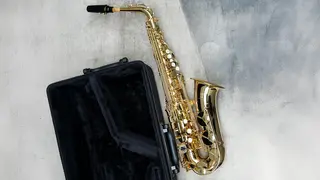
The alto saxophone holds the title as the most popular saxophone for beginners, and for good reason. Pitched in E-flat, it strikes the perfect balance between size, weight, and playability. Its curved design with the characteristic upturn at the bell is what most people visualize when they think "saxophone."
Key and Range
The alto sax is pitched in E-flat with a written range from low Bb to high F# (sounding Db3 to A5). This comfortable middle register makes it versatile enough for virtually any musical situation while remaining accessible to players of all ages.
Sound and Feel
The alto produces a warm, singing tone that can be bright and cheerful or dark and moody depending on the mouthpiece, reed, and playing style. Its voice sits perfectly in the middle of the saxophone family, neither too high nor too low. The instrument responds well to different playing techniques, from classical vibrato to jazz growls and overtones. Many describe the alto's sound as the most "vocal" of all saxophones, capable of mimicking human expression.
Genres and Musical Applications
You'll find the alto saxophone everywhere. It's a staple in concert bands, jazz combos, funk bands, ska groups, and even pop recordings. Classical composers from Glazunov to John Adams have written concertos for alto saxophone. In jazz, it's been the voice of innovation from the swing era through bebop and into the avant-garde. The alto also features prominently in soul, R&B, and rock music.
Famous Players Who Define the Sound
Charlie Parker essentially invented modern jazz saxophone playing on the alto. Cannonball Adderley brought a blues-drenched, joyful approach. Paul Desmond created a cool, dry tone that defined West Coast jazz. Ornette Coleman used the alto to break down musical barriers. In the classical world, Marcel Mule and Eugene Rousseau established the instrument's concert hall credentials.
For more on altos, see our guide to the best alto saxophones for all types of players.
Tenor Saxophone (Bb)
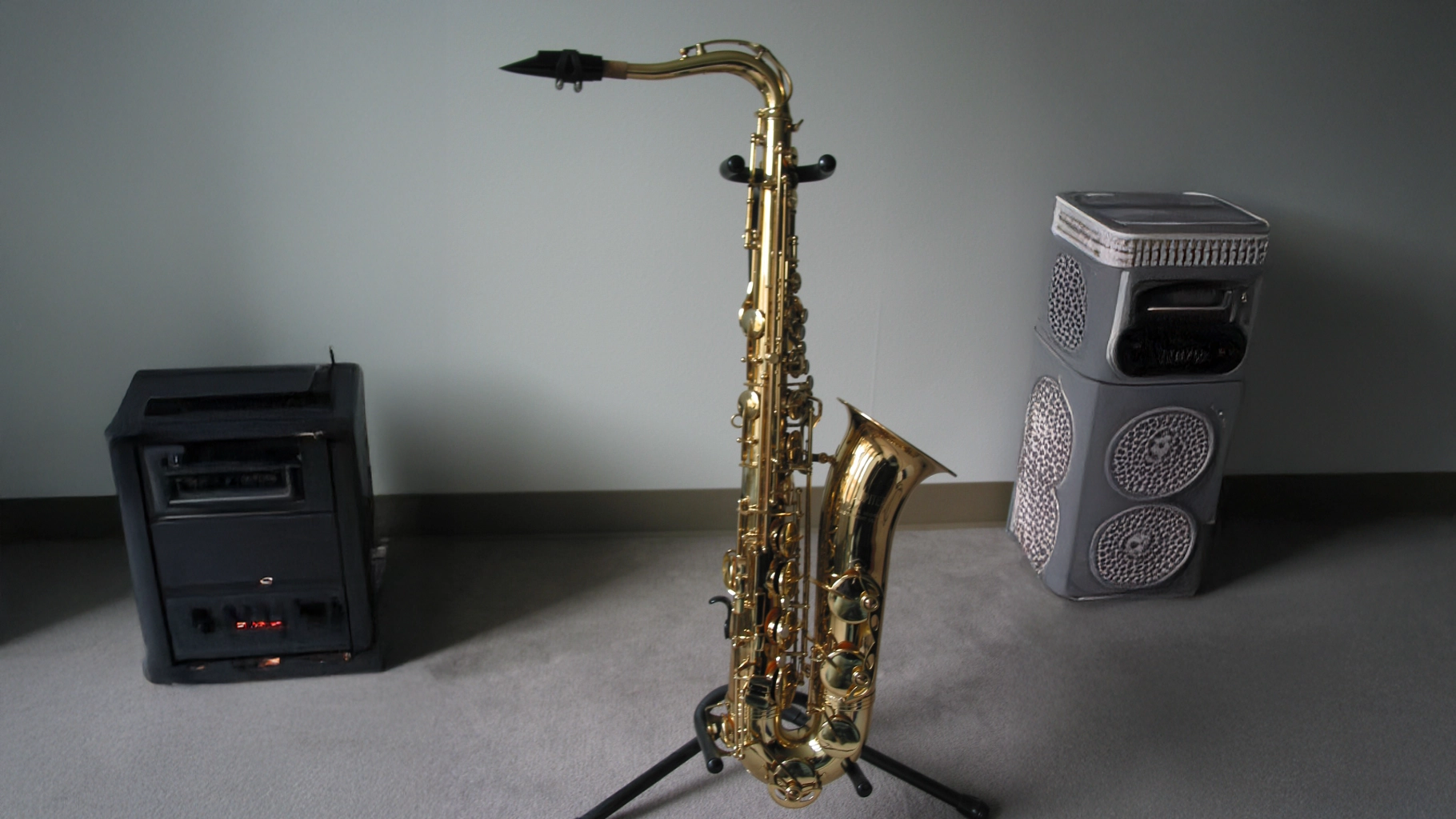
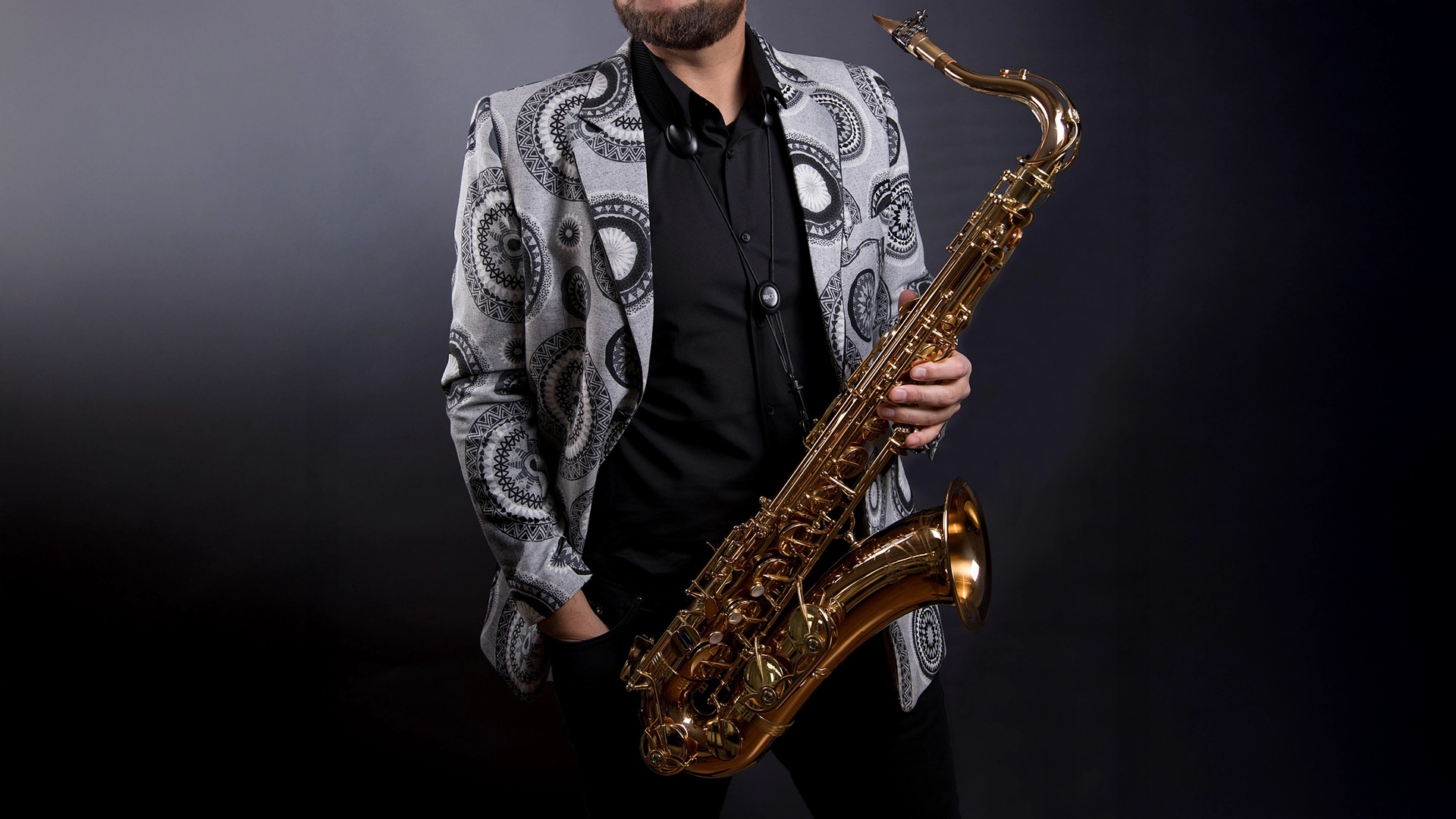
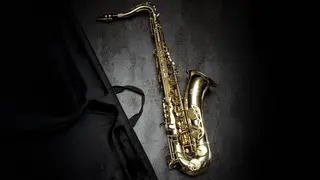
The tenor saxophone is the voice of jazz for many listeners. Larger than the alto but still manageable for most players, it's pitched in B-flat like the soprano but an octave lower. The tenor's distinctive curved neck and larger body produce a rich, full sound that has defined countless recordings.
Key and Range
The tenor sax is pitched in B-flat with a written range from low Bb to high F# (sounding Ab2 to Eb5). Some professional models extend down to low A. This range puts the tenor in a similar register to the male singing voice, contributing to its expressive capabilities.
Sound and Feel
The tenor produces a warm, robust tone with more bottom end than the alto. It can growl and honk in the low register or sing sweetly in the upper range. The larger bore gives it a broader, more spread sound that can fill a room without amplification. Players often describe the tenor as having more "body" to its sound, with rich overtones that give it character and presence.
Genres and Musical Applications
While the tenor appears in classical music and concert bands, it truly shines in jazz, blues, and popular music. From big band section work to bebop soloing, from soul music to rock and roll, the tenor has been there. It's the saxophone you hear on classic rock records, Motown hits, and modern jazz albums.
Famous Players Who Define the Sound
The list of legendary tenor players reads like a who's who of jazz: Coleman Hawkins established the tenor as a solo voice. Lester Young brought a lighter, more relaxed approach. John Coltrane pushed the instrument to its technical and spiritual limits. Sonny Rollins continues to explore its possibilities. Michael Brecker brought the tenor into the modern era with his fusion of jazz and contemporary styles.
Baritone Saxophone (Eb)
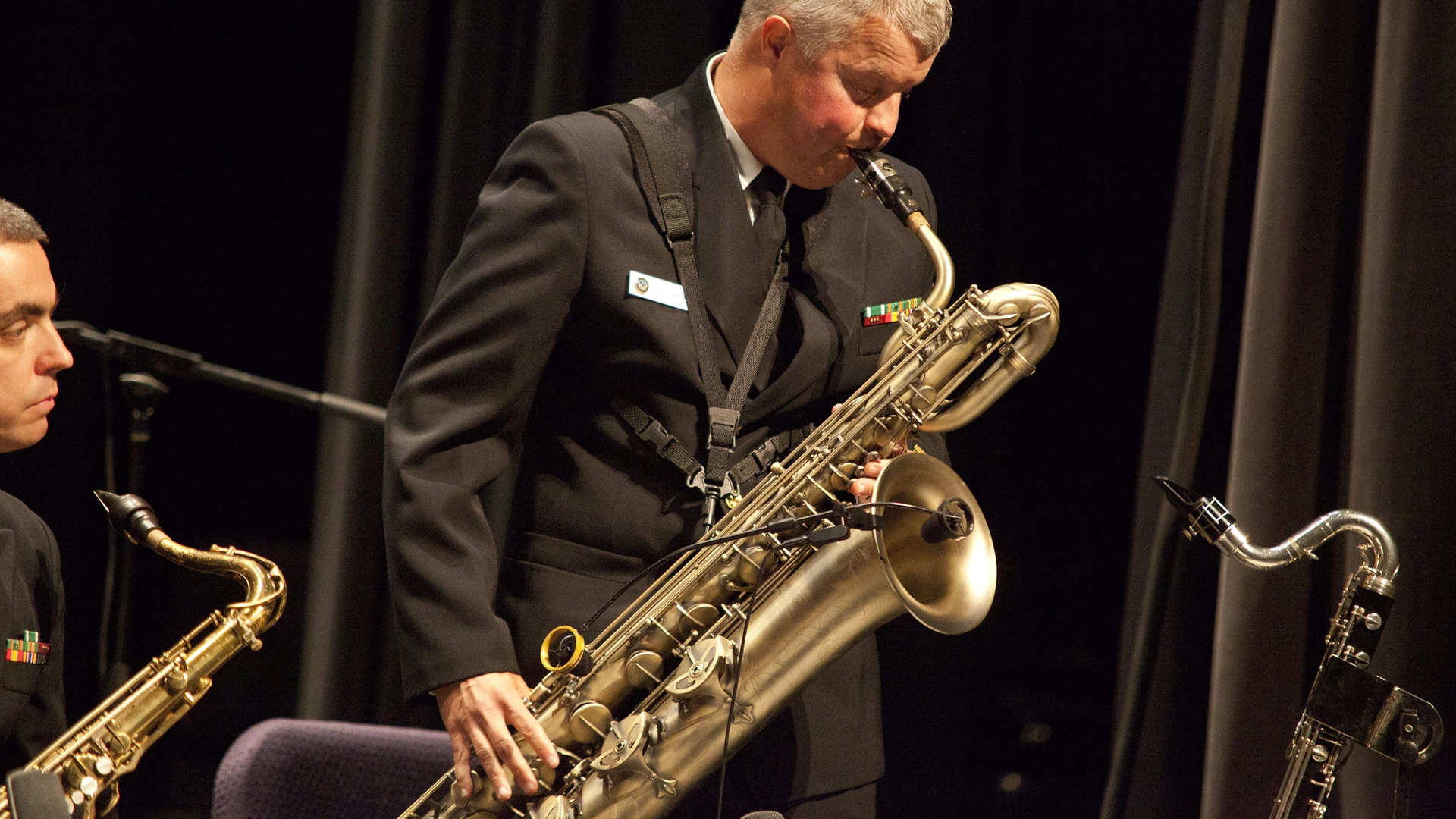
The baritone saxophone is the powerhouse of the standard saxophone quartet. Pitched in E-flat an octave below the alto, it provides the foundation in saxophone ensembles and adds punch to horn sections. Despite its size, the bari (as players affectionately call it) is more agile than you might expect.
Key and Range
The baritone sax is pitched in E-flat with a written range from low Bb to high F# (sounding Db2 to A4). Many modern baritones extend down to low A, adding even more depth to the bottom register. This range overlaps with bass instruments while maintaining the agility of a saxophone.
Sound and Feel
The baritone produces a rich, resonant tone that can shake the floor in its lowest notes. But it's not just about power; the bari can be surprisingly nimble and even delicate in the right hands. Its sound has been described as everything from "velvety" to "thunderous." The larger reed and mouthpiece require more air support, but the payoff is a unique voice that cuts through any ensemble.
Genres and Musical Applications
The baritone found its first home in military and concert bands, anchoring the saxophone section. In jazz, it became essential to the big band sound and later found its way into smaller combos. Rock and roll embraced the bari for its honking, rhythmic capabilities. Funk and soul music use it for punchy bass lines.
Famous Players Who Define the Sound
Harry Carney spent decades with Duke Ellington, defining the baritone's role in jazz. Gerry Mulligan proved the bari could be a nimble solo instrument. Pepper Adams brought bebop vocabulary to the big horn. Hamiet Bluiett explored its avant-garde possibilities. In rock and soul, the baritone sax riffs of countless session players have anchored hit records.
| Saxophone Type | Key | Written Range | Typical Size | Common Uses |
|---|---|---|---|---|
| Soprano | Bb | Bb3 to F#6 | 23 inches | Jazz solos, classical chamber music |
| Alto | Eb | Bb3 to F#6 | 26 inches | All genres, beginner instrument |
| Tenor | Bb | Bb2 to F#5 | 33 inches | Jazz, rock, blues, popular music |
| Baritone | Eb | Bb2 to F#5 | 49 inches | Big bands, funk, ensemble anchor |
The Extended Family: Rare and Niche Types
Beyond the core four, the saxophone family includes several fascinating instruments that serve specialized roles. While you won't find these in every music store, they each bring unique colors to the saxophone palette.
Sopranino Saxophone (Eb)
The sopranino is the piccolo of the saxophone family among commonly manufactured instruments. Pitched in E-flat an octave above the alto, it's a tiny powerhouse that requires exceptional control. Standing at just about 16 inches tall, the sopranino looks like a toy but demands serious technique. Its piercing, bird-like tone cuts through any texture, making it perfect for special effects in contemporary music or adding sparkle to saxophone ensembles. Players need strong embouchure control and precise intonation skills, as the smaller instruments are less forgiving of technical imperfections.
C Melody Saxophone (C)
The C melody represents a fascinating chapter in saxophone history. Popular in the 1920s, this instrument is pitched in C, meaning it reads concert pitch like a piano or guitar. This made it ideal for playing from piano sheet music without transposition. The C melody is sized between an alto and tenor, with a focused, somewhat nasal tone that recorded well with early recording technology. While production ceased in the 1930s, vintage C melodies have gained a cult following among collectors and players seeking that authentic Jazz Age sound.
Bass Saxophone (Bb)
The bass saxophone takes the low end seriously. Pitched in B-flat an octave below the tenor, it extends the saxophone family's range into truly bass territory. Standing about four feet tall with its characteristic loop at the top, the bass sax produces a warm, woody tone that's surprisingly agile for such a large instrument. You'll hear it in saxophone choirs, contemporary classical music, and occasionally in jazz arrangements where composers want that distinctive saxophone timbre in the bass register. Players like Adrian Rollini proved the bass sax could swing in early jazz, while modern players continue to explore its possibilities.
Contrabass Saxophone (Eb)
The contrabass is a giant among saxophones. Pitched in E-flat an octave below the baritone, it stands over six feet tall and requires a stand to play. Only a handful of manufacturers produce this behemoth, making it one of the rarest saxophones you'll encounter. Its sound is massive yet focused, with a quality that's distinctly saxophone despite operating in the same range as a string bass. The contrabass appears primarily in large saxophone ensembles and experimental music.
Subcontrabass and Beyond
The saxophone family's extremes push into truly experimental territory. The subcontrabass, pitched an octave below the bass sax, exists in prototype form. Even more extreme is the tubax, a modified contrabass with a narrower bore designed to be more practical while maintaining the low range. These instruments represent the cutting edge of saxophone design, used primarily by new music specialists and composers exploring the limits of acoustic instruments. While you're unlikely to encounter these in person, they demonstrate the ongoing evolution of Adolphe Sax's invention.
Key Factors to Compare Saxophone Types
Let's explore the factors that distinguish each member of the family.
Pitch and Key Relationships
Saxophones are transposing instruments, meaning the note you read isn't the note that sounds. The Eb instruments (alto and baritone) transpose differently than the Bb instruments (soprano and tenor). When an alto player reads a C, it sounds as an Eb below. When a tenor player reads a C, it sounds as a Bb below. This system allows players to switch between different saxophones using the same fingerings, though it requires mental adjustment when playing with concert pitch instruments.
Size and Ergonomics
Physical dimensions dramatically affect playability. The soprano's compact size makes it portable but requires precise finger placement on closely spaced keys. The alto offers comfortable key spacing for most hand sizes, making it ideal for younger players. The tenor's larger size and weight require a sturdy neck strap and longer reach. The baritone's substantial weight necessitates a harness for extended playing, and its wide key spread can challenge smaller hands. Beyond the core four, instruments like the bass and contrabass require special stands and physical adaptations.
Tone and Timbre Characteristics
Each saxophone type has its distinctive voice. The soprano's focused, penetrating tone can be sweet or strident. The alto offers a balanced, vocal quality that adapts to many styles. The tenor provides warmth and body with a robust middle register. The baritone delivers power and depth while maintaining agility.
Genre Fit and Musical Applications
Different musical styles favor different saxophones. Jazz embraces all types but particularly celebrates the alto and tenor. Classical music traditionally features alto and soprano, though contemporary composers write for all types. Rock and pop often feature tenor for solos and baritone for punchy sections. Marching bands typically use alto, tenor, and baritone. Saxophone quartets use soprano, alto, tenor, and baritone to create a full harmonic palette. Understanding these conventions helps you choose an instrument that fits your musical goals.
Cost and Availability Considerations
The economics of saxophone ownership vary significantly by type. Student alto saxophones are widely available and affordable, with extensive rental programs. Tenor saxophones cost more due to their larger size and material requirements. Soprano saxophones, despite being smaller, often cost as much as tenors due to the precision required in manufacturing. Baritone saxophones represent a significant investment, with fewer rental options.
Ease of Play: Technical Considerations
Intonation becomes more challenging at the extremes of the family. Soprano and sopranino require constant adjustment and a developed ear. Alto and tenor offer the most stable intonation. Baritone is surprisingly stable despite its size. Air demand increases with instrument size: soprano requires focused, controlled airflow, while baritone demands serious lung capacity. Finger reach affects technique; the compact soprano allows rapid passages but requires precision, while the baritone's wide key spread can slow technical passages but offers comfortable, deliberate movement.
| Factor | Soprano | Alto | Tenor | Baritone |
|---|---|---|---|---|
| Difficulty | High | Low | Medium | Medium-High |
| Portability | Excellent | Very Good | Good | Challenging |
| Cost Range | Medium-High | Low-Medium | Medium | High |
| Best For | Advanced players | Beginners | Intermediate+ | Dedicated players |
| Air Demand | Low volume, high pressure | Moderate | Moderate-High | Very High |
Which Saxophone Should You Play?

Choosing the right saxophone depends on your experience level, musical goals, and physical considerations. Let's break down the best options for different types of players.
For Beginners
If you're just starting your saxophone journey, the alto saxophone is your best bet. Its moderate size fits comfortably in younger hands while remaining manageable for adults. The key work isn't too spread out, making it easier to develop proper hand position. Most importantly, the alto has the widest selection of beginner-friendly method books, qualified teachers, and affordable instruments. The stable intonation helps new players focus on tone production without fighting the instrument.
The tenor can work for beginners, particularly older students or adults who are drawn to its sound. However, the larger size and increased air requirements make it more challenging for younger players.
For Jazz Players
Jazz musicians often start with tenor or alto depending on their heroes and the sound they're after. The tenor's warm, expressive voice has defined jazz for generations, making it the go-to choice for players inspired by Coltrane, Rollins, or Brecker. Its range sits perfectly for blues-based playing and allows for the growls, overtones, and altissimo that characterize modern jazz saxophone.
Alto players in jazz enjoy a rich tradition from Charlie Parker through Kenny Garrett. The alto's agility makes it perfect for bebop's rapid lines, while its focused tone cuts through a combo or big band. Once established on alto or tenor, many jazz players add soprano for variety, though its intonation challenges require a developed ear. Adventurous players might explore baritone for its unique role in jazz, from anchoring big band sections to the nimble solo work of players like Gary Smulyan.
For Classical Players
Classical saxophonists typically focus on alto, as it has the most extensive solo repertoire and appears most frequently in wind ensembles. The classical alto tradition, established by Marcel Mule and continued by players like Claude Delangle, emphasizes refined tone, precise intonation, and technical mastery. Most classical saxophone degree programs center on alto as the primary instrument.
Soprano serves as an important doubling instrument for classical players, especially those interested in contemporary music. Many modern composers write specifically for soprano's unique timbre. Serious classical saxophonists often work toward proficiency on all four core saxophones, as contemporary chamber music frequently calls for doubling within a single piece.
For Adventurous Players
Musicians looking to explore beyond the mainstream have exciting options. The C melody offers a window into the jazz age with its non-transposing convenience and vintage charm. While finding a quality vintage instrument requires patience, several modern makers now produce new C melodies for players seeking this unique voice.
The sopranino challenges even experienced players with its demanding intonation and tiny key work, but rewards those who master it with an unmistakable sound perfect for contemporary classical music or experimental jazz. Bass saxophone opens up new sonic territories for players comfortable with the physical demands of a large instrument. Its rarity makes it a conversation starter and a valuable specialty for recording work.
For Band Directors and Educators
Music educators need to balance ideal instrumentation with practical realities. A beginning band benefits from a strong alto section as the foundation, with these players often being the most successful early on. Adding tenor saxophones once students have a year or two of experience provides timbral variety and gives talented students a new challenge.
Baritone saxophone can transform a band's sound, but requires a dedicated student with good breath support and the physical size to handle the instrument. Many programs successfully share a baritone between interested students. Soprano generally waits until high school, when students have developed the embouchure control and intonation skills necessary for success.
FAQs
What are the 4 main types of saxophones?
The four main types are soprano, alto, tenor, and baritone saxophones. These instruments form the standard saxophone quartet and are the most commonly manufactured and played worldwide. Each occupies a different range with soprano being the highest, followed by alto, tenor, and baritone as the lowest.
What's the difference between Eb and Bb saxophones?
Eb saxophones (alto and baritone) transpose to the key of Eb when reading a C, while Bb saxophones (soprano and tenor) transpose to Bb. This means when an alto player and a tenor player read the same written note, they produce different pitches. The transposition system allows saxophonists to use identical fingerings across different instruments.
Which saxophone is best for a beginner?
The alto saxophone is widely considered the best choice for beginners due to its manageable size, comfortable key spacing, and stable intonation. It's light enough for younger students while offering a full, satisfying tone that keeps players motivated. The alto also has the most learning resources available and the widest selection of affordable student instruments.
Is the soprano sax hard to play?
Yes, the soprano saxophone is considered one of the more challenging saxophones due to its sensitive intonation and small mouthpiece requiring precise embouchure control. Many teachers recommend students develop solid technique on alto or tenor for at least a few years before attempting soprano. The reward for mastering these challenges is access to the soprano's unique, expressive voice.
What is the biggest/smallest saxophone?
The smallest commonly produced saxophone is the sopranino, while the largest is the contrabass saxophone. In the extremes, the subcontrabass exists as the absolute largest, though only in prototype form. The sopranino stands about 16 inches tall, while a contrabass towers at over 6 feet, demonstrating the remarkable range of the saxophone family.
The Saxophone Family: A World of Sound

The saxophone family offers an incredible range of voices, from the sopranino's bird-like chirp to the contrabass's floor-shaking rumble. Each instrument brings its own character and possibilities, whether you're drawn to the alto's versatility, the tenor's warmth, the soprano's expressiveness, or the baritone's power. Understanding these differences helps you appreciate the thought that goes into every arrangement and the skill required to master each instrument.
The skills you develop on one transfer to the others, opening up new possibilities as you grow.
Whether you're a student, parent, educator, or simply a music lover, we hope this guide has illuminated the wonderful diversity within the saxophone family. Each type has its place, its champions, and its unique contribution to the world of music. To explore specific saxophone models and find the right instrument for your needs, visit Equipboard's saxophone category page where you can discover the instruments used by your favorite players and connect with a community of saxophone enthusiasts.
Top Ranked Alto Saxophones on Equipboard


$2,300.88 - $4,431.99
2.0 (1)
2.0 (1)
About the authors

S. Jino is an accomplished multi-instrumentalist and music producer based in Kolkata, India, distinguished by his self-taught mastery and unique blend of technical acumen and musical performance. His extensive experience was forged through hands-on dedication, starting with the full restoration of a broken guitar. Jino's capabilities span keyboards, pedals, and advanced digital production, reflecting a comprehensive skill set developed independently. As a significant contributor to the music scene, Jino regularly performs with worship bands and college ensembles. He has also established himself as a reliable and authoritative professional in freelance mixing, mastering, and original music creation. Inspired by the innovative sounds of Brian May and David Gilmour, and influenced by Kolkata's vibrant metal community, Jino is committed to the intricate art of vintage gear restoration and the continuous exploration of music and technology fusion. His current professional setup, featuring a meticulously restored nameless guitar, a Fender Player Strat, and a Boss Katana 50. Read more






.jpg)