Table of Contents

Equipboard
Equipboard is the world's largest community of artists and their gear. Read our review process.
We are reader-supported. When you buy through links on our site, we may earn an affiliate commission. Learn more.
Our Picks

Yamaha YTS-26 Student Tenor Saxophone
Best Beginner - 1: Built to withstand the rigors of school band programs while delivering consistent performance
Read more


BetterSax Classic Tenor Student Saxophone
Best Beginner - 2: Proving that quality beginner instruments don't require breaking the bank
Read more

P. Mauriat PMXT-66R Tenor Saxophone
Top Intermediate: Where vintage inspiration meets modern innovation
Read more
Yanagisawa T-WO1 Professional Tenor Saxophone
Value Professional: Japanese precision meets tonal flexibility
Read more
Selmer Paris 94 Supreme Professional Tenor Saxophone
Flagship Modern: Setting new standards for professional performance
Read more

Selmer Mark VI Tenor Saxophone
Vintage Icons: The horn that defined an era and continues to inspire
Read more

The tenor saxophone is easily one of music's most versatile voices, equally at home wailing through a rock solo, crooning a jazz ballad, or anchoring a classical ensemble. Whether you're drawn to the breathy subtones of Stan Getz or the explosive power of Clarence Clemons, finding the right tenor sax can transform your musical journey. This comprehensive guide breaks down everything you need to know about choosing a tenor saxophone, from student models to professional instruments that have shaped the sound of modern music.
Why Tenor Sax?
The tenor saxophone occupies a unique sonic sweet spot in the woodwind family. Pitched in B♭, it sits perfectly between the brightness of the alto and the depth of the baritone, offering players access to warm, full-bodied tones that cut through any mix without overwhelming it. This versatility explains why you'll hear tenor sax everywhere from John Coltrane's spiritual jazz explorations to the hook-laden pop hits of the 1980s.
The Genre-Spanning Workhorse
Jazz may have put the tenor saxophone on the map, but its reach extends far beyond bebop and swing. Rock and roll embraced the instrument early, with players like King Curtis and Junior Walker proving that saxophone could bring raw energy to R&B and soul music. Film composers discovered that nothing evokes noir atmosphere quite like a smoky tenor sax, while contemporary pop artists continue to feature saxophone solos as instant ear candy.
Iconic Players Who Defined the Sound
The history of tenor saxophone reads like a who's who of musical innovation. Sonny Rollins revolutionized improvisation with his thematic development, while Michael Brecker pushed technical boundaries that still inspire players today. Coleman Hawkins essentially invented the jazz tenor vocabulary in the 1930s, and Lester Young offered a cooler alternative that influenced generations. These masters didn't just play the instrument; they expanded what music itself could be.
Choose Your Level

Understanding where you fit in the saxophone journey helps narrow down your options considerably. The market divides tenor saxophones into distinct categories, each designed to meet specific needs and skill levels. Making the right choice here sets the foundation for years of musical growth.
Student Models: Building Strong Foundations
Student tenor saxophones prioritize durability and consistent intonation over tonal complexity. These instruments feature simplified keywork that's easier for developing hands to navigate, along with robust construction that can withstand the inevitable bumps of school band life. Quality control matters immensely at this level, as poor intonation or sticky keys can frustrate beginners into quitting.
Intermediate Instruments: The Step-Up Decision
The intermediate category represents a significant leap in both craftsmanship and musical potential. These saxophones introduce features like improved neck designs, better key action, and enhanced tonal flexibility. Players at this level have developed enough technique to appreciate subtle improvements in response and projection. Many intermediate horns incorporate elements from professional lines, offering a taste of high-end performance without the full investment.
Professional Saxophones: Where Art Meets Craft
Professional tenor saxophones represent the pinnacle of manufacturing precision and acoustic design. Hand-finishing touches, premium materials, and decades of refinement result in instruments that respond to the slightest nuance of breath and embouchure. These horns don't just play notes; they become extensions of the musician's voice.
The Vintage Market: History in Your Hands
Vintage tenor saxophones occupy a special category all their own. Instruments from the golden age of saxophone manufacturing, roughly 1940 to 1970, possess tonal qualities that modern production methods struggle to replicate. The mystique surrounding horns like the Selmer Mark VI goes beyond mere nostalgia. These instruments were built during an era when hand craftsmanship dominated, resulting in unique acoustic properties that many players find irreplaceable. However, vintage shopping requires expertise to avoid costly mistakes.
Anatomy of a Tenor Sax
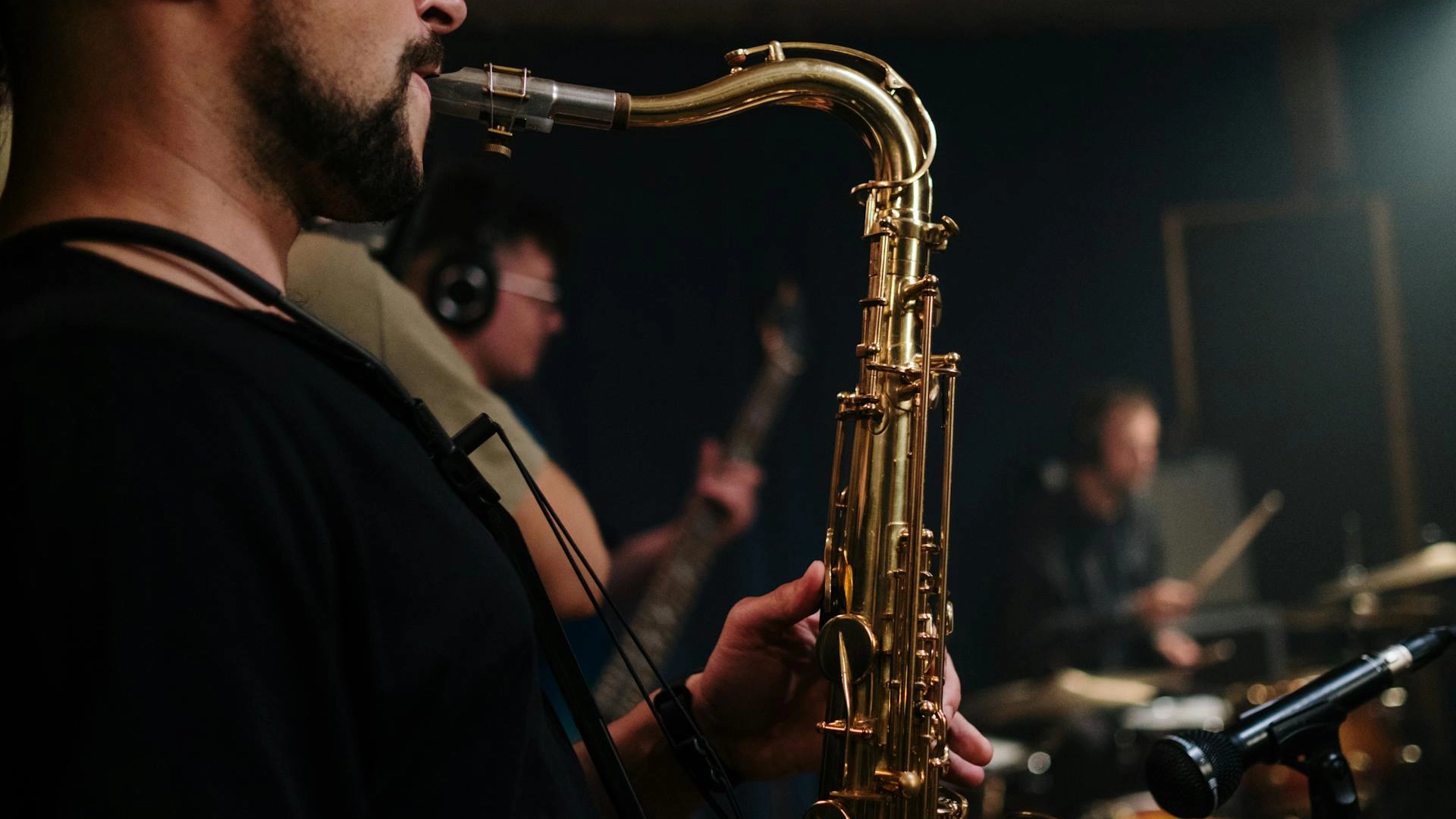
Understanding the key components of a tenor saxophone helps you evaluate instruments more effectively and communicate with repair technicians when maintenance is needed. Each element contributes to the overall playing experience and tonal character.
Materials and Finishes: More Than Cosmetics
The body material and finish of a tenor saxophone influence both its sound and maintenance requirements. Most modern saxophones use yellow brass, which provides a balanced tonal spectrum suitable for various musical styles. Some manufacturers offer bronze brass options, which tend to produce darker, more complex overtones. Silver plating adds brilliance and projection, while gold plating offers warmth and visual appeal.
Neck Design: The Crucial Connection
The neck serves as more than just a connection between mouthpiece and body. Its bore profile, material, and angle significantly impact intonation and tonal color. Many professional saxophonists own multiple necks to achieve different sounds from the same horn. Copper necks add warmth, while silver necks brighten the overall tone. The fit between neck and body must be precise, as even small gaps can cause response issues and intonation problems.
Keywork and Ergonomics: Where Comfort Meets Speed
Modern tenor saxophones feature increasingly sophisticated keywork designed to facilitate technical passages and reduce hand strain. The high F# key, once considered a professional luxury, now appears on many intermediate models. Front F keys enable smoother transitions in the altissimo register, while adjustable thumb rests accommodate different hand sizes. Key height and spring tension require careful regulation to achieve optimal playing feel.
Pads and Resonators: The Unsung Heroes
Saxophone pads might seem like simple components, but they profoundly affect how an instrument plays and sounds. Traditional leather pads offer excellent sealing properties but require more frequent replacement. Synthetic pads last longer but may alter the tonal character slightly. Resonators, the small discs attached to pad centers, influence projection and brightness. Metal resonators add brilliance and focus, while plastic resonators produce a mellower sound. The quality of pad installation often distinguishes mediocre repair work from professional craftsmanship.
Budget Planning
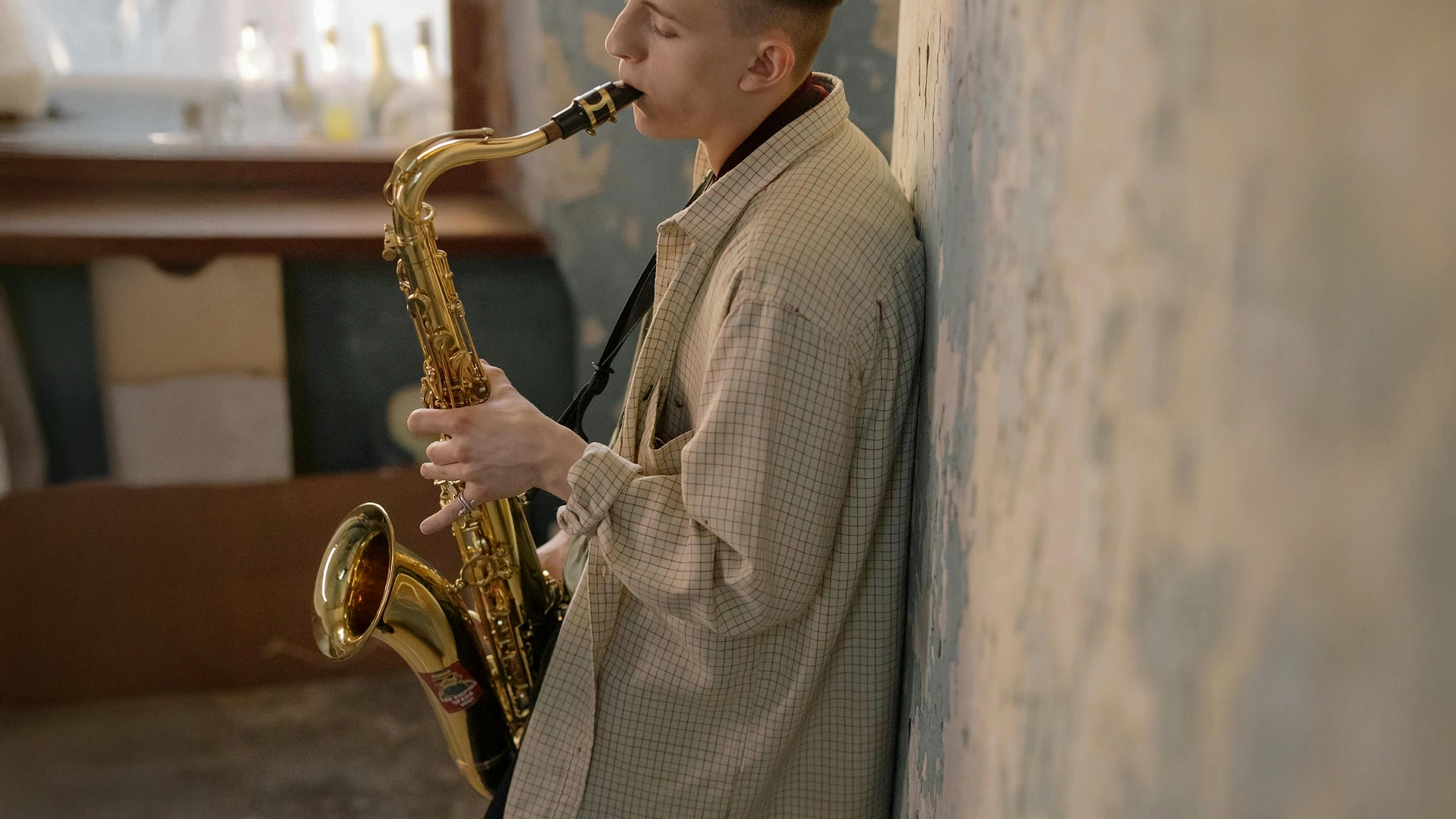
Investing in a tenor saxophone requires careful financial planning, whether you're buying your first student horn or upgrading to a professional model. Understanding the true costs involved helps avoid unpleasant surprises and ensures you get the best value for your investment.
New Instrument Considerations
Purchasing a new tenor saxophone offers several advantages, including warranties, consistent quality control, and the latest design improvements. Modern manufacturing techniques have raised the bar for entry-level instruments, with today's student models often outperforming intermediate horns from decades past. When budgeting for a new saxophone, factor in essential accessories like a quality mouthpiece, case upgrade, and initial setup by a qualified technician. Many dealers offer financing options that make higher-end instruments more accessible.
The Used Market: Hidden Gems and Pitfalls
The used saxophone market offers tremendous value for informed buyers. Recent model professional horns often sell for half their original price, while well-maintained intermediate instruments can provide years of reliable service. However, hidden damage or poorly executed repairs can turn a seeming bargain into an expensive mistake. Always budget for a complete overhaul when purchasing vintage instruments, as original pads and corks will likely need replacement.
Total Cost of Ownership
Beyond the initial purchase price, tenor saxophones require ongoing investment in maintenance and accessories. Annual service appointments keep the instrument in optimal playing condition, while regular swab use and careful handling minimize repair needs. Reed costs add up quickly for active players, often exceeding several hundred dollars annually. Case upgrades protect your investment during transport, while insurance provides peace of mind against theft or damage.
Top Tenor Saxophone Picks
After extensive research and brainstorming, we've identified the best tenor saxophones across different categories. These instruments represent exceptional value and performance within their respective price ranges.
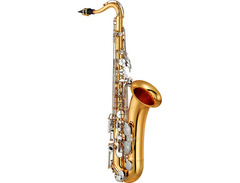
Yamaha YTS-26 Student Tenor Saxophone
The Classic Student Workhorse





Average Price: $3,208
Standard/Professional
$1800
$4001+
Budget
Standard
High-end
The Yamaha YTS-26 has earned its reputation as the gold standard in music education through decades of reliable service. Band directors across the country trust this model to provide new players with a solid foundation that won't hold back their progress as skills develop.
Build Quality That Educators Trust
Yamaha's commitment to quality control shines through in the YTS-26's construction. The keywork feels substantial under the fingers without being overly heavy, striking a balance that helps young players develop proper hand position. The nickel-plated keys resist tarnishing better than traditional silver plating, maintaining their appearance through years of student use. Adjustment screws stay in place longer than on many budget competitors, reducing the frequency of minor repairs that can sideline instruments during the school year.
Tone and Response Characteristics
The YTS-26 produces what many describe as a neutral-bright tone that works well across different musical contexts. This tonal flexibility proves invaluable in school settings where students might play jazz ensemble in the morning and concert band in the afternoon. The horn's even response across all registers helps beginners develop consistent embouchure habits without fighting the instrument. While it may lack the complex overtones of professional models, the clear, focused sound cuts through ensemble textures effectively.
Long-Term Value Proposition
Perhaps the YTS-26's greatest strength lies in its exceptional resale value. Parents can recoup a significant portion of their investment when students move up to intermediate instruments or decide to pursue other interests. This strong secondary market reflects the saxophone's durability and continued demand from music programs. Many repair technicians note that properly maintained YTS-26 horns can serve multiple generations of students, making them excellent choices for school inventory purchases.
BetterSax Classic Tenor Student Saxophone
The Budget-Conscious Choice

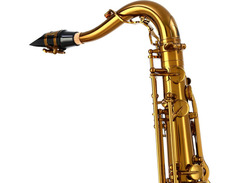
Average Price: $1,444
Budget/Beginner
$1800
$4001+
Budget
Standard
High-end
- Instantly responsive with a bright, modern sound
- Cognac lacquer finish makes it visually striking
- Seamless altissimo range with consistent tone
- Ergonomically designed keys, especially left hand G#
- See 6 more
- Slight movement at the top joint, can be concerning
- Middle D and Eb are slightly duller
- Palm key F is positioned lower than some prefer
- Included ligature may not suit all players' preferences
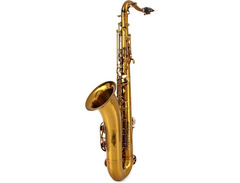
The BetterSax Classic Tenor is a newer approach to the student saxophone market, offering impressive performance at an entry-level price point. Developed with input from educators and professional players, this model challenges assumptions about what budget instruments can achieve.
Design Philosophy and Features
BetterSax focused on the features that matter most for developing players while eliminating costly cosmetic options. The Classic Tenor uses quality brass throughout the body and keys, ensuring proper resonance and durability. The keywork layout follows established ergonomic principles, with comfortable key spacing that accommodates growing hands. High F# comes standard, giving students access to extended range techniques as they advance.
Sound Quality Beyond the Price Point
What surprises many players about the BetterSax Classic is its rich, well-formed tone that belies its budget positioning. The bore design encourages proper breath support development, rewarding good technique with improved sound quality. Low notes speak clearly without the stuffiness common in entry-level horns, while the upper register maintains good intonation without excessive brightness. This tonal consistency helps students develop their ears alongside their technical skills.
Support and Accessibility
BetterSax has built a reputation for exceptional customer support, with online resources specifically designed for beginners. Their setup videos and maintenance guides help new players get the most from their instruments. The company's direct-to-consumer model eliminates dealer markups, passing savings to customers while maintaining quality standards. Many teachers appreciate having a reliable budget option to recommend to families with financial constraints.
P. Mauriat PMXT-66R Tenor Saxophone
The Intermediate Standout

The P. Mauriat PMXT-66R represents the sweet spot for advancing players ready to explore more sophisticated tonal possibilities. This Taiwanese manufacturer has earned respect by combining traditional craftsmanship with contemporary manufacturing precision.
Rolled Tone Holes: A Vintage Touch
The PMXT-66R's most distinctive feature is its rolled tone holes, a construction method more commonly found on vintage horns and high-end professional models. This technique involves drawing the tone holes from the body tube rather than soldering separate pieces, creating seamless connections that many players believe improve resonance. The rolled holes also provide a different feel under the fingers, with smooth edges that some find more comfortable during extended playing sessions.
Dark Complexity in Tone
Players consistently describe the PMXT-66R's sound as dark and complex, with a richness that invites exploration of subtone techniques and tonal colors. This character suits jazz ballads and classical repertoire particularly well, though the horn maintains enough projection for big band or funk settings. The vintage-inspired neck design contributes to this tonal profile, offering warmth without sacrificing clarity in the upper register.
Professional Features at Intermediate Pricing
P. Mauriat includes several professional-level features that enhance the playing experience. The double-arm low B and C keys provide added stability for these crucial notes, while the adjustable thumb rest accommodates different hand positions. Blue steel springs offer quick, reliable action that maintains consistency over time. These thoughtful details demonstrate why many players keep their PMXT-66R even after purchasing professional instruments, using it as a reliable backup or for outdoor performances.
Yanagisawa T-WO1 Professional Tenor Saxophone
The Professional Value Leader

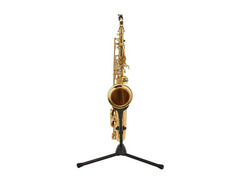
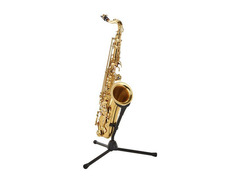
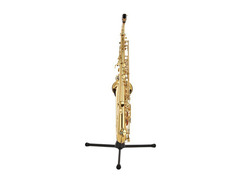
Average Price: $4,652
High-end/Boutique
$1800
$4001+
Budget
Standard
High-end
The Yanagisawa T-WO1 proves that professional quality doesn't always require premium pricing. This model brings Yanagisawa's renowned build quality to a more accessible price point without compromising the features that matter to serious players.
Precision Manufacturing Excellence
Yanagisawa's reputation for flawless construction reaches its full expression in the T-WO1. Every post sits precisely where it should, every key moves with surgical precision, and every pad seats perfectly. This attention to detail translates directly to playing experience, with keywork that feels natural under the fingers and responds instantly to the lightest touch. The hand-engraving adds visual elegance while the robust construction ensures these instruments maintain their regulation through years of professional use.
Clear, Resonant Tonal Profile
The T-WO1 produces what many describe as a clear, resonant tone with excellent projection capabilities. This clarity makes it particularly suitable for players who need to cut through amplified bands or large ensembles. The horn's even temperament across all registers allows for seamless transitions from subtone whispers to full-throated fortissimo passages. Classical saxophonists appreciate the control available in soft dynamics, while jazz players value the horn's ability to handle aggressive articulation without breaking up.
Investment in Reliability
Professional musicians need instruments they can depend on night after night, and the T-WO1 delivers this reliability consistently. The bronze brass body resists minor dings better than standard brass, while the quality of materials and construction means fewer emergency repairs. Many touring professionals choose Yanagisawa for this dependability, knowing their horn will perform consistently in varying climates and conditions. The long-term cost savings from reduced maintenance often offset the higher initial investment.
Selmer Paris 94 Supreme Professional Tenor Saxophone
The Modern Flagship

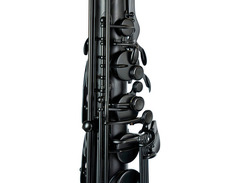
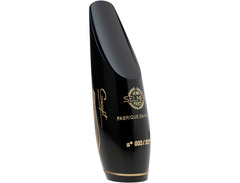
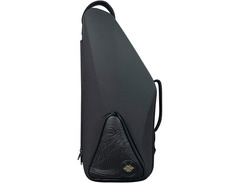
The Selmer Paris 94 Supreme is the latest evolution in professional saxophone design, incorporating feedback from world-class artists and advances in acoustic modeling. This flagship model showcases what's possible when tradition meets innovation.
Revolutionary Intonation System
Selmer's engineers spent years analyzing and refining the 94 Supreme's bore design to achieve unprecedented intonation accuracy. The result is a horn that plays remarkably in tune across its entire range, reducing the need for embouchure adjustments between registers. This intonation security proves invaluable in recording situations or when playing with piano and other fixed-pitch instruments. The proprietary bore profile also enhances response in the problematic palm key region, making altissimo passages more accessible.
Tonal Flexibility for Modern Musicians
The 94 Supreme offers a rich, flexible tone that adapts to diverse musical situations. Players can push for bright, edgy sounds in fusion contexts or pull back for warm, vintage-inspired tones in traditional settings. This versatility comes from careful attention to bore dimensions and tone hole placement, creating an instrument that responds to player intentions rather than imposing its own character. The included Supreme neck further expands tonal options, with many players reporting improved response and color compared to previous Selmer designs.
Craftsmanship at the Highest Level
Every 94 Supreme receives extensive hand-finishing that elevates it beyond mass production. Master craftsmen adjust and regulate each instrument to ensure optimal performance before it leaves the factory. The attention to detail extends to cosmetic elements like hand-engraving and pearl key touches that add visual sophistication. Professional players often note how the tactile experience of playing a 94 Supreme enhances their connection to the music, with every component contributing to an inspiring performance.
Selmer Mark VI Tenor Saxophone
5.0 (2)
The Legendary Icon

Average Price: $4,999
High-end/Boutique
$1800
$4001+
Budget
Standard
High-end
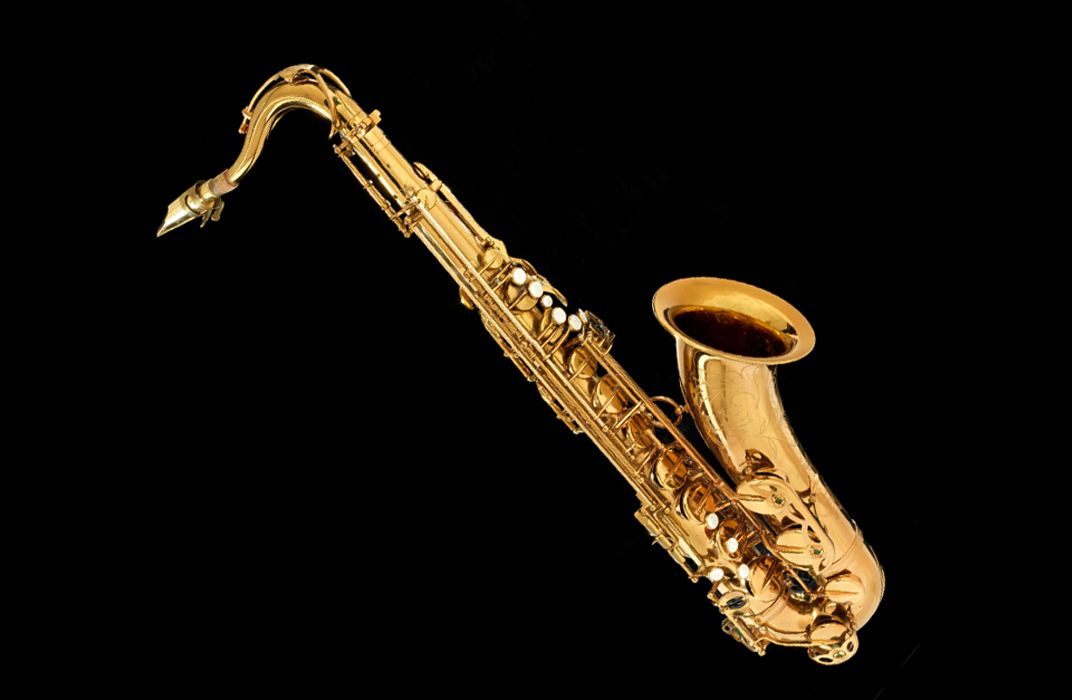
The Selmer Mark VI occupies a unique position in saxophone history, representing for many the pinnacle of vintage tenor saxophone design. Produced from 1954 to 1974, these instruments have achieved legendary status among players across all genres.
Understanding the Mark VI Mystique
The Mark VI's reputation stems from a combination of factors that came together during a golden age of saxophone manufacturing. Selmer's craftsmen had perfected techniques developed over decades, while post-war innovations in metallurgy provided superior raw materials. The result was an instrument with extraordinary resonance and tonal complexity that modern manufacturing struggles to replicate. Each Mark VI has its own personality, shaped by the individual craftsman who assembled and finished it.
Serial Numbers and Variations
Not all Mark VIs are created equal, and understanding serial number ranges helps identify the most desirable examples. The five-digit serials from the late 1950s and early 1960s are particularly sought after, with many players preferring the sound of these earlier horns. French-assembled examples command premium prices over those assembled in the American factory. Transition periods between design changes offer unique combinations of features that some players prefer. Careful research before purchasing can mean the difference between acquiring a legendary player and an overpriced disappointment.
The Vintage Ownership Experience
Owning a Mark VI requires commitment beyond the initial purchase. These instruments need regular maintenance from technicians experienced with vintage horns, as modern repair techniques don't always suit older designs. Original lacquer, when present, often shows significant wear that many players consider part of the horn's character. Finding appropriate cases, necks, and other accessories can prove challenging. Despite these considerations, many professional players consider their Mark VI irreplaceable, willingly accepting the extra care required to keep these legendary instruments performing at their best.
See how artists use this







Lacquer vs Unlacquered: Understanding the Debate
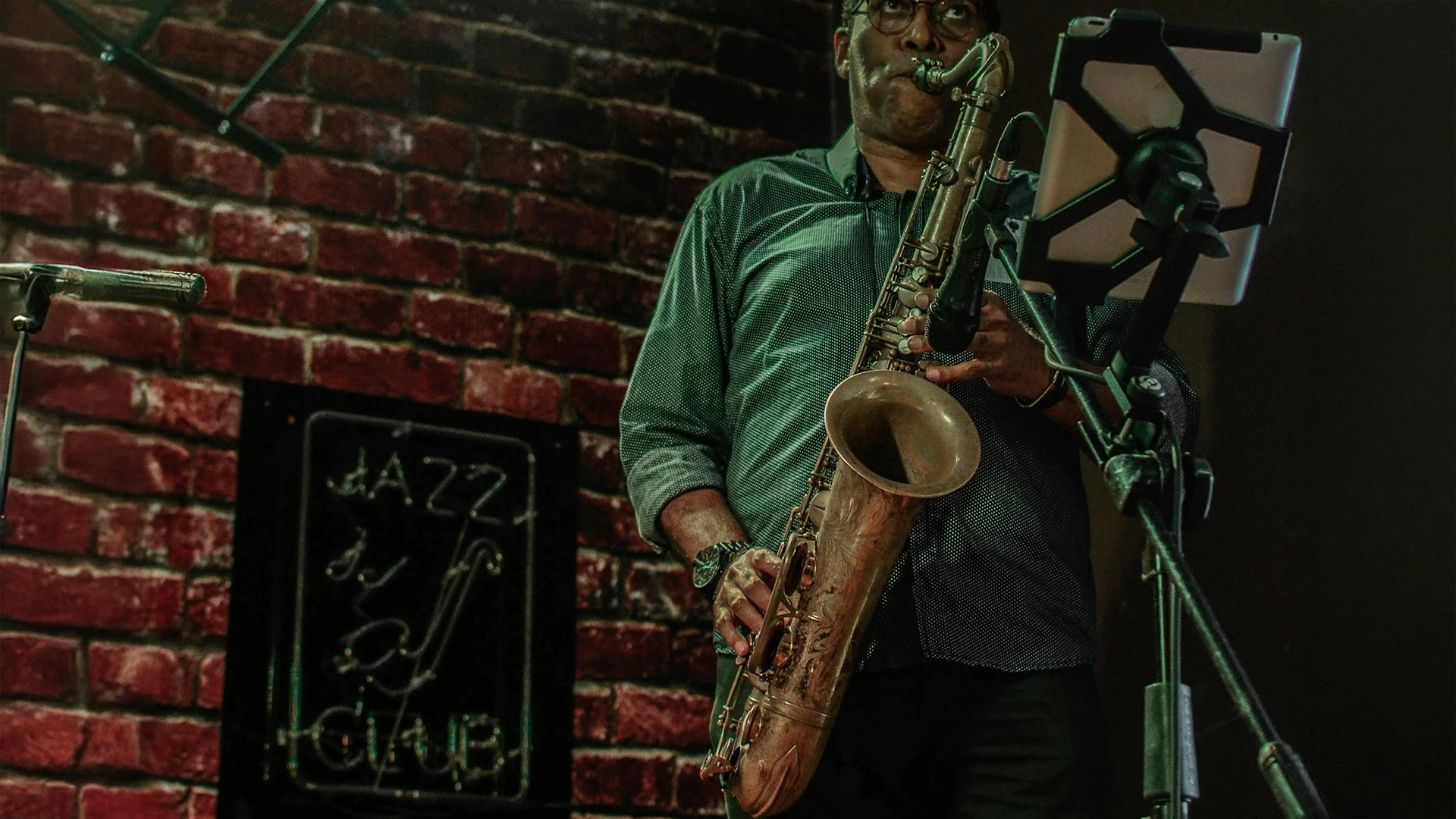
The choice between lacquered and unlacquered finish generates passionate debate among saxophonists, with valid arguments on both sides. Understanding the real differences helps players make informed decisions based on their priorities.
Tonal Considerations
Many players believe unlacquered saxophones produce a darker, more complex tone due to the metal's ability to vibrate freely without a lacquer coating. Scientific measurement of these differences proves challenging, but anecdotal evidence from professional players suggests the effect is real, if subtle. Lacquered horns tend to maintain their bright, focused sound consistently over time, while unlacquered instruments may evolve tonally as the patina develops. The difference becomes most noticeable in the horn's core sound rather than projection or volume.
Maintenance and Appearance
Unlacquered saxophones require more frequent cleaning to prevent excessive tarnishing, though many players appreciate the unique patina that develops over time. This natural aging process creates an instrument with distinctive character that reflects its playing history. Lacquered horns maintain their showroom appearance longer but may eventually show lacquer wear in high-contact areas. Some players find the feel of raw brass more appealing than lacquer, particularly in humid performance conditions.
Resale and Long-Term Value
The finish choice significantly impacts resale value, though trends vary by model and era. Vintage horns with original lacquer generally command higher prices than those without, regardless of the lacquer's condition. However, the growing popularity of unlacquered professional instruments has created strong demand in that market segment. Players planning to keep their instruments long-term may prioritize personal preference over resale considerations. The key is avoiding aftermarket modifications like stripping original lacquer, which typically reduces value regardless of the aesthetic result.
Smart Buying Checklist

Purchasing a tenor saxophone represents a significant investment that deserves careful consideration. Following a systematic approach helps ensure you select an instrument that meets your needs and provides years of musical satisfaction.
Play-Testing Essentials
Never purchase a saxophone without playing it first, or at minimum, having a trusted player test it for you. Check intonation across the full range using a tuner, paying particular attention to octave relationships. Test the low notes for response and clarity, as stuffiness here indicates regulation issues. Evaluate key action for consistency and comfort, noting any binding or sluggish keys. The neck fit should be snug without forcing, and all keys should seal properly without excessive pressure.
Questions for Dealers
Reputable dealers welcome questions about their instruments and policies. Ask about return periods and trial options, as many shops offer satisfaction guarantees. Inquire about setup services and whether the quoted price includes professional adjustment. Understanding warranty coverage for both new and used instruments protects your investment. Clarify any restoration work performed on vintage instruments, including pad type, spring work, and any non-original parts.
Red Flags in Used Instruments
Certain issues should prompt extreme caution or walking away entirely. Evidence of major damage like twisted bodies or pulled tone holes often means expensive or impossible repairs. Resoldered joints, unless professionally done, compromise structural integrity. Missing original parts, particularly on vintage horns, significantly impact value and playability. Excessive wear on key pearls and thumb rests might indicate heavy professional use requiring major mechanical work. Trust your instincts when something seems too good to be true.
Essential Accessories Snapshot
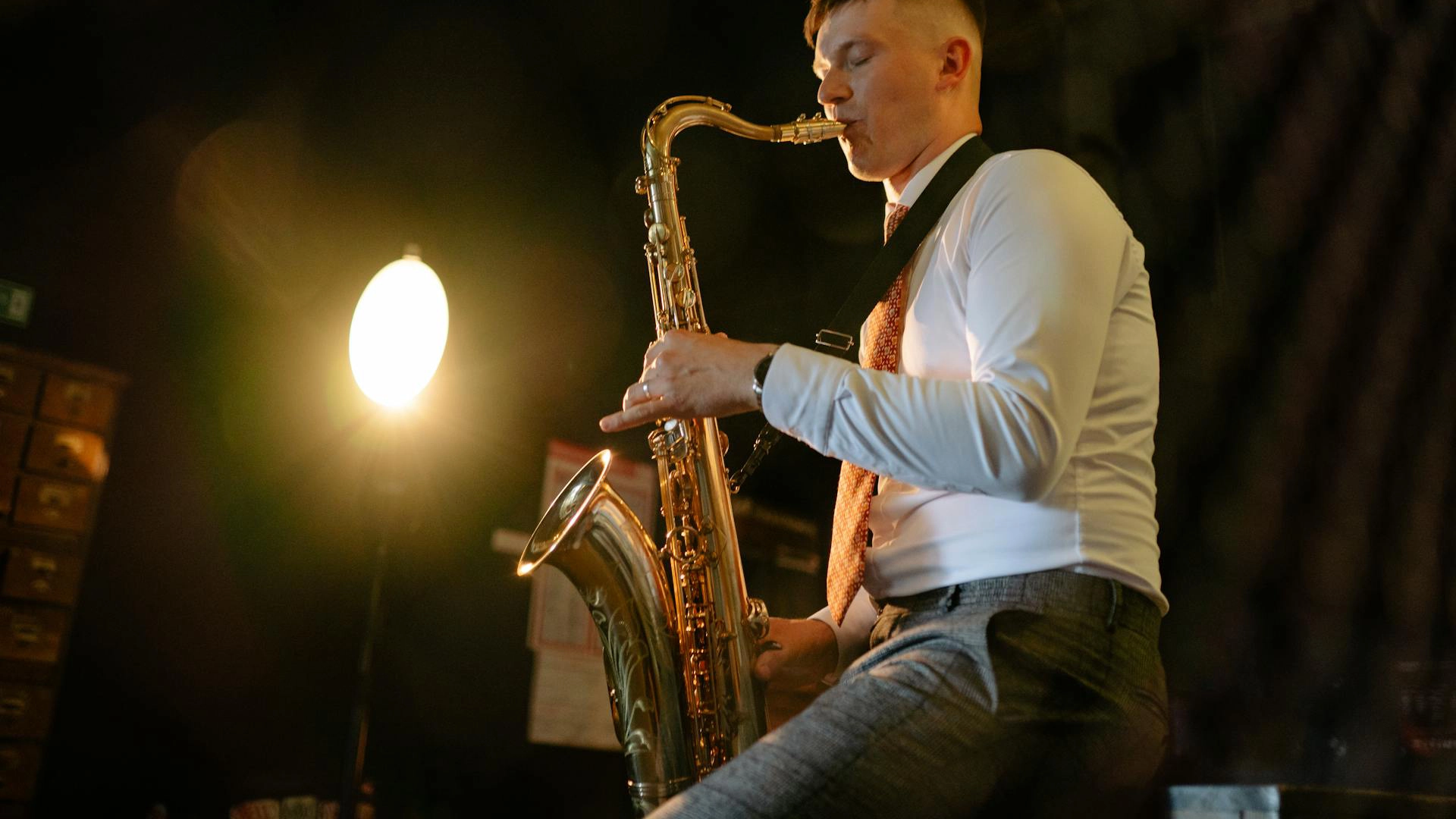
The right accessories can dramatically improve your playing experience and protect your investment. Understanding which accessories matter most helps prioritize spending for maximum benefit.
Mouthpieces: Your Personal Voice
The mouthpiece influences tone and response more than any other single component. Student players should start with medium-tip openings and moderate facing curves that encourage proper embouchure development. Intermediate players benefit from exploring different chamber sizes and baffle designs to find their preferred tonal concept. Professional players often own multiple mouthpieces for different musical contexts. Hard rubber remains the standard for its consistency and warmth, though metal pieces offer brightness and projection for certain styles.
Reeds: The Daily Essential
Reed selection significantly impacts playability and tone production. Beginners typically start with softer reeds that respond easily, gradually increasing strength as embouchure develops. The relationship between reed strength and mouthpiece design means a size 3 reed on one mouthpiece might feel entirely different on another. Quality consistency matters more than brand loyalty, so finding reliable suppliers helps maintain steady progress. Many professionals buy reeds by the box and carefully select performance reeds.
Cases and Protection
A quality case provides essential protection for your investment. Look for cases with proper neck storage to prevent damage during transport. Suspension systems that cradle the horn prevent key damage from impact. Weather resistance becomes crucial for players who travel frequently or perform outdoors. Consider the weight and carrying options, as shoulder straps reduce fatigue during long commutes. Some players invest in flight cases for air travel, accepting extra weight for maximum protection.
Glossary of Key Terms
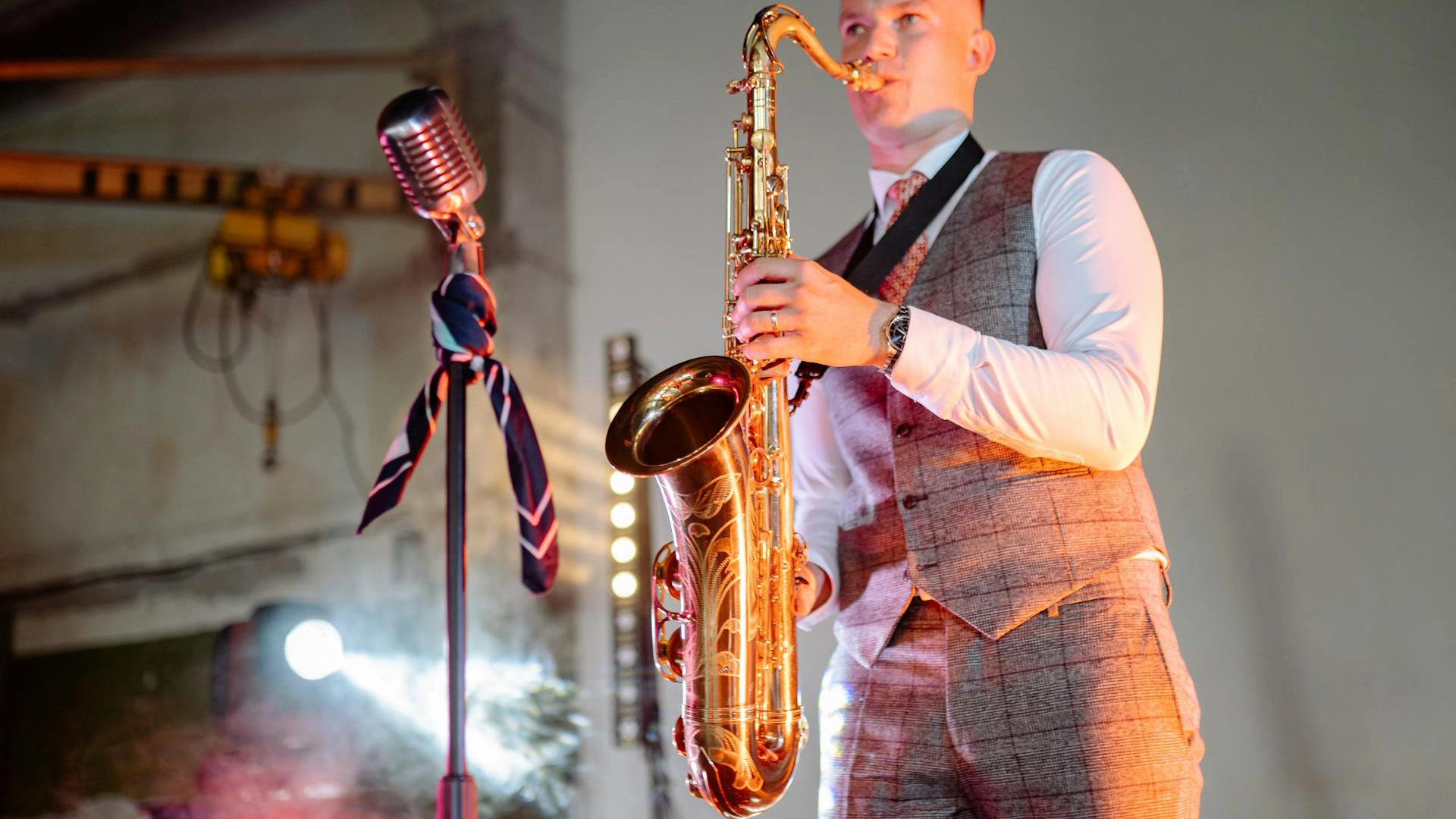
Understanding saxophone terminology helps you communicate effectively with teachers, repair technicians, and other musicians. These essential terms appear frequently in discussions about tenor saxophones.
| Term | Plain-English Definition |
|---|---|
| Bore | The internal diameter of the saxophone body and neck that fundamentally shapes tonal characteristics and playing resistance. Larger bores generally produce darker, more spread sounds while smaller bores focus the tone with increased brightness. |
| High F# Key | An additional key mechanism that enables players to produce high F# without using alternative fingerings or excessive embouchure adjustment. This feature has become standard on professional instruments and increasingly common on intermediate models. |
| Resonators | Small discs attached to the centers of saxophone pads that influence how sound reflects within the instrument. Metal resonators add brightness and projection while plastic resonators create a mellower, more diffused sound character. |
| Front F | An auxiliary key mechanism operated by the right hand that facilitates smooth transitions in fast passages and provides alternative fingerings for altissimo notes. This professional feature improves technical fluency in demanding musical passages. |
| Unlacquered | Describes saxophones with raw brass finish lacking protective lacquer coating. These instruments develop natural patina over time and many players believe the absence of lacquer allows freer metal vibration, creating a more resonant, complex tone. |
Frequently Asked Questions

What's the best tenor saxophone for a complete beginner?
The Yamaha YTS-26 remains the top choice for most beginners due to its exceptional build quality, consistent intonation, and strong resale value. If budget constraints are significant, the BetterSax Classic Tenor offers surprising quality at a lower price point. Both instruments provide the reliability and playability needed to develop proper technique without fighting the instrument.
How much should I budget for accessories when buying a tenor sax?
Plan to spend approximately 10-15% of the saxophone's purchase price on essential accessories. This covers a decent mouthpiece, ligature, reeds for several months, a neck strap, cleaning supplies, and possibly a case upgrade. Professional players might spend considerably more on high-end mouthpieces and specialized accessories.
Are vintage saxophones worth the extra cost and maintenance?
Vintage saxophones offer unique tonal qualities that many players find irreplaceable, but they require significant ongoing investment in maintenance and repairs. Unless you have access to experienced vintage repair technicians and budget for regular service, modern professional instruments often provide better value. The Selmer Mark VI remains the gold standard for those committed to the vintage experience.
Should I choose lacquered or unlacquered finish?
Finish choice primarily affects aesthetics and maintenance requirements rather than dramatic tonal differences. Lacquered saxophones maintain their appearance with less effort and typically hold resale value better. Unlacquered instruments develop unique patina and may offer subtle tonal complexity but require more frequent cleaning.
When should I upgrade from a student to intermediate saxophone?
Consider upgrading when your current instrument limits your musical expression or technical development, typically after 3-5 years of consistent playing. Signs include difficulty with intonation in extreme registers, keywork that can't keep pace with your technique, or tonal limitations that prevent achieving your desired sound. The P. Mauriat PMXT-66R makes an excellent upgrade choice.
Can I learn tenor sax on my own or do I need a teacher?
While self-learning is possible with today's online resources, working with a qualified teacher accelerates progress and prevents bad habits that can limit long-term development. Even occasional lessons help establish proper fundamentals. Many players combine self-study with periodic professional guidance for optimal results.
Conclusion
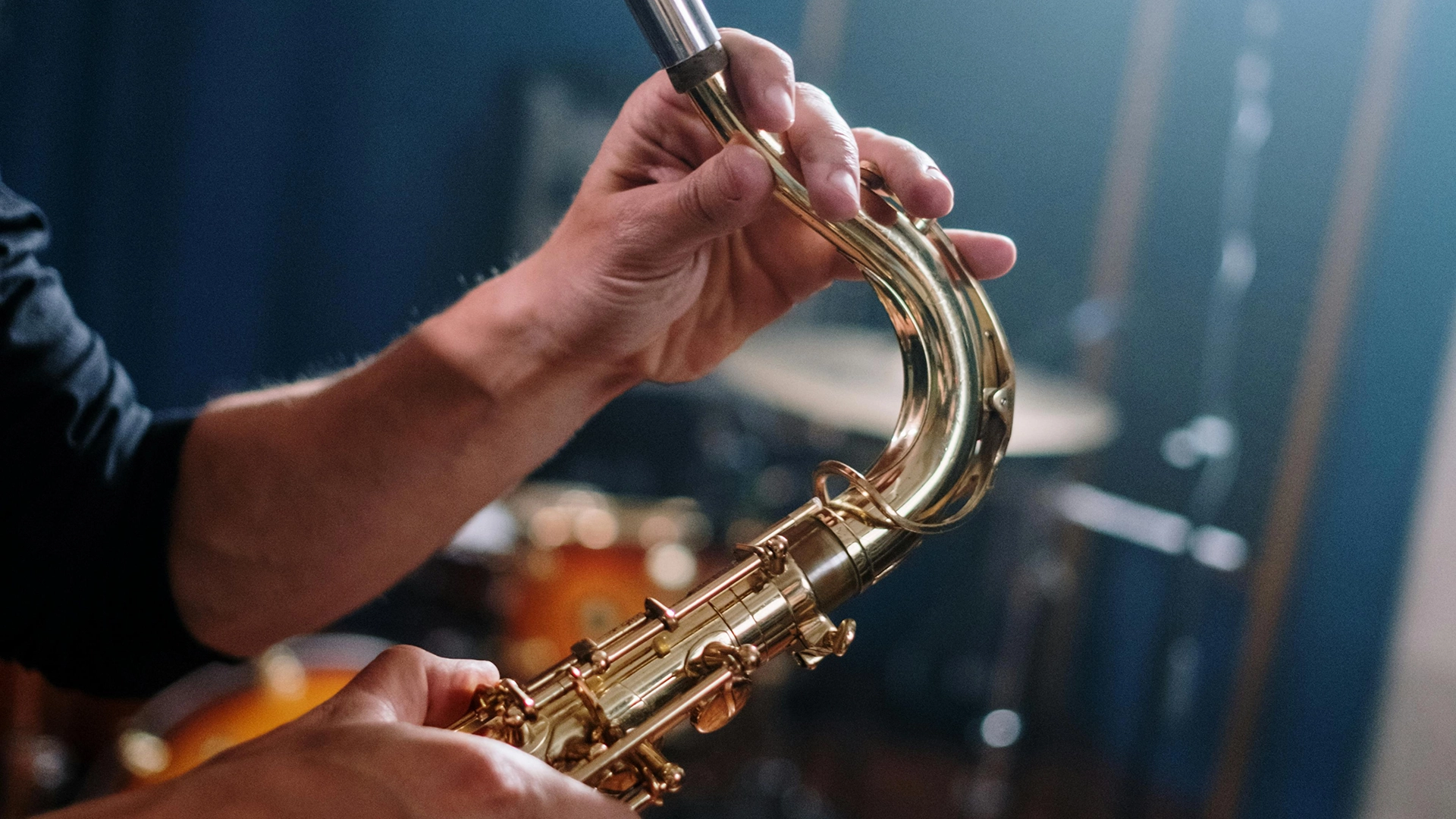
Choosing the right tenor saxophone opens doors to a lifetime of musical expression. Whether you're taking your first steps with a reliable Yamaha YTS-26 or BetterSax Classic Tenor, advancing your skills with the versatile P. Mauriat PMXT-66R, or investing in professional excellence with the Yanagisawa T-WO1 or Selmer Paris 94 Supreme, each instrument offers unique possibilities for musical growth.
For those drawn to the mystique of vintage instruments, the legendary Selmer Mark VI continues to inspire players with its incomparable voice. Remember that the best saxophone is the one that makes you want to play every day. Take time to explore your options, and don't hesitate to reach out to fellow saxophonists in your community for advice and inspiration.
Ready to find your perfect tenor saxophone? Explore the complete setups of your favorite artists on Equipboard and discover which instruments help create the sounds you love.
Top Ranked Tenor Saxophones on Equipboard


About the authors

S. Jino is an accomplished multi-instrumentalist and music producer based in Kolkata, India, distinguished by his self-taught mastery and unique blend of technical acumen and musical performance. His extensive experience was forged through hands-on dedication, starting with the full restoration of a broken guitar. Jino's capabilities span keyboards, pedals, and advanced digital production, reflecting a comprehensive skill set developed independently. As a significant contributor to the music scene, Jino regularly performs with worship bands and college ensembles. He has also established himself as a reliable and authoritative professional in freelance mixing, mastering, and original music creation. Inspired by the innovative sounds of Brian May and David Gilmour, and influenced by Kolkata's vibrant metal community, Jino is committed to the intricate art of vintage gear restoration and the continuous exploration of music and technology fusion. His current professional setup, featuring a meticulously restored nameless guitar, a Fender Player Strat, and a Boss Katana 50. Read more





.jpg)