Table of Contents

Equipboard
Equipboard is the world's largest community of artists and their gear. Read our review process.
We are reader-supported. When you buy through links on our site, we may earn an affiliate commission. Learn more.
Our Picks

Best Beginner Option: The Yamaha YAS-26 is considered the gold standard among student alto saxophones, combining bulletproof reliability with genuine musical capability. This instrument has earned its reputation through decades of consistent performance in school music programs worldwide.
Read more


P. Mauriat PMXA-67R Alto Saxophone
Best Intermediate Option: The P. Mauriat PMXA-67R represents a unique approach to intermediate saxophone design, combining vintage-inspired aesthetics with modern manufacturing precision. This instrument appeals to players seeking character and warmth often associated with classic saxophones.
Read more
Yanagisawa A-WO1 Professional Alto Saxophone
Best Value Professional: The Yanagisawa A-WO1 exemplifies Japanese manufacturing precision applied to saxophone construction. This instrument appeals to players who prioritize consistency, reliability, and technical excellence over vintage character or artistic quirks.
Read more
Selmer Paris 92 Supreme Professional Alto Saxophone
Best Flagship Modern Option 1: The Selmer Paris Supreme Alto is the culmination of centuries of saxophone development, incorporating cutting-edge design innovations with traditional French craftsmanship. This instrument appeals to players seeking the ultimate in modern saxophone technology.
Read more
Yamaha YAS-875EXII Custom Professional Alto Saxophone
Best Flagship Modern Option 2: The Yamaha Custom 875EXII has earned its reputation as the professional standard through consistent performance in recording studios and concert halls worldwide. This instrument represents Yamaha's commitment to creating saxophones that meet the demanding requirements of professional musicians.
Read more
Best Vintage Icon: The Selmer Mark VI Alto occupies legendary status among saxophonists, representing the golden age of saxophone manufacturing that produced instruments still coveted by today's professionals. This model's association with jazz giants and classical virtuosos has created a mystique that transcends mere instrumental function.
Read more

The alto saxophone holds a special place in the hearts of musicians and music lovers alike. Its distinctive voice has shaped countless genres, from the bebop innovations of Charlie Parker to the soulful expressions of Cannonball Adderley and the contemporary versatility of Grace Kelly. Whether you're taking your first steps into the world of saxophone or you're a seasoned player looking to upgrade, finding the right alto sax can feel overwhelming with so many options available.
This comprehensive guide cuts through the confusion and connects you with the instruments that have defined legendary sounds. We'll explore everything from student-friendly options to professional flagships, vintage classics to modern marvels. Each recommendation is backed by real-world insights and connections to the artists who make these instruments sing.
Why the Alto Sax? Your Versatile Voice in Music
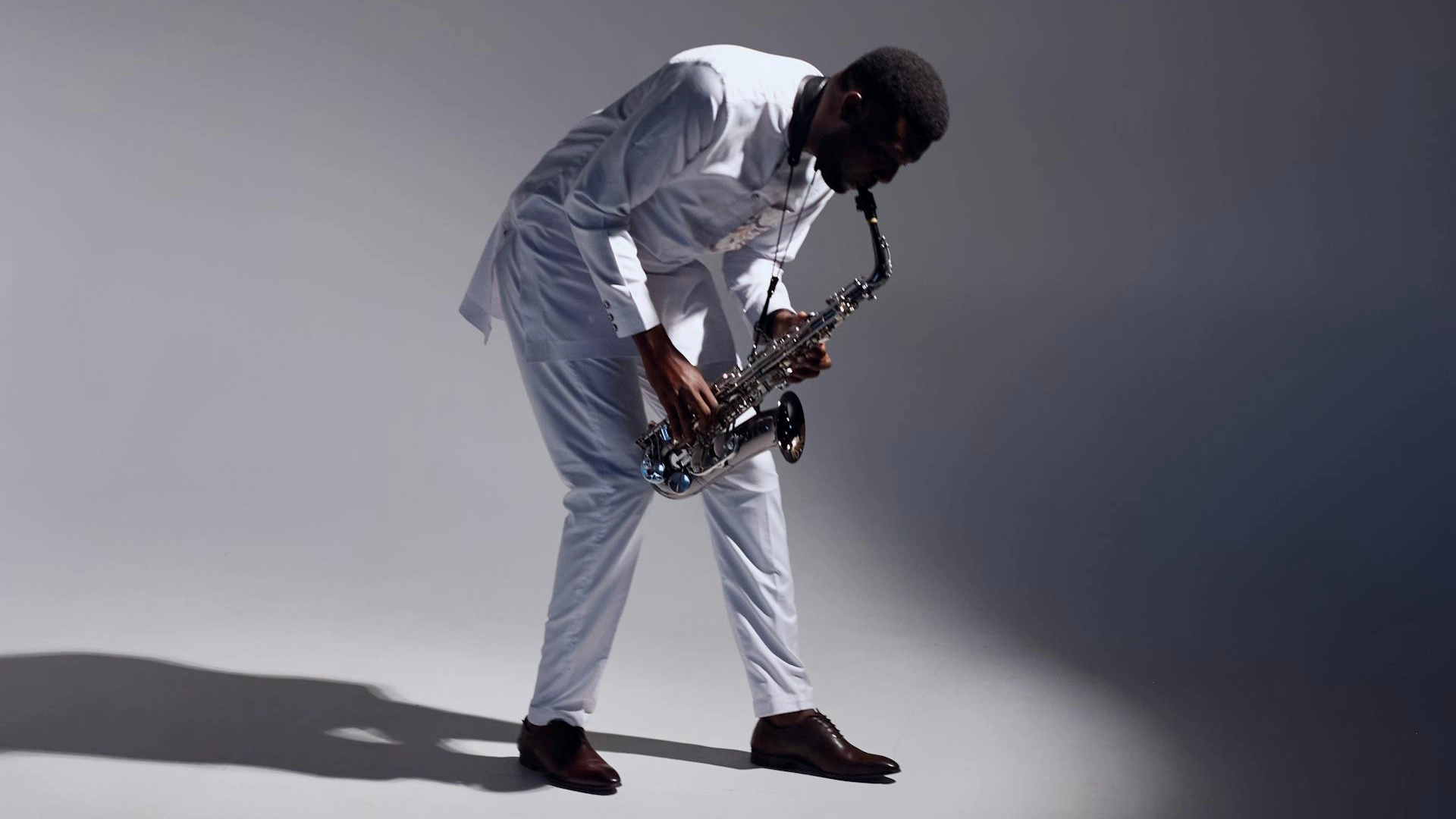
The alto saxophone strikes the perfect balance between accessibility and artistic potential. Its comfortable size makes it manageable for beginners, yet it possesses the full expressive range that professional musicians demand. Unlike its larger tenor sibling or the petite soprano, the alto sits in that sweet spot where physical comfort meets sonic versatility.
The Genre-Spanning Champion
What makes the alto truly special is its remarkable adaptability across musical styles. In jazz clubs, it delivers the smooth, flowing lines that define the genre's golden age. Classical concert halls showcase its lyrical capabilities in works by composers like Glazunov and Debussy. Funk and R&B recordings rely on its punchy, rhythmic bite, while rock bands use its soaring voice to cut through dense arrangements.
The alto's tonal flexibility allows players to explore vastly different sounds with technique and mouthpiece choices. A classical player might achieve a pure, focused tone with minimal vibrato, while a jazz musician coaxes warm, breathy textures with strategic embouchure adjustments.
Learning Made Accessible
For students, the alto offers several practical advantages. Its weight distribution feels natural when properly supported by a neck strap, reducing fatigue during practice sessions. The key spacing accommodates most hand sizes comfortably, and the breath requirements are manageable for developing players.
The extensive repertoire available for alto saxophone means students never lack for engaging material. From beginner method books to advanced solo literature, the alto saxophone enjoys one of the richest catalogs in the woodwind family.
Finding Your Level: Student, Intermediate, Professional, or Vintage?

Understanding saxophone categories helps narrow your search and sets realistic expectations for both performance and investment. Each level serves specific needs and represents different stages in a player's journey.
Student Level Saxophones
Student instruments prioritize reliability and ease of play over complex tonal nuances. Manufacturers design these saxophones to help beginners develop proper technique without fighting mechanical issues or intonation problems. The construction emphasizes durability, recognizing that student instruments often endure the learning process's inevitable bumps and accidents.
Key characteristics include simplified key mechanisms that reduce potential adjustment needs, robust construction using proven alloys, and design choices that promote good intonation across all registers.
The price range for new student alto saxophones typically spans from around $1,000 to $2,500, reflecting the balance between quality construction and accessibility for school programs and families.
Intermediate Level Saxophones
Intermediate saxophones bridge the gap between student reliability and professional refinement. These instruments often incorporate design elements borrowed from manufacturers' professional lines, offering players a taste of advanced features without the full investment.
Common upgrades include improved neck designs that enhance intonation and response, better alloy choices that increase resonance and projection, and smoother keywork that facilitates technical passages.
The mouthpieces included with intermediate saxophones often show significant improvement over student models, though many players still choose to upgrade this crucial component separately. Price ranges typically fall between $2,000 and $3,200 for new instruments.
Professional Level Saxophones
Professional alto saxophones represent the pinnacle of manufacturing quality and musical capability. These instruments feature hand-finished components, premium materials, and meticulous attention to detail that justifies their premium pricing. Every aspect, from tone hole placement to key regulation, receives individual attention during assembly.
The tonal capabilities of professional instruments reveal their true character in experienced hands. Complex overtone structures create rich, nuanced sounds that respond to subtle playing technique variations.
Professional saxophones often offer customization options, allowing players to specify details like key touches, engraving styles, and finish choices. New professional alto saxophones typically range from $3,200 to over $7,000, reflecting their precision manufacturing and premium materials.
Vintage Icons
Vintage alto saxophones occupy a unique category that blends historical significance with distinctive tonal characteristics. Models from manufacturers like Selmer, particularly the legendary Mark VI series, command premium prices due to their association with iconic recordings and players.
Terms like "warmth," "complexity," and "character" frequently describe vintage instruments, though these qualities can be highly subjective.
Vintage saxophone shopping requires additional consideration of factors like originality, condition, and potential repair costs. Serial number research helps establish manufacturing periods and authenticity, while thorough inspection reveals any modifications or wear that might affect playability or value.
Anatomy of an Alto Sax: Key Features That Define Your Sound & Feel

Understanding saxophone construction helps you make informed decisions and communicate effectively with dealers and repair technicians. Each component contributes to the instrument's overall performance and character.
Materials and Finishes
Brass composition forms the foundation of saxophone tone and response. Most modern saxophones use yellow brass (70% copper, 30% zinc), which provides a good balance of durability and tonal characteristics. Some manufacturers experiment with different alloy ratios or alternative materials like bronze or even sterling silver components, each claiming specific tonal advantages.
Finish choices affect both appearance and, according to many players, tonal qualities. Traditional lacquer finishes include clear, gold, and amber varieties, each potentially influencing the instrument's resonance and projection. Silver plating offers durability and a bright aesthetic, while some players prefer unlacquered instruments, believing the exposed brass provides more direct tonal transfer.
Neck Design and Importance
The saxophone neck plays a crucial role in intonation, response, and overall tonal character. This curved section connects the mouthpiece to the body and significantly influences how the instrument feels and sounds. Different manufacturers employ various taper designs, wall thicknesses, and construction techniques that affect the saxophone's performance.
Yamaha's approach illustrates this complexity with their G1 and V1 neck styles, each designed for different tonal goals. The G1 neck emphasizes projection and focus, while the V1 design prioritizes warmth and flexibility. Similarly, different generations of Selmer necks exhibit distinct characteristics that players often prefer for specific musical applications.
Octave Mechanism and Reliability
The octave mechanism enables saxophonists to access the instrument's full range by automatically opening octave vents when the thumb key is pressed. Modern designs typically feature dual octave vents, one on the neck and another on the body, that engage progressively across the saxophone's range.
Reliability becomes crucial since octave mechanism problems can render entire registers unplayable. Quality instruments feature robust construction and precise adjustment that maintains proper function through regular use. The mechanism's design also affects the saxophone's response and intonation consistency between octaves.
Key Ergonomics and Advanced Features
Modern alto saxophones include numerous refinements that enhance playing comfort and technical capability. The high F# key, now standard on most instruments, extends the saxophone's range and facilitates certain passages. Front F keys assist with altissimo register techniques, while tilting spatula keys reduce hand strain during extended playing.
Adjustable thumb rests, common on intermediate and professional models, allow players to customize hand position for optimal comfort and technique. Key touch materials range from plastic to mother-of-pearl, affecting both aesthetics and playing feel.
Pad Quality and Resonators
Saxophone pads create the airtight seal necessary for proper tone production and intonation. Quality pads use appropriate materials and construction techniques that ensure consistent sealing while maintaining durability. Poor pad quality leads to leaks that affect both sound and playability.
Resonators, the metal discs mounted on many pads, influence tonal brightness and projection. Different resonator materials, shapes, and mounting techniques create subtle tonal variations.
The relationship between pad quality and maintenance costs makes this feature particularly important for long-term ownership satisfaction. Higher-quality pads typically last longer and maintain better sealing characteristics throughout their lifespan.
Budgeting for Your Alto: Price Bands, New vs Used, & Smart Investments

Financial planning for a saxophone purchase extends beyond the initial instrument cost. Understanding the complete investment picture helps you make decisions that provide long-term satisfaction while avoiding unexpected expenses.
Understanding Value Propositions
Each price tier offers specific value propositions that align with different needs and priorities. Student instruments emphasize reliability and ease of maintenance, making them cost-effective for beginners who need dependable performance without premium features. The lower initial investment allows families and schools to provide quality instruments without excessive financial strain.
Intermediate saxophones offer enhanced performance capabilities that justify their higher cost for advancing players. The improved materials, construction quality, and design sophistication provide noticeable benefits that support continued musical development.
Professional instruments command premium pricing through superior craftsmanship, materials, and performance capabilities. While the initial investment is substantial, these instruments often provide decades of reliable service and typically maintain their value better than lower-tier options.
New Versus Used Considerations
The used saxophone market offers opportunities for significant savings, but requires careful evaluation to avoid costly mistakes. Reputable dealers often provide warranties and setup services that reduce the risks associated with used instrument purchases. Private party sales can offer better prices but require more knowledge to evaluate condition and authenticity.
A saxophone that seems attractively priced might require significant work to achieve optimal playability. Professional evaluation can reveal hidden issues that affect the true cost of ownership.
Certain vintage models actually appreciate in value, making them potentially sound financial investments for knowledgeable buyers. However, vintage instruments often require specialized maintenance that can be expensive and time-consuming.
The Best Alto Saxophones
Our selection process considers factors including build quality, tonal characteristics, value proposition, and real-world performance feedback from educators and professional players. Each recommendation serves specific needs while maintaining the high standards that define exceptional instruments.
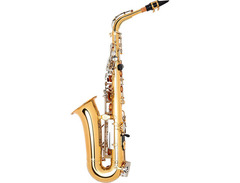
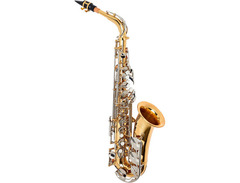
Yamaha YAS-26 Alto Saxophone
4.5 (3)
The Student's Trusted Companion





Average Price: $2,393
Standard/Professional
$1500
$3501+
Budget
Standard
High-end
- Produces a nice sound, reminiscent of professional models
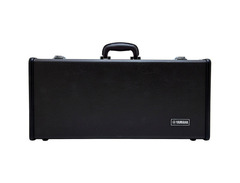
- Includes a case, reed, and neck strap, unexpected extras
- Keys have good response, enhancing playability
- Well-suited for students, offering better quality than typical school instruments
- See 1 more
The YAS-26 delivers exceptional value through thoughtful engineering that prioritizes the needs of developing players. Yamaha's designers focused on creating an instrument that sounds good immediately while remaining forgiving of developing technique. The result is a saxophone that encourages musical growth rather than fighting against it.
Build Quality and Durability
Yamaha's construction standards ensure the YAS-26 withstands the rigors of student use while maintaining optimal performance. The robust key mechanisms resist damage from drops and bumps that inevitably occur during the learning process. Quality control standards mean consistent performance across individual instruments, reducing the lottery aspect often associated with budget instruments.
The instrument's materials and construction techniques draw from Yamaha's professional saxophone experience, scaled appropriately for the student market. This approach ensures genuine musical capability rather than mere functionality.
Intonation and Response
Consistent intonation across all registers makes the YAS-26 particularly valuable for ensemble playing. Beginning players struggle enough with basic technique without fighting intonation problems, and this saxophone eliminates that frustration. The response characteristics encourage proper breath support and embouchure development.
Teachers appreciate how the YAS-26's design promotes good playing habits. The instrument rewards proper technique with improved sound and easier playing, creating positive reinforcement that supports continued musical development.
Long-term Value
The YAS-26's reputation ensures strong resale value when students eventually upgrade. Many music stores actively seek these instruments for their rental fleets, providing a ready market for sellers. The durability means used examples often provide years of additional service for subsequent owners.


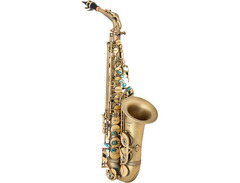
P. Mauriat PMXA-67R Alto Saxophone
Vintage Soul in a Modern Package

Average Price: $4,186
High-end/Boutique
$1500
$3501+
Budget
Standard
High-end
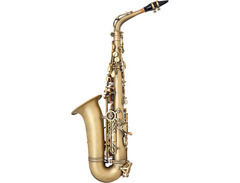
P. Mauriat's philosophy emphasizes tonal complexity and projection that rivals instruments costing significantly more. The PMXA-67R demonstrates this approach through carefully considered design choices that enhance resonance and harmonic richness. Players consistently report that this saxophone sounds more expensive than its price suggests.
Distinctive Design Elements
The rolled tone holes represent the most visible difference between the PMXA-67R and conventional intermediate saxophones. This vintage-inspired feature, combined with the unlacquered brass finish, creates visual appeal that matches the instrument's distinctive sound. The aesthetic choices reinforce the saxophone's musical character.
Hand-engraved details and vintage-style touches elevate the instrument's appearance without adding unnecessary cost. P. Mauriat's attention to visual details reflects their commitment to creating instruments that inspire players through both sound and appearance.
Tonal Characteristics
Players describe the PMXA-67R's sound as warm and complex, with strong fundamental tones supported by rich overtone structures. The instrument responds well to different playing styles, adapting to both classical techniques and jazz approaches with equal facility. This versatility makes it suitable for players exploring multiple musical genres.
The projection capabilities surprise many players accustomed to intermediate instruments that require extra effort to fill larger spaces. The PMXA-67R's design efficiently converts breath energy into acoustic output, reducing fatigue during extended playing sessions.
Professional Features
Many design elements typically found on professional instruments appear on the PMXA-67R, including sophisticated key work and attention to ergonomic details. The adjustable thumb rest and quality pad work demonstrate P. Mauriat's commitment to providing professional-level features at intermediate pricing.
Yanagisawa A-WO1 Professional Alto Saxophone
Precision Engineering Excellence

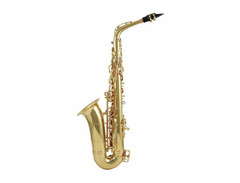
Average Price: $3,686
High-end/Boutique
$1500
$3501+
Budget
Standard
High-end
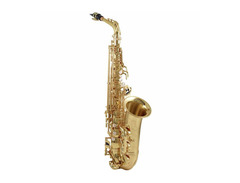
Yanagisawa's reputation for meticulous quality control ensures that each A-WO1 meets stringent performance standards. Professional players appreciate the consistency this brings to their musical expression, knowing the instrument will respond predictably in any performance situation.
Manufacturing Excellence
The A-WO1 showcases advanced manufacturing techniques that create precise tolerances and consistent assembly quality. Every component receives individual attention during construction, resulting in instruments that feel and play virtually identically. This consistency proves particularly valuable for professional players who rely on their instruments for their livelihood.
Hand-finished details and quality materials justify the A-WO1's professional designation while maintaining accessibility compared to flagship models. Yanagisawa's approach emphasizes substance over flash, creating instruments that impress through performance rather than appearance alone.
Response and Intonation
Professional players consistently praise the A-WO1's intonation stability across all registers and dynamic levels. The instrument maintains pitch accuracy whether played softly in chamber music settings or projected over full orchestras and big bands. This reliability eliminates a significant variable that can affect musical expression.
The response characteristics facilitate both technical passages and expressive playing with equal ease. The saxophone doesn't impose its personality on the music, instead serving as a transparent vehicle for the player's musical intentions.
Long-term Reliability
Yanagisawa instruments enjoy reputations for exceptional longevity with minimal maintenance requirements. The A-WO1 continues this tradition through robust construction and quality components that resist wear and maintain adjustment over time. Professional players often report decades of reliable service from their Yanagisawa instruments.
Selmer Paris 92 Supreme Professional Alto Saxophone
Modern Innovation at Its Peak

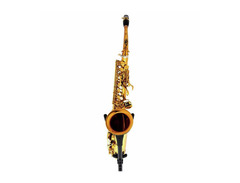
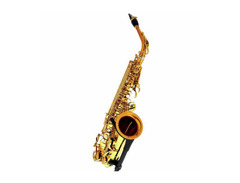
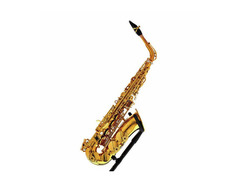
Average Price: $8,652
High-end/Boutique
$1500
$3501+
Budget
Standard
High-end
The Supreme demonstrates revolutionary approaches to intonation and tonal flexibility that address historical limitations of saxophone design. Selmer's engineers completely reconsidered fundamental aspects of saxophone acoustics, resulting in an instrument that performs at levels previously thought impossible.
Advanced Intonation System
The Supreme's most significant innovation involves its approach to intonation correction across all registers. Traditional saxophones require player compensation for inherent intonation imperfections, but the Supreme minimizes these issues through advanced bore design and strategic tone hole placement. Professional players report significantly reduced effort required to maintain pitch accuracy.
This technological advancement particularly benefits classical players who demand precise intonation in ensemble settings. The improved intonation also enhances harmonic clarity in jazz applications, allowing complex chord structures to sound cleaner and more defined.
Tonal Versatility
Players describe the Supreme's tonal palette as exceptionally broad, capable of producing everything from focused classical sounds to warm jazz tones with subtle technique adjustments. This versatility stems from the instrument's sophisticated acoustic design that responds sensitively to different playing approaches.
The projection capabilities adapt to various musical contexts, providing intimate chamber music dynamics or powerful orchestral presence as needed. This adaptability makes the Supreme particularly valuable for professional players who perform in diverse musical settings.
Craftsmanship and Build Quality
Traditional French craftsmanship techniques combine with modern precision manufacturing to create instruments of exceptional quality and consistency. Each Supreme receives individual attention from experienced craftspeople who ensure optimal setup and adjustment before shipping.
Yamaha YAS-875EXII Custom Professional Alto Saxophone
Studio and Stage Perfection

Average Price: $5,825
High-end/Boutique
$1500
$3501+
Budget
Standard
High-end
Recording engineers and producers frequently request the 875EXII for its exceptional clarity and projection characteristics that translate beautifully through microphones and mixing boards. The instrument's sonic characteristics complement modern recording techniques while maintaining the warmth and character that saxophones are known for.
Studio Excellence
The 875EXII's reputation in professional recording environments stems from its ability to deliver consistent results across different acoustic spaces and recording setups. The instrument's tonal characteristics remain stable whether recorded with close microphones or captured in ambient room recordings.
Professional session musicians appreciate the reliability that allows them to focus on musical performance rather than fighting instrumental limitations. The saxophone responds predictably to different playing techniques, enabling artists to achieve their musical vision without compromise.
Live Performance Capabilities
Concert venues and touring professionals rely on the 875EXII's projection and presence capabilities that cut through complex musical arrangements. The instrument maintains clarity and focus even in challenging acoustic environments, ensuring that saxophone parts remain audible and defined.
The durability and reliability prove essential for touring musicians who subject their instruments to constant travel and varying environmental conditions. The 875EXII maintains its performance characteristics despite the stresses of professional touring schedules.
Technical Innovation
Yamaha's engineering advances appear throughout the 875EXII's design, from optimized key mechanisms to advanced pad materials that ensure consistent sealing and response. These technical improvements support musical expression while reducing maintenance requirements.
The ergonomic refinements accommodate extended playing sessions without causing fatigue or discomfort. Professional players often perform for hours at a time, making these comfort considerations essential for career longevity.
Selmer Mark VI Alto Saxophone
5.0 (1)
The Legendary Standard

Average Price: $5,495
High-end/Boutique
$1500
$3501+
Budget
Standard
High-end
Mark VI saxophones demonstrate the culmination of traditional saxophone craftsmanship before modern manufacturing techniques changed the industry. Each instrument possesses individual character while maintaining the fundamental qualities that define the Mark VI sound. Players often describe these saxophones as having "soul" that modern instruments struggle to replicate.
Historical Significance
The Mark VI series includes instruments played by virtually every major saxophonist of the 1950s through 1970s, creating an unparalleled recording legacy. Artists like Cannonball Adderley, Phil Woods, and countless others created definitive performances on Mark VI altos that continue to inspire musicians today.
This historical connection influences both the instruments' monetary value and their psychological impact on players. Owning a Mark VI connects musicians to saxophone history in ways that modern instruments cannot replicate.
Tonal Characteristics
Players consistently describe Mark VI altos as possessing warmth, complexity, and harmonic richness that distinguish them from contemporary instruments. The aged brass and traditional construction techniques create tonal qualities that many consider the saxophone ideal. These characteristics prove particularly appealing for jazz applications where vintage tone concepts remain highly valued.
The projection and presence capabilities of quality Mark VI examples often surprise players accustomed to modern instruments. Despite their age, well-maintained examples can compete with contemporary professional saxophones in terms of volume and projection.
Investment and Collectibility
Mark VI altos have demonstrated consistent value appreciation over decades, making them potentially sound financial investments for knowledgeable buyers. However, the market requires expertise to distinguish between truly exceptional examples and instruments that command high prices primarily through reputation rather than quality.
The collectibility aspect can conflict with musical functionality, as some examples are valued more for their originality and condition than their playing qualities. Serious musicians should prioritize playability over collector value when selecting a Mark VI for regular use.
See how artists use this

.jpg)





.jpeg?v=1784664043)

Essential Accessories: Completing Your Alto Saxophone Setup

Your saxophone represents only part of your complete musical setup. The accessories you choose significantly impact both sound quality and playing experience, often providing more immediate improvement than upgrading the instrument itself.
Mouthpiece Considerations
The mouthpiece forms the most critical component in your saxophone's sound production system. Even excellent saxophones sound mediocre with poor mouthpieces, while great mouthpieces can enhance modest instruments dramatically. Most saxophones include basic mouthpieces that provide functional starting points but rarely represent optimal choices for serious playing.
Mouthpiece selection requires matching tip openings and facing curves to your playing level and musical goals. Beginning players typically benefit from smaller tip openings that require less precise embouchure control, while advanced players might prefer larger openings that provide greater dynamic range and tonal flexibility.
The relationship between mouthpiece and reed selection affects both playability and sound quality.
Reed Selection and Management
Reed quality directly impacts your saxophone's response and sound quality. Synthetic reeds offer consistency and durability that appeal to many players, while traditional cane reeds provide the tonal qualities that most professional players prefer. The choice between synthetic and cane often depends on playing level, musical style, and personal preferences.
Proper reed storage and rotation extends reed life while ensuring consistent performance. Many players maintain several reeds in various stages of break-in, allowing them to select appropriate reeds for different playing situations.
Reed strength must match both your embouchure development and mouthpiece characteristics. Beginning players often use reeds that are too hard, creating unnecessary playing difficulties, while advanced players might need stronger reeds to achieve their desired tonal results.
Support and Comfort Equipment
Quality neck straps distribute the saxophone's weight properly while allowing free movement during performance. The attachment point and strap design affect both comfort and playing posture. Some players prefer harness systems that distribute weight across both shoulders, particularly for extended playing sessions.
Proper instrument support enables better technique by allowing relaxed hand and arm positions. Poor support systems create tension that interferes with finger dexterity and embouchure stability.
Thumb rests and additional supports can address individual comfort needs that standard saxophone designs don't accommodate.
Protection and Maintenance
Quality cases protect your investment while facilitating transportation between playing venues. The level of protection needed depends on how frequently you transport the instrument and the conditions it will encounter. Professional gigging musicians require more robust protection than students who primarily travel between home and school.
Regular cleaning supplies maintain both hygiene and instrument condition. Swabs remove moisture that can damage pads and create hygiene issues, while appropriate cleaning products preserve lacquer and pad materials.
Pad savers and humidity control help protect instruments stored in varying environmental conditions.
Lacquer vs. Unlacquered vs. Plated: Does Finish Really Affect Tone?

The relationship between saxophone finishes and tonal characteristics remains hotly debated among players. While scientific evidence is inconclusive, many musicians swear by the differences they hear between various finish types.
Lacquer finishes (clear, gold, or amber) protect the brass while some believe they dampen resonance slightly. Silver plating offers durability and brightness, with some players finding it enhances projection. Unlacquered finishes expose raw brass directly, which advocates claim provides more direct tonal transfer and enhanced resonance, though these instruments require more maintenance.
Beyond potential tonal differences, finishes significantly affect appearance, maintenance requirements, and resale value. Given the subjective nature of tonal perception, finish choice often comes down to personal preference, playing style, and aesthetic considerations rather than dramatic sonic differences.
Personal Preference Factors
Given the subjective nature of tonal perception and the inconclusive scientific evidence, finish choice often comes down to personal preference and aesthetic considerations. Some players feel more inspired by instruments that look a certain way, and this psychological factor can influence their musical performance regardless of objective tonal differences.
The visual impact of different finishes affects how instruments photograph and appear on stage, considerations that matter for professional performers. These aesthetic factors might outweigh subtle tonal differences for many players.
Glossary of Key Alto Saxophone Terms

| Term | Definition |
|---|---|
| Action | The mechanical responsiveness of the key system, affecting how quickly and smoothly keys return to their resting positions after being pressed. |
| Bore | The internal diameter and shape of the saxophone body and neck, significantly influencing intonation, response, and tonal characteristics. |
| Front F Key | An additional key that provides an alternate fingering for the front F note, particularly useful for altissimo register techniques and certain passages. |
| High F# Key | A standard key that extends the saxophone's range by allowing access to the high F# note above the normal range. |
| Intonation | The accuracy of pitch relationships across the saxophone's range, affected by instrument design and player technique. |
| Lacquer | A protective coating applied to brass instruments that can affect both appearance and potentially tonal characteristics. |
| Neck | The curved upper section of the saxophone that connects the mouthpiece to the body, crucial for intonation and overall instrument response. |
| Resonators | Metal discs mounted on saxophone pads that can influence tonal brightness and projection characteristics. |
| Rolled Tone Holes | Tone holes with rounded, finished edges rather than sharp drawn holes, often associated with vintage-style construction and warmer tonal qualities. |
| Tilting Spatula | Left-hand pinky keys that pivot to accommodate different hand positions and reduce strain during extended playing. |
| Timbre | The tonal color or quality that distinguishes one instrument from another, even when playing the same pitch. |
| Underslung Octave Key | An octave key mechanism positioned below the thumb rather than above it, found on some vintage and specialty instruments. |
| Unlacquered Finish | A brass finish without protective coating, exposing the metal directly and potentially affecting tonal characteristics while requiring more maintenance. |
Finding Your Voice & Joining the Conversation
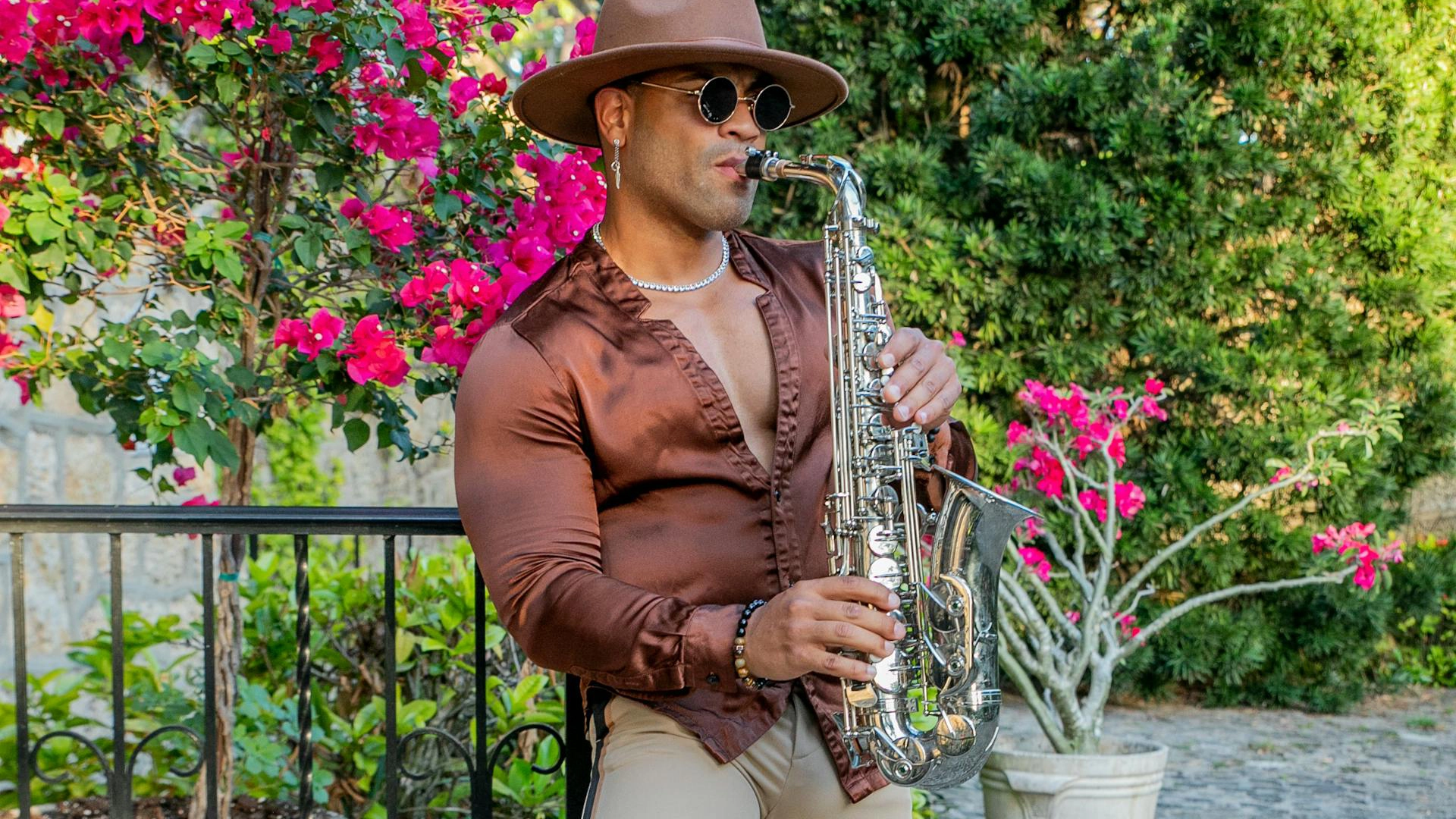
Choosing an alto saxophone represents more than selecting a musical instrument. You're investing in a tool that will shape your musical expression for years to come. Whether you've decided on the reliable Yamaha YAS-26 for its student-friendly design, the characterful P. Mauriat PMXA-67R for its vintage-inspired warmth, or the professional excellence of the Yanagisawa A-WO1, you're connecting with instruments that have helped define the saxophone's role in modern music.
The journey doesn't end with your purchase. Each instrument in our guide serves different musical goals and player needs. The cutting-edge Selmer Paris Supreme Alto pushes the boundaries of modern saxophone technology, while the Yamaha Custom 875EXII continues its legacy as a studio and stage favorite. For those drawn to saxophone history, the legendary Selmer Mark VI Alto offers a direct connection to the golden age of jazz and the artists who defined the instrument's voice.
Remember that the most important factor in any saxophone purchase is how the instrument responds to your individual playing style and musical goals. Trust your ears, consider your budget realistically, and don't hesitate to seek advice from experienced players and reputable dealers.
Top Ranked Alto Saxophones on Equipboard


$2,305.12 - $4,431.99
2.0 (1)
2.0 (1)
About the authors

S. Jino is an accomplished multi-instrumentalist and music producer based in Kolkata, India, distinguished by his self-taught mastery and unique blend of technical acumen and musical performance. His extensive experience was forged through hands-on dedication, starting with the full restoration of a broken guitar. Jino's capabilities span keyboards, pedals, and advanced digital production, reflecting a comprehensive skill set developed independently. As a significant contributor to the music scene, Jino regularly performs with worship bands and college ensembles. He has also established himself as a reliable and authoritative professional in freelance mixing, mastering, and original music creation. Inspired by the innovative sounds of Brian May and David Gilmour, and influenced by Kolkata's vibrant metal community, Jino is committed to the intricate art of vintage gear restoration and the continuous exploration of music and technology fusion. His current professional setup, featuring a meticulously restored nameless guitar, a Fender Player Strat, and a Boss Katana 50. Read more







.jpg)