Ali Shaheed Muhammad
Role
Genre
Role
Genre
Ali Shaheed Muhammad's Gear


Used on People's Instinctive Travels and the Paths of Rhythm, as stated by recording engineer Bob Power in this November 8, 2016 Wax Poetics interview.
Also, back then, MIDI was in a very primitive state. MIDI is the language that computers, synthesizers, and samplers use to speak to each other. It was extremely primitive at that point. Q-Tip was sequencing on an SP-1200, and Ali had an Alesis eight-track MIDI sequencer and an Akai S950. Sampling technology was very primitive. The S950 had maybe a second and a half worth of memory. Putting together those complex, elaborate constructions was so difficult. It took a lot of time. We had to do things bit by bit because of the undeveloped memory for samplers at that point. We had to be creative in the way we approached things. People say we used twenty-four tracks, but we really had twenty-two tracks to deal with because you needed to print a synchronization code on one track and use another track as your guard band. Because samplers would only hold less than a second worth of sound at one time, we ended up putting little bits of things across different tracks and combining them later.
Find it on:


Visible as a track insert in this November 12, 2011 Instagram post.
Find it on:


Featured on Muhammad's official AEA artist page.
“After spending considerable time and nickels searching for vintage ribbon microphones on eBay I realized that I wanted something more modern in build but with the classic sound of a vintage ribbon mic. I didn’t think it was possible to truly capture that vintage sound in a modern microphone until I heard AEA KU4.
In a world where a plug-in can be an instant fix to certain recordings, I changed out my RCA d77 to the KU4 and like an instant plug-in fix my drums were snapping like an old recording but also with a different character. A very likable character. It is as if I took an air blower to blow off 60 years of dust. Don’t get me wrong, dust and grit on drums can be a great thing but clarity is important too.
AEA has definitely captured the right amount of clarity and vintage character with the KU4. This will be a permanent part of my drum rig, so much that I’m considering buying a second KU4 to move around the studio for other applications.”
Find it on:


Featured on Muhammad's official AEA artist page.
“I was blown away by the KU5A on the drums alone. This mic is breakbeat ready, out of the box! It’s very versatile. I’m in love with it.”
Find it on:


Mentioned on Muhammad's official AEA artist page.
"In a world where a plug-in can be an instant fix to certain recordings, I changed out my RCA d77 to the KU4 and like an instant plug-in fix my drums were snapping like an old recording but also with a different character. A very likable character. It is as if I took an air blower to blow off 60 years of dust. Don’t get me wrong, dust and grit on drums can be a great thing but clarity is important too."
Find it on:

Developed in collaboration with Shaheed Muhammad and Adrian Younge. Shaheed Muhammad used one for The Midnight Hour's Tiny Desk Concert; it can be seen starting at 0:26.
Find it on:


Featured in this October 21, 2014 Instagram post.
UhOh! They have finally arrived. Thanks! @PioneerDJGlobal
Find it on:

A custom pair is featured in this July 27, 2017 Instagram post.
#colormetribe Fender FXA9 in ears @fender @jasonmklein #atcq #onawardtourwithmuhammadmyman
Find it on:

Used for Souls of Mischief's There Is Only Now, as featured in this May 5, 2017 Instagram post. The serial number of N200174 reveals a production year of 1992 and a production number of 174.
Find it on:

Besides the American Standard and Midnight Hour basses, Shaheed Muhammad is known to have used at least two other Precision basses. A white one is visible in this August 1, 2012 Instagram post, while a custom-painted one is featured in this February 15, 2017 Instagram post.
August 1, 2012
finished packing for Bangkok. no room for these. 3wks no strumming. agony!!!
February 15, 2017
Verified Playing Fender with precision. Thanks to @fender & @jasonmklein for the tool @customvintagekeys for paint and @ironmaynard for the 📸 #fenderprecisionbass
Find it on:


Featured in this October 26, 2014 Instagram post.
blowing the dust off this deck. @soulsofmischief @adrianyounge #ThereIsOnlyNow
Find it on:

Visible in Instagram posts dated May 17, 2013 (a repair) and December 17, 2014.
May 17, 2013
This is how I'm preparing for tonight #realDJ #thesugarcuts @PaperBoxNYC @ThatsMyIshBK
Find it on:

Featured on Muhammad's official Apogee artist page, published November 8, 2011.
“I recently booked a studio in Punta de Mita, Mexico which was fairly equipped but I found the mix board there to be too noisy. I simply plugged my guitars and mics directly into my Duet 2 and my signals were clean and thumping. I spent one month in that studio and never did I break outside of the Duet 2. Next time instead of locking into an expensive studio for that amount of time I will find a spare room in a beach house and record, the interface is that reliable be it for portable recording or for something more substantial. I’m also ecstatic with the idea of unleashing the Duet 2’s power and clarity on the dance floor at my next DJ gig.”
Find it on:

Used on People's Instinctive Travels and the Paths of Rhythm, as stated by recording engineer Bob Power in this November 8, 2016 Wax Poetics interview.
Also, back then, MIDI was in a very primitive state. MIDI is the language that computers, synthesizers, and samplers use to speak to each other. It was extremely primitive at that point. Q-Tip was sequencing on an SP-1200, and Ali had an Alesis eight-track MIDI sequencer and an Akai S950. Sampling technology was very primitive. The S950 had maybe a second and a half worth of memory. Putting together those complex, elaborate constructions was so difficult. It took a lot of time. We had to do things bit by bit because of the undeveloped memory for samplers at that point. We had to be creative in the way we approached things. People say we used twenty-four tracks, but we really had twenty-two tracks to deal with because you needed to print a synchronization code on one track and use another track as your guard band. Because samplers would only hold less than a second worth of sound at one time, we ended up putting little bits of things across different tracks and combining them later.
Find it on:


Visible in this August 1, 2012 Instagram post.
Find it on:

Visible in this December 20, 2016 Instagram post.
Find it on:

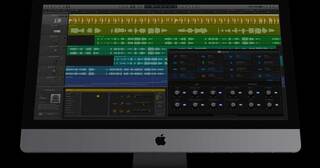
A file name for the DAW is visible in this April 16, 2014 Instagram post.
Find it on:

Visible in this November 12, 2011 Instagram post.
Find it on:
-m.webp?v=1784815462)
Visible as a track insert in this November 12, 2011 Instagram post.
Find it on:

Visible in this June 3, 2012 Instagram post.
Find it on:

Featured in this February 28, 2013 Instagram post.
#throwbackthursday my first laptop circa '92. MacBook, pleeease!!! What yall know bout this pristine PowerBook?
Find it on:

Visible in this December 17, 2014 Instagram post.
Find it on:

A pair in zebra is featured in this December 17, 2014 Instagram post.
“CPR” sounds so good thrift these @lstnheadphones Go LSTN / watch the video www.alishaheed.com
Find it on:
This is a community-built gear list for Ali Shaheed Muhammad.
- Find relevant music gear like Studio Equipment, Software Plugins and VSTs, Headphones, DJ Setup, and other instruments and add it to Ali Shaheed Muhammad.
- The best places to look for gear usage are typically on the artist's social media, YouTube, live performance images, and interviews.
- To receive email updates when Ali Shaheed Muhammad is seen with new gear, follow the artist.
Discography
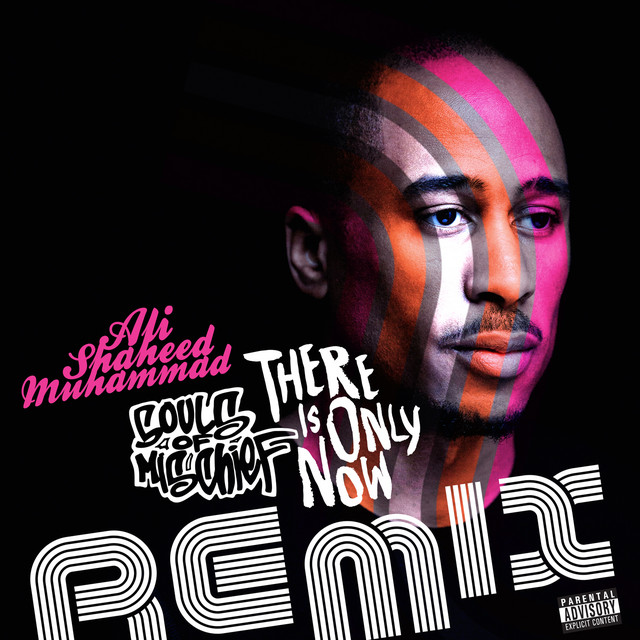
There Is Only Now (Remix)
2014
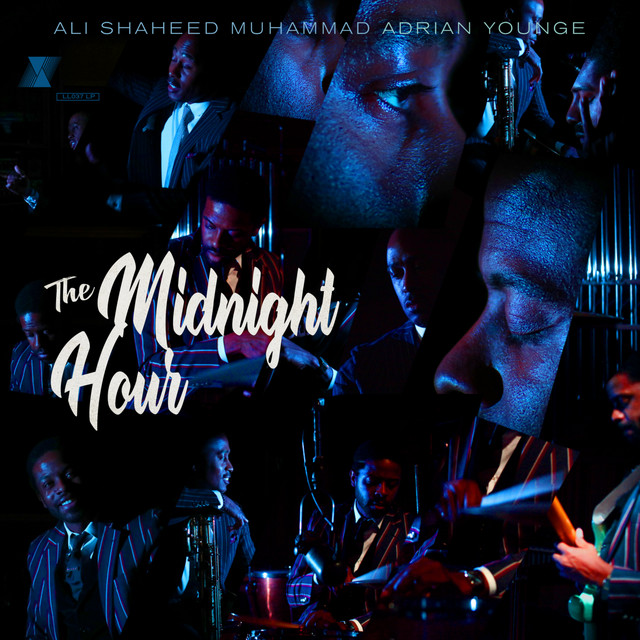
The Midnight Hour
2018
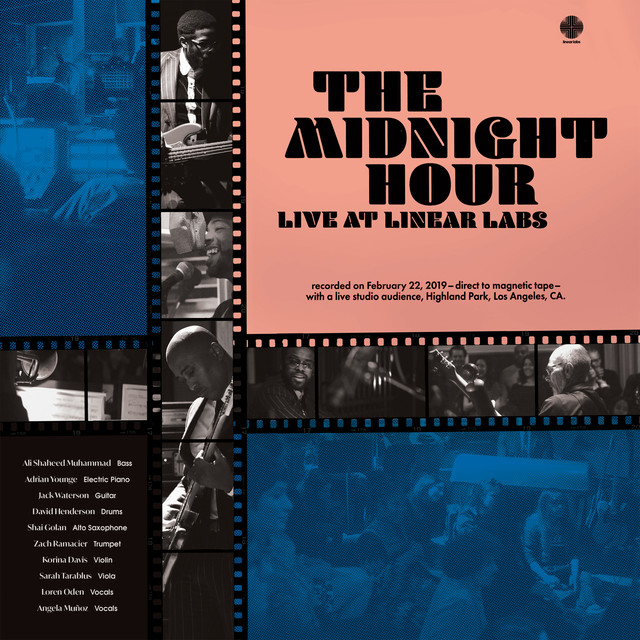
The Midnight Hour Live At Linear Labs
2019
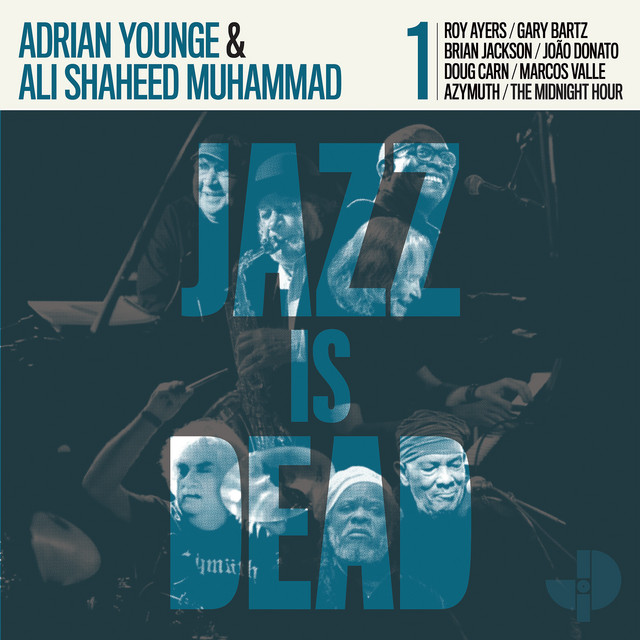
Jazz Is Dead 001
2020
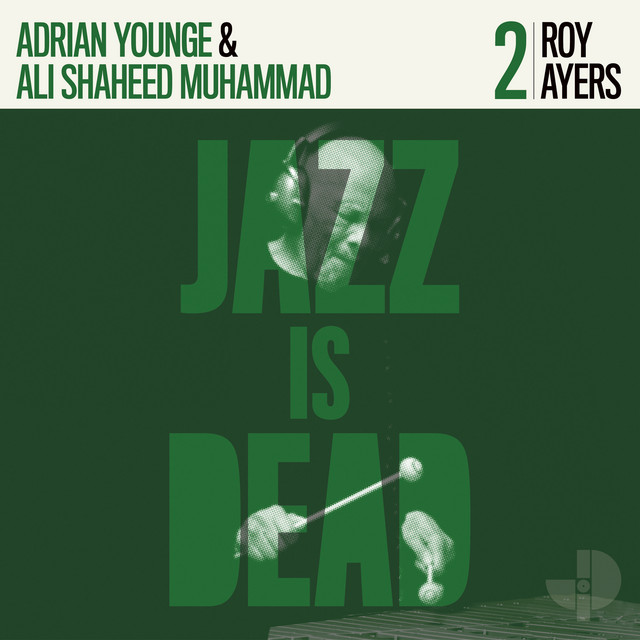
Roy Ayers JID002
2020
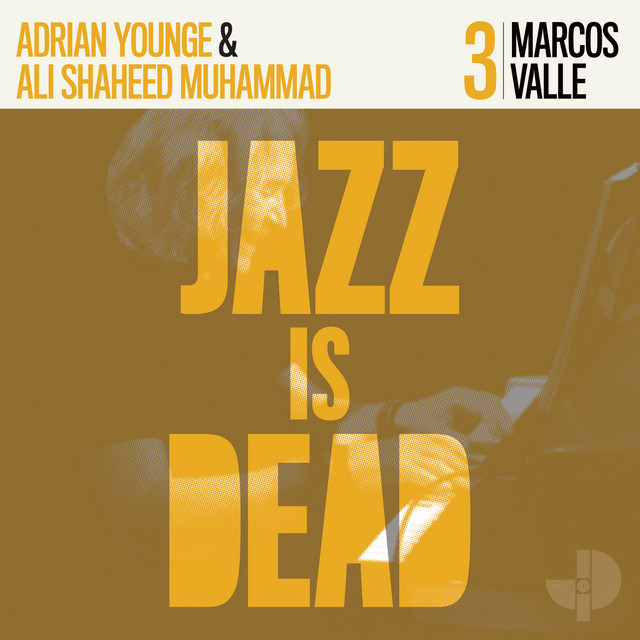
Marcos Valle JID003
2020
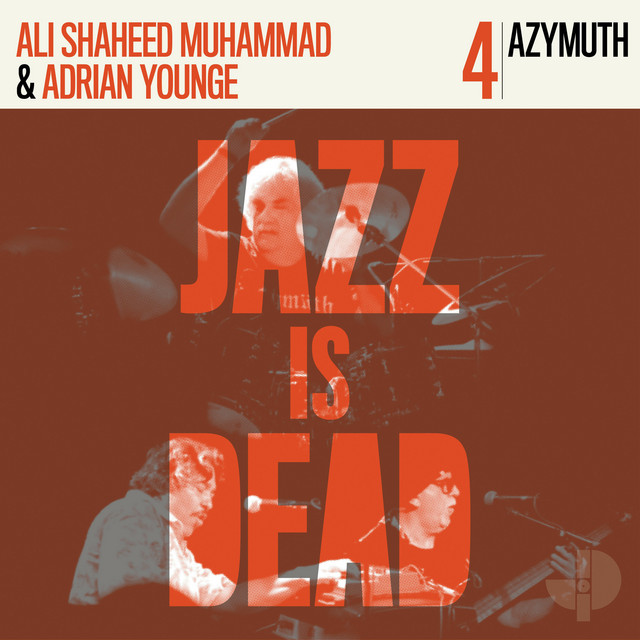
Azymuth JID004
2020
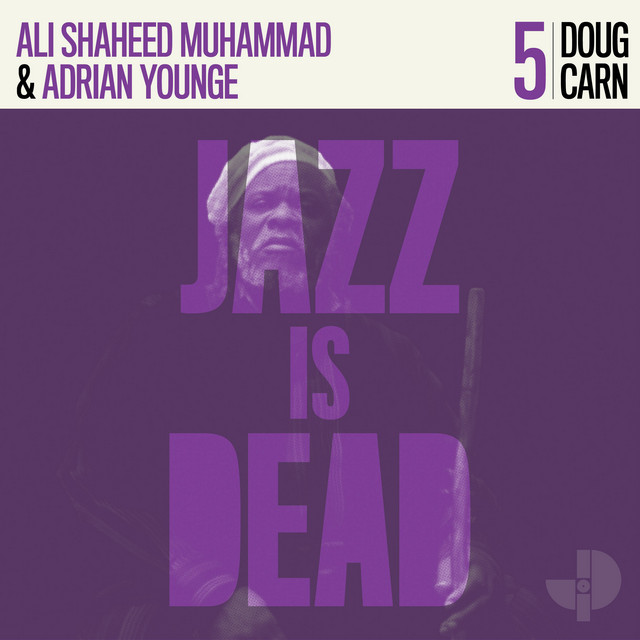
Doug Carn JID005
2020
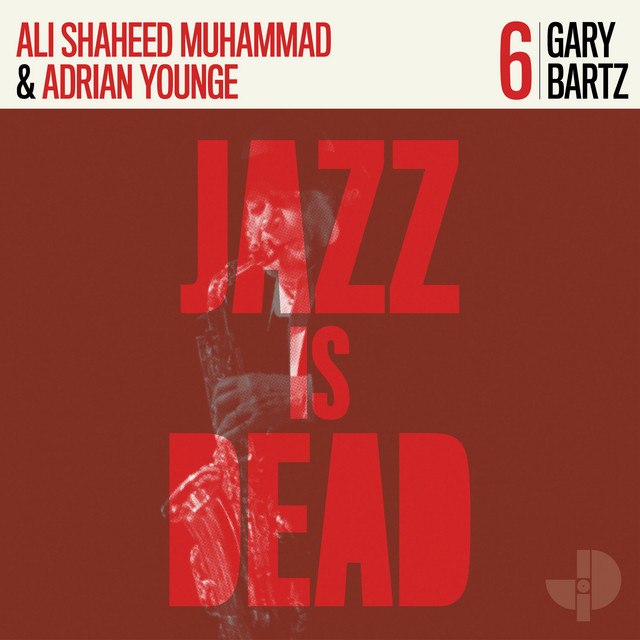
Gary Bartz JID006
2021
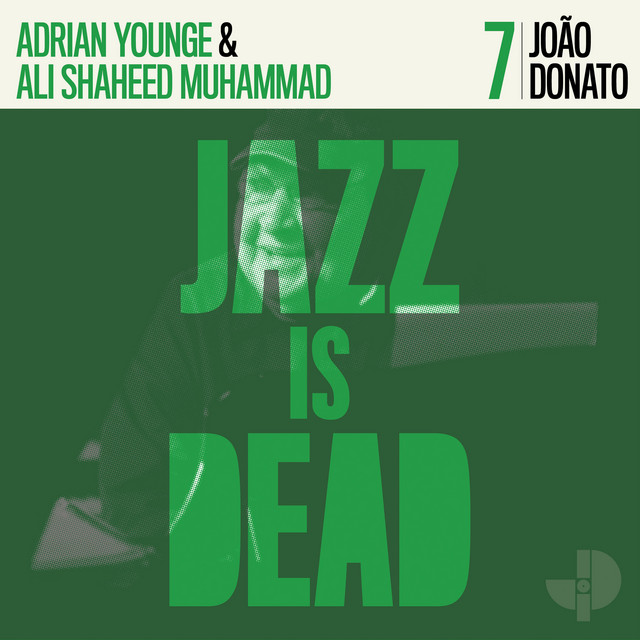
João Donato JID007
2021
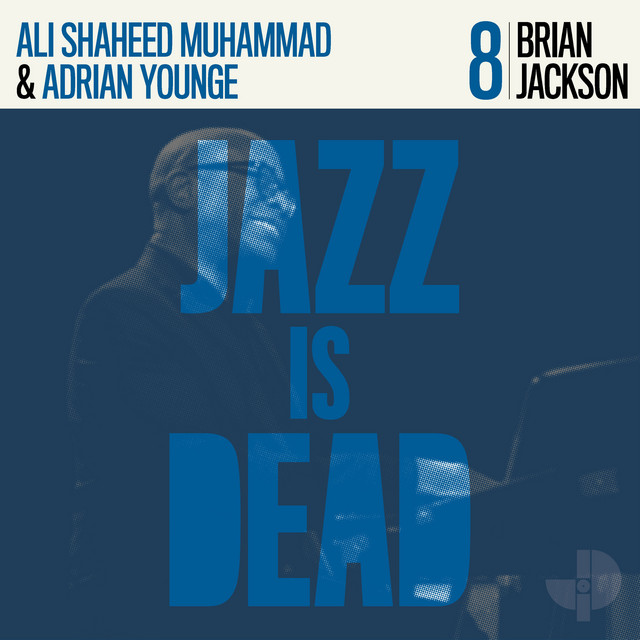
Brian Jackson JID008
2021
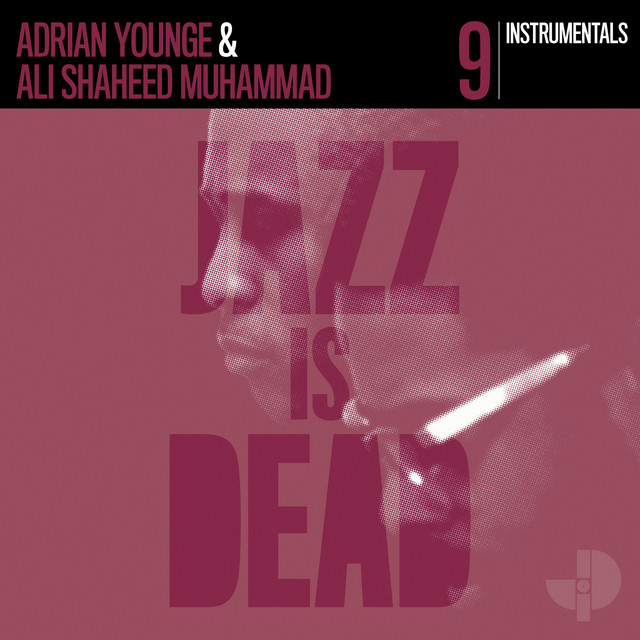
Instrumentals JID009
2021
Album Credits
-
Kendrick Lamar · 2016
Producer -
ZZ Ward · 2012
Producer Programmer -
Mos Def & Yasiin Bey · 1999
Producer -
Angie Stone · 1999
Producer -
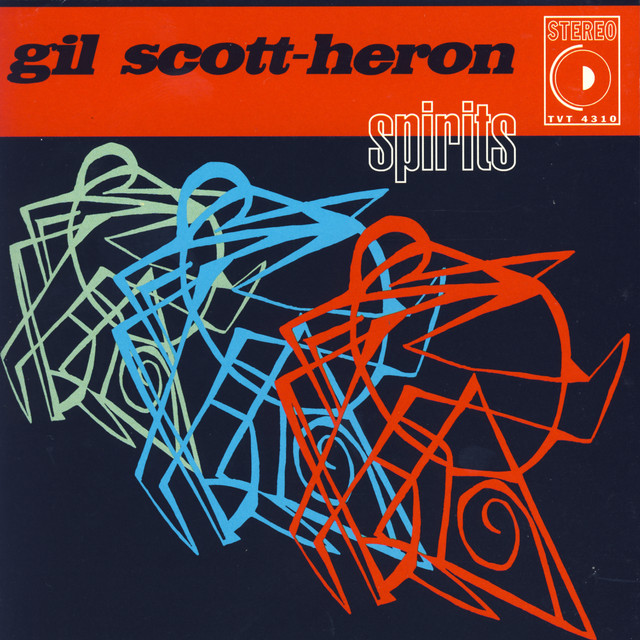
Gil Scott-Heron · 1994
Producer