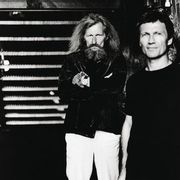
Brian Eno
Role
Genre
Role
Genre
Brian Eno's Software Plugins and VSTs


"I'm a big fan of Native Instrument's FM7 program, which is sort of based on the Yamaha DX7 [Eno is famous for his mastery of Yamaha's FM synth]. It's the DX7 that I always wanted to have, because you can suddenly connect things in different ways. With the FM7 you can also tune the keyboard in any way you want, so you can make music in just intonation, or Arabic intonation, or whatever."
Find it on:


In a video featured by DIE WELT, Brian Eno is shown using the iZotope Iris synth plugin, highlighting its role in his creative process.
Find it on:

Brian Eno uses and briefly speaks about Synplant in this BBC Documentary
Find it on:

In a YouTube video titled "Brian Eno On Apps And Albums," Brian Eno discusses his use of the u-he Zebrify plugin.
Find it on:

"Instruments that sound good inspire better music, and it's a struggle to make music with bad-sounding instruments, irrespective of how talented you might be. Software instruments are no different: although they are usually discussed and sold in terms of their 'features' what really makes you return to an instrument repeatedly is the much more elusive factor of inspirational sound quality.
I don't know enough about programming to understand why some software tools fascinate you while others make you want to get another job, but I do know that when I use anything by ES I get excited by what I'm hearing. These tools have the sonic richness of great analogue instruments - with the features of innovative digital ones."
Find it on:

In this video clip from an interview with BBC Click, Eno shows some of his techniques for playing and manipulating loops in Groove Agent. This interview with Sound On Sound indicates he's been using the software since at least 2005.
Find it on:

In this interview (transcribed from Sound On Sound Volume 5, issue 12, October 1990), Eno is asked, "Do you use computers?" He responds, “Well, I’ve just got a Mac. I have Sound Tools, which is a very interesting program —you can do a lot of manipulation of sound in a rather different way from what I’ve been able to do before. They’re not things that were inconceivable before, but they were so awkward that you never bothered to do them. This is a very big point that equipment makers generally don’t realise: if you put options in that are really hard to get to, people won’t bother to use them.”
Find it on:

"Generative Music" is the term Brian Eno used and coined in 1995, whilst working with SSEYO Koan (built by us and superceded by Intermorphic Noatikl), to describe any music that is ever-different & changing, created by a system. The term has since gone on to be used to refer to entirely random music mixes created by multiple simultaneous CD playback right through to full on live rule-based computer composition.
Find it on:

At 21:16 in this video, you can see Absynth on his screen.
Find it on:

Working with Peter Chilvers, Eno designed this generative music app, which he used to create the entirety of his album also titled Reflection.
Find it on:

In this interview with Eno about the recording of 2005's Another Day on Earth, he states, "For instance, on the track 'This' I began with a bass part, and then tried to fit some drums to that. I have many wonderful drum programs, the best of all being Groove Agent." (Note that he subsequently indicates it was not used in the final track.) I've indicated that it was the first iteration of the software due to the date of the recording's 2005 release--the assumption being that the album would have been recorded starting at least roughly 1 year prior, although that may not be accurate.
Find it on:





In the video "Brian Eno & Steven Johnson: Making Music" on YouTube, Brian Eno is shown using the Sonic Charge Permut8 plugin.
Find it on:


You can see him using Zynaptiq's Morph at 1:38
Find it on:

In this video about Eno's work with Ben Frost, there are a couple of shots of Brian's monitor where we can see that he's using the Transient Shaper plugin. A brief but clear look occurs 3:08 mark.
Find it on:

Eno's enthusiasm in regard to Pianoteq is stated on Modartt's website: «I bought Pianoteq 6 a couple of weeks ago. I think it is the most well-realised and intelligently constructed piece of music software I've ever had the pleasure of using. It is an absolute milestone. Aside from its incredible power as an emulator of pianos, the possibilities that unfold when you start to edit the models are astonishing. I've been lost in it since I bought it, and keep dragging friends into the studio to show them this miracle. The randomisation possibilities are so intelligently constructed and are a great help in understanding the enormous variety of possibilities this instrument offer. I don't think I've ever been so impressed by a piece of software design and I just wanted to thank the team who put this together.»
Find it on:
This is a community-built gear list for Brian Eno.
- Find relevant music gear like Microphones, Pianos, Keyboards and Synthesizers, Software Plugins and VSTs, Instruments, Studio Equipment, Headphones, and other instruments and add it to Brian Eno.
- The best places to look for gear usage are typically on the artist's social media, YouTube, live performance images, and interviews.
- To receive email updates when Brian Eno is seen with new gear, follow the artist.
Discography
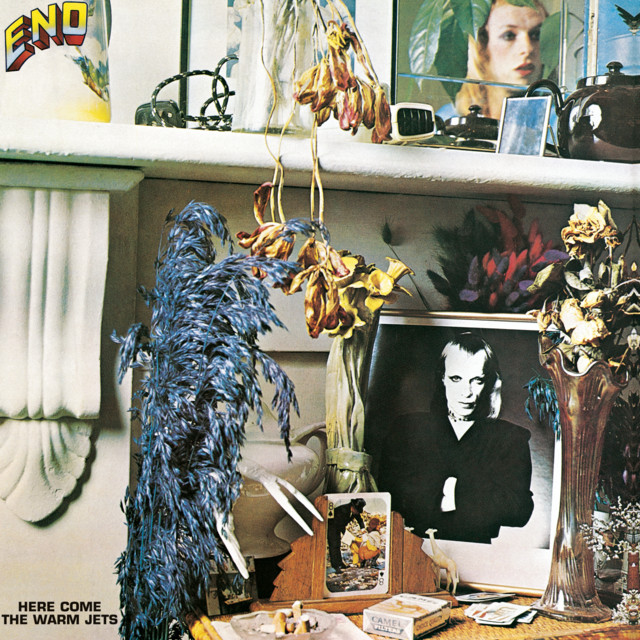
Here Come The Warm Jets
1973
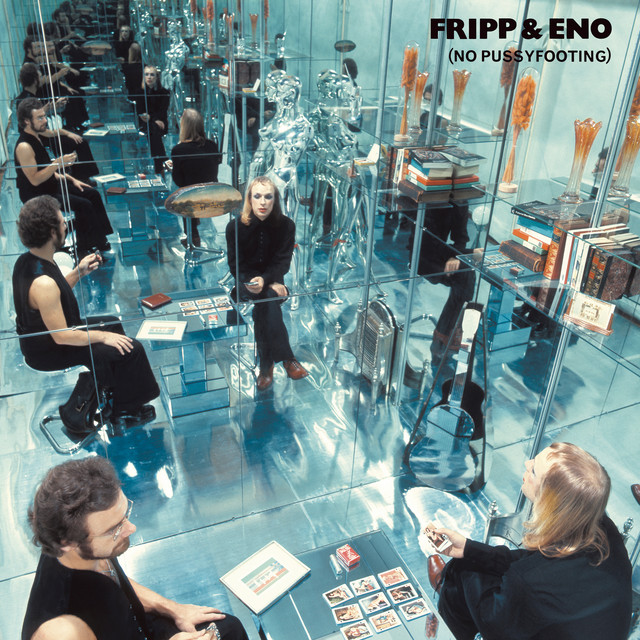
No Pussyfooting
1973
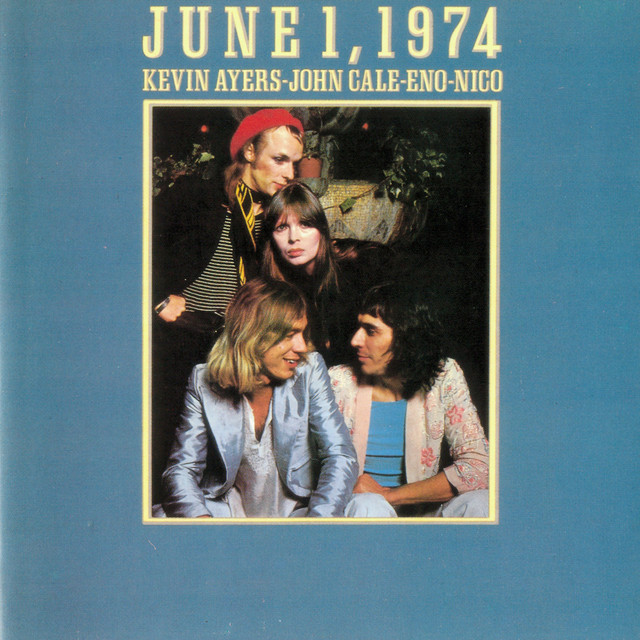
June 1, 1974 (Live At The Rainbow Theatre / 1974)
1974
![Taking Tiger Mountain (By Strategy) [2004 Remaster] album cover](https://images.equipboard.com/uploads/album/image/274230/taking-tiger-mountain-by-strategy-2004-remaster.jpg)
Taking Tiger Mountain (By Strategy) [2004 Remaster]
1974
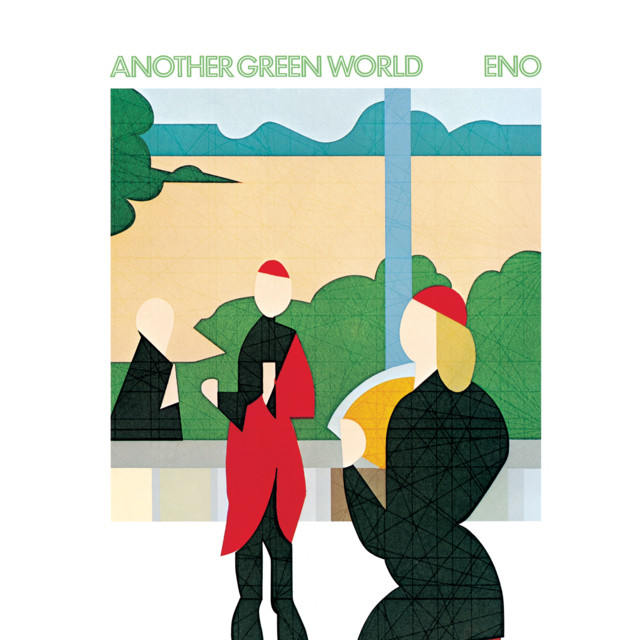
Another Green World (2004 Remaster)
1975
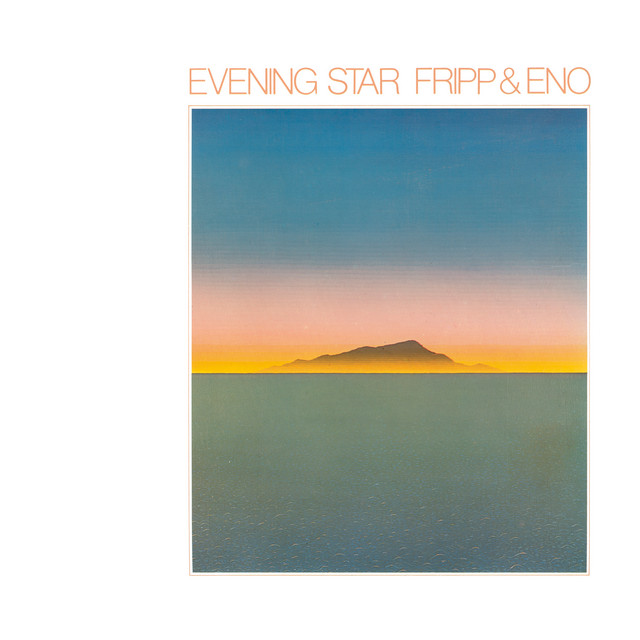
Evening Star
1975
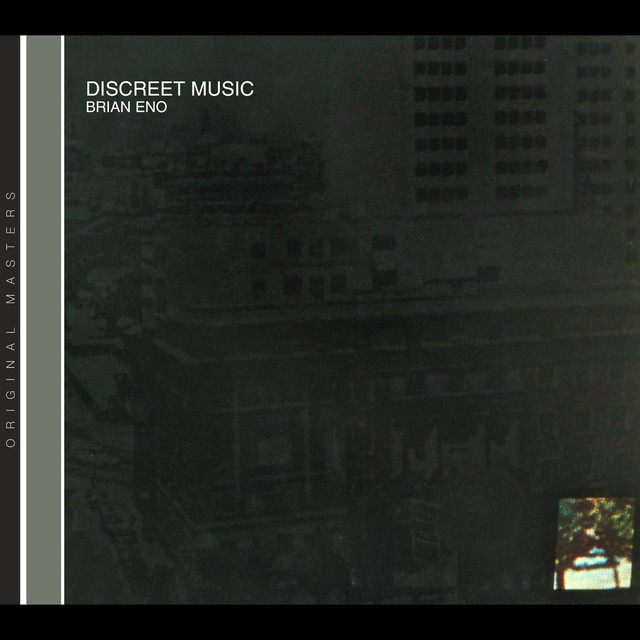
Discreet Music
1975
Cluster & Eno
1977
Before And After Science
1977
Ambient 1: Music For Airports (Remastered 2004)
1978
Ambient 2: The Plateaux Of Mirror (Remastered 2004)
1980
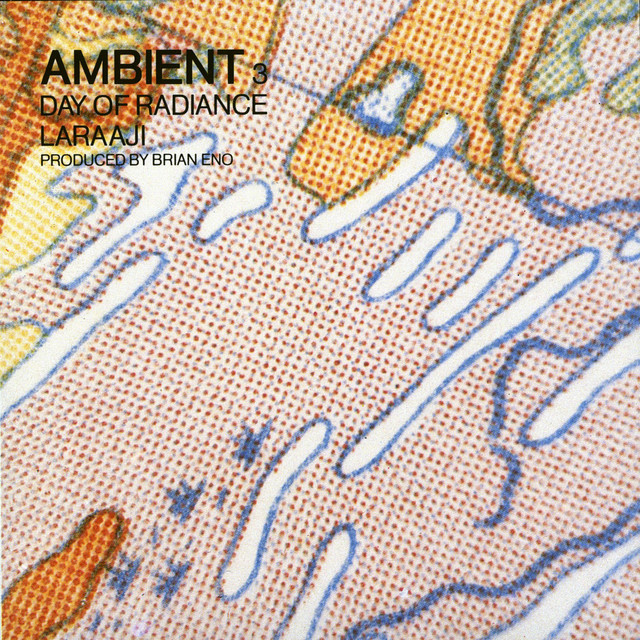
Ambient 3: Day Of Radiance
1980
Album Credits
-
Producer
-
Beatie Wolfe · 2025
Producer -
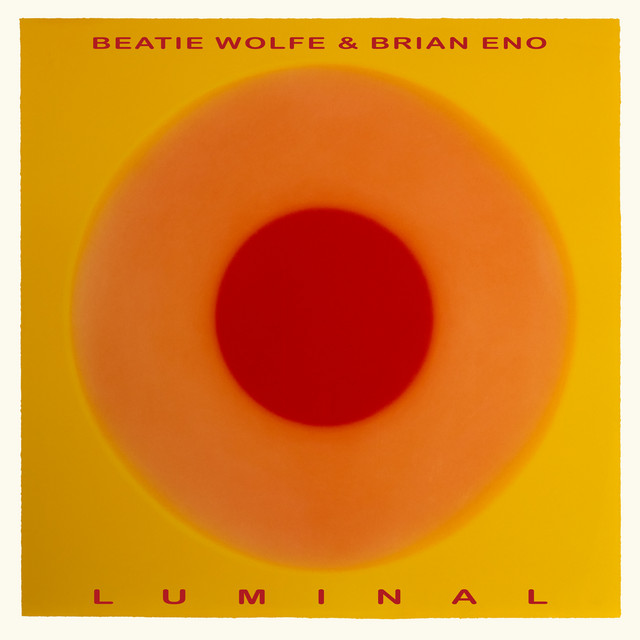
Brian Eno & Beatie Wolfe · 2025
Producer -

Eno (Original Motion Picture Soundtrack)
Brian Eno · 2024
Mixing Engineer Producer Recording Engineer -

Coldplay · 2024
Programmer -
Live and Let Live (Dark-Side Mix)
Peter Gabriel · 2023
Programmer -
Live and Let Live (Bright-Side Mix)
Peter Gabriel · 2023
Programmer -
50 Years of De-Evolution 1973–2023
Devo · 2023
Producer -
Four Kinds of Horses (Dark-Side Mix)
Peter Gabriel · 2023
Programmer -
Four Kinds of Horses (Bright-Side Mix)
Peter Gabriel · 2023
Programmer -
Peter Gabriel · 2023
Producer Programmer -

Brian Eno & Fred again.. · 2023
Producer