
Duke Robillard
Role
Role
Duke Robillard's Gear


I’m using two amps now: a Sovtek Mig 50 head with a single 12? EV speaker cab, and a Gibson Lab Series L-7 solidstate amp that sounds really good. In terms of guitars it’s a pair of Fenders – a Strat and Tele – a Gibson Tal Farlow reissue, Les Paul, and an Epiphone Riveria. The new Epiphones have been really good road guitars.
Find it on:


In an interview with Eastwood Guitars, Duke Robillard expresses his admiration for the Eastwood Airline Twin Tone, noting its design reminds him of the Supro Dual Tone he admired as a child. He mentions owning a custom version, the "Duke Signature" model, featuring a sunburst finish, flamed top, push-pull for phase, and jumbo reflector knobs.
Find it on:

I’m also using a ‘57 Les Paul Goldtop Reissue, as well as an Epiphone John Lee Hooker Sheraton, which is an incredible guitar.
Premier Guitar interview, 2007.
Find it on:

I also have a Strat that I built myself out of Warmoth parts, and an Esquire.
Premier Guitar interview, 2007.
Find it on:


Epiphone Grenada Mid-’60s Epi made by Gibson, this was Epiphones analogue to the Gibson ES-120T. However, Epiphone’s model was available with a cutaway. “Nice, clean one,” says Duke.
Find it on:

There are a few pedals that I use in the studio, but the one I use most live is a DigiTech Bad Monkey overdrive. Instead of having a single tone control it has separate controls for bass and treble, and they let me fatten up the tone, which is important because so often you lose a lot of low end with distortion pedals.
Find it on:

"The Trimode is great! I especially love how it turns a solid state amp into a great sounding tube amp. With quite a few of my amp set-ups it really works out perfectly."
This is what Duke Robillard says about his new pedal.
According to the Guitar Player interview:.
I also use a Radial Tonebone Trimode distortion pedal, which has two different distortion sections that you can switch between.
Find it on:


Except for a ‘58 Les Paul, I’ve had nearly every desirable vintage guitar. I’ve had ’57 and ‘54 Stratocasters and a Broadcaster. I had an early goldtop Les Paul. I’ve had an L5 and a Super 400. I’ve had nearly every classic guitar and I don’t think I paid over $500 for any of them.
This comes from an interview done for Premier Guitar in 2007.
Find it on:

I’m also using a ‘57 Les Paul Goldtop Reissue, as well as an Epiphone John Lee Hooker Sheraton, which is an incredible guitar.
Premier guitar interview, 2007.
Find it on:

Epiphone Riveria [sic] Another recent reissue (Robillard is an Epiphone endorser), Duke says this guitar, “…has Seth Lover pickups and is one of my main stage axes.”
Find it on:

Yes. The Zephyr Deluxe Regent is sitting here right next to me. That''s one of my favorite guitars. It''s really an incredible instrument.
- excerpt from an interview with Premier Guitar, done in 2007
Find it on:

Except for a ‘58 Les Paul, I’ve had nearly every desirable vintage guitar. I’ve had ’57 and ‘54 Stratocasters and a Broadcaster. I had an early goldtop Les Paul. I’ve had an L5 and a Super 400. I’ve had nearly every classic guitar and I don’t think I paid over $500 for any of them.
- Premier Guitar interview, 2007.
Find it on:

Well, as far as amps go, I have several amps that I like, but the ones I use mostly are either a Fender Deluxe Reverb reissue or a Louis Electric amp that was custom made for me.
Premier guitar interview, 2007.
Find it on:

I also use a contemporary Les Paul Junior and an Explorer that sounds amazing.
Premier Guitar interview, 2007.
Find it on:

I also use a contemporary Les Paul Junior and an Explorer that sounds amazing. The Explorer is a great guitar – there’s something about that massive piece of wood. Those are the guitars I use these days for recording and playing live.
Premier Guitar interview, 2007.
Find it on:


I’ve also got a lot of cool archtop guitars. I’ve got a cool ES-350 from 1952, a 1946 Epiphone Emporer, a 1939 Epiphone Broadway, a 1944 Epiphone Blackstone and a 1938 Gibson L7.
Premier Guitar interview, 2007.
The guitar was also used on the solo for the song "Frankie and Johnny", according to the Guitar Player interview.
Find it on:

I’ve also got a lot of cool archtop guitars. I’ve got a cool ES-350 from 1952, a 1946 Epiphone Emporer, a 1939 Epiphone Broadway, a 1944 Epiphone Blackstone and a 1938 Gibson L7.
Premier Guitar interview, 2007.
Find it on:

I’ve also got a lot of cool archtop guitars. I’ve got a cool ES-350 from 1952, a 1946 Epiphone Emporer, a 1939 Epiphone Broadway, a 1944 Epiphone Blackstone and a 1938 Gibson L7.
Premier Guitar interview, 2007.
Find it on:


Gibson Tal Farlow reissue This Tuxedo Black guitar is used in the studio and on stage. “I love the sound of the big archtops,” Duke says. “And because this one has a laminated top, it’s a good stage guitar.”
Find it on:

Epiphone ES-295 An import reissue of the ’50s Gibson favorite. Used on stage and in the studio.
Find it on:

After the Premier, I got a Gibson GA-79 stereo amp that sounded incredible. But what I really wanted was a Fender Twin, and after a while I got one. It was too loud, and couldn’t really get the sound I wanted. But it was the late ’60s, and playing too loud was cool (laughs)!
Find it on:
-m.webp?v=1783777390)
I don’t know… It was a low-wattage amp with a 12? speaker and got a good, sort of distorted, sound. I was always jealous of another guy I knew who had one of those Silvertone amps with the separate head and big speaker box.
It is further confirmed in the interview that he uses the Silvertone Twin Twelve.
Find it on:

Soon after, I convinced my dad that I couldn’t be in a band playing this homemade guitar, so he bought me a Gibson Melody Maker. And that was okay, but I really wanted a Stratocaster. Buddy Holly played a Strat, and that was enough for me.
Find it on:
-m.webp?v=1783609172)
When I was working, I was trying out lots of guitars. I had a Gibson SG, a gold top Les Paul, a Gretsch 6120, a Gibson ES-345, and more early Strats.
Find it on:

I played a lot of Gibsons – an L-7, ES-300, ES-5, and they were great. But somewhere along the line, I got an Epiphone Deluxe. What a sound!
Find it on:

Epiphone Royal archtop. A 1933 example with the rare Masterbilt headstock. Another clean, original example of Robillard’s enthusiasm for Epiphone archtops. “Only made for three years,” he notes.
Find it on:

I’m using two amps now: a Sovtek Mig 50 head with a single 12? EV speaker cab, and a Gibson Lab Series L-7 solidstate amp that sounds really good. In terms of guitars it’s a pair of Fenders – a Strat and Tele – a Gibson Tal Farlow reissue, Les Paul, and an Epiphone Riveria. The new Epiphones have been really good road guitars.
Find it on:
-m.webp?v=1783782060)
I believe I’m using a pick on that, but yeah, it’s a repeated riff. I stuck with the part played on the original recording of that song even though it kind of interferes a bit with the bass, because it works for every change. I find that line to be fairly hypnotic, and as simple as the part is, it can be a challenge to play it all the way through the song without varying it. I think I played an Epiphone Casino on that track.
Find it on:

I’ll typically use an archtop. You don’t hear enough of that sound today and I really love it. I’ve got several archtop acoustics, but my Gretsch Synchromatic and some Epiphone Broadways and Triumphs are among my favorites.
Find it on:
-m.webp?v=1782459490)
D’Angelico New Yorker A new imported reissue that Duke likes. “I use this for some of the jazz gigs I’m doing, softly amplified. And I use it for recording with a Dearmond pickup.”
Find it on:
This is a community-built gear list for Duke Robillard.
- Find relevant music gear like Guitars, Amplifiers, Effects Pedals, Studio Equipment, Software Plugins and VSTs, Headphones, and other instruments and add it to Duke Robillard.
- The best places to look for gear usage are typically on the artist's social media, YouTube, live performance images, and interviews.
- To receive email updates when Duke Robillard is seen with new gear, follow the artist.
Discography
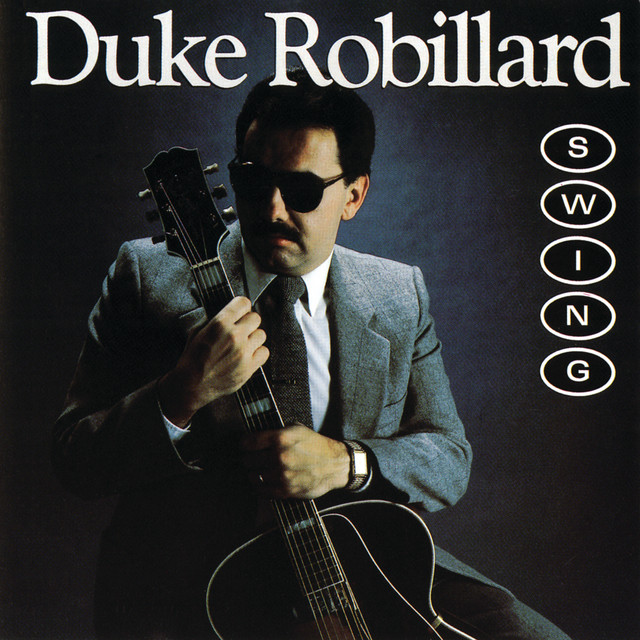
Swing
1987
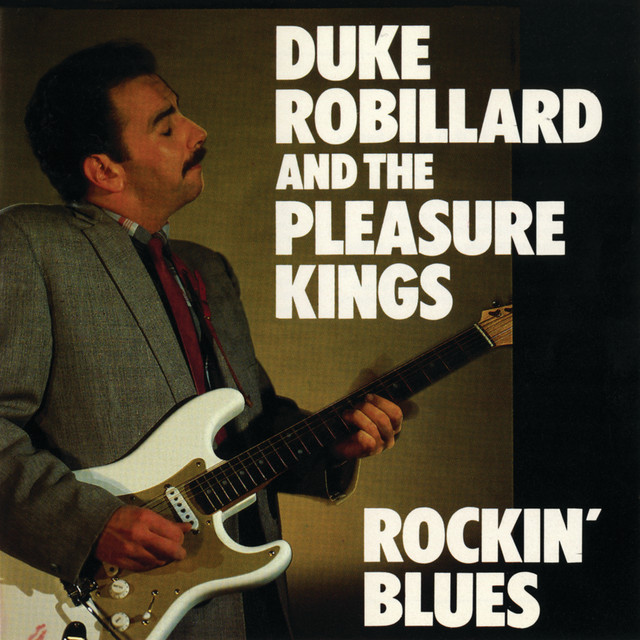
Rockin' Blues
1988
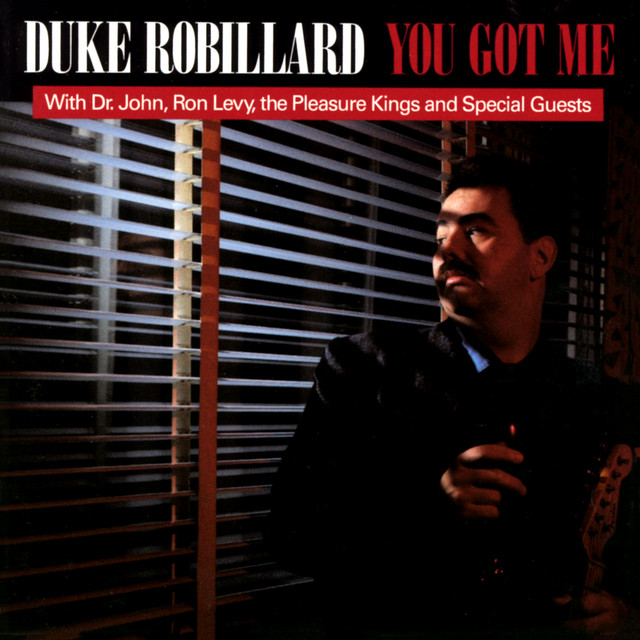
You Got Me
1988
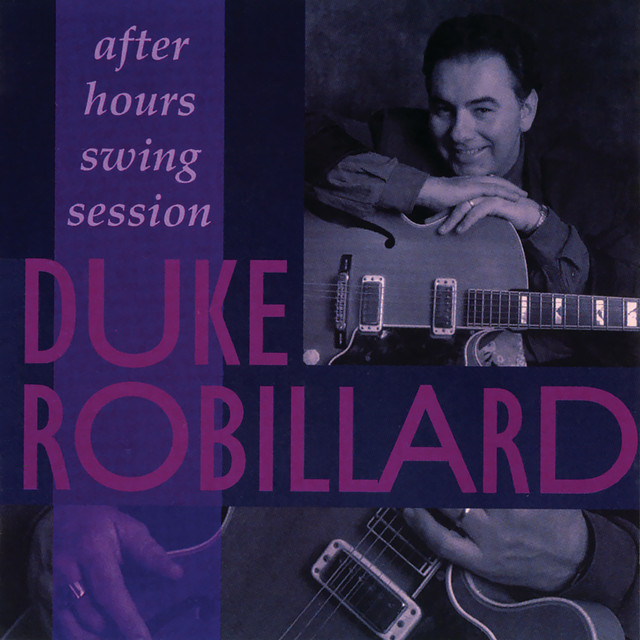
After Hours Swing Session
1992
Duke's Blues
1994
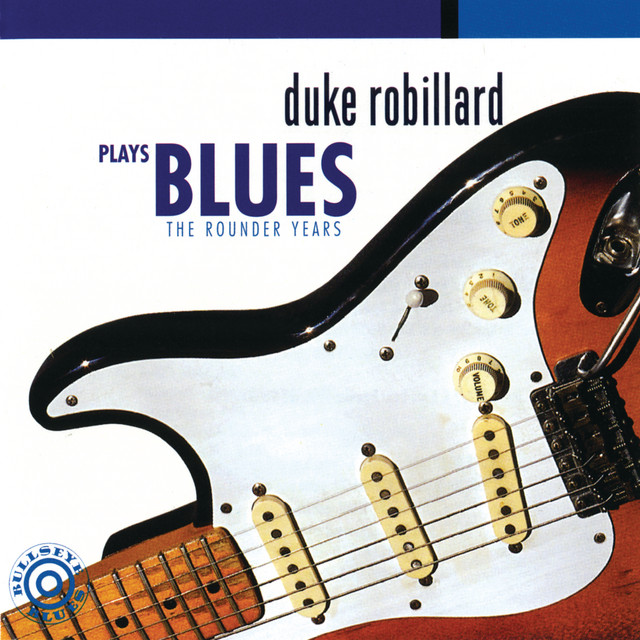
Duke Robillard Plays Blues: The Rounder Years
1997
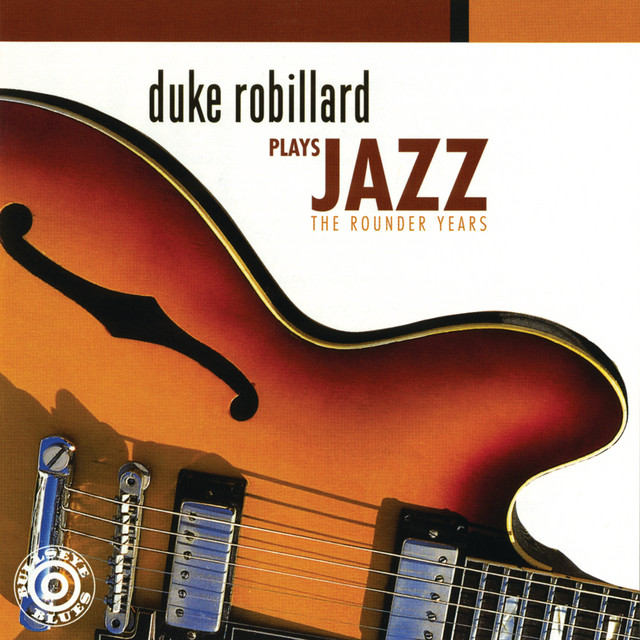
Duke Robillard Plays Jazz: The Rounder Years
1997
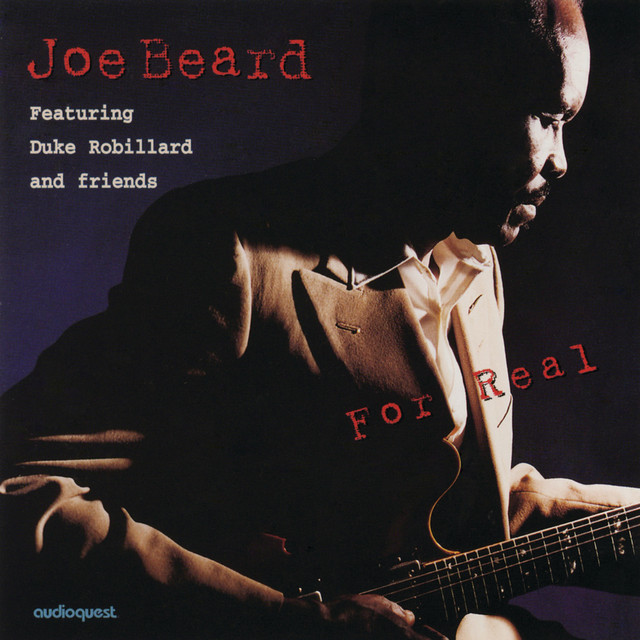
For Real
1998
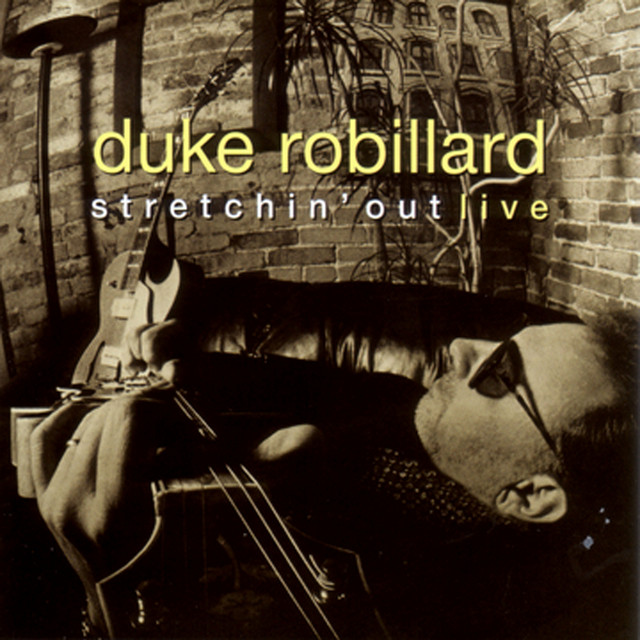
Stretchin' Out – Live
1998
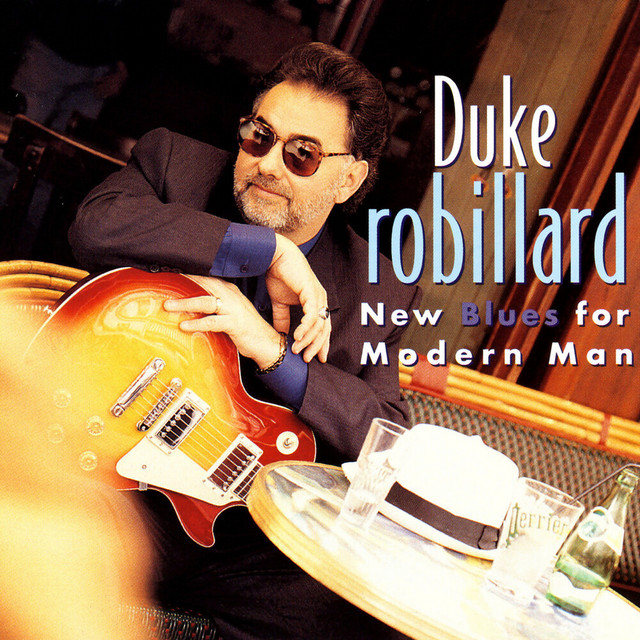
New Blues For Modern Man
1999
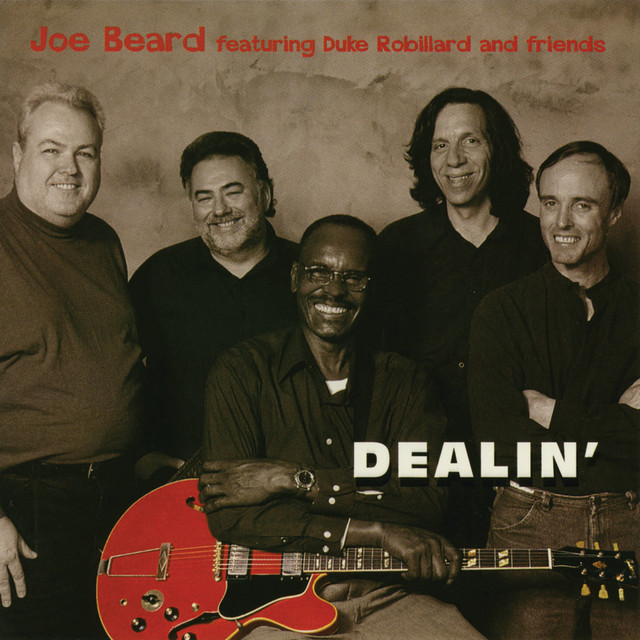
Dealin'
2000
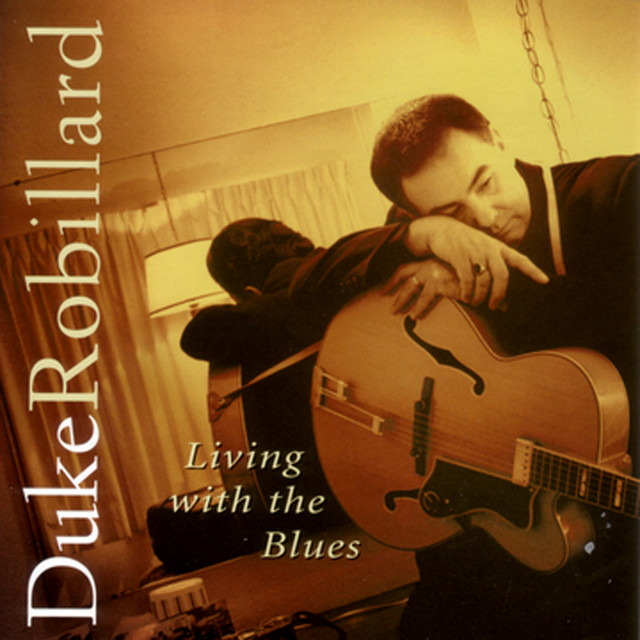
Living With The Blues
2002
Album Credits
-
Duke Robillard · 2024
Producer -
The Blues Soul Of Billy Boy Arnold
Billy Boy Arnold · 2014
Producer -
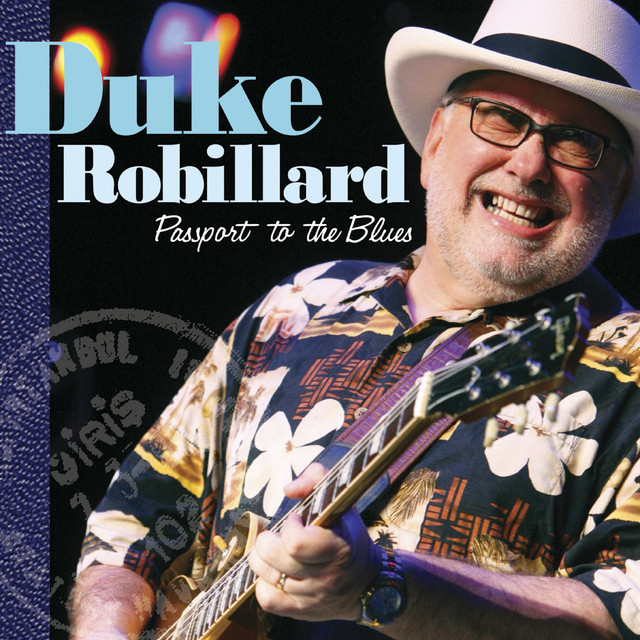
Duke Robillard · 2010
Producer -
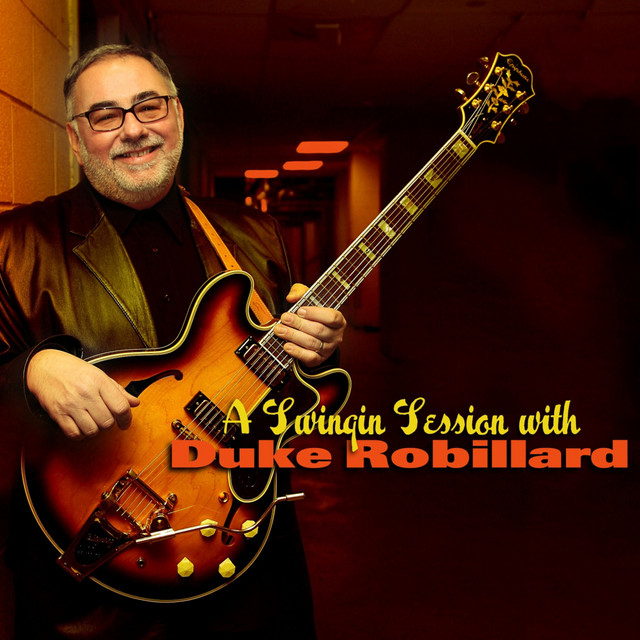
A Swingin' Session With Duke Robillard
Duke Robillard · 2008
Producer -
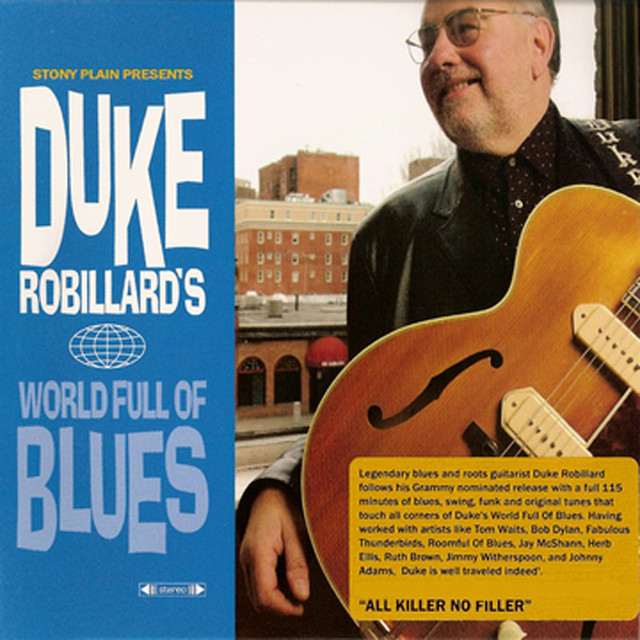
Duke Robillard · 2007
Producer Recording Engineer -
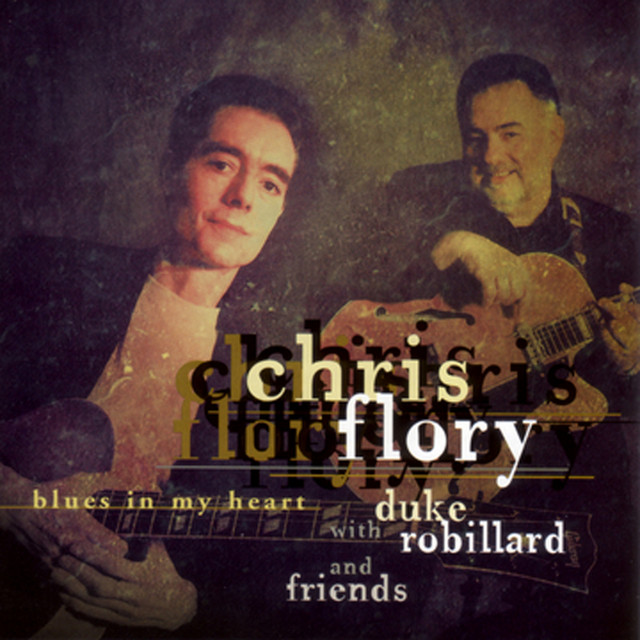
Chris Flory · 2003
Mixing Engineer Producer -
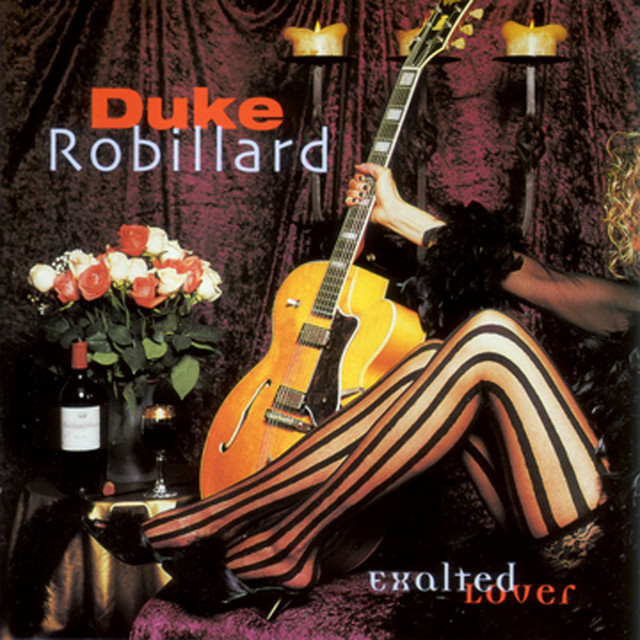
Duke Robillard · 2003
Producer -
Duke Robillard · 2002
Producer -
Duke Robillard · 1999
Mixing Engineer Producer -
Duke Robillard · 1998
Producer -
Duke Robillard · 1994
Producer -
Duke Robillard · 1992
Producer










.webp)