Eric Clapton
Role
Credits
Role
Credits
Eric Clapton's Effects Pedals

-m.webp?v=1783177189)
According to the lot notes from Bonhams auction house website, Eric Clapton used the Ibanez HD1000 Harmonics/Delay, a DBX 160 compressor, a model SDE-3000 Roland delay, a Dyno-My-Piano Tri Stereo Chorus, a Boss CE-1 chorus, and a Boss HM-2 Heavy Metal pedal for his Bob Bradshaw rack system in the mid to late 1980s.
Find it on:


Eric Clapton uses this stompbox on songs like 'Badge' where he needs to get a little 'phasy'-sound.
Find it on:


The California custom amp builder Michael Soldano was commissioned to build two of his SLO-100 amplifiers for Clapton in 1988. When interviewed in November 1988 for the Japanese Young Guitar magazine while on tour in Japan, Eric Clapton spoke about his newly acquired Soldano amps. Clapton commented that he had been using Fender Dual Showman amps (Lot 88) when he heard Mark Knopfler at rehearsals and was impressed by his sound. He realised it was Knopfler's amp rather than the guitar that was responsible for the sound character. Clapton tried Knopfler's amp and liking its sound which he described as 'warm' and 'round', immediately placed an order with Michael Soldano. Clapton went on to explain that although he was allowed to go on top of the waiting list, he waited two months before he received his amps because they were all handmade and not mass-produced. Clapton went on to say that Soldano was the best amp for him and thought it would be a classic. He added that he would be recording the next album with Soldano amps.
Clapton's guitar technician stated in an interview in 1994 Guitar Techniques magazine: "The Soldanos are the original amps that Mike Soldano built for us in a hurry. Of course we bought them, but because Mike dropped everything else he was doing, Eric gave him a signed Clapton Strat, which we thought was a fair deal. Eric said, "In return, why don't you sign my amps?" so that's what he did. We have two, one as a spare, but I like to alternate them so that valves are properly burnt in on both."
In 1989, the British music accessories engineer Pete Cornish was commissioned to build a guitar routing system to replace Clapton's Bradshaw switching system which would allow Clapton to recreate his studio guitar sound using his on-stage amps. This was to be achieved by a system that would mix the direct dry sound with various processed sounds at will. The Soldano heads were modified to form the heart of this elaborate system hand-built by Cornish and his wife, Lynda. The system defined Clapton's guitar sound between 1990-1994,the period of Clapton's return to forceful playing and a grand scale rock shows as chronicled by the album, 24 Nights. The entire system from the wireless transmitters that were once attached to Clapton's Versace guitar straps, and the nine-button foot-controller, to the purpose-made mains power distributor, multi-core cables, the massive rack unit housing Cornish's routing system, the control centre of the system, as well as the rack-mount signal processors including the Dyno-My-Piano Tri-Stereo Chorus, and the EV loaded Marshall cabinets are sold as an entire set-up, flight-cased and ready to go on a world tour.
Find it on:

In this 1985 photograph of Eric Clapton playing his "Blackie" Fender Stratocaster on the late-night talk show "Late Night with David Letterman", it can be seen that the british rock musician uses the Boss DD-2 Delay effect (introduced in 1983) as well as a Cry Baby wah wah pedal and the Boss CE-2 Chorus stomp box.
This picture by Chuck Pulin of Star File was taken from the 2004 Christie's auction catalogue for the sale "Crossroads Guitar Auction - Eric Clapton and Friends for the Crossroads Centre", page 194.
Find it on:

Eric Clapton frequently uses the Vox V847A Wah pedal both on stage and in the studio, as evidenced by a user-uploaded photo on Wordpress.
Find it on:


In this 1985 photograph of Eric Clapton playing his "Blackie" Fender Stratocaster on the late-night talk show "Late Night with David Letterman", it can be seen that the british rock musician uses the Boss DD-2 Delay effect (introduced in 1983) as well as a Cry Baby wah wah pedal and the Boss CE-2 Chorus stomp box.
This picture by Chuck Pulin of Star File was taken from the 2004 Christie's auction catalogue for the sale "Crossroads Guitar Auction - Eric Clapton and Friends for the Crossroads Centre", page 194.
Find it on:

"The various iterations of the Tone Bender have had many circuit configurations, but it’s best known as a three-transistor germanium design, typified by the Professional MKII. This is the pedal associated with Jimmy Page during the early days of Led Zeppelin, and was a key component of Eric Clapton’s “Woman Tone” on the Disraeli Gears album by Cream." According to writer Tom Hughes, author of Analog Man’s Guide To Vintage Effects
Find it on:

Eric Clapton used the 1982 Roland G-505 guitar synth around 1985 during the "Edge of Darkness" period, as noted by Christie's.
Find it on:
-m.webp?v=1783215867)
Eric Clapton used this Pedal at the "Baloise Session" on the Song "Pretending".
Find it on:

Developed in collaboration with Clapton.
Find it on:

Eric Clapton uses these footswitches to work with his complicated pedalboard system which he uses now and then.
Find it on:

According to the lot notes from Bonhams auction house website, Eric Clapton used the Ibanez HD1000 Harmonics/Delay, a DBX 160 compressor, a model SDE-3000 Roland delay, a Dyno-My-Piano Tri Stereo Chorus, a Boss CE-1 chorus, and a Boss HM-2 Heavy Metal pedal for his Bob Bradshaw rack system in the mid to late 1980s.
Find it on:

Eric Clapton is seen using the Dunlop 535Q Cry Baby Multi-Wah pedal in a photo of his pedalboard featured on Whereseric.
Find it on:

Eric Clapton's current wah-wah pedal is the Dunlop GCB95F Cry Baby Classic Wah Wah, which has a lower frequency center tone and the sweep of early Cry Baby pedals. Clapton uses the pedal in live performances for songs such as "White Room", "Pretending", and "Got to Get Better in A Little While." The pedal can be seen at 1:46 to 1:56 during Clapton's solo for his live performance of "Cocaine" at the Royal Albert Hall.
Find it on:
This is a community-built gear list for Eric Clapton.
- Find relevant music gear like Guitars, Amplifiers, Effects Pedals, and other instruments and add it to Eric Clapton.
- The best places to look for gear usage are typically on the artist's social media, YouTube, live performance images, and interviews.
- To receive email updates when Eric Clapton is seen with new gear, follow the artist.
Discography
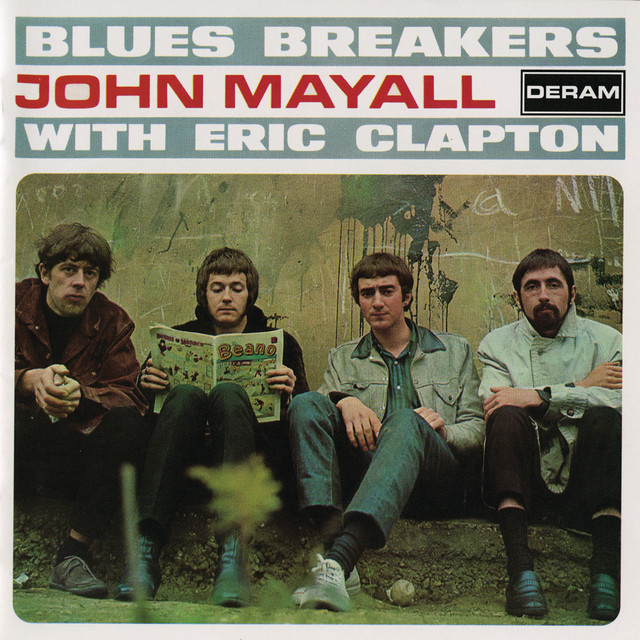
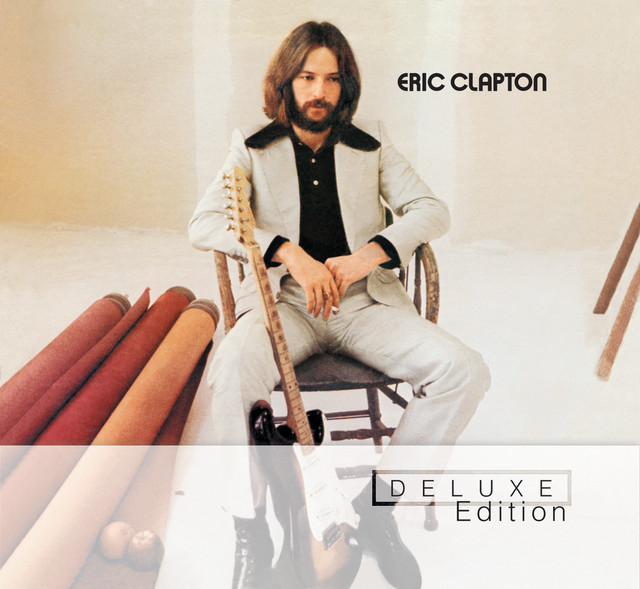
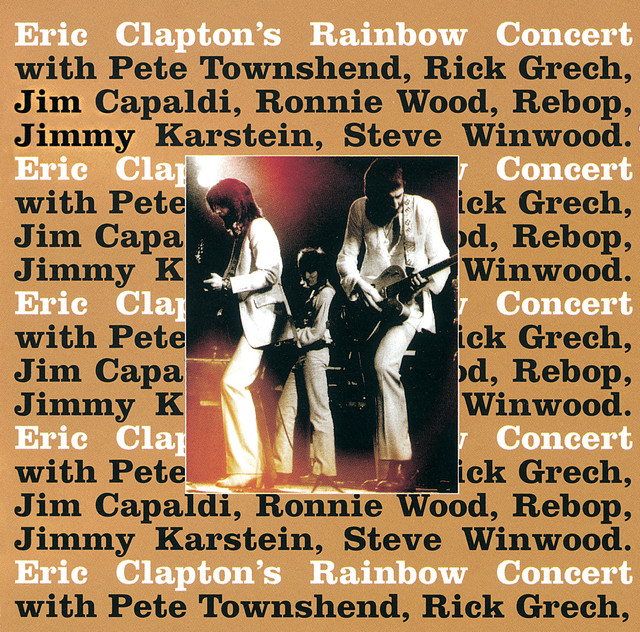
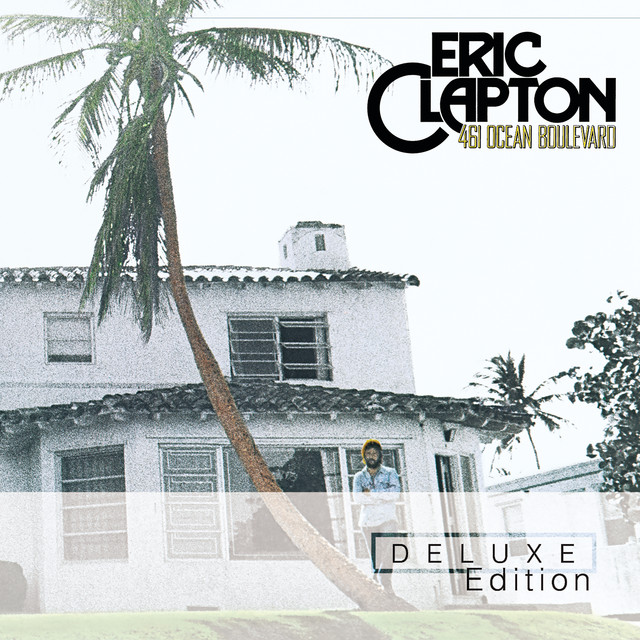
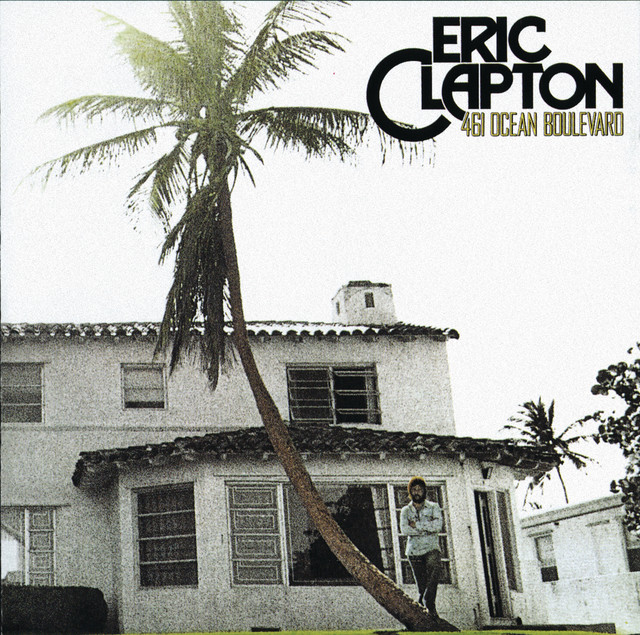
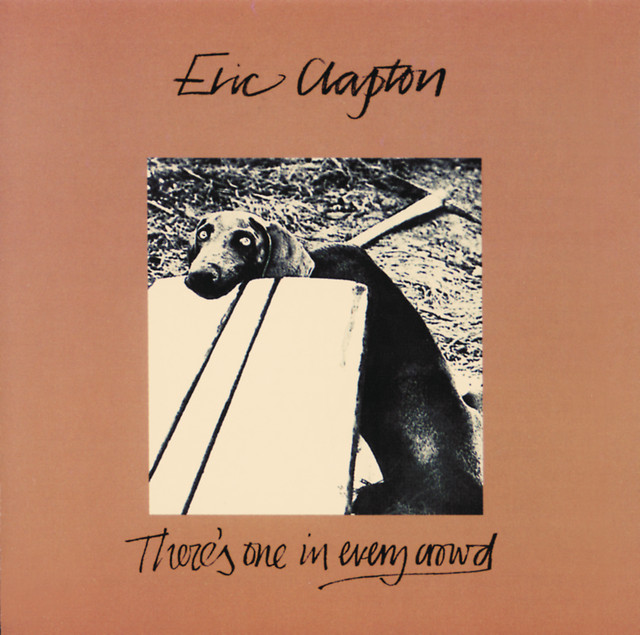
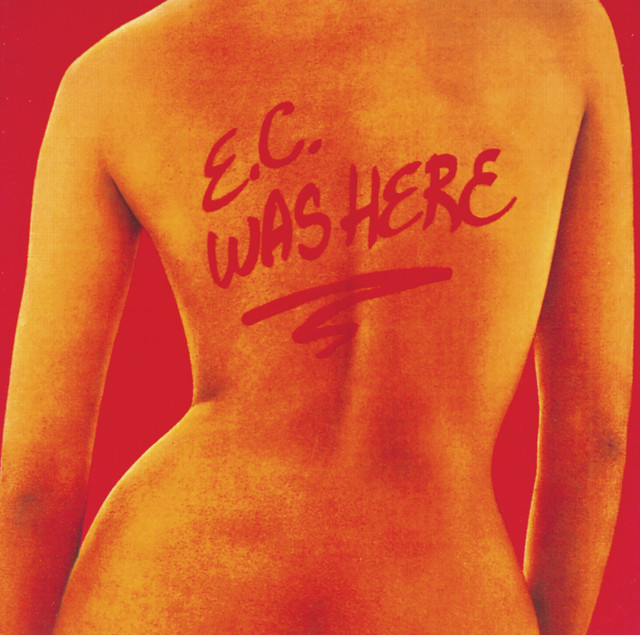
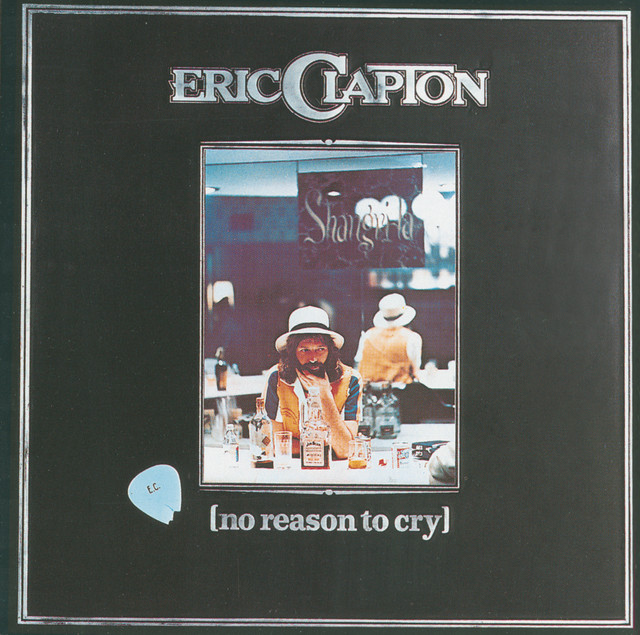
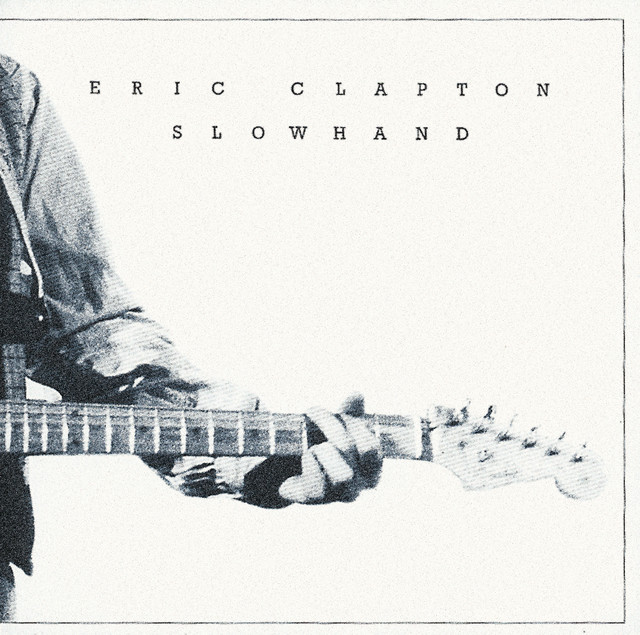
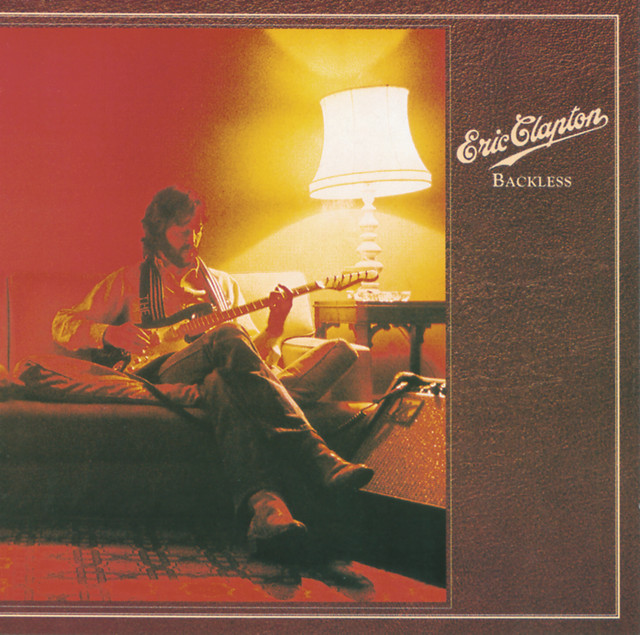
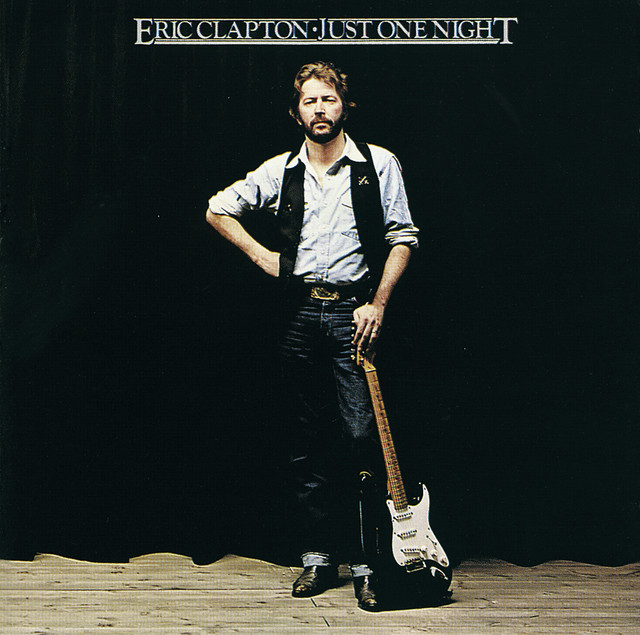
Album Credits
-
Eric Clapton · 2024
Producer -
Jeff Beck & Eric Clapton · 2023
Producer -
Eric Clapton · 2023
Producer -
Eric Clapton · 2022
Producer -
Eric Clapton · 2021
Producer -
Eric Clapton · 2018
Producer -
P.P. Arnold · 2017
Producer -
Eric Clapton · 2013
Producer -
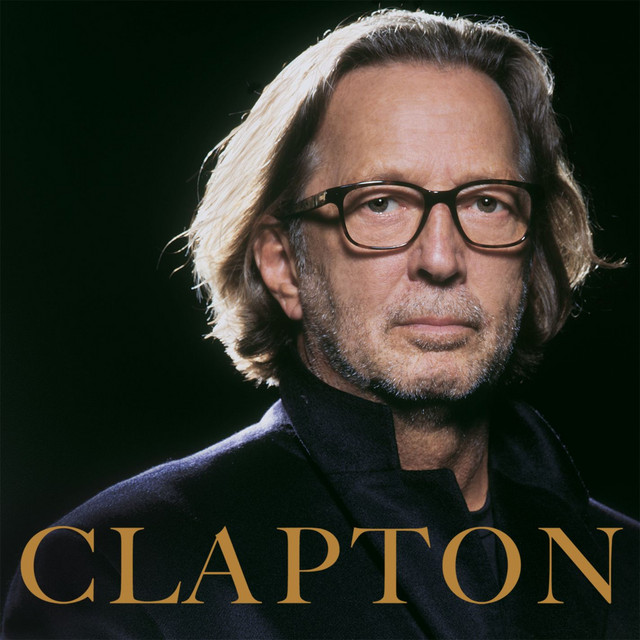
Eric Clapton · 2010
Producer -
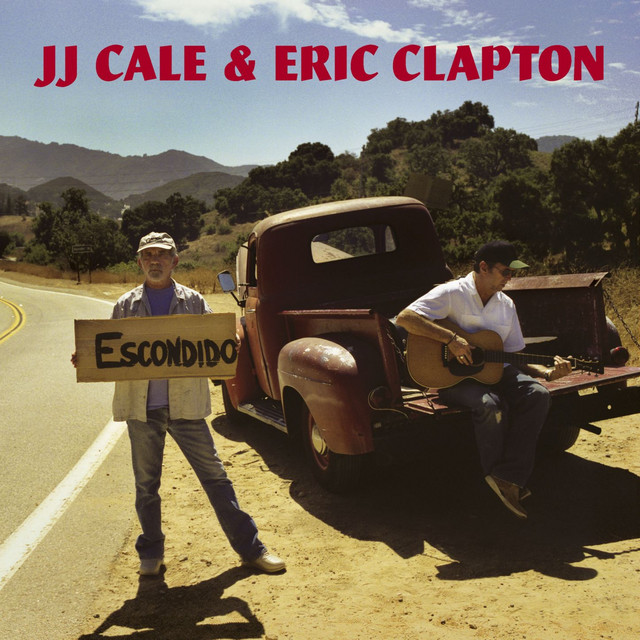
Eric Clapton & J.J. Cale · 2006
Producer -
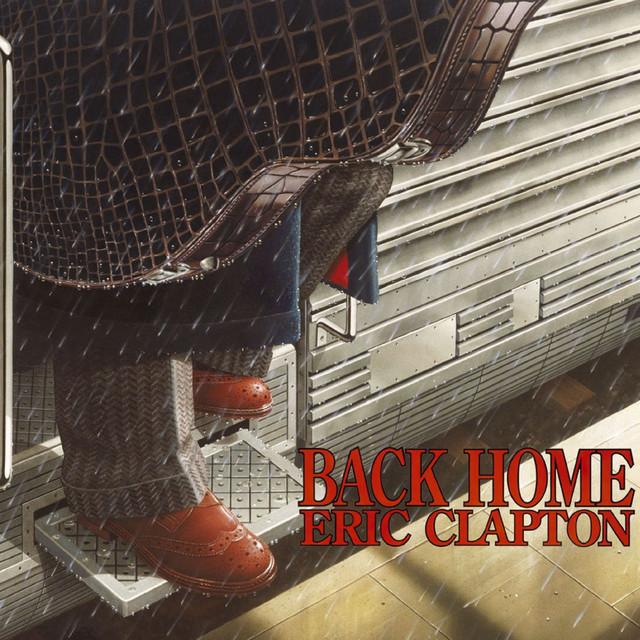
Eric Clapton · 2005
Producer -
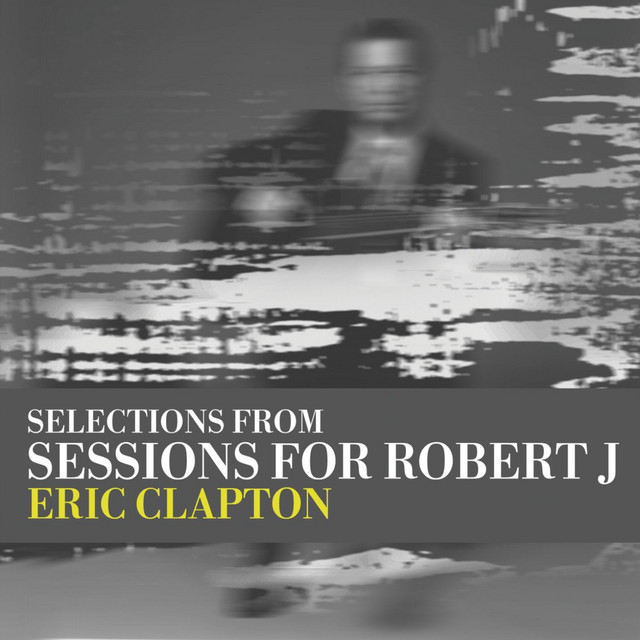
Eric Clapton · 2004
Producer