Frank Sinatra
American singer and actor, “Ol’ Blue Eyes”
Role
Role
Frank Sinatra's Gear



Frank Sinatra used a custom gold version of this mic in many of his later concerts.
Find it on:


Mentioned on page 181 of Sessions with Sinatra: Frank Sinatra and the Art of Recording by Charles L. Granata.
Recording enthusiasts may have wondered about the microphone depicted on the cover of Strangers in the Night–a mike that looks like curiously like a Shure handheld dynamic microphone. (...) It is, in fact, a Senheiser 405 condenser microphone, a crisp, snappy microphone which was a bit more directional than other condenser mikes.
The book does not specify which kind of Sennheiser 405 was used (the MKH 405, MD 405 S or the MD 405 T). Moreover, the album cover photo is from a November 1965 session for Moonlight Sinatra. However, it is worth noting that the official microphone list for EastWest Studios's Studio One (where Moonlight Sinatra and Strangers in the Night was recorded) lists an MKH 405. Additionally, the MKH 405 is the only 405 not to have a narrowed housing at the mic capsule, matching the uniform, cylindric housing of the Strangers in the Night microphone. One can deduce that the spherical windscreen in the album cover was borrowed from another microphone.
Find it on:

Used for Sinatra’s recordings at Western Recording Studios, particularly Strangers in the Night, as featured in this May 18, 2019 Julien’s Auctions listing.
The original Universal Audio 610a console built for and used in Studio #2 of Bill Putnam's legendary Western Recorders Studios in Hollywood California. Consisting of fourteen 610a microphone preamps, with mic and line inputs, three echo sends and three echo returns, the console was installed in 1962 and went on to record countless hit songs and memorable television soundtracks.
Credited as the father of modern recording and the inventor of the modern recording console, Putnam founded Universal Audio in 1958. By then he had already become one of the most sought after audio engineers and producers in the industry and just a year prior had sold interest in his original Chicago based studio, Universal Recording to move to the west coast. By 1961 Putnam had established the first Universal Recording Corp. studio in Hollywood and bought the neighboring Western Studios, merging them into what was then to be known as United Western Recorders. The complex was home to artists like Frank Sinatra, Elvis Presley, and the Beach Boys and was widely regarded for its unrivaled technical excellence.
Studio #2 and this console specifically were used to create such iconic pop recordings as Frank Sinatra “Strangers in the Night,” The Beach Boys "Barbara Ann," Ricky Nelson "Fools Rush In," Wayne Newton "Danke Shoen," Crosby Stills and Nash "Long Time Coming," as well as the theme songs to The Beverly Hillbillies, Green Acres, and Hawaii Five-O. The console remained in Western Studio #2 until 1970. Sometime after Western was purchased by Alan Sides the console was sold to Producer/Engineer Mark Neil, who installed and operated the console in his San Diego studio. Around 1994 the console was sold to Producer/Engineer Mark Linett, who once again used the console in conjunction with the Beach Boys in the recording of "Brian Wilson Presents Smile" and his stereo remix of the Beach Boys "Pet Sounds." Linett also expanded the console with several new components.
An incomplete yet vast list of artists and recordings associated with this console compiled by Engineer Joe Sidore is available on request.
Find it on:

Visible in the photo used for the artwork of Standing Room Only.
Find it on:
-m.webp?v=1785150021)
Frank Sinatra extensively used the Shure SM58 microphone, renowned for its ability to add warmth and intimacy to male voices, a quality highlighted in VoiceCouncil Magazine's feature on top live mics for jazz vocals.
Find it on:


In Vol. 4, No. 5 (the September/October 1973 issue) of Recording Engineer / Producer (a.k.a. R-e/p) magazine, an interview with MGM Recording's Ed Greene mentions that Sinatra used the KM-83 for the Magnavox Presents Frank Sinatra TV special, which promoted the album Ol' Blue Eyes Is Back.
R-e/p: How about your choice of microphones?
ED GREENE: The hand microphone that we ended up with was a Neumann KM -83, believe it or not, an omni microphone. I hated to use the word "omni" around people who weren't really technically oriented because right away they said, "Omigod, that'll never work!" But, in fact, it worked very well. We must have tried 15 or 18 microphones and came down to about 5 that we tried on the show. I originally shied away myself from an "omni" just because you have to work it a little closer. But in this case, being the professional that he is, Mr. Sinatra worked it just beautifully. On the segment of the show that required a lavalier we used an electret Sony ECM-50, also an omni, because its sound closely matched the KM-83. The boom mikes, Sennheiser 415's were not used during the live show, but during the video pre-record two days before.
R-e/p: Is the KM-83 the same microphone Mr. Sinatra used on the album?
ED GREENE: No, a U-67 was used on the record, a cardioid used at some distance, about a foot and a half, so that there was really little change of perspective if he moved around a little. But the problem with using a cardioid as a hand mike is that unless you stay on axis, or keep the same angular and distance relationship to it, you're going to have a difference in sound illusion or quality. With an 'omni' you get much less of that. That's one of the reasons for the 'omni'. Also, the KM-83 has no proximity effect; that is, there is no build-up of the low end as you get close to the microphone. So with some careful level riding, it makes a pretty nice sound against the orchestra. It's not a particularly unusual microphone, although once we had chosen it we couldn't find another one in town. So, we had one flown in from New York as a backup. The director didn't like the standard black pop filter, so we used a dull chrome grill from another microphone.
Find it on:

In this video, at minute 0:28, Frank can be seen using the U47 in a recording session.
A Sound on Sound interview featuring recording engineer John Palladino mentions that Sinatra first used the mic when he signed with Capitol Records.
"Another advantage to the U47 was the directional pattern that favoured the voice and didn't allow it to be drowned out by the orchestra. That's why it got to be tremendously popular and became an industry standard in the days when singers like Frank Sinatra recorded in the studio with the band.”
This article by Home Brew Audio states that "Frank loved it so much that he insisted on using no other mic after 1950. He called it his 'Telly.'"
The microphone is also depicted in the artwork for Duets and Duets II.
Find it on:


Used live in the '40s, as stated on page 22 of Sessions with Sinatra: Frank Sinatra and the Art of Recording by Charles L. Granata.
Ribbon microphones, for all their suitability as an instrument of the radio or recording studio, were not as desirable for rugged exterior conditions, because the ribbon was extremely fragile. Even slight bursts of wind or a person blowing into the mike could tear the ribbon to shreds. Consequently, while the RCA 44 was omnipresent for all of Frank Sinatra's radio and recording sessions, it was absent during his live stage appearance. The less-controlled environment of live performance required a studier microphone, and for in-person performances during the 1940s, the Shure Unidyne Model 55 series and the Altec 639B models were the instruments of choice.
Find it on:

Mentioned in this article by Sony Insider.
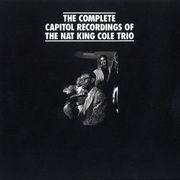
Frank Sinatra and Nat King Cole both demonstrated the advantages of the C-37A. If Sinatra did not like what he heard played back, he would walk out of the studio leaving the record company to foot the bill for the session. This tended to happen two or three times before he was satisfied and re-recording was expensive. When studios introduced the C-37A, they would 'get it in one take,' and Sinatra would go home happy. Capitol’s experiences led them to install the C-37A in all their studios. They were so proud of recording with the C-37A microphone that they even had it featured in photos on their album jackets.
The microphone appears on the cover of Sinatra and Strings, which was photographed during a live performance.
Find it on:

Mentioned in this Facebook post by SugarHill Recording Studios.
RCA released the 77 DX in 1954. This gem of a mic has a very dynamic frequency response depending on the angle in which it is positioned. It has recorded countless legends including Al Green, Elvis Presley, Frank Sinatra, Johnny Cash and more!! It is still widely used today especially for recording Brass instruments. Come try it for yourself.
Find it on:

In this TapeOp interview, sound engineer Steve King stated he ran Sinatra through a 1073 for "What Now My Love" off of Duets. It was an anecdote King made while discussing the recording of Eminem's "Lose Yourself".
Earlier with Marshall I used the Neve 1073 preamp and a [Neumann] U47. I recorded Aretha Franklin for the Frank Sinatra Duets record with the Neve, and I made sure to run Frank's voice through all my stuff just for karma!
Find it on:

Used for Sinatra's Swingin' Session!!!, as is visible in the album artwork (which is a photo of one of the album's sessions) and this photo. Despite the front of the microphone (which can be used to tell the 251 and 250 apart, let alone the E and non-E versions) not being visible, testimony to the microphone being a 251 E is given in this October 20, 2015 Recording.org forum post by user DonnyThompson.
I've actually had the fortune to have used an original early 60's ELA-M 251 E ... Once.
I was called in as a hired-gun engineer to work a recording session at a studio in Youngstown, Ohio a few years ago, ( Peppermint Recording - they'd been around for YEARS... I don't know if it's even there anymore, but when I was there it was like I was walking back into 1975 - yellow shag carpet, bean bag chairs, day-glo posters and all - LOL - it had definitely seen better days, though) and the owner of the studio had two ELAM's, both 251-E's.
When I asked him how he got them, he told me that he had purchased them in the mid 70's from Capitol Records Recording Studios in L.A. - for next to nothing - he mentioned paying something ridiculous, like $800 for BOTH. ( So...how come I can't ever run across incredible deals like that??? ).
With one of the mics, the mic itself worked fine, but the PS was fried, but the other one he had was fully operational with both the mic and the PS.
The owner had a picture hanging in his control room of an early 1960's Frank Sinatra singing into an ELA-M. ( He told me that he had been told by one of the older engineers at Capitol that the mic in the photo was one of the ones he purchased... although there's no actual way to prove that...but I suppose it's possible).
Find it on:

In Vol. 4, No. 5 (the September/October 1973 issue) of Recording Engineer / Producer (a.k.a. R-e/p) magazine, an interview with MGM Recording's Ed Greene mentions that Sinatra used the Sony ECM-50 for part of Magnavox Presents Frank Sinatra, which promoted the album Ol' Blue Eyes Is Back.
The hand microphone that we ended up with was a Neumann KM -83, believe it or not, an omni microphone. I hated to use the word "omni" around people who weren't really technically oriented because right away they said, "Omigod, that'll never work!" But, in fact, it worked very well. We must have tried 15 or 18 microphones and came down to about 5 that we tried on the show. I originally shied away myself from an "omni" just because you have to work it a little closer. But in this case, being the professional that he is, Mr. Sinatra worked it just beautifully. On the segment of the show that required a lavalier we used an electret Sony ECM-50, also an omni, because its sound closely matched the KM-83.
Find it on:

In Vol. 4, No. 5 (the September/October 1973 issue) of Recording Engineer / Producer (a.k.a. R-e/p) magazine, an interview with recording engineer Don MacDougall mentions that Sinatra used a U67 on Ol' Blue Eyes is Back.
Well, all the orchestral and vocal elements were broken down to 14 tracks usually, sometimes 16. I usually keep some tracks open but a couple of times I couldn't. I put Mr. Sinatra in the center of the stage and put a baffle on each side of him, high flats, soft side to him. I used a Neumann U-67 on a boom, and used a Teletronix peak limiter with about 5 dB of limiting, which allowed me to record pretty flat through the system and get rid of all the unwanted extraneous sounds and get some pretty good tracks. The U-67's we used are really classy mikes, they've been rebuilt and they're pretty flat. And we recorded Mr. Sinatra that way, flat, the whole band was actually recorded flat; no equalization, no reverberation, nothing. The natural room acoustics were about, I would say, 3 seconds reverb time, and it lent a marvelous kind of ring to everything.
It was used extensively to record the instruments on Sinatra's albums, as stated in Sessions with Sinatra: Frank Sinatra and the Art of Recording by Charles L. Granata.
Find it on:


Producer Steve Hoffman has stated his use of the LA-2A for Sinatra.
My Teletronix LA-2A, ganged for stereo or mono reproduction via the handy toggle switch in the center of the two units. (...) I've used it on countless projects, Nat "King" Cole, Frank Sinatra, Beach Boys, Doors, Eagles, Ringo, McCartney, Fleetwood Mac, Bob Dylan, Ray Charles, Peggy Lee, Jethro Tull, Chuck Berry, Creedence Clearwater Revival, Van Morrison, White Stripes, Tom Petty, Red Hot Chili Peppers, Ella Fitzgerald, Yes, Sonny Rollins, John Coltrane, Steely Dan, Steppenwolf, Bad Company, Jim Croce, Elvis Presley, Billie Holiday, Judy Garland, Dave Mason, Paul Simon, America, The Band, Crosby, Stills & Nash, The Cars, ZZ Top, James Taylor, Art Pepper, Steve Miller Band, Queen, Rod Stewart, Duke Ellington, John Lee Hooker, Al Jolson, Roy Orbison, Bing Crosby, Sammy Davis, Jr., The Who, Lightnin' Hopkins, Bill Haley & his Comets, Miles Davis, Mamas and Papas, Blue Öyster Cult, The Byrds, Eric Clapton, Bill Evans Trio, Blood, Sweat & Tears, Phil Collins, Alice Cooper, Deep Purple, Jeff Beck, Doobie Bros., Faces, Grand Funk, Heart, Billy Joel, Linda Ronstadt, Ten Years After, Grant Green, Wes Montgomery, Pat Benetar, Elton John, Leon Russell, Metallica. etc.
Find it on:


A C12 with a W43 windscreen was used for September of My Years, particularly on "It Was a Very Good Year", as can be seen in footage from the recording session at 0:47 and throughout.
Find it on:
This is a community-built gear list for Frank Sinatra.
- Find relevant music gear like Microphones, and other instruments and add it to Frank Sinatra.
- The best places to look for gear usage are typically on the artist's social media, YouTube, live performance images, and interviews.
- To receive email updates when Frank Sinatra is seen with new gear, follow the artist.
Discography
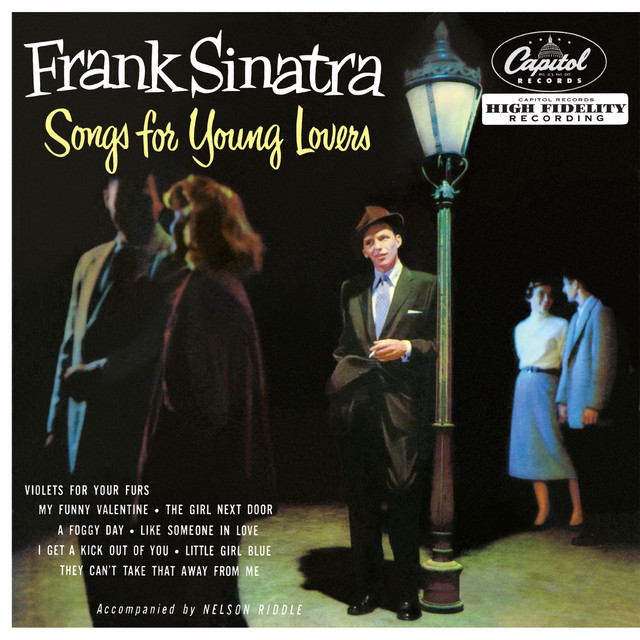
Songs For Young Lovers
1954
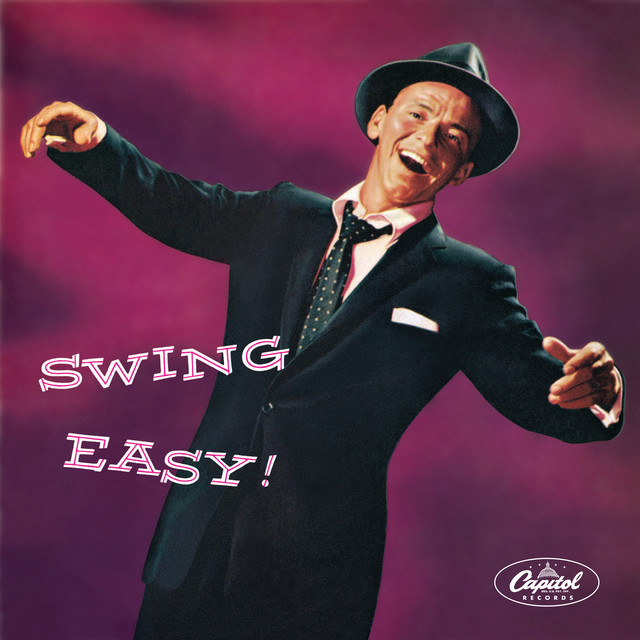
Swing Easy!
1954
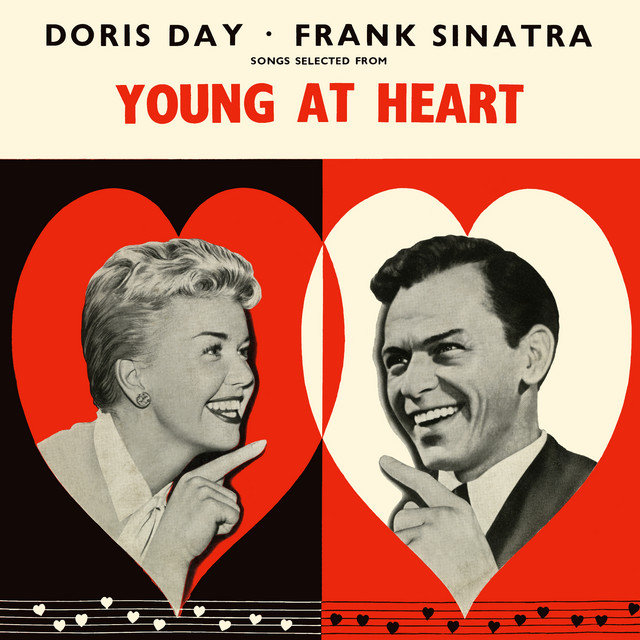
Young At Heart (Bonus Tracks)
1954
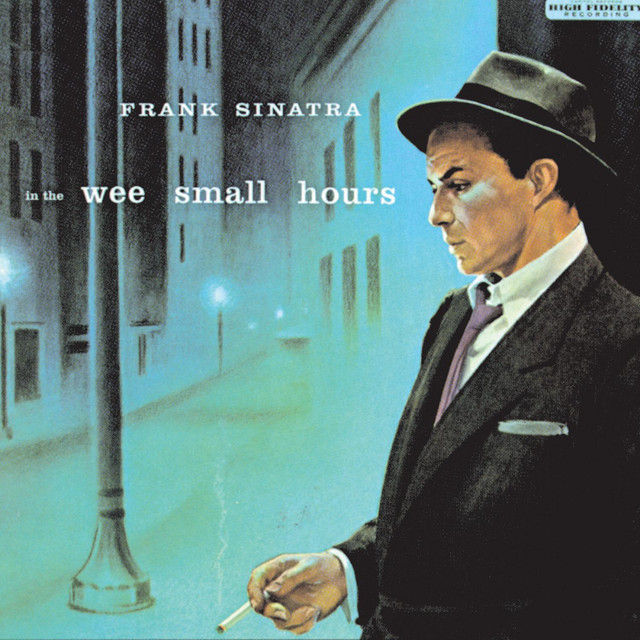
In The Wee Small Hours
1955
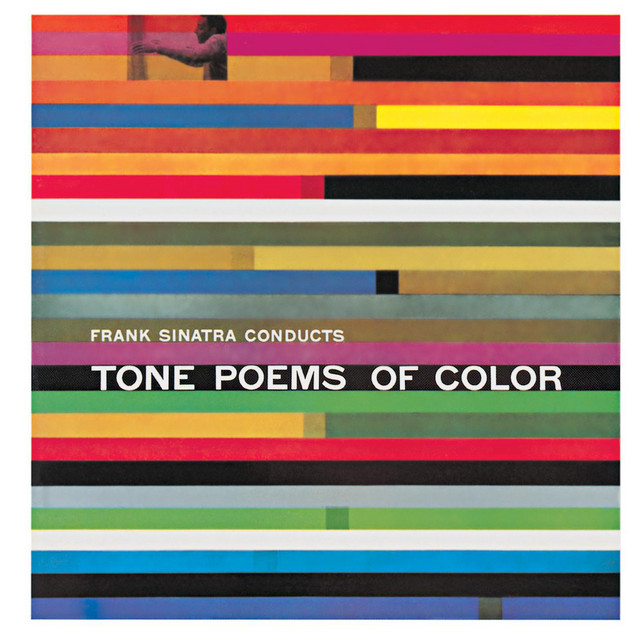
Frank Sinatra Conducts Tone Poems Of Color (Remastered)
1956
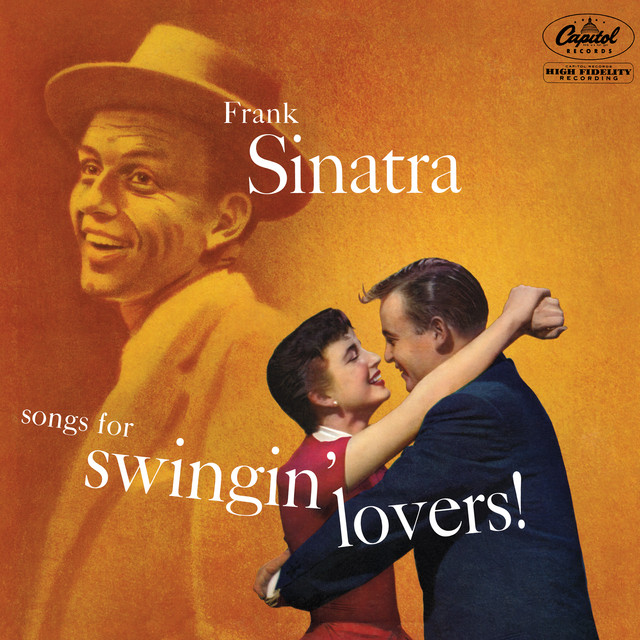
Songs For Swingin' Lovers! (Remastered)
1956
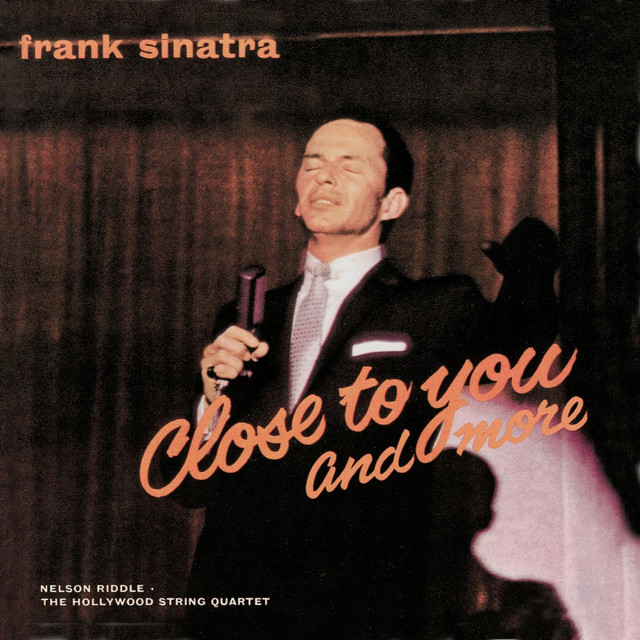
Close To You And More (Remastered)
1957
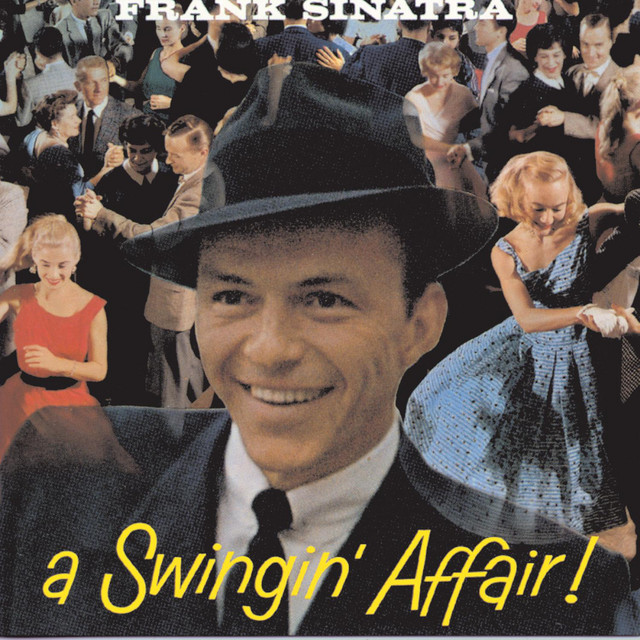
A Swingin' Affair! (Remastered / Expanded Edition)
1957
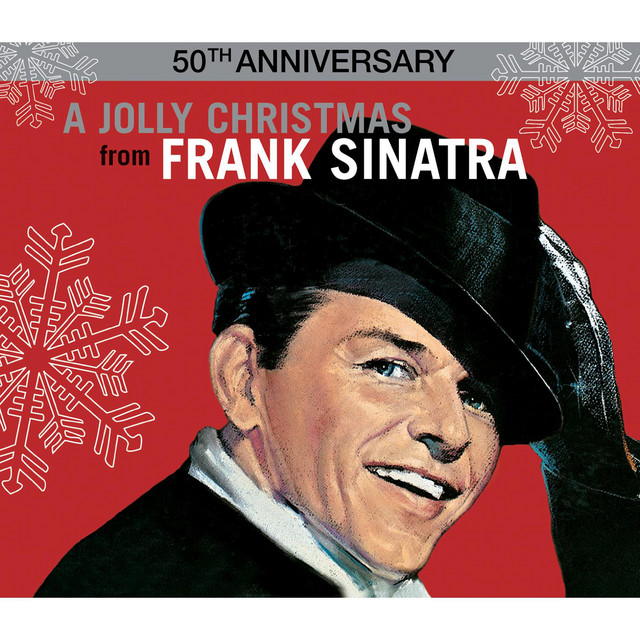
A Jolly Christmas From Frank Sinatra
1957
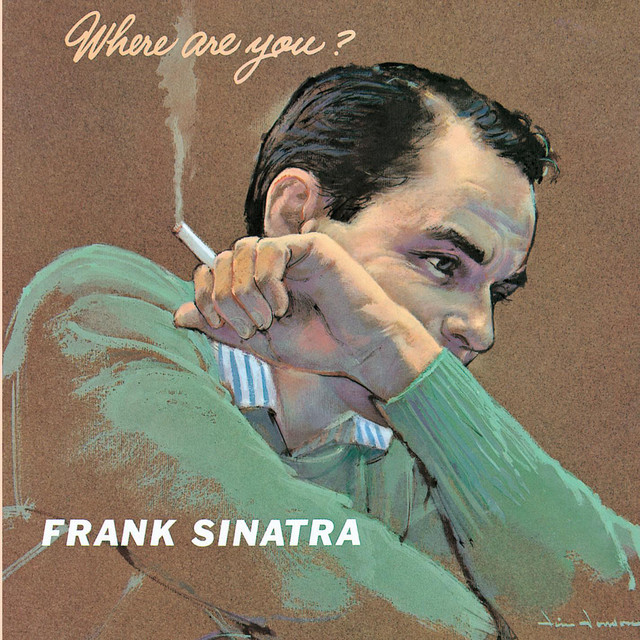
Where Are You? (Remastered / Expanded Edition)
1957
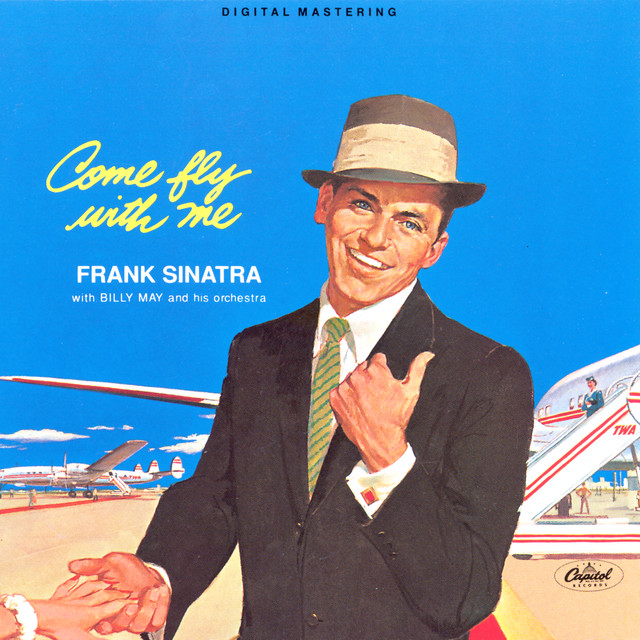
Come Fly With Me (Expanded Edition)
1958
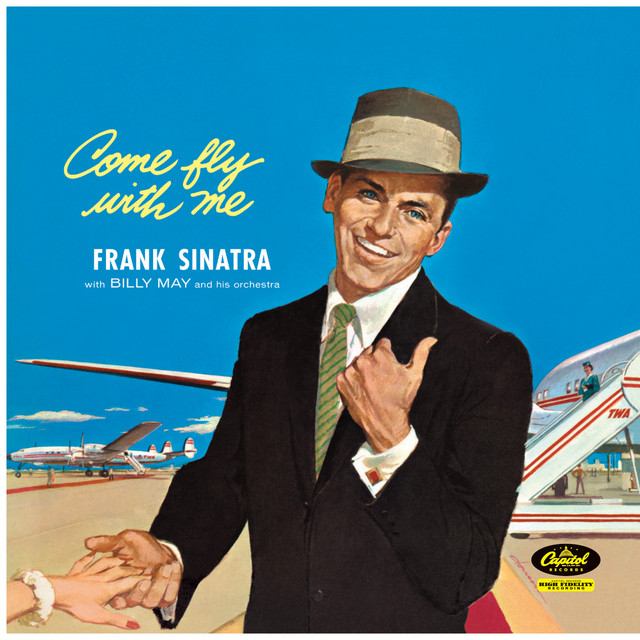
Come Fly With Me (Mono Version)
1958