Guy E. Fletcher
keyboardist
Role
Genre
Role
Genre
Guy E. Fletcher's Keyboards and Synthesizers


"On my side of the stage I've got the Synclavier, which is used mostly for string and voice sounds as well as the pure tones. For example, the intro to 'Money For Nothing' is played on the Synclavier sequencer. My other main keyboard is the Yamaha DX1. I love that synth, it's definitely one of the greatest keyboards around. You obviously have to know a lot about programming to use it properly, and it is very complicated, but if you can grasp the system it's really lovely."
Find it on:


"A Yamaha 12-channel mixer received signal input from Guy Fletcher’s two Roland Jupiter synthesizers, Solina string synthesizer, Korg organ, Yamaha CP-80 electric piano, and Wurlitzer electric piano. The resultant mix was processed through a Roland SDE-2000 delay unit, and then sent to the house and monitor consoles. Additionally, a direct input was taken on each individual keyboard instrument to ensure clean signals at the desks."
Find it on:

"Anyway, I had this Jupiter 8 which Bryan Ferry had always liked the sound of. In fact, I used two of them on stage for Roxy's Avalon tour. So most of the keyboard work that I was asked to play on the Boys and Girls album was Jupiter 8 synth... plus a little DX7."
Find it on:

"Anyway, I had this Jupiter 8 which Bryan Ferry had always liked the sound of. In fact, I used two of them on stage for Roxy's Avalon tour. So most of the keyboard work that I was asked to play on the Boys and Girls album was Jupiter 8 synth... plus a little DX7."
Find it on:

"On my side of the stage I've got the Synclavier, which is used mostly for string and voice sounds as well as the pure tones. For example, the intro to 'Money For Nothing' is played on the Synclavier sequencer. My other main keyboard is the Yamaha DX1. I love that synth, it's definitely one of the greatest keyboards around. You obviously have to know a lot about programming to use it properly, and it is very complicated, but if you can grasp the system it's really lovely."
Find it on:

"For studio work on Dire Straits projects I use a similar set-up, the main keyboards again being the DX1, Emulator II, Jupiter 8, the DX7 and Synclavier, and they are supplemented by a Jupiter 6, TX7, and a new Roland Super JX."
Find it on:

"Getting back to my live keyboard set-up, I also use an Emulator II, DX7, Jupiter 8 and a Korg CX-3. I do all my own keyboard mixing on stage and just send the PA a stereo mix of my sound because I like to keep control of what's going on. Effects-wise, I use a few digital reverbs and a couple of digital delays, that's all really. I don't use any MIDI facility on the road."
Find it on:

"Getting back to my live keyboard set-up, I also use an Emulator II, DX7, Jupiter 8 and a Korg CX-3. I do all my own keyboard mixing on stage and just send the PA a stereo mix of my sound because I like to keep control of what's going on. Effects-wise, I use a few digital reverbs and a couple of digital delays, that's all really. I don't use any MIDI facility on the road."
Find it on:

"For studio work on Dire Straits projects I use a similar set-up, the main keyboards again being the DX1, Emulator II, Jupiter 8, the DX7 and Synclavier, and they are supplemented by a Jupiter 6, TX7, and a new Roland Super JX."
Find it on:

"For studio work on Dire Straits projects I use a similar set-up, the main keyboards again being the DX1, Emulator II, Jupiter 8, the DX7 and Synclavier, and they are supplemented by a Jupiter 6, TX7, and a new Roland Super JX."
Find it on:

"For the work Mark and I are currently doing on Tina Turner's new album, we're also using the Emulator SP12 drum machine, Linn 9000, and the new Pro-24 software from Steinberg Research which runs on the Atari computer."
Find it on:

"Well, I have already mentioned many of the keyboards I use and they are the same ones I have at home. In addition, I've got an Emulator SP12 drum machine and an OSCar mono synth. Everything is routed to one of my two mixers, either the Seck 1882 or an Alice 12 into 2, and all the recording is done on a Fostex B-16. I've just bought one of those new Fostex 4050 Autolocators which allow SMPTE to MIDI control, so I'm looking forward to using that when I get a chance."
Find it on:

From 1985 Sound on Sound interview, which describe his studio (Havoc House).
Alongside the walls are purpose made tables supporting the array of synthesizers: a PPG Wave 2 and a Wave 2.2 complete with the Waveterm computer, a DX7, a Linn LM2, an Emulator and some elderly keyboard instruments of indeterminate vintage. The synths are connected to the main desk patchfield via a sub-field dedicated to ancillaries. MIDI wiring is strung around as the production requires it.
Find it on:

From 1985 Sound on Sound interview, which describe his studio (Havoc House).
Alongside the walls are purpose made tables supporting the array of synthesizers: a PPG Wave 2 and a Wave 2.2 complete with the Waveterm computer, a DX7, a Linn LM2, an Emulator and some elderly keyboard instruments of indeterminate vintage. The synths are connected to the main desk patchfield via a sub-field dedicated to ancillaries. MIDI wiring is strung around as the production requires it.
Find it on:
This is a community-built gear list for Guy E. Fletcher.
- Find relevant music gear like Pianos, Keyboards and Synthesizers, Microphones, Software Plugins and VSTs, Instruments, and other instruments and add it to Guy E. Fletcher.
- The best places to look for gear usage are typically on the artist's social media, YouTube, live performance images, and interviews.
- To receive email updates when Guy E. Fletcher is seen with new gear, follow the artist.
Album Credits
-
Mark Knopfler · 2024
Engineer Producer -
Mark Knopfler · 2024
Engineer Producer -
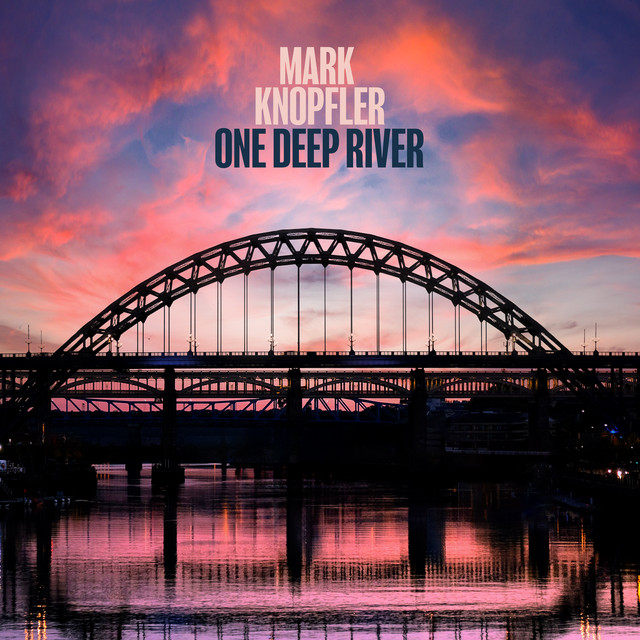
Mark Knopfler · 2024
Engineer Producer -
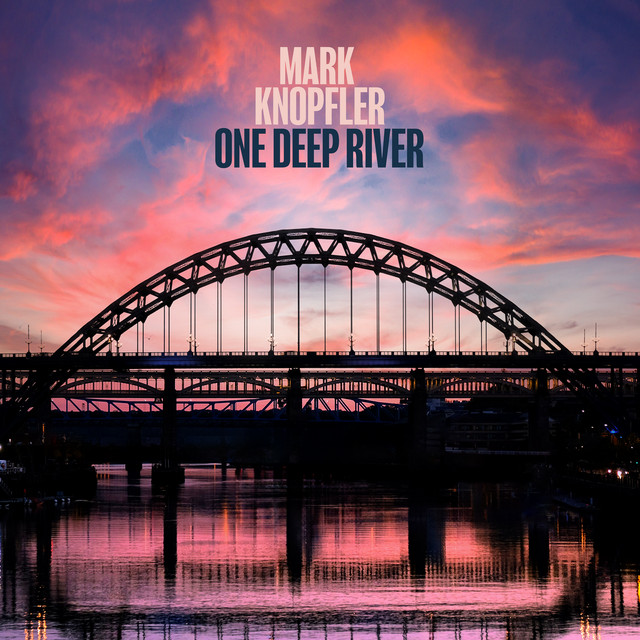
Mark Knopfler · 2024
Engineer Producer -
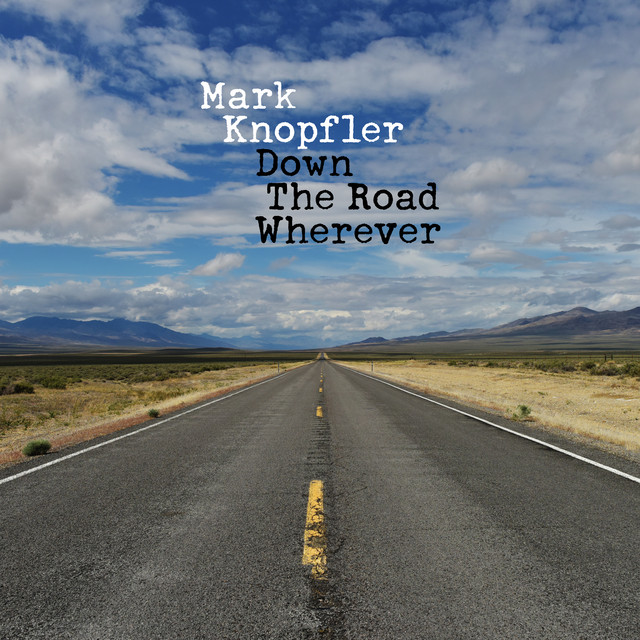
Mark Knopfler · 2018
Engineer Producer -

Tommy Emmanuel · 2018
Engineer Mixing Engineer -

Mark Knopfler · 2009
Engineer Producer -

Mark Knopfler · 2007
Engineer Producer -
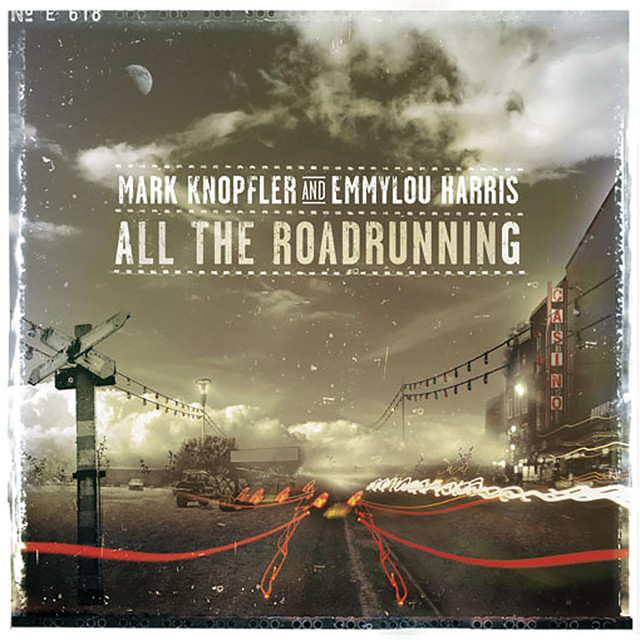
Mark Knopfler & Emmylou Harris · 2006
Recording Engineer -
Mark Knopfler · 2004
Engineer