John Foxx
Role
Genre
Role
Genre
John Foxx's Gear


"I sold two TB303s, my utterly beautiful Roland 808 drum machine, my Minimoog, my magnificent Jupiter 8, analogue phasers, flangers, a glorious Marshall fuzzbox. What a damn fool.
Luckily, I kept the 909 drum machine (best bass drum ever invented), the ARP Odyssey, the Gibson Les Paul, the Strat, the valve amps — and that little bastard wonder the [Roland] CR78."
Find it on:


-m.webp?v=1783090753)
"I sold two TB303s, my utterly beautiful Roland 808 drum machine, my Minimoog, my magnificent Jupiter 8, analogue phasers, flangers, a glorious Marshall fuzzbox. What a damn fool.
Luckily, I kept the 909 drum machine (best bass drum ever invented), the ARP Odyssey, the Gibson Les Paul, the Strat, the valve amps — and that little bastard wonder the [Roland] CR78."
Find it on:

"I sold two TB303s, my utterly beautiful Roland 808 drum machine, my Minimoog, my magnificent Jupiter 8, analogue phasers, flangers, a glorious Marshall fuzzbox. What a damn fool.
Luckily, I kept the 909 drum machine (best bass drum ever invented), the ARP Odyssey, the Gibson Les Paul, the Strat, the valve amps — and that little bastard wonder the [Roland] CR78."
Find it on:


"In 1983 we used a Roland MC8 for recording some Golden Section tracks with Mike Howlett. ‘Twilight’s Last Gleaming’, for instance, was almost entirely sequenced by that. Mike was quick and efficient at programming it. I tried it out and ended up hating the damn thing.
Then a Commodore 64 with Steinberg [Pro-16] when I was working with Tim Simenon [Bomb The Bass], then with Louis Gordon. Most of Shifting City and the next couple of albums were recorded using that system. It was good, straightforward and the triggering was bang on, for the time.
Overlapping this, I got a well‑designed and very useful all‑in‑one PC‑based system from Carillon, using Cubase, then finally went over to Logic on the Mac. As for present‑day sequencing and arranging, I really like the symbiosis of digital and analogue. You’re finally able to mix the beauty, richness and deviance of analogue with the stability and precision of digital."
Find it on:

"In 1983 we used a Roland MC8 for recording some Golden Section tracks with Mike Howlett. ‘Twilight’s Last Gleaming’, for instance, was almost entirely sequenced by that. Mike was quick and efficient at programming it. I tried it out and ended up hating the damn thing.
Then a Commodore 64 with Steinberg [Pro-16] when I was working with Tim Simenon [Bomb The Bass], then with Louis Gordon. Most of Shifting City and the next couple of albums were recorded using that system. It was good, straightforward and the triggering was bang on, for the time.
Overlapping this, I got a well‑designed and very useful all‑in‑one PC‑based system from Carillon, using Cubase, then finally went over to Logic on the Mac. As for present‑day sequencing and arranging, I really like the symbiosis of digital and analogue. You’re finally able to mix the beauty, richness and deviance of analogue with the stability and precision of digital."
Find it on:

"In 1983 we used a Roland MC8 for recording some Golden Section tracks with Mike Howlett. ‘Twilight’s Last Gleaming’, for instance, was almost entirely sequenced by that. Mike was quick and efficient at programming it. I tried it out and ended up hating the damn thing.
Then a Commodore 64 with Steinberg [Pro-16] when I was working with Tim Simenon [Bomb The Bass], then with Louis Gordon. Most of Shifting City and the next couple of albums were recorded using that system. It was good, straightforward and the triggering was bang on, for the time.
Overlapping this, I got a well‑designed and very useful all‑in‑one PC‑based system from Carillon, using Cubase, then finally went over to Logic on the Mac. As for present‑day sequencing and arranging, I really like the symbiosis of digital and analogue. You’re finally able to mix the beauty, richness and deviance of analogue with the stability and precision of digital."
Find it on:
This is a community-built gear list for John Foxx.
- Find relevant music gear like Microphones, Pianos, Keyboards and Synthesizers, Software Plugins and VSTs, Instruments, Studio Equipment, Headphones, and other instruments and add it to John Foxx.
- The best places to look for gear usage are typically on the artist's social media, YouTube, live performance images, and interviews.
- To receive email updates when John Foxx is seen with new gear, follow the artist.
Discography
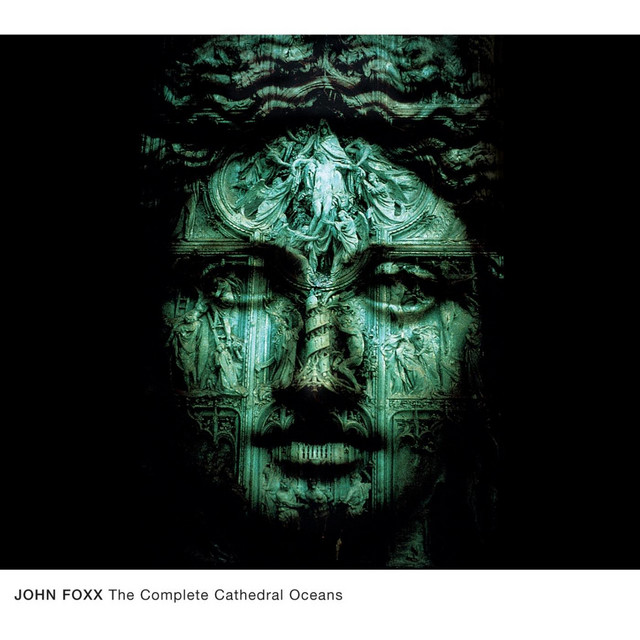
The Complete Cathedral Oceans
1995
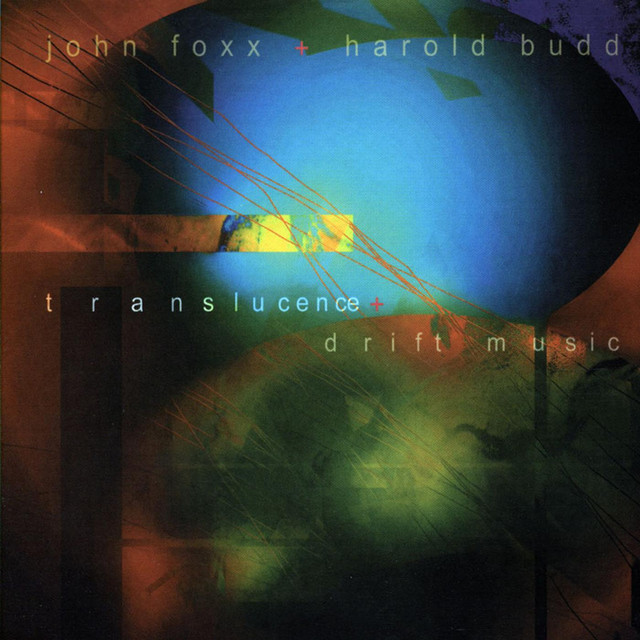
Translucence + Drift Music
2003
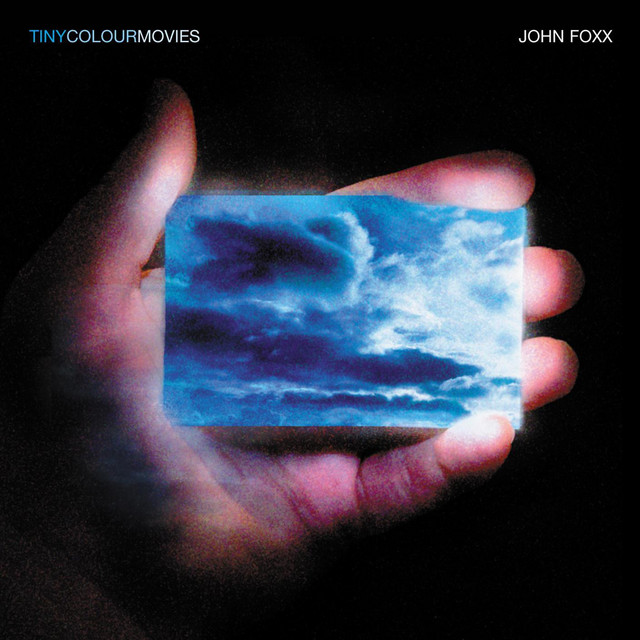
Tiny Colour Movies
2006
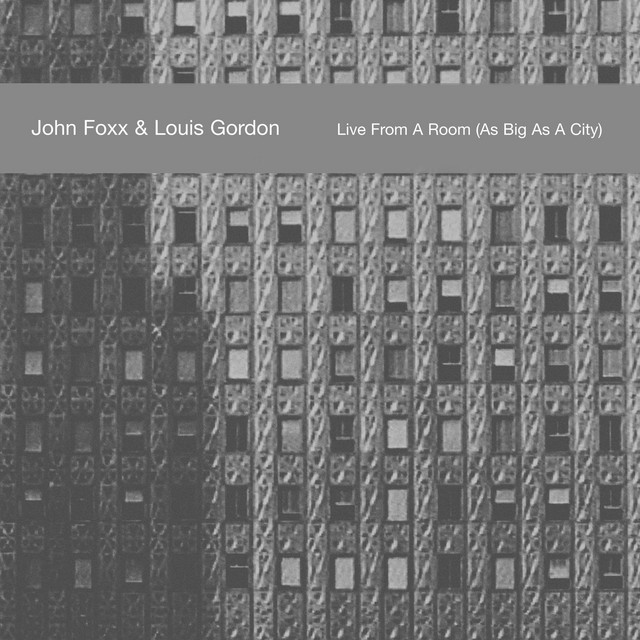
Live from a Room (As Big As a City)
2006
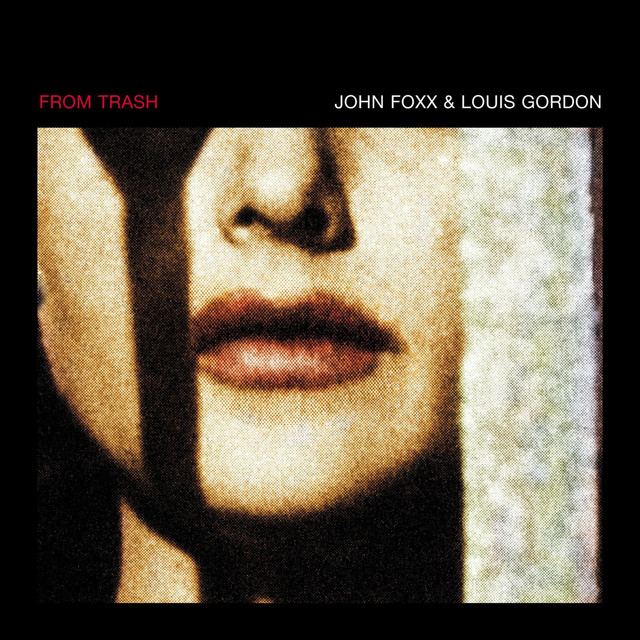
From Trash
2006
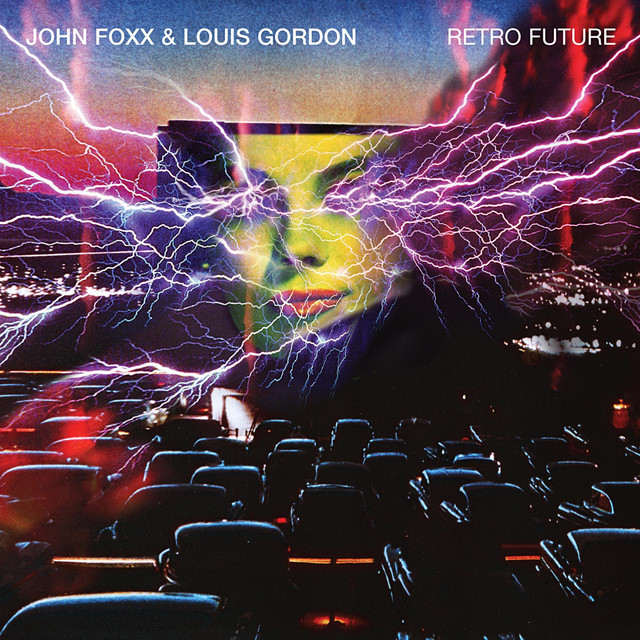
Retro Future (Live)
2007
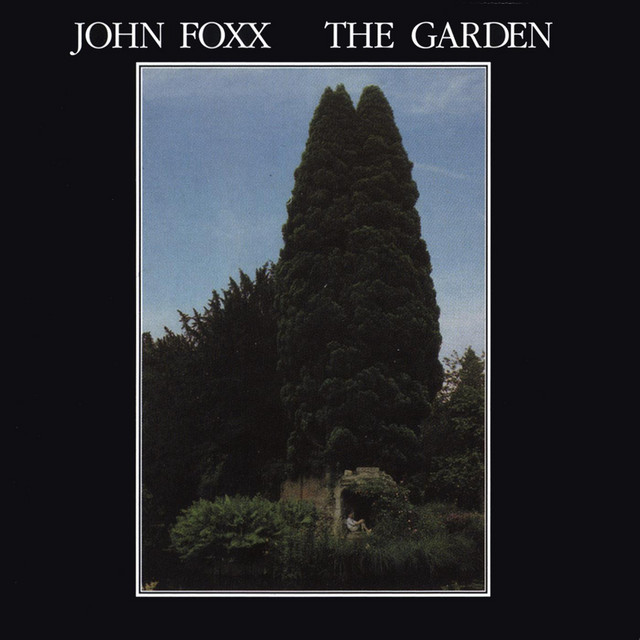
The Garden...Plus
2008
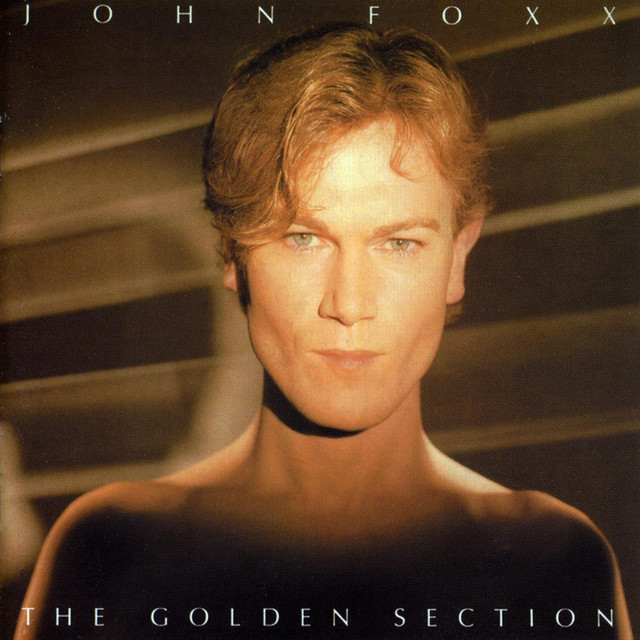
The Golden Section...Plus
2008
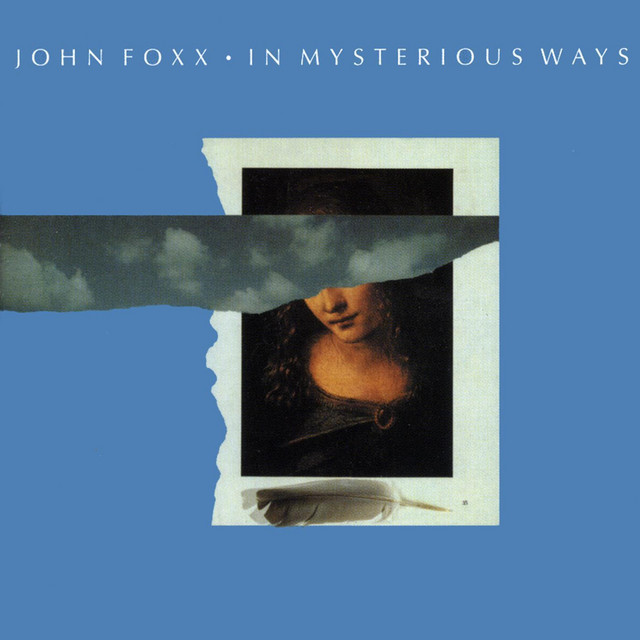
In Mysterious ways...Plus
2008
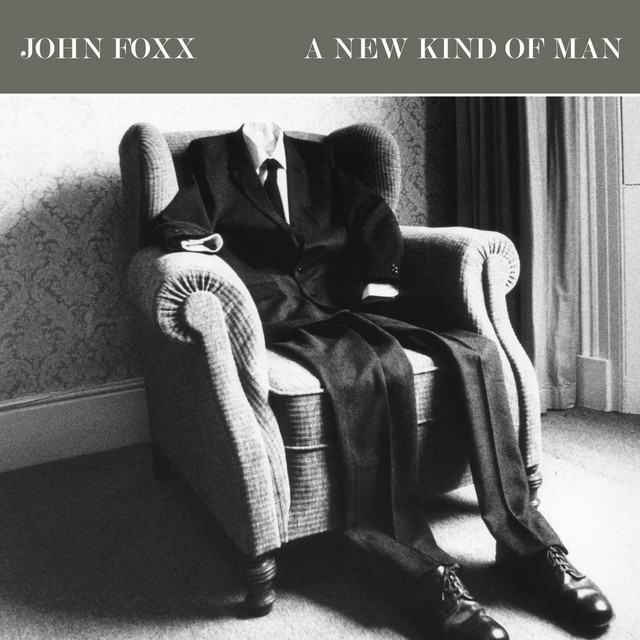
A New Kind of Man (Live)
2008
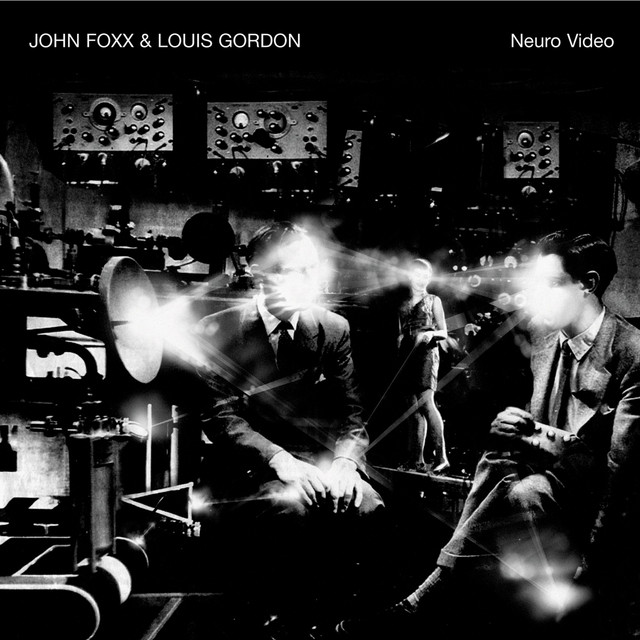
Neuro Video (Live)
2008
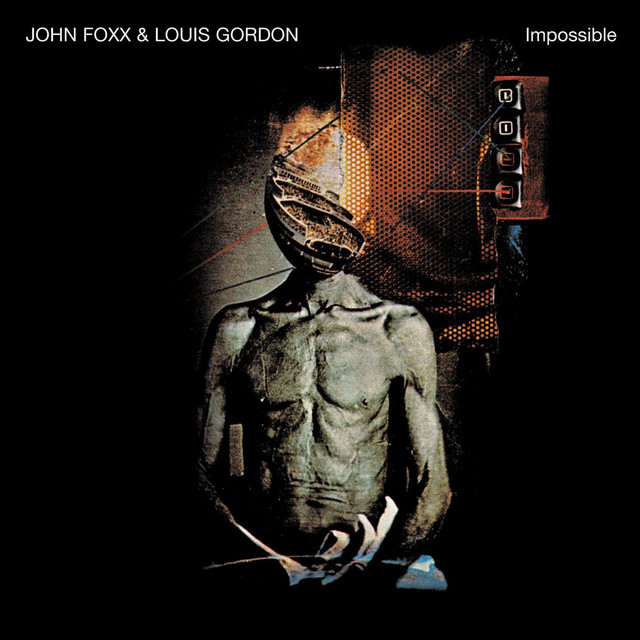
Impossible
2008
Album Credits
-
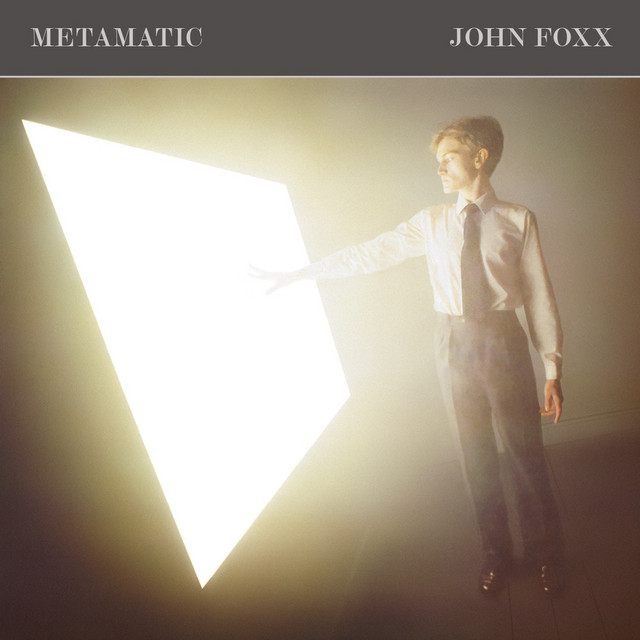
John Foxx · 2018
Producer -
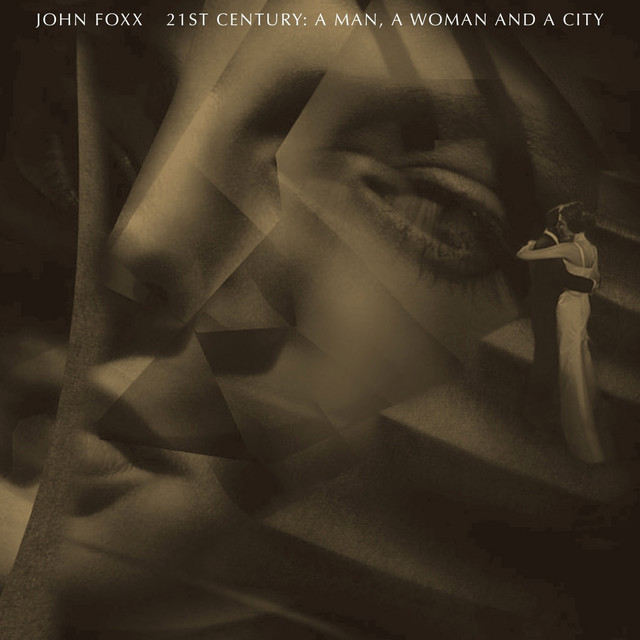
21st Century: A Man, a Woman and a City
John Foxx · 2016
Producer -
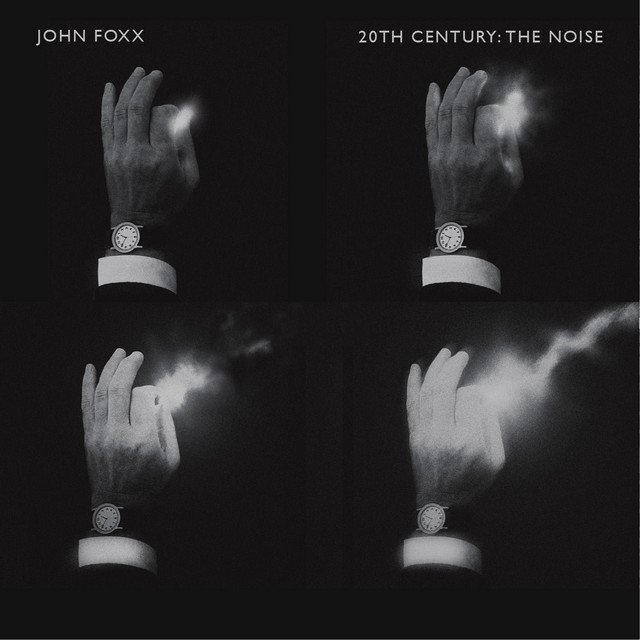
John Foxx · 2015
Producer Programmer -
B-Movie (Ballardian Video Neuronica)
John Foxx · 2014
Mixing Engineer Producer -
John Foxx · 2014
Producer Programmer -
John Foxx · 2010
Producer Recording Engineer -
John Foxx · 2010
Producer -
John Foxx · 2009
Producer -
John Foxx · 2006
Producer Recording Engineer -
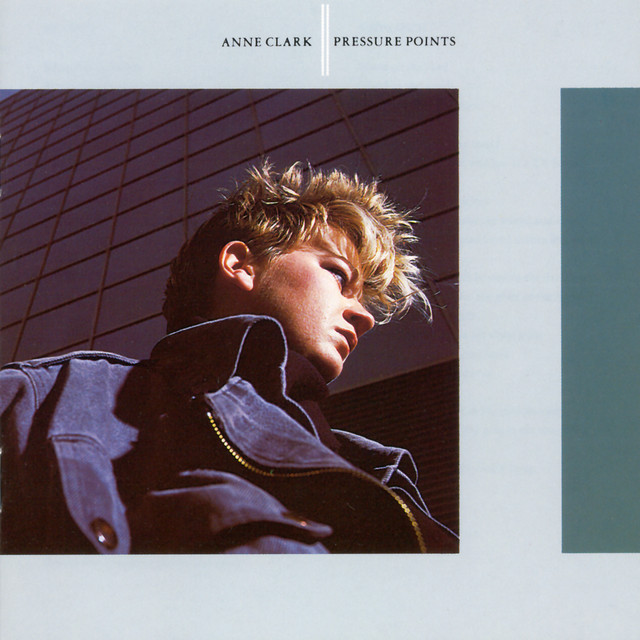
Anne Clark · 1985
Producer