John Paul Jones
UK rock musician of Led Zeppelin & Them Crooked Vultures
John Paul Jones' Gear


John Paul Jones utilized the Acoustic 360 - 361PP Combo bass amplifier, as detailed in the article "Gear Rundown: John Paul Jones" from Mixdown Magazine.
Find it on:


"I don't have to change them all the time and they still sound fantastic."
Find it on:


In the official video of "Kashmir" performed live from the 'Celebration Day' concert, John Paul Jones is seen using the KORG Oasys 88-Key Workstation.
Find it on:

At 0:18 in this live performance video, it can clearly be seen that John Paul Jones is playing a Roland AX-7.
Find it on:

Jones states in this interview that he used a Yamaha GX-1 with Led Zeppelin and then sold it to Keith Emerson.
Find it on:

Yet another of John Paul Jones' custom triple-necks can be seen on Manson Guitar Works' gallery.
Find it on:

''Peter Vogel brought an early CMI to the UK in person, and one of the first people to get one was Peter Gabriel. Once UK distributor Syco Systems had been set up, the client list started to grow. John Paul Jones (Led Zeppelin) bought the first as a replacement for his Mellotron. He was soon followed by Kate Bush, Thomas Dolby, Geoff Downes, Queen, Keith Emerson, Alan Parsons, Stuart Copeland, JJ of Art of Noise, Trevor Horn and Frankie Goes To Hollywood, and many others''
Find it on:



In this photo, John Paul Jones can be seen playing his custom-made Manson Triple Neck Guitar.
Find it on:

According to TC Electronics website John Paul Jones is using the TC Electronic PolyTune Tuner Pedal
Find it on:
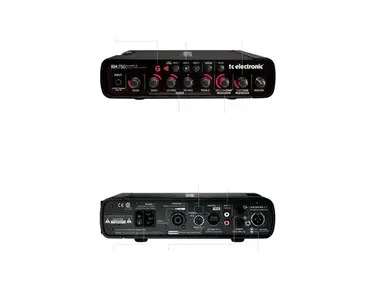

John Paul Jones is featured on the TC Electronic website, where he is noted for using the TC Electronic RS210 bass amplifier.
Find it on:


Used on "In the Light" and "No Quarter", as stated respectively in the December 1977 issue of Contemporary Keyboard and in this July 9, 2014 Keyboard article.
Contemporary Keyboard, December 1977
I did use an old EMS VCS3 synthesizer on Physical Graffiti for "In The Light". It wasn't sophisticated enough to really sound like a synthesizer and you really had to be on the ball because it was murder to keep in tune. It did have a little joystick arrangement that could be used to control the pitch, though, so you could slide things; it was very manageable. But it couldn't go on the road. I had too much trouble with the mellotron in those days to take anything else out. Robert Plant was always saying "We've got to do "In The Light" onstage, " and I said, "No way, or I have to contend with synthesizers as well."
Keyboard, July 9, 2014, "5 Ways To Play Like John Paul Jones"
Ex. 2 is in the style of Jones’ intro to the song “No Quarter.” On record, Jones ran a Hohner Electra Piano (not to be confused with the RMI keyboard of the same name) through an EMS VCS3 synth and modulated the filter with a sine wave LFO. The result is a unique and psychedelic sound that works perfectly for the song.
Find it on:

-m.webp?v=1783177354)
According to the product website JPJ uses the Ditto X4 looper.
Find it on:

John Paul Jones used the Korg Kaossilator KO-1 Dynamic Phrase Synthesizer while performing with Them Crooked Vultures, as evidenced by a user-uploaded photo on Gearslutz.
Find it on:

John Paul Jones started using a Hohner Clavinet on Led Zeppelin’s 1975 album Physical Graffiti, specifically on the tracks “Custard Pie,” “Trampled Underfoot,” and “In the Light.”
“Trampled Under Foot" is Jones's classic Clavinet track, and it was one of the band’s best songs when played live. The song begins with the Clavinet part, and its heavy, driving "stomp" rhythm pushes the song throughout. The clavinet solo is an energetic and busy chordal improvisation. As the solo plays, a second clavinet track is added -- a dark, muted sound that was created by running the clavinet through a wah-wah pedal set back to a very low range.
Find it on:

In a live performance in Milan on July 5th, 1971, John Paul Jones played a sanded Fender Telecaster Bass, as seen in the footage from Led Zeppelin Boots on YouTube.
Find it on:


John Paul Jones can be seen playgng Yamaha SA-70 at 0:01 in this video.
Find it on:

According to The Keyboard Sounds of Led Zeppelin & John Paul Jones website, Jones played a Farfisa VIP-255 organ on "Dancing Days" and during some live shows in 1972-73.
John Paul Jones only used the Farfisa VIP organ on one Led Zeppelin track, but it is a very distinctive contribution. In fact, it is one of the most interesting overdubs on any Led Zeppelin album. For "Dancing Days" on Houses of the Holy, Jones used this animated sound to add interest to the later verses (beginning at 1:38). The chord tones sweep up and down from the correct pitch, but slightly behind the beat, creating a rythmic effect, as well as a pitch glissando. (This glide is very similar to the unique "portamento" setting on many Yamaha analog synthesizers.) During the late 1972/early 1973 tours, the Farfisa was sometimes used on top of the Hammond organ, and was featured on "Dancing Days." On some shows, a very small Hohner combo organ appears on top of the Rhodes or Mellotron.
Find it on:

John Paul Jones played a Farfisa Professional Duo during Led Zeppelin's 1970-71 U.S. tour. This photo comes from Zeppelin's show at the Forum on September 4, 1970 in Los Angeles, California. Jones would later play a similar Farfisa organ, the Farfisa VIP-255, on "Dancing Days" from Houses of the Holy.
Additional photo from a 1970 concert at the Assembly Center in Tulsa, Oklahoma here.
Find it on:

John Paul Jones playing a Fender Rhodes Mark 1 with Led Zeppelin on June 2, 1973 in San Francisco, California. The Keyboards of Led Zeppelin & John Paul Jones website covers Jones's use of Rhodes electric pianos over the years:
The Rhodes Suitcase was used on the early Led Zeppelin tours from 1971 to 1973, often with a covering showing Jones's famous rune/symbol over the speaker box.
In 1973, the "Suitcase" model was replaced by a Stage 73 model -- a similar piano, but with no speaker box. Instead, it had chrome legs to support it. It was fed to two 1960's Fender Dual Showman amplifiers so it could be as loud as the guitar amps. The Stage 73 is the Rhodes seen on the famous "No Quarter" portion of The Song Remains The Same film. The Rhodes Stage 73 model was used on the 1973 and 1975 tours.
For the 1977 tour, a third Rhodes model was used -- the larger Stage 88. It too had chrome legs for a stand, but had a full-length keyboard with 88 notes (the same number of keys as a standard piano).
Find it on:

John Paul Jones playing a Fender Rhodes Suitecase 73 with Led Zeppelin at the Old Refectory in Southampton, England in March 1971. The Keyboards of Led Zeppelin & John Paul Jones website covers Jones's use of Rhodes electric pianos over the years:
The Rhodes Suitcase was used on the early Led Zeppelin tours from 1971 to 1973, often with a covering showing Jones's famous rune/symbol over the speaker box.
In 1973, the "Suitcase" model was replaced by a Stage 73 model -- a similar piano, but with no speaker box. Instead, it had chrome legs to support it. It was fed to two 1960's Fender Dual Showman amplifiers so it could be as loud as the guitar amps. The Stage 73 is the Rhodes seen on the famous "No Quarter" portion of The Song Remains The Same film. The Rhodes Stage 73 model was used on the 1973 and 1975 tours.
For the 1977 tour, a third Rhodes model was used -- the larger Stage 88. It too had chrome legs for a stand, but had a full-length keyboard with 88 notes (the same number of keys as a standard piano).
Find it on:

John Paul Jones playing a Fender Rhodes Mark 1 88-key Stage Piano with Led Zeppelin at Madison Square Garden on June 14, 1977. The Keyboards of Led Zeppelin & John Paul Jones website covers Jones's use of Rhodes electric pianos over the years:
The Rhodes Suitcase was used on the early Led Zeppelin tours from 1971 to 1973, often with a covering showing Jones's famous rune/symbol over the speaker box.
In 1973, the "Suitcase" model was replaced by a Stage 73 model -- a similar piano, but with no speaker box. Instead, it had chrome legs to support it. It was fed to two 1960's Fender Dual Showman amplifiers so it could be as loud as the guitar amps. The Stage 73 is the Rhodes seen on the famous "No Quarter" portion of The Song Remains The Same film. The Rhodes Stage 73 model was used on the 1973 and 1975 tours.
For the 1977 tour, a third Rhodes model was used -- the larger Stage 88. It too had chrome legs for a stand, but had a full-length keyboard with 88 notes (the same number of keys as a standard piano).
Find it on:

In this photo, Jones's Hammond C-3 organ can be seen on stage during a Led Zeppelin concert. The Keyboards of Led Zeppelin & John Paul Jones website covers Jones's use of the Hammond C-3:
John Paul Jones often recorded with a Hammond C3, and it was a common instrument on many of their early tours. Led Zeppelin's most memorable organ track, "Thank You," was recorded in 1969 at Morgan Studios in London. On this song, Jones's beautiful organ parts are the main support during the verses. His style here reflects his many years playing organ in church as a boy. The organ is restrained, with no vibrato or distortion, and avoids sounding like a blues or jazz instrument. A tape delay, which echoes the organ track in the opposing speaker, creates an echo effect that enhances the "church" mood. At the same studio sessions, "Since I've Been Loving You" was recorded, but it was not released until Led Zeppelin III a year later.
The Hammond was a very common sight on Jones' right side of the stage from 1970 until 1975. The Hammond was always run through a Leslie speaker, which has become the traditional way to amplify a Hammond. The Leslie speaker contains an amplifier and "spinning speaker" system that gives the sound animation and energy. Unfortunately, the Leslie amp was only 45 watts -- certainly not enough to be heard clearly on the loud stages of Led Zeppelin. So, the band would put the Leslie offstage in the dressing room and place microphones near it to send sound to the mixer. This clever arrangement created problems on a few occasions! Jones recalls: "People used to go in to the dressing room and shout things over the microphones. It would come over the PA... (laughs)." By the 1977 tour though, Jones was regretting not taking the Hammond with him, but admitted that there were already too many keyboard instruments covering the stage. There just was not enough room for it.
Find it on:

In this photo, Jones can be seen with a Fender Pedal Bass below his Fender Rhodes electric piano. The photo is from a 1973 Led Zeppelin concert in Paris. The Keyboards of Led Zeppelin & John Paul Jones website covers Jones's use of the Fender Pedal Bass:
Jones's first set of pedals were Fender bass pedals -- a set of organ-style pedals from the 1960s that were a portable octave of pedals that generated low bass tones. They could be set for immediate attack and release (as an organ-type tone) or a "string bass" sound that decayed away, instead of sustaining. Jones used Fender pedals for the only the early Led Zeppelin tours.
Find it on:

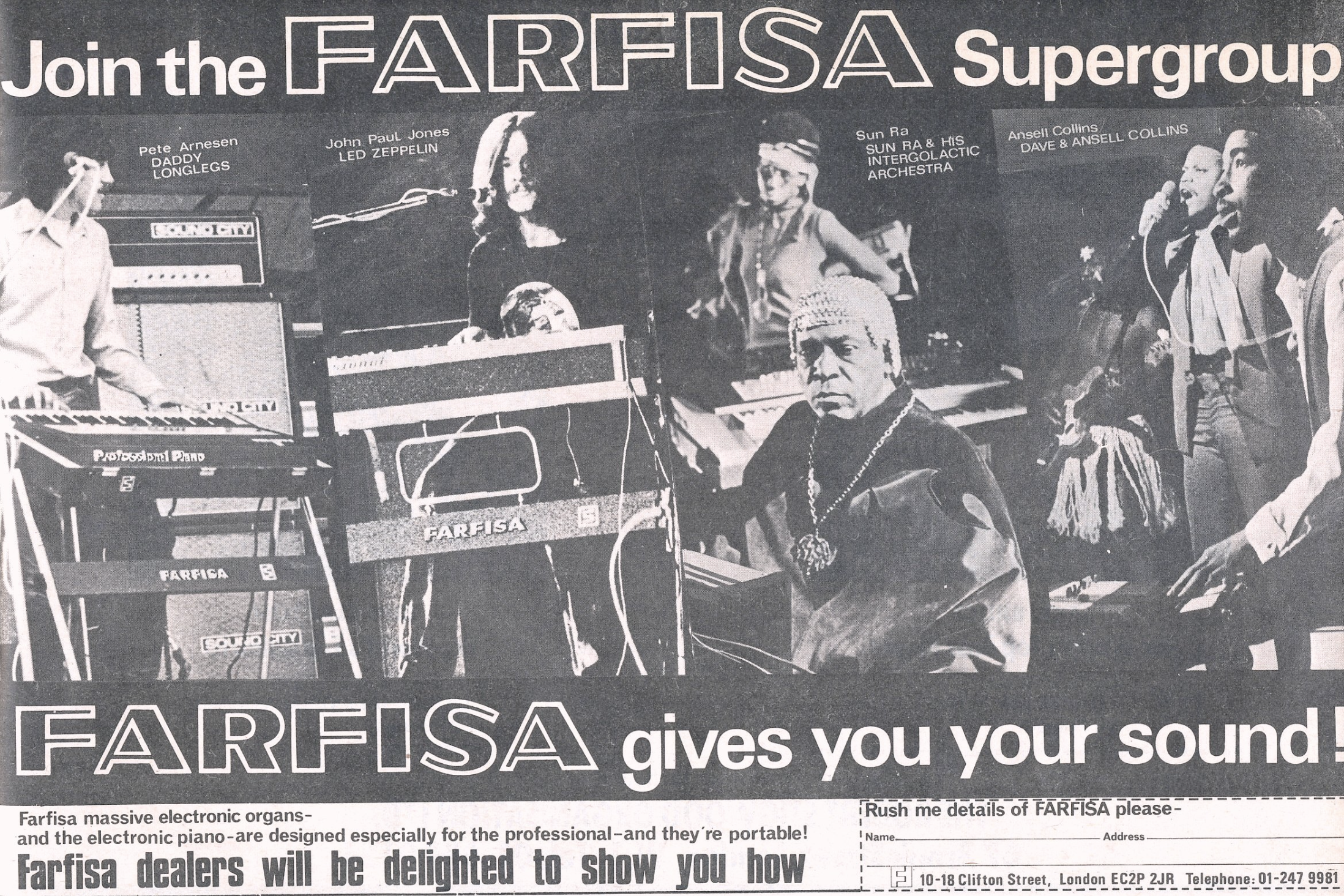
In this photo, John Paul Jones can be seen playing a Farfisa Professional on stage with Led Zeppelin. JPJ used this organ briefly in 1970 before switching to the Farfisa Professional Duo. Additional photo from a Farfisa promotional ad can be viewed here.
Find it on:

In this photo, a Hohner Symphonic 30N can be seen on top of Jones's Fender Rhodes piano. Additional photo here. This organ was only occasionally used by Jones in concert.
Find it on:

John Paul Jones is confirmed to use the Leo Quan Badass II Bass Bridge on his basses with Them Crooked Vultures, as evidenced by a photograph available on multiple music-related websites.
Find it on:

John Paul Jones is confirmed to use the EMG J Set Pickups, as indicated on the EMG page.
Find it on:
This is a community-built gear list for John Paul Jones.
- Find relevant music gear like Bass Guitars, Amplifiers, Effects Pedals, Pianos, Keyboards and Synthesizers, Microphones, and other instruments and add it to John Paul Jones.
- The best places to look for gear usage are typically on the artist's social media, YouTube, live performance images, and interviews.
- To receive email updates when John Paul Jones is seen with new gear, follow the artist.
Discography
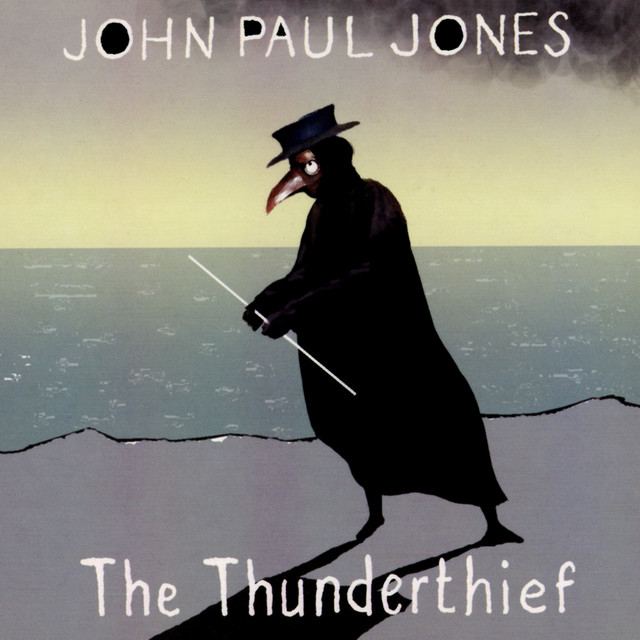
Album Credits
-
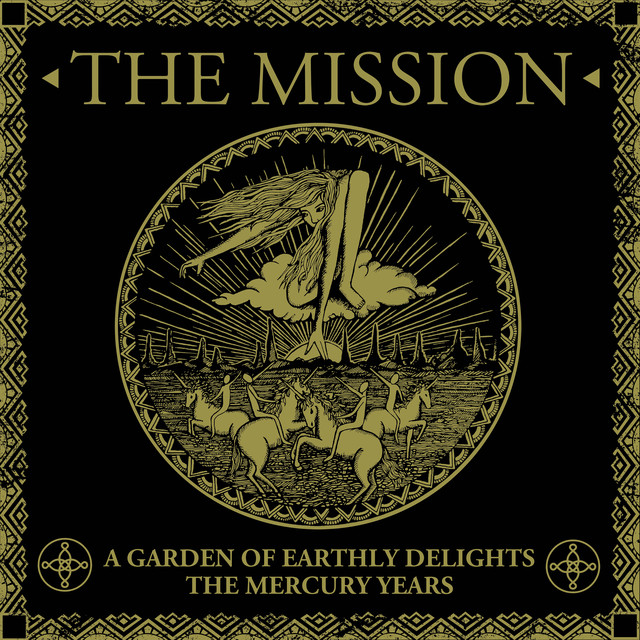
A Garden Of Earthly Delights: The Mercury Years
The Mission · 2021
Producer -
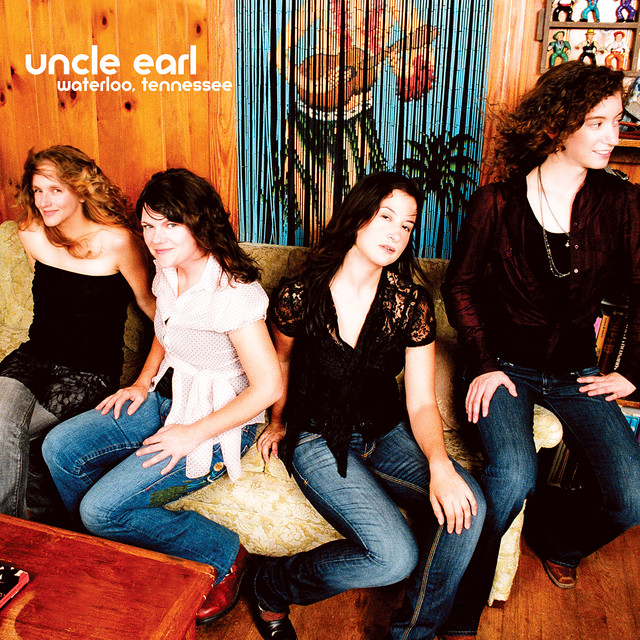
Uncle Earl · 2007
Producer -
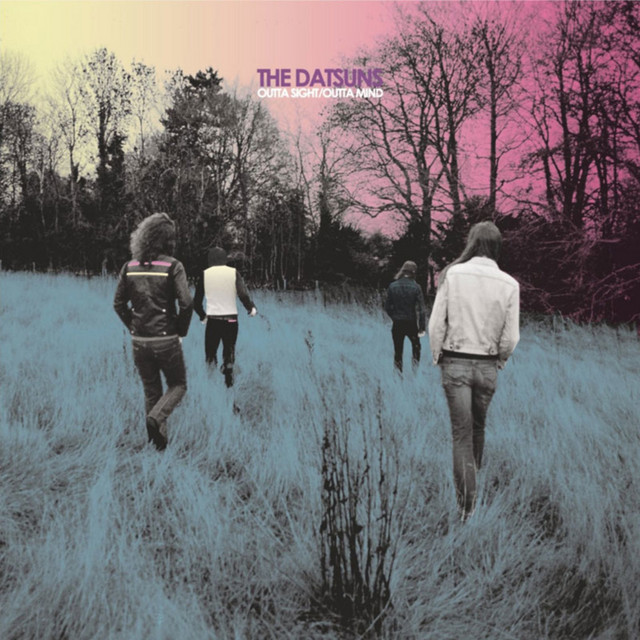
The Datsuns · 2004
Mixing Engineer Producer -
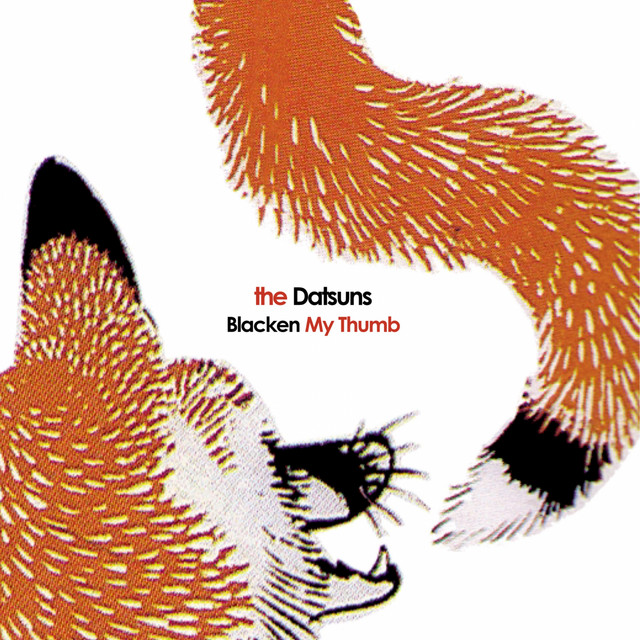
The Datsuns · 2004
Mixing Engineer Producer -
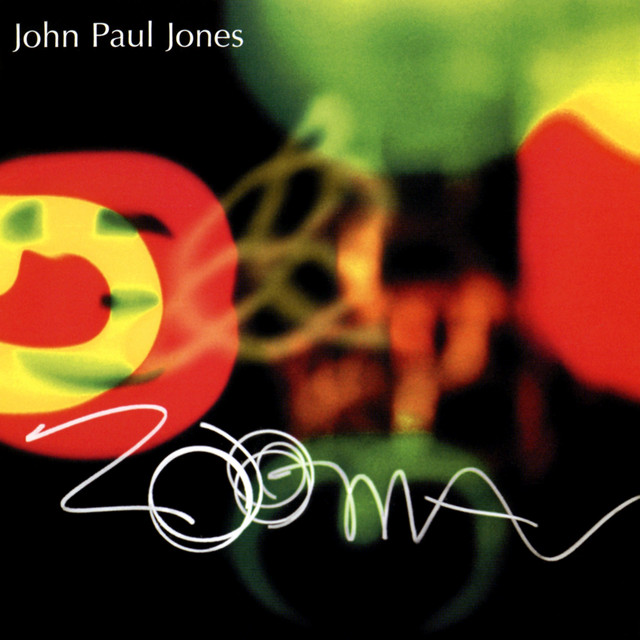
John Paul Jones · 1999
Mixing Engineer Producer Recording Engineer -
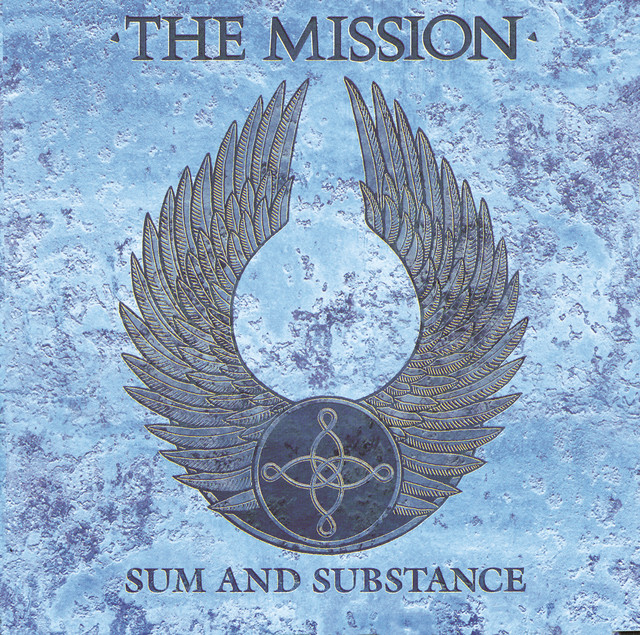
The Mission · 1994
Producer -
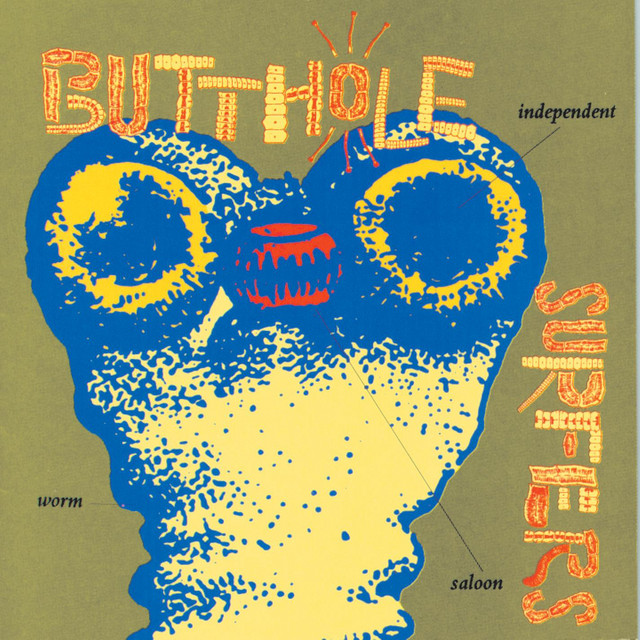
Butthole Surfers · 1993
Producer -
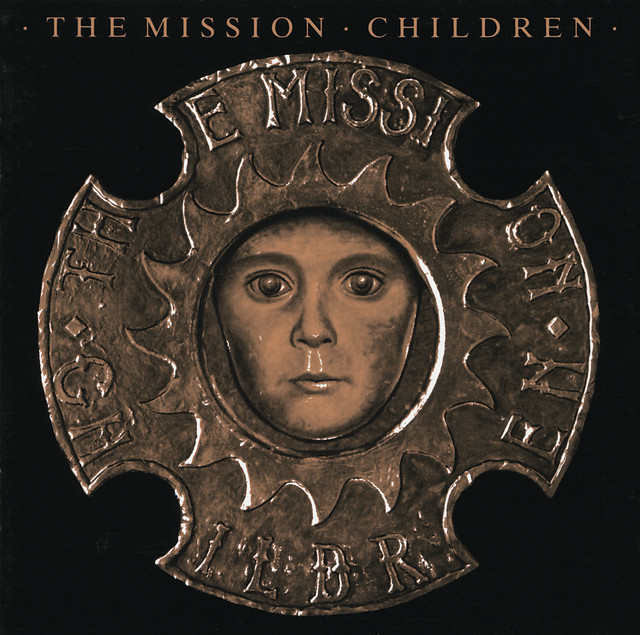
The Mission · 1987
Producer -
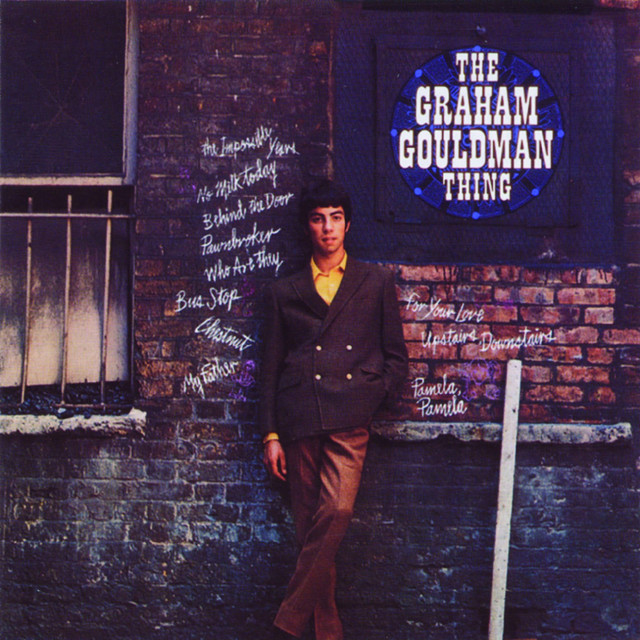
Graham Gouldman · 1968
Producer
.jpg?v=1783110491)