
Pricing and availability
We compare 600+ stores and found this item at 1 store. Prices updated .




Average Price: $2,996
High-end/Boutique
$799
$2000+
Price Tier
Budget
Standard
High-end
* Product prices and availability are updated by Equipboard every 24hrs and are subject to change. Equipboard may receive compensation for purchases made at participating retailers linked on this site. This compensation does not affect what products or prices are displayed, or the order of prices listed. For more information, please refer to our affiliate disclosure.
Description
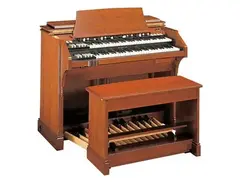
Introducing the Hammond C-3, a classic instrument that resonates with vintage charm and exquisite craftsmanship. This organ finds its roots in the iconic B3 model, but is gracefully housed in a C-type cabinet that adds an extra layer of sophistication. The Hammond C-3 is available in two elegant finishes, walnut and oak, each adding a unique aesthetic appeal to this timeless instrument. With its rich tones and classic design, it's an invaluable addition to any musician's collection, promising to deliver a profound and unforgettable musical experience.
Key Features:
- Inspired by the iconic B3 model
- Housed in a sophisticated C-type cabinet
- Available in Walnut and Oak finishes
- Delivers rich, vintage tones
- Classic design and superior craftsmanship
Product specs
| Brand | Hammond |
| Model | C3 |
| Finish | Natural |
| Year | 1955 - 1974 |
| Made In | United States |
| Categories | Organs |
| Analog / Digital | Analog |
| Key Size | Full Size |
| Keyboard Action | Synth Action |
| Number of Keys | 61 Keys |
FAQs
-
What makes the Hammond C-3 different from the B-3 model?
-
The Hammond C-3 is essentially the same as the B-3 in terms of sound and features, but it has a full wooden cabinet, making it more suited for church and home use where aesthetics are important.
-
Does the Hammond C-3 require a Leslie speaker for optimal sound?
-
While the Hammond C-3 can be played without a Leslie speaker, pairing it with a Leslie greatly enhances its iconic sound, adding dynamic tremolo and vibrato effects that are highly sought after.
-
How many keys does the Hammond C-3 have, and what is the key action like?
-
The Hammond C-3 features 61 full-size keys with a synth action, providing a smooth and responsive playing experience typical of classic Hammond organs.
-
Is the Hammond C-3 suitable for live performances?
-
The Hammond C-3 is renowned for its rich, full sound and is a staple in live performances, especially in jazz, rock, and gospel genres, although its size and weight may require careful transportation planning.
-
What is the primary sound characteristic of the Hammond C-3?
-
The Hammond C-3 is celebrated for its warm, rich tones and the ability to produce complex harmonics, making it a favorite for creating lush soundscapes and soulful solos.
Videos

GigiAO28
Hammond C3 Beast sound (Jon Lord - Deep Purple)
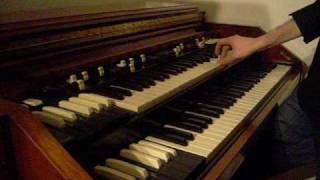
Hammond C3 Beast sound (Jon Lord - Deep Purple)
GigiAO28
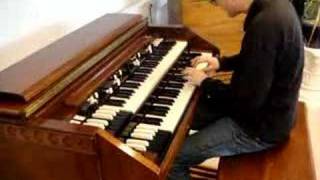
Old Gal 57 Hammond C3 with 122 Leslie Groove

Patrik Gudmundsäter
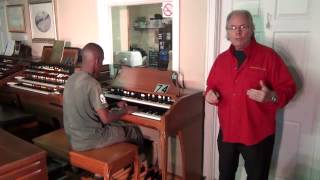
Comparing A-100, B3 and C3 Hammond Organs

Jim Huss, Keyboard Exchange International
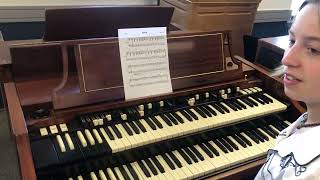
Berklee College Of Music - Hammond C3 with Dave Limina

Dylan James Shaw
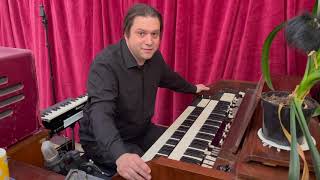
Hammond C3 Organ Demonstration with special guest Don Shinn

Vintage Keys Studio
Everything you need to know about the Hammond C3 organ (Part 1 of 2)

Nick Foley UK - Hammond for Hire
Reviews
Owner Insights
We analyzed real musician discussions from forums and Reddit to find what players love, question, and tweak about Hammond C-3.
Mods and upgrades
-
Some C-3 models have been retrofitted with a 3-series preamp, providing full 3-series functionality via cheekblock switches.
Source -
It's possible to modify a 6-pin Leslie connector to a 9-pin for better compatibility with different Leslie models.
Source -
Modifications may include replacing the matching transformer with a dual transformer from a 2 or 3 series model to enable selectable vibrato.
Source
Value and pricing
-
A PR-40 tone cabinet may require only minimal investment compared to a Leslie, providing an interim solution for new Hammond C-3 owners.
Source
User experience
-
Reconing old speakers is an option, but costs might match purchasing new ones, making replacement a practical consideration.
Source -
Owners note that the PR-40 tone cabinet is often available for under $50 with regional price variation, making it an affordable option for many.
Source -
Despite advances in digital emulations, the physical experience and sound of a real Hammond console remain unmatched for many organists.
Source -
The C-3 is preferred for its gothic cabinet design, providing more presence and being a staple of British rock bands.
Source
Features and functionality
-
A Leslie speaker, especially models like 122 or 147, is crucial for capturing the classic Hammond sound with its rotating horn and rotor.
Source -
Original 82-tone generators in early CVs can be identified by a blank section on the terminal strip and produce different bass tones compared to 91-tone generators.
Source -
An early CV cabinet may include a wooden line box, wooden expression pedal, and unique woodwork, indicating its pre-1947 origins.
Source -
The A-100 model includes internal speakers and reverb, offering more versatility than the C-3 and B-3, which have identical sounds but different cabinets.
Source
Setup and maintenance
-
If the startup motor grinds, letting it sit with Hammond oil and holding a chord while spinning the motor can help alleviate the issue.
Source -
Regular maintenance includes oiling the organ annually with Hammond oil, essential for the tonewheel generator's longevity.
Source -
Properly securing the generator's T-screws is crucial when moving the organ to avoid catastrophic damage.
Source
Use cases and applications
-
Some owners replace a traditional Leslie 122 with a Leslie pedal for direct recording, finding the tone satisfactory when paired with quality monitors.
Source
5.0 out of 5
Based on 4 Reviews and 8 Ratings

94
The ultimate organ sound
If you are looking for a real organ sound and not a bad synth imitation, this organ is made for you. Like Hammond said: "The sound, the soul, the one"

Hammond C-3 with Leslie 122
Had this through the 70s with my old band


Artist usage
Add artist

the Hammond C3 Organ is listed in this blog
.png?v=1784249500)
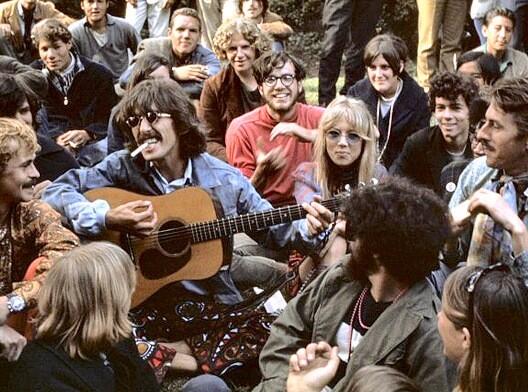
According to Beatlesebooks, George Harrison played the Hammond C-3 organ during the recording of "It's All Too Much" by The Beatles.

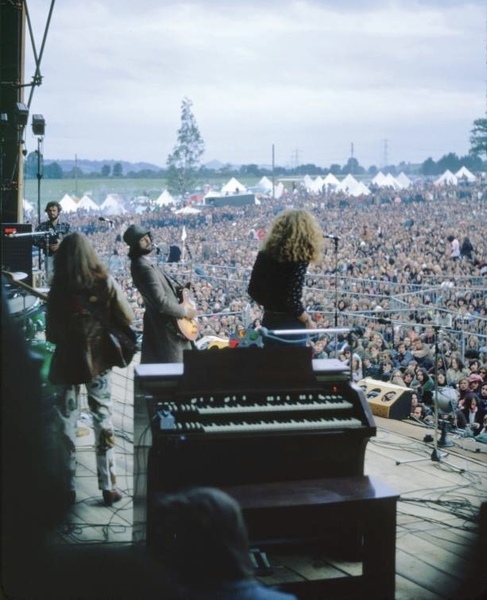
In this photo, Jones's Hammond C-3 organ can be seen on stage during a Led Zeppelin concert. The Keyboards of Led Zeppelin & John Paul Jones website covers Jones's use of the Hammond C-3:
John Paul Jones often recorded with a Hammond C3, and it was a common instrument on many of their early tours. Led Zeppelin's most memorable organ track, "Thank You," was recorded in 1969 at Morgan Studios in London. On this song, Jones's beautiful organ parts are the main support during the verses. His style here reflects his many years playing organ in church as a boy. The organ is restrained, with no vibrato or distortion, and avoids sounding like a blues or jazz instrument. A tape delay, which echoes the organ track in the opposing speaker, creates an echo effect that enhances the "church" mood. At the same studio sessions, "Since I've Been Loving You" was recorded, but it was not released until Led Zeppelin III a year later.
The Hammond was a very common sight on Jones' right side of the stage from 1970 until 1975. The Hammond was always run through a Leslie speaker, which has become the traditional way to amplify a Hammond. The Leslie speaker contains an amplifier and "spinning speaker" system that gives the sound animation and energy. Unfortunately, the Leslie amp was only 45 watts -- certainly not enough to be heard clearly on the loud stages of Led Zeppelin. So, the band would put the Leslie offstage in the dressing room and place microphones near it to send sound to the mixer. This clever arrangement created problems on a few occasions! Jones recalls: "People used to go in to the dressing room and shout things over the microphones. It would come over the PA... (laughs)." By the 1977 tour though, Jones was regretting not taking the Hammond with him, but admitted that there were already too many keyboard instruments covering the stage. There just was not enough room for it.

''We've got a Steinway grand piano, a Stenway tack piano (actually there are no tacks, just very stiff, ridged hammers), a Hammond C3 organ with two Leslies to choose from, and an electric harmonium.'' - Tape Op, interview (XO & Figure 8 Era)
.jpeg?v=1784094510)

According to this article, Wright used a Hammond C-3 Organ and Leslie speakers throughout his career with Pink Floyd.
Full article here.


Rick Wakeman's use of the Hammond C3 on the highly successful The Six Wives of Henry the VIII can be heard throughout the recording. One from 1960 was used on "Trilogy" and live in the United States, as specified in its June 2020 Reverb.com listing.
US TOUR HAMMOND C3
(...) Modified by Greg Hockman of Moog
Used for the US legs of the YES tours
Used on the YES Track Trilogy


The site www.brain-salad-surgery.de states that Keith used the hammond C3: "Keith bought his original C3 around 1967. It was the organ that he played on all the ELP tours from the '70s."

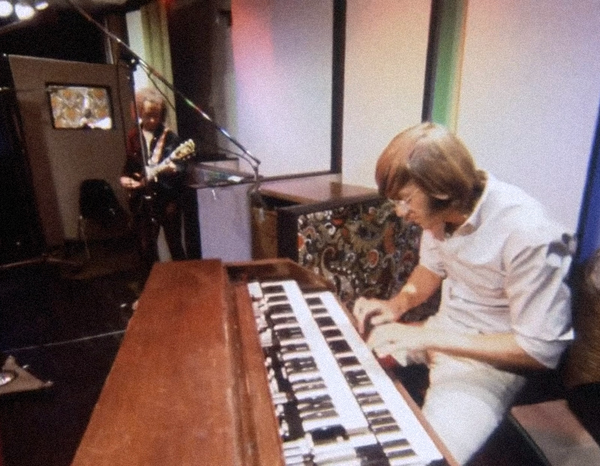
In this photo, Manzarek can be seen playing Hammond C3 in the studio with the Doors. The picture comes from footage of the Doors recording the song "Wild Child" for the album The Soft Parade.
Ray never toured with a Hammond during the Doors' prime, but he occasionally used one in the studio on the band's later albums. Notable songs featuring Ray on the Hammond include "Hyacinth House," "The Changeling," "The WASP (Texas Radio and the Big Beat)," "Maggie M'Gill," and "The Soft Parade."

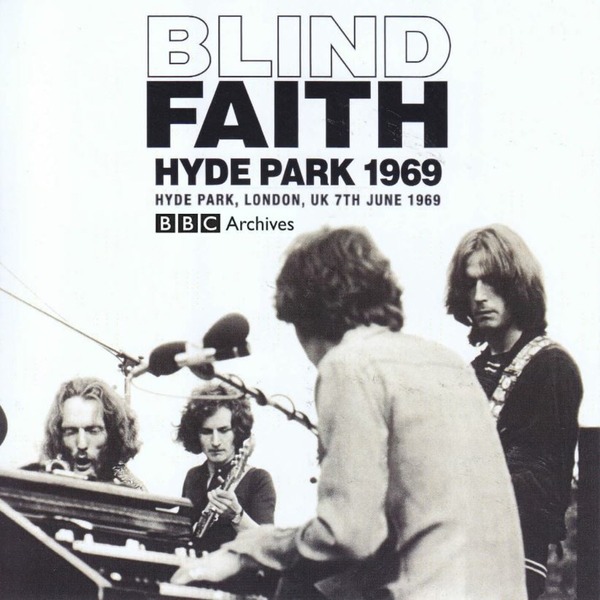
In addition to an RMI 300A Electra-piano, Steve Winwood also played a Hammond C3 at Blind Faith’s famous concert at Hyde Park.

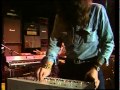
In the Video, Jon Lord plays the Hammond C3 hard overdriven with a Tube Marshall Full Stack

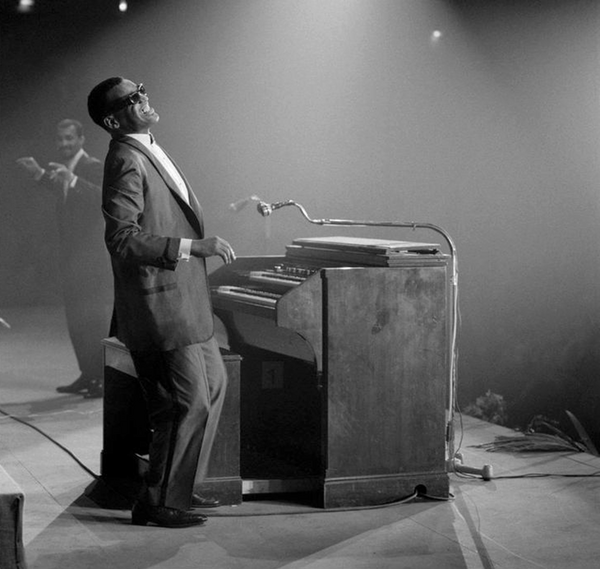
In this photo, Ray Charles can be seen playing a Hammond C3 on stage in 1961.


"Yes, I used a Hammond C3 with the Leslie. I don't think I've ever done that before on any of my albums. It was great, that growling dirty sound, and the stereo swirling effect is wonderful. I used the C3 on the track 'Powerhouse'."
Album Usage
The Hammond C-3 has been featured on the following albums:
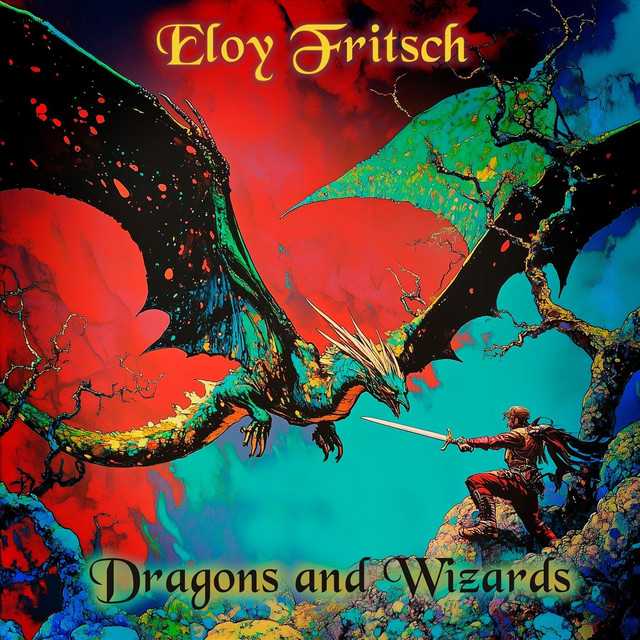
Dragons and Wizards
Eloy Fritsch (2025)
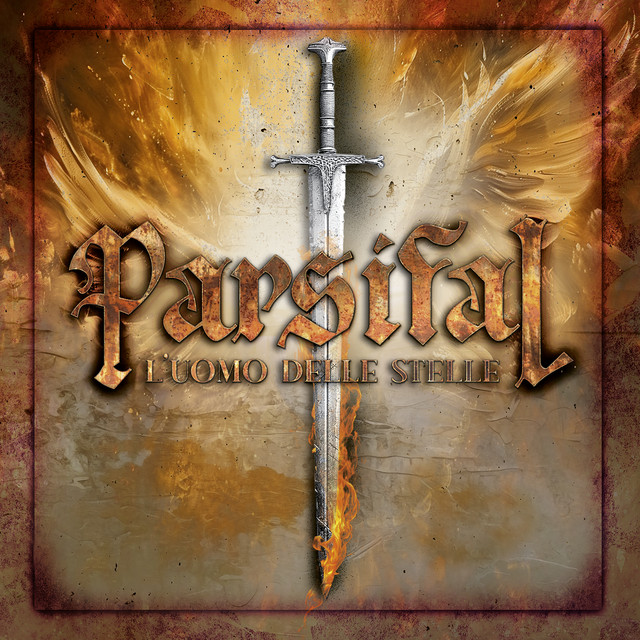
Parsifal - L'uomo delle stelle
Roby Facchinetti (2025)
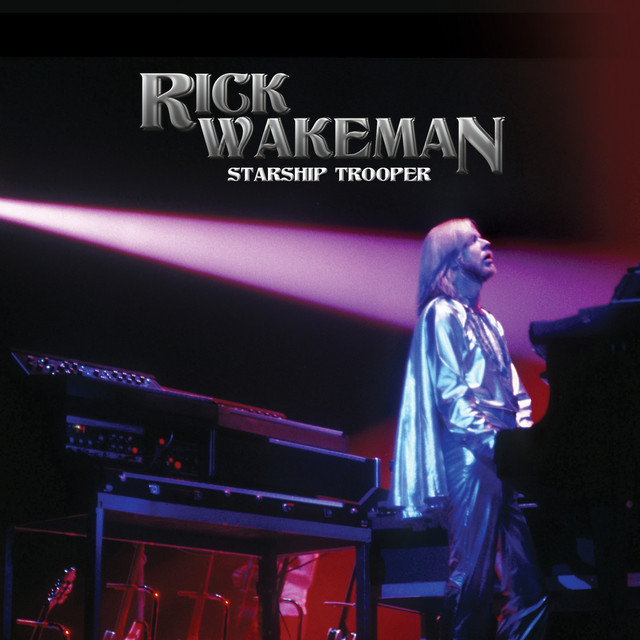
Starship Trooper
Rick Wakeman (2016)
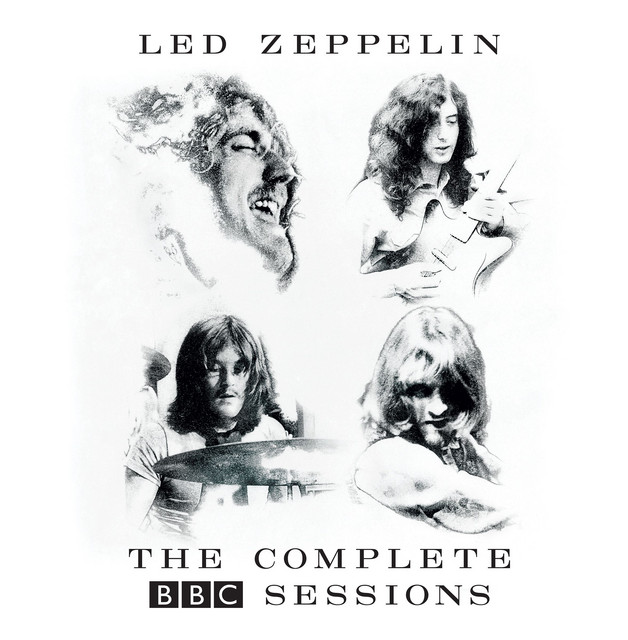
The Complete BBC Sessions (Remastered)
Led Zeppelin (2016)
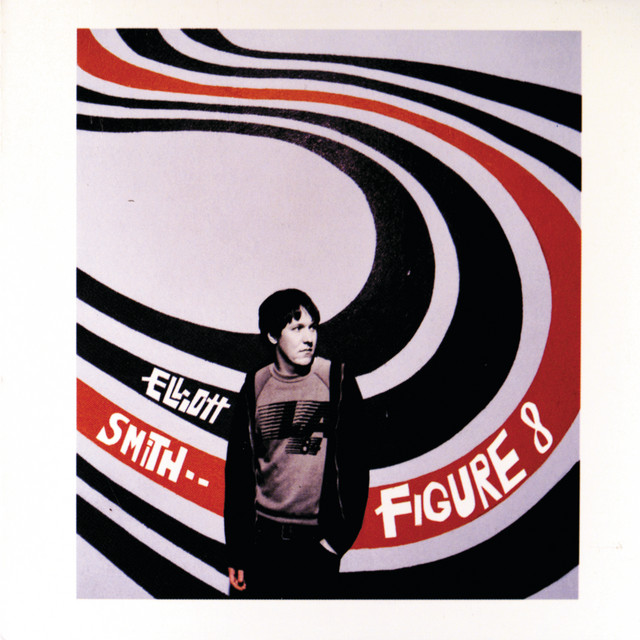
Figure 8
Elliott Smith (2000)
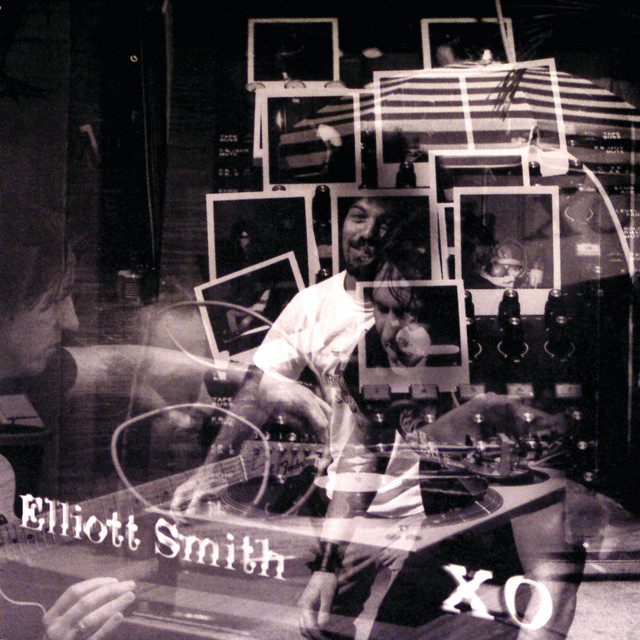
XO
Elliott Smith (1998)
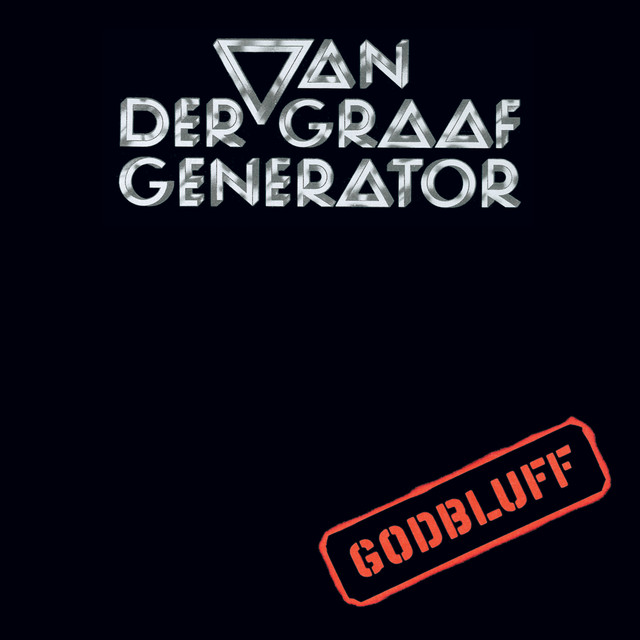
Godbluff
Van der Graaf Generator (1975)
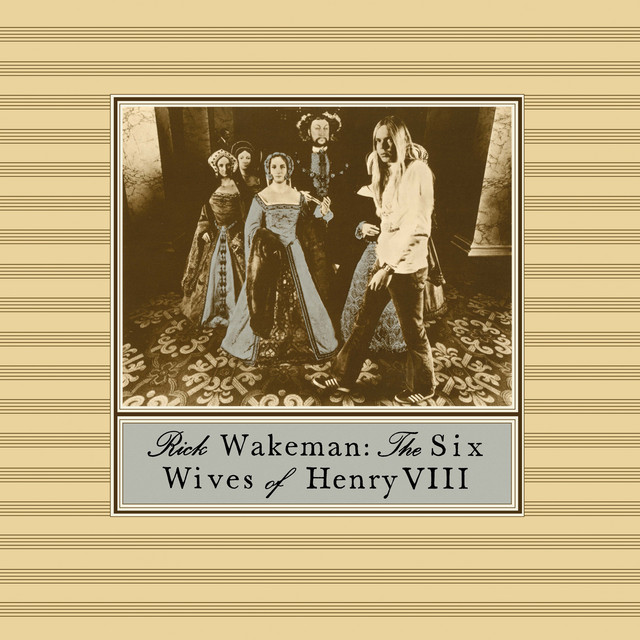
The Six Wives Of Henry VIII
Rick Wakeman (1973)
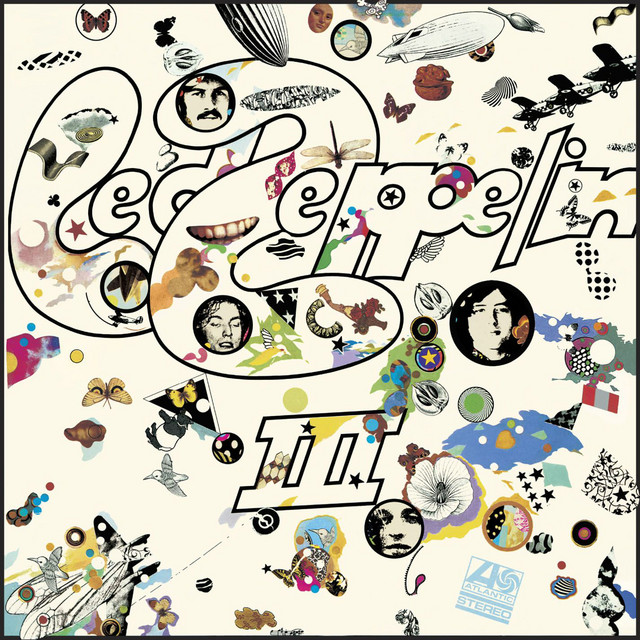
Led Zeppelin III (Remaster)
Led Zeppelin (1970)
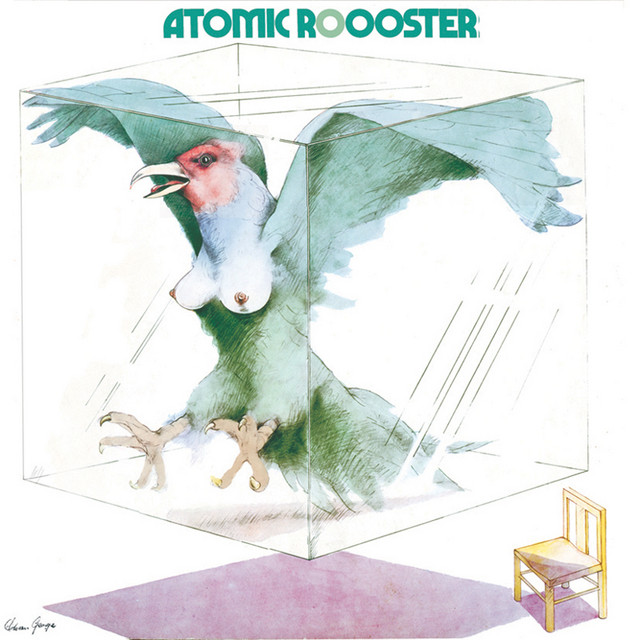
Atomic Rooster
Atomic Rooster (1970)
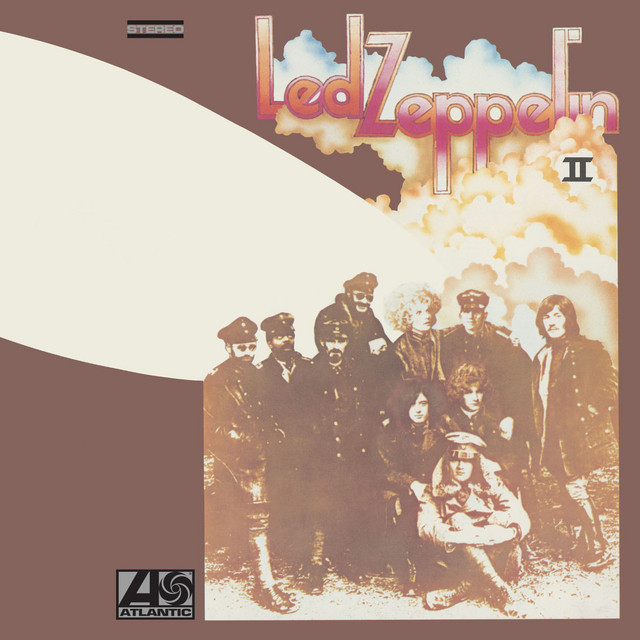
Led Zeppelin II (Remaster)
Led Zeppelin (1969)
Genre Usage
Based on how artists on Equipboard use this gear, it is most commonly found in the following genres.
Used With
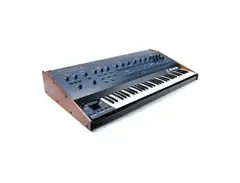
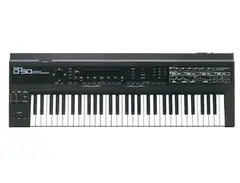
Based on how musicians on Equipboard use Hammond C-3, it is most commonly used with the following gear.


More Hammond Organs

$3,184.84 - $3,900.00
in Organs Rank


$2,555.00 - $2,995.00
in Organs Rank


$3,900.00 - $10,320.00
in Organs Rank


$350.74 - $850.00
in Organs Rank


$999.00
in Organs Rank


$2,111.00 - $2,495.00
in Organs Rank


$3,184.84 - $10,320.00
in Organs Rank


$239.00 - $3,995.00
in Organs Rank


$7,295.00 - $8,790.00
in Organs Rank


.jpeg?v=1784094510)


Accessories & Related Items




Community setups


Similar


Most Popular Organs
Most Popular Brands
-
Added to Equipboard on by
 juliantardo
GearIQ 70
-


