Paul Hardcastle
Genre
Group
Genre
Group
Paul Hardcastle's Gear


There's also a small selection of old analogue keyboards: a late-model Prophet V with a MIDI retrofit, a Roland SH101, and a Juno 6. "I use the SH101 for bass sounds a lot, and it's MIDI'd up via a Groove convertor."
Find it on:


Hardcastle is not, it emerges, a big fan of programming digital parameter access synths. "Sometimes I've sat around for five or six hours programming a new synth, and then thought 'sod it, I'm not interested in the song any more'. It's taken the feel out of programming; it drives me mad. That's why I became one of the preset boys." It's also why a JD800 has recently taken residence in his studio. "If I'm looking for a sound I can do it in real time on the JD800, which is very different from some other instruments. I think a lot of people are going to copy that; they certainly should. The way you have to look at it is this: if I've got a song to write, is it worth my time programming that Matrix 6R when I could earn the money, in the time that I programmed it, to go out and buy a different synth."
Find it on:

A second rack is filled with effects units. These are topped by a record deck ("my biggest effects unit"), below which are two Korg SRV3000s, a Yamaha Rev 7, an SPX90, Lexicon PCM70 ("I really love that, especially for vocals), BSS compressor, Digitech Smartshift, and Drawmer gates. Not a huge selection "but I use the Synclavier for effects. Its voice structure is a little like that [pointing to the D110] in that it has partials; if I want a delay I can take a sound, set different delays for each parts — put some attack on, say, the third delay, make it so that the original sound comes in last, and fade in each delay like a backwards echo. Sometimes it does sound a bit too clean though."
Find it on:

A second rack is filled with effects units. These are topped by a record deck ("my biggest effects unit"), below which are two Korg SRV3000s, a Yamaha Rev 7, an SPX90, Lexicon PCM70 ("I really love that, especially for vocals), BSS compressor, Digitech Smartshift, and Drawmer gates. Not a huge selection "but I use the Synclavier for effects. Its voice structure is a little like that [pointing to the D110] in that it has partials; if I want a delay I can take a sound, set different delays for each parts — put some attack on, say, the third delay, make it so that the original sound comes in last, and fade in each delay like a backwards echo. Sometimes it does sound a bit too clean though."
Find it on:

A second rack is filled with effects units. These are topped by a record deck ("my biggest effects unit"), below which are two Korg SRV3000s, a Yamaha Rev 7, an SPX90, Lexicon PCM70 ("I really love that, especially for vocals), BSS compressor, Digitech Smartshift, and Drawmer gates. Not a huge selection "but I use the Synclavier for effects. Its voice structure is a little like that [pointing to the D110] in that it has partials; if I want a delay I can take a sound, set different delays for each parts — put some attack on, say, the third delay, make it so that the original sound comes in last, and fade in each delay like a backwards echo. Sometimes it does sound a bit too clean though."
Find it on:

A second rack is filled with effects units. These are topped by a record deck ("my biggest effects unit"), below which are two Korg SRV3000s, a Yamaha Rev 7, an SPX90, Lexicon PCM70 ("I really love that, especially for vocals), BSS compressor, Digitech Smartshift, and Drawmer gates. Not a huge selection "but I use the Synclavier for effects. Its voice structure is a little like that [pointing to the D110] in that it has partials; if I want a delay I can take a sound, set different delays for each parts — put some attack on, say, the third delay, make it so that the original sound comes in last, and fade in each delay like a backwards echo. Sometimes it does sound a bit too clean though."
Find it on:

"I already have a number of synth modules, many of which I use mainly for specific sounds. The Kurzweil K2500R has got great sounds and is a good all‑round workhorse, while the Korg 01R gets used for more ethereal parts. I've also got a Wavestation SR that has a few interesting textural sounds in it, and to be honest, I've actually named tracks after its patch names! My Emu Morpheus is usually left set to its Vibes patch."
Find it on:

"I already have a number of synth modules, many of which I use mainly for specific sounds. The Kurzweil K2500R has got great sounds and is a good all‑round workhorse, while the Korg 01R gets used for more ethereal parts. I've also got a Wavestation SR that has a few interesting textural sounds in it, and to be honest, I've actually named tracks after its patch names! My Emu Morpheus is usually left set to its Vibes patch.
Find it on:

"I already have a number of synth modules, many of which I use mainly for specific sounds. The Kurzweil K2500R has got great sounds and is a good all‑round workhorse, while the Korg 01R gets used for more ethereal parts. I've also got a Wavestation SR that has a few interesting textural sounds in it, and to be honest, I've actually named tracks after its patch names! My Emu Morpheus is usually left set to its Vibes patch."
Find it on:

"I already have a number of synth modules, many of which I use mainly for specific sounds. The Kurzweil K2500R has got great sounds and is a good all‑round workhorse, while the Korg 01R gets used for more ethereal parts. I've also got a Wavestation SR that has a few interesting textural sounds in it, and to be honest, I've actually named tracks after its patch names! My Emu Morpheus is usually left set to its Vibes patch."
Find it on:

"I love the old TX802 FM module because it can create all those classic FM sounds, and of course, I have a JV2080 which has its own character and is expandable. I have the World card in there for the ethnic instruments, but I buy expander cards and then forget what I've got — it's terrible really! There's also the Roland Super JV, which is great for vocal Oohs and Aahs, and below that is an R8 that I don't think I've used for years."
Find it on:

"I love the old TX802 FM module because it can create all those classic FM sounds, and of course, I have a JV2080 which has its own character and is expandable. I have the World card in there for the ethnic instruments, but I buy expander cards and then forget what I've got — it's terrible really! There's also the Roland Super JV, which is great for vocal Oohs and Aahs, and below that is an R8 that I don't think I've used for years."
Find it on:

"The M1R gets used for its Bottle Bell patch, but I have to say that I'm a bit disappointed by Studio Electronics' MIDIMini analogue synth, as the tuning drifts quite badly. However, I also have their SE1 analogue synth which is great for bass. Surprisingly, the little Peavey Spectrum Bass also has some great bass sounds that I use — patches three and four. My Vintage Keys is only used occasionally, mainly for the Wurlitzer piano, while the Korg X3 is left set to patch 10, a kind of Rhodes sound. The JV1080 also has a lovely electric piano sound on it, but I'm a bit disappointed with the Technics WSA1R as it doesn't have many really usable sounds. I've just bough a Yamaha CS2X for a bit of fun, for sequencing and so on, and the Trinity I still like."
Find it on:

"The M1R gets used for its Bottle Bell patch, but I have to say that I'm a bit disappointed by Studio Electronics' MIDIMini analogue synth, as the tuning drifts quite badly. However, I also have their SE1 analogue synth which is great for bass. Surprisingly, the little Peavey Spectrum Bass also has some great bass sounds that I use — patches three and four. My Vintage Keys is only used occasionally, mainly for the Wurlitzer piano, while the Korg X3 is left set to patch 10, a kind of Rhodes sound. The JV1080 also has a lovely electric piano sound on it, but I'm a bit disappointed with the Technics WSA1R as it doesn't have many really usable sounds. I've just bough a Yamaha CS2X for a bit of fun, for sequencing and so on, and the Trinity I still like."
Find it on:

"The M1R gets used for its Bottle Bell patch, but I have to say that I'm a bit disappointed by Studio Electronics' MIDIMini analogue synth, as the tuning drifts quite badly. However, I also have their SE1 analogue synth which is great for bass. Surprisingly, the little Peavey Spectrum Bass also has some great bass sounds that I use — patches three and four. My Vintage Keys is only used occasionally, mainly for the Wurlitzer piano, while the Korg X3 is left set to patch 10, a kind of Rhodes sound. The JV1080 also has a lovely electric piano sound on it, but I'm a bit disappointed with the Technics WSA1R as it doesn't have many really usable sounds. I've just bough a Yamaha CS2X for a bit of fun, for sequencing and so on, and the Trinity I still like."
Find it on:

"The M1R gets used for its Bottle Bell patch, but I have to say that I'm a bit disappointed by Studio Electronics' MIDIMini analogue synth, as the tuning drifts quite badly. However, I also have their SE1 analogue synth which is great for bass. Surprisingly, the little Peavey Spectrum Bass also has some great bass sounds that I use — patches three and four. My Vintage Keys is only used occasionally, mainly for the Wurlitzer piano, while the Korg X3 is left set to patch 10, a kind of Rhodes sound. The JV1080 also has a lovely electric piano sound on it, but I'm a bit disappointed with the Technics WSA1R as it doesn't have many really usable sounds. I've just bough a Yamaha CS2X for a bit of fun, for sequencing and so on, and the Trinity I still like."
Find it on:

"The M1R gets used for its Bottle Bell patch, but I have to say that I'm a bit disappointed by Studio Electronics' MIDIMini analogue synth, as the tuning drifts quite badly. However, I also have their SE1 analogue synth which is great for bass. Surprisingly, the little Peavey Spectrum Bass also has some great bass sounds that I use — patches three and four. My Vintage Keys is only used occasionally, mainly for the Wurlitzer piano, while the Korg X3 is left set to patch 10, a kind of Rhodes sound. The JV1080 also has a lovely electric piano sound on it, but I'm a bit disappointed with the Technics WSA1R as it doesn't have many really usable sounds. I've just bough a Yamaha CS2X for a bit of fun, for sequencing and so on, and the Trinity I still like."
Find it on:

"The M1R gets used for its Bottle Bell patch, but I have to say that I'm a bit disappointed by Studio Electronics' MIDIMini analogue synth, as the tuning drifts quite badly. However, I also have their SE1 analogue synth which is great for bass. Surprisingly, the little Peavey Spectrum Bass also has some great bass sounds that I use — patches three and four. My Vintage Keys is only used occasionally, mainly for the Wurlitzer piano, while the Korg X3 is left set to patch 10, a kind of Rhodes sound. The JV1080 also has a lovely electric piano sound on it, but I'm a bit disappointed with the Technics WSA1R as it doesn't have many really usable sounds. I've just bough a Yamaha CS2X for a bit of fun, for sequencing and so on, and the Trinity I still like."
Find it on:


-m.webp?v=1783004363)
"The M1R gets used for its Bottle Bell patch, but I have to say that I'm a bit disappointed by Studio Electronics' MIDIMini analogue synth, as the tuning drifts quite badly. However, I also have their SE1 analogue synth which is great for bass. Surprisingly, the little Peavey Spectrum Bass also has some great bass sounds that I use — patches three and four. My Vintage Keys is only used occasionally, mainly for the Wurlitzer piano, while the Korg X3 is left set to patch 10, a kind of Rhodes sound. The JV1080 also has a lovely electric piano sound on it, but I'm a bit disappointed with the Technics WSA1R as it doesn't have many really usable sounds. I've just bough a Yamaha CS2X for a bit of fun, for sequencing and so on, and the Trinity I still like."
Find it on:

"The M1R gets used for its Bottle Bell patch, but I have to say that I'm a bit disappointed by Studio Electronics' MIDIMini analogue synth, as the tuning drifts quite badly. However, I also have their SE1 analogue synth which is great for bass. Surprisingly, the little Peavey Spectrum Bass also has some great bass sounds that I use — patches three and four. My Vintage Keys is only used occasionally, mainly for the Wurlitzer piano, while the Korg X3 is left set to patch 10, a kind of Rhodes sound. The JV1080 also has a lovely electric piano sound on it, but I'm a bit disappointed with the Technics WSA1R as it doesn't have many really usable sounds. I've just bough a Yamaha CS2X for a bit of fun, for sequencing and so on, and the Trinity I still like."
Find it on:

"The M1R gets used for its Bottle Bell patch, but I have to say that I'm a bit disappointed by Studio Electronics' MIDIMini analogue synth, as the tuning drifts quite badly. However, I also have their SE1 analogue synth which is great for bass. Surprisingly, the little Peavey Spectrum Bass also has some great bass sounds that I use — patches three and four. My Vintage Keys is only used occasionally, mainly for the Wurlitzer piano, while the Korg X3 is left set to patch 10, a kind of Rhodes sound. The JV1080 also has a lovely electric piano sound on it, but I'm a bit disappointed with the Technics WSA1R as it doesn't have many really usable sounds. I've just bough a Yamaha CS2X for a bit of fun, for sequencing and so on, and the Trinity I still like."
Find it on:

"It may be old, but the Roland SH101 still sounds great for bass, and next to it is a Roland JP8000 which I think is brilliant, not least because it has direct control using knobs and sliders. I since bought the rackmount version which is a bit of a pain because you have to set it up every time before you can use it. When I'm doing a track and I'm really into it, I just want the sound to be there — I don't want to have to mess around, so I've left that alone for a while."
Find it on:

Paul Hardcastle, an accomplished keyboardist, composer, and music producer known for his work in electronic and jazz genres, utilizes the Alesis QSR sound module in his musical setup. In an interview featured in "Paul Hardcastle: King Of The Castle" by Soundonsound, Hardcastle shares his appreciation for the Alesis QSR, noting its unique sample-based sounds that stand out from other synthesizers he uses. He mentions, "Under the table is an Alesis QSR, and though it's really just another sample‑based synth, it has a few sounds that seem different to the others, so I rather like it." This direct statement confirms Hardcastle's use and preference for the Alesis QSR in his production work, providing clear evidence of the gear's role in his musical arsenal.
Find it on:
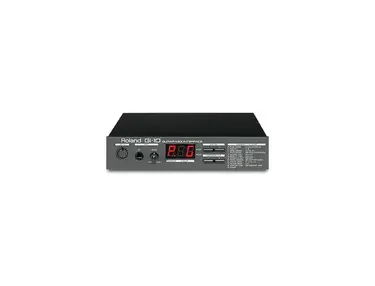
Paul Hardcastle, a renowned keyboardist, composer, and music producer, is confirmed to use the Roland GI-10, a guitar-to-MIDI interface, in his music production setup. In an interview with Soundonsound for the article titled "Paul Hardcastle: King Of The Castle," Hardcastle shares detailed insights into his gear preferences and workflow. He specifically mentions the Roland GI-10, stating, "There's a Roland GI‑10 guitar‑to‑MIDI box under here somewhere as well, which I have used to control MIDI instruments from guitar. You have to play incredibly carefully, but it does work. You can get some interesting results if you pick the right sounds, but if you don't play really carefully, you get loads of rogue notes." This direct quote from the artist unequivocally confirms his use of the Roland GI-10, illustrating both its capabilities and the nuanced technique required to effectively utilize it in music creation.
Find it on:

In an interview featured in Soundonsound titled "Paul Hardcastle: King Of The Castle," Paul Hardcastle explicitly discusses his utilization of the Roland V-Drums module, confirming his use of this specific gear in his musical production.
Find it on:

Paul Hardcastle, an esteemed keyboardist, composer, and music producer known for his contributions to electronic and jazz genres, has confirmed the use of an SPL Vitalizer within his studio setup. In a detailed conversation with Soundonsound for the article "Paul Hardcastle: King Of The Castle," Hardcastle revealed, "I have an SPL Vitalizer which I used to use for processing complete mixes, but now all my album material is mastered in Hollywood, so I don't use it for that anymore, though I might still use it on an individual sound or submix, or for a smaller project I'm finishing here." This statement underscores the SPL Vitalizer's role in his music production process, highlighting its use in enhancing individual sounds or submixes despite a shift in his mastering approach for album material.
Find it on:

Paul Hardcastle, a renowned keyboardist, composer, and music producer, has confirmed his use of the Roland DEP-5 effects processor. In an interview with Soundonsound titled "Paul Hardcastle: King Of The Castle," Hardcastle shared insights into his studio setup, stating, "There's an old Roland DEP5 effects box which has the benefit of real knobs on the front panel." This quote directly evidences Hardcastle's use of the Roland DEP-5, highlighting his appreciation for its physical interface and implying its role in his music production process.
Find it on:

Paul Hardcastle, a renowned keyboardist, composer, and music producer known for his work in electronic and jazz genres, has confirmed the use of the Lexicon Vortex, a signal processor known for its modulation and echo effects. In an interview with Soundonsound titled "Paul Hardcastle: King Of The Castle," he stated, "Another cheap box that is quite fun is the Lexicon Vortex, which produces some nice modulation and echo effects." This quote serves as direct evidence of Hardcastle's utilization of the Lexicon Vortex in his studio setup, highlighting its role in his sound design and production work.
Find it on:

Paul Hardcastle utilizes the Roland SRV-330 Dimensional Space Reverb, a device celebrated for its exceptional reverb quality and its ability to expand stereo width through the RSS system. This preference is corroborated by a detailed interview featured in "Soundonsound" under the title "Paul Hardcastle: King Of The Castle," where Hardcastle elaborates on his studio setup, including the integration of the Roland SRV-330 alongside other gear such as a BSS box for compression and de-essing, and a Drawmer DS201 for gating purposes.
Find it on:
-m.webp?v=1783173669)
Paul Hardcastle utilizes the Drawmer DS201 Dual Noise Gate in his studio setup, particularly valuing its capabilities for gating hi-hats and similar sounds. This is confirmed by his discussion of his equipment in the "Paul Hardcastle: King Of The Castle" article by Soundonsound, where he mentions, "a Drawmer DS201 looks after gating — that's really good for gating hi‑hats and that kind of thing."
Find it on:


This is a community-built gear list for Paul Hardcastle.
- Find relevant music gear like Pianos, Keyboards and Synthesizers, Microphones, Software Plugins and VSTs, Instruments, Studio Equipment, Headphones, and other instruments and add it to Paul Hardcastle.
- The best places to look for gear usage are typically on the artist's social media, YouTube, live performance images, and interviews.
- To receive email updates when Paul Hardcastle is seen with new gear, follow the artist.
-
Added to Equipboard on by
 vn223
vn223Gear IQ 2565
-
Updated
Discography

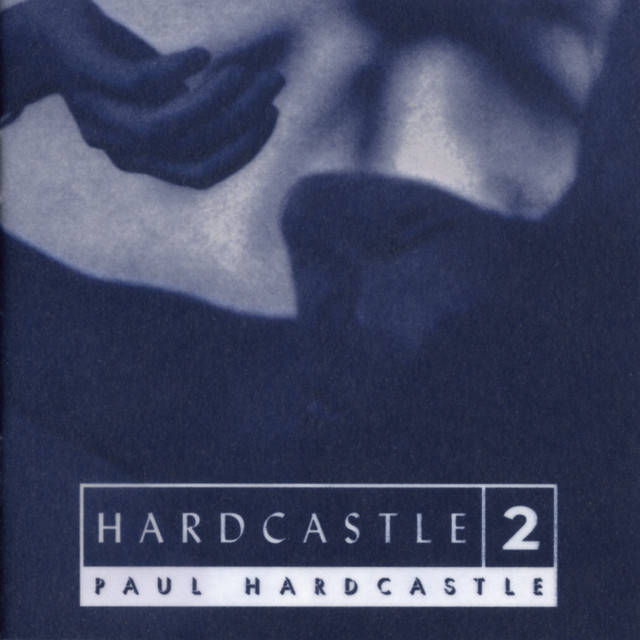

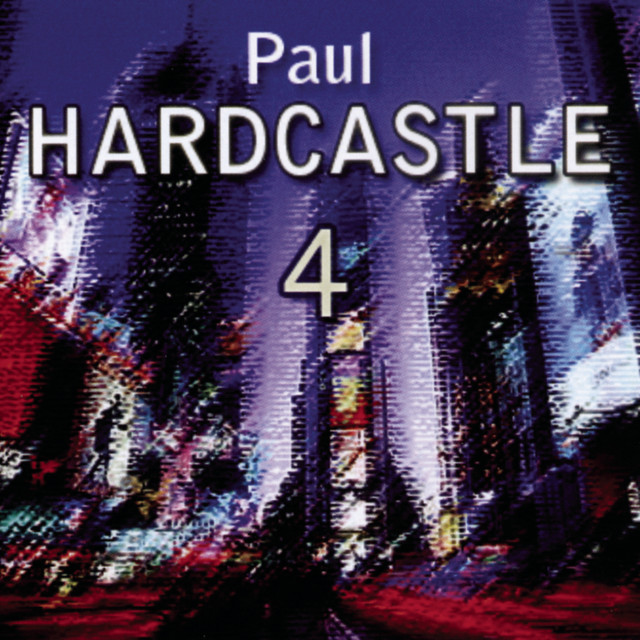
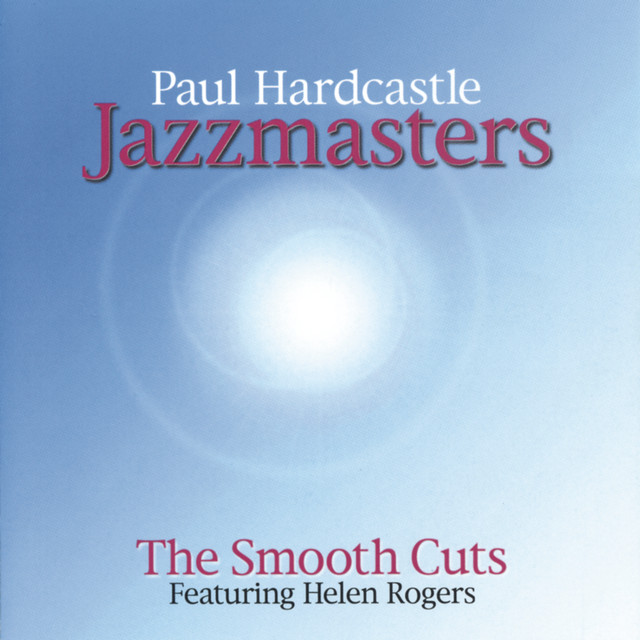
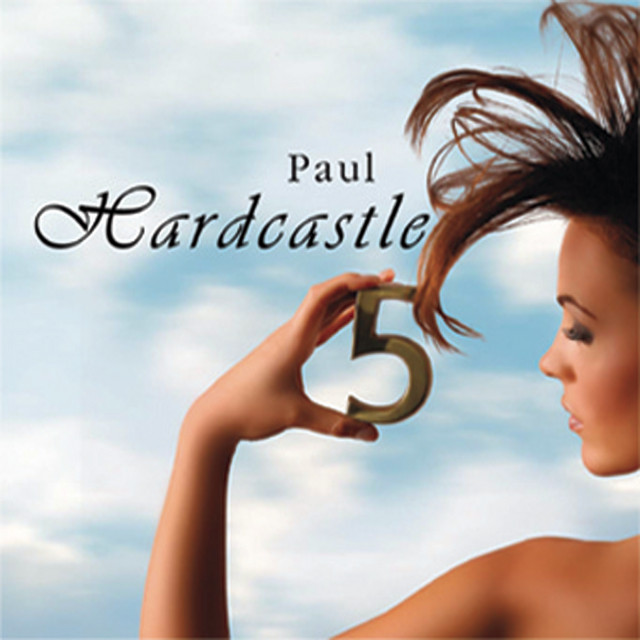
Album Credits
-
Nineteen And Beyond: Paul Hardcastle 1984-1988
Paul Hardcastle · 2023
Producer -
Paul Hardcastle · 2014
Mixing Engineer Producer -
Paul Hardcastle · 1999
Producer -
Paul Hardcastle · 1985
Producer