Paul McCartney
The Beatles
Role
Genre
Role
Genre
Bass Guitars 23
Amplifiers 40
Effects Pedals 32
Microphones 31
Pianos 10
Keyboards and Synthesizers 40
Studio Equipment 56
Software Plugins and VSTs 2
Headphones 6
Guitars 44
World Instruments 9
Modular Synthesizers 1
Upright-Basses 2
Music Accessories 8
Cellos 1
Drum Sets 7
Strings 7
Harps 1
Studio Gear 2
Studio Monitors 8
Mixers 1
DAWs 1
Flugelhorns 1
Violins 1
Snare Drums 1
Cymbals 1
DJ Setup 1
Banjos 1
Other Gear 1
Paul McCartney's Gear


In a blog post on Hog Hill Mill Blog, Paul McCartney is mentioned using the Musser M55 Concert Vibraphone.
Find it on:


in this image, the Roland D-50 can be seen for composing "Standing Stone"
Find it on:


In the Hog Hill Mill Blog post titled "Outboard," Paul McCartney's Akai S1000 is visible alongside the Aphex Aural Exciter, indicating its use in his setup.
Find it on:

Here we have a limited edition Time and Again pedal, also made by Hofner. It's an individually handmade all-analog delay that's an important part of Paul McCartney's current pedalboard.
Find it on:


Paul McCartney is associated with the Brenell Mark 5 M analog multitrack recorder, as noted in the Hog Hill Mill Blog under "Recorders & Accessories."
Find it on:
-m.webp?v=1754870867)


Paul McCartney is associated with the Dolby XP/SR Series Rack 24 Channel, as detailed in the "Recorders & Accessories" section of the Hog Hill Mill Blog.
Find it on:

Paul McCartney uses the TASCAM ATR-60 multitrack recorder, as detailed in the Hog Hill Mill Blog under "Recorders & Accessories."
Find it on:

According to the Hog Hill Mill Blog, Paul McCartney uses the Timeline Lynx-2 Time Code Module Tape Synchronizer in his studio setup.
Find it on:


At the 3:58 mark in this video, Paul McCartney shows Klaus Voormann his Baldwin Electric Harpsichord. This instrument was famously played by George Martin on the Beatles track "Because." Paul explains that he purchased the harpsichord from EMI at a time when the record company was trying to reduce their instrument collection. The harpsichord now resides in Paul's Hog Hill Mill Studios in East Sussex, England.
Find it on:

According to Sound on Sound, a Hohner Electra Piano was played on the Beatles' track "Come Together":
The instrument was used on some famous tracks: the Beatles’ "Come Together" has a brief Electra solo, and Led Zeppelin used one on number of tracks including "Stairway To Heaven."
According to The Beatles Bible, it was Paul who played the electric piano solo on this track.
Find it on:

This November 1965 photo shows Paul McCartney playing a Vox Continental as the Beatles rehearse at Donmar Rehearsal Theatre in London for their upcoming UK tour.
Find it on:

This photo shows Paul McCartney playing a Hohner Pianet in the studio.
Find it on:



In this photo, Paul McCartney can be seen playing a Fender Rhodes Suitecase Piano with Wings in 1973.
Find it on:


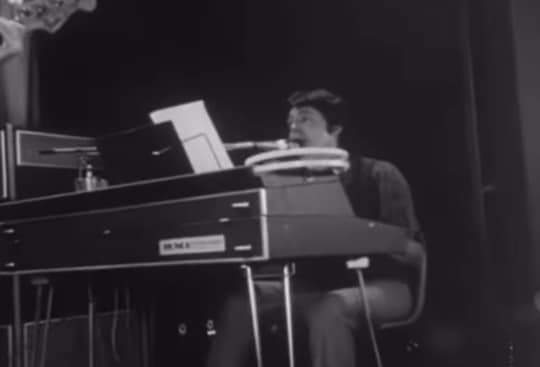
Paul McCartney is confirmed to have used the RMI Electra-piano and Harpsichord (300-Series) during his time with Wings. Notably, the RMI Electra 368 can be heard on the Wings debut album "Wild Life," particularly on tracks such as the title track and "Give Ireland Back To The Irish." During the ICA rehearsals for "Give Ireland Back To The Irish," Linda McCartney is seen playing the RMI Electra 368, and Paul McCartney himself is documented using it in live performances at university campuses in the 1970s. This is supported by photographic evidence available here.
Find it on:

Paul is seen playing the DSO-1 in this photo. This is the organ that ended up in the intro of Lucy in the Sky with Diamonds, and various other Beatles songs.
Find it on:


Paul McCartney used Rotosound RS66LD Swing Bass 45-105 strings on his Yamaha bass from the late 1970s until the mid-1980s during his time with Wings and in his solo work. This is evidenced by the distinctive red silk at both ends of the strings, as seen in the photograph provided.
Find it on:


On pictures of the Abbey Road and Let it Be sessions depict Paul McCartney's Rickenbacker bass strung with strings featuring red silk at the tuning pegs, indicating the use of Rotosound RS77LD Monel Flatwound Bass Strings (45-105). This aligns with historical accounts of McCartney's use of flatwound strings throughout his career with The Beatles.
Find it on:


In this behind-the-scenes video of Paul McCartney's collaboration with Skype, a T-Rex Mark Tremonti Phaser pedal can be seen on McCartney's pedalboard at 0:59.
Find it on:

You can see what looks to be a Fender Super Amp in his studio. Judging by the wear on the sides, it’s an original and not a ‘62 Reissue. He also has put white chicken head knobs on it.
Find it on:

In can be seen on his studio board.
Find it on:

In the referenced photo, Paul McCartney is seen playing a Deering Sierra 5-String Banjo, providing visual confirmation of his use of this instrument.
Find it on:


Paul McCartney is known to use the Celesta in his musical work, both in his solo projects and with The Beatles. This instrument is notably featured in songs such as "Magical Mystery Tour," "Baby It's You," and "Uncle Albert/Admiral Halsey."
Find it on:
This is a community-built gear list for Paul McCartney.
- Find relevant music gear like Microphones, Bass Guitars, Amplifiers, Effects Pedals, Pianos, Keyboards and Synthesizers, Studio Equipment, Software Plugins and VSTs, Headphones, and other instruments and add it to Paul McCartney.
- The best places to look for gear usage are typically on the artist's social media, YouTube, live performance images, and interviews.
- To receive email updates when Paul McCartney is seen with new gear, follow the artist.
Discography
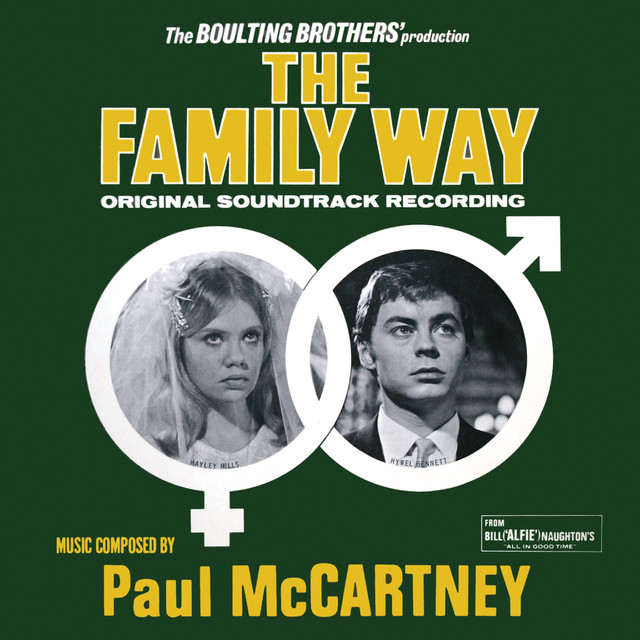
The Family Way (Original Soundtrack Recording)
1967
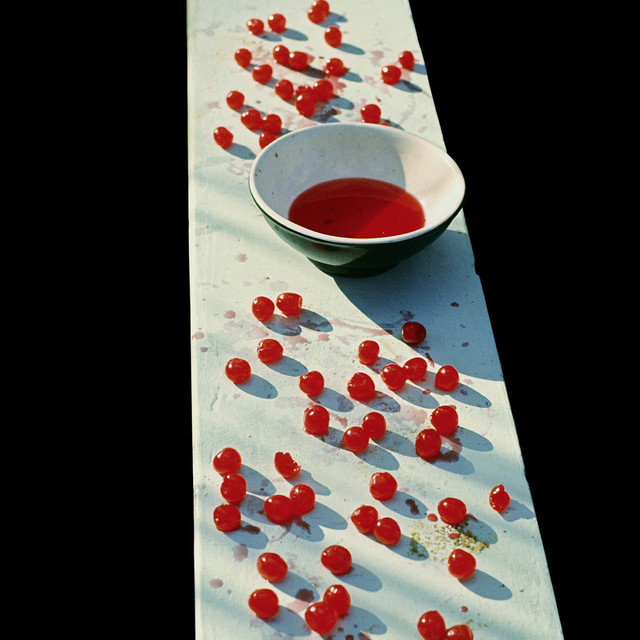
McCartney
1970
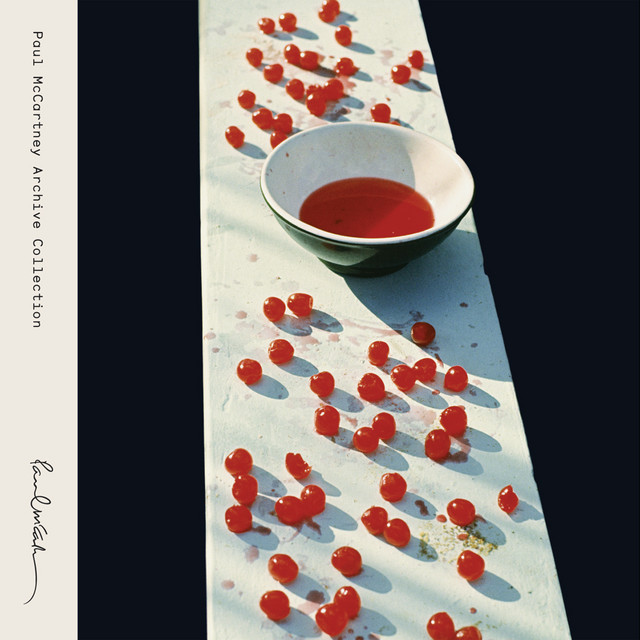
McCartney (Archive Collection)
1970
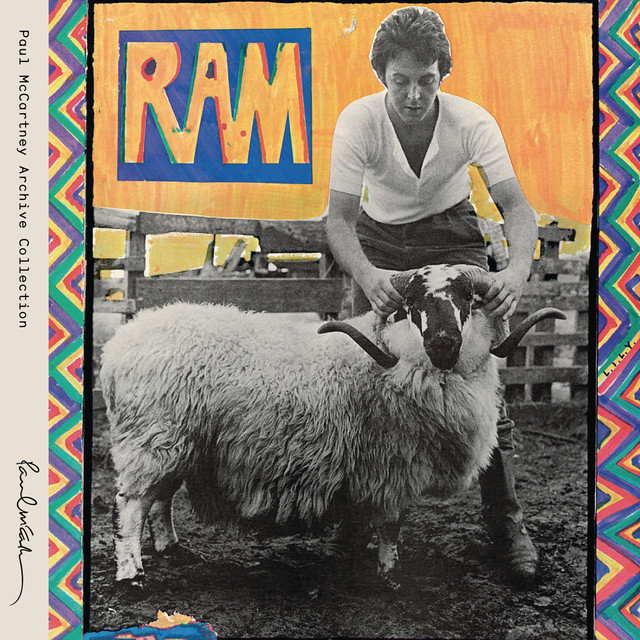
Ram (Archive Collection)
1971
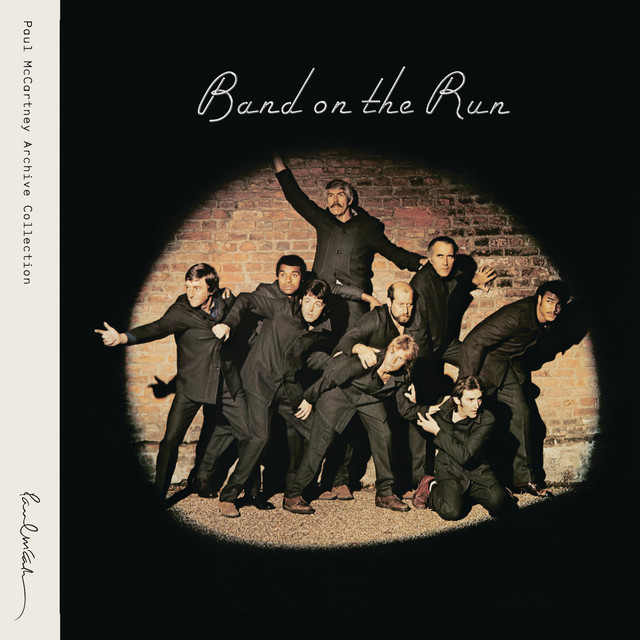
Band On The Run (Archive Collection)
1973
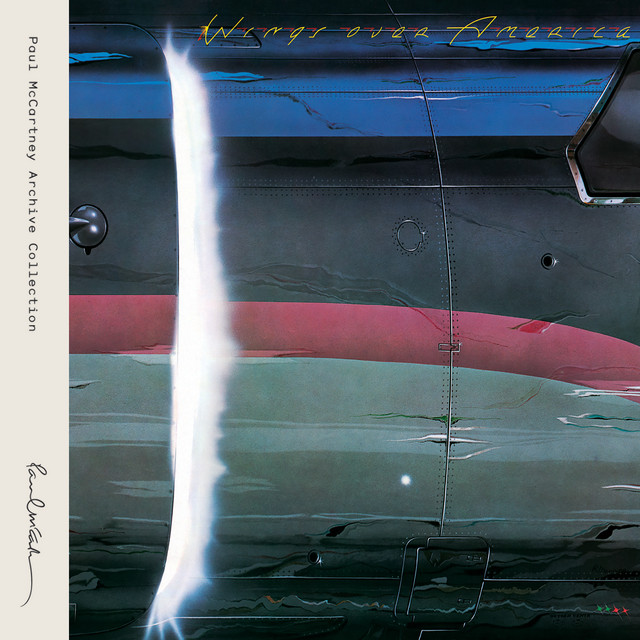
Wings Over America
1976
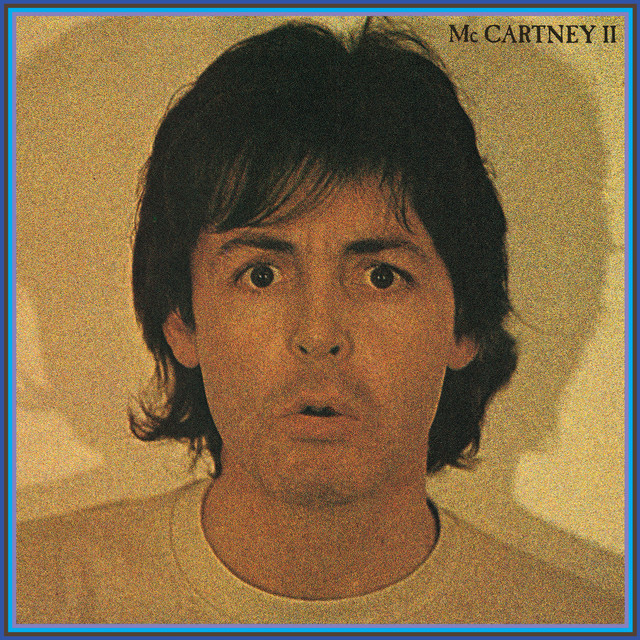
McCartney II
1980
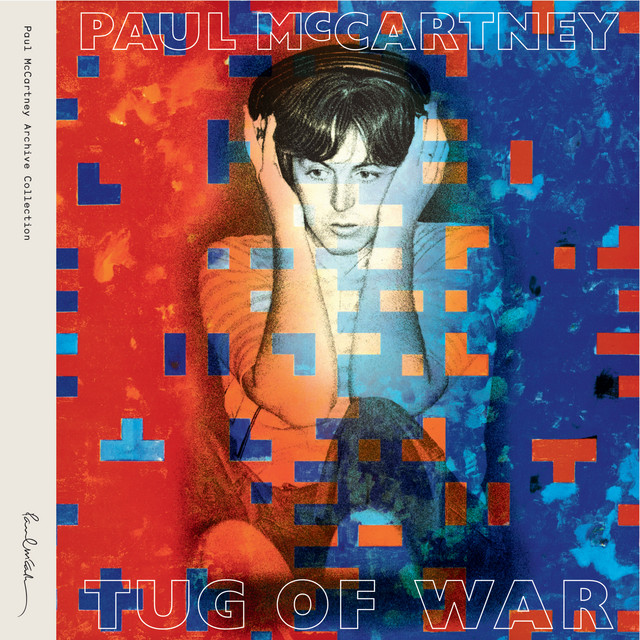
Tug Of War (Archive Collection)
1982
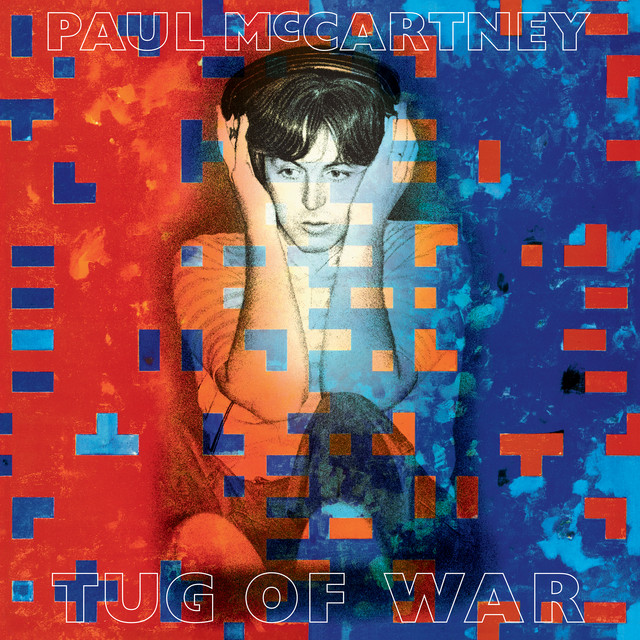
Tug Of War
1982
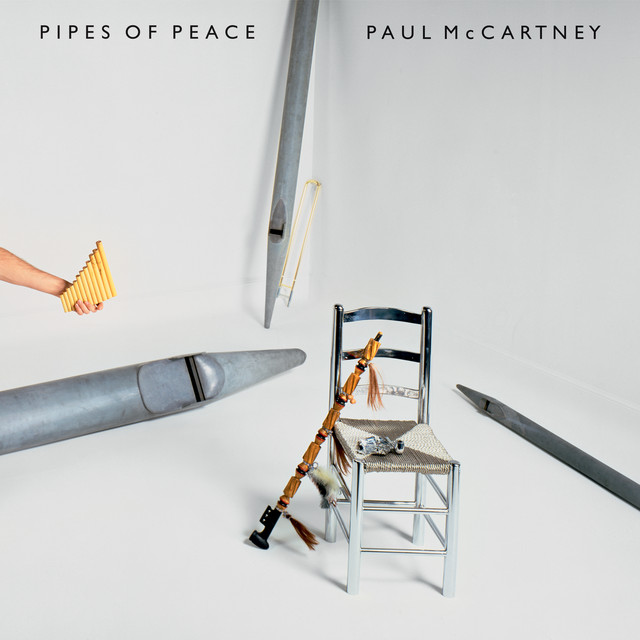
Pipes Of Peace (Remastered 2015)
1983
Pipes Of Peace (Archive Collection / Remastered 2015)
1983
Give My Regards To Broad Street
1984
Album Credits
-
Beyoncé · 2024
Producer -
Michael Bublé · 2022
Producer -
Paul McCartney · 2021
Producer -
Paul McCartney · 2020
Producer -
Paul McCartney · 2020
Producer -
Mary Hopkin · 2019
Producer -
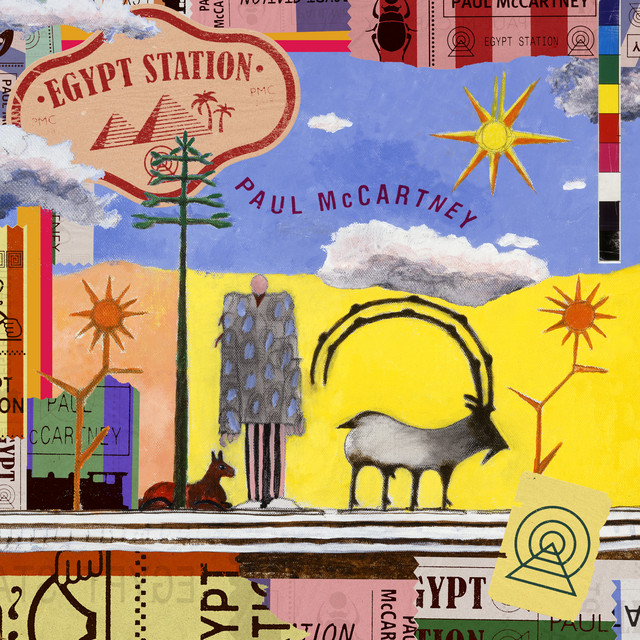
Paul McCartney · 2018
Producer -
Kanye West · 2015
Producer -
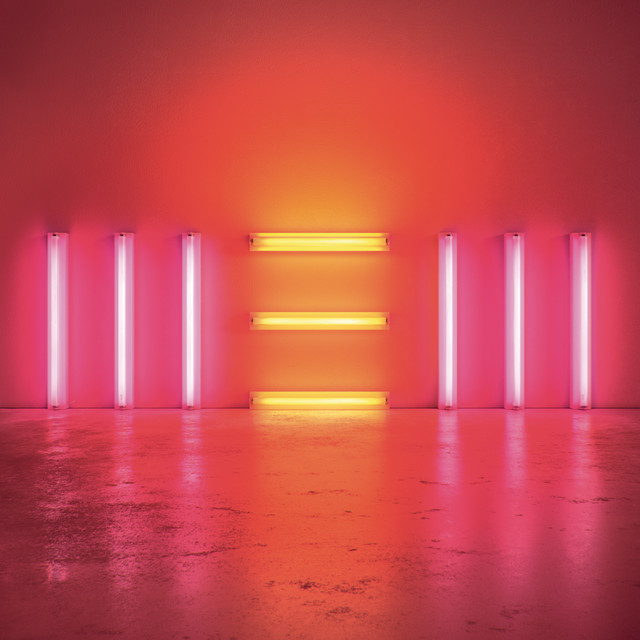
Paul McCartney · 2013
Producer -
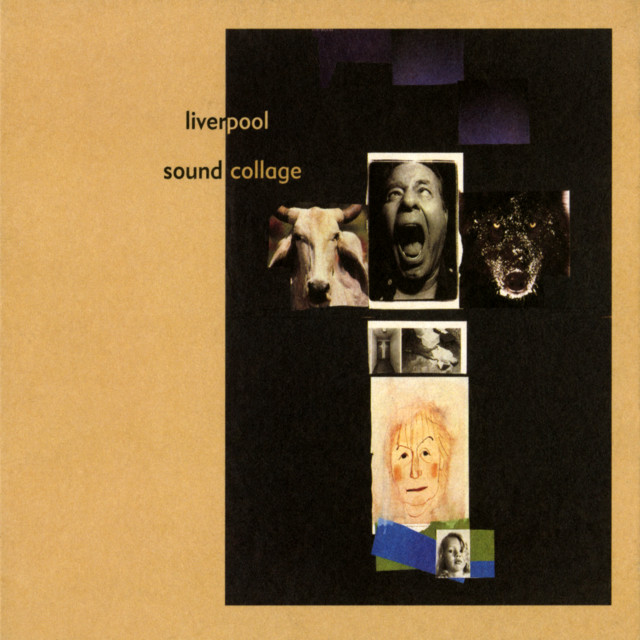
Paul McCartney · 2000
Producer -
Paul McCartney · 1999
Producer -
Linda McCartney · 1998
Producer
.png?v=1783265543)








.webp)