


Pricing and availability
We compare 600+ stores and found this item at 2 stores. Prices updated .
Store
Reviews
Price


Average Price: $939
Budget/Beginner
$2499
$4500+
Price Tier
Budget
Standard
High-end
* Product prices and availability are updated by Equipboard every 24hrs and are subject to change. Equipboard may receive compensation for purchases made at participating retailers linked on this site. This compensation does not affect what products or prices are displayed, or the order of prices listed. For more information, please refer to our affiliate disclosure.
Description
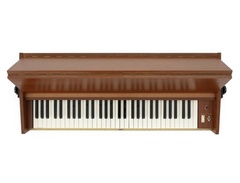
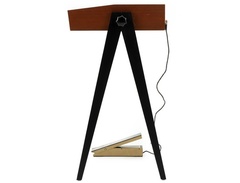
Unearth the iconic sounds of the 70s and 80s with the Hohner Pianet T. A brilliant fusion of tradition and innovation, this electric piano is renowned for its unique sound production system that utilizes reeds, akin to the Wurlitzer. This model, however, does not include legs, offering a more compact and portable form. Echoing the sounds of legendary artists like The Beatles and King Crimson, the Hohner Pianet T is a treasure trove for music enthusiasts who crave for authentic vintage vibes.
Key Features:
- Manufactured between 1977 and 1982, tying it to an era of musical innovation and richness.
- Employs a unique sound production system using reeds, similar to the famous Wurlitzer.
- Compact and portable design due to the absence of legs, making it easier for musicians on the go.
- Associated with legendary artists and bands, including The Beatles, Lovin' Spoonful, Roxy Music, King Crimson, Tony Banks, and Christine McVie.
Product specs
| Brand | Hohner |
| Model | Pianet T |
| Finish | Black |
| Year | 1977 - 1983 |
| Made In | Germany |
| Categories | Electric Pianos |
| Built-In Speakers | No |
| Number of Keys | 61 Keys |
FAQs
-
How does the Hohner Pianet T produce sound?
-
The Hohner Pianet T uses sticky pads to press onto metal reeds. When a key is pressed, the pad lifts, allowing the reed to vibrate, which is then amplified by electromagnetic pickups, creating a warm, mellow tone.
-
Is the Hohner Pianet T suitable for live performances?
-
While the Hohner Pianet T does not have built-in speakers, it can be amplified through external systems, making it suitable for live performances, though its vintage nature might require careful handling.
-
What is the key action like on the Hohner Pianet T?
-
The Hohner Pianet T features a semi-weighted action that provides a unique tactile response, which is softer than modern keyboards, offering a vintage playing experience.
-
Can the Hohner Pianet T be used with modern recording equipment?
-
Yes, the Hohner Pianet T can be connected to modern recording equipment through its output, allowing it to integrate into contemporary studio setups for a classic sound.
-
What maintenance does the Hohner Pianet T require?
-
The Hohner Pianet T requires occasional maintenance of its sticky pads and reeds to ensure optimal performance, as these components can wear over time.
Videos

The Analogues
The Analogues - The Hohner Pianet (English subtitles)

The Analogues - The Hohner Pianet (English subtitles)
The Analogues
Your Guide To: The Hohner Pianet N

Analog Emma
Reviews
PROS
-
Warm, mellow sound reminiscent of Rhodes and Wurlitzer
-
Ultra portable at 40lbs, ideal for gigs
-
Simple, plug-and-play design, no power cord needed
-
Compatible with a variety of pedals and amps
-
Unique percussive noises when keys released or box tapped
-
Affordable alternative to more expensive vintage pianos
-
Easy maintenance due to simple design
CONS
-
No sustain pedal mechanism, requires creative workarounds
-
Limited range of 60 keys
-
Shorter decay on held notes compared to Rhodes
-
Dynamic range not as wide as other vintage keyboards
Owner Insights
We analyzed real musician discussions from forums and Reddit to find what players love, question, and tweak about Hohner Pianet.
Setup and maintenance
Mods and upgrades
-
Replacing the output 1/4” jack and possibly the transformer are common upgrades, each estimated around 100 euro.
Source -
Clavinet.com offers high-quality replacement sticky pads, essential for restoring a Pianet with non-functioning keys.
Source -
Owners recommend using a Danelectro CC Vibe pedal to enhance vibrato and bass boost, alongside a Boss GE-7 for tonal adjustments.
Source
Value and pricing
-
Refurbished Hohner Pianets are selling for between 1000-1500 USD, making a 700 euro investment for repairs potentially worthwhile.
Source
User experience
Use cases and applications
-
The Clavinet.com forum is a recommended resource for repair and maintenance support.
Source -
Even fully restored, some Pianets have tonal inconsistencies, with magical sweet spots and weaker octaves compared to cheap EP plugins.
Source -
The Pianet T, when paired with a 15w tube amp featuring tremolo and reverb, mimics a Wurlitzer's tone in the lower register.
Source
Comparisons
5.0 out of 5
Based on 0 Reviews and 2 Ratings
Artist usage
Add artist
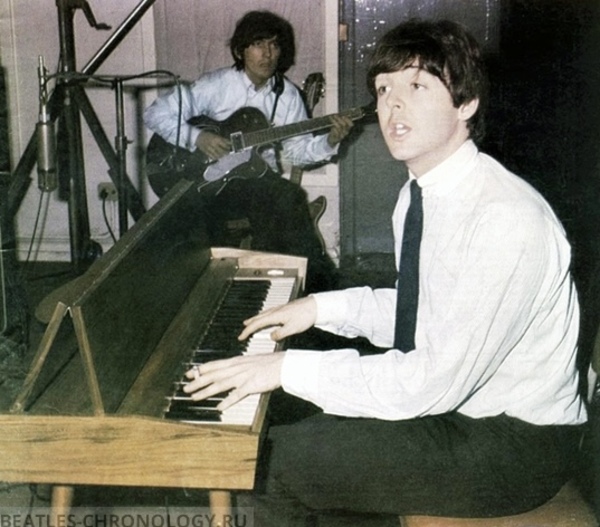
This photo shows Paul McCartney playing a Hohner Pianet in the studio.

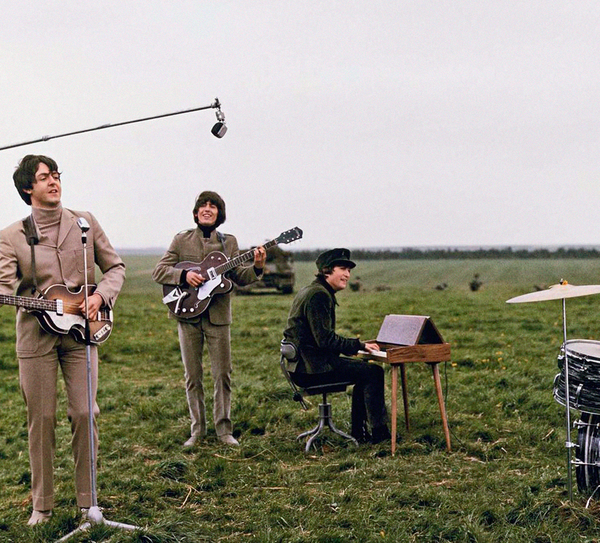
John Lennon played a Hohner Pianet for the Beatles video of "The Night Before." This electric piano was also frequently used by the Beatles in the studio.

At 3:01 of this clip of King Crimson's live performance of "Starless", Fripp can be seen with a black Hohner Pianet situated on top of his black Mellotron M4000.

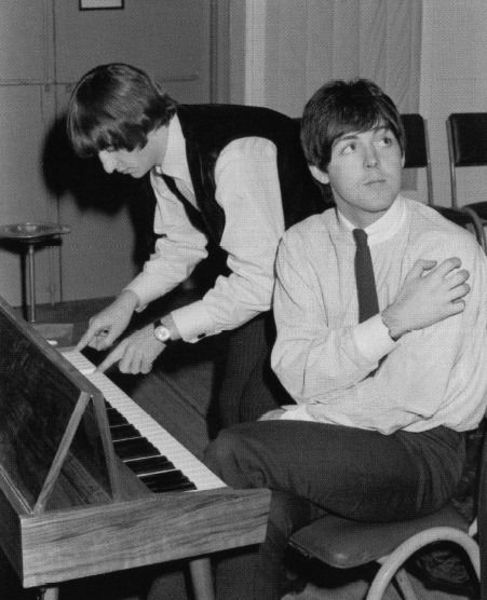
This photo shows Ringo playing a Hohner Pianet over Paul’s shoulder.

.jpg)
In the second image of this Instagram post from August 2022, a Casio CT-410V is seen sitting atop the amplifier unit from a Hohner Pianet M

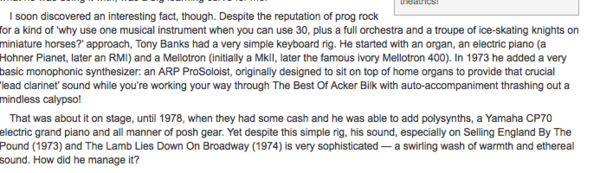
"Tony Banks had a very simple keyboard rig. He started with an organ, an electric piano (a Hohner Pianet, later an RMI) and a Mellotron," says Doug Melbourne, in this article for Sound On Sound.

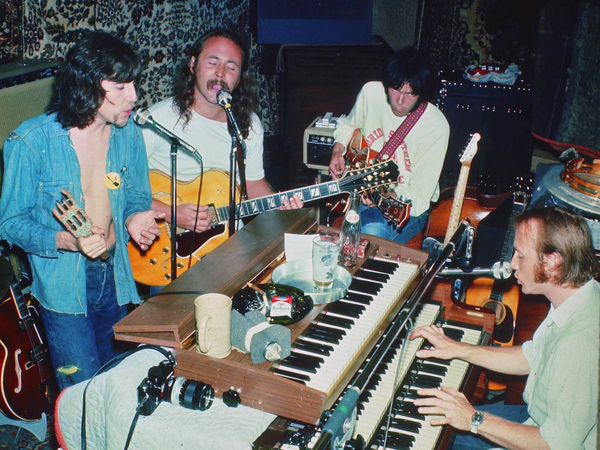
In this photo from a CSNY rehearsal, Stills can be seen playing a Hammond B3 with a Hohner Pianet on top.


"Well, there was actually one other keyboard I sold, a Hohner Pianet, which was the first electric piano I had. Of course, I'd been playing piano for years, but acoustic piano was a bit inconvenient for gigs."


Roger O'Donnell includes the Hohner Pianet in his list of keyboards on his official website.


In the attached footage of Roxy Music playing Ladytron on the BBC programme The Old Grey Whistle Test, Bryan Ferry can be seen playing a Hohner Pianet N II at 1:30 and 1:50.


At 1:24 Christine McVie is using a Hohner Pianet N II electric piano.

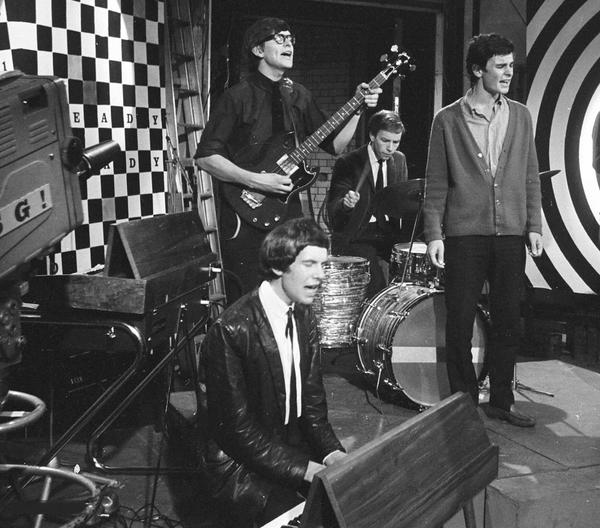
The Hohner Pianet was an essential part of the Zombies' sound. Argent played a Hohner Pianet on some of the band's biggest hits such as "She's Not There," "Tell Her No," "Summertime," and "It's Alright With Me."
In the early years of The Zombies, Rod Argent can almost always be seen with a Hohner Pianet (usually placed on top of a Vox Continental organ). This photo shows Argent playing a Pianet on the British television program Ready Steady Go!. (Interestingly, a second Pianet can be seen behind Argent placed on top of a Vox Continental.)
Other sources are as follows:
Beat Instrumental, January 1972, “The Zombies Are Dead… Long Live Argent” by Anonymous, pg. 33
Rod plays a Hammond C3 and a Hohner Piannette through a Leslie cabinet. This has three mikes on it of which two are set each side of the rotating horn. (The sound of a Leslie horn is reproduced from one side only). Each mike is fed to separate Laney stacks, set up at each side of the stage. The effect, Rod explained, is like a ‘giant’ Leslie.
The Zombies: Hung Up on a Dream : a Biography - 1962-1967 (2001) by Claes Johansen
pgs. 59-60
One thing that separated The Zombies from most other beat groups at the time was that they included a keyboard in their line-up. Previously, Rod Argent had found himself forced to make do with any old upright piano that came his way, stick some kind of microphone inside it and hope for a bit of amplification. To put it in another way, he hadn’t really been audible apart from when he did the obligatory Jerry Lee Lewis runs up and down the keys. Now, working as a clerk at the Ballito’s factory, he had managed to scrape enough money together to buy an electric piano, a Hohner Pianette Mk I.
The Pianette immediately became the group’s main instrumental voice, since Paul Atkinson was mainly a rhythm guitarist who could throw in the occasional riff or solo. In fact, it wouldn’t be far wrong to describe The Zombies as a guitar combo with the lead guitar substituted by a keyboard instrument. That was what gave them their unique sound, but possibly also what distanced them from some audiences in an era dominated by guitar groups.
Rod Argent became the master of the Hohner Pianette. In fact, he is probably the only person ever to make any sense of this peculiar little instrument. In his hands the otherwise very limited Pianette somehow came to life and to a large extent led the group through the main part of their three years with Decca Records. The instrument therefore seems worth spending a few words on.
“To play the Hohner Pianette you had to approach it in a slightly jazz sort-of-way,” Rod Argent divulged to me. “It had a real bite to it. It was a brilliant sound. When I was in Argent I still used it. I loved it. They only made that particular model for a while, and then it became Mark II. The Mark I was the first electronic keyboard and it was just a revelation. Suddenly, there was this thing where you could actually hear what I was playing. It was wonderful.”
Les Lambert, who had to struggle with keeping that very same Pianette alive some ten years later, recalled it less fondly:
“It’s kind of akin to the Wurlizer electric pianos, but it’s got no attack. They’re both using metal reeds with little electric pick-ups, but in the Wurlizer the reeds are struck by a little hammer, sort of like a real piano. In the Pianette there’s a piece of double-sided sticky tape at the end of each key, and when they are at rest the tape has a chance to stick to the reeds. Then when you strike the key it lifts the reed until the tape lets go of it and the reed goes back and says ‘pling’. If you try and play it fast the tape doesn’t have a chance to stick, and when the temperature changes the stickiness changes too, so under stage light they’re useless. If you ever leave it in a dusty environment and something falls on to one of the keys and leaves it down so that the tape doesn’t touch, then it’s that note gone. The sticky tape gets dust on it and that’s it, it’s finished. You can put another piece of tape on, but it’s special stuff and they don’t sound the same if you try to do it with any other kind of tape. It’s a nightmare! And of course like all Hohner stuff it’s built like a German radiogram from the 1940s. They’re terribly made.”
“I have mixed feelings about the Vox organ,” Argent reckons today. “I enjoyed having it at the time. It was great on stage, ‘live’. Looking back on it, I think the sound of the Vox organ dates a lot more, generally speaking, than the Pianette. The Pianette still sounds great to me in its period fashion, whereas against the Hammond C3 or B3 the Vox sounds very weedy, although I must say you can still listen to The Animals’ ‘House Of The Rising Sun’ — it still sounds great on that.”
[…] but during the “Leave Me Be” session he still seems a bit in the dark about how to use the instrument and it would probably have been a better option at the time if he had just stayed with the Pianette (on stage, he would from now on use both keyboards, piling the Pianette on top of the organ).
Album Usage
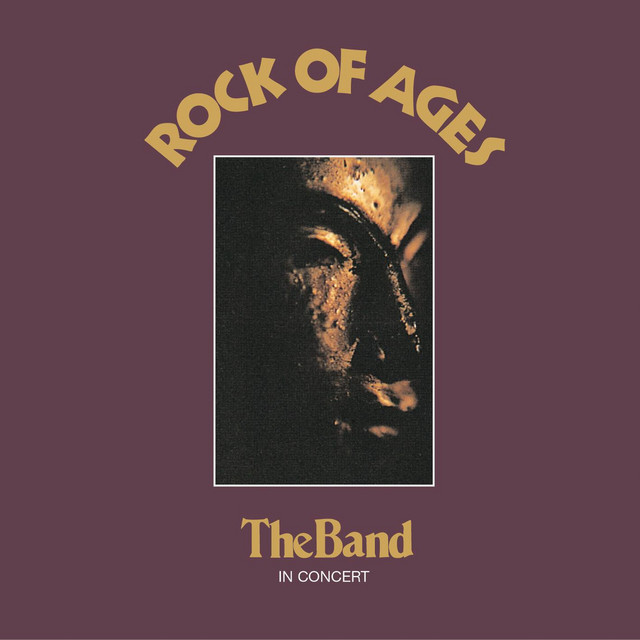
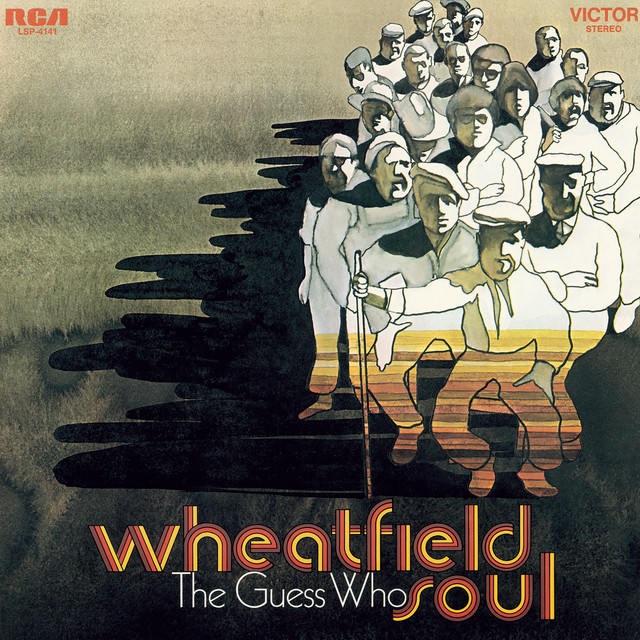
The Hohner Pianet has been featured on the following albums:
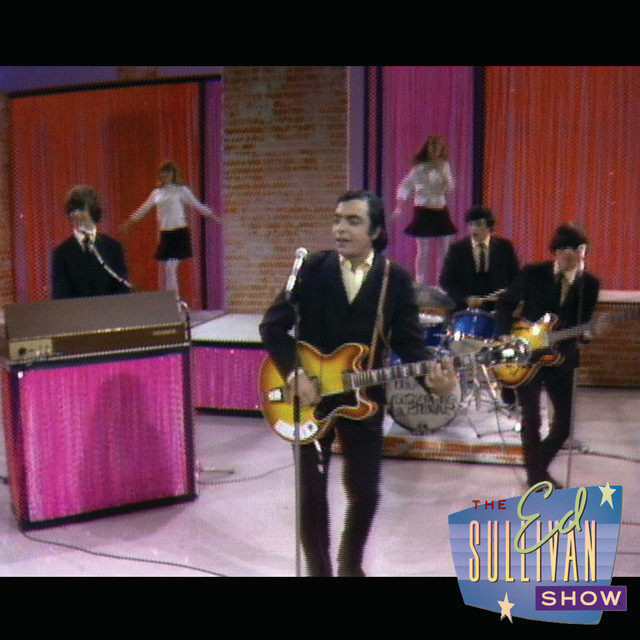

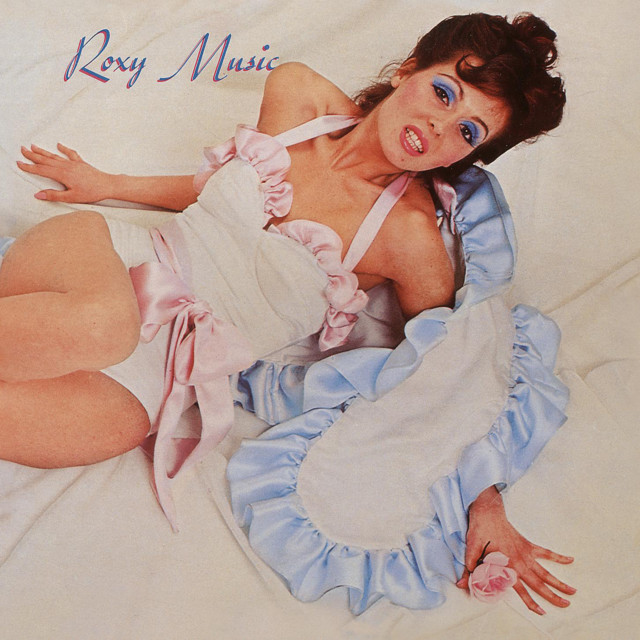
Genre Usage
Based on how artists on Equipboard use this gear, it is most commonly found in the following genres.
Used With
Based on how musicians on Equipboard use Hohner Pianet, it is most commonly used with the following gear.





-s.webp?v=1784991506)

Community setups
Show yours
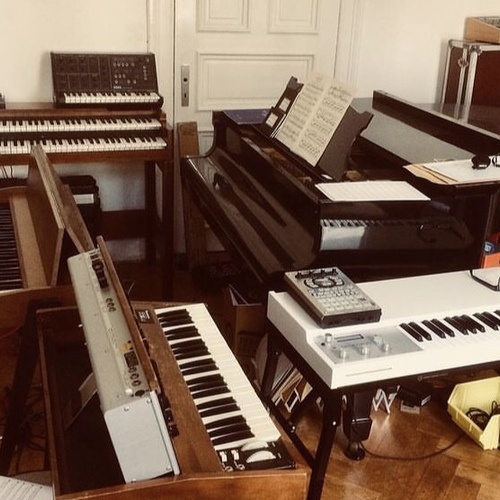
More Hohner Vintage & Electric Pianos

$3,551.21
in Vintage & Electric Pianos Rank


$4,100.00
in Vintage & Electric Pianos Rank


$938.80
in Vintage & Electric Pianos Rank
.jpg?v=1784893209)


$11,050.00
in Vintage & Electric Pianos Rank


-m.webp?v=1784732533)
$3,445.00
in Vintage & Electric Pianos Rank


$2,137.85
in Vintage & Electric Pianos Rank


$2,333.07
in Vintage & Electric Pianos Rank


-m.webp?v=1763019148)


$2,592.30
in Vintage & Electric Pianos Rank


$1,699.99
in Vintage & Electric Pianos Rank


$3,280.00
in Vintage & Electric Pianos Rank


$3,280.00
in Vintage & Electric Pianos Rank


$4,200.00
in Vintage & Electric Pianos Rank

.jpeg?v=1784656821)

$2,500.00
in Vintage & Electric Pianos Rank


$7,720.02
in Vintage & Electric Pianos Rank


$2,900.00
in Vintage & Electric Pianos Rank


$2,650.00
in Vintage & Electric Pianos Rank


$6,000.00
in Vintage & Electric Pianos Rank


$1,800.00
in Vintage & Electric Pianos Rank

.jpg?v=1782146465)


$5,344.63
in Vintage & Electric Pianos Rank


$3,000.00
in Vintage & Electric Pianos Rank


$3,199.00
in Vintage & Electric Pianos Rank


in Vintage & Electric Pianos Rank
.jpg?v=1784895999)


$29.99 - $1,850.00
in Vintage & Electric Pianos Rank


in Vintage & Electric Pianos Rank


Accessories & Related Items

Similar


Gear Guides





Most Popular Vintage & Electric Pianos
Most Popular Brands
-
Added to Equipboard on by
 haas123
GearIQ 21966
-



