Todd Rundgren
Role
Genre
Credits
Role
Genre
Credits
Todd Rundgren's Gear


I’ve put a lot of karma into Foamy, that green Fernandes guitar I’ve been seen with so often. It’s still my main guitar when I go out with Ringo. Whenever I do solos, or if I do something especially heavy or twinkly, I use that one. It gets a good range of sounds, particularly with my Line 6 equipment. I would miss that one if it disappeared.
Find it on:


-m.webp?v=1784804413)
For lead tracks I really like to use my old Fender Mustang, because it has a vibrato tailpiece on it. I really like to fool around with that.
Find it on:


Who made the Ankh-shaped guitar you're playing now?
It was made by John Veleno [3131 Tyrone Blvd., St. Petersburg, FL 33710]. I have two of them that are more or less identical in case I break a string.
(old quote from Oct 1977 Guitar Player Mag)
Find it on:

I have the feeling that Eric had given that guitar up, because it went through a number of hands before I got it. I think he gave it to George Harrison, and I’d heard that Paul Kossoff from Free owned it, too. I got it from Jackie Lomax, who was signed to Apple. This was when I was up in Woodstock working with the Band.
The guitar was in horrible shape at the time. The paint job was all flaked off because they never put a sealer on it. It didn’t have the original tailpiece, the neck was a mess at one point, the headstock snapped off. I did a lot of work on it. I played it for decades, and I owned it until the mid-Nineties. I owed the IRS a lot of money, so I auctioned it off. But I did get to play it onstage with Ringo—with Jack Bruce, we did “Sunshine of Your Love,” which I thought was appropriate.
Find it on:

When I was playing with the New Cars… They’re the top of the line Line 6 amps, I think Vetta is the model name, and they actually are set up so that you can have two different amps on the same channel. In other words: every pre-set is not one amp; it’s two amps. So you can set up a Marshall-style amplifier and plug it into a Gallien-Krueger-style amplifier if you want, and it is still just one preset. So I think they factored in that whole thing of, you know, re-amping as well…”
Find it on:

In this interview, Todd states he uses an Eventide harmonizer:
"Who makes your equipment?
The Harmonizer is an Eventide. The flanger is an Electro-Harmonix Electric Mistress, and I'm using Tapco graphic equalizers, and E-mu synthesizer modules. The preamp is part of the E-mu setup. It triggers the synthesizer modules--the voltage-controlled filters, amplifiers, and so on."
Find it on:


In this photo, Todd can be seen with an Eventide Clockworks Instant Phaser.
Find it on:

Rundgren can be seen in this photo playing a Gibson EDS-1275.
Find it on:

You’ve done a lot of synth stuff. On a song like “Breathless,” was that material sequenced?
It was pre-sequencing, as we now know it. You could get a sequencer back then, but sequencers in those days were way different. You’d have a wall of synths, and the way you would get these instruments sequenced would be by patching everything through a trigger device. You’d have rows of devices that would trigger one synth after the other. It was complex, but this was 1972. There was no MIDI. You could only sequence and record a little chunk of music at a time and then you would have to splice it into the piece. I would have been manually sequencing with an EMS “Putney” [VCS3] with a little keyboard.
Find it on:

The credo on Todd Rundgrens current tour, according to an entourage member, is: ''You cant get on the bus unless you sing.''
There are, however, exceptions.
''Well, weve got two stage guys who dont have to sing,'' Rundgren said from his Cleveland hotel room. ''And the bus driver, I haven`t auditioned him yet. But if he can sing. . . .''
Singing is such a big deal because Rundgren and his group of 11 vocalists are out supporting his latest album, ''A Cappella.'' It`s pretty much what the title indicates: an all-vocal record, with Rundgren doing all the singing and using an Emulator, a computerized keyboard instrument, to synthesize his voice into the sounds of various instruments.
Find it on:

Rundgren can be seen in this photo playing an Ovation Breadwinner.
Find it on:

It doesn’t happen every day you’re making a guitar, which will be on tour with a Beatle … Severn Trem HSS for Todd Rundgren
Find it on:

In this photo, Todd is seen playing a Babicz Spider.
Find it on:

In this interview, Todd states he uses an Electro-Harmonix Electric Mistress Flanger:
Who makes your equipment?
The Harmonizer is an Eventide [265 W. 54th St., New York, NY 10019]. The flanger is an Electro-Harmonix [27 W. 23rd St., New York, NY 10010] Electric Mistress, and I'm using Tapco [3810 148th N.E., Redmond, WA 98052] graphic equalizers, and E-mu [3046 Scott Blvd., Santa Clara, CA 95050] synthesizer modules. The preamp is part of the E-mu setup. It triggers the synthesizer modules--the voltage-controlled filters, amplifiers, and so on.
Find it on:

Rundgren can be seen in this live photo playing a Fender Rhodes Mark 1 Stage 73.
Find it on:


-m.webp?v=1784455238)
Key to Rundgren's recording process is Propellerhead Reason. He has utilized the software for eight years now, and with its expanded recording capabilities, he's been able to do away with Pro Tools. "When I first started with it, it had no recording capabilities," he explains. "It was just all virtual synthesizers. Now that I can record with it, I can do everything on my laptop with Reason and all of the various plugins and rack extensions that are available in it."
Find it on:


When I can get it, I’ll use a Flextone 111 amp. I also own an original AX 212 amp I really like, but I’m hesitant to take it out on the road.
Find it on:

He chose a Backlund Model 100 for Utopia's comeback tour.
Find it on:

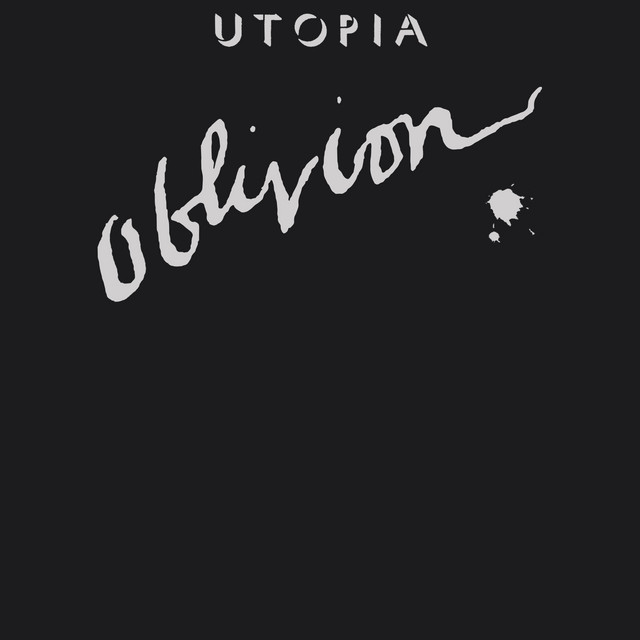
The Linn LM-1 was used on Todd's albums "The Ever-Popular Tortured Artist Effect" (on tracks 2, 3, 4, 7, and 9) and "A Cappella" (on the track Hodja). It also appears on his band Utopia's album "Oblivion" (on the track Itch In My Brain).
Find it on:

Todd talks about how he acquired Clapton’s original Gibson SG in this interview which he refinished and ending up using as his primary guitar. Clapton gave the guitar to his friend George Harrison, who gave it to Jackie Lomax, an artist who recorded under The Beatles Apple Records, and then Todd eventually bought it from Jackie.
Find it on:

Todd began using this Rickenbacker 340 in 1980 for the "Deface the Music" album and tour. It appears in the music video for "I Just Want To Touch You" which can be seen here: https://youtu.be/3ldLwavOp6E
This Rickenbacker 340 stayed in Todd's live guitar arsenal until at least the 1981 "Camouflage" tour as a backup in case The Fool decided to act up.
Find it on:

Fairlight CMI IIx is in this photo. He had it in his personal studio.
Find it on:
This is a community-built gear list for Todd Rundgren.
- Find relevant music gear like Microphones, Guitars, Amplifiers, Effects Pedals, Pianos, Keyboards and Synthesizers, Studio Equipment, Software Plugins and VSTs, Headphones, and other instruments and add it to Todd Rundgren.
- The best places to look for gear usage are typically on the artist's social media, YouTube, live performance images, and interviews.
- To receive email updates when Todd Rundgren is seen with new gear, follow the artist.
-
Added to Equipboard on by
 odysseyeurobeat
GearIQ 1708
-
Updated
Discography
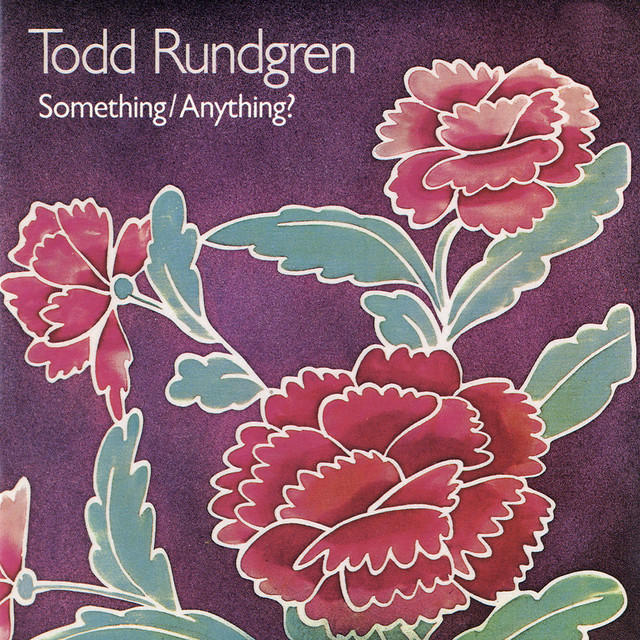
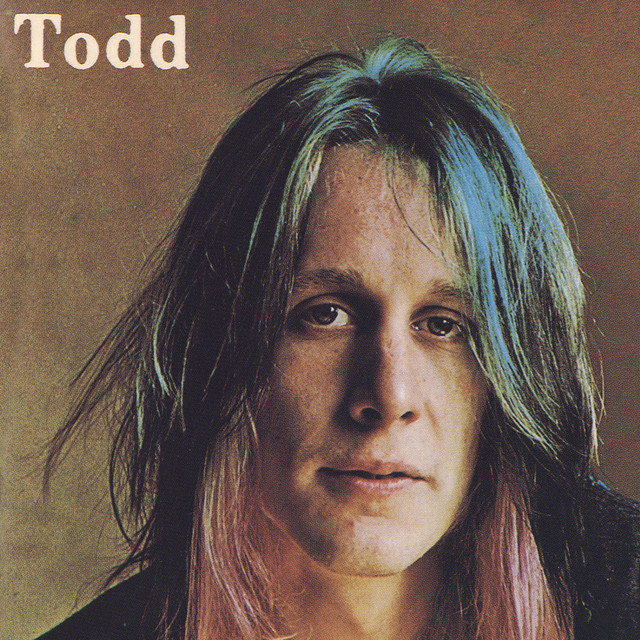
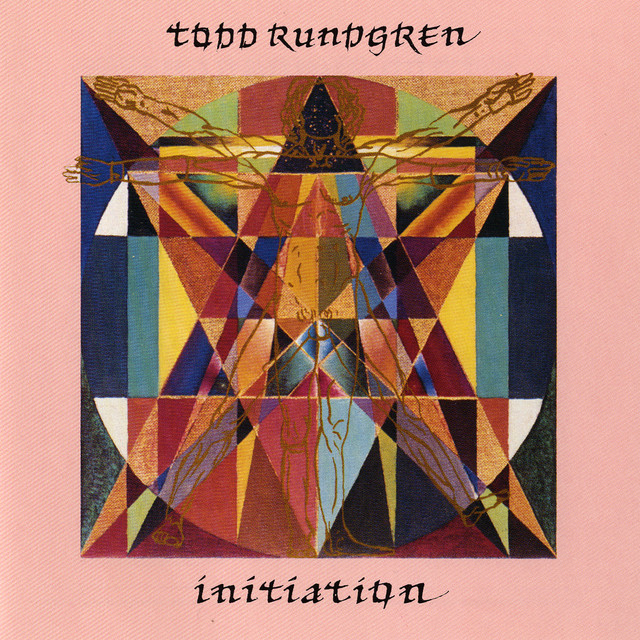
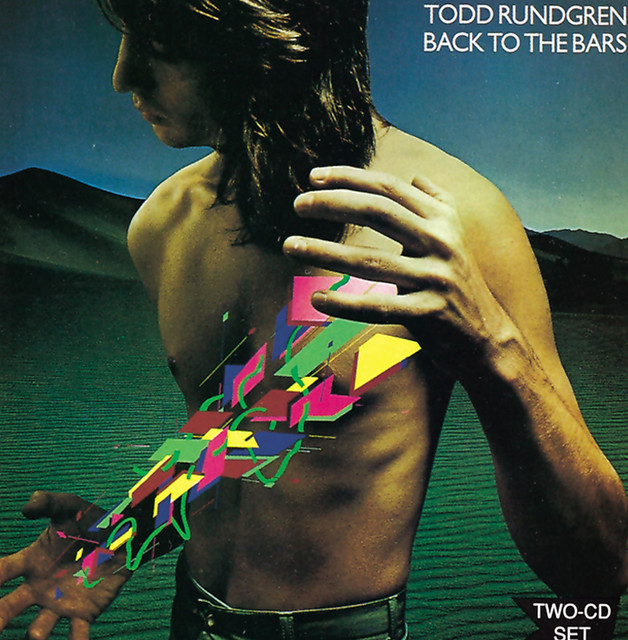
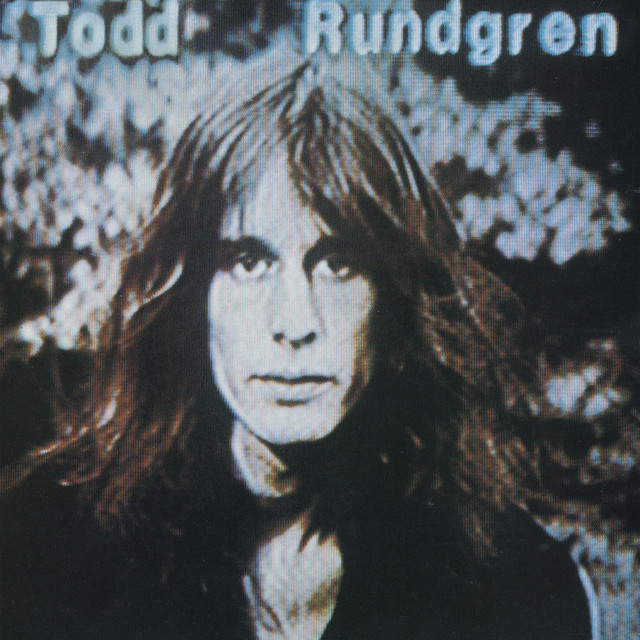
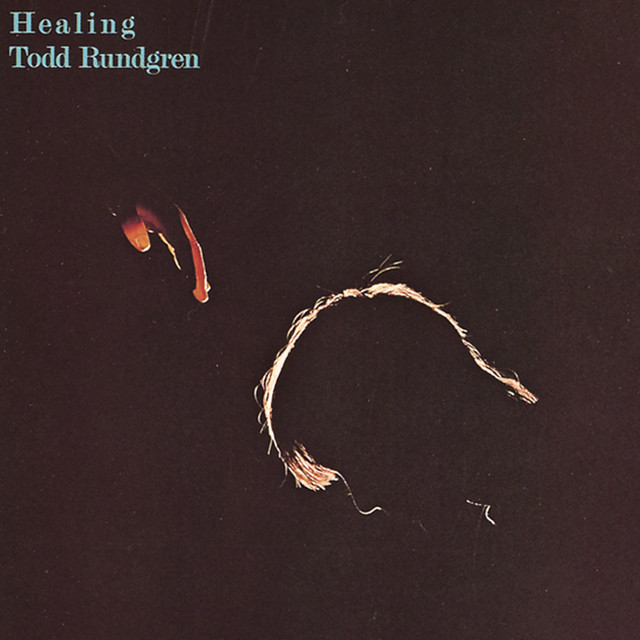
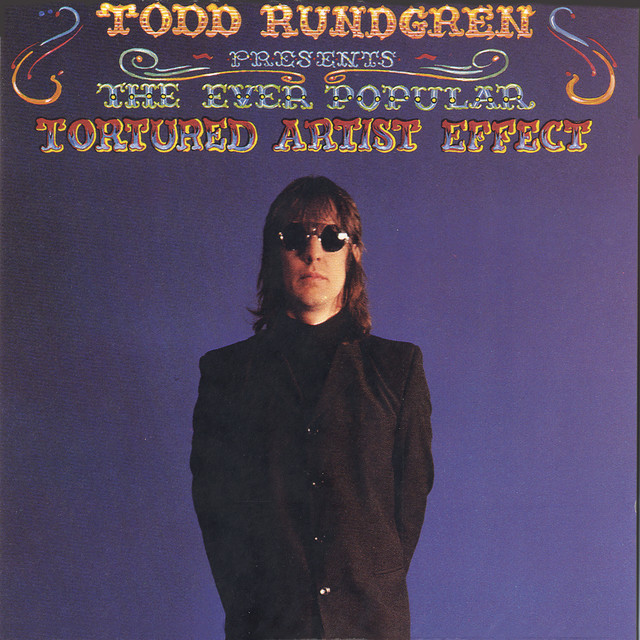
Album Credits
-
Ian Hunter · 2023
Engineer -
Badfinger & Matthew Sweet · 2020
Producer -
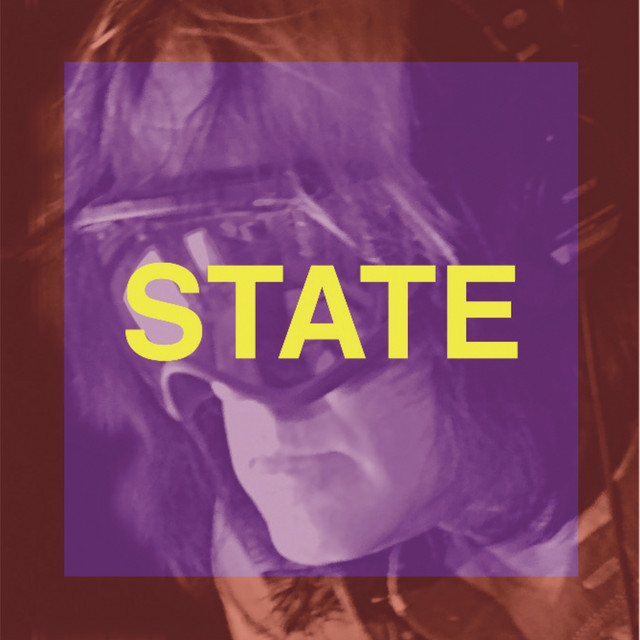
Todd Rundgren · 2013
Producer -
Tom Robinson Band · 2013
Mixing Engineer Producer -
Steve Hillage · 2006
Producer -
The Band · 2005
Engineer -
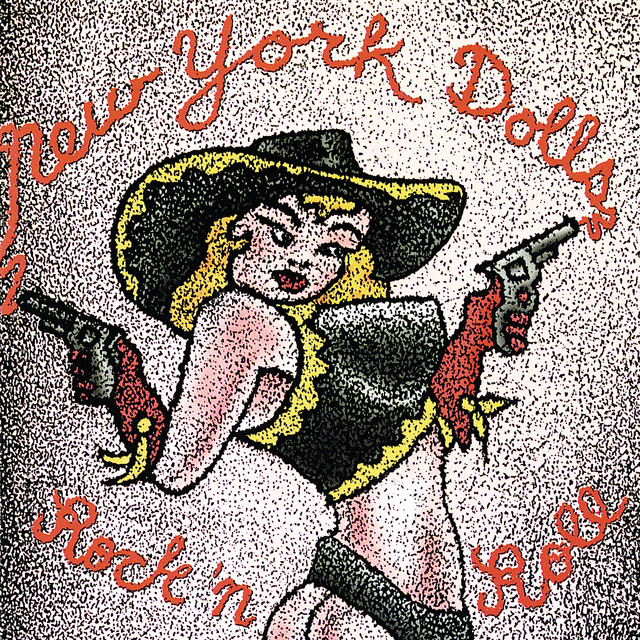
New York Dolls · 1994
Producer -
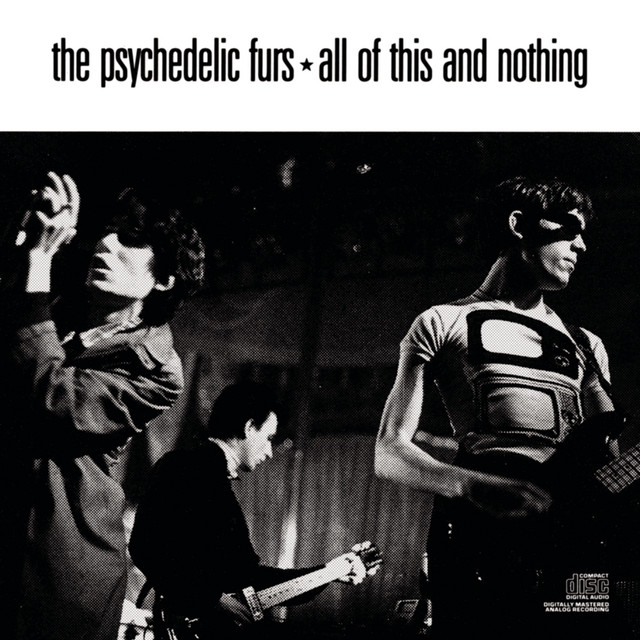
The Psychedelic Furs · 1988
Engineer Producer -
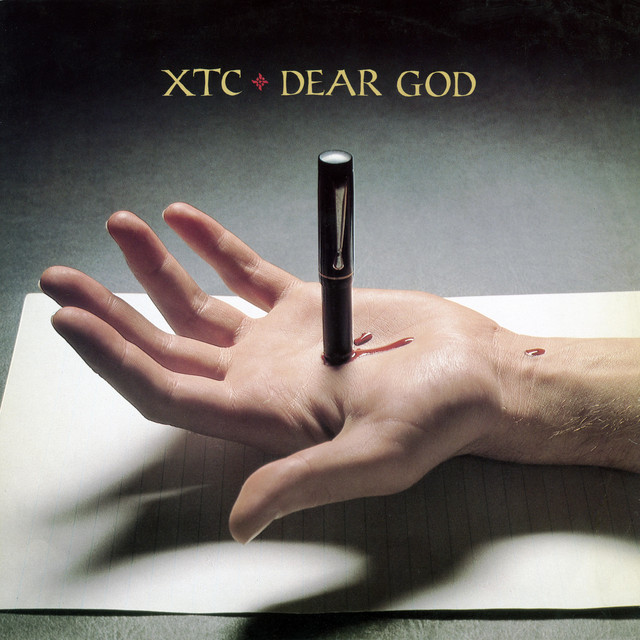
XTC · 1987
Engineer Producer -
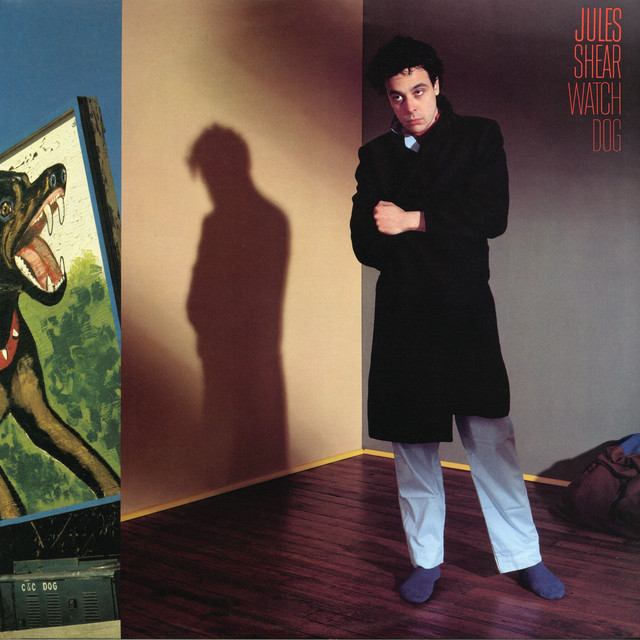
Jules Shear · 1983
Producer -
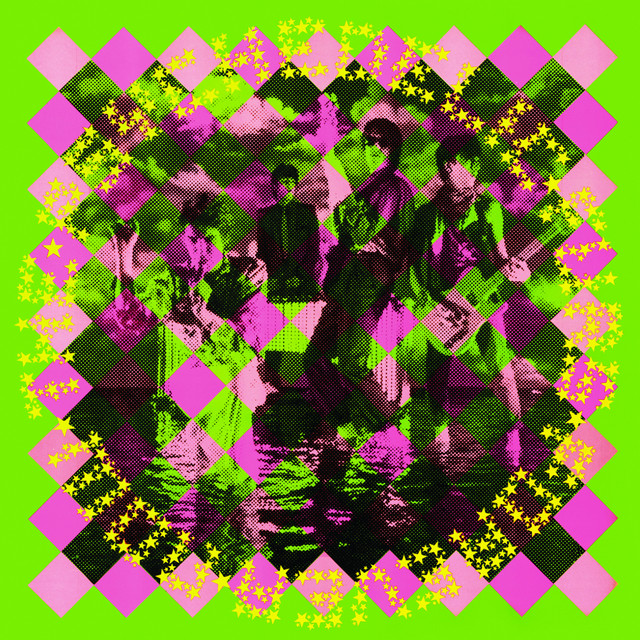
The Psychedelic Furs · 1982
Engineer Producer -
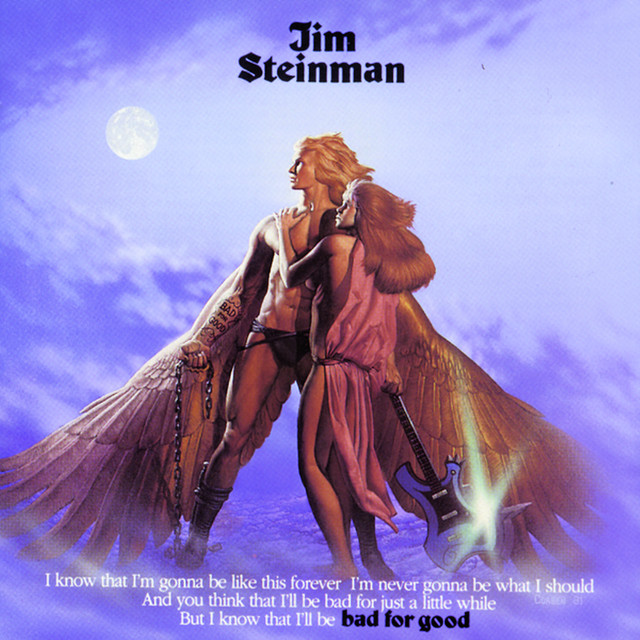
Jim Steinman · 1981
Engineer Producer Recording Engineer