Rick Wakeman
Role
Genre
Group
Role
Genre
Group
Rick Wakeman's Gear


Rick Wakeman used the Korg T1 during the early 90s, he used it to compose the 1991 album "The Classical Connection". Wakeman also used the keyboard live, the item can be seen 8:11 into this video: https://www.youtube.com/watch?v=xgd3eo-0v98
Find it on:


In this video Rick's E4 Platinum sampler can be seen on the bottom of the rack on the left.
Find it on:

Throughout the whole video, Rick is playing the Novation Impulse 61
Find it on:


One from 1984 was listed for sale on Reverb.com in June 2020.
Find it on:

One from 1979 was listed for sale on Reverb.com in June 2020.
Find it on:

Used live in lieu of a Hammond organ, as stated in this July 14, 2020 Music Radar interview covering Wakeman's top five synths. It was listed on Reverb.com in June 2020.
“The Promega saved me having to drag a real piano everywhere, and the CX-3 saved me having to drag the bloomin’ Hammond everywhere. And, believe you me, touring with a Hammond isn’t fun for you or the Hammond. Realistic Hammond sounds and no slipped discs. What’s not to like!”
Find it on:

Listed alongside an EMT-1, both from 1990, in this June 2020 Reverb.com listing.
Pair come in a fixed unit with Rick Wakeman Transcribed notation on top
Find it on:

In June 2020, a Korg DSS-1 synthesizer, owned and used by Rick Wakeman of Yes in 1986, was listed on Reverb.com.
Find it on:

One from 1980 was used on Retro and Retro 2, as specified in its June 2020 Reverb.com listing.
Used on the Rick Wakeman Album Retro 1 & Retro 2
Find it on:

Rick Wakeman, renowned for his work with Yes, owned and used a Sequential Circuits Model 700 Programmer from 1979, as listed on Reverb.com in June 2020.
Find it on:

One from 1980 was listed on Reverb.com in June 2020.
Find it on:

Rick Wakeman, of the band YES, owned and used a Korg DS-8 synthesizer, as listed on Reverb.com in June 2020.
Find it on:

Rick Wakeman's ownership and use of the Moog Taurus II Bass Pedals are documented by a listing on Reverb.com from June 2020, featuring a unit from 1980.
Find it on:

One from ca. 1982 was listed on Reverb.com in June 2020. According to this July 14, 2020 Music Radar interview, Wakeman was actually involved in its inception.
June 2020, Reverb
1982 ( Circa )
First Fully programmable polyphonic synth
40 patches
Listed in his top 5 keyboards
Developed in conjunction with Sequential circuits in 1980
Original Road Case
Music Radar, July 14, 2020, "Rick Wakeman on his top 5 synths: 'I suddenly had an instrument that could give the guitar a run for its money'"
“I was sitting by a pool in Oakland, sometime in 1977. This bloke came over to me and introduced himself as Dave Smith. He said, ‘I’m building a synth’. At first, I didn’t pay much attention. Everybody was building synths in the ‘70s. You could get a synth kit with your monthly electronic project mag. ‘Granny, what are you doing? Making soup?’ ‘No, I’m building a synth.’ But then he told me that this synth was going to be a polyphonic version of the Minimoog. Ah, now that’s interesting.
“He pulled out reams and reams of circuit diagrams, which were completely useless to me. Didn’t have a clue what he was on about. I said, ‘If you want to appeal to Minimoog users, you need the layout to look similar’, and I sketched a rough Moog panel on a napkin. Anyway, off he went, and I never expected to hear from him again.
“The following year, I was living in Switzerland and this huge parcel turned up on the doorstep. It was one of the very first Prophet 5s with a thank you note from Dave. It had patch memory! You didn’t have to mess around trying to recreate your favourite sounds. Thanks, Dave.
Find it on:


One from 1979 was listed on Reverb.com in June 2020.
"On stage I used the Korg Vocoder for the choir. I really like the sound I get from this — it's done with chorus effect on the vocoder along with heavy fast vibrato to give an extremely thick choral sound. I also let through a little of my voice for extra sibilance on the too."
Find it on:

In June 2020, a Korg SE 500 Stage Echo Tape Delay, owned and used by Rick Wakeman in 1979, was listed on Reverb.com.
Find it on:

In June 2020, a Korg PS-3200 synthesizer, owned and used by Rick Wakeman of Yes in 1979, was listed on Reverb.com.
Find it on:

Used on Return To The Centre Of The Earth, as listed on Wakeman's website.
Find it on:

Listed among Wakeman's studio gear in this July 1999 Sound on Sound interview.
Find it on:

Listed among Wakeman's studio gear in this July 1999 Sound on Sound interview.
Find it on:

A "Trident TS24" is listed among Wakeman's studio gear in this July 1999 Sound on Sound interview.
Find it on:

Listed among Wakeman's studio gear in this July 1999 Sound on Sound interview.
Find it on:

Listed among Wakeman's studio gear in this July 1999 Sound on Sound interview.
Find it on:

Listed among Wakeman's studio gear in this July 1999 Sound on Sound interview.
Find it on:

Listed among Wakeman's studio gear in this July 1999 Sound on Sound interview.
Find it on:

Listed among Wakeman's studio gear in this July 1999 Sound on Sound interview.
Find it on:

According to the liner notes, Wakeman played a Baldwin Electric Harpsichord on his albums No Earthly Connection and Rick Wakeman's Criminal Record. He also played a prominent electric harpsichord part on David Bowie's "Cygnet Committee," which was very likely a Baldwin.
Find it on:

Rick Wakeman is confirmed to use the Korg Nautilus 88-key Synthesizer Workstation, as evidenced by a post from Korg's official Instagram account. The post features a video reel capturing Rick and Oliver Wakeman at the KORG office during preparations for their tour, showcasing their rehearsal and discussions.
Find it on:

According to the inner sleeve of Rick Wakeman's album The Six Wives of Henry VIII, the artist utilized a Thomas Goff harpsichord. This detail is supported by an image available on Equipboard.
Find it on:
This is a community-built gear list for Rick Wakeman.
- Find relevant music gear like Pianos, Keyboards and Synthesizers, Microphones, and other instruments and add it to Rick Wakeman.
- The best places to look for gear usage are typically on the artist's social media, YouTube, live performance images, and interviews.
- To receive email updates when Rick Wakeman is seen with new gear, follow the artist.
Discography
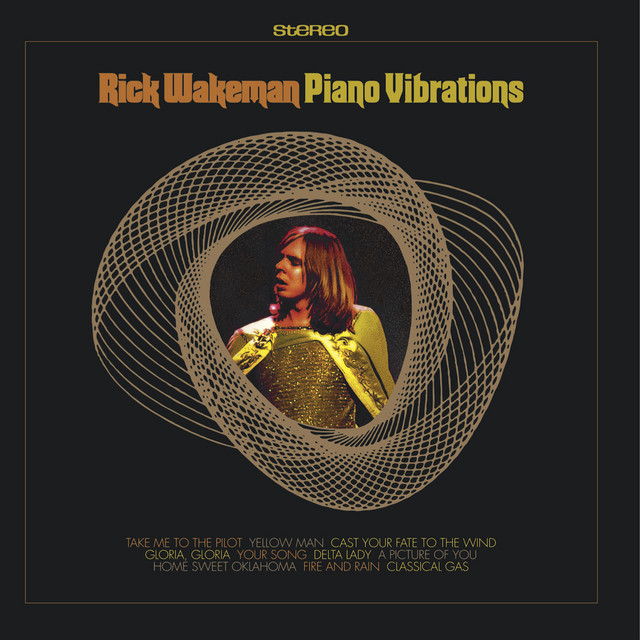
Piano Vibrations
1971
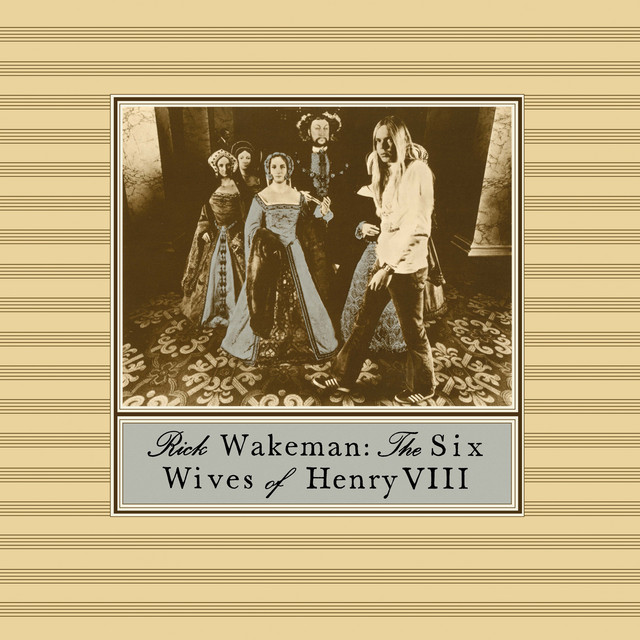
The Six Wives Of Henry VIII
1973
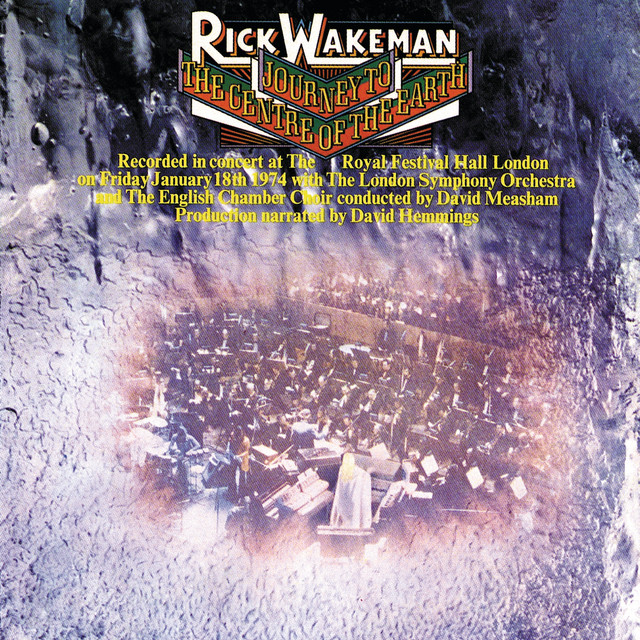
Journey To The Centre Of The Earth
1974
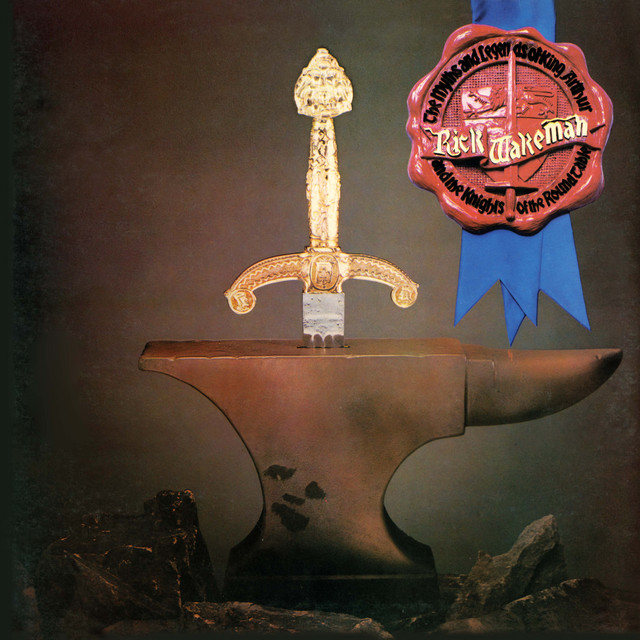
The Myths And Legends Of King Arthur And The Knights Of The Round Table
1975
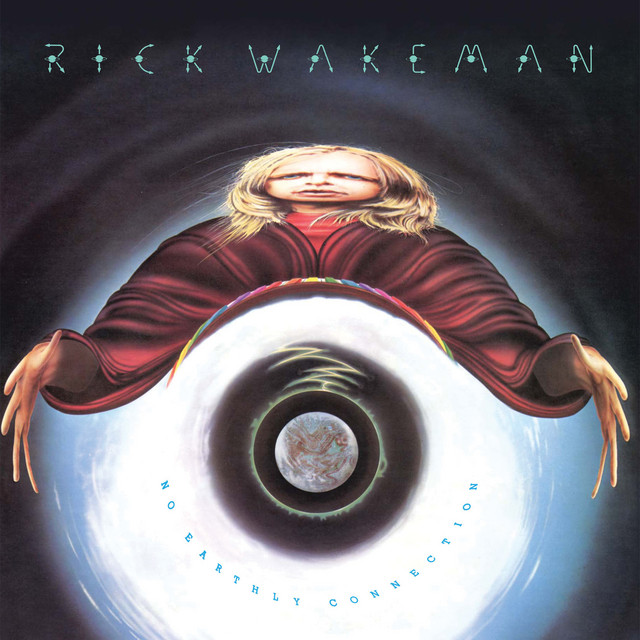
No Earthly Connection
1976
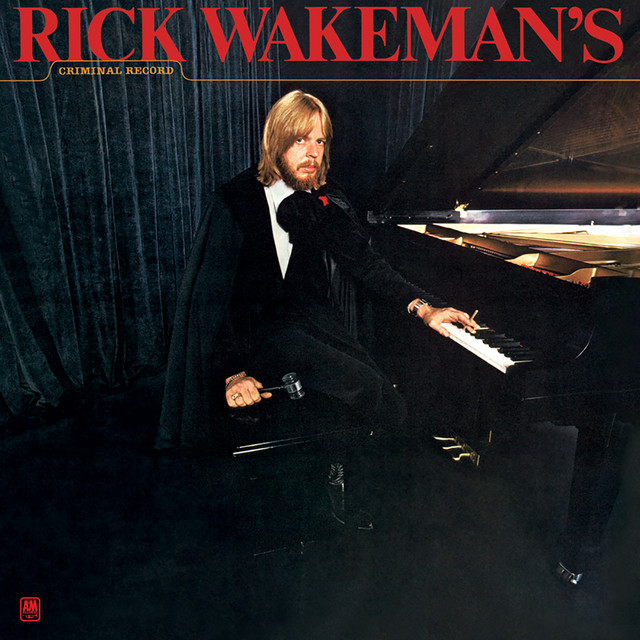
Criminal Record
1977
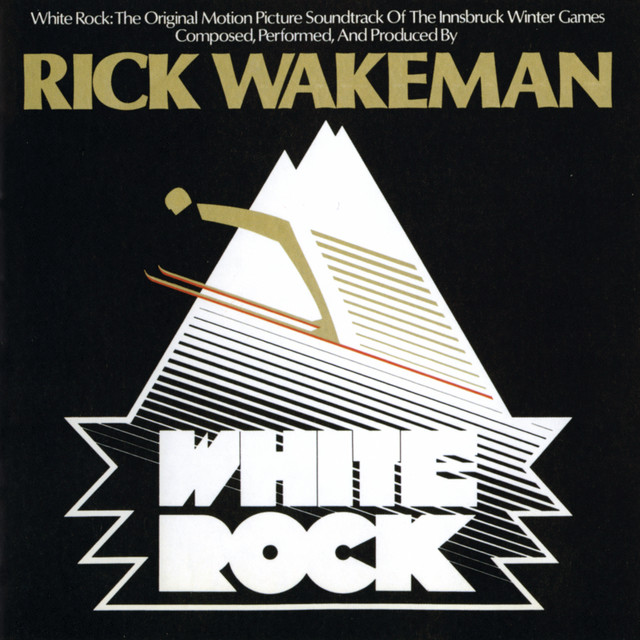
White Rock (Original Motion Picture Soundtrack)
1977
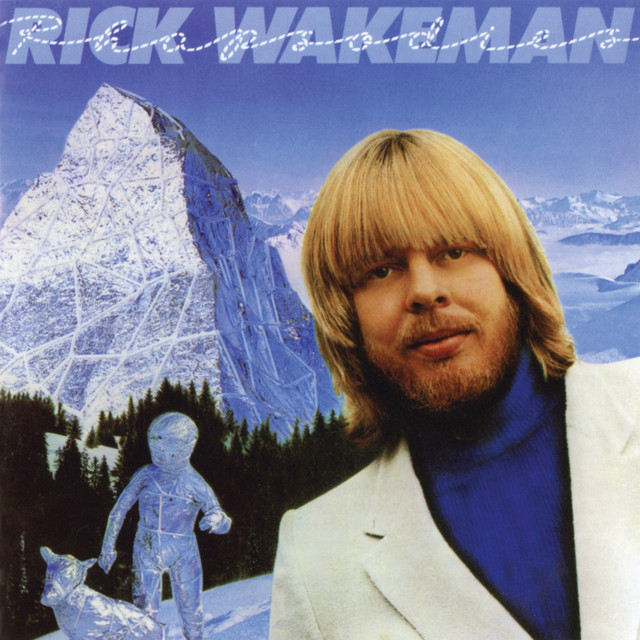
Rhapsodies
1979
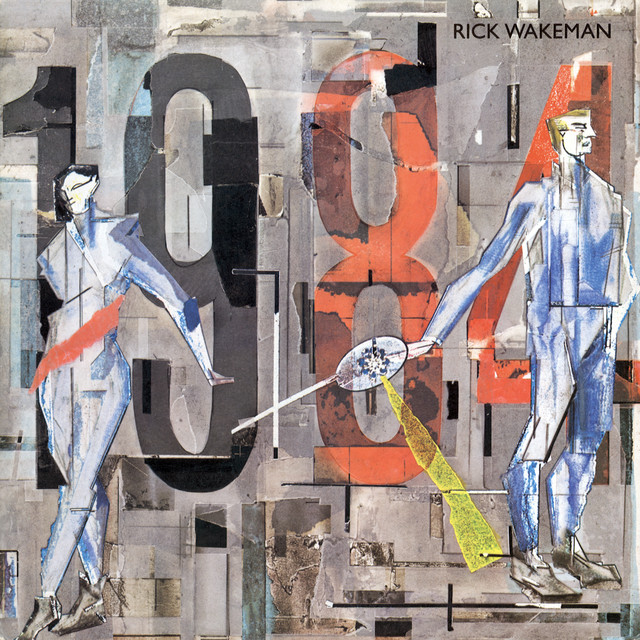
1984
1981
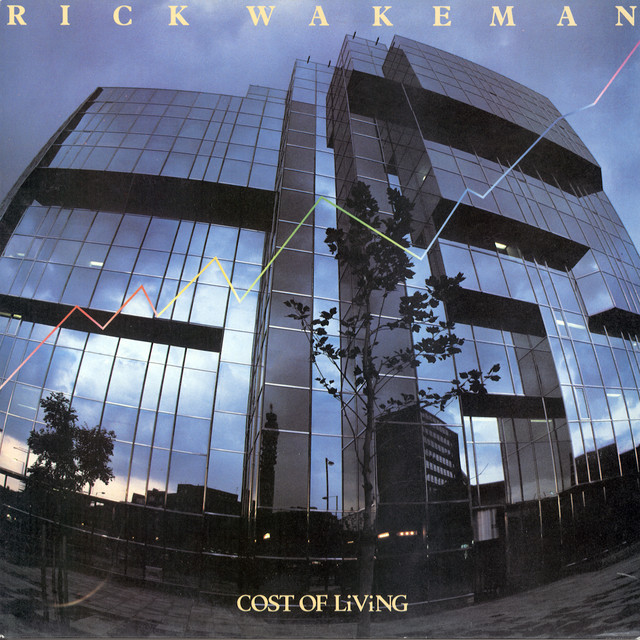
The Cost Of Living
1983
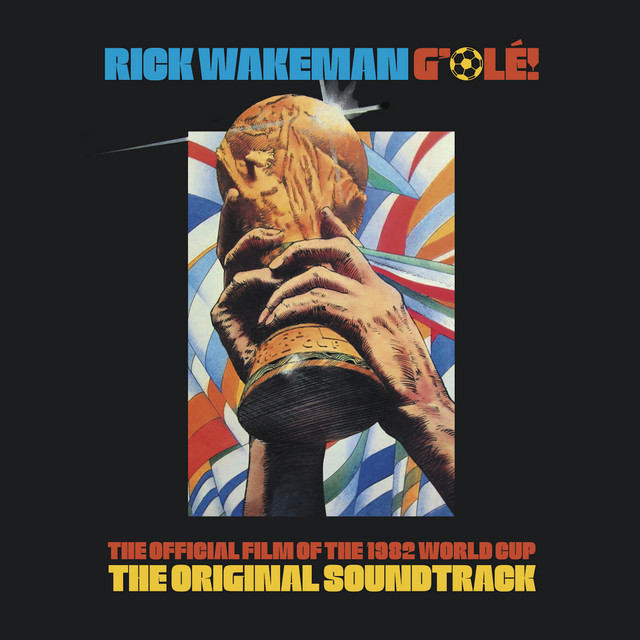
G'ole (Original Motion Picture Soundtrack)
1983
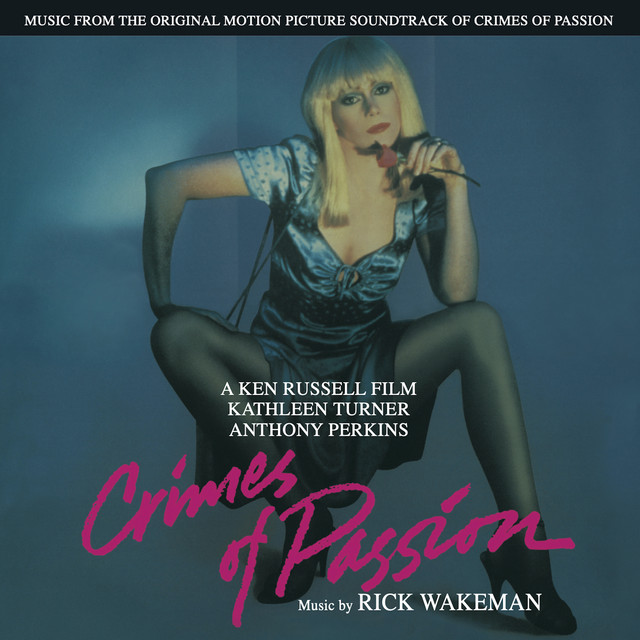
Crimes of Passion (Original Motion Picture Soundtrack)
1984
Album Credits
-
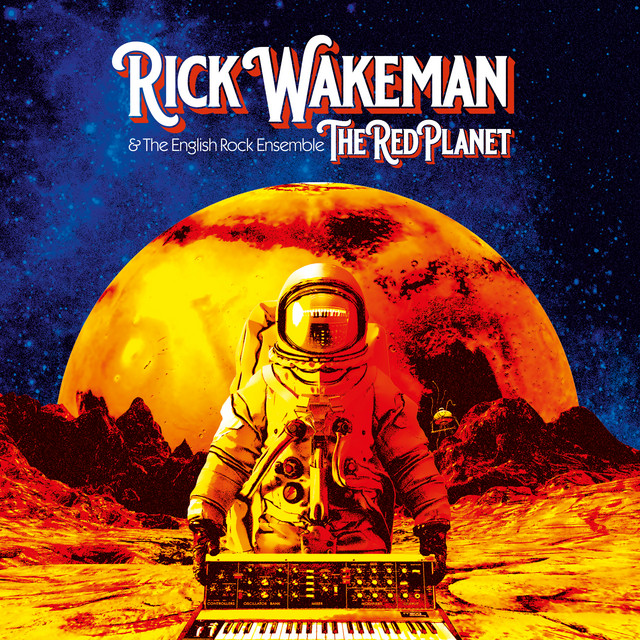
Rick Wakeman · 2020
Producer -
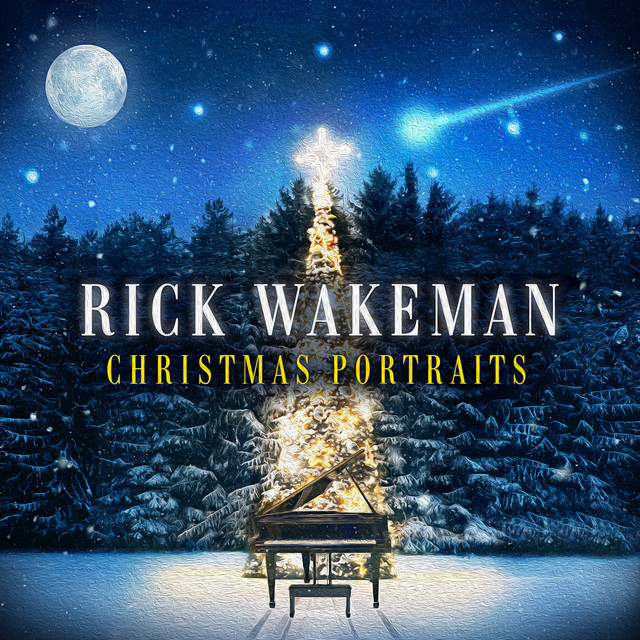
Rick Wakeman · 2019
Producer -
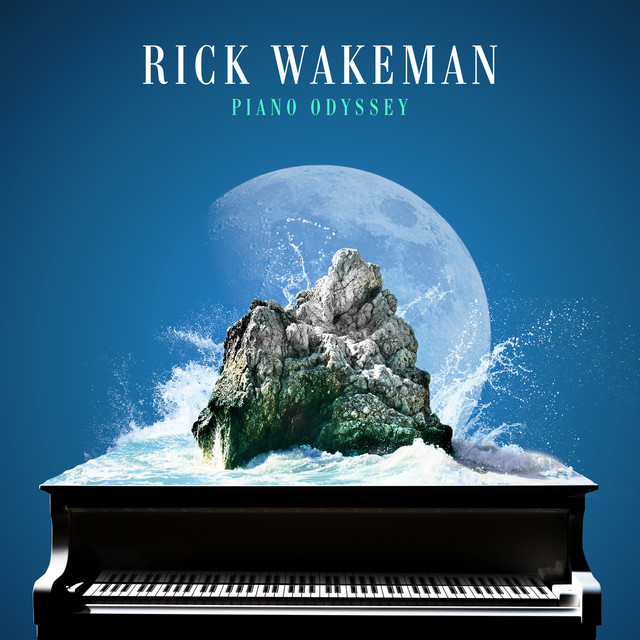
Rick Wakeman · 2018
Producer -
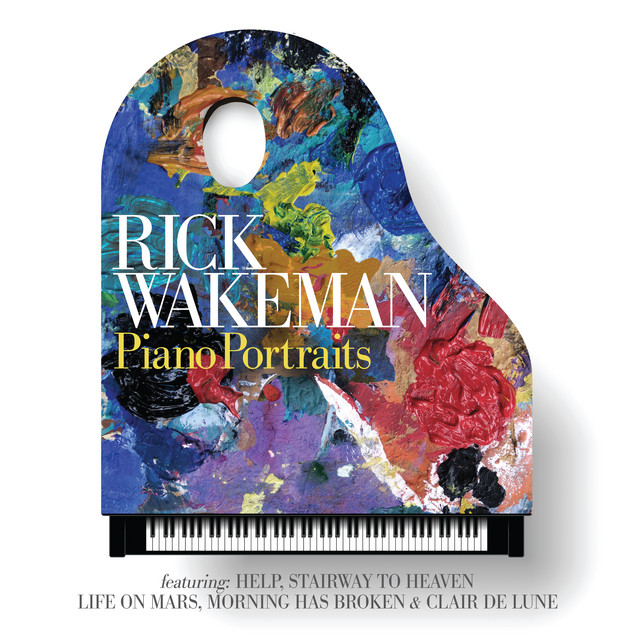
Rick Wakeman · 2017
Producer -
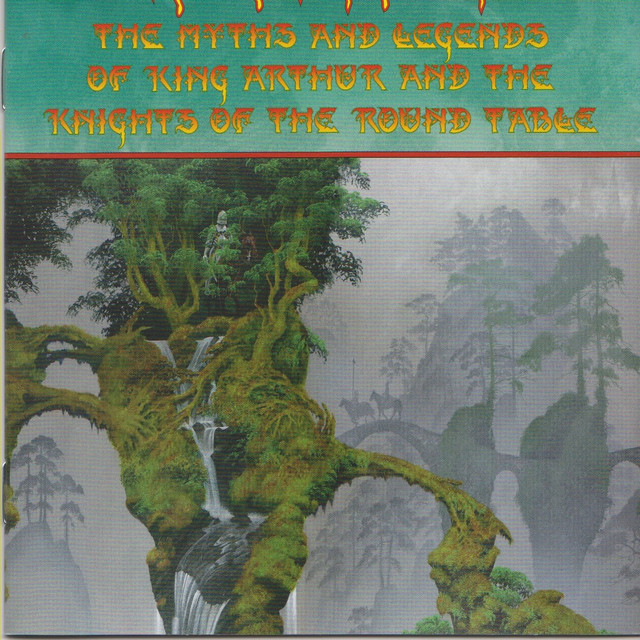
The Myths and Legends of King Arthur and the Knights of the Round Table
Rick Wakeman · 2016
Producer -
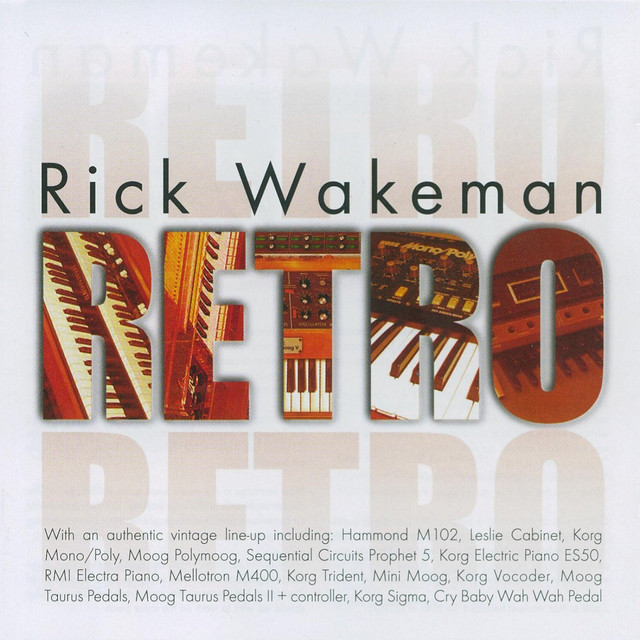
Rick Wakeman · 2006
Producer -
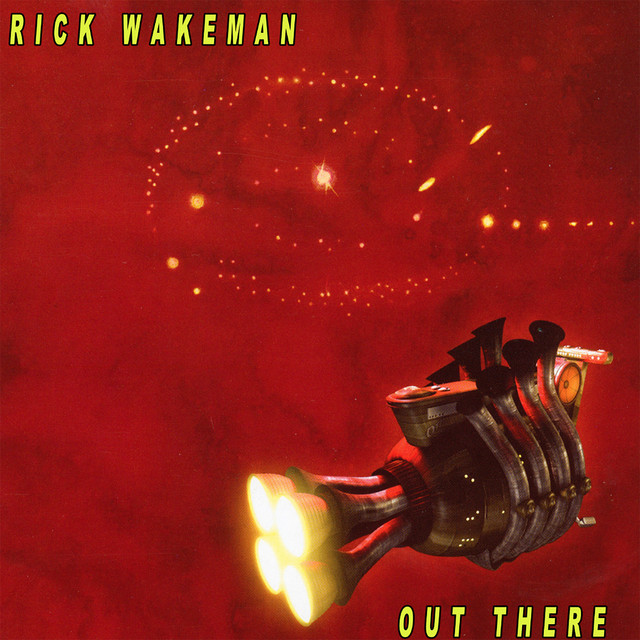
Rick Wakeman · 2003
Producer -
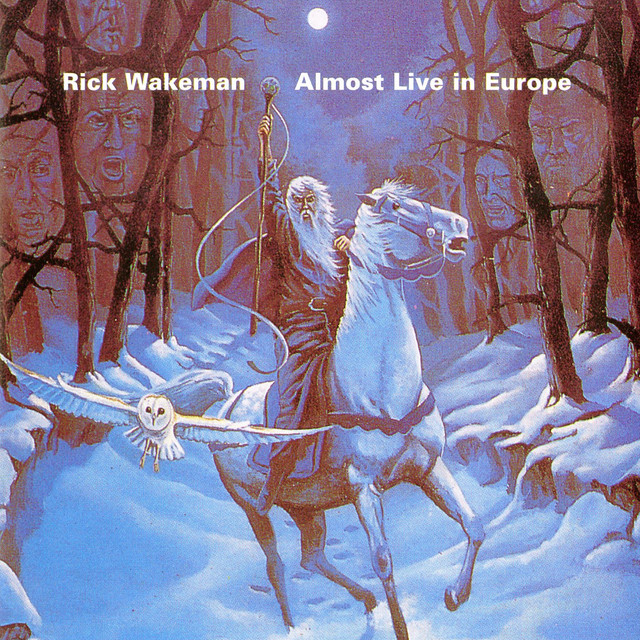
Rick Wakeman · 2002
Producer -
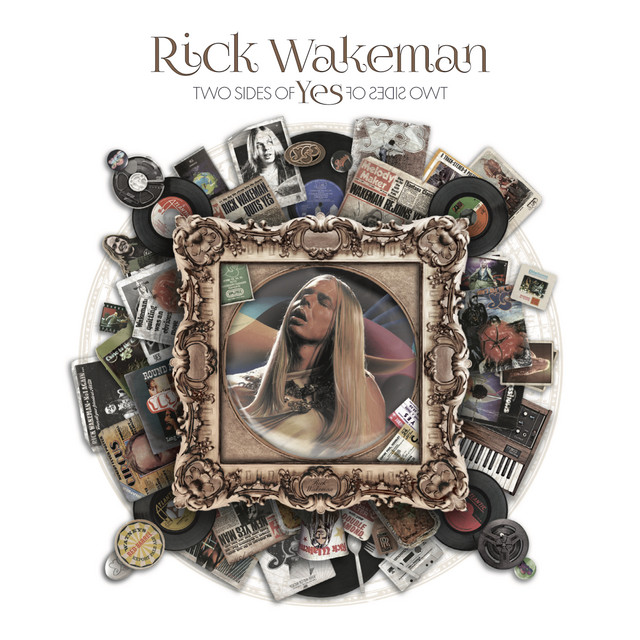
Rick Wakeman · 2001
Producer -
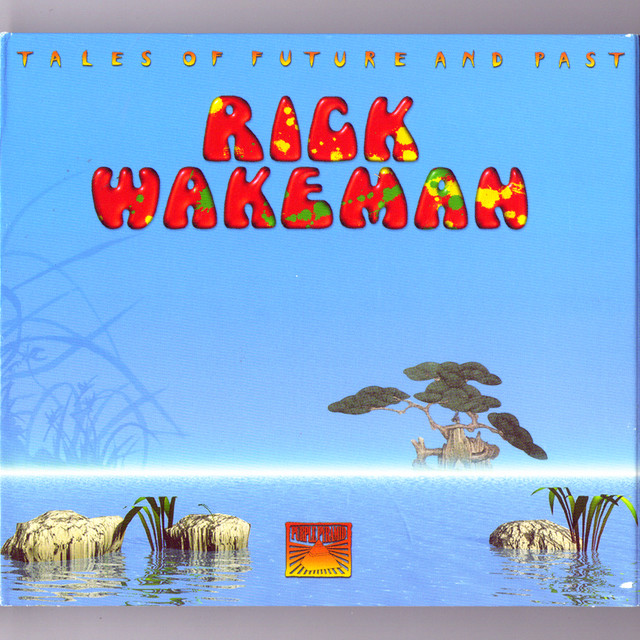
Rick Wakeman · 2001
Producer -
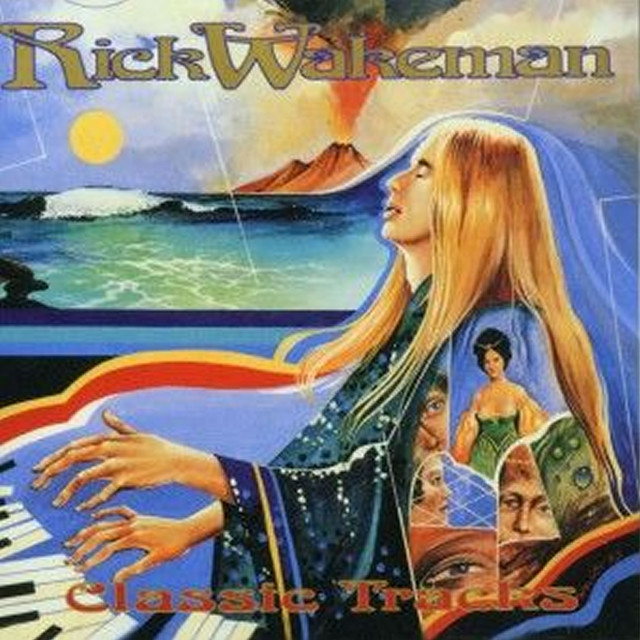
Rick Wakeman · 2001
Producer -
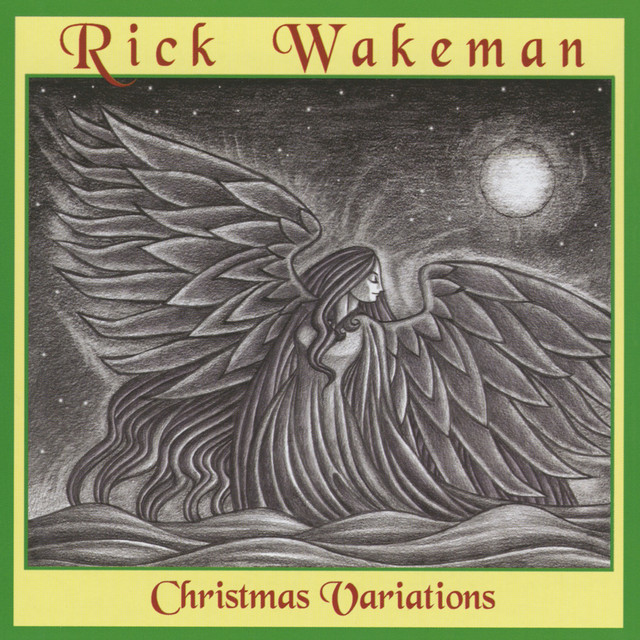
Rick Wakeman · 2000
Producer



.jpeg?v=1783065966)