Sting
singer, songwriter & member of The Police
Credits
Credits
Sting's Gear

-m.webp?v=1785224845)
Sting posing with a surf green Acoustasonic Telecaster, he also used it in a video he made with Jimmy Fallon and the Roots.
Find it on:


Sting is seen with this guitar at 2:44.
Find it on:


He uses two Boss OC-2 octave pedals.
Find it on:

Sting has been a long-time user of the 1962 Jazz bass /w stripped finish, his first bass. He acquired it while still living in Newcastle in 1970 at age 18 for about 150 quid. It was his main bass throughout his tenure with Last Exit (1974-1977). Followed by with The Police (1977-1984), both live (occasionally) and in the studio. By 1978, it's noticeable that the original bridge cover on the bass had been removed.
In 1987, after a few-year break from the bass, Sting began playing the '62 Jazz bass once again on Nothing Like The Sun, and remained part of his arsenal for the next few solo albums.
Sources: International Musician & Recording World July 1979, Sting interview on Music Radar, Musician magazine December 1987, Bass Player April 1992 (reproduced on Sting's website), various
Find it on:

Sting has signature bass with Fender.
Find it on:

In a TED talk, Sting discusses how he came to possess the Martin Ditson guitar, an heirloom from his ancestors, noting its poor condition when he acquired it.
Find it on:
-m.webp?v=1784334749)
Sting was a user of an Ibanez fretless bass, beginning in mid-1979. He used it widely on tour and in the studio.
He was also known to have a few other Ibanez 4-string basses, including one with a natural finish and another with a pearl white finish.
Find it on:

In this photo from 1982, Sting can be seen with a Boss Chorus CE-2 effects pedal.
According to this Sound On Sound article, Sting would use the chorus pedal to thicken the bass sound on the Synchronicity record.
Find it on:

Sting utilizes one or two Moog Taurus I bass pedals to enhance the sound of The Police, particularly allowing him to play bass lines or fill notes with his feet. This setup is evident in performances of "Don't Stand So Close to Me." The source photo from Retrosound shows the gear in use. Andy Summers is also noted to use the Moog Taurus II.
Find it on:

This fretless bass was used by Sting on concerts in last seventies. It also appears in the music video for "Can't Stand Losing You" & most famously "Message In A Bottle". It is noticeable that regarding todays' standards, this bass is extremely heavy.
Find it on:

Sting played this bass throughout the 1983/84 Synchronicity Tour and was his main bass that he used.
Find it on:


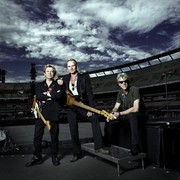
In this The Police reunion photo Sting can be seen with Fender Deluxe Leather strap.
Find it on:



In De do do do De da da da music video we can see Sting playing his Hamer Bass
Find it on:
-m.webp?v=1785217296)
You can see an Ampeg SVT head and Ampeg cabs on Sting's side of the stage in this live performance from 1979. Pretty clear shot at 00:00:48. Visible in many other places.
Find it on:

Sting is known primarily for playing bass guitar, not the Squier Classic Vibe 50's Stratocaster, as suggested in the source image.
Find it on:

Sting is pictured playing a Fender Precision Bass in a photo from Solarnavigator, highlighting his use of this instrument on stage.
Sting can also be seen playing a Fretless Fender Precision Bass at the 1:34 mark during the music video for "Roxanne" by the Police.
Find it on:


In this article from International Musician magazine (reproduced on Sting's official website), long-serving tech Danny Quatrochi explains that Sting has used a Crown DC-300A for the mid-hi portion of his bass signal.
Find it on:

According to Bass Player November 2003 (Japanese), Sting used a custom-made Ibanez bass with a similar specification to the MC940 model, albeit with a natural finish and maple neck. Included a different layout of control and a pearl inlay of Sting's name included at the fingerboard end.
Sting received this bass in around February 1980 and used it during the latter part of the Reggatta De Blanc tour and occasionally during the Zenyatta Mondatta tour. It was also among the basses used on the Zenyatta Mondatta album, visible in the Wisseloord Studios control room in footage taken during the recording sessions included in the Everyone Stares (2006) documentary.
Find it on:

Sting's main guitar since purchasing it with Stewart Copeland in 1978 from Manny's Music in New York City. He used the guitar extensively. During his Live Aid appearance in 1985 and during his first solo recording and tour, The Dream of the Blue Turtles. Source here.
Find it on:

On the Rotosound website, Sting is listed as an endorsing artist who has notably used their Jazz Bass strings.
Find it on:
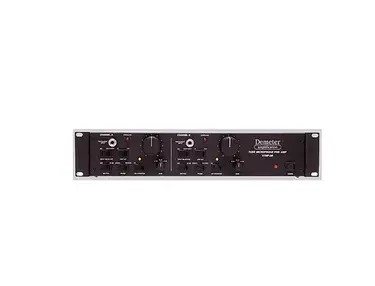
Used for vocals on Brand New Day, All This Time and more. It is mentioned by recording engineer Simon Osborne in this transcribed October 1, 1999 Audio Media interview on Sting's official website.
When it comes to recording Sting's vocals, Simon has a standard way of operating, too: "I always go straight to tape rather than through the desk. I use AMS Neve 31105s and a Demiter [sic] valve mic amp, which I've used for a long while. I've also got all the usual stuff like Urei 1176s and such. I'll start with a general setting, so a 4:1 ratio, not too fast, with a quick release as a guide. His voice obviously changes depending on the key and dynamic of the tune, so it's important to have an initial set-up that can be tweaked as necessary. In terms of mics, we normally use the Sony C800G, it just works well with Sting's voice."
This is restated by Osborne in this December 1, 2002 Mix interview about , also transcribed on Sting's official website.
"For Sting's vocals, we use a Sony valve mic - the C-800G - the one with the little radiator [Peltier cooling device] fitted on the back. It looks a little daft, but it works. I have some Shep preamps - the Neve copies - which are great on drums. I have a Summit and a couple Demeter valve preamps I use on vocals and bass. Most of the other sounds go through the Shep Neve copies which sound good. The design might be 25 or 30 years old, but the sound is state of the art."
Sting is listed as a user of the item on the official product page.
Find it on:

Sting can be seen on the cover of guitar world magazine holding his Steinberger L2.
Find it on:

In a live performance photo, Sting is seen playing a Guild Paloma SC3 acoustic-electric guitar.
Find it on:

Sting regularly performed "Invisible Sun" on an Oberheim OB-Xa synthesizer live with The Police during the early 80s, for instance in this video of the Gateshead concert on 31 July 1982 at around the 59:30 mark. The Oberheim was Sting's main synthesizer both on tour and in the studio for both the Ghost In The Machine and Synchronicity albums, before it was replaced with the Synclavier.
According to Hugh Padgham in an interview featured in the March 1984 issue of Studio Sound magazine, Sting never liked spending ages programming a synth (the Oberheim OB-Xa in this case) to get particular sounds he wanted. Instead he'd say he wants roughly such-and-such and runs through the different presets available on the synth until he found something. "Walking In Your Footsteps" is an example of this.
Find it on:

In an Instagram post, Sting is seen backstage playing a Gibson ES-335 Matte Black guitar, dating from 2012, during his involvement with "The Last Ship" production.
Find it on:

Sting can be seen playing his first Ibanez bass in this photo, widely documented as the Ibanez MC940 when in fact it was an Ibanez MC900DS fretted model modified to a fretless. The proof is in the photo, in that the fret markings from the original model are still visible around the edges of the neck. This was Sting's main bass during the Reggatta De Blanc era (1979-1980). Sting first got the Ibanez around June 1979 according to The PoliceWiki website, and he can be seen using the Ibanez in photos taken during recording sessions for the Reggatta De Blanc album at Surrey Sound Studios in the Summer of 1979. It was also used heavily onstage during the album's tour, and appears in music videos like Message in a bottle and Can't stand losing you.
Find it on:

The DR Strings website lists Sting as an endorsing artist, stating that he specifically uses the NLH-40 set.
Find it on:

In the March 2012 issue of Total Production International magazine, Sting's then-production crew was interviewed and it is stated that he was using an 865 for live work.
Find it on:

Sting playing Fragile with a Gibson Chet Atkins
Find it on:
This is a community-built gear list for Sting.
- Find relevant music gear like Microphones, Guitars, Amplifiers, Effects Pedals, Bass Guitars, Software Plugins and VSTs, Keyboards and Synthesizers, Instruments, and other instruments and add it to Sting.
- The best places to look for gear usage are typically on the artist's social media, YouTube, live performance images, and interviews.
- To receive email updates when Sting is seen with new gear, follow the artist.
Discography
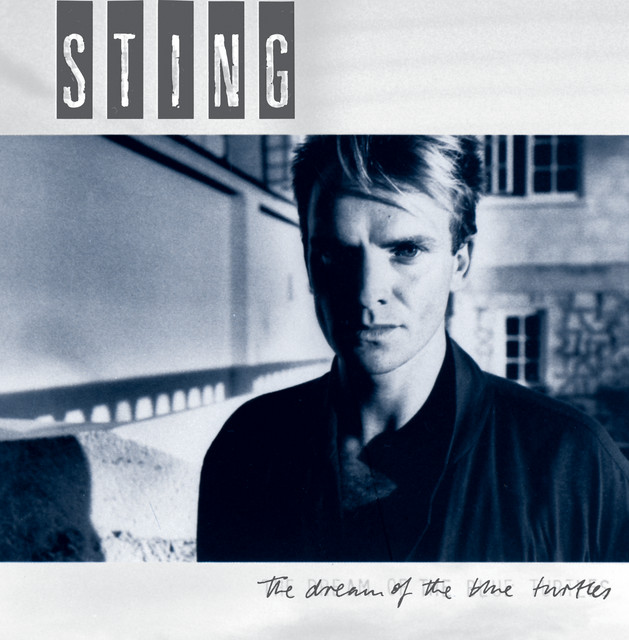
The Dream Of The Blue Turtles
1985
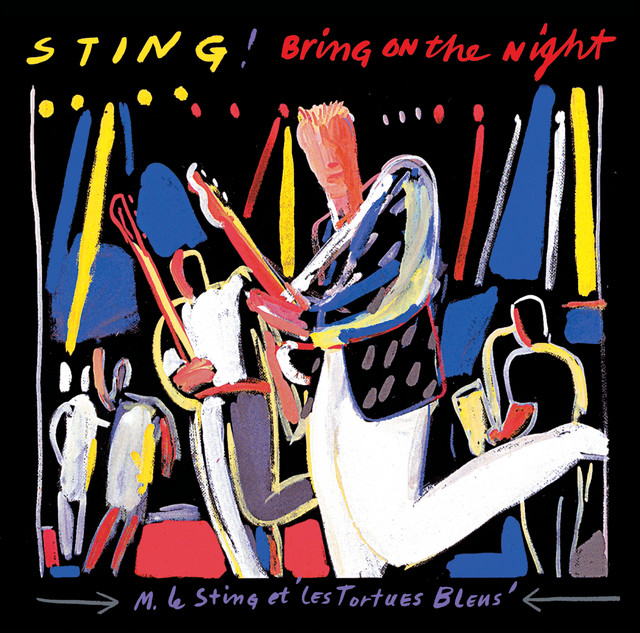
Bring On The Night (Live)
1986
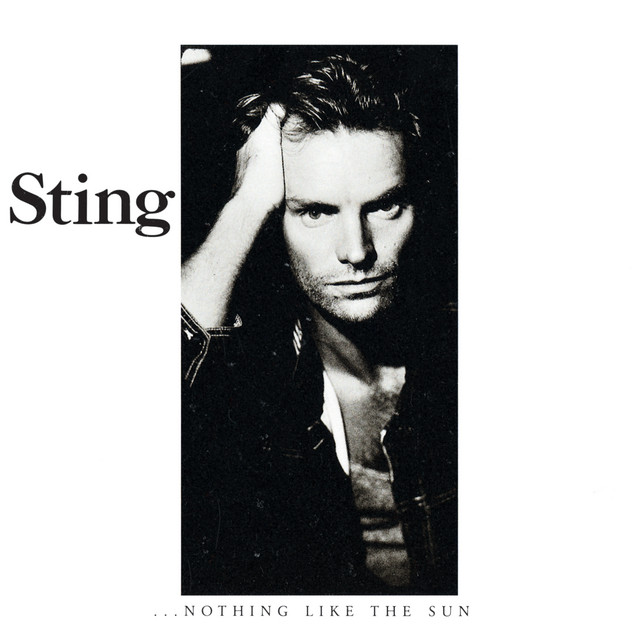
...Nothing Like The Sun
1987
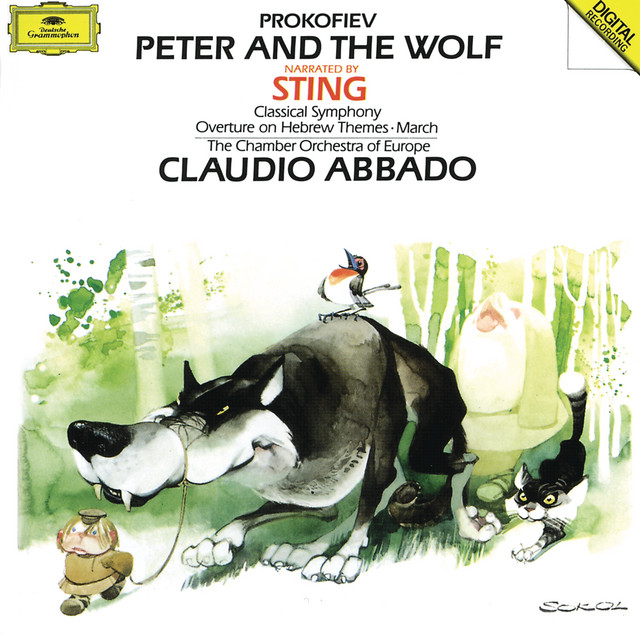
Prokofiev: Peter and the Wolf; Classical Symphony Op.25; March Op.99; Overture Op.34
1990
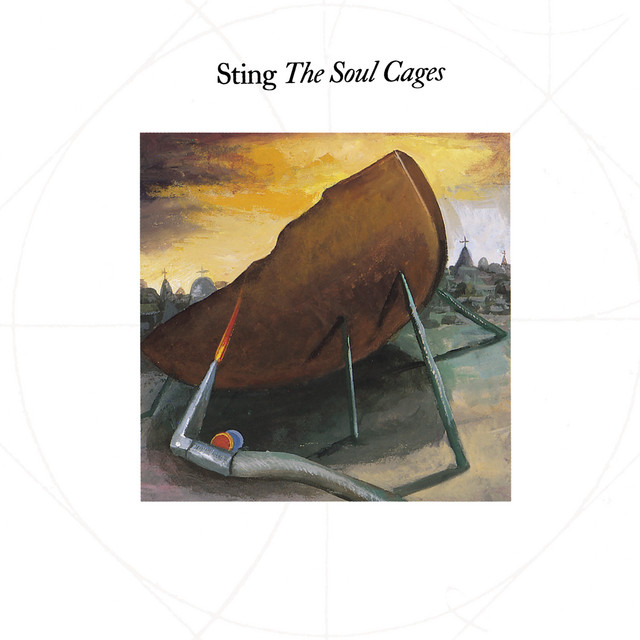
The Soul Cages
1991
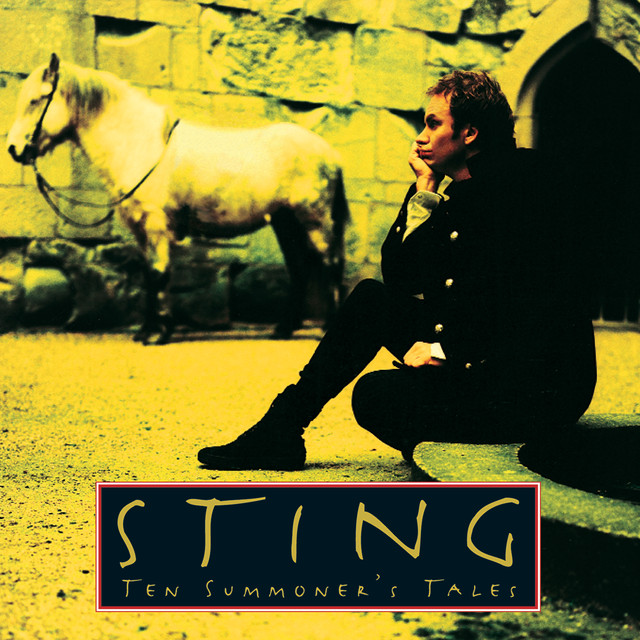
Ten Summoner's Tales
1993
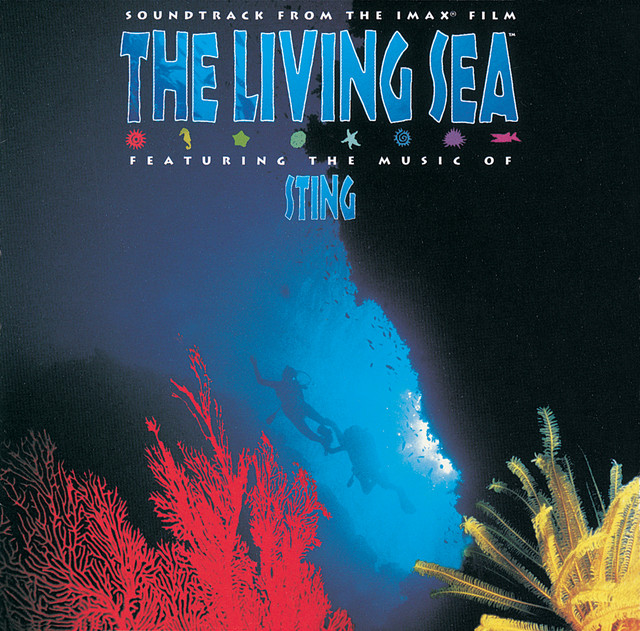
The Living Sea
1995
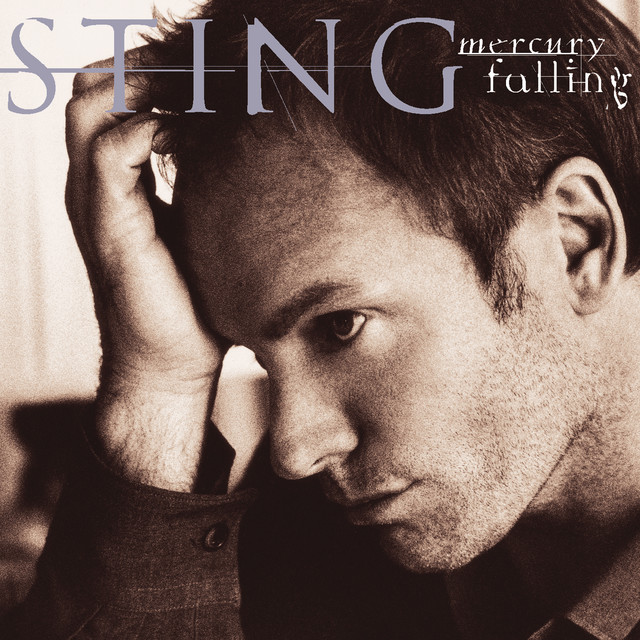
Mercury Falling
1996
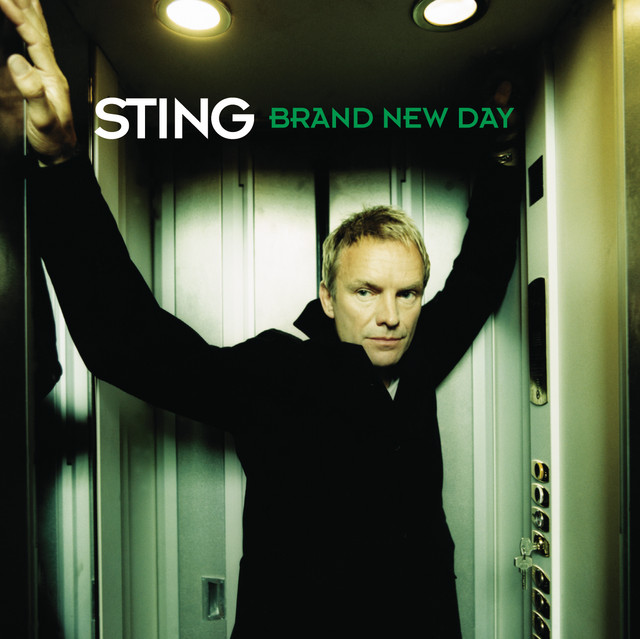
Brand New Day
1999
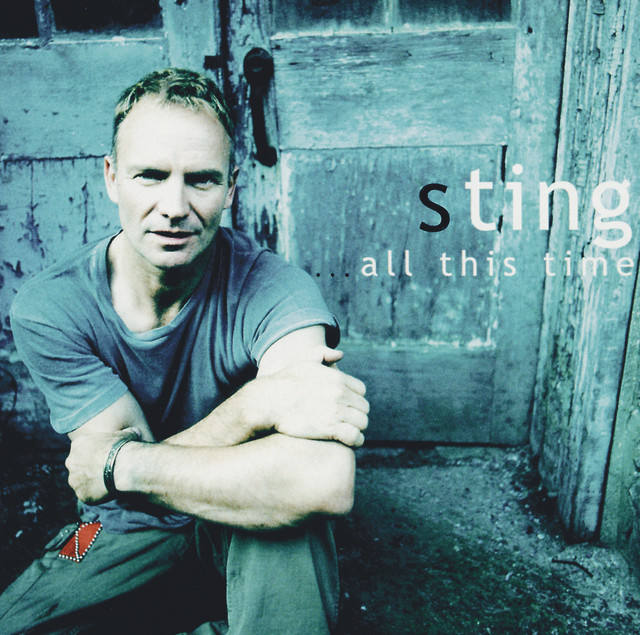
...All This Time
2001

Still Be Love In The World
2001
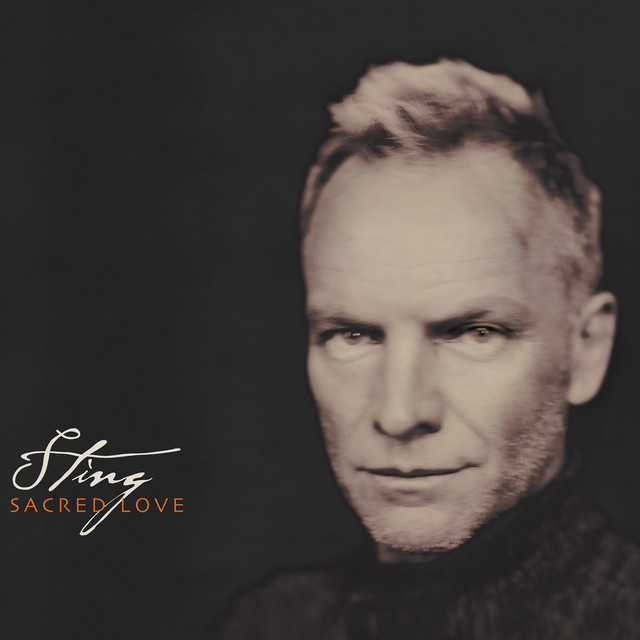
Sacred Love
2003
Album Credits
-
Tiziano Ferro · 2023
Producer