Sting
singer, songwriter & member of The Police
Credits
Credits
Sting's Gear


In this photo from a concert in Paris on 3 May 1986, Sting can be seen playing a Yamaha DX7 synthesizer.
Find it on:


-m.webp?v=1783143344)
In this 1982 photo, the MXR Phase 90 pedal is visible.
Find it on:


In this 1981 interview with Jools Holland on Montserrat, Sting does a demonstration of "Message In A Bottle" with the aid of a Sony CF-900S tape recorder with a built-in drum box. This first appears at the 1:18 mark.
Find it on:

A pair was used for "some acoustic guitar" on Brand New Day, as stated by recording engineer Simon Osborne in this October 1, 1999 Audio Media interview transcribed on Sting's official website.
Simon also had an exciting time experimenting at Sting's Italian villa. "I got into using M&S miking a bit on this album," he says, "using a pair of Audio Technica 4050s in the chapel. It's got brilliant acoustics. We recorded some acoustic guitar there, so I did M&S recording of the ambience. I experimented a lot to get the right balance between the close mic and the ambient mics. Real reverb was just lovely; it really makes you realise what you're missing when you use digital reverbs!"
Find it on:

Used for Sting's vocals for Sting: A Winter's Night... Live From Durham Cathedral, as featured in this video from DPA's YouTube channel.
Find it on:

Used on Brand New Day, as stated on the official album page of Sting's official website and in a compilation of interviews on the same page.
"I play all the bass on my Fender P-bass, and then I play a Roland guitar synthesiser, and a classicla guitar. I typically play the simple guitar bits, the centre of the songs. Dominic Miller plays the colours, which he's really good at. I don;t play any piano or keyboards on this record; I was in love with this guitar synth. It gave me so many opportunities to have fun.
(...) Bassist, 10/99
"I wrote most of 'Brand New Day' on a Roland VG-8 [guitar-synth system] with synthesizer sounds. That gave me a shot in the arm about being creative on guitar. I created most songs by jamming with a drum machine and getting riffs - that sound is all over the album. The theme from 'A Thousand Years', for instance, comes from the VG-8. I do sometimes write on the bass, though."
Revolver, 3/00
(...) Sting: Vocals, Bass, Vg-8 Guita [sic] Synth, Bv's
Find it on:

In the 2018 official music video for "Don't Make Me Wait," Sting can be seen playing a Gibson Custom SG Special Electric Guitar.
Find it on:


According to Bass Magazine 2003 (Japanese), Sting used a custom-made Ibanez MC940 bass with Pearl white finish, a maple fretless neck and two Super P5s pickups mounted.
Sting received this bass in January 1981 while on tour in Japan with The Police, and used it for the rest of the Zenyatta Mondatta tour.
Find it on:

In this article from International Musician magazine (reproduced on Sting's official website), long-serving tech Danny Quatrochi explains that Sting has used an SRE-555 as part of his live rig.
Find it on:

In this article from International Musician magazine (reproduced on Sting's official website), long-serving tech Danny Quatrochi explains that Sting has Regular Slinky strings on his non-bass guitars.
Find it on:

According to the DPA website, Sting is an endorsing artist and has been using their d:facto microphone both onstage and in the studio.
Find it on:



In the March 2012 issue of Total Production International magazine, Sting's then-production crew was interviewed and it is stated that he was using the SR 2050 IEMs.
Find it on:


1987 - Sting dons a black Paul Reed Smith Guitar for the Umbria Jazz Festival in Perugia Italy.
According to an interview with Musician magazine December 1987 issue, Sting mentions using a Paul Reed Smith guitar on the Nothing Like The Sun album.
Find it on:

Mentioned by producer Hugh Padgham in this March 2004 Sound on Sound interview.
"His voice was always fairly dull," Padgham explains, "and I was never totally happy with his vocal sound until we came upon the Sony C800 tube mic much later on."
Find it on:

Used for vocals on Brand New Day, as mentioned by recording engineer Simon Osborne in this transcribed October 1, 1999 Audio Media interview on Sting's official website.
When it comes to recording Sting's vocals, Simon has a standard way of operating, too: "I always go straight to tape rather than through the desk. I use AMS Neve 31105s and a Demiter valve mic amp, which I've used for a long while. I've also got all the usual stuff like Urei 1176s and such. I'll start with a general setting, so a 4:1 ratio, not too fast, with a quick release as a guide. His voice obviously changes depending on the key and dynamic of the tune, so it's important to have an initial set-up that can be tweaked as necessary. In terms of mics, we normally use the Sony C800G, it just works well with Sting's voice."
Find it on:

In a live performance of "We Work the Black Seam Together," Sting uses the NED Synclavier II, showcasing its role in the pre-production phase of his solo career. This is documented in a YouTube video by bedz2big.
Find it on:
-m.webp?v=1783143468)
Sting is photographed (by Andy Summers and Lynn Goldsmith) playing a Prophet-10 synthesizer in the studio during the Ghost In The Machine sessions. So the Prophet-10 possibly appears on the album in places.
Find it on:

According to Bass talk forums, Sting picked up a fretless version of the Ibanez MC-980 8-string bass in February 1980 during the Regatta De Blanc tour and used it regularly for part of the set until April 1980.
Find it on:

In this 1981 Jools Holland interview with Sting in Montserrat, he does a demonstration of "Message In The Bottle" with a TEAC portastudio and "Dennis" the drum machine at around the 3:11 mark.
Find it on:

In this article from International Musician magazine (reproduced on Sting's official website), long-serving tech Danny Quatrochi explains that Sting has used a Crown PSA-2 for the bottom and low-mid portion of his bass signal.
Find it on:

In this article from International Musician magazine (reproduced on Sting's official website), long-serving tech Danny Quatrochi explains that Sting has used a Crown DC-300A for the high frequency portion of his bass signal.
Find it on:

The Getty image shows Sting playing one of the 70 Van Zalinge Z basses.
Find it on:

The item can be seen 1:02 into this video
Find it on:

Used on the vocals for “Every Breath You Take” and Brand New Day. The former is mentioned by producer Hugh Padgham in this March 2004 Sound on Sound interview.
Back in the control room, Sting recorded his vocals with an AKG 414, compressed through a UREI 1176, to attain a brighter top end. "His voice was always fairly dull," Padgham explains, "and I was never totally happy with his vocal sound until we came upon the Sony C800 tube mic much later on. Recording him in the studio was always quite hard — generally, rather than doing takes, he'd just sing along, and then if he messed up or didn't like something we'd just stop, drop in and build a vocal that way. On things like choruses, where there are loads of harmonies, the actual lead track gets watered down to the point where you don't really need as much of a performance. In those days there was no such thing as tuning, so if a harmony was out of tune, it was my job to stop and redo it — to police the recording, so to speak."
The latter is mentioned by recording engineer Simon Osborne in this transcribed October 1, 1999 Audio Media interview on Sting's official website.
When it comes to recording Sting's vocals, Simon has a standard way of operating, too: "I always go straight to tape rather than through the desk. I use AMS Neve 31105s and a Demiter valve mic amp, which I've used for a long while. I've also got all the usual stuff like Urei 1176s and such. I'll start with a general setting, so a 4:1 ratio, not too fast, with a quick release as a guide. His voice obviously changes depending on the key and dynamic of the tune, so it's important to have an initial set-up that can be tweaked as necessary. In terms of mics, we normally use the Sony C800G, it just works well with Sting's voice."
Find it on:

Used for vocals on Brand New Day, All This Time and more. It is mentioned by recording engineer Simon Osborne in this transcribed October 1, 1999 Audio Media interview on Sting's official website.
When it comes to recording Sting's vocals, Simon has a standard way of operating, too: "I always go straight to tape rather than through the desk. I use AMS Neve 31105s and a Demiter valve mic amp, which I've used for a long while. I've also got all the usual stuff like Urei 1176s and such. I'll start with a general setting, so a 4:1 ratio, not too fast, with a quick release as a guide. His voice obviously changes depending on the key and dynamic of the tune, so it's important to have an initial set-up that can be tweaked as necessary. In terms of mics, we normally use the Sony C800G, it just works well with Sting's voice."
This is restated by Osborne in this December 1, 2002 Mix interview about Brand New Day, also transcribed on Sting's official website.
"For Sting's vocals, we use a Sony valve mic - the C-800G - the one with the little radiator [Peltier cooling device] fitted on the back. It looks a little daft, but it works. I have some Shep preamps - the Neve copies - which are great on drums. I have a Summit and a couple Demeter valve preamps I use on vocals and bass. Most of the other sounds go through the Shep Neve copies which sound good. The design might be 25 or 30 years old, but the sound is state of the art."
Find it on:

Here you can see 2 ML18s sitting underneath the 2 12AMs in between the two ampeg 810s. He uses these in conjunction with the 12AMs to basically make a full range stack with the 12AMs being the high and mid and the ML18 being the low.
Find it on:
-m.webp?v=1782745618)
Sting in live show with Gretsch G6136T
Find it on:

The Oberheim DMX was used the kick drum on "Every Breath You Take".
Find it on:

The Casio was Sting's main writing tools around the time of the Ghost In The Machine album in 1981. For instance, he wrote the main riff to "Spirits In The Material World" on the Casio in the back of a tour bus somewhere.
In photos from the Montserrat sessions, the band can be seen fiddling around with the Casiotone M-10. In footage of the Jools Holland interview, the Casio is visible in front of the Portastudio near the 3:00 mark.
Plus, Stewart Copeland remembers in a Songfacts interview that the mallet line in "King Of Pain" originated as a set of chords played by Sting on a Casio keyboard, with a rather "clinky sound". But it was decided that the riff be played on a Xylophone instead to make it sound more organic.
Find it on:

One of Sting's onstage instruments during the Regatta De Blanc and Zenyatta Mondatta tours between 1979 and 1981, before it was replaced with the Oberheim OB-Xa polyphonic synth. He dabbled with the Minimoog occasionally during the setlist, in particular "Walking On The Moon" at around the 5:15 mark in the video above.
Find it on:
This is a community-built gear list for Sting.
- Find relevant music gear like Microphones, Guitars, Amplifiers, Effects Pedals, Bass Guitars, Software Plugins and VSTs, Keyboards and Synthesizers, Instruments, and other instruments and add it to Sting.
- The best places to look for gear usage are typically on the artist's social media, YouTube, live performance images, and interviews.
- To receive email updates when Sting is seen with new gear, follow the artist.
Discography
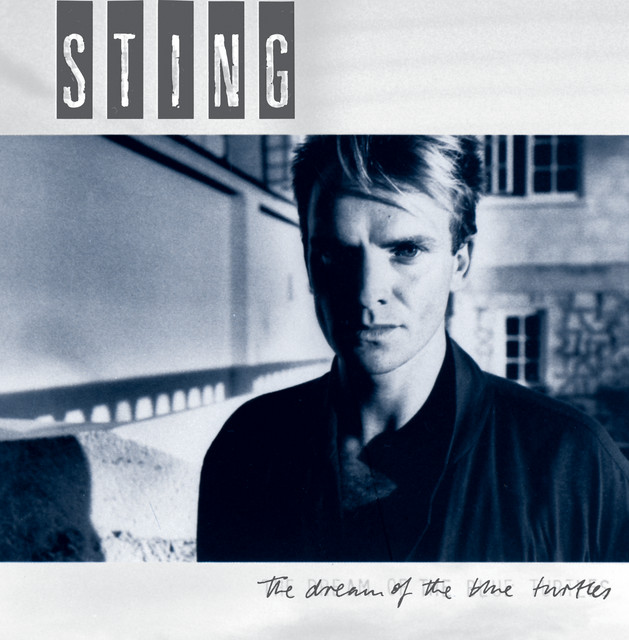
The Dream Of The Blue Turtles
1985
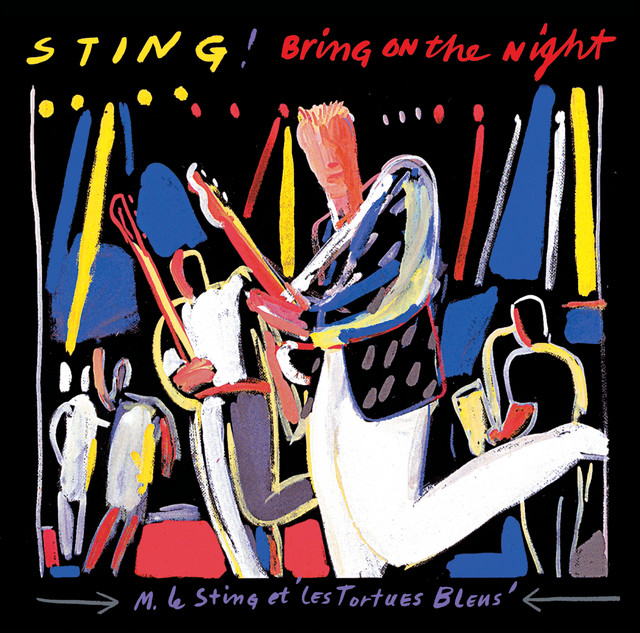
Bring On The Night (Live)
1986
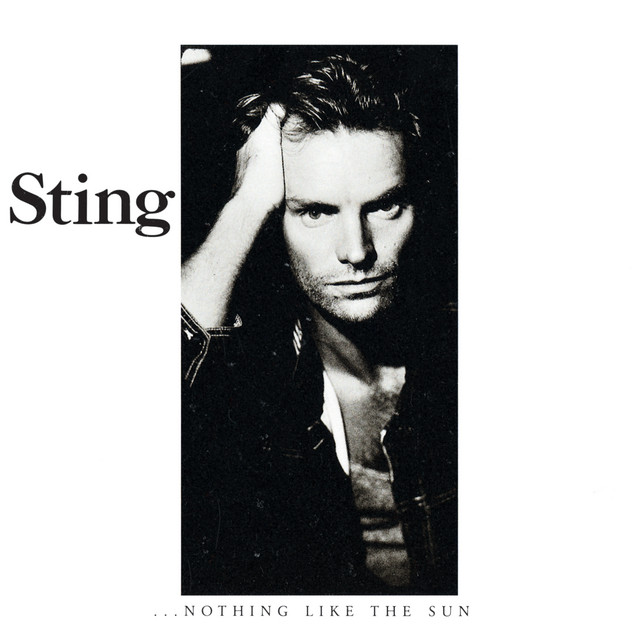
...Nothing Like The Sun
1987

Prokofiev: Peter and the Wolf; Classical Symphony Op.25; March Op.99; Overture Op.34
1990
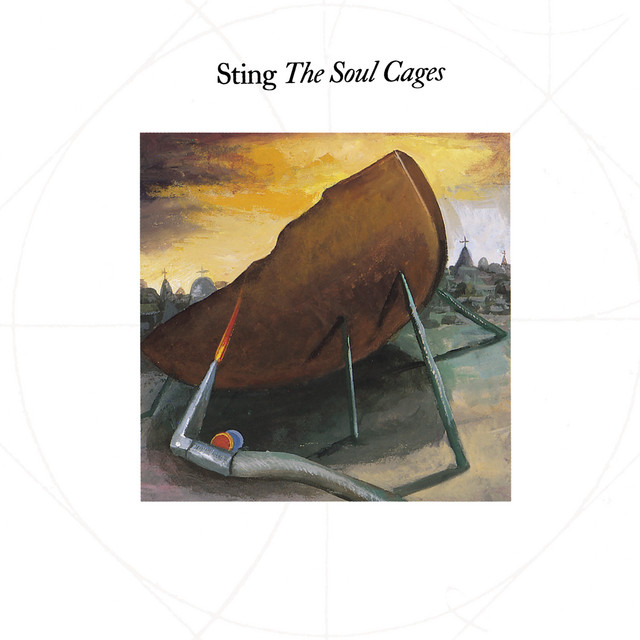
The Soul Cages
1991
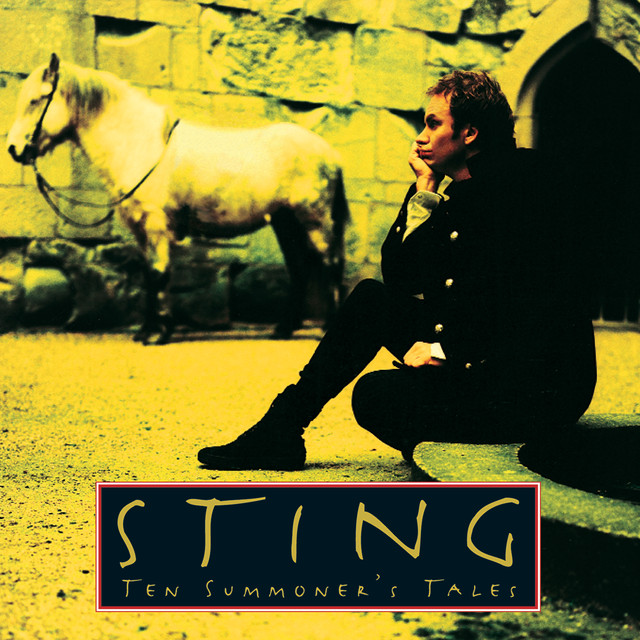
Ten Summoner's Tales
1993
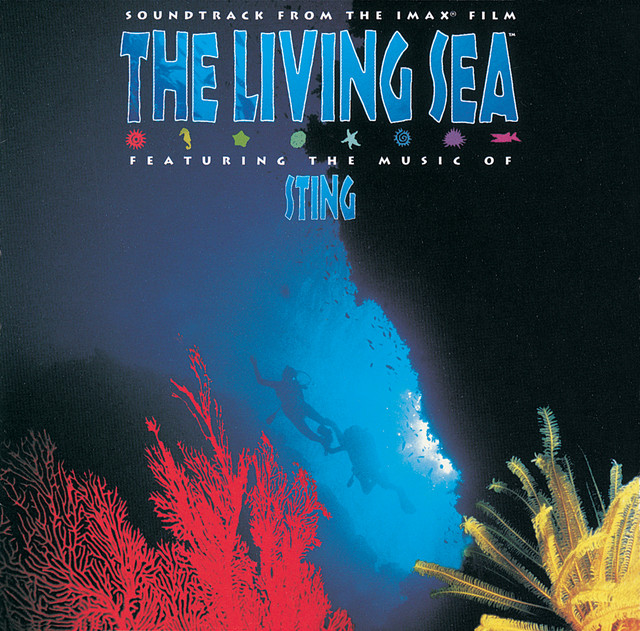
The Living Sea
1995
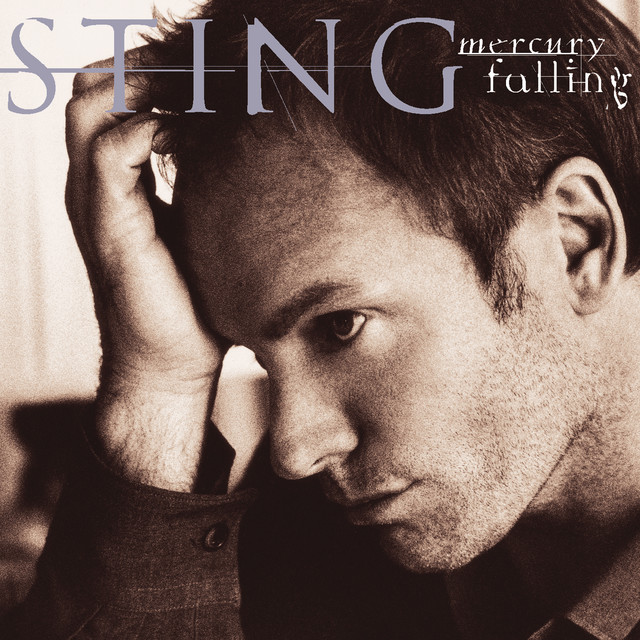
Mercury Falling
1996
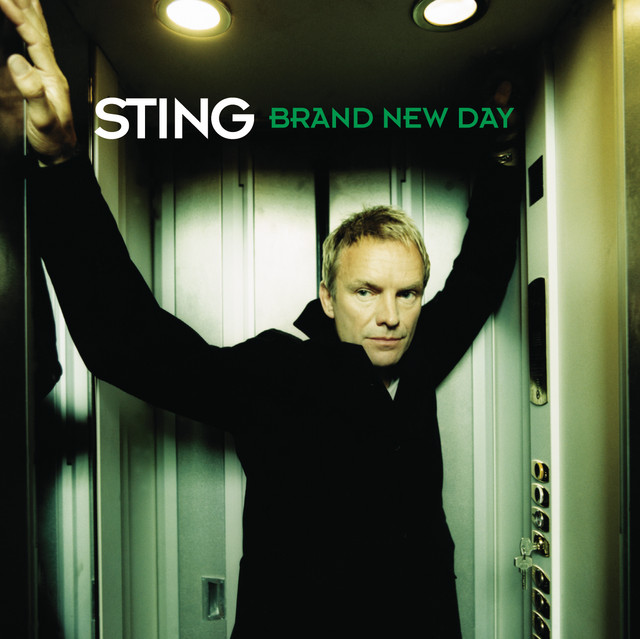
Brand New Day
1999
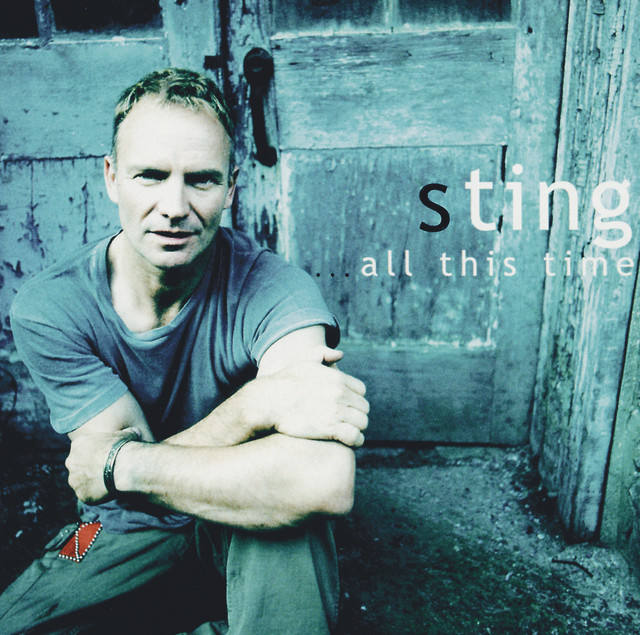
...All This Time
2001

Still Be Love In The World
2001
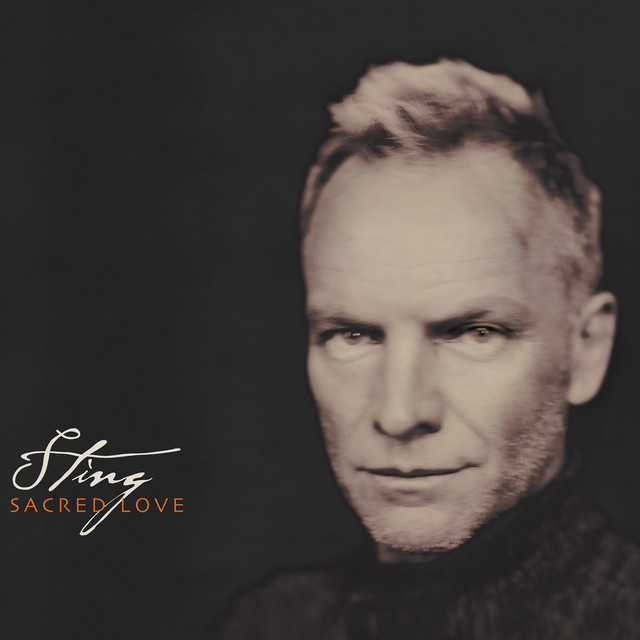
Sacred Love
2003
Album Credits
-

Tiziano Ferro · 2023
Producer






.webp)