Tony "Bruno" Rey
US guitarist/writer/producer/arranger
Role
Group
Role
Group
Tony "Bruno" Rey's Gear


Throughout the video, you can see Tony play a Nightswan
Find it on:


-m.webp?v=1784871794)
A JCM800 head is viewed on top of Marshall Cabinets in this video
Find it on:


Throughout the video, you can see Tony play a Flying V
Find it on:

Tony is seen in multiple videos using a Fender Strat
Find it on:

Tony is seen using Bedrock 1200 heads in this music video
Find it on:


“Ok, Saraya days (live) I was using the classic ADA MP-1 setup with two Bedrock 4x12 slant cabs/30 Watt Greenbacks in both. Main axe was that Lake Placid Blue ESP strat with a Seymor Duncan in the bridge and a Kramer Sustainer, flip-flop purple/blue. FX were a straight up Lexicon MPX-1 through the FX loop.
When we did the first record, I tracked with that rig (at Bearsville Studios in NY). But we did all the overdubs at Studio-1 in Austin, Texas and Jeff Glicksman, who was producing, brought in this Mashall Plexi that just leveled me. Used it on everything except ‘St. Christophers Medal.’ That track was recorded near 2:00 a.m. and we were drunk, tired and who knows what else, so when the solo came up during basics, instead of staying with the rhythm part, I just went for it. The next day, even though I wasn’t nuts about the tone, I LOVED the solo, so it stayed.
When we did Blackbird (and thank you for the praise... I still love that record), I needed to raise the bar a bit in terms of layers and tone. So I bought a late ‘70s Les Paul Jr. and started getting used to the way it changed my playing. I ended up writing the entire record on that guitar. I did all the demos on my home studio (Korg M1 and Tascam 8-track) and Sandi wrote most of the lyrics in the studio. Funny thing is, we recorded that record just outside of New Orleans and the studio had great vintage gear. So I ended up using a Tele on a LOT of those songs, the Jr., and a Fender Twin, my ADA, and a Roland Jazz Chorus all running together and coming up on six faders.
Danger Danger was another situation like that. The studio had this old Laney Pro-Tube Lead that sounded dope so I used it on the entire record, with my Lexicon MPX-1 and the Blue ESP.”
Find it on:

“Ok, Saraya days (live) I was using the classic ADA MP-1 setup with two Bedrock 4x12 slant cabs/30 Watt Greenbacks in both. Main axe was that Lake Placid Blue ESP strat with a Seymor Duncan in the bridge and a Kramer Sustainer, flip-flop purple/blue. FX were a straight up Lexicon MPX-1 through the FX loop.
When we did the first record, I tracked with that rig (at Bearsville Studios in NY). But we did all the overdubs at Studio-1 in Austin, Texas and Jeff Glicksman, who was producing, brought in this Mashall Plexi that just leveled me. Used it on everything except ‘St. Christophers Medal.’ That track was recorded near 2:00 a.m. and we were drunk, tired and who knows what else, so when the solo came up during basics, instead of staying with the rhythm part, I just went for it. The next day, even though I wasn’t nuts about the tone, I LOVED the solo, so it stayed.
When we did Blackbird (and thank you for the praise... I still love that record), I needed to raise the bar a bit in terms of layers and tone. So I bought a late ‘70s Les Paul Jr. and started getting used to the way it changed my playing. I ended up writing the entire record on that guitar. I did all the demos on my home studio (Korg M1 and Tascam 8-track) and Sandi wrote most of the lyrics in the studio. Funny thing is, we recorded that record just outside of New Orleans and the studio had great vintage gear. So I ended up using a Tele on a LOT of those songs, the Jr., and a Fender Twin, my ADA, and a Roland Jazz Chorus all running together and coming up on six faders.
Danger Danger was another situation like that. The studio had this old Laney Pro-Tube Lead that sounded dope so I used it on the entire record, with my Lexicon MPX-1 and the Blue ESP.”
Find it on:

“Ok, Saraya days (live) I was using the classic ADA MP-1 setup with two Bedrock 4x12 slant cabs/30 Watt Greenbacks in both. Main axe was that Lake Placid Blue ESP strat with a Seymor Duncan in the bridge and a Kramer Sustainer, flip-flop purple/blue. FX were a straight up Lexicon MPX-1 through the FX loop.
When we did the first record, I tracked with that rig (at Bearsville Studios in NY). But we did all the overdubs at Studio-1 in Austin, Texas and Jeff Glicksman, who was producing, brought in this Mashall Plexi that just leveled me. Used it on everything except ‘St. Christophers Medal.’ That track was recorded near 2:00 a.m. and we were drunk, tired and who knows what else, so when the solo came up during basics, instead of staying with the rhythm part, I just went for it. The next day, even though I wasn’t nuts about the tone, I LOVED the solo, so it stayed.
When we did Blackbird (and thank you for the praise... I still love that record), I needed to raise the bar a bit in terms of layers and tone. So I bought a late ‘70s Les Paul Jr. and started getting used to the way it changed my playing. I ended up writing the entire record on that guitar. I did all the demos on my home studio (Korg M1 and Tascam 8-track) and Sandi wrote most of the lyrics in the studio. Funny thing is, we recorded that record just outside of New Orleans and the studio had great vintage gear. So I ended up using a Tele on a LOT of those songs, the Jr., and a Fender Twin, my ADA, and a Roland Jazz Chorus all running together and coming up on six faders.
Danger Danger was another situation like that. The studio had this old Laney Pro-Tube Lead that sounded dope so I used it on the entire record, with my Lexicon MPX-1 and the Blue ESP.”
An added comment from Rey mentioned that his acoustic guitar parts were done on a Gibson J-200 acoustic, which he still owns today.
Find it on:


“Ok, Saraya days (live) I was using the classic ADA MP-1 setup with two Bedrock 4x12 slant cabs/30 Watt Greenbacks in both. Main axe was that Lake Placid Blue ESP strat with a Seymor Duncan in the bridge and a Kramer Sustainer, flip-flop purple/blue. FX were a straight up Lexicon MPX-1 through the FX loop.
When we did the first record, I tracked with that rig (at Bearsville Studios in NY). But we did all the overdubs at Studio-1 in Austin, Texas and Jeff Glicksman, who was producing, brought in this Mashall Plexi that just leveled me. Used it on everything except ‘St. Christophers Medal.’ That track was recorded near 2:00 a.m. and we were drunk, tired and who knows what else, so when the solo came up during basics, instead of staying with the rhythm part, I just went for it. The next day, even though I wasn’t nuts about the tone, I LOVED the solo, so it stayed.
When we did Blackbird (and thank you for the praise... I still love that record), I needed to raise the bar a bit in terms of layers and tone. So I bought a late ‘70s Les Paul Jr. and started getting used to the way it changed my playing. I ended up writing the entire record on that guitar. I did all the demos on my home studio (Korg M1 and Tascam 8-track) and Sandi wrote most of the lyrics in the studio. Funny thing is, we recorded that record just outside of New Orleans and the studio had great vintage gear. So I ended up using a Tele on a LOT of those songs, the Jr., and a Fender Twin, my ADA, and a Roland Jazz Chorus all running together and coming up on six faders.
Danger Danger was another situation like that. The studio had this old Laney Pro-Tube Lead that sounded dope so I used it on the entire record, with my Lexicon MPX-1 and the Blue ESP.”
An added comment from Rey mentioned that his acoustic guitar parts were done on a Gibson J-200 acoustic, which he still owns today.
Find it on:
This is a community-built gear list for Tony "Bruno" Rey.
- Find relevant music gear like Guitars, Amplifiers, Effects Pedals, and other instruments and add it to Tony "Bruno" Rey.
- The best places to look for gear usage are typically on the artist's social media, YouTube, live performance images, and interviews.
- To receive email updates when Tony "Bruno" Rey is seen with new gear, follow the artist.
-
Added to Equipboard on by
 blueace
GearIQ 668
-
Updated
Album Credits
-
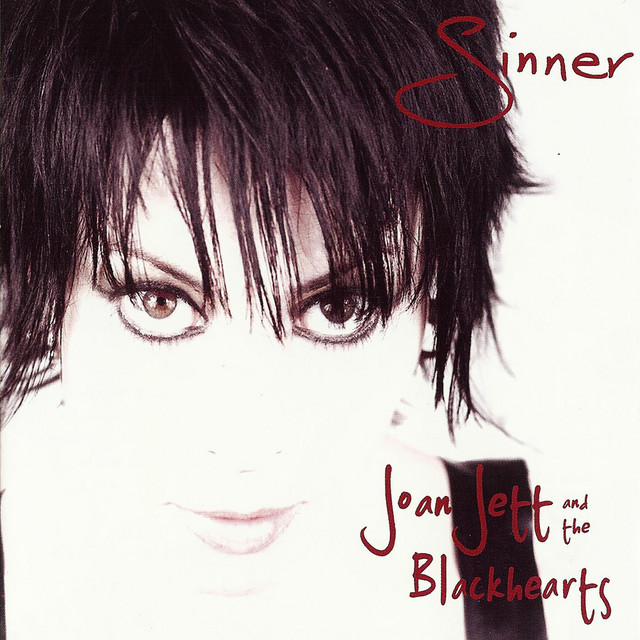
Joan Jett and the Blackhearts & Joan Jett · 2006
Engineer -
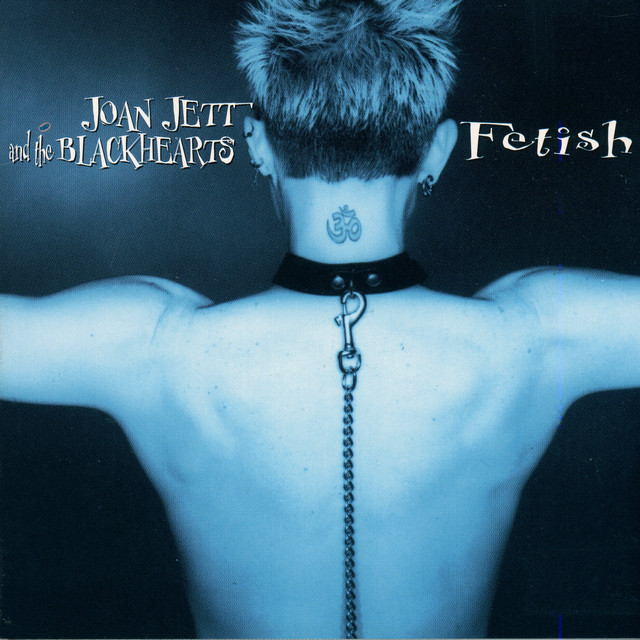
Joan Jett and the Blackhearts & Joan Jett · 1999
Engineer -
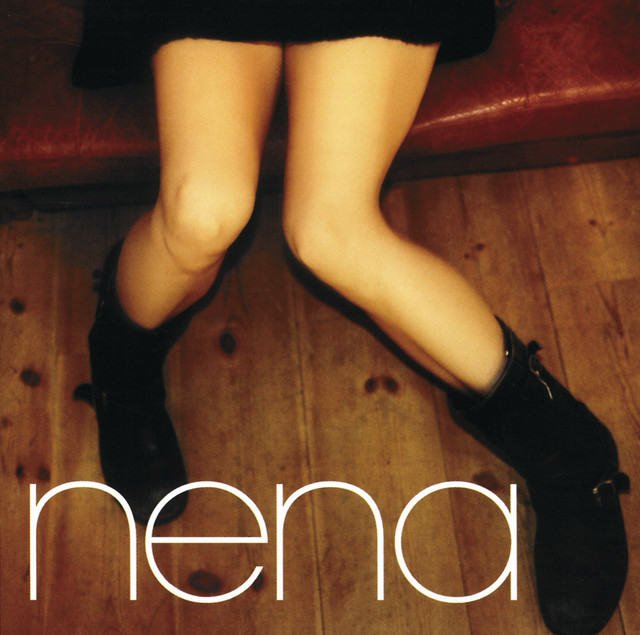
Wenn Alles Richtig Ist, Dann Stimmt Was Nich
Nena & Nena · 1998
Producer Programmer