
daonlybg's Reviews
14 reviews Back to daonlybg's Equipboard

191
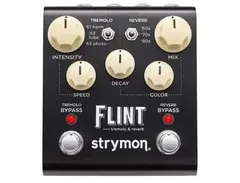
Almost perfect- but missing one element
This is a solid 4.5+/5 star pedal. The tremolo settings are dead accurate. The 70s and 80s reverbs are very well designed and executed. The only issue- not just with mine but with a big consensus of Flint owners- is that the 60s "Spring reverb" setting is missing the "splash" that you hear on a Fender blackface amp with the reverb turned over 5/6. Many people claim you can't get "drip," but turning down the decay to 9 o'clock and turning the mix to o'clock should do the trick. If it weren't for that splash, I'd give the Flint a perfect 5/5.
-s.webp?v=1783781994)
191
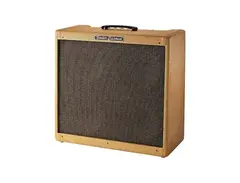
The Perfect Tweed Reissue Amp
The mids are not too powerful on this amp, so for those (like myself) looking for a bluesy scooped sound, it's perfect. There's literally nothing you need to do to your tone if your pickups are half-decent. The 4x10 cab provides speakers aren't too rigid; you don't need to crank the amp to hear the tone. Some shy away from the Bassman because it doesn't have that classic Fender spring reverb or tremolo. I say it's worth it- buy an excellent spring reverb pedal and enjoy the amp's tone.

41013
did you swap in a tube rectifier and rebias it? It can sound more vintage correct if you do that
-s.webp?v=1783868577)

179
I agree! I have one on my pedal
191
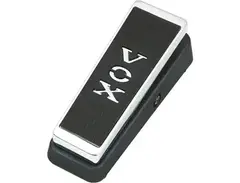
Good exterior built, but the interior leaves much to be desired.
The pedal is extremely sensitive to radio wave interference. In fact, switching the pedal on doesn't get me the "wah" effect as much as it gets me the weather and traffic report from the local radio station. There is a way around this- either spend time and money lining up the pedal with a buffer to halt the radio waves in their tracks, or return the pedal altogether.
It's not as though the potentiameter gives you much room for an exaggerated wah, anyway. It's subtle as is.
191
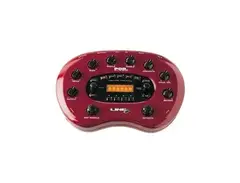
Versatile and functional sound modeler for the money
Lots of different pedals, amps, and other sound effects inside of the unit to approximate a certain sound you'd like. Highly functional- especially the tuner that's included. It can be overwhelming at first but after a few rounds of noodling around with the unit, it becomes intuitive to use. Great for studio work.
191
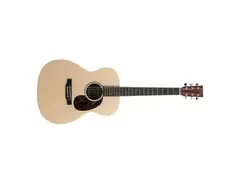
Excellent for the Money
I bought mine used for a pretty low price. These can be routinely found on the aftermarket for $500 or less. For what this guitar is intended to be- a friendly introduction to the Martin tradition- it exceeds all expectations. Though one doesn't hear the nuanced harmonics found in upper-end Martin guitars, this guitar's warm tone mimics the rich mellowness of other expensive guitars without the hefty price tag. It's made in Mexico but not at the expense of build and quality. Best of all, the guitar stays in tune.
191
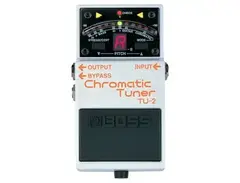
Standard tuner; nothing special. Some times it has a little error.
The tuner usually works alright. Occasionally, I'll notice some error and will have to come back to retune strings in the same session. Though a football is very convenient being at your feet, there's something left to be desired if a simple iPhone app could outperform the pedal.
191
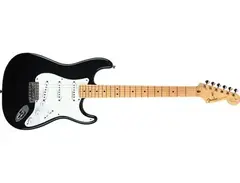
2003 American Standard Fender Stratocaster: Perfect Tone and Quality Materials- but Requires Extra Care
The early 2000's Stratocasters sound great. The pickups are wound consistently, the wood is beautiful, the electronics work well, etc etc. The only problem is that the guitars require some extra attention at first to ensure that they stay in tune, especially when the strings get bent. Of course, I'm willing to not dock points against Fender as extreme variance in weather is usually the cause for this, but at times I can't help but wonder if Fender could improve the tuners. In reality, this guitar probably deserves 4.3-4.5 stars out of 5. However, the tone really is great and despite not being completely handmade, the quality shines through.
191
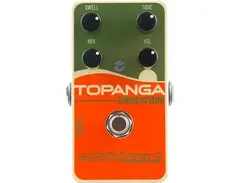
You CAN'T consistently differentiate the Topanga's Spring Reverb from a genuine Fender Reverb
If you spend a lot of time with spring reverb pedals, you'll eventually pick out the nuances that differentiate them from true, organic spring reverb that only a spring box in the amp's chassis can supply. The Catalinbread Topanga is one of the very, very rare exceptions to that rule.
When I switched from a Fender DRRI to a Bassman, I thought I'd be missing the spring reverb that the DRRI supplied. After acquiring the Topanga, I haven't looked back.
191
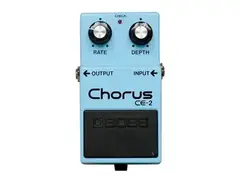
Excellent Built Pedal; Don't Bother with the Substitutes
Boss took the CE-1 and converted it into a small stomp box with improved functionality. The CE-2 captures the analog chorus sound of the 80s and I always laugh at people paying ridiculous sums of money for boutique chorus pedals that aim to mimic the early Boss pedals. Folks, the CE-2 can be had for $200 or less. There's no reason to spend more (or less) on another chorus- that is, except the Boss CE-1. The reason that I'm giving the CE-2 4 stars/5 is that I can't give it 4.5 stars; the reason I'm not giving it 5 stars is that it doesn't capture the "depth" element of tone that the CE-1 originally had. However, the CE-1 can be pricey, and while I'd argue that the depth is worth the extra money, the CE-2 is hands down the best chorus for the money.
191
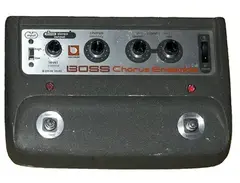
Love the 80s? This will take you back further than VH-1 can.
This pedal's chorus is as legit as it gets. The chorus not only sounds great and has the appropriate tone to complement the effect- but the depth that the pedal provides puts other respectable chorus pedals to shame, even the subsequent 80s chorus stomp boxes that Boss produced. The CE-2 is nice, ladies and gentlemen, but put it next to a CE-1 and you'll never be satisfied with the CE-2 again, knowing that there's a superior chorus out there. The difference justifies the price tag. The only negative thing about this pedal is the circuitry. The foot switches themselves are misleading and you can't exactly turn on the vibrato without turning on the chorus. At the end of the day, though, this is comfortably the best chorus sound on the market.