Herbie Hancock
US jazz pianist, keyboardist, bandleader and composer
Herbie Hancock's Gear



Herbie Hancock is known to request a Fazioli 308 Grand Piano for his performances and owns one at home, as noted in an article by Nicola Benedetti on Fazioli's website.
Find it on:


On the back cover of the 1973 album Headhunters, the Rhodes Electro Piano is listed as one of the instruments played by Herbie Hancock.
Find it on:


Used on Monster, as specified in Herbie Hancock’s Electronic Instrument Glossary from September 14, 2016.
Clavitar – Released in 1978, this keytar combines the keyboard and guitar into one unique instrument. The instrument is played like a keyboard but shaped like a guitar and straps around the neck allowing the keyboard player to roam freely on stage. Herbie plays the Clavitar on his 1980 album Monster.
Find it on:

Underneath his DX7 sits Herbie's Roland Rhodes MK 80 as shown in this image.
Find it on:

In a user-uploaded photo on Equipboard, Herbie Hancock is pictured with the Yamaha DX7, alongside the Roland Rhodes MK 80.
Find it on:

Used on "Earth Beat", as specified in Herbie Hancock’s Electronic Instrument Glossary from September 14, 2016.
Yamaha GS-1 – Yamaha’s first digital polyphonic synthesizer, released in 1981, included features such as velocity sensitivity and three band equalizer. This was used by Herbie on the tune “Earth Beat” for his 1983 album Future Shock.
Find it on:

Used on Monster, as specified in Herbie Hancock’s Electronic Instrument Glossary from September 14, 2016.
Rhodes 88 Suitcase Piano – An 88-key Fender Rhodes Electric Piano with updates, including plastic hammers to reduce its weight, built-in 100W stereo amplifier and ¼” outputs, allowing this instrument to be plugged directly into a mixing console. Herbie played the Suitcase Piano on his 1980 album Monster.
Find it on:

Used on Village Life, as specified in Herbie Hancock’s Electronic Instrument Glossary from September 14, 2016.
Yamaha RX11 Digital Drum Machine – Released in the early 1980s, this programmable drum machine featured 29 real drum samples and 12 audio outputs. Herbie used this instrument on his 1984 album Herbie Hancock And Foday Musa Suso: Village Life.
Find it on:

In this video of a 1975 performance in San Francisco, Herbie Hancock can be seen playing the ARP Odyssey Mark 1 Analog Synthesizer at 11:55 during a performance of Chameleon from his album Headhunters.
Find it on:

The ARP Soloist is listed with the gear used Herbie Hancock on the rear cover of his 1973 album Headhunters.
Find it on:


Used on Perfect Machine, as specified in Herbie Hancock’s Electronic Instrument Glossary from September 14, 2016.
Oberheim Matrix 12 – Released in 1984, this polyphonic analog synthesizer is known for producing one of the best sounds available. It has an ability to produce an almost limitless variety of sounds. This was used on Herbie’s 1988 album Perfect Machine.
Find it on:

Used on Magic Windows and more, as specified in Herbie Hancock’s Electronic Instrument Glossary from September 14, 2016.
Prophet 5 – First made in 1978, this was one of the first fully programmable polyphonic analog synthesizers. It featured patch memory storage, which allowed it to save every knob setting for storing and recalling preferred sounds. Herbie used this on his 1981 album Magic Windows, among many others.
Find it on:


In the YouTube video "I Love Quincy," Herbie Hancock can be seen using the Fender Rhodes Chroma synthesizer. Additionally, the liner notes of his album "Future Shock" and other albums mention this instrument, highlighting its significance in his work.
Find it on:

The back cover of Herbie Hancock's 1978 album "Sunlight" prominently features the Hohner Clavinet D6 among his diverse collection of synthesizers, as seen in the user-uploaded photo from WFMU.
Find it on:

The back cover of Herbie Hancock's 1978 album "Sunlight" features a photo showcasing his diverse collection of synthesizers, including the Moog Micromoog.
Find it on:

The back of the album cover from the album Sunshine (1978) shows a great diversity of Herbies synths collection
Find it on:

The back cover of Herbie Hancock's 1978 album "Sunlight" features a diverse collection of his synthesizers, including the Sequential Circuits Pro One Synthesizer.
Find it on:

Herbie mentions having used the Karma in this promotional interview with Korg on their official site.
Find it on:


Herbie used the Oasis extensively on his album Possibilities, as is mentioned extensively in this interview with Korg.
Find it on:

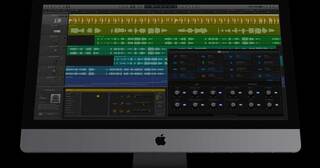
In the YouTube video "NAMM: Melodyne moments" by Celemony, Herbie Hancock discusses the importance of using the Celemony Melodyne Editor 2, describing it as a "must-have" tool in his musical setup.
Find it on:

Solo at 8:49. Man that dude loves wailing on the keytar!
Find it on:
-m.webp?v=1784334141)

Used on Lite Me Up, as specified in Herbie Hancock’s Electronic Instrument Glossary from September 14, 2016.
Roland Jupiter 8 – Roland’s first professional analog polyphonic synthesizer made in the early 1980s. It featured eight-voice polyphony and easy programming. Herbie used this on his 1982 album Lite Me Up.
Find it on:
-m.webp?v=1784337427)
Used on "Earth Beat", as specified in Herbie Hancock’s Electronic Instrument Glossary from September 14, 2016.
Yamaha CE-20 – A digital synthesizer released in 1982 that featured fourteen preset monophonic sounds and six preset polyphonic sounds. This was used by Herbie on the tune “Earth Beat” for his 1983 album Future Shock.
Find it on:

Used on V.S.O.P., as specified in Herbie Hancock’s Electronic Instrument Glossary from September 14, 2016.
Phase Shifter – This is an effects unit that can alter sound using certain techniques to change the sound waves. While these effects units were originally large boxes with knobs and buttons, today they are most often small pedals used by guitar players. Herbie used the Country Man Phase Shifter on his 1976 album V.S.O.P.
Find it on:

In this photo, an Oberheim Eight Voice can be seen behind Herbie Hancock.
Find it on:

"These are real acoustic piano sounds. I'm absolutely amazed. EastWest/Quantum Leap has gone the extra mile to provide stunning quality acoustic piano character - the whole collection is superb!"
Find it on:

Used on "Rockit", as specified in Herbie Hancock’s Electronic Instrument Glossary from September 14, 2016. It features in a 1983 Sesame Street episode and this excerpt of I Love Quincy at 0:09 and 0:34. Clive Smith gives the story of its acquisition in this August 4, 2019 For the love of the Fairlight interview.
Herbie Hancock’s Electronic Instrument Glossary
Fairlight CMI – This digital sampling synthesizer, released in 1979, was the first digital sampler of its kind and offered complete synthesis and editing of sampled sounds. Herbie used this on the tune “Rockit” for the album Future Shock in 1983.
Clive Smith Interview
Because of Liquid Sky, the US branche of the Fairlight company asked if he would work for them. He left PASS and became one of their consultants, from 1983 ’till about 1989. Clive: ”That was incredibly great. I had access to the equipment, I promoted their product doing demos, and I was doing session work on the side.” So, how did he end up with Herbie Hancock on Sesame Street? Clive: ”Alexander Williams, he did sort of what I was doing, on the West Coast. When Herbie Hancock purchased his Fairlight, he had Will training him on how to use the machine. When he wanted to capture his ideas, in a session, on the fly, Will was able to help him out with the technical side. When Herbie visited the East Coast, I kind of did the same thing for him. Will and I knew each other, and it turned out Herbie and I had some mutual friends. So, that worked out nicely. I think, if I remember correctly, Herbie didn’t travel with his Fairlight, so he used mine for the Sesame Street-session. The show went pretty much as shown; the children were very excited about this new technology. Just like the kids are today. We didn’t do anything different. That clip was pretty much the entire take. People were always very curious about it. And It’s very inviting; something that looked like a ‘60’s tv-screen, a bit of a retro sci-fi-look, a huge white keyboard, playing melodies with barking dogs… It looked accessible, more ‘friendly’ and less intimidating than a modular synth with patch chords, knobs and sliders.”
“I’m really glad I got the opportunity to work with Herbie Hancock. Up until then, I never realised what an amazing musician he is. It was great to see the ideas running in his brain, coming out. Always, his first ideas were immediately great. Watching him listening to a musical piece he’d never heard before and then, coming up with this great keyboard part. Very enlightening to see. And he’s a very nice, very friendly down to earth kinda person. You know, formally trained musicians often want to play tunes on a synth using their keyboard technique. Herbie, he was very open to coming up with interesting sounds, being Interested in things that had some internal movement on the things he was playing. I think, that’s what we have in common: having this split personality between being a trained musician, using structured forms, and being able to work with textures, creating sounds, the approach a non-musician might have. The more creative approach by just going in and thinking: ’What would i like to happen?’.
Find it on:



The backcover of the 1977 album Sunlight, shows a wide range of Herbies synthesizer collection
Find it on:

The back of the album cover from the album Sunshine (1978) shows a great diversity of Herbies synths collection
Find it on:
This is a community-built gear list for Herbie Hancock.
- Find relevant music gear like Pianos, Keyboards and Synthesizers, Microphones, and other instruments and add it to Herbie Hancock.
- The best places to look for gear usage are typically on the artist's social media, YouTube, live performance images, and interviews.
- To receive email updates when Herbie Hancock is seen with new gear, follow the artist.
-
Added to Equipboard on by
 simfonik
GearIQ 2532
-
Updated
Discography
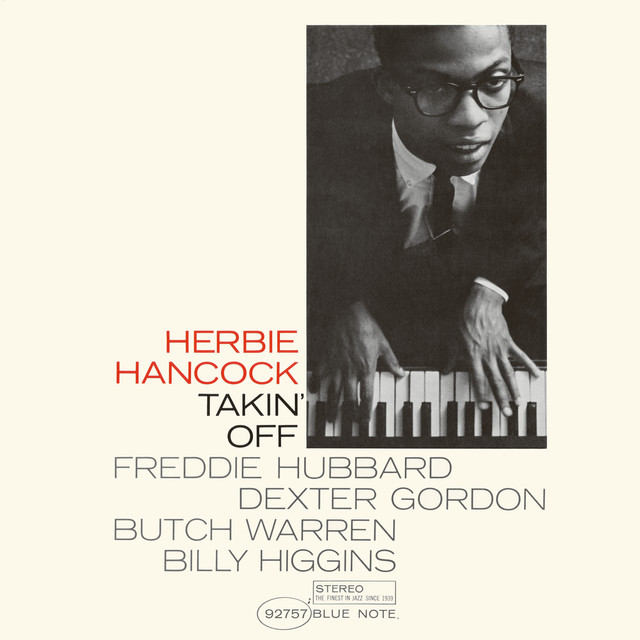
Takin' Off (Expanded Edition)
1962
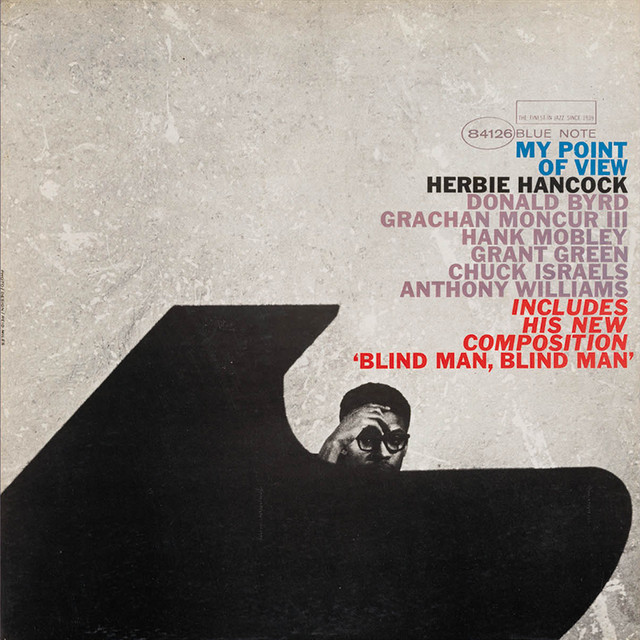
My Point Of View (Expanded Edition)
1963
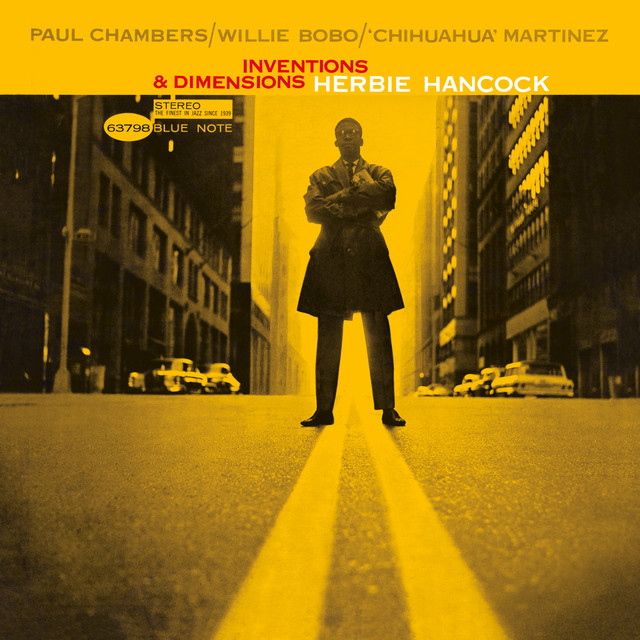
Inventions And Dimensions (Expanded Edition)
1963
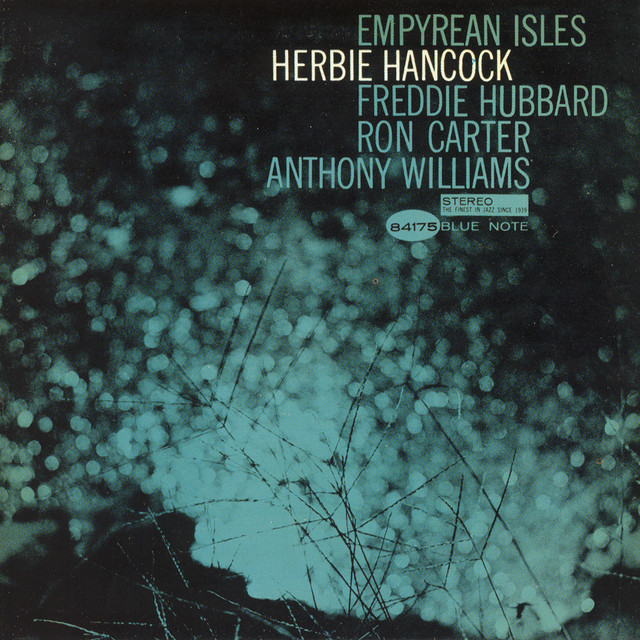
Empyrean Isles (Expanded Edition)
1964

Maiden Voyage (Remastered 1999/Rudy Van Gelder Edition)
1965

Blow-Up (Original Motion Picture Soundtrack)
1967

Speak Like A Child (Expanded Edition)
1968
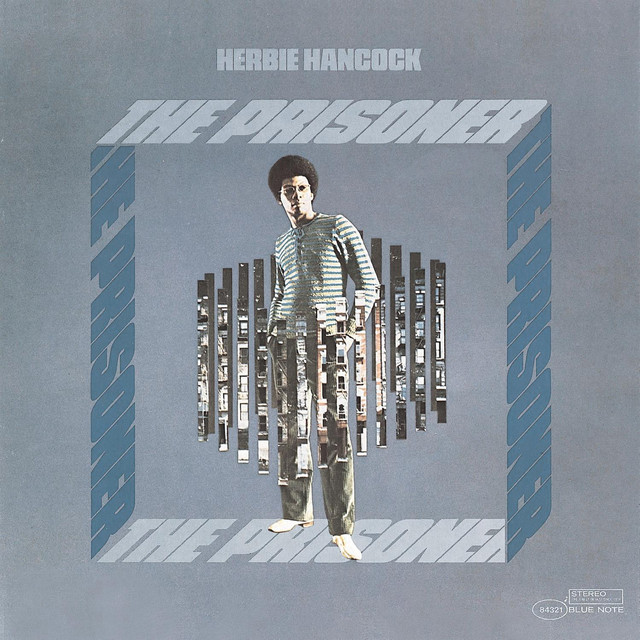
The Prisoner
1969
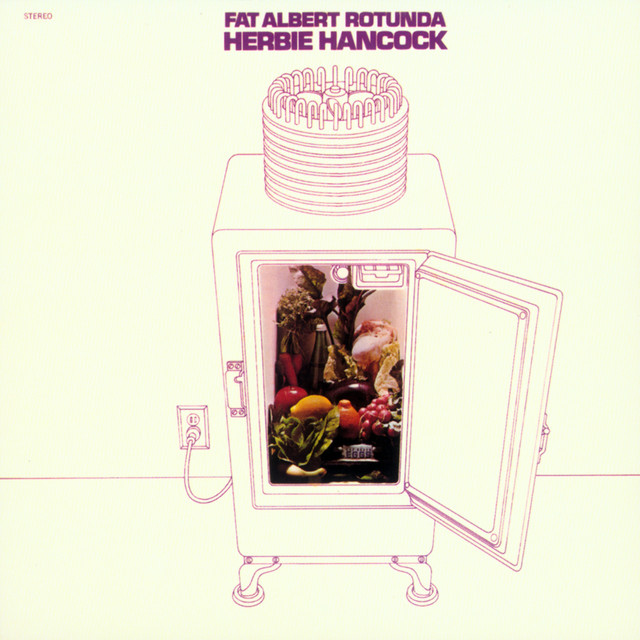
Fat Albert Rotunda
1969

Mwandishi
1971
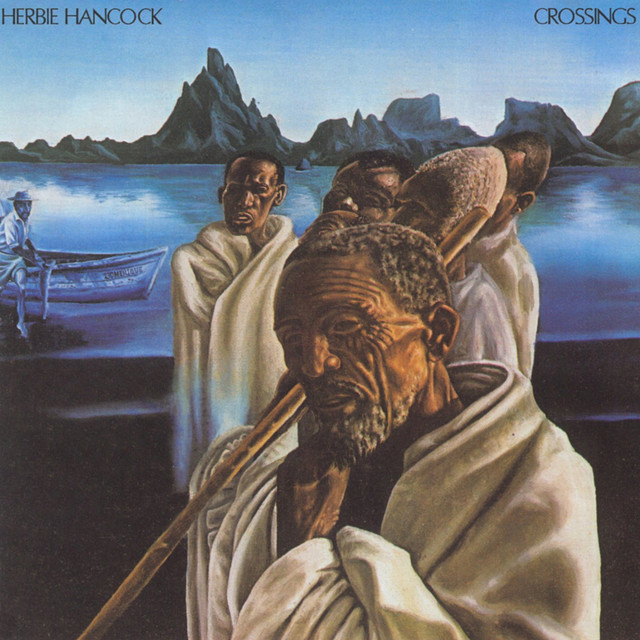
Crossings
1972
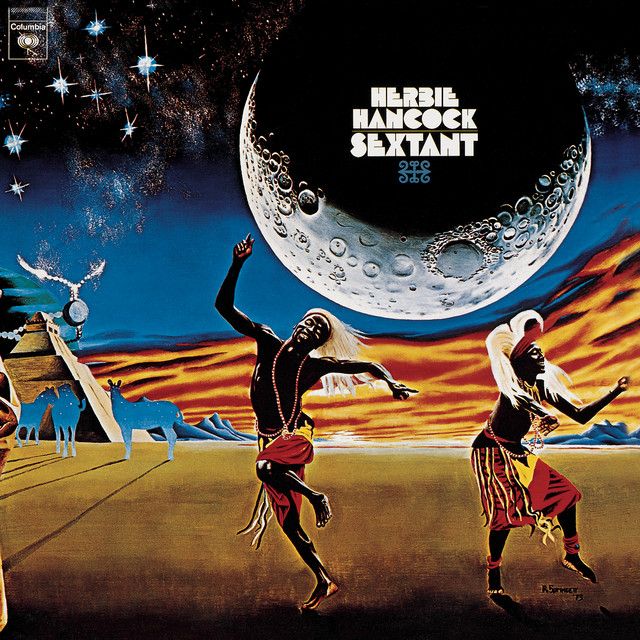
Sextant
1973
Album Credits
-
Joni Mitchell · 2025
Producer -
Herbie Hancock · 2018
Producer -

Les Incontournables du jazz : Herbie Hancock
Herbie Hancock · 2008
Producer -

Herbie Hancock · 2007
Producer -
Herbie Hancock · 2005
Producer -
Terence Blanchard · 2005
Producer -
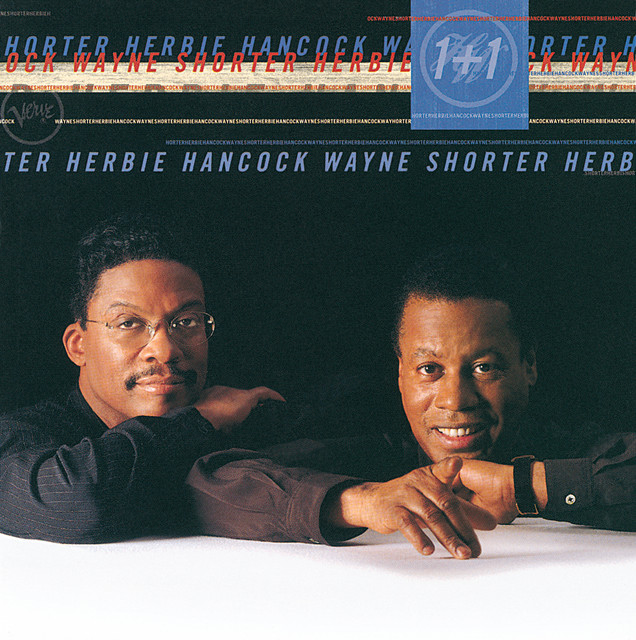
Herbie Hancock & Wayne Shorter · 1997
Producer -
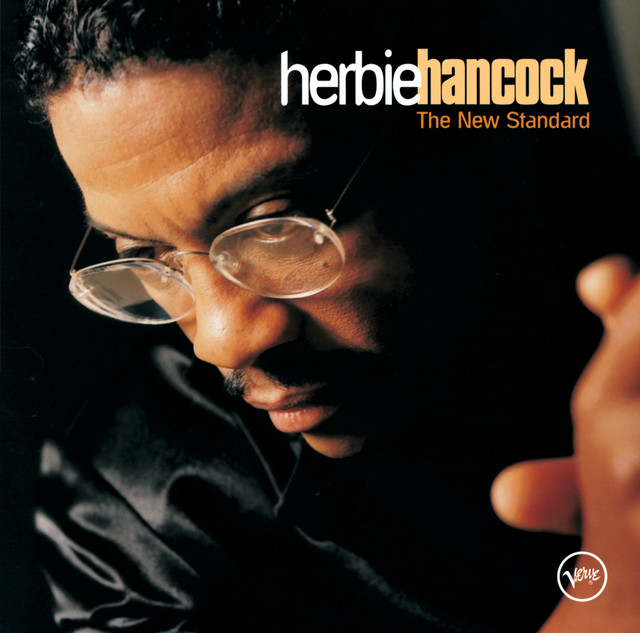
Herbie Hancock · 1996
Producer -
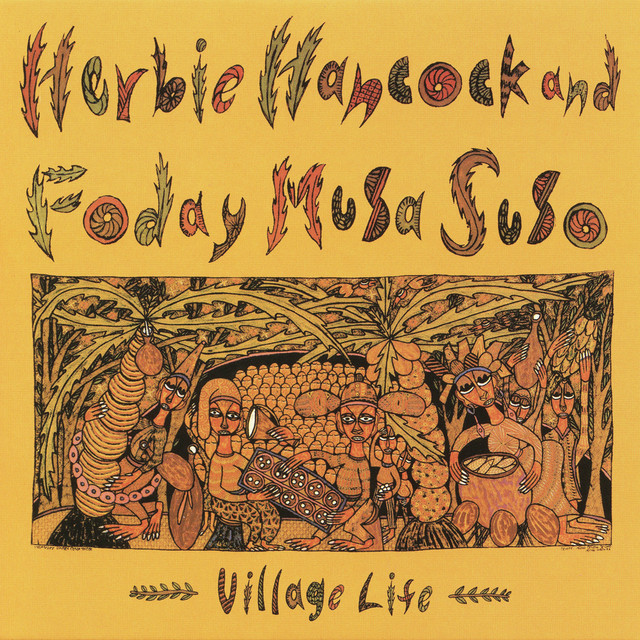
Herbie Hancock · 1985
Producer -
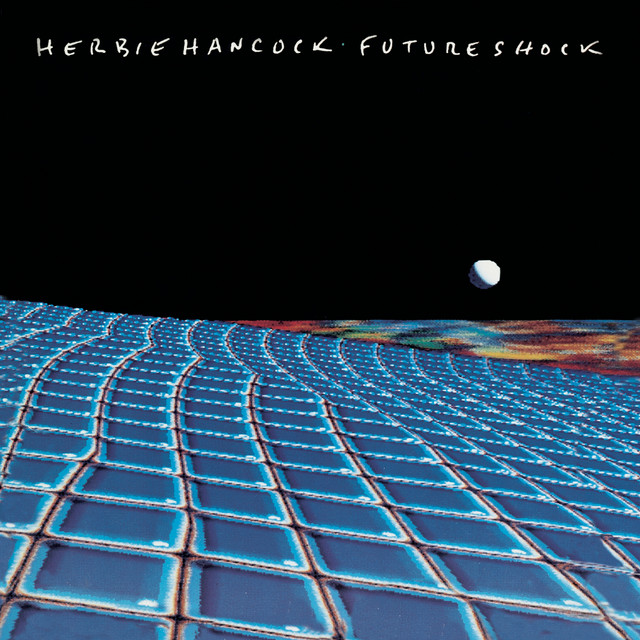
Herbie Hancock · 1983
Producer -
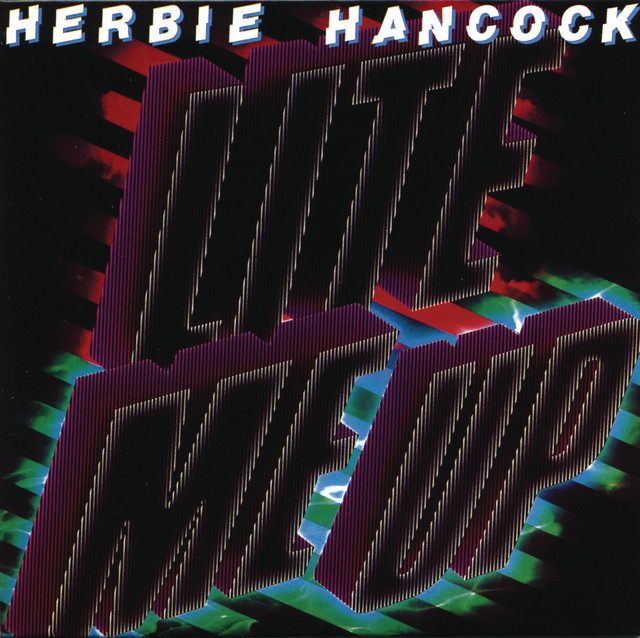
Herbie Hancock · 1982
Producer -
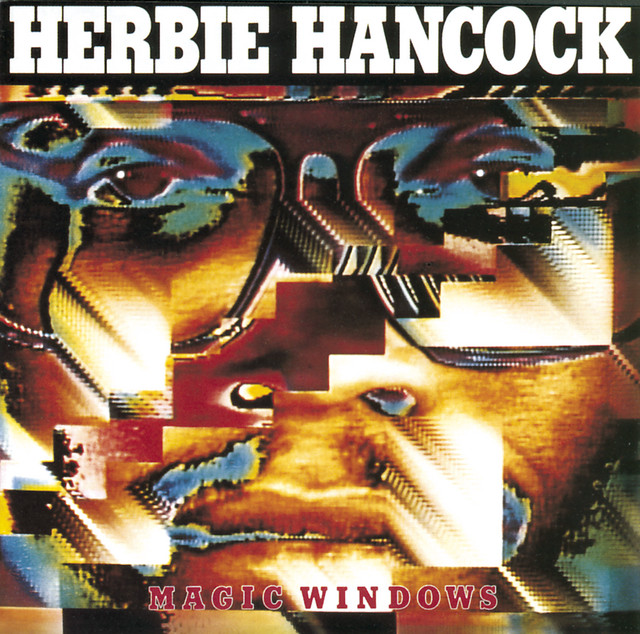
Herbie Hancock · 1981
Producer