-s.webp?v=1784334141)

-xl.webp?v=1784334141)
Pricing and availability




* Product prices and availability are updated by Equipboard every 24hrs and are subject to change. Equipboard may receive compensation for purchases made at participating retailers linked on this site. This compensation does not affect what products or prices are displayed, or the order of prices listed. For more information, please refer to our affiliate disclosure.
Description
The Yamaha CP-30 Electric Piano was released in 1976. It is sturdy with its case-that-turns-into-legs and heavy at around 100 pounds. Despite its name, the CP-30 has relatively little to do with the Yamaha CP-70 and CP-80 series pianos as it has neither the mechanical keys nor the electro-mechanical harp and strings. The CP-30's sound is electrically generated with analog components (namely divide-down technology common in combo organs in the late 1960s and early 1970s). Most of the "piano" sounds are mellow like a Rhodes or a Wurlitzer, while the "harpsichord" sounds are reminiscent of a Clavinet.
The piano has two voices with four presets tabs (which can be mixed together), an adjustable tremolo effect on each voice (speed, intensity), and a pitch for each voice (chorus).
Videos

Kiko Onate
Yamaha cp30
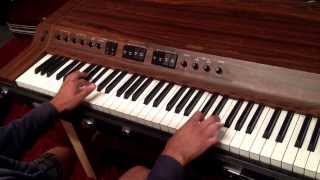
Yamaha cp30
Kiko Onate
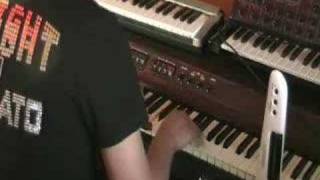
Yamaha CP30

epservice
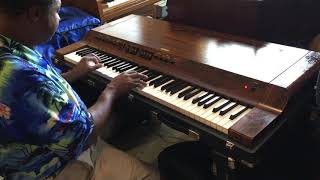
Kris Nicholson Get A Vintage Yamaha CP-30 Electric Piano

KMNKeyboardVault
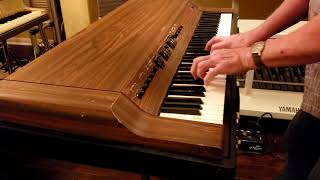
Yamaha CP-30 1977~78

George B.
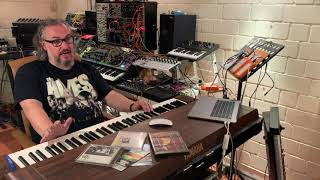
Yamaha CP30 & B.BOX FX Pedals (Ringmod, Auto-Wah, ModDelay, Fuzz, etc...)

Knobs & Switches
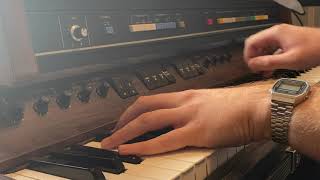
Soundcheck: Yamaha CP-30 (Stereo)

Carps
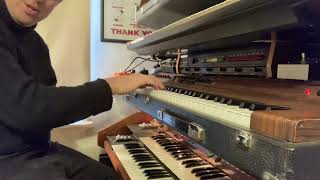
Yamaha cp30

mat roberts
Reviews
Owner Insights
We analyzed real musician discussions from forums and Reddit to find what players love, question, and tweak about Yamaha CP-30 Electric Piano.
Build quality
Features and functionality
-
The instrument's keybed is reportedly similar to that of the Yamaha CS-80, offering a high-quality tactile experience.
Source -
The dual tuning knobs can be used to create a unique chorus-like sound by adjusting one slightly left and the other slightly right.
Source -
The CP-30's sound is enhanced by "honeycomb hum," similar to vintage combo organs, providing a unique tonal character at higher volumes.
Source
Mods and upgrades
-
Owners suggest running the CP-30 through granular, reverb, and delay effects to enhance its sound, transforming it into a unique sonic tool.
Source
Use cases and applications
User experience
Comparisons
-
The Yamaha CP-30 is not favored for Rhodes emulation; alternatives like the Reface CP are more convincing for that sound.
Source -
The Roland RD-250, available for $100, is recommended as a MIDI controller, offering good value compared to its usual $300 price.
Source -
Users compare the CP-30's lower end to a "Moog Minimoog" due to its phat, rich tones, while its upper register resembles classic combo organs.
Source
4.5 out of 5
Based on 1 Review and 5 Ratings

Artist usage
Add artist

In a photograph of Tony Banks' home studio, the Yamaha CP-30 Electric Piano can be clearly seen positioned beneath the Polymoog on the left side, as evidenced by an image shared on Reddit.

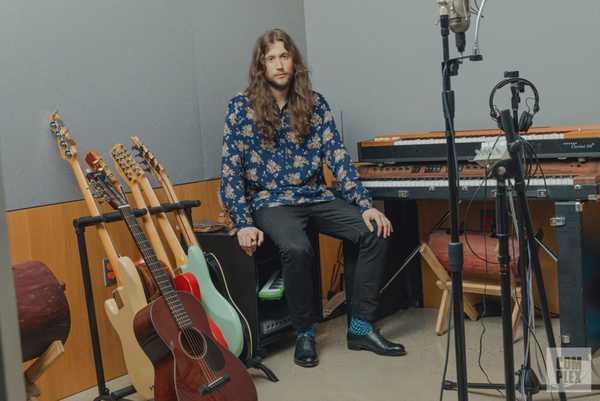
You can see the keyboard in the second picture in this interview from Complex.
https://www.complex.com/music/2018/12/ludwig-goransson-2018-ultimate-secret-weapon-interview


:format(jpeg):mode_rgb():quality(90)/discogs-images/R-6073896-1451036968-5244.jpeg.jpg)
Gary Numan is credited with Yamaha CP 30 in the liner notes for Telekon.

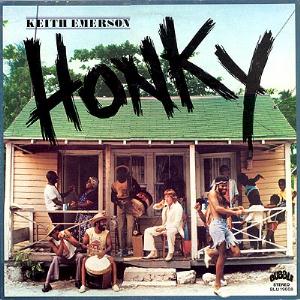
In this review of Keith Emerson's 1981 album "Honky", Background Magazine notes where the album was recorded and what musical gear Emerson used on it:
"Honky was recorded in the Bahamas and 'honky' is what the local children called Keith while he was there! The pictures inside the booklet show that Emerson's stay there was primarily a holiday, so this album was recorded in a relaxed, carefree spirit. For this record Emerson used the following instruments: Yamaha CP30, MiniMoog, Hammond C3, Korg 3100 & 3300, Steinway concert grand model D, Yamaha grand and a vocoder. [...]
The album certainly contains some fine musical moments which can be enjoyed by lovers of prog rock. Especially the album's opener Hello Sailor is an amazing piece of music. This is a kind of mini-suite divided into three pieces called Introduction, Bach Before The Mast and Hello Sailor Finale. This suite comes closest to what Keith Emerson is famous for with the albums he recorded with ELP. The first part is performed on the piano and tends towards a style that can be heard on albums such as Brain Salad Surgery (1973) and Works, Volume 1 (1977)."

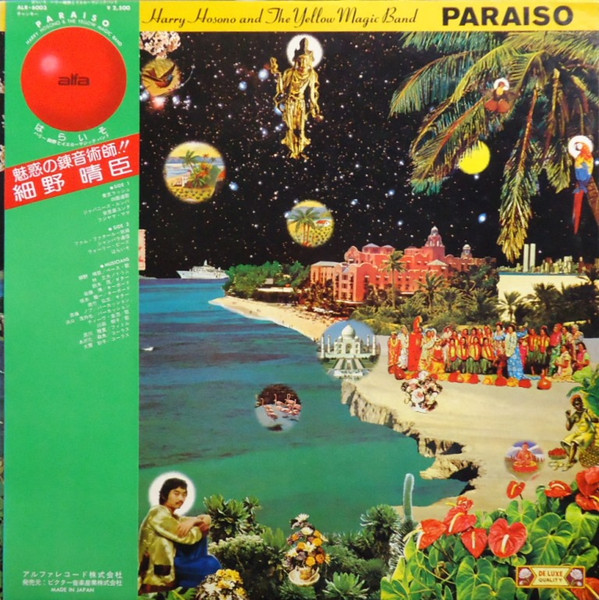
Harry used a Yamaha CP-30 on his "Paraiso" album, according to the liner notes

Greg's original stack of keyboards on the first record consisted of a MiniKorg 700S, a APR Omni MK1, and a Yamaha CP-30 electric piano. The CP-30 is heard on "Bye Bye Love" and "All Mixed Up", just to name two songs. He continued using it up until or after Panorama.


In the music video for private eyes, the CP-30 can be seen in the background below the Prophet 5. It’s most identifiable during the closeup shots of the keys where the knobs above are distinguishable of those on the CP-30. Despite being in the music video, it is unlikely that the CP-30 was used as the main piano sound in private eyes as the CP-30 is incapable of creating realistic piano sounds. It was most likely used in the video because they needed an additional keyboard prop. The sound in the song may have been a different model in Yamaha’s CP line.


The Yamaha CP-30 now satisfies McVie as a replacement for the Pianet. She recorded with it for the first time on Tusk, and approximates the Pianet sound live by engaging the first three stops on both groups of stops and using more bass than treble. Her model was modified to eliminate a loud hum that occurred when the volume pedal was opened all the way, but otherwise she has had no complaints about it.
"It can sound a lot like the Hohner," she says, "and it can sound like a Rhodes, really pretty and clean. It has great variety, a volume pedal, a nice sustain, and a dual pitch control where you can tune it just a little out of phase with itself to get a fatter sound, which I like to do. You can use it for so many things I used to have; where I needed three keyboards in the past, I only need this one now. Besides, I think it would be pretentious of me to have a huge stack of keyboards, since I'm not a brilliant keyboard player. I get by, but I'm by no means a genius, and I don't pretend to be. I don't want to come off like Keith Emerson. So long as I can get the sound I need, I'm happy to just stay with the keyboards I have onstage now."

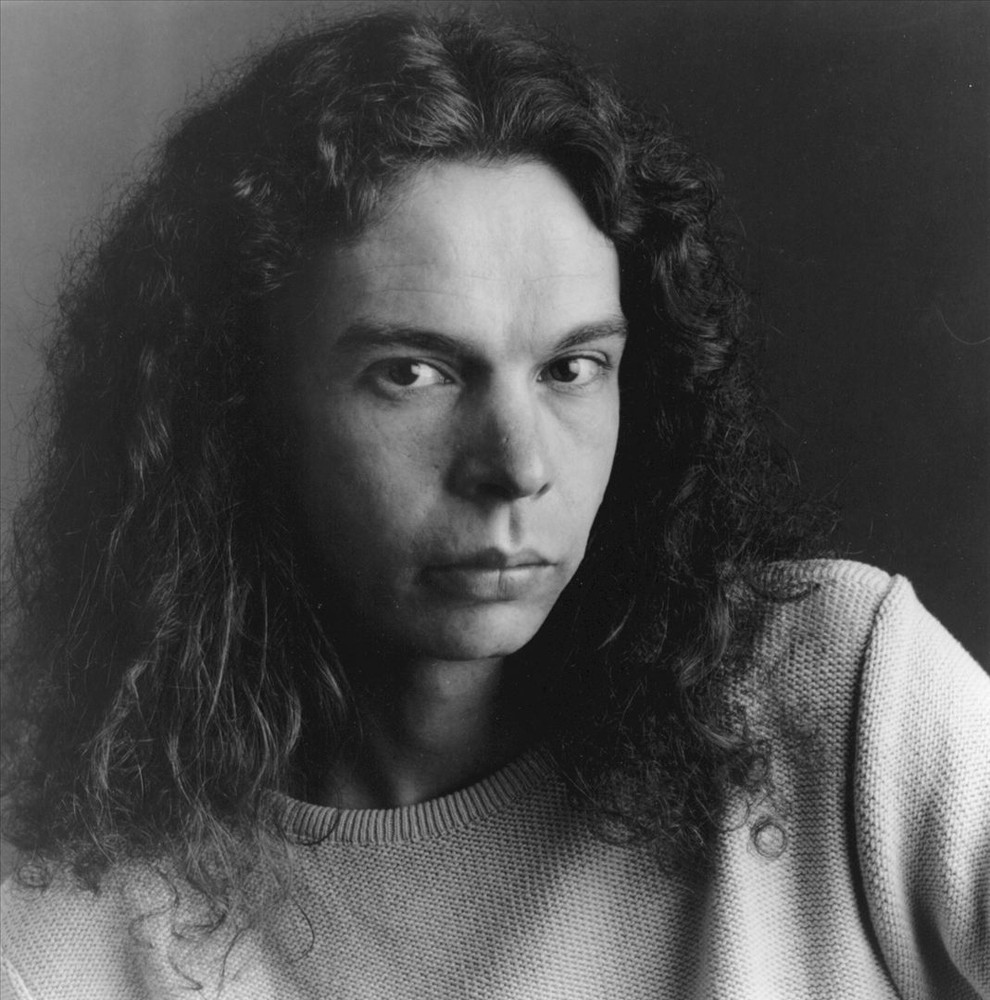
A 1980 interview reveals that Lyle Mays played a Yamaha CP-30 with Pat Metheny Group. It can be heard clearly on 'Airstream'.


In the YouTube video titled "The Stranglers Live Munich Alabamahalle 14/01/85," Dave Greenfield is seen using the Yamaha CP-30 Electric Piano for piano parts during the performance.

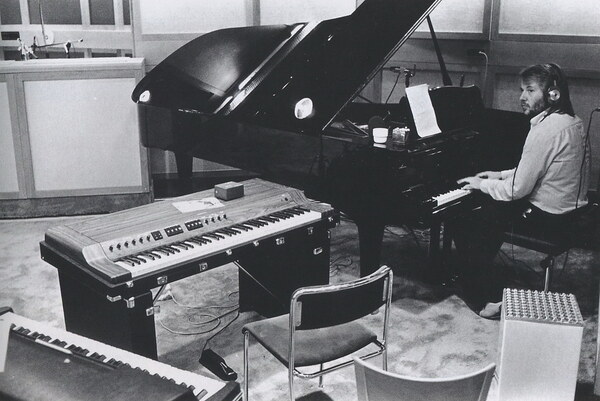
Album Usage
The Yamaha CP-30 Electric Piano has been featured on the following albums:
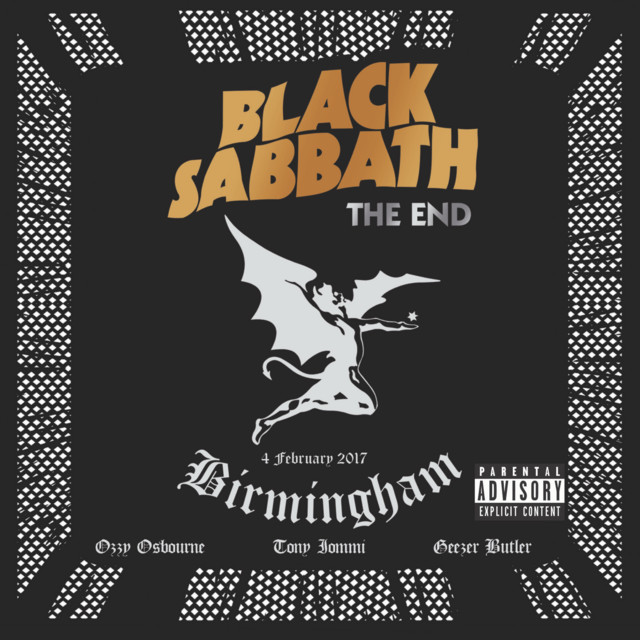
The End (Live)
Black Sabbath (2017)
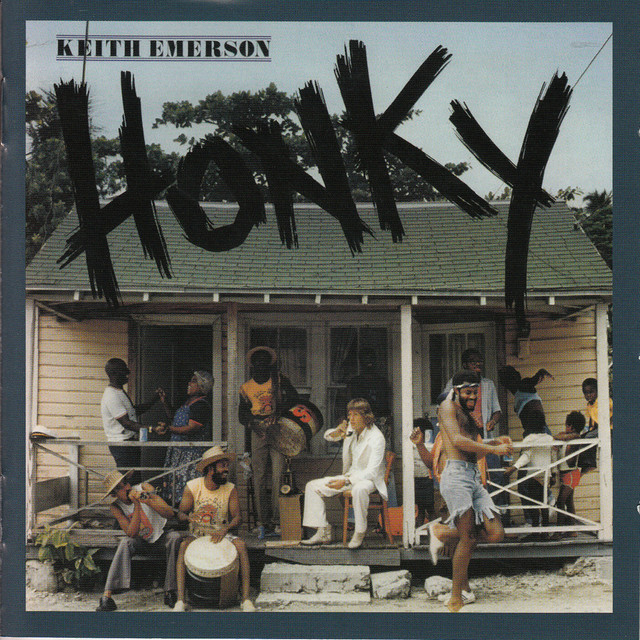
Honky
Keith Emerson (2013)
Travels
Pat Metheny Group & Pat Metheny (1983)
Private Eyes (Expanded Edition)
Hall & Oates (1981)
Telekon
Gary Numan (1980)
True Colours
Split Enz (1980)
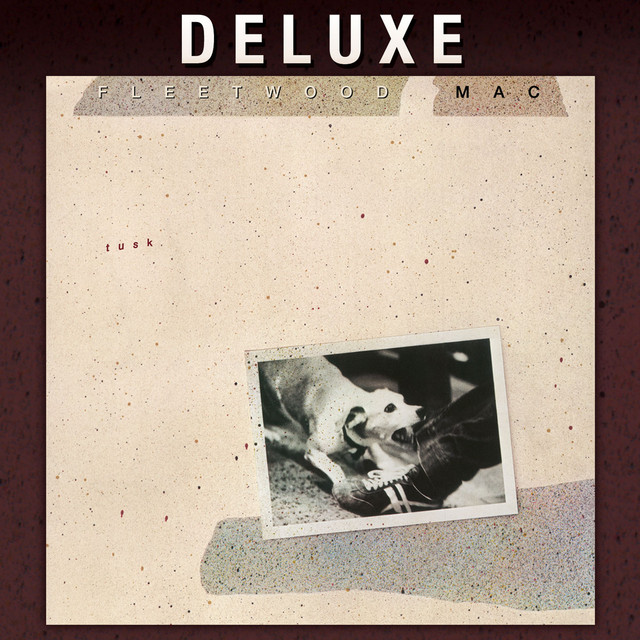
Tusk (Deluxe Edition)
Fleetwood Mac (1979)
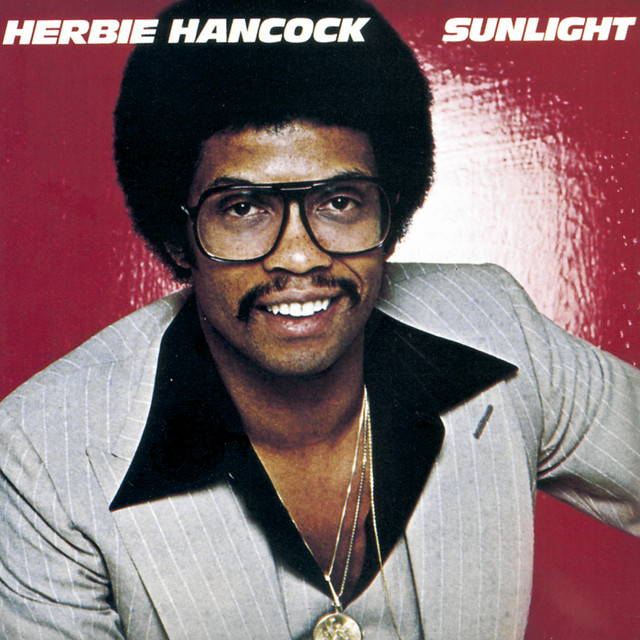
Sunlight
Herbie Hancock (1978)
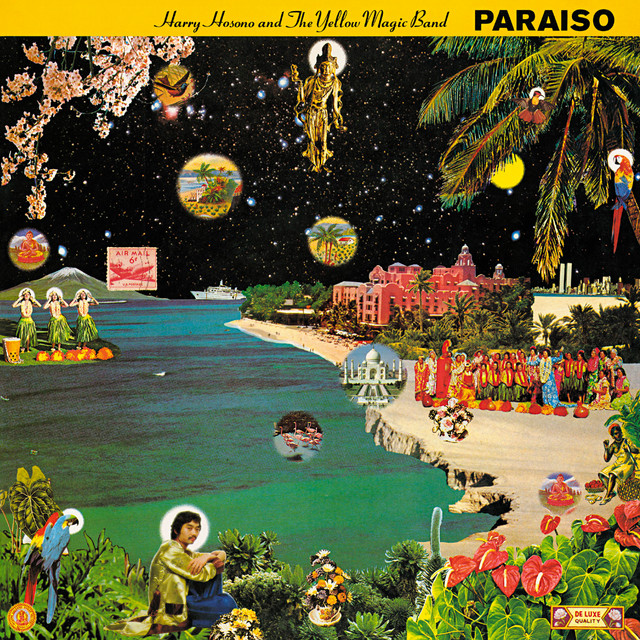
Paraiso
Haruomi Hosono (1978)
Genre Usage
Based on how artists on Equipboard use this gear, it is most commonly found in the following genres.
Used With
Based on how musicians on Equipboard use Yamaha CP-30 Electric Piano, it is most commonly used with the following gear.





More Yamaha Digital Pianos
-m.webp?v=1784957974)
$299.00 - $499.99
in Digital Pianos Rank


$370.56 - $429.99
in Digital Pianos Rank


$449.00 - $874.99
in Digital Pianos Rank


$799.99 - $899.99
in Digital Pianos Rank

$999.95
in Digital Pianos Rank


$300.00 - $874.99
in Digital Pianos Rank


$1,022.61 - $1,499.99
in Digital Pianos Rank


$2.99 - $2,099.99
in Digital Pianos Rank


$907.08
in Digital Pianos Rank


$2,109.14 - $3,199.99
in Digital Pianos Rank


$500.00
in Digital Pianos Rank


$14.89 - $819.00
in Digital Pianos Rank


$1,090.00 - $1,799.99
in Digital Pianos Rank


$749.00 - $844.00
in Digital Pianos Rank

$1,599.99 - $1,998.75
in Digital Pianos Rank

$329.99 - $389.00
in Digital Pianos Rank


$375.00
in Digital Pianos Rank

$899.99 - $999.99
in Digital Pianos Rank

$429.99
in Digital Pianos Rank

$2,190.00 - $3,099.99
in Digital Pianos Rank


$6.90
in Digital Pianos Rank


$990.00 - $999.00
in Digital Pianos Rank

$2,758.00 - $4,619.99
in Digital Pianos Rank

$1,064.00
in Digital Pianos Rank

$275.00
in Digital Pianos Rank


$822.00 - $1,199.99
in Digital Pianos Rank

$177.00 - $269.99
in Digital Pianos Rank

$775.00 - $1,199.99
in Digital Pianos Rank
-m.webp?v=1784958038)
$1,599.00 - $3,199.99
in Digital Pianos Rank


$8.90 - $2,199.99


Community setups


Similar


Gear Guides






Most Popular Digital Pianos
Most Popular Brands
-
Added to Equipboard on by
 darrin_crawford
GearIQ 206
-


