Neil Citron
Group
Group
Neil Citron's Gear


Visible on Citron's pedalboard at 2:15.
Find it on:


Featured in this Instagram post.
Yes it is! This mic is almost 2 feet long with it's own mic pre built in. Sounds amazing
Find it on:

Mentioned in this electronic Musician article.
From the personal settings on his customized Carvin® Legacy, Ibanez® TN120 Thermion and modified ‘60s 100W Marshall® Plexi amps, to his vintage handmade cabinets and hand-picked microphones, Citron’s unmatched expertise and years of experience bring new dimensions to GTR3. Waves precision-modeled Citron’s unique amp configurations and studio techniques, which deliver a realistic, nuanced sound that few producers have been able to achieve. In the modeling process, the amps were miked and sampled using Neve mic-pres and EQ’d exactly the way Citron would record them in a tracking session. Six models resulted from this process: “Clean” and “Crunch” Legatron (based on a customized Carvin Legacy), “Clean” and “Crunch” Thermitron (based on an Ibanez TN120 Thermion) and “Clean” and “Crunch” Plexitron (based on a modified 1960s 100W Marshall Plexi).
Find it on:

Listed on Citron's official DiMarzio artist page.
Find it on:


Featured in this video for Waves' GTR3.
Find it on:


Featured in this Instagram post.
Dorrough meters. Mixing analog! Oh yay #mixing #analog
Find it on:

Visible in this Instagram post. This other Instagram post features it and gives more information.
This is my Mesa Boogie that my GTR amps where made to look like. Purple Suede. Oh Yeah
Find it on:

Featured in this Instagram post. In this other Instagram post, it is revealed that the guitar is nicknamed "Harry", after Citron's uncle.
The Tom Andersen bulldog. Oh, my word, is this thing unbelievable? #anderson guitars # Anderson bulldog
Find it on:

Developed in collaboration with Citron. It is featured in this Twitter post.
Here it is. My signature model Red Plate Amp. RED PHOENIX
Find it on:
-m.webp?v=1784973641)
Featured in a series of tweets by Citron, starting with this one.
@presonus Here @sonicranch working in studio A with Presonus Studio One!
Find it on:


Mentioned on the official H-Comp product page.
“What I love about H-Comp is the ability to crush with attack and punch and then dial back either the Threshold or the mix to tame it into the track.”
Find it on:


Featured in this article from the official Waves website.
I used to do this mixing with the Aphex Aural Exciter hardware, and it works just as well with the plugin. I set the toms using the RS56 Passive EQ or some other EQ with a ton of mids and lows and not too much top. I then use the Aphex Vintage Aural Exciter as I would with parallel compression, but as a parallel EQ. Using an aux track I set the Aphex Exciter for the clarity and punch that I want, and I slide it in to taste. This works better than adding it to the toms directly (as an insert) – try it and you'll see what I mean. It adds all that a drummer would love, without killing the mix when the thunder happens. Thanks to Waves for making this plugin sound and act like the hardware!
Find it on:

Mentioned in this article from the official Waves website.
I used to do this mixing with the Aphex Aural Exciter hardware, and it works just as well with the plugin. I set the toms using the RS56 Passive EQ or some other EQ with a ton of mids and lows and not too much top. I then use the Aphex Vintage Aural Exciter as I would with parallel compression, but as a parallel EQ. Using an aux track I set the Aphex Exciter for the clarity and punch that I want, and I slide it in to taste. This works better than adding it to the toms directly (as an insert) – try it and you'll see what I mean. It adds all that a drummer would love, without killing the mix when the thunder happens. Thanks to Waves for making this plugin sound and act like the hardware!
Find it on:

Citron is listed as one of four users in this article from the official Waves website. He offers his recommended settings.
- Overheads
“On overheads, depending on the sound of the cymbals that were used, I cut anywhere from 3.5K to 6.5K for edge or bite, which sometimes takes up to 6 dB of cut. This softens the crashes and allows the overall kit to open up. Then I look at 110 Hz and below to find the least amount of cut in order to clear the rumble. I compress after I get the sound I’m looking for – this way I don’t have to compress so much that the sound becomes dull. SSL does this really well and without changing the energy.”
- Stereo Guitars
“For stereo guitars, I love 1K on one side and 2.5K on the other. I bump 300 Hz on one and 400 Hz on the other. This works well for adding body and warmth to most guitars.”
- Vocal Double
“On a vocal double I like to compress hard with 1K plus 3 to 5 dB and cut some bottom to support the main vocal. Compression instead of distortion is my preference, but both work well in this situation.”
- Buss Compression
“Buss compression is always 1.5 to 1, with open threshold and release times to add some breathing to the beat. This also adds dimension to your mix.”
Find it on:

A user of the software, Citron did a five-part video series for Waves advertising GTR3 during its release.
Find it on:

Featured in this product demo. Citron's H9 also appears in this video at 2:15.
Find it on:


Mentioned on the official RedPlate artist page.
Whether producing, engineering, recording, mixing, editing or playing guitar, Citron brings the highest professional standard to every project he works on while using his RedPlate Magica 100 and BlackVerb 88.
Find it on:

Mentioned on the official RedPlate artist page.
Whether producing, engineering, recording, mixing, editing or playing guitar, Citron brings the highest professional standard to every project he works on while using his RedPlate Magica 100 and BlackVerb 88.
Find it on:

Featured in this product demo.
Grammy winner Neil Citron shows off his Phoenix DRS-EQ/500's & N90-DRC/500's on electric guitar
Find it on:

Featured in this product demo.
Grammy winner Neil Citron shows off his Phoenix DRS-EQ/500's & N90-DRC/500's on electric guitar
Find it on:



Featured in this TASCAM video.
Grammy Award-winning engineer Neil Citron is a stickler for detail, and relies on the TASCAM DA-3000 for one-bit recording.
Find it on:



Listed on Citron's official DiMarzio artist page.
Find it on:

Listed on Citron's official DiMarzio artist page.
Find it on:

Listed on Citron's official DiMarzio artist page.
Find it on:

Listed on Citron's official DiMarzio artist page.
Find it on:

Listed on Citron's official DiMarzio artist page.
Find it on:

Listed on Citron's official DiMarzio artist page.
Find it on:

Listed on Citron's official DiMarzio artist page.
Find it on:

Visible on Citron's pedalboard at 2:15.
Find it on:
This is a community-built gear list for Neil Citron.
- Find relevant music gear like Guitars, Amplifiers, Effects Pedals, Studio Equipment, Software Plugins and VSTs, Headphones, Microphones, Studio Monitors, Mixers, DAWs, and other instruments and add it to Neil Citron.
- The best places to look for gear usage are typically on the artist's social media, YouTube, live performance images, and interviews.
- To receive email updates when Neil Citron is seen with new gear, follow the artist.
Album Credits
-
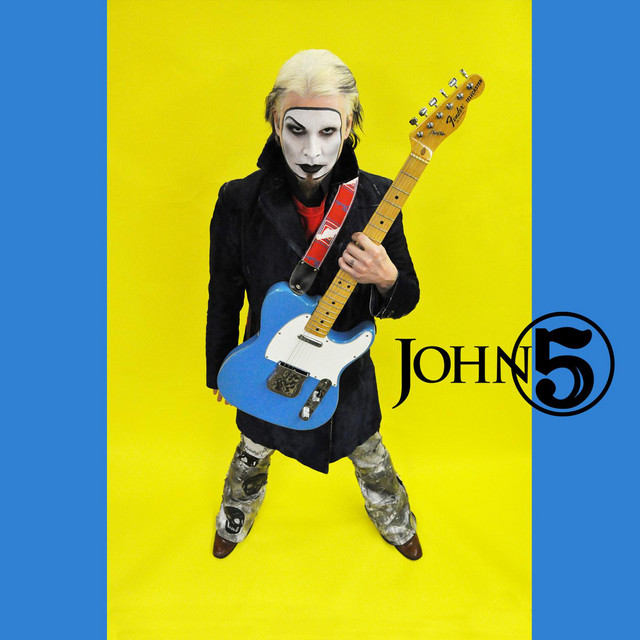
John 5 · 2010
Engineer -
The Yardbirds · 2003
Recording Engineer -
Peppino D'Agostino · 2002
Engineer -

Steve Vai · 2001
Mastering Engineer Mixing Engineer