Table of Contents

Equipboard
Equipboard is the world's largest community of artists and their gear. Read our review process.
We are reader-supported. When you buy through links on our site, we may earn an affiliate commission. Learn more.
Our Picks

DPA 4060 CORE Mini Omnidirectional Microphone with MicroDot Connector
Best Overall: The DPA 4060 CORE Mini delivers uncompromising sound quality in an incredibly compact package.
Read more


Rode Lavalier GO Professional Wearable Microphone
Best Budget Pick: The Rode Lavalier GO delivers professional performance at a price point accessible to emerging creators.
Read more
Sennheiser EW 512P G4 Portable Wireless Lavalier Microphone System - AW+ Band
Best Wireless Lavalier Mic: The Sennheiser EW 512P G4 combines rock-solid reliability with exceptional sound quality in a professional wireless package.
Read more
Best for Smartphones: The Rode smartLav+ transforms any smartphone into a professional recording device with plug-and-play simplicity.
Read more
Rode RODElink LAV Omnidirectional Locking Lavalier Microphone
Best for Filmmaking: The Rode RODElink LAV delivers professional sound quality with robust construction designed for demanding production environments.
Read more
Best for Live Performance/Vocals: The Countryman B3 Lavalier Microphone combines exceptional vocal clarity with unmatched resistance to feedback.
Read more
DPA 4080 CORE Cardioid Lavalier Microphone for Wireless with 3-pin LEMO Connection
Best High-End/Pro Broadcast Mic: The DPA 4080 Core cardioid lavalier delivers uncompromising vocal clarity in challenging acoustic environments.
Read more
What do content creation, filmmaking, and professional broadcasting, all have in common? The one thing that can make or break your project? Audio quality! You could have stunning visuals, perfect lighting, and flawless delivery, but if your audience struggles to hear you clearly, everything else falls apart. This is where lavalier microphones, those small, discreet recording devices, become essential tools in your audio arsenal.
Whether you're a YouTuber recording in your home studio, a filmmaker capturing dialogue on location, or a corporate presenter addressing a large audience, the right lavalier microphone can transform your audio from amateur to professional while being inconspicuous. These tiny powerhouses provide clear, consistent sound while remaining virtually invisible to your audience.
In this comprehensive guide, we'll walk you through everything you need to know about lavalier microphones. From understanding the technical specifications to selecting the perfect mic for your specific needs, we've got you covered.
Lavalier Microphones 101: What You Need to Know
Before we jump into specific recommendations, let's establish a solid foundation of knowledge about these versatile microphones. Understanding the basics will help you make an informed decision when selecting the right lavalier for your needs.
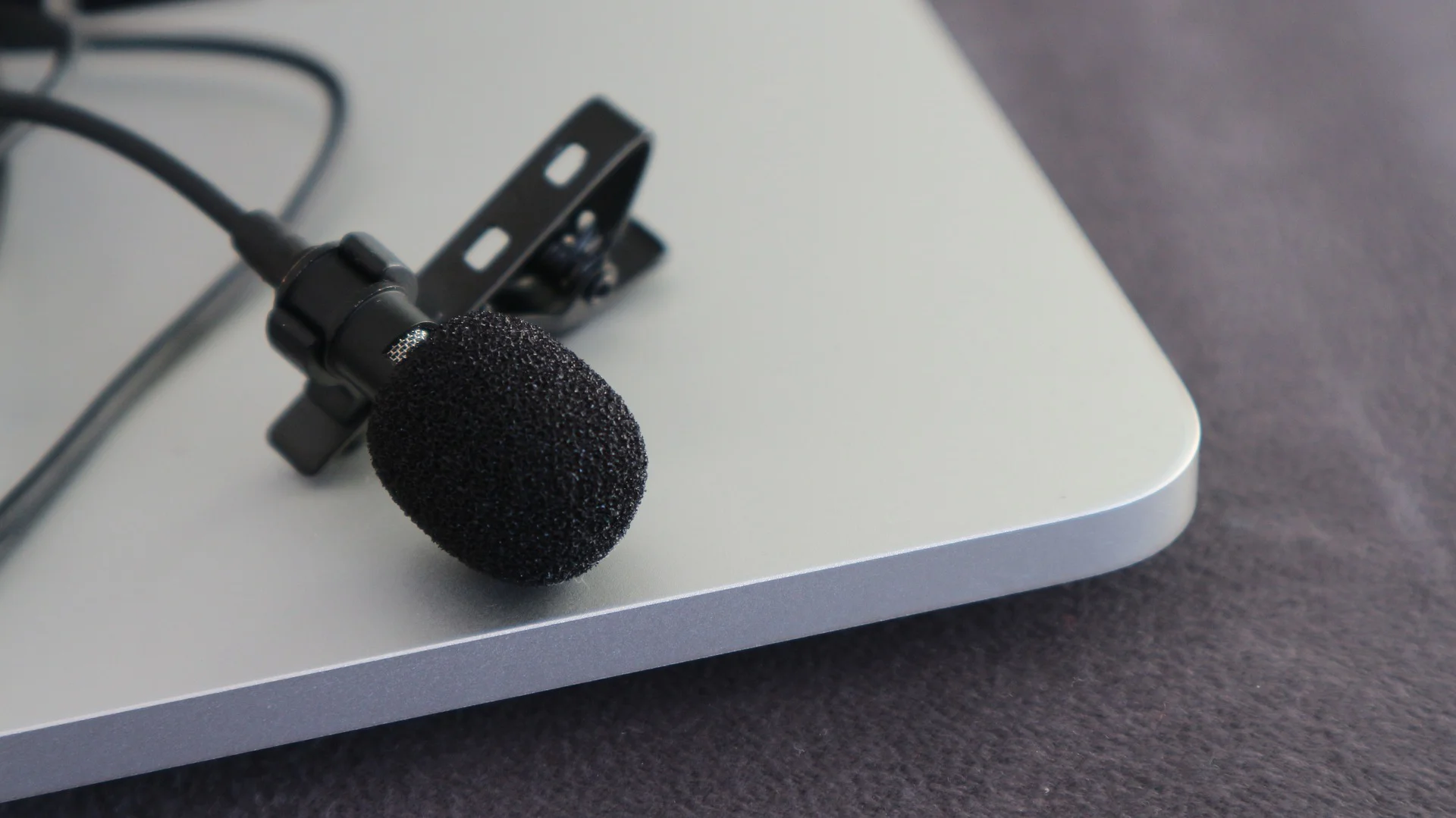
A lavalier microphone (often called a lav mic or lapel mic) is a small microphone designed to be clipped onto clothing, typically near the speaker's mouth. These microphones are engineered to be as unobtrusive as possible while still delivering high-quality audio, making them perfect for situations where visibility of recording equipment needs to be minimized.
Types of Lav Mics
When shopping for lavalier microphones, you'll first need to decide between wired and wireless options.
Wired lavalier microphones connect directly to your recording device through a cable. They're generally more affordable and don't require batteries or worry about signal interference. The tradeoff is limited mobility; the speaker must stay within the cable's length of the recording device. These are ideal for stationary recording situations where reliability and budget are primary concerns.
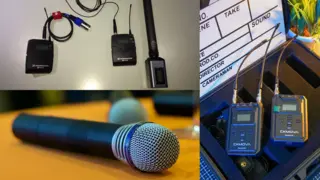
Wireless lavalier systems consist of the microphone, a transmitter (worn by the speaker), and a receiver (connected to your recording device). They provide freedom of movement without visible cables, which is crucial for many filming situations and live performances. The drawbacks include higher cost, battery dependency, and potential signal interference.
Directional Patterns Matter
The way a microphone captures sound around it, known as its polar pattern, is another critical factor to consider.
Omnidirectional lavalier mics pick up sound equally from all directions around the microphone. This makes them more forgiving with placement and better at capturing a natural sound. They're excellent choices for indoor interviews, studio recordings, and situations where background noise isn't a major concern. Their versatility makes them the most common choice for beginners.
Directional or unidirectional lavalier mics (typically cardioid pattern) capture sound primarily from one direction while rejecting sound from others. This focused pickup pattern helps reduce background noise but requires more precise placement. These microphones excel in noisy environments, outdoor recording, and situations where isolating the speaker's voice is crucial.
Digital vs Analog Transmission
For wireless systems, understanding the difference between digital and analog transmission can impact your recording quality.
Analog systems have been around longer and tend to be more affordable. They transmit audio as continuous radio waves, which can be susceptible to interference and signal degradation over distance.
Digital wireless systems convert audio into digital information before transmission, resulting in cleaner sound with less susceptibility to interference. Modern digital systems often feature encryption, which is essential for confidential broadcasting situations.
Key Technical Specifications Explained
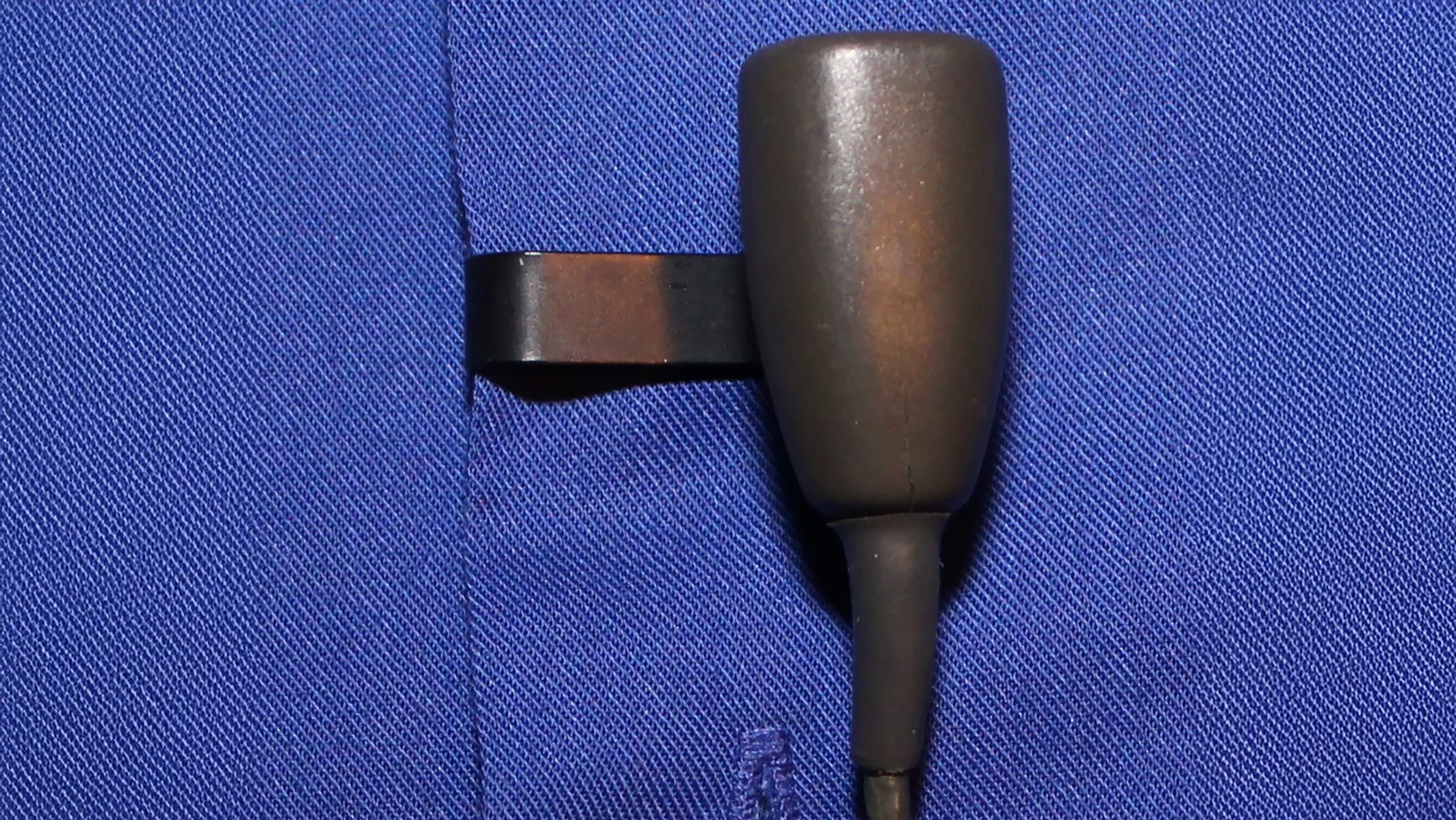
When browsing lavalier microphones, you'll encounter various technical specifications. Understanding these can help you choose a microphone that meets your specific needs.
Frequency Response
This specification indicates the range of frequencies a microphone can accurately capture, measured in Hertz (Hz). The human hearing range is approximately 20Hz to 20kHz.
For speech recording, a microphone with a frequency response of 80Hz to 15kHz is typically sufficient. However, for capturing a fuller range of sounds like music or ambient noise, look for microphones with wider frequency responses. Many professional lavs feature tailored frequency responses that enhance voice clarity.
Sensitivity
Sensitivity measures how effectively a microphone converts acoustic pressure into electrical output. Higher sensitivity means the microphone can pick up quieter sounds, but it might also capture more background noise.
For close-talking applications like lavalier mics, moderate sensitivity is usually ideal. This provides clear voice capture without excessive ambient noise. Finding the right balance for your recording environment is key.
Signal-to-Noise Ratio (SNR)
SNR compares the level of the desired signal to the level of background noise. Higher SNR values (measured in decibels) indicate cleaner audio with less background hiss. Professional-grade lavalier mics typically offer SNR values of 65dB or higher, providing clean recordings even in challenging environments.
Impedance
Impedance, measured in ohms (Ω), affects how the microphone interacts with the input circuitry of your recording device. Most modern lavalier microphones are designed with appropriate impedance for standard recording equipment.
Power Source Considerations
Lavalier microphones require power to operate, supplied through different methods:
Battery power is common for wireless transmitters, with runtime varying from a few hours to 12+ hours depending on the system.
Phantom power (typically +48V) is supplied by your recording device through XLR connections for certain professional lavalier systems.
Plug-in power is provided by devices through smaller connections like 3.5mm jacks, commonly used with smartphones and DSLR cameras.
Connector Types
Lavalier microphones come with various connector types, determining their compatibility with different devices:
XLR connectors are the professional standard, offering balanced audio connections that reject interference over long cable runs. These are common in broadcast and professional filming setups.
3.5mm TRS/TRRS connectors are standard for consumer electronics, with TRS (Tip-Ring-Sleeve) for most cameras and TRRS (Tip-Ring-Ring-Sleeve) for smartphones and tablets.
USB-C and Lightning connectors provide direct digital connection to modern smartphones and computers, often with built-in analog-to-digital conversion for improved quality.
Adapters can bridge compatibility gaps between different connector types, but it's always best to choose a microphone with native support for your primary recording device.
What to Consider Before Buying
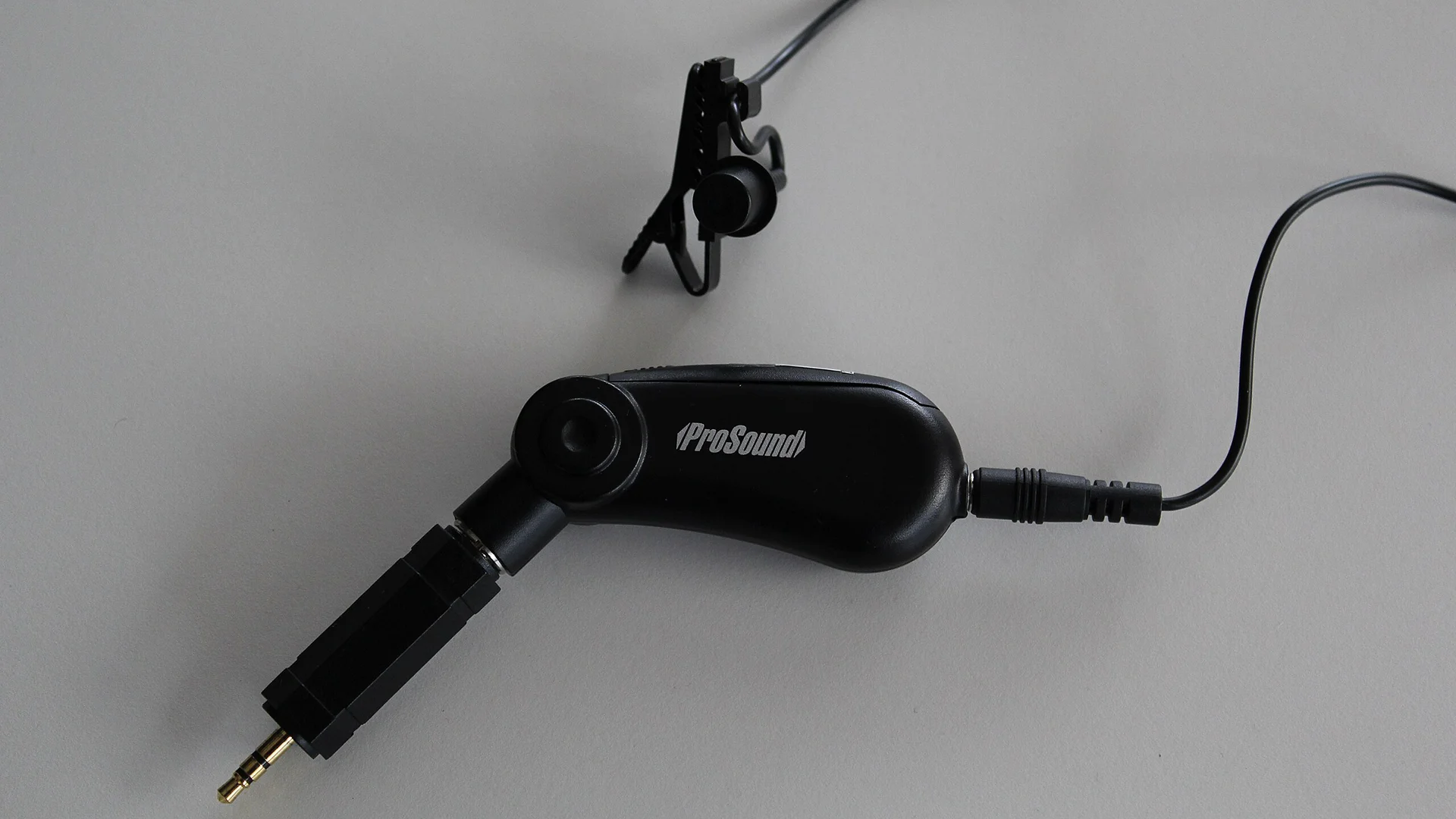
Beyond technical specifications, several practical considerations should guide your lavalier microphone purchase:
| Consideration | Key Factors | Why It Matters |
|---|---|---|
| Use Case Specificity | • Content Creators • Filmmakers • Broadcast Professionals • Educators | Different users have distinct priorities. Content creators need ease of use and versatility. Filmmakers require professional sound for post-production. Broadcasters need reliability and long battery life. Educators prioritize simplicity and durability. Always choose microphones designed for your specific application. |
| Environmental Factors | • Outdoor vs Indoor • Noise Levels • Weather Conditions • Controlled vs Uncontrolled | Outdoor recording requires wind protection and weather resistance. Noisy environments benefit from directional microphones with good noise rejection. Studio settings may prioritize natural voice characteristics over noise rejection. Your typical environment should directly influence your microphone choice. |
| Gear Compatibility | • Connector Types • Power Requirements • Frequency Bands • Input Options | Ensure your microphone works with existing equipment by checking connector types and power requirements. Verify your camera or recorder provides necessary inputs and power. For wireless systems, confirm frequency bands are legal in your region. Compatibility issues can render even high-quality microphones unusable. |
| Build Quality & Durability | • Cable Construction • Clip Mechanisms • Moisture Resistance • Connection Points | Professional use demands professional build quality. Cable quality is particularly important as thin cables face significant movement and stress. Clip mechanisms should secure the mic while being gentle on fabrics. Moisture resistance matters for outdoor work and situations with perspiration. |
| Portability & Concealment | • Capsule Size • Cable Thickness • Transmitter Dimensions • Color Options | Physical characteristics impact usability and visibility. Smaller capsules are easier to conceal but might sacrifice sound quality. Cable thickness affects both durability and visibility. Transmitter size matters for comfortable wearing under clothing. Available colors can help match skin tones or costumes. |
Top Lavalier Microphone Picks
After examining dozens of models, testing sound quality across various environments, and consulting with audio professionals, we've identified the standout lavalier microphones. Each selection addresses specific needs and use cases, providing options across price points and applications.
DPA 4060 CORE Mini Omnidirectional Microphone with MicroDot Connector
Audio Perfection Incarnate







- Exceptional sound quality, surpasses many other lavalier mics
- Compact and barely visible, ideal for discreet use
- Offers a variety of color options to match different needs
- Excellent for small movie productions and live streaming
- See 4 more
- Requires additional accessories for certain audio interfaces
- Cables are thin and fragile, need careful handling
- Considered expensive compared to other lavalier microphones
The DPA 4060 CORE Mini represents the pinnacle of lavalier microphone technology, bringing studio-quality sound to field recording situations. This omnidirectional marvel captures vocals with remarkable clarity and natural tone, setting a gold standard that few competitors can approach.
Sound Quality
The 4060 CORE Mini produces exceptionally detailed audio across its 20Hz-20kHz frequency range. Voice reproduction feels immediate and present, with none of the thin or tinny quality that plagues lesser lavalier microphones. Bass response remains surprisingly full despite the microphone's diminutive size, while high frequencies capture the subtle nuances that bring recordings to life.
What truly distinguishes this microphone is its incredibly low noise floor. In quiet recording environments, the 4060 CORE Mini's self-noise is virtually imperceptible, allowing for clean, professional recordings that require minimal post-processing. Even at higher gain settings, audio remains remarkably transparent.
Build and Design
Measuring just 5.4mm in diameter, the 4060 CORE Mini achieves its impressive sound in an almost impossibly small package. This makes it ideal for applications requiring absolute discretion, such as theatrical performances or broadcast situations.
The microphone's robust construction includes a water-resistant, hermetically sealed capsule with a dual gold-plated diaphragm. This engineering excellence translates to exceptional durability in challenging environments, from humid outdoor shoots to the rigors of daily production work.
Versatility
The 4060 CORE Mini shines across virtually any application, from documentary filmmaking to studio interviews. DPA's interchangeable adapter system provides compatibility with virtually every professional wireless transmitter on the market, making this an investment that works with your current gear and future upgrades.
The omnidirectional pickup pattern offers forgiving placement while still maintaining focus on your subject's voice. While it doesn't reject background noise like directional microphones, its superior clarity often compensates by making voices distinctly intelligible even in moderately noisy environments.
For professionals who refuse to compromise on audio quality, the DPA 4060 CORE Mini justifies its premium price point through exceptional performance and versatility across virtually any recording scenario.


Rode Lavalier GO Professional Wearable Microphone
Budget-Friendly Excellence

Average Price: $73
Budget/Beginner
$75
$201+
Budget
Standard
High-end
- Excellent for small video projects and interviews
- Strong build quality with kevlar-reinforced cable
- Compact size ideal for hiding under clothing
- Natural, clear sound when positioned correctly
- See 6 more
- Picks up too much ambient noise due to omnidirectional nature
- Short cable unsuitable for certain setups without an extension
- Sound may initially seem flat and mid-range heavy without processing
- Potential compatibility issues with certain wireless systems
- See 1 more
The Rode Lavalier GO proves that quality audio doesn't have to break the bank. This compact lavalier microphone delivers impressive sound reproduction at a fraction of the cost of premium options, making it the perfect entry point for creators seeking to elevate their audio quality.
Value Proposition
What makes the Lavalier GO remarkable is how much performance Rode has packed into such an affordable package. The microphone produces clear, detailed vocal recordings that sound professional without requiring extensive post-processing. While it doesn't match the tonal richness of high-end options, it outperforms many microphones costing twice as much.
The 3.5mm TRS connector works with Rode's wireless systems but also connects directly to cameras, audio recorders, and smartphones (with appropriate adapters). This versatility makes it an excellent starter microphone that remains useful as your setup evolves.
Sound Characteristics
The Lavalier GO features an omnidirectional polar pattern that captures natural-sounding audio with impressive clarity. Vocal reproduction remains well-balanced across the frequency spectrum, with particular strength in the critical midrange frequencies that enhance speech intelligibility.
While self-noise is higher than premium options, it remains low enough for professional applications in controlled environments. The microphone handles moderate sound pressure levels confidently, preventing distortion during enthusiastic speech or sudden volume increases.
Practical Features
The Lavalier GO includes a high-quality Kevlar-reinforced cable that resists tangling and stands up to the rigors of regular use. The included mounting clip secures the microphone firmly while remaining gentle on various fabric types.
At just 4.5mm in diameter, the microphone capsule remains discreet and easy to position for optimal sound capture. The included foam windshield effectively reduces breath noise and minor wind interference, though serious outdoor recording might require additional wind protection.
For content creators, educators, and independent filmmakers working within budget constraints, the Rode Lavalier GO delivers exceptional performance without compromise. It's the rare budget option that punches well above its weight class in terms of audio quality and reliability.

Sennheiser EW 512P G4 Portable Wireless Lavalier Microphone System - AW+ Band
Wireless Wond

Average Price: $1,057
High-end/Boutique
$299
$700+
Budget
Standard
High-end
- Exceptional range and stability, even in crowded environments
- MKE-2 lav mic offers superior sound quality over ME-2
- 50mw transmission power enhances signal strength
- Versatile for film work and ENG applications
- See 5 more
- Altered tone may be too bright for some applications
- Omni-directionality can pick up more background noise
- Complexity in setup might deter less experienced users
- Larger diaphragm can be harder to conceal in some situations
- See 1 more
When wireless freedom cannot come with audio compromise, the Sennheiser EW 512P G4 delivers professional-grade sound with the reliability that has made Sennheiser a trusted name in broadcast audio. This complete system offers exceptional performance for demanding applications where wireless mobility is essential.
Wireless Performance
The EW 512P G4 operates in the UHF band with up to 88 MHz of tuning bandwidth, providing access to numerous interference-free channels. The system's auto-scan feature quickly identifies available frequencies, while the pilot tone squelch prevents unwanted noise during signal dropouts. Range extends up to 100 meters under optimal conditions, providing exceptional freedom of movement for dynamic filming situations.
Digital transmission with 128-bit encryption ensures both pristine audio quality and secure communications, making this system appropriate for sensitive corporate and broadcast applications. Latency remains imperceptible at under 1.9ms, allowing for real-time monitoring without distracting delays.
Audio Quality
At the heart of this system is Sennheiser's MKE 2 Gold omnidirectional lavalier microphone, renowned for its natural sound reproduction and resilience to handling noise. Vocal capture remains exceptionally balanced across the frequency spectrum, with particularly nuanced reproduction of higher frequencies that capture the subtle details of human voice.
The system's impressive dynamic range handles everything from whispered confidences to passionate exclamations without distortion or compression artifacts. The microphone's low self-noise ensures clean recordings even in quiet environments where lesser microphones would introduce noticeable hiss.
Professional Features
The EW 512P G4 includes numerous professional features that justify its investment. The metallic receiver and transmitter housings provide exceptional durability for field production, while the illuminated display remains readable in various lighting conditions.
Battery life extends to 8 hours with standard AA batteries, and the system provides accurate remaining-time indicators to prevent unexpected power loss during critical recordings. The transmitter's programmable mute button allows for silent operation when needed, a valuable feature during live productions.
For professional filmmakers, broadcast journalists, and corporate production teams, the Sennheiser EW 512P G4 represents the gold standard in wireless lavalier systems. Its combination of bulletproof reliability, exceptional sound quality, and professional features makes it the system of choice for applications where failure is not an option.
Rode smartLav+
Mobile Mastery

Average Price: $67
Budget/Beginner
$100
$401+
Budget
Standard
High-end
- Interfaces well with smartphones, enhancing mobile recording flexibility
- Comes with a durable, well-constructed design
- Offers high audio quality, comparable to more expensive models
- Easy to use for beginners, perfect for various recording scenarios
- See 3 more
- Some units may have quality control issues, like damaged pop filters
- Short cable length can limit mobility or setup options
- Audio may exhibit a boxy sound or require significant EQ in post-production
- Sensitive to fabric noise, making it less ideal for movement-intensive recordings
- See 1 more
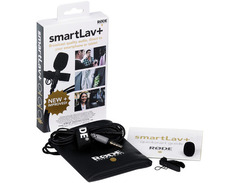
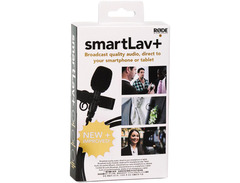
In an era where smartphones capture an increasing share of content creation, the Rode smartLav+ bridges the gap between convenience and quality. This purpose-built lavalier microphone connects directly to smartphones and tablets, providing dramatic audio improvement over built-in microphones with minimal complexity.
Mobile Integration
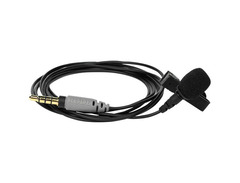
The smartLav+ features a TRRS connector that plugs directly into the headphone/microphone jack of most smartphones and tablets. For newer devices without headphone jacks, simple adapters allow connection to USB-C or Lightning ports. This direct connection eliminates the complexity of wireless systems while still providing significant mobility within the cable's 1.2-meter reach.
Designed specifically for mobile recording, the microphone draws minimal power and works seamlessly with virtually all recording apps, from voice memos to professional field recording software like Rode's own Reporter app.
Sound Quality
Despite its affordable price point, the smartLav+ delivers impressive audio quality that transforms smartphone recordings. The omnidirectional capsule captures clear, natural voice reproduction with minimal handling noise and good rejection of wind and environmental sounds.
While it doesn't match the frequency response of professional broadcast lavaliers, the smartLav+ provides excellent speech intelligibility with well-balanced midrange presence. For interviews, vlogs, and mobile journalism, the improvement over built-in microphones is dramatic and immediately noticeable.
Practical Design
The smartLav+ includes thoughtful features that enhance its everyday usability. The Kevlar-reinforced cable resists tangling and stands up to frequent winding and unwinding. The included mounting clip secures the microphone to clothing without damaging fabrics, while the foam windshield reduces breath noise during close-talking applications.
At just 4.5mm in diameter, the microphone remains discreet for on-camera applications. The entire system packs small enough to carry in a pocket, ensuring you're always ready to capture high-quality audio whenever opportunity strikes.
For mobile content creators, journalists, and anyone seeking to improve smartphone recording quality, the Rode smartLav+ offers exceptional value. Its combination of audio quality, direct smartphone integration, and robust design make it the standout choice for mobile recording applications.

Rode RODElink LAV Omnidirectional Locking Lavalier Microphone
Filmmaker's Friend


Average Price: $96
Standard/Professional
$75
$201+
Budget
Standard
High-end
- Impressive speech intelligibility
- Adds warmth and bass lacking in some setups
- Suitable for professional video and theater audio recording
- Good sound level and handling
- See 1 more
- Some users report noise and poor quality
- May require EQ adjustments for optimal voice clarity
- Construction perceived as possibly fragile; careful handling needed
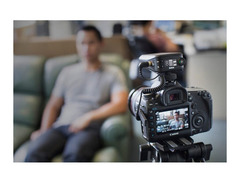
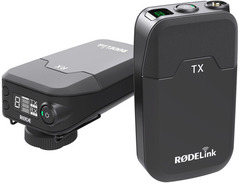
Film productions demand microphones that deliver consistent performance under challenging conditions. The Rode RODElink LAV rises to this challenge with broadcast-quality sound and construction designed to withstand the rigors of long shooting days.
Production-Ready Design
The RODElink LAV's physical design reflects a deep understanding of film production requirements. The 4.5mm omnidirectional capsule remains virtually invisible on camera while the Kevlar-reinforced cable withstands the constant handling of wardrobe changes and repositioning between takes. The locking 3.5mm TRS connector ensures secure connection to wireless transmitters, preventing accidental disconnection during crucial scenes.
Included accessories demonstrate thoughtful attention to production needs, with the mounting clip providing secure attachment to various costume materials and the pop shield reducing plosives and breath noise during close-miking scenarios.
Sound Characteristics
Audio quality from the RODElink LAV meets the exacting standards of professional production. Voice reproduction remains natural and present, with excellent clarity across the frequency spectrum. The flat frequency response captures authentic vocal characteristics without artificial coloration, providing clean source material for post-production mixing.
The microphone handles varying sound pressure levels confidently, making it suitable for everything from intimate dialogue to dramatic performances. Self-noise remains low enough for professional applications, resulting in clean recordings that require minimal noise reduction in post.
Compatibility and Integration
While designed as part of Rode's wireless ecosystem, the RODElink LAV's standard connector ensures compatibility with most professional wireless systems. This flexibility makes it valuable across various production environments and allows seamless integration with existing equipment.
The microphone's omnidirectional pattern provides forgiving placement while maintaining focus on dialogue, reducing the need for constant repositioning during dynamic scenes. This characteristic, combined with its resistance to clothing rustle, makes it particularly valuable for scenes involving movement.
For filmmakers, documentary producers, and video professionals, the Rode RODElink LAV provides the perfect balance of professional sound quality, robust construction, and production-friendly features at a reasonable price point.
Countryman B3 Omnidirectional Lavalier Microphone - Standard Sensitivity with TA4F Connector for Shure Wireless
Stage Presence

Live performance environments present unique challenges for microphones, from feedback potential to moisture exposure. The Countryman B3 addresses these challenges with specialized design features that make it the standout choice for theatrical productions, live presentations, and vocal performances.
Performance Under Pressure
What separates the B3 from general-purpose lavaliers is its exceptional performance under challenging stage conditions. The microphone's tailored frequency response emphasizes vocal clarity while reducing feedback-prone frequencies, allowing higher gain before feedback in live sound reinforcement scenarios. This characteristic is invaluable for theatrical productions where microphones must remain invisible yet provide consistent sound reinforcement.
The B3's moisture resistance sets new standards for durability in performance environments. Fully waterproof construction withstands not only humid performance conditions but also direct perspiration, making it reliable through vigorous performances where lesser microphones would fail.
Sound Reinforcement Specialization
While many lavaliers excel in controlled recording environments, the B3 is specifically engineered for live sound reinforcement. The microphone maintains exceptional intelligibility through PA systems, with vocal reproduction that cuts through stage noise without sounding harsh or unnatural.
Despite its tiny size (just 5mm in diameter), the B3 handles impressive sound pressure levels without distortion, accommodating everything from spoken word to singing performances. Various sensitivity options allow matching to specific applications and vocal styles, providing flexibility across different performance types.
Integration and Deployment
The B3's design reflects deep understanding of performance requirements. Available in several colors to match different skin tones and costumes, the microphone virtually disappears on stage while providing consistent, reliable sound reproduction.
Connector options accommodate virtually all professional wireless systems, making the B3 compatible with existing theater infrastructure. The lightweight, flexible cable minimizes movement noise while withstanding the physical stress of costume changes and active performances.
For theater directors, live presenters, worship leaders, and performance venues, the Countryman B3 provides the perfect combination of invisibility, durability, and sonic performance specifically optimized for live applications.
DPA 4080 CORE Cardioid Lavalier Microphone for Wireless with 3-pin LEMO Connection
Brilliance Epitomized

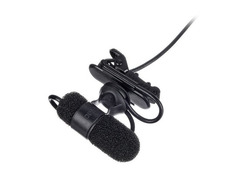
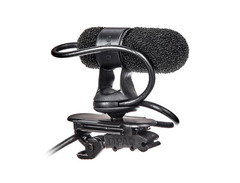
Professional broadcast environments demand the highest standards of audio quality, reliability, and performance in unpredictable conditions. The DPA 4080 Core cardioid lavalier microphone meets these exacting requirements with specialized features designed specifically for broadcast applications.
Directional Advantage
What distinguishes the 4080 Core from other premium lavaliers is its cardioid polar pattern, which focuses pickup on the wearer's voice while rejecting surrounding ambient noise. This directional characteristic provides exceptional vocal isolation in challenging broadcast environments such as noisy press conferences, outdoor reporting, and sports commentary. The result is broadcast-ready audio directly from the source, requiring minimal post-processing.
The microphone's 20Hz to 20kHz frequency response captures the full range of vocal nuances while remaining resistant to plosives and breath noise. Included pop filters further enhance performance in close-talking applications, ensuring clean audio even in less-than-ideal positioning scenarios.
Professional Integration
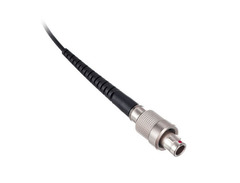
The 4080 Core's TA4F mini-XLR connector ensures seamless integration with industry-standard Shure wireless systems, making it an excellent replacement or upgrade for existing broadcast infrastructure. Its discreet design and multiple color options allow for nearly invisible placement on camera, satisfying the visual requirements of professional broadcasting.
The microphone's robust construction withstands the demands of daily broadcast use, from frequent handling to rapid deployment in breaking news situations. Its resistance to humidity and temperature variations ensures consistent performance across varied environmental conditions.
Sonic Excellence
Beyond its specialized broadcast features, the 4080 Core delivers the exceptional sound quality that has made DPA microphones industry standards. Vocal reproduction remains remarkably natural despite the directional pattern, capturing the authentic character and presence of voices without coloration or artifacts.
The microphone's excellent off-axis rejection maintains sound quality even with imperfect placement, providing consistency during dynamic reporting situations where optimal positioning cannot be guaranteed. This forgiving quality, combined with its resistance to handling noise, makes it particularly valuable for mobile broadcasting applications.
For news organizations, sports broadcasters, and media production teams operating in challenging acoustic environments, the DPA 4080 Core represents the ultimate combination of broadcast-specific features and uncompromising sound quality.
Pro Tips: Getting the Most from Your Lavalier Mic

Even the best lavalier microphone requires proper technique to deliver optimal results. These professional tips will help you achieve studio-quality audio across various recording scenarios.
Placement Makes Perfect
The single most important factor in lavalier microphone performance is proper placement. For standard speech recording:
Position the microphone about 6-8 inches below the speaker's chin, ideally centered on the sternum. This position captures natural voice characteristics while remaining visually discreet.
For male speakers with deeper voices, positioning slightly higher (about 4-6 inches below the chin) often provides better frequency balance.
For female speakers with higher voices, the standard sternum position typically works well, though slight adjustments may help capture the full vocal range.
Avoid placing the microphone directly behind fabric buttons or zippers, as these can cause interference and clothing noise during movement.
Concealment Techniques
When visual discretion is paramount, these concealment techniques help hide lavalier microphones while maintaining sound quality:
- Tie Mounting: Thread the microphone through the tie about 8 inches below the knot, using the tie's fabric to shield the microphone while keeping it positioned near the voice source.
- Under Collar Placement: For quiet, controlled environments, placing the microphone just under the collar can provide excellent concealment while still capturing clear audio. This technique works best with omnidirectional microphones.
- Headwear Mounting: For outdoor shoots where wind protection is essential, mounting a lavalier on the brim of a hat or inside a headband can provide both concealment and wind protection.
When using any concealment technique, always perform a sound check to ensure audio quality hasn't been compromised by the concealment method.
Defeating Clothing Noise
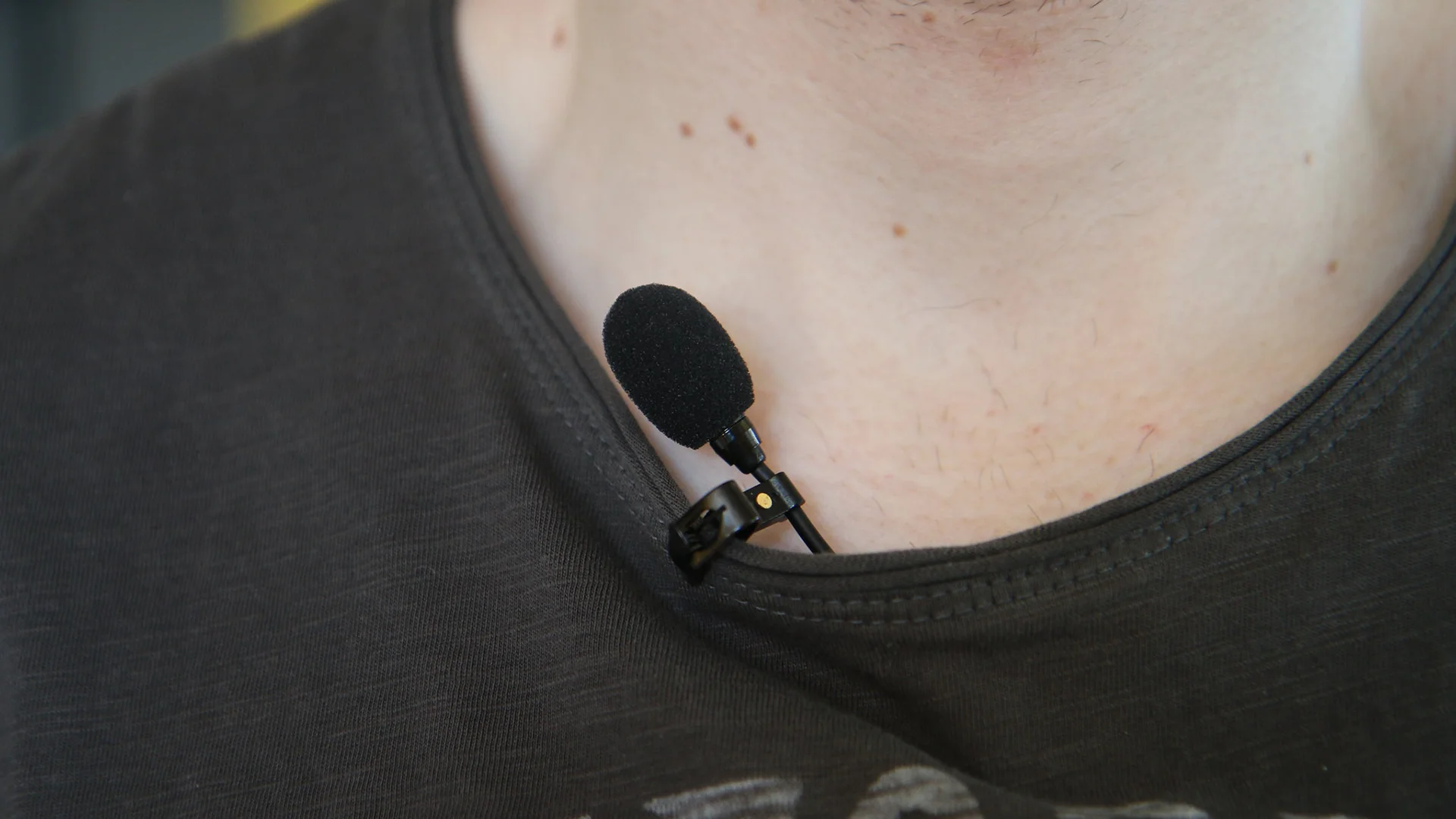
Clothing rustle is among the most common problems with lavalier recordings. These techniques help minimize unwanted noise:
Create a small loop of slack in the cable just below the microphone and secure it with tape or a small safety pin. This isolation loop prevents movement from the cable from transferring to the microphone capsule.
Use mounting accessories designed to isolate the microphone from clothing, such as vampire clips (which grip fabric) or Rycote Overcovers (which provide both wind and clothing noise protection).
For synthetic fabrics that generate significant noise, consider using small pieces of moleskin or medical tape to create a buffer zone around the microphone.
Cable Management
Proper cable management prevents both noise and potential damage to your equipment:
- Run cables inside clothing whenever possible, with enough slack to allow natural movement without pulling.
- Create strain relief loops at connection points to prevent accidental disconnection and reduce connector wear.
- Use medical or gaffer tape to secure cables along natural body contours, preventing visible cable lines under clothing.
- Avoid sharp bends in the cable, particularly near connector points, as these can lead to internal wire damage over time.
Troubleshooting Common Issues
When problems arise, these troubleshooting steps can quickly identify and resolve issues:
For signal dropouts in wireless systems: Check for interference sources, ensure clear line-of-sight between transmitter and receiver when possible, and verify battery levels in both units.
For distorted audio: Reduce gain/sensitivity settings at the transmitter or recorder input, and check that the microphone isn't being covered by heavy clothing.
For excessive background noise: Consider switching to a directional lavalier if available, improve microphone placement closer to the sound source, or adjust environmental factors if possible.
For inconsistent audio levels: Use a windscreen even indoors to reduce plosives, train speakers on maintaining consistent distance from the microphone, and consider using a limiter or compressor during recording if your equipment allows.
Frequently Asked Questions

What's the difference between lavalier microphones and shotgun microphones?
Lavalier microphones are small microphones designed to be worn on the body, typically clipped to clothing near the speaker's mouth. They move with the speaker, maintaining consistent audio levels regardless of the person's position. Shotgun microphones are highly directional microphones usually mounted on a boom pole or camera, pointed toward the sound source from a distance. Shotguns provide greater flexibility for capturing multiple speakers but require an operator to aim them properly. Lavaliers are generally preferred for single-speaker scenarios where consistent audio is crucial, while shotgun mics excel in situations where attaching microphones to subjects isn't practical.
Are lavalier microphones good for recording singing or instruments?
While lavalier microphones are optimized for speech, certain models can capture singing effectively, particularly for theatrical performances where body-worn microphones are necessary. They generally work best for vocals in moderate dynamic ranges rather than powerful operatic performances. For instruments, lavaliers have limited applications due to their typically smaller diaphragms and optimization for vocal frequencies.
Do I need a preamp or audio interface for a lavalier microphone?
The need for a preamp depends on your lavalier microphone type and recording device. Wireless lavalier systems typically include built-in preamps in their receivers, providing line-level output ready for most recording devices. Wired lavaliers with XLR connections usually require a preamp or audio interface to provide the necessary gain and phantom power. Lavaliers designed for smartphones or cameras with 3.5mm inputs often work directly with these devices without additional amplification, though a quality audio interface can still improve results by providing cleaner amplification and better analog-to-digital conversion.
Can lavalier microphones work with iPhones or Androids directly?
Yes, many lavalier microphones can connect directly to smartphones, though connectivity depends on the specific microphone and phone model. For phones with 3.5mm headphone jacks, lavaliers with TRRS connectors (like the Rode smartLav+) connect directly. For newer phones without headphone jacks, adapters are available for USB-C or Lightning ports. Some manufacturers now offer digital lavalier microphones with native USB-C or Lightning connectors, providing direct digital connection with potentially better audio quality.
Conclusion: Finding Your Perfect Match

Selecting the right lavalier microphone involves balancing technical requirements, practical applications, and budget considerations. Throughout this guide, we've explored how these remarkably small devices can dramatically improve audio quality across numerous scenarios.
For professionals seeking the absolute best sound quality regardless of price, the DPA 4060 CORE Mini remains the gold standard, delivering uncompromising audio performance in an incredibly compact package.
Those working within budget constraints will find exceptional value in the Rode Lavalier GO, which provides professional-quality sound at a fraction of the cost of premium options.
Wireless freedom with rock-solid reliability comes in the form of the Sennheiser EW 512P G4, the system of choice for professional productions where failure isn't an option.
Mobile content creators can transform their smartphones into professional recording devices with the Rode smartLav+, which delivers dramatic audio improvement with plug-and-play simplicity.
Filmmakers will appreciate the production-ready design and exceptional sound quality of the Rode RODElink LAV, engineered specifically for demanding filming environments.
Live performance applications call for the Countryman B3, with its unmatched feedback resistance and moisture-proof construction designed specifically for stage use.
Professional broadcasters operating in challenging environments will find their perfect match in the DPA 4080 Core, which combines exceptional vocal clarity with specialized features for broadcast applications.
Top Ranked Dynamic Microphones on Equipboard
-m.webp?v=1784728907)


-m.webp?v=1784718163)
About the authors

S. Jino is an accomplished multi-instrumentalist and music producer based in Kolkata, India, distinguished by his self-taught mastery and unique blend of technical acumen and musical performance. His extensive experience was forged through hands-on dedication, starting with the full restoration of a broken guitar. Jino's capabilities span keyboards, pedals, and advanced digital production, reflecting a comprehensive skill set developed independently. As a significant contributor to the music scene, Jino regularly performs with worship bands and college ensembles. He has also established himself as a reliable and authoritative professional in freelance mixing, mastering, and original music creation. Inspired by the innovative sounds of Brian May and David Gilmour, and influenced by Kolkata's vibrant metal community, Jino is committed to the intricate art of vintage gear restoration and the continuous exploration of music and technology fusion. His current professional setup, featuring a meticulously restored nameless guitar, a Fender Player Strat, and a Boss Katana 50. Read more