.webp)

By Gear Experts
Table of Contents

Equipboard
Equipboard is the world's largest community of artists and their gear. Read our review process.
We are reader-supported. When you buy through links on our site, we may earn an affiliate commission. Learn more.
Microphone polar patterns might seem like a technical detail, but they're actually one of the most important factors affecting your sound quality. A polar pattern is simply the way a microphone captures sound from different directions. Think of it as the "listening area" of your microphone.
Understanding polar patterns can transform your recordings from amateur to professional with a single equipment choice. Whether you're tracking vocals in a noisy environment, recording a live performance, or capturing the natural ambience of a room, the polar pattern of your microphone directly influences what your listeners will hear.
The difference between using the right and wrong polar pattern can be dramatic. Use the wrong pattern, and you might capture unwanted noise, create feedback issues, or miss the natural characteristics of your sound source. Use the right one, and suddenly your recordings gain clarity, depth, and professional quality.
How to Read Polar Pattern Diagrams
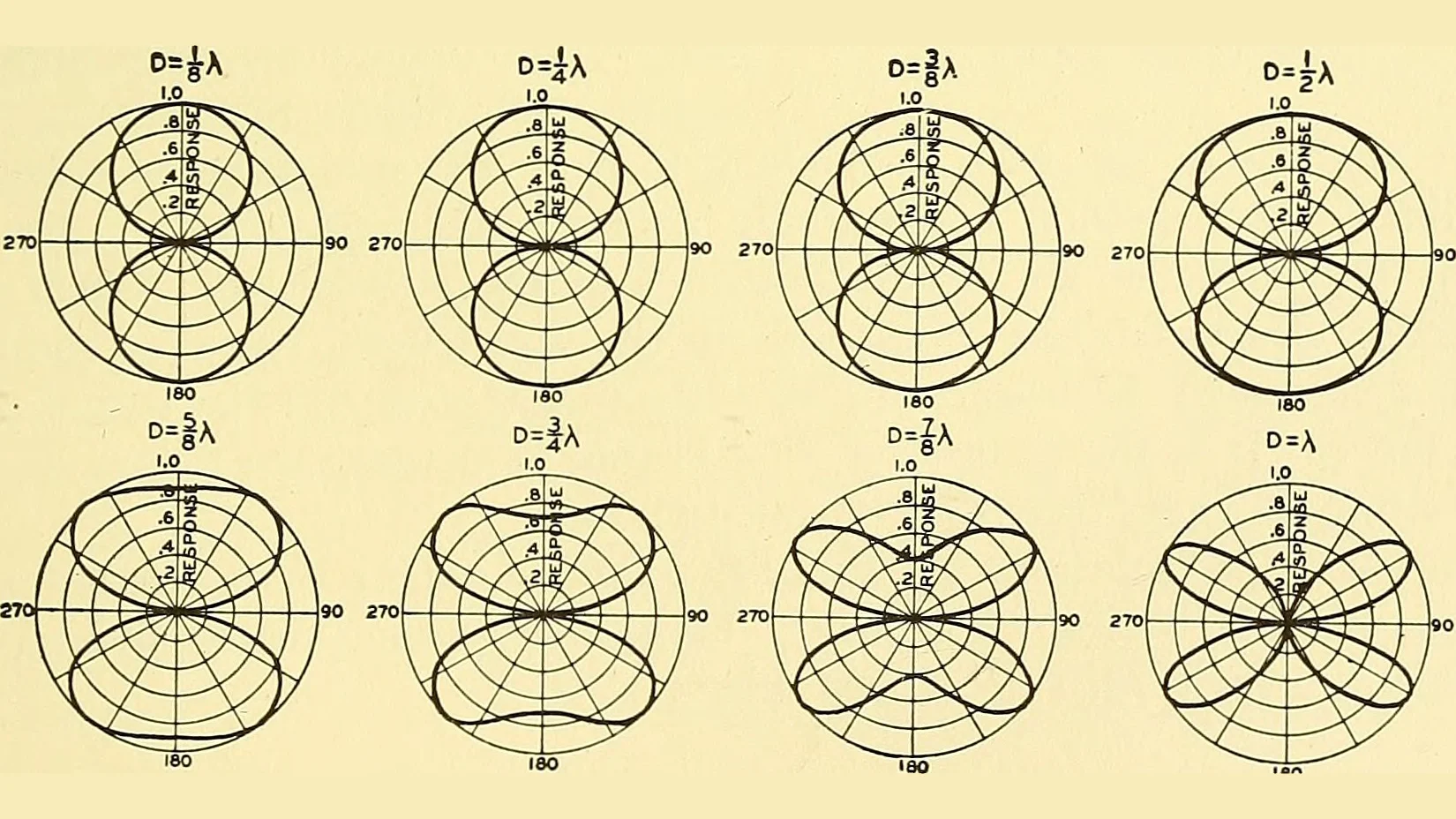
Polar pattern diagrams might look complicated at first glance, but they're actually quite straightforward visual tools.
A polar pattern diagram is a circular graph that shows how sensitive a microphone is to sounds coming from different directions. Think of it as a top-down view of the microphone's "hearing ability" in all directions.
The center of the diagram represents the microphone itself. The concentric circles moving outward indicate sensitivity levels, with the outermost circle representing maximum sensitivity. The lines extending from the center show how sensitive the microphone is in each direction.
The top of the circle (0°) represents the front of the microphone, where you speak or play directly into it. The bottom (180°) represents the rear. The left (270°) and right (90°) sides show sensitivity to sounds coming from those directions.
The shape of the pattern tells you where the microphone "hears" best and where it rejects sound. The further the line extends from the center in any direction, the more sensitive the microphone is to sounds from that angle.
Many diagrams include multiple lines representing performance at different frequencies, typically showing measurements at lower frequencies (such as 125Hz), mid-range frequencies (1kHz), and higher frequencies (8kHz). This is because most microphones don't maintain perfectly consistent patterns across all frequencies.
When choosing a microphone based on its polar pattern, pay attention to:
- The overall shape of the pattern
- How consistent the pattern remains across different frequencies
- Where the "null points" (areas of minimal sensitivity) are located
- How quickly sensitivity drops as sound moves off-axis
Understanding these diagrams helps you predict how a microphone will perform in real-world situations and position it optimally for your specific recording needs.
Understanding Polar Patterns: How They Work
Every microphone contains a few essential parts. The most important is the diaphragm, a thin membrane that vibrates in response to sound waves. Connected to this is the capsule, which houses the diaphragm and the components that convert these vibrations into electrical signals. The body of the microphone contains the electronics and provides structure. Many microphones also feature acoustic ports or vents that allow sound to reach both sides of the diaphragm in controlled ways.
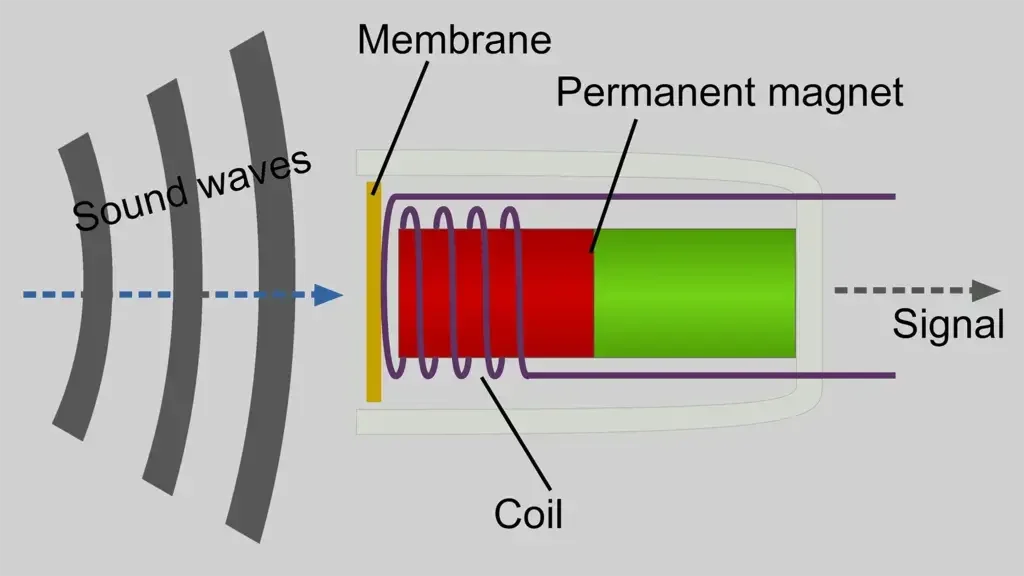
Microphones work by converting sound waves (mechanical energy) into electrical signals. The diaphragm inside the microphone vibrates when hit by sound waves, creating these electrical signals.
In directional microphones, sound waves that hit the back of the diaphragm are intentionally delayed before reaching the front side. When these delayed waves meet the direct waves at the front, they cancel each other out, creating what's called "acoustic shadowing" for sounds coming from certain directions.
This phase cancellation is the fundamental principle behind directional microphones. By controlling which sound waves cancel each other out, manufacturers create different polar patterns for different recording needs.
Most polar patterns are represented by circular diagrams showing how sensitive the microphone is at different angles. The further the line extends from the center in any direction, the more sensitive the microphone is to sounds coming from that angle.
Understanding these visual representations helps you predict how a microphone will perform in real-world situations, allowing you to position it optimally for your recording needs.
Overview of Microphone Polar Patterns & Their Uses
Microphone polar patterns come in several varieties, each designed for specific recording situations. Let's explore each major pattern and understand when and why you might choose it.
Omnidirectional: Capturing Sound from All Directions
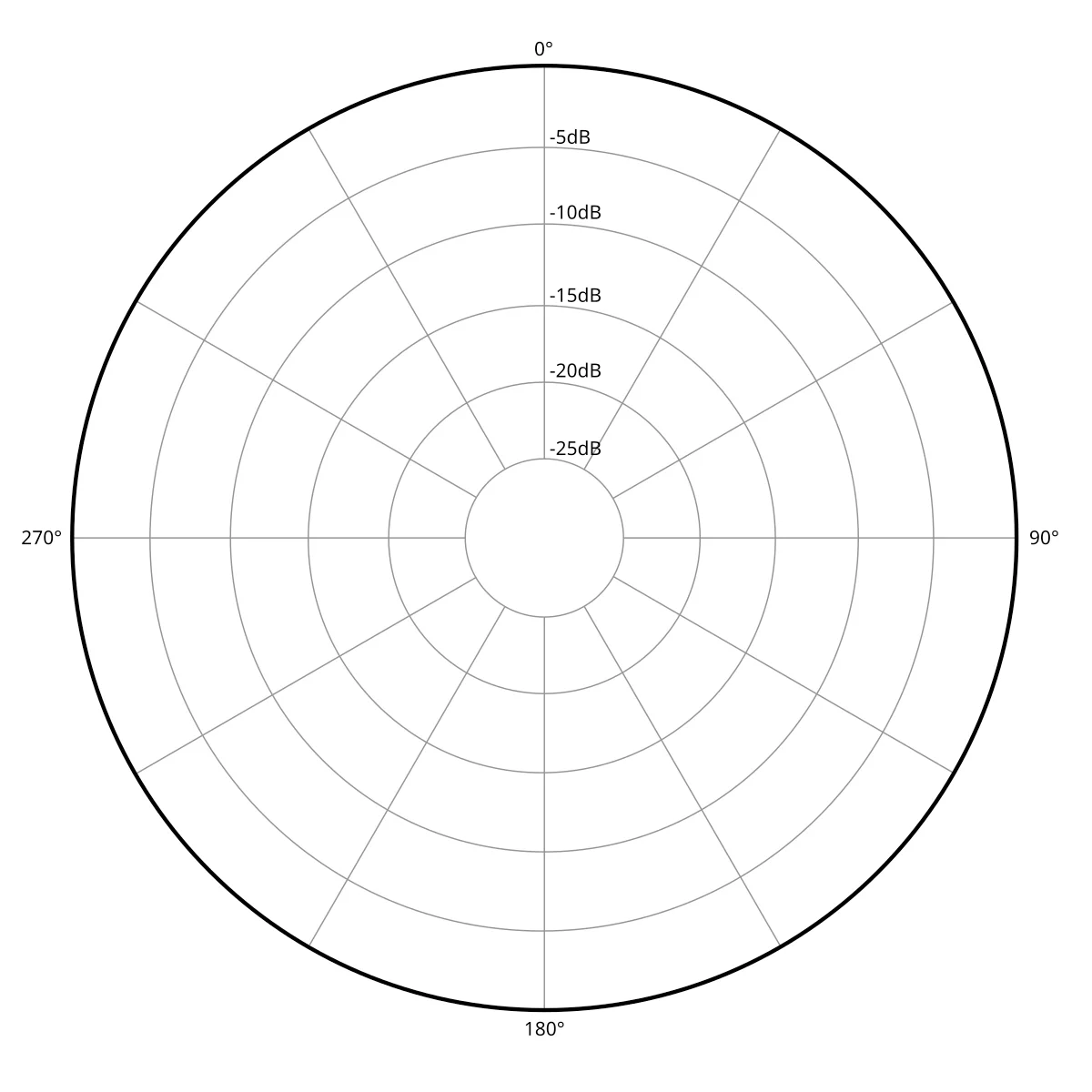
Omnidirectional microphones pick up sound equally from all directions, creating a 360-degree pickup pattern. This makes them incredibly versatile for certain applications.
These microphones excel in capturing the natural sound of a space, including its ambience and reverberation. They're ideal when you want to represent not just the sound source, but also its acoustic environment.
Omnidirectional microphones are commonly used for:
- Room ambience and field recordings
- Orchestras and choirs where natural blend is desired
- Lapel and lavalier microphones for interviews
- Situations where multiple speakers share one microphone
- Recording situations where you want to capture room sound
They don't suffer from proximity effect (bass buildup when close to a source), making them excellent for consistent vocal tonality regardless of how close the speaker is to the microphone.
The tradeoff is that omnidirectional microphones offer no isolation from unwanted sounds. If your recording environment has noise issues, these might not be your best choice.
Some respected omnidirectional microphones include the Neumann TLM 103, DPA 4006, and Audio-Technica AT4022, all renowned for their transparent sound quality and accuracy.
Cardioid: The Most Common Polar Pattern
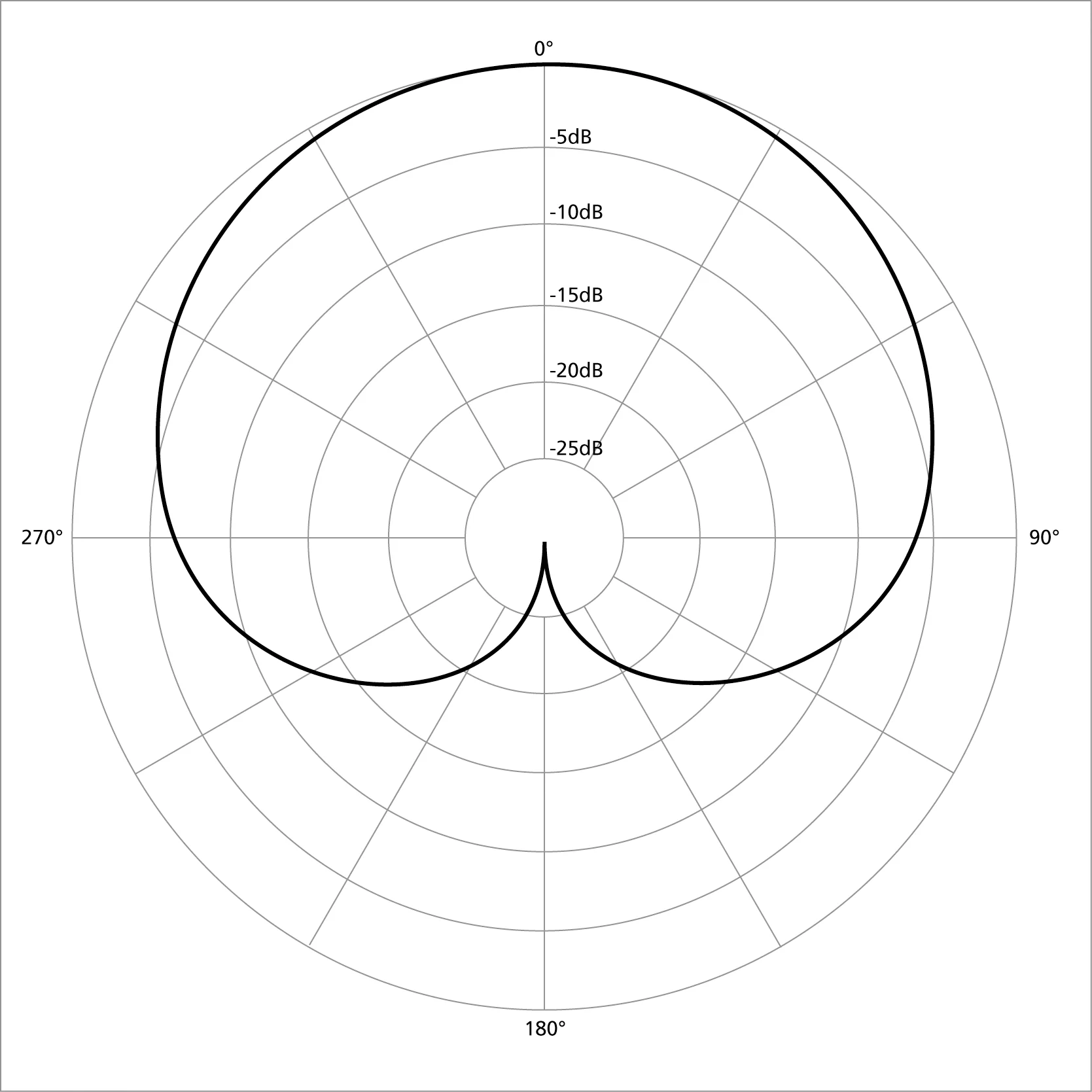
Cardioid microphones are named for their heart-shaped pickup pattern that focuses primarily on sounds in front of the microphone while rejecting sounds from the sides and rear. This is the most popular and widely used polar pattern for good reason.
Cardioid patterns provide an excellent balance of focus and flexibility for most recording situations. They capture what you point them at while minimizing room noise and ambient sounds from other directions.
The best applications for cardioid microphones include:
- Vocal recording in studios and live settings
- Instrument miking where isolation is needed
- Podcasting and streaming where background noise rejection is crucial
- Live performance in environments with monitors and speakers
They're forgiving with placement and provide good results even in less-than-ideal acoustic environments.
One characteristic to be aware of is proximity effect which causes bass frequencies to increase as you get closer to the microphone. While this can be problematic for inconsistent speakers, many vocalists use this effect creatively to add warmth and body to their voice.
Classic examples of cardioid microphones include the ubiquitous Shure SM58 (found on stages worldwide), the studio-favorite Neumann TLM 103, and the popular Rode NT1-A, used in countless home studios for its clean sound and background noise rejection.
Supercardioid & Hypercardioid: Focused Directionality
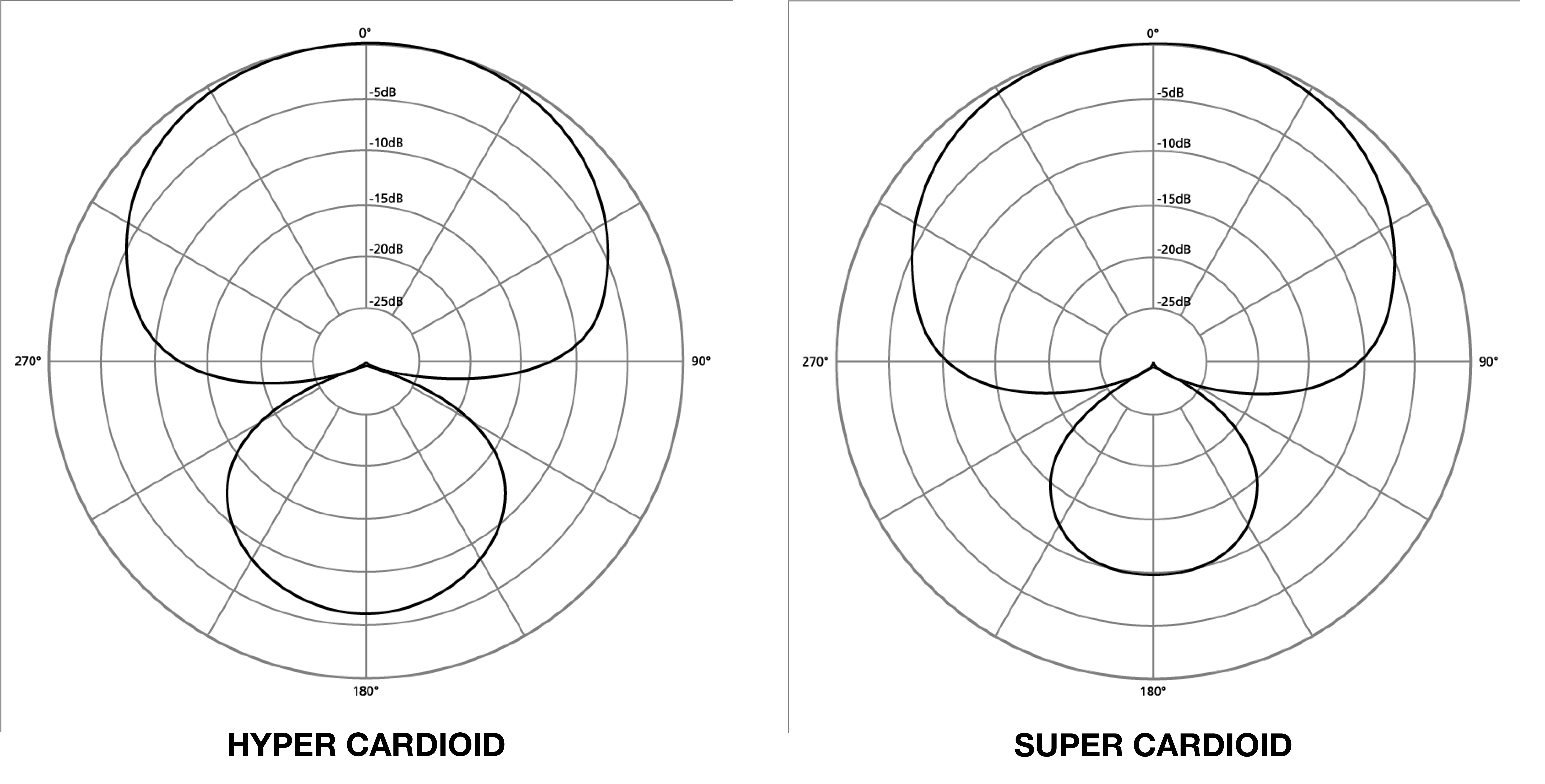
Taking directional capture a step further, supercardioid and hypercardioidpatterns offer even narrower focus than standard cardioid mics, with slight differences in their pickup patterns.
Supercardioid patterns provide greater front focus with a small lobe of sensitivity at the rear. Hypercardioid patterns offer even tighter frontal directionality with a slightly larger rear pickup lobe.
These highly directional patterns are invaluable in challenging acoustic environments where maximum isolation is required. They effectively block out side noise but require more careful positioning due to their rear sensitivity.
Ideal applications include:
- Live vocal performance in loud environments
- Film dialogue recording where background noise is present
- Drum overhead miking where cymbal bleed needs to be controlled
- Capturing specific instruments in ensemble settings
The tradeoff is that they require more precise positioning since moving off-axis quickly decreases sound quality, and the rear pickup lobe can cause problems if monitors or other sound sources are directly behind the microphone.
Popular supercardioid and hypercardioid microphones include the Shure Beta 87A (supercardioid), and the Sennheiser MKH 50 (hypercardioid), which is a standard in film production for its focused pickup and rejection of ambient noise.
Figure-8 (Bidirectional): Capturing Both Front and Back
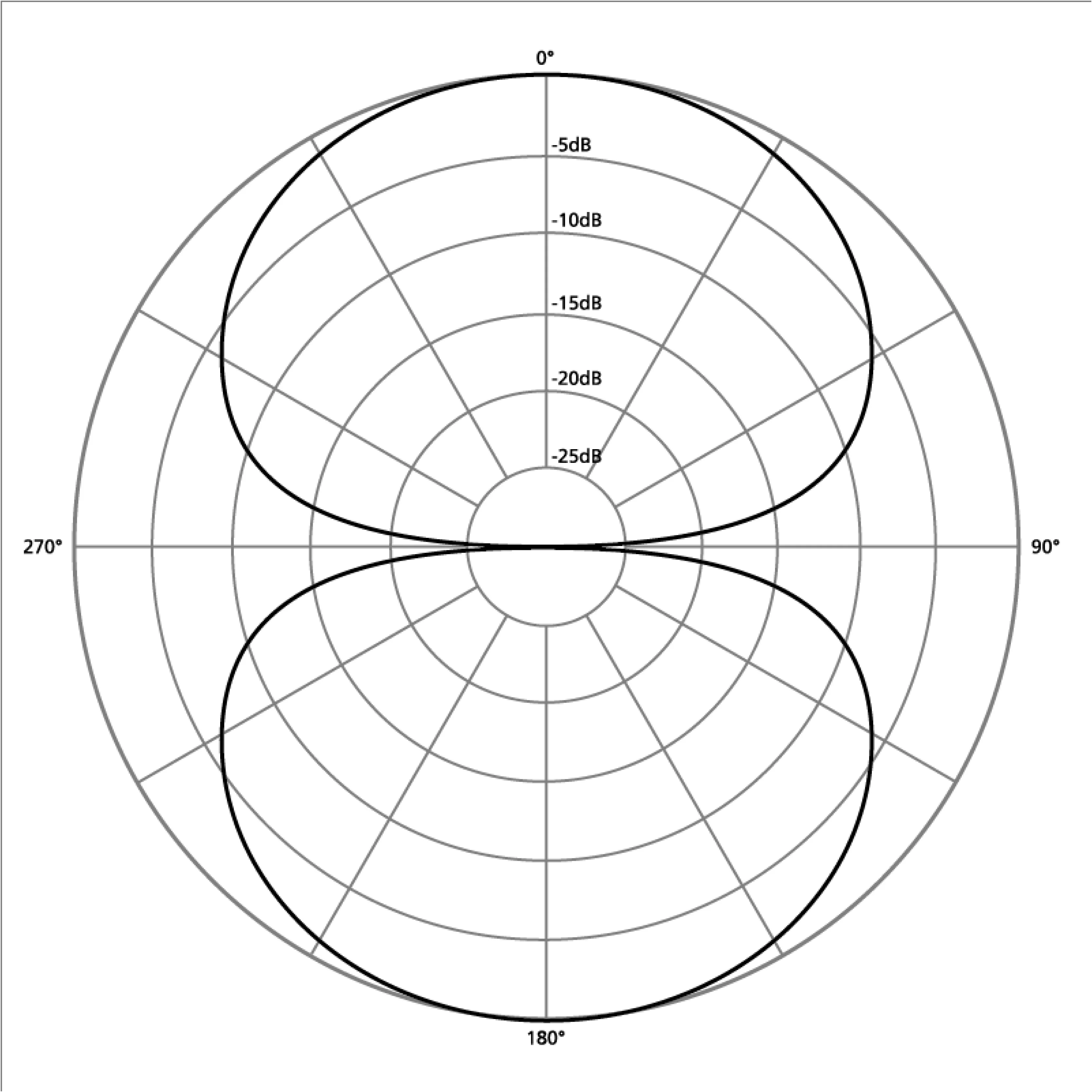
Figure-8 microphones, also called bidirectional, feature a unique polar pattern that picks up sound equally from the front and back while rejecting sound from the sides. This creates a pattern that resembles the number 8 when viewed from above.
This specialized pattern creates interesting creative possibilities that other patterns can't achieve. The side rejection is often more pronounced than even in hypercardioid microphones, making them excellent at isolating sounds from specific directions.
Figure-8 microphones work best for:
- Recording duets or face-to-face interviews
- Mid-side stereo recording techniques
- Blumlein stereo recording setups
- Ribbon microphones (which naturally have a figure-8 pattern)
- Situations where you want to capture two sound sources while rejecting others
This pattern also exhibits strong proximity effect, which can add warmth to vocals and spoken word.
The main consideration is that room acoustics will be captured equally from the front and back, so the space behind the microphone needs to sound good too.
Famous figure-8 microphones include the Royer R-121 ribbon microphone, the classic Neumann U87 (which offers selectable patterns including figure-8), and the Coles 4038, a vintage-style ribbon microphone beloved for its warm character and strong side rejection.
Multi-Pattern Microphones: Versatile Recording Solutions

Multi-pattern microphones represent the pinnacle of versatility, offering switchable polar patterns that can be changed to suit different recording situations. These microphones typically include omnidirectional, cardioid, and figure-8 patterns, with some models offering additional patterns like supercardioid.
This flexibility makes multi-pattern microphones exceptional studio tools that can adapt to virtually any recording challenge. Instead of buying multiple specialized microphones, engineers can use a single high-quality multi-pattern mic for various applications.
Multi-pattern microphones are perfect for:
- Recording studios where different instruments and voices are captured
- Engineers who record in various acoustic environments
- Producers who need to experiment with different sounds
- Home studios with limited microphone collections
- Recording sessions where requirements might change unexpectedly
The biggest advantage is adaptability. You can quickly switch between patterns to solve problems or create different sonic characters without changing microphones. This saves time in sessions and reduces the need for extensive microphone collections.
The primary drawback is that multi-pattern microphones generally cost more than their single-pattern counterparts, though the investment often pays off in versatility.
Industry-standard multi-pattern microphones include the the AKG C414 XLII (offering nine polar patterns), the legendary Neumann U87 AI, and the more affordable Rode NT2-A, all of which provide professional sound quality with the flexibility to handle diverse recording situations.
Additional Specialized Polar Patterns
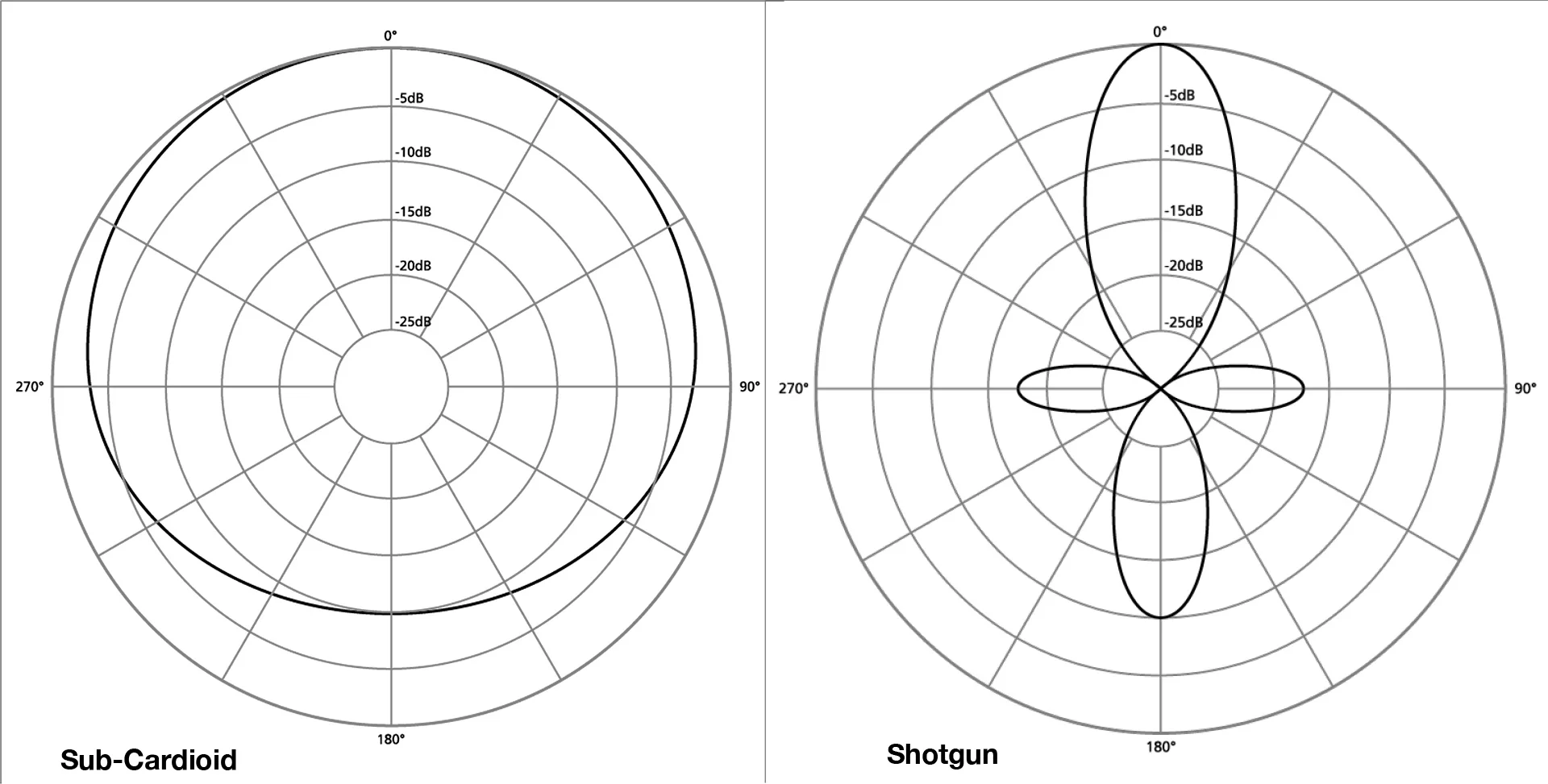
Beyond the standard patterns, several specialized polar patterns serve unique recording needs in specific situations.
Subcardioid (Wide Cardioid)
Subcardioid patterns fall between omnidirectional and cardioid in directionality. They offer more focused pickup than omnidirectional patterns but with wider coverage than standard cardioid. This pattern is particularly useful for capturing small ensembles or multiple vocalists while still providing some background rejection. Microphones like the AKG C414 in its wide cardioid setting or the Neumann M 49 in certain configurations exhibit this versatile pattern.
Shotgun/Lobar
Shotgun/Lobar patterns represent the most extreme directionality available in standard microphones. Created by adding an interference tube to a hypercardioid capsule, these patterns feature an extremely narrow pickup angle with strong rejection of off-axis sound. Shotgun microphones are the go-to choice for film dialogue, field sports recording, and any situation requiring extreme isolation in noisy environments. Popular examples include the Sennheiser MKH 416 and Rode NTG3, both industry standards in broadcast and film production.
Hemispherical
Hemispherical patterns pick up sound from an entire half-sphere while rejecting sound from the other half. Unlike figure-8 patterns that have equal front and back lobes, hemispherical patterns create a single zone of sensitivity. These specialized patterns are often found in boundary microphones (also called PZM or pressure zone microphones) that mount flush against surfaces like walls, floors, or conference tables. The Crown PZM-30D and Audio-Technica PRO44 are common examples used in conference recording, theater applications, and ambient sound capture.
Variable-D
This pattern represents a technology rather than a specific pattern, aimed at minimizing proximity effect in directional microphones. Developed by Electro-Voice, this design uses a series of ports at different distances from the diaphragm to create consistent frequency response regardless of distance from the sound source. The result is a directional microphone that maintains tonal consistency whether the source is close or far away, making these microphones excellent for vocalists who move while performing. The legendary Electro-Voice RE20 and RE320 broadcast microphones employ this technology, making them favorites for radio, podcasting, and voice-over work.
Choosing the Right Polar Pattern for Your Needs
Selecting the appropriate polar pattern for your recording situation can dramatically improve your results. Let's look at specific recommendations for common recording scenarios.
For Vocals
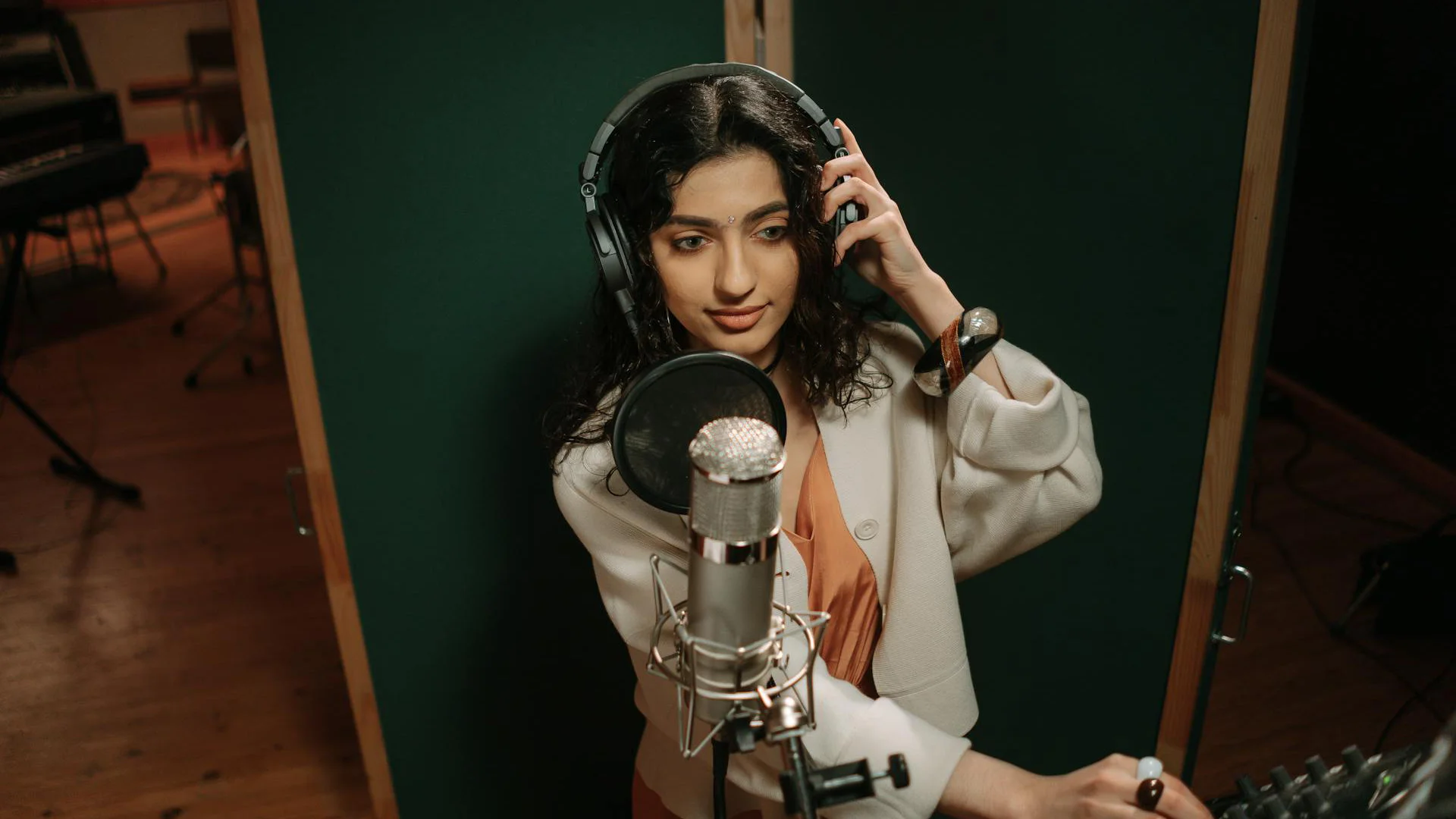
Vocal recording typically benefits from isolation and focus. Cardioid patterns are the standard choice for most vocal applications, offering good rejection of room noise while capturing the full character of the voice.
When recording in noisy environments or on stage, supercardioid or hypercardioid patterns provide better isolation but require more precise microphone technique. The vocalist needs to stay directly on-axis for consistent sound.
For natural vocal recordings in good acoustic spaces, omnidirectional patterns can capture a more open, realistic sound with better low-frequency response, since they don't exhibit proximity effect.
When recording vocal harmonies or duets, figure-8 patterns allow two singers to face each other while the microphone captures both clearly while rejecting sound from the sides.
For Instruments
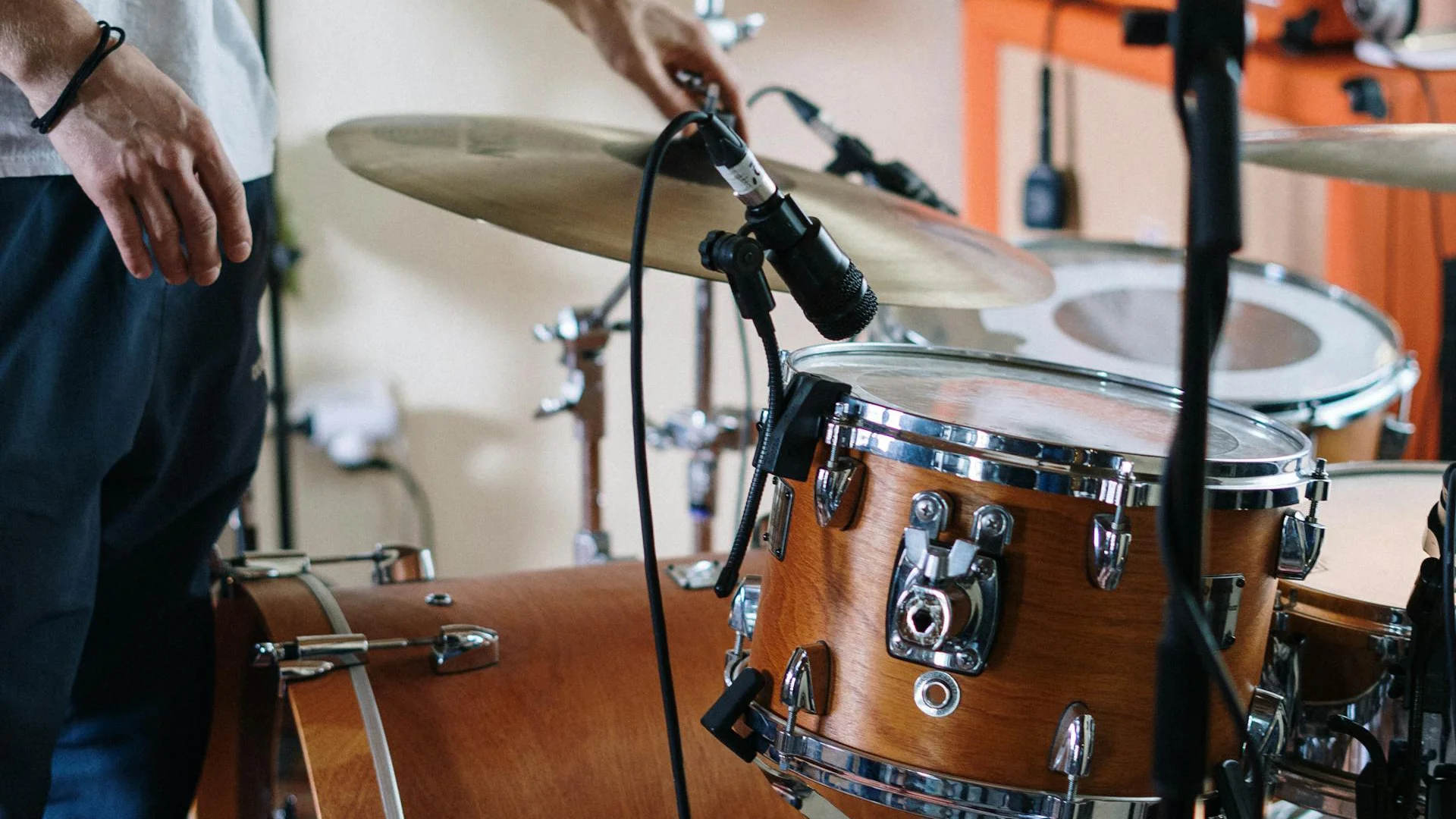
Different instruments benefit from different polar patterns:
For acoustic guitars and similar stringed instruments, cardioid patterns typically work well, focusing on the sound hole or the area between the sound hole and the 12th fret.
Piano recording often uses omnidirectional microphones to capture the full resonance and natural tone of the instrument within the room, especially for classical music.
Drum overhead miking can benefit from supercardioid patterns to focus on specific cymbal groups while minimizing bleed from other percussion.
For capturing room ambience with instruments, omnidirectional patterns preserve the natural space and reverb that adds life to acoustic recordings.
For Podcasting & Streaming

Content creators need microphones that prioritize voice clarity while minimizing background noise.
Cardioid patterns are the go-to choice for most podcasting and streaming applications. They reject sound from the sides and rear, where computer fans, air conditioning, and other room noise typically originate.
For noisy environments or shared spaces, supercardioid patterns offer even better isolation, though they require staying consistently positioned in front of the microphone.
For interview podcasts with two people sharing a microphone, figure-8 patterns allow face-to-face conversation with good rejection of side noise.
For Field Recording & Film
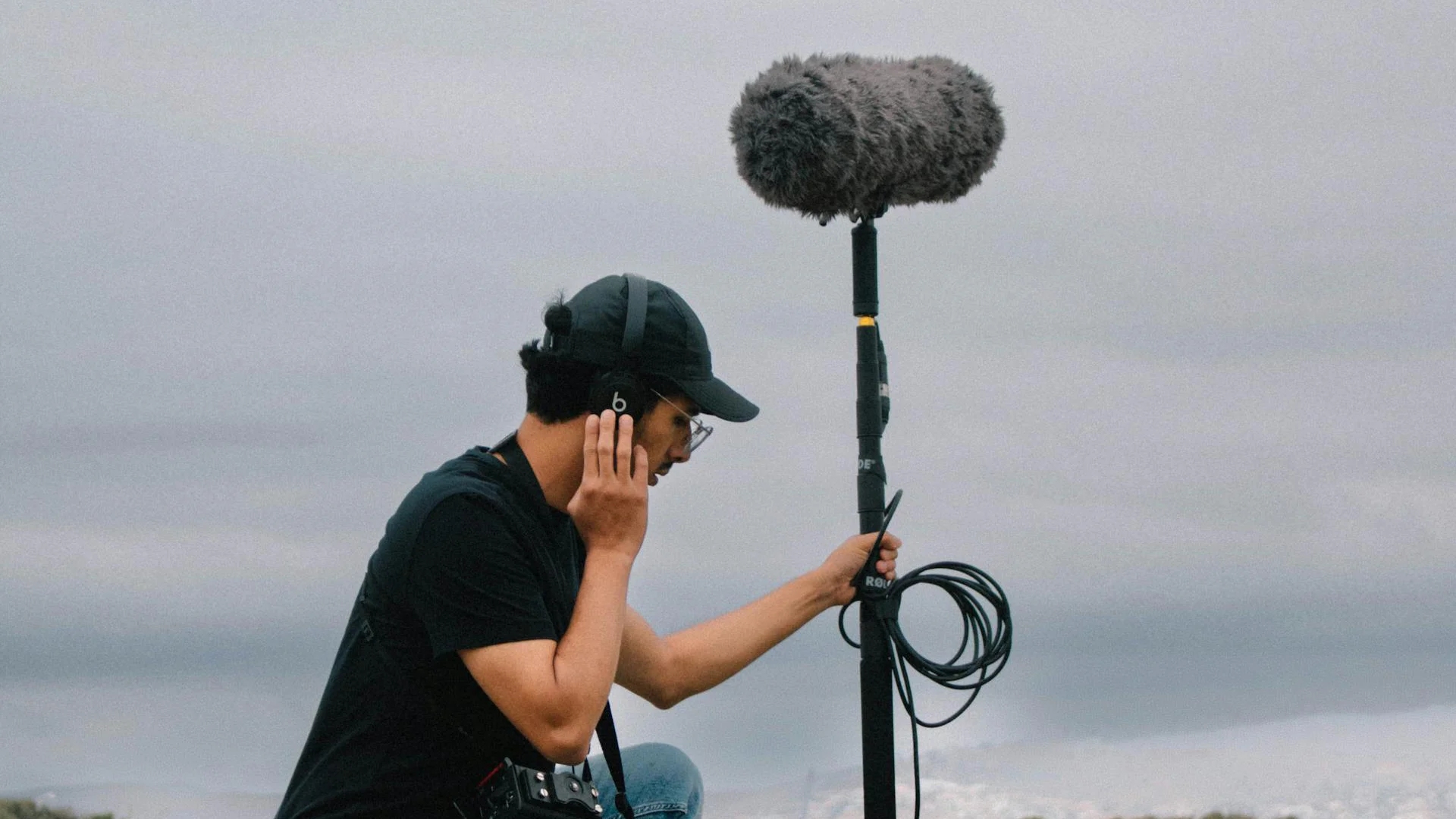
Field recording and film production present unique challenges that require specialized polar patterns.
Shotgun microphones, which use an interference tube to create an extremely directional pattern, are standard for film dialogue recording. These specialized hypercardioid or lobar pattern microphones can focus on a subject's voice even in noisy environments.
Nature field recording often employs omnidirectional microphones to capture the full ambience and immersive quality of environmental sounds.
For stealth recording situations where the microphone can't be visibly pointed at the subject, supercardioid lavalier microphones hidden in clothing can provide good isolation even when not optimally positioned.
For Live Performances

Live sound presents significant challenges with feedback and noise that make polar pattern selection crucial.
Supercardioid and hypercardioid patterns are often preferred for live vocal microphones due to their excellent rejection of sound coming from floor monitors and side-stage amplifiers.
For capturing audience response and room ambience during live recordings, cardioid or omnidirectional microphones positioned strategically can add life and atmosphere to the recording.
For acoustic instruments on noisy stages, tightly focused hypercardioid microphones help isolate the instrument from drums and amplified instruments nearby.
Digital vs. Analog Microphones: How Polar Patterns Function in Both

The technology behind microphones continues to evolve, with digital microphones offering new approaches to polar patterns.
Analog Microphones
Traditional analog microphones create their polar patterns through acoustic design principles. The physical construction of the microphone capsule, including acoustic labyrinths and ports, determines how it responds to sound from different directions.
These mechanical solutions have been refined over decades and provide consistent, reliable performance that recording professionals trust. The polar patterns are fixed by design and maintain their characteristics regardless of the recording system.
Many classic studio microphones use this approach, with multi-pattern analog microphones typically employing dual diaphragms that can be electrically combined in different ways to create various patterns.
Digital Microphones
Digital microphones incorporate analog-to-digital converters and digital signal processing (DSP) within the microphone body. This technology allows for some interesting innovations in polar pattern implementation.
Some advanced digital microphones can:
- Adjust polar patterns continuously rather than in fixed steps
- Create hybrid patterns not possible with analog designs
- Store preset patterns for quick recall
- Allow remote control of patterns via software
Digital beam-forming technology uses multiple capsules and sophisticated algorithms to create highly customizable polar patterns. This approach is common in conference microphones and some high-end studio microphones.
Modeling Microphones
A recent innovation is the modeling microphone, which uses multiple capsules and DSP to simulate the sound and polar patterns of classic microphones.
These systems typically capture audio with several capsules simultaneously and then process the signals to recreate the polar pattern and frequency response of specific vintage or modern microphones.
The advantage of modeling systems is the ability to change microphone characteristics after recording, providing unprecedented flexibility in post-production.
Examples include the Townsend Labs Sphere L22, Slate Digital Virtual Microphone System, and Antelope Audio Edge modeling microphones, which allow engineers to switch between emulations of dozens of classic microphones long after the recording session is complete.
Common Mistakes & Best Practices for Using Polar Patterns
Understanding common pitfalls and proper techniques will help you get the most from your microphone's polar pattern.
Incorrect Microphone Positioning
One of the most common mistakes is ignoring the implications of a microphone's polar pattern when positioning it.
Directional microphones sound best when the sound source is directly on-axis (in front of the microphone). As you move off-axis, both the volume and tonal quality change, often resulting in thin or dull sound.
When using supercardioid or hypercardioid microphones, remember they have a sensitivity lobe at the rear. Avoid placing monitors or other sound sources directly behind these microphones.
For figure-8 microphones, be aware that both the front and back are equally sensitive. The space behind the microphone will contribute just as much to the recording as what's in front.
Understanding Proximity Effect
Proximity effect causes an increase in bass response as a directional microphone gets closer to the sound source. This effect is strongest in figure-8 microphones, substantial in cardioid patterns, and nonexistent in omnidirectional microphones.
Many vocalists use proximity effect creatively to add warmth and intimacy to their sound. However, inconsistent distance from the microphone will result in inconsistent bass response, making editing and mixing more difficult.
To maintain consistent tonality with directional microphones:
- Use a pop filter that maintains a fixed distance from the microphone
- Consider a microphone with a bass roll-off switch for close-miking applications
- Train vocalists and speakers to maintain consistent distance from the microphone
Using the Wrong Pattern for the Environment
Choosing an inappropriate polar pattern for your recording environment can create unnecessary problems.
In untreated or noisy rooms, omnidirectional microphones will capture all the room's flaws, including reflections, HVAC noise, and outside sounds. Cardioid or supercardioid patterns are usually better choices in less-than-ideal spaces.
Conversely, in well-treated studios with good acoustics, the natural sound of omnidirectional microphones might produce more pleasing results than the somewhat colored sound of highly directional microphones.
For outdoor recording, wind noise affects different polar patterns differently. Omnidirectional microphones are generally less susceptible to wind noise than directional microphones, though all microphones should use windscreens for outdoor applications.
Feedback Issues in Live Sound
Feedback occurs when a microphone picks up its own signal from speakers, creating a loop that quickly becomes the howling sound we all recognize from bad sound systems.
Different polar patterns have different feedback rejection properties:
- Omnidirectional microphones are most prone to feedback
- Cardioid microphones provide good feedback rejection when monitors are positioned properly
- Supercardioid and hypercardioid offer excellent rejection from the sides but can cause problems if monitors are directly behind them
For maximum gain-before-feedback in live situations, position monitors at the "null points" of the microphone's polar pattern. For supercardioid microphones, these null points are about 125° off-axis on either side, not directly at the sides as with cardioid patterns.
Recording Multiple Sources with One Microphone
When capturing multiple sound sources with a single microphone, polar pattern selection becomes critical.
For two vocalists or instruments positioned face-to-face, a figure-8 microphone allows equal sensitivity to both while rejecting sounds from the sides.
For capturing a group arranged in a circle, an omnidirectional microphone at the center will pick up everyone equally.
For recording a solo instrument with room sound, a multi-pattern microphone can be set to cardioid for more direct sound or omnidirectional for more room ambience, depending on the desired result.
FAQs & Myths About Microphone Polar Patterns

Do condenser and dynamic mics have different polar pattern behaviors?
Yes. Condenser microphones typically maintain more consistent patterns across all frequencies than dynamic microphones. Dynamic microphones tend to become more omnidirectional at lower frequencies regardless of their stated pattern, which means they may pick up more low-frequency content from the sides and rear.
Can you change a microphone's polar pattern with EQ?
No. Polar patterns are determined by the physical construction of the microphone or by electrical combinations of multiple capsules. EQ only affects frequency response, not directional sensitivity. The only way to change a pattern is to use a microphone with switchable patterns or a different microphone altogether.
Do different polar patterns change a microphone's frequency response?
Yes. Omnidirectional patterns typically have the flattest, most extended low-frequency response because they don't exhibit proximity effect. Directional patterns like cardioid and figure-8 often have a more tailored frequency response, sometimes with presence peaks to enhance vocal clarity.
Why do shotgun mics have such a tight pickup pattern?
Shotgun microphones use an interference tube combined with a hypercardioid capsule. This tube creates phase cancellation for off-axis sounds, substantially increasing directionality at mid and high frequencies. However, they become less directional at lower frequencies, making them more effective for focused voice capture than for rejecting distant low-frequency noise.
Conclusion & Final Recommendations
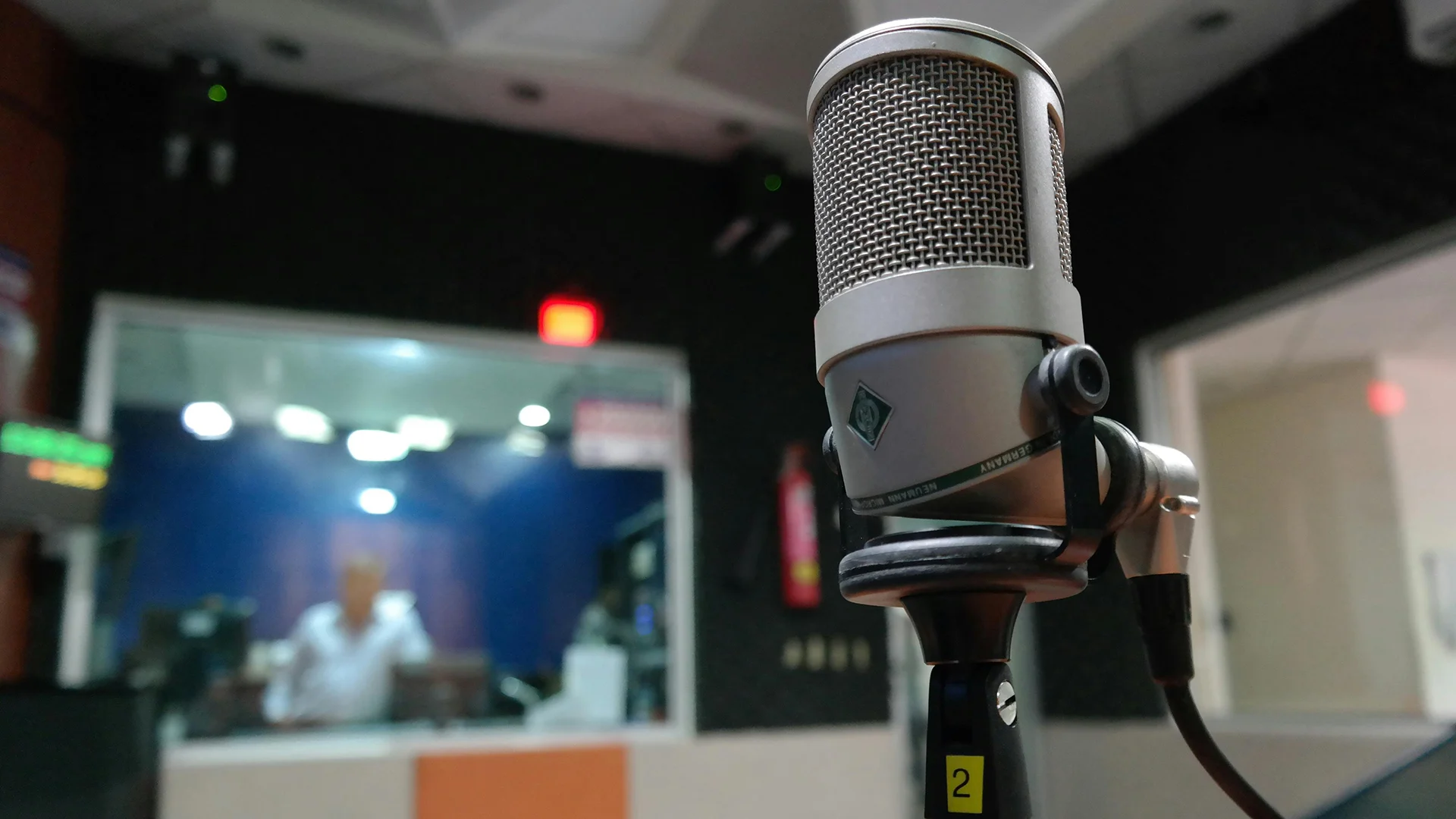
Microphone polar patterns are far more than technical specifications; they're creative tools that shape the character of your recordings. Understanding how and when to use different patterns empowers you to capture exactly what you want while excluding what you don't.
For those building a microphone collection, start with versatility. A high-quality multi-pattern condenser microphone like the AKG C414 XLII or Rode NT2-A gives you options for various recording situations. Add a reliable cardioid dynamic microphone such as the Shure SM58 or Sennheiser e835 for live use and high-SPL applications. As your needs grow more specialized, you might want a supercardioid microphone like the Shure Beta 87A for better isolation, a dedicated omnidirectional microphone such as the DPA 4006 for natural recordings, or a ribbon microphone with its figure-8 pattern like the Royer R-121 for vintage character.
Remember that room acoustics and microphone placement often impact sound quality more than subtle differences between microphones. Learning to position microphones optimally for their polar patterns will improve your recordings more than investing in expensive gear.
The best approach is to develop your ear for how different polar patterns sound in your specific recording environments. With practice, you'll instinctively know which pattern will work best for a given situation, leading to cleaner recordings that require less processing and ultimately sound more professional.
About the authors
Michael R. Pierce is the co-founder of Equipboard and a lifelong musician with over 25 years of experience as a guitarist and gear enthusiast. He blends solid music theory chops (thanks to formal training in guitar, piano, and trumpet) with real-world experience, always exploring and experimenting across genres like rock, blues, and hip-hop. Michael launched Equipboard in 2013 after graduating from The University of Texas at Austin, leveraging his unique blend of musical passion, technological acumen, and community building. His current go-to rig features a Fender American Original ‘50s Telecaster, Analogman King of Tone, Strymon Flint, and a Fender ‘57 Custom Champ. Read more