The Complete 2026 Mandolin Buyer's Guide | Gear Guides


By Gear Experts

By Gear Experts
Table of Contents

Equipboard
Equipboard is the world's largest community of artists and their gear. Read our review process.
We are reader-supported. When you buy through links on our site, we may earn an affiliate commission. Learn more.
Our Picks

The Rogue RM-100A offers decent quality in an affordable package, giving new players a reliable instrument that inspires practice without overwhelming the budget.
Read more


Ibanez M700 Mandolin - Antique Violin Sunburst High Gloss
The Ibanez M700 strikes an impressive balance between professional features and accessibility, delivering remarkable tone and playability without breaking the bank.
Read more
Kentucky Mandolins KM-1050 Master F-Model Mandolin
The Kentucky KM-1050 Master F-Model represents a significant step into professional-quality territory, offering hand-carved features and premium tonewoods that deliver exceptional sound for advancing players.
Read more
The Gibson F5-G embodies the pinnacle of mandolin craftsmanship, offering unparalleled tonal complexity and response that justifies its position as the standard by which other professional instruments are judged.
Read more
Epiphone Mandobird-VIII 8-String Electric Mandolin
The Epiphone Mandobird-VIII combines vintage aesthetic appeal with modern electric versatility, creating a unique instrument that bridges traditional mandolin playing with contemporary musical exploration.
Read moreThe mandolin has carved out a special place in the hearts of musicians across numerous genres, from the nimble fingerwork of bluegrass players to the rich traditions of folk music and the refined techniques of classical performers. With its distinctive bright tone and expressive capabilities, this eight-stringed wonder continues to captivate both listeners and performers alike.
Choosing the right mandolin can be transformative for your musical journey, whether you're just starting out or looking to upgrade after years of playing. The perfect instrument should not only match your skill level and musical preferences but also inspire you to keep exploring and improving.
Key Considerations When Choosing a Mandolin

Let's unpack the essential qualities to look for in your ideal eight-stringed companion before we explore the standout models on today's market. These considerations will help you make an informed decision regardless of your experience level or musical goals.
Mandolin Types
The body style of a mandolin influences both its sound and playability. Each type offers distinct characteristics worth considering:
A-style Mandolins feature a simple, teardrop-shaped body without the decorative scroll or points found on more ornate models. This straightforward design typically makes A-style mandolins more affordable while still delivering excellent sound quality. They tend to produce a warmer, rounder tone that works wonderfully for folk and traditional music. Many players appreciate their understated aesthetics and practical approach.
F-style Mandolins are instantly recognizable by their decorative scrollwork and extended points. Originally designed by Gibson in the early 20th century, these instruments have become the standard for bluegrass players. F-style mandolins generally offer more projection and a brighter tone with additional sustain, making them ideal for cutting through in ensemble settings. While typically more expensive due to their complex construction, many players find the investment worthwhile for the distinctive sound and classic appearance.
Bowl-back Mandolins, also known as Neapolitan mandolins, feature a rounded back resembling a bowl. This traditional design originated in Italy and produces a warm, sweet tone particularly suited to classical and European folk music. The rounded back creates a unique resonance chamber that gives these instruments their characteristic voice. While less common in American music traditions, bowl-backs remain popular among classical mandolinists and those exploring Mediterranean musical styles.
Acoustic vs. Electric Options

The decision between acoustic and electric capabilities will largely depend on your playing environment and musical goals:
Traditional acoustic mandolins produce sound naturally through their hollow body and sound hole or f-holes. They offer organic tone and require no additional equipment, making them perfect for practice, acoustic performances, and recording situations where natural sound is desired.
Electric mandolins feature pickups that convert string vibrations into electronic signals. These can be either solid-body instruments designed specifically for amplification or acoustic-electric models that incorporate pickups into an otherwise traditional design. Electric options excel in band settings where volume is needed or when you want to explore effects processing.
Acoustic-electric mandolins offer versatility by functioning as acoustic instruments but with the added ability to plug into an amplifier or PA system when needed. This hybrid approach provides flexibility for different performance scenarios without compromising the natural acoustic tone.
Tonewood and Construction Quality
The woods and build quality of your mandolin shape everything from its sound to how long it will last:
The top (soundboard) is arguably the most crucial tonal element. Solid spruce tops are highly valued for their ideal balance of strength and flexibility, producing excellent projection and response. Some high-end models feature Adirondack or Engelmann spruce, each offering subtle tonal variations. Cedar tops can provide a warmer, more immediate sound with less break-in time.
Back and sides materials significantly contribute to a mandolin's overall character. Maple delivers brightness and projection, making it particularly popular for bluegrass instruments. Mahogany offers a warmer, rounder tone with stronger mid-range frequencies. More exotic woods like walnut or rosewood can provide unique tonal qualities for players seeking something distinctive.
Neck construction affects both playability and stability. Most quality mandolins feature maple or mahogany necks, while fingerboards are typically made from rosewood or ebony. The neck joint, whether dovetail, bolt-on, or set-neck, influences tone transfer and long-term stability.
Playability Factors
Even the finest-sounding mandolin won't serve you well if it's uncomfortable to play. Several factors contribute to overall playability:
Neck profile and width make a real difference in comfort, especially if you have particularly small or large hands. Slimmer profiles typically facilitate faster playing, while wider necks may benefit fingerstyle approaches.
Action height, the distance between strings and fretboard, should be low enough for easy fretting but high enough to prevent buzzing. Quality mandolins come properly set up or can be adjusted by a professional.
Scale length affects both string tension and fret spacing. Standard mandolins have approximately a 14-inch scale, but slight variations can make a difference in playability for some musicians.
Budget Considerations

While high-end mandolins offer remarkable craftsmanship and tone, excellent instruments exist at every price point:
Entry-level instruments ($100-400) provide affordable access to mandolin playing. Modern manufacturing has dramatically improved the quality available in this range, with many instruments offering solid tops and reasonable playability.
Mid-range options ($400-1000) represent significant upgrades in materials, construction quality, and sound. Many serious hobbyists and advancing players find their ideal instrument in this category.
Professional-grade mandolins ($1000 and above) offer premium materials, meticulous craftsmanship, and superior tone. For dedicated players, these instruments represent long-term investments that appreciate in both value and sound quality over time.
Top Mandolin Recommendations
Now that we've covered the essential factors to consider, let's explore some of the best mandolins available across different categories. Each recommendation has been selected based on a balance of quality, value, and performance capabilities.
Rogue RM-100A Mandolin
3.5 (25)
The Beginner's First Choice






Average Price: $111
Standard/Professional
$100
$501+
Budget
Standard
High-end
- Excellent value for beginners exploring mandolin with minimal investment
- Impressive tone and volume after basic setup
- Lightweight and easy to handle for practice and jamming
- Attractive design with a nice finish and good craftsmanship for the price
- See 4 more
- Requires setup out of the box; not ready-to-play immediately
- Low-quality stock strings need immediate replacement
- Absence of an adjustable truss rod limits long-term neck adjustments
- Hardware quality may degrade over time, with chrome peeling
- See 4 more
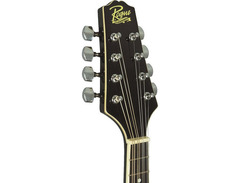
For those just beginning their mandolin journey, the Rogue RM-100A represents an ideal entry point. While affordable instruments often come with significant compromises, this A-style mandolin delivers a playing experience that encourages progress and enjoyment, exactly what new players need most.
Smart Design Choices
The RM-100A features an A-style body that provides several advantages for beginners. The simpler construction contributes to its affordability, while the comfortable body shape sits naturally against the player. Without the extended points of an F-style, this mandolin is also less prone to damage from accidental bumps, a practical consideration for those still developing proper handling habits.
The 12th-fret neck joint creates a balanced playing position that feels immediately natural, helping new players develop proper technique from the start. This ergonomic design reduces the fatigue that can discourage practice sessions, a crucial factor in maintaining momentum during the critical early learning stages.
Playability for Development
The maple neck provides stability that helps maintain proper setup, a significant advantage over lesser instruments that quickly become unplayable due to neck warping. This dimensional stability ensures that practice time focuses on skill development rather than fighting against poor playability.
The rosewood fingerboard offers a smooth playing surface that's forgiving on beginner fingertips still developing calluses. Properly sized frets make clean note articulation achievable even for those still refining their technique, building confidence through successful sound production.
The adjustable bridge is particularly valuable for beginners, allowing the instrument to be optimized as playing skills develop and musical preferences emerge.
Tone and Projection
Despite its budget-friendly status, the RM-100A produces a bright, clear tone with reasonable projection. The traditional f-hole design contributes to its voice, allowing sufficient volume for both private practice and small group playing.
While it won't match the complex tonal characteristics of premium instruments, the honest, straightforward sound faithfully reproduces the distinctive mandolin voice that attracts players to the instrument. This authentic tone provides the necessary feedback for developing proper technique and musical expression.
Chrome tuning machines maintain reasonable tuning stability, a crucial feature often compromised on entry-level instruments. This stability allows beginners to develop their ear without constantly fighting shifting pitches, accelerating the learning process.
The lower price point does come with a few compromises. The included strings are pretty bad and need to be replaced pretty much on day one. It also isn’t the most durable mandolin out there and needs careful handling and storage.
See how artists use this

.jpg)


The Loar LM-520


Average Price: $711
High-end/Boutique
$100
$501+
Budget
Standard
High-end
- Excellent tone and resonance for the price range
- Solid wood, hand-carved construction enhances sound quality
- Beautiful, clean design with a flawless finish
- Comfortable V-style neck, even for smaller hands
- See 6 more
- Fingerboard extension may interfere with some playing styles
- Some craftsmanship issues, such as binding imperfections
- Requires setup adjustments for optimal playability
- Bridge may need sanding for a flush fit
- See 1 more
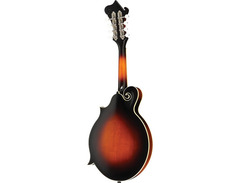
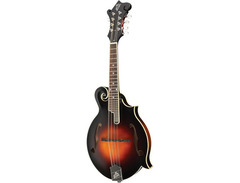
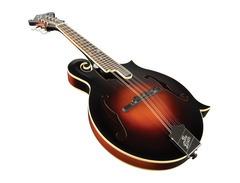
Based on the designs pioneered by the venerable Lloyd Loar (Loar was actually the one who designed the original Gibson F-5 mandolin, as well as the company’s extraordinary archtops such as the L-5), Loar is one of the few modern companies that manages to craft an affordable mandolin that accurately represents the sound that the instrument is known for.
Too many manufacturers don’t understand the factors that make a mandolin a mandolin, and the sound of the instruments they produce suffer for it. This isn’t the case for Loar, as the vintage inspired instruments produced by the company take heavy influence from famous design which is why the company has experienced the success they’ve recently enjoyed.
The Loar LM-520-VS Performer F-Style Mandolin is undoubtedly a great mandolin for the price. The most important thing to note about this mandolin is that it’s hand carved. Hand carved arched instruments offer the most superior sound available due to the nature of how wood works in an instrument. It’s incredibly important to a mandolin’s sound, so to see it at this low of a price really is pretty revolutionary. The mandolin also has a traditional tonewood combination, using maple for the back and sides and spruce for the top wood. We’ll get into the tone later, but this feature alone makes The Loar worth serious consideration.
That being said, the mandolin is an F-style. An F-Style mandolin has the scroll on the upper bout, which is really just an aesthetic choice which has little influence on the tone of the instrument. It also raises the end cost of the instrument, so unless you’re really attached to the design you can save some money by purchasing an A-model with equivalent features. Though a lot of you aren’t going to do that, because F-style mandolins look cool and are the instrument of choice for the vast majority of professional mandolinists (many of whom likely inspired your interest in the instrument to begin with).
Lastly, the hardware on The Loar is all representative of what you’d expect on an instrument in this price range. The tuners perform just fine, the bridge is made from ebony and is compensated, and it features a rosewood fretboard. The only downside is that it has a fretboard extension, which while attractive can get in the way if you prefer to pick away from the bridge.
For the price range you would be hard pressed to find a comparable F-style instrument, because Loar really is one of the best in the business at producing instruments at this tier. The sound, while not as complex as a more expensive instrument, does accurately represent the tone of a mandolin. The highs are glassy and smooth (provided that you play with proper technique of course), and it has a very throaty mid-range response. It’s also loud, in fact the volume of this instrument really will surprise you if you’re not experienced when it comes to mandolins. It can easily hold its own with just about any flattop guitar around, and while it may not have the volume of a Collings or Weber it will perform admirably in an ensemble setting.
The quality control for Loar instruments can be a bit hit or miss. It’s the true weak point of the every instrument the company produces, and it has been for a while. With that said, it is relatively easy to set aside some money for a set-up once you receive it. After that set-up you really will be amazed at the sound this instrument can produce, because it really is an excellent value. It will just likely require some elbow work to get it set-up to the point where it can be played to its fullest potential.
The Loar LM-520 is inarguably one of the best mandolins available in this price range. With a good setup, this will serve you well for years.
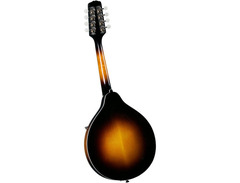
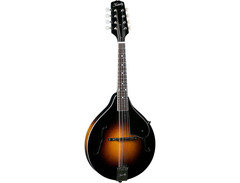
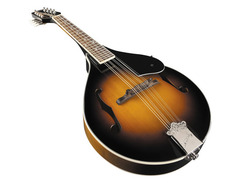
Kentucky Mandolins KM-150 Standard

- Solid carved construction offers excellent sound quality and resonance
- Beautiful glossy finish with striking wood grain
- Great value for beginners and experienced players alike
- Wide mid-range provides classic Gibson bluegrass sound
- See 4 more
- E string can sound a bit tinny to some players
- Requires bridge adjustment for optimal tuning and intonation
- Some trial and error needed to find preferred strings
Saga Instruments have really been knocking it out of the park lately. In addition to owning the Kentucky brand of mandolins (which has been incredibly well received by musicians of all calibers) they own some of the most notable instrument lines for musicians in niche genres. They’re one of the only manufacturers producing gypsy jazz guitars, affordable banjos, and instruments in the mandolin family (such as the mandola).
While we could spend all day patting Saga on the back, the focus of today’s review is the Kentucky KM-150 Standard A-model Mandolin. If you’re just skimming this article to compare different options, be sure to actually read the review for this product and the Loar LM-520-VS. These two mandolins are some of the best available for beginners, and while they may not be quite as cheap as a Rogue or an equivalent brand they do offer an excellent value to anyone looking for an affordable mandolin with a traditional tone.
The first thing to note about this mandolin is that it’s available in both solid-top and all-solid configurations. The solid-top model is about $100 cheaper, but in all reality it’s worth it to throw down a bit more cash for an all-solid instrument. The sound is going to be significantly better, and the more you play it the better it’s going to sound. These instruments are also more desirable overall, so should you decide you don’t like it you’ll have an easier time reselling it at a price that will recoup most of your investment. We’ll get more into the tone of the mandolin in a bit.
An important thing to recognize with this mandolin is that it has a slimmer neck than the Loar, which is its main competitor. While most players aren’t going to have too hard of a time adjusting to the difference, if you have very large hands you may end up being happier with an instrument with a wider neck. Every mandolin has a thinner neck than the guitar, and there just isn’t any getting around that.
The hardware on this mandolin is great for the price. You won’t have to worry about having a lot of tuning issues, and because it has a compensated bridge you should be able to set it up to have intonation as good as any other fretted instrument. We also like the fact that there’s no fretboard extension, though of course that’s a very subjective thing. The Kentucky KM-150 also has a truss rod, which is pretty standard for a mandolin in this price range but a nice inclusion nonetheless. The bound fretboard is also a nice, if mostly visual touch that doesn’t impact the playability of the instrument, touch.
For hand carved solid instruments in this price range you’re really not going to find one instrument that’s objectively superior to another, just mandolins that sound different from one another. With that being said, this instrument does have a competent tone for the price range. It also has more than enough volume and high-end bite to hold its own during an ensemble, likely because it’s made from the traditional pairing of spruce and maple that’s been used in mandolins for decades. It’s also as warm as you could expect from a mandolin in this price range.
We would say that The Loar edges out the Kentucky in the sound department, but it’s also our opinion that Kentucky generally has better quality control than The Loar. This is of course just our opinion, but if you don’t want to invest in a set-up following the purchase of an instrument you may find that the Kentucky is a better fit. It is important to note that the Kentucky is still a good sounding mandolin, it’s just not our opinion that it’s on the level of the Loar.
The Kentucky KM-150 is a great beginner’s mandolin. While not having quite as much volume as The Loar, or in our opinion quite as strong of a voice, the company is known to have significantly better quality control than The Loar. It’s also cheaper, which if you’re on a budget or just getting into the instrument is a pretty attractive part of this mandolin.
Ibanez M700 Mandolin - Antique Violin Sunburst High Gloss
The Versatile Performer

The Ibanez M700 has earned its reputation as a standout option in the mandolin market, occupying that sweet spot where quality and affordability meet. This F-style instrument marries traditional design elements with modern manufacturing precision, resulting in an instrument that satisfies both purists and practical players.
Construction and Materials
At the heart of the M700's impressive performance is its thoughtful construction. The solid Sitka spruce top provides the responsive dynamics and articulation that experienced players demand, allowing for both delicate passages and powerful strumming. This premium tonewood improves with age, meaning your instrument will actually sound better the more you play it.
The flamed maple back and sides complement the spruce top perfectly, adding projection and clarity that help the mandolin cut through in ensemble situations. This traditional tonewood combination has stood the test of time for good reason, offering the bright, punchy tone that defines the classic mandolin sound.
Playability and Comfort
The maple neck strikes an excellent balance between stability and comfort, featuring dimensions that accommodate a wide range of hand sizes and playing styles. Whether you're executing rapid bluegrass runs or forming complex jazz chords, the thoughtfully shaped neck supports your technique rather than fighting against it.
The rosewood fretboard adds warmth to the overall tonal package while providing a smooth playing surface for your fretting hand. Precise fretwork eliminates buzzing and intonation problems that often plague instruments in this price range, allowing you to focus on your music rather than fighting the instrument.
Sound and Versatility
What truly sets the M700 apart is its remarkable versatility across musical genres. While many mandolins excel in specific styles, the Ibanez offers a chameleon-like ability to adapt to different musical contexts. The balanced tonal profile provides the chop and projection needed for bluegrass, the warmth required for folk and Celtic music, and the clarity essential for classical pieces.
The rosewood bridge transmits string vibrations efficiently to the soundboard, enhancing both sustain and articulation. This tonal transfer system ensures that subtle playing nuances come through clearly, rewarding technique development and expression.
Bold projection combined with tonal clarity makes this an instrument that can grow with you as your skills develop, potentially serving as your primary mandolin for many years rather than just a stepping stone to a more expensive model.
Kentucky Mandolins KM-1050 Master F-Model Mandolin
4.0 (1)
The Serious Enthusiast's Upgrade

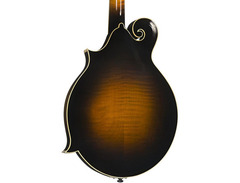
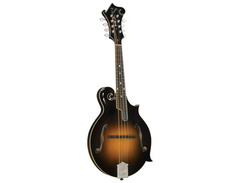
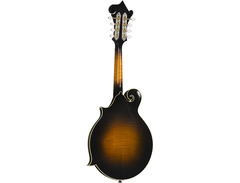
For players who have developed their skills on starter instruments and are ready for a significant upgrade, the Kentucky KM-1050 offers an enticing combination of professional features at a more accessible price point than high-end boutique models. This F-style mandolin bridges the gap between intermediate and professional levels.
Premium Construction Elements
The KM-1050 showcases hand-carving techniques typically reserved for much more expensive instruments. The hand-carved and graduated Adirondack spruce top represents a significant tonal upgrade, providing enhanced responsiveness and dynamic range that reveals subtleties in your playing technique.
Similarly, the hand-carved, flat-sawn flamed maple back and sides from Northern Michigan deliver the projection and clarity that define professional-grade instruments. This attention to the selection and shaping of premium tonewoods elevates the KM-1050 above mass-produced alternatives.
The one-piece maple neck with its traditional dovetail joint at the 15th fret demonstrates Kentucky's commitment to time-tested construction methods. This labor-intensive approach creates a more seamless connection between neck and body, enhancing both stability and tonal transfer throughout the instrument.
Refined Details
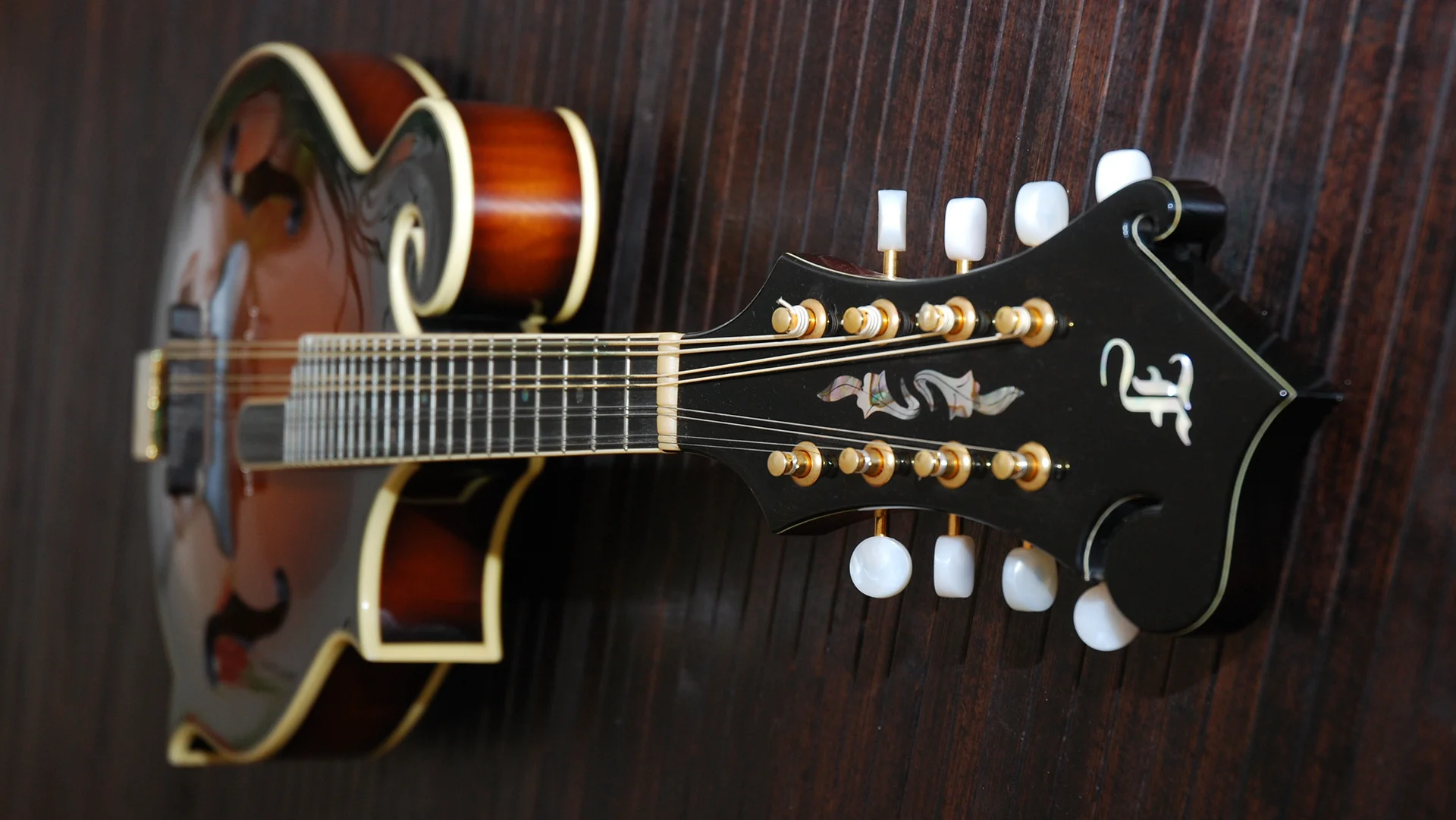
Aesthetic refinements abound on the KM-1050, including the original-design Flower Pot peghead inlay crafted from genuine pearl. These traditional visual elements connect the instrument to the rich history of mandolin craftsmanship while adding a touch of sophistication.
The ebony fingerboard with mother-of-pearl dot position markers provides both visual elegance and functional playing benefits. Ebony's density creates articulate note definition, while its smooth surface facilitates advanced playing techniques like rapid position shifts and vibrato.
The vintage-style ebony bridge features small adjustment wheels and slightly wider string spacing, improving both tone and playability. This refined bridge design allows for precise intonation adjustments while enhancing the transfer of string vibration to the soundboard.
Exceptional Voice
The real magic of the KM-1050 lies in its voice. The combination of premium tonewoods, traditional construction methods, and meticulous setup creates a sound that inspires experienced players to explore new musical territories.
The traditional 1920's sunburst nitrocellulose finish not only enhances the instrument's visual appeal but also contributes to its voice. Unlike thicker polyurethane finishes, this thin nitro application allows the woods to vibrate more freely, developing additional character as the instrument ages.
The silver-plated, engraved tailpiece with leather insert represents another thoughtful detail that influences the instrument's voice. This component plays a crucial role in string tension and vibration transfer, with the leather insert adding a subtle warmth to the overall tonal palette.
The professionally adjusted setup ensures that all these quality components work together harmoniously, delivering an instrument that's ready for serious music-making right out of the case.
Gibson F5-G Mandolin
4.0 (2)
The Professional's Investment

Average Price: $6,019
High-end/Boutique
$100
$501+
Budget
Standard
High-end
For professional musicians and dedicated enthusiasts seeking the ultimate mandolin experience, the Gibson F5-G represents a true investment in musical excellence. This instrument continues the legacy of Lloyd Loar's revolutionary designs from the 1920s, incorporating both traditional craftsmanship and modern refinements.
Heritage Construction
The F5-G pays homage to one of the most revered periods in American instrument making, when luthier Lloyd Loar created what many consider the perfect mandolin design for Gibson. This modern incarnation maintains the essential elements that made those instruments legendary while ensuring consistency and reliability.
The Sitka spruce top is meticulously carved to precise graduation patterns, creating an ideal balance of strength and flexibility. This careful thinning process allows the soundboard to respond to even the lightest touch, providing a dynamic range that reveals every nuance of your playing style.
The figured maple back and sides aren't just visually stunning, they provide the tonal foundation that gives the F5-G its characteristic voice. The specific cutting and carving techniques applied to these components significantly influence the instrument's voice, creating the complex overtone series that distinguishes truly exceptional mandolins.
Playability Without Compromise
The maple neck features dimensions and shaping based on extensive player feedback over decades, resulting in a profile that supports rather than hinders technique development. This carefully crafted neck accommodates everything from lightning-fast single-note runs to complex chord voicings with equal comfort.
The traditional unbound fingerboard with a 14-inch radius strikes an ideal balance between flat and rounded profiles, facilitating both chord work and single-note playing. This specific radius has proven optimal for the mandolin's scale length and playing requirements through generations of professional use.
The period-accurate short fingerboard extension maintains historical authenticity while providing practical playing benefits up the neck. Though visually subtle, these refined dimensions contribute significantly to the overall playing experience.
Transcendent Sound
The F5-G stands apart from standard mandolins thanks to its voice, a complex, responsive sound that continues to reveal new dimensions as your playing develops. The initial attack provides the definition needed for fast passages, while a rich bloom of overtones creates the sustain and complexity that give notes their full musical value.
The traditional F-holes, precisely cut and positioned, create the perfect balance of projection and tonal complexity. These openings in the soundboard control how air moves inside the body, giving the mandolin its voice and projection.
Remarkable dynamic range allows for everything from whisper-quiet passages to powerful rhythmic chopping without loss of tonal quality at either extreme. This responsiveness creates an instrument that feels almost like an extension of the player, responding intuitively to even subtle changes in technique.
The included form-fitting hardshell case provides essential protection for this significant investment, ensuring that the instrument maintains its setup and condition through the rigors of professional use.
See how artists use this





Epiphone Mandobird-VIII 8-String Electric Mandolin
5.0 (2)
The Electric Explorer

Average Price: $382
Standard/Professional
$100
$501+
Budget
Standard
High-end
For players seeking to push the boundaries of traditional mandolin sounds or simply needing amplified volume for band situations, the Epiphone Mandobird-VIII offers a compelling combination of familiar mandolin elements and electric guitar-inspired design.
Innovative Design Approach
The Mandobird takes the iconic Firebird body shape, a design classic from Epiphone's parent company Gibson, and scales it to mandolin proportions, creating an instantly recognizable instrument that stands out on any stage. This creative reimagining connects mandolin players to the broader electric instrument tradition.
Unlike acoustic mandolins with added pickups, the Mandobird's solid-body design eliminates feedback issues at high volumes. This fundamental design choice makes it ideal for players performing in loud environments where traditional acoustic-electric mandolins might struggle.
The 13.78-inch scale length makes this an exceptionally comfortable travel instrument while maintaining traditional mandolin string spacing and feel. This combination of familiar playing dimensions with innovative design creates an instrument that both traditional mandolinists and guitarists can approach with confidence.
Electric Capabilities
The passive Firebird pickup delivers a distinctive voice that works particularly well for bluegrass, rock, and western swing applications. This pickup's balanced frequency response captures the characteristic mandolin attack while adding warmth that translates beautifully through amplification.
Traditional volume and tone controls provide simple but effective sound shaping options, allowing players to adapt to different musical contexts without complicated electronics. This straightforward approach keeps the focus on playing rather than tweaking parameters.
The string-through body design enhances sustain, a particularly valuable characteristic for an electric mandolin, where notes can be held and manipulated in ways not possible on acoustic instruments. This extended sustain opens new expressive possibilities, especially when combined with effects like delay or reverb.
Crossover Appeal
One of the Mandobird's greatest strengths is its ability to attract players from different musical backgrounds. For established mandolinists, it offers an accessible entry into electric playing without requiring a significant technique adjustment. The familiar string arrangement and scale length maintain continuity with traditional mandolin skills.
For guitarists looking to expand their sonic palette, the Mandobird provides an approachable path to mandolin-family instruments. The solid body construction and guitar-inspired controls create familiar territory from which to explore the mandolin's unique tuning and voicing.
The nato body with mahogany neck and laurel fingerboard creates a balanced, articulate tone that works well across musical genres. This tonal versatility supports diverse playing styles from traditional mandolin techniques to more guitar-influenced approaches.
Mini Grover Rotomatic tuners ensure stable tuning even with the relatively high tension of mandolin strings. This tuning stability is particularly important in an electric instrument, where any pitch wavering becomes immediately apparent through amplification.
See how artists use this







Buying Tips & Advice

Finding the right mandolin involves more than just knowing which models are recommended. The following practical advice will help you navigate the selection process and ensure you make a choice that serves your musical goals.
Assessing Sound and Playability
When evaluating a potential mandolin purchase, focus on these key areas:
Tone quality should be assessed across the instrument's range. Play both single notes and chords on all strings and in different positions. Listen for evenness of response, sustain, and overall character. A good mandolin will sound balanced rather than having certain notes that jump out or disappear.
Intonation accuracy is critical, play fretted notes at various positions and compare them to harmonics to check whether the instrument plays in tune with itself. Pay particular attention to how chords sound up the neck, as intonation problems become more apparent in higher positions.
Action and comfort directly impact your playing experience. The strings should be at a height that allows clean notes without requiring excessive pressure. Try playing both sitting and standing to ensure the instrument balances well in both positions.
Hand feel is highly personal, what feels comfortable to one player may not suit another. Trust your own comfort level rather than relying solely on recommendations.
Setup and Maintenance
A proper setup dramatically influences how an instrument plays and sounds:
Professional setup can transform even modestly priced mandolins into much more playable instruments. Budget for this service when purchasing, as factory setups rarely optimize the instrument for your specific playing style.
Regular maintenance preserves both playability and value. Learn basic string changing techniques, cleaning practices, and humidity control to protect your investment.
Frequently Asked Questions
Should I buy an A-style or F-style mandolin?
This choice depends primarily on your musical preferences and budget considerations. A-style mandolins typically cost less due to simpler construction while still providing excellent tone. They tend to have a slightly warmer, rounder sound that works well for folk, Celtic, and classical music. F-style mandolins, with their decorative scrollwork and points, generally offer more projection and presence that bluegrass players often prefer. The scroll actually creates additional internal air volume, contributing to tonal differences beyond mere aesthetics. Choose based on your preferred musical style, budget, and personal aesthetic preferences rather than assuming one is inherently superior.
What is the best mandolin for beginners?
For beginners, prioritize playability and reasonable tone over advanced features or decorative elements. A well-setup entry-level instrument like the Rogue RM-100A provides everything needed to develop proper technique and musical understanding. Key factors include comfortable neck dimensions, accurate fretwork, and decent tuning stability. A-style models typically offer better value for beginners than F-styles at similar price points. Consider whether the instrument comes properly setup, as this significantly impacts the learning experience. Remember that a modestly priced instrument that's properly setup will serve your development far better than a more expensive one with playability issues.
Are expensive mandolins always better?
While higher prices generally correlate with improved materials, craftsmanship, and sound quality, the relationship isn't always straightforward. Premium mandolins often feature solid, carefully selected tonewoods, hand-carved components, and meticulous attention to setup details that genuinely enhance the playing experience. However, diminishing returns can apply, the difference between a $2,000 and $10,000 instrument may be significant to professionals but less noticeable to hobbyists. Modern manufacturing has also dramatically improved the quality available at more modest price points. The "best" mandolin ultimately depends on your specific needs, playing style, and budget rather than simply price tag.
What accessories do I need for my mandolin?
Essential accessories include a protective case, extra strings, picks of various thicknesses, and a reliable tuner. A humidifier is crucial in dry climates to prevent wood cracking and joint issues. A dedicated mandolin strap makes standing practice and performance more comfortable. Consider a music stand for practice sessions and a metronome or metronome app to develop timing precision. As your skills advance, recording your practice sessions (even with a simple smartphone setup) provides valuable feedback for improvement. While not strictly necessary, a pickup or microphone system becomes important if you plan to perform in amplified settings.
How often should I change mandolin strings?
String changing frequency depends on playing time, playing style, and personal preference regarding tone. With regular playing, changing strings every 1-2 months maintains optimal tone and playability. Signs that strings need changing include dullness in tone, difficulty staying in tune, discoloration, or visible wear. Some players prefer the slightly mellower sound of broken-in strings, while others prefer the brightness of new strings. Regardless of tone preference, replace strings immediately if they develop visible unwinding or damage that could potentially break during performance. Always change all eight strings together to maintain balanced tension and tone across the instrument.
Conclusion

The perfect mandolin creates a connection between player and instrument that transcends mere technical specifications. When you find the right match, playing becomes more intuitive, creativity flows more naturally, and musical expression reaches new heights.
For beginners, the Rogue RM-100A offers a reliable introduction to the instrument, providing the essential qualities needed to develop proper technique without overwhelming financial commitment. As skills advance, the Ibanez M700 represents an excellent all-around option that balances quality and value.
Those seeking professional-grade instruments will find the Kentucky KM-1050 offers many premium features at a more accessible price point, while the Gibson F5-G represents the pinnacle of traditional mandolin craftsmanship for those prepared to make a significant investment. Players interested in electric possibilities will appreciate the Epiphone Mandobird-VIII innovative approach to amplified mandolin playing.
When selecting your mandolin, prioritize the aspects that align with your personal playing style, musical preferences, and growth ambitions. The "best" mandolin is ultimately the one that inspires you to keep playing and exploring this remarkable instrument's possibilities.
We'd love to hear about your own experiences with these or other mandolin models. What instruments have served you well on your musical journey?
Top Ranked Mandolins on Equipboard


$264.00 - $399.99
5.0 (1)
5.0 (1)
About the authors
Mason is a freelance music gear writer that contributes to Equipboard, Reverb, TuneCore, Music Aficionado, and more. He plays the guitar and mandolin and resides in Wyoming. Read more
S. Jino is an accomplished multi-instrumentalist and music producer based in Kolkata, India, distinguished by his self-taught mastery and unique blend of technical acumen and musical performance. His extensive experience was forged through hands-on dedication, starting with the full restoration of a broken guitar. Jino's capabilities span keyboards, pedals, and advanced digital production, reflecting a comprehensive skill set developed independently. As a significant contributor to the music scene, Jino regularly performs with worship bands and college ensembles. He has also established himself as a reliable and authoritative professional in freelance mixing, mastering, and original music creation. Inspired by the innovative sounds of Brian May and David Gilmour, and influenced by Kolkata's vibrant metal community, Jino is committed to the intricate art of vintage gear restoration and the continuous exploration of music and technology fusion. His current professional setup, featuring a meticulously restored nameless guitar, a Fender Player Strat, and a Boss Katana 50. Read more





.jpg)









.webp)