By Gear Experts
Table of Contents

Equipboard
Equipboard is the world's largest community of artists and their gear. Read our review process.
We are reader-supported. When you buy through links on our site, we may earn an affiliate commission. Learn more.
Our Picks
-l.webp?v=1785199181)
The mainstream "can't go wrong" choice.
Read more


An inexpensive way to get that Fulltone OCD sound.
Read more
-l.webp?v=1785190673)
This often imitated overdrive sounds great, comes in under $100 and is the first pedal most guitarists think of when it comes to overdrive.
Read more

Boss' answer to the Tube Screamer.
Read more
Boutique no-compromise 2-in-1 overdrive & boost.
Read more
Fender-style tube amp breakup tone with tons of options + boost.
Read more

Affordable Klon Centaur alternative that excels as a clean boost.
Read more
Classic "Marshall in a box" that plays best with other pedals.
Read more
A beautiful and boutique option that's versatile and transparent.
Read more
Grail-status transparent mid-gain overdrive that boosts more of what you already have.
Read more
A transparent low to medium gain overdrive with a wide active EQ.
Read moreAt its core, an overdrive pedal is pretty much rock and roll in a box. From that sweet bluesy growl to the howling lead lines of heavier genres, overdrive is a must-have effect for any guitarist. It's not uncommon for an overdrive pedal to be one of the first purchases when building a pedalboard, alongside a tuner and a reverb pedal.
But the question is; what makes a good overdrive pedal? If you're a beginner, choosing the best overdrive pedal for your needs can be a bit overwhelming. These days every pedal manufacturer makes at least one overdrive (in many cases they make a few), leading to hundreds of choices.
While there's no way we could test every pedal out there, we did a lot of homework and gathered overdrive pedals that are for the most part all classics (or at least modern classics). Now, not every pedal in this guide will be perfect FOR YOU. A lot depends on your existing rig; every part of your signal chain plays a part in how an overdrive fits into things. Your own personal preference for 1) a cleaner, more transparent overdrive or 2) one that adds a lot of its own coloration and character will make some models much more suitable than others.
Fulltone OCD
4.5 (462)
The Mainstream "Can't Go Wrong" Choice.
-s.webp?v=1785199181)






Average Price: $212
High-end/Boutique
$50
$176+
Budget
Standard
High-end
- Responsive and versatile with different gear
- Offers a wide range of gain and volume
- LP/HP switch for tonal flexibility, fits various pickups/amps
- High build quality with durable components
- See 6 more
- Some find it lacking in low drive, barely broken up clean OD
- Can sound mid-heavy and robotic at high drive settings
- Voicing switch may result in anemic low end or lack of crunch
- High output impedance may require a buffered pedal downstream
- See 3 more
| Bypass | true bypass |
| Analog/Digital | analog |
| Power | 9V, 12V, 18V |
| Effects | distortion, overdrive |
| Current Draw | 8ma |
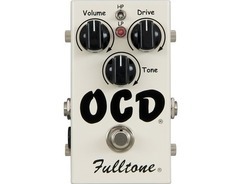
You won't get far in your research before realizing the Fulltone OCD Obsessive Compulsive Drive is one of the most recommended overdrive pedals in existence. The reason for that is that it's versatile and sounds great.
Several factors of the OCD contribute to its versatility, but the main one is the two switchable modes it has. A small toggle switch at the top of the pedal lets you select between LP (Low Peak) mode, and HP (yep you guessed it, High Peak) mode.

Low Peak is more of a transparent boost, meaning that rather than sounding like an overdriven monster, it maintains the tone that you have. Switching into High Peak mode delivers a more aggressive overdrive, and this is where you can really push this pedal. You’ll hear a definite jump in volume, along with a boost in the mids and a little bit of boost in the high frequencies. Several users of this pedal, as well as Fulltone themselves describe the Low Peak mode as a more Fender-like “cranked Blackface or Tweed-style,” whereas High Peak mode is for a more “British” vibe (ala Vox and Marshall). This comparison sounds pretty accurate to our ears as well.
The knobs are your disposal are the typical Volume, Drive, and Tone, and they are very touch sensitive. The Fulltone OCD is quite responsive to your guitar's volume and tone knobs as well as your playing dynamics. Play softly to keep the OCD at bay, and really dig in to unleash its power. We found the Tone knob can really increase the brightness of a dark sounding amp, or conversely tame a bright amp. Here’s a great tip:
My favorite thing about the pedal is the way it cleans up when you turn down your guitar’s volume knob. I use my OCD with gain at about 3pm so that I can access some killer solo tones and roll down the volume for rhythm playing. Excellent pedal. I leave it on all the time during gigs.
Bottom Line: With the Fulltone OCD you get a lot of overdrive options for your money, from a boosted clean tone to an all-out overdriven-yet-still-defined tone. The pedal is very well built, true bypass, comes with a 9V battery, and carries a very attractive price tag. We tried it with a few different amps (Fender Bassman, Vox AC15, and Orange CR30R) and the OCD works great with all of them. You can really crank the dirt on the this pedal, and despite how bass-y and fat the low end gets, you’ll love how the quality of your tone is still so good. We love it.
See how artists use this






.jpg)

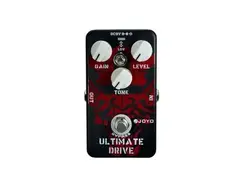
Joyo JF-02 Ultimate Drive
4.5 (86)
A Very Cheap Way to Get That Fulltone OCD Sound


- Affordable alternative to Fulltone OCD
- Versatile and responsive, suitable for various musical styles
- Capable of producing both subtle overdrive and heavy distortion
- Good build quality and tough enclosure
- See 6 more
- Tone knob focuses more on lows and mids, can be tricky
- Some find it slightly muddier compared to the OCD
- Design considered unattractive by some users
- Can be noisy without a noise gate
- See 3 more
| Bypass | true bypass |
| Analog/Digital | analog |
| Power | 9V |
Joyo is a Chinese company that essentially clones existing pedal designs, and offers them at a tremendous bargain. Their presentation might not always be the best, and the packaging is riddled with bad Chinese to English translations, but once you plug the pedals in and try them out, none of that seems to matter. The Joyo JF-02 Ultimate Drive is their clone of the Fulltone OCD that we just covered above... and it sounds good!
In terms of aesthetics, we’re not quite sure what’s with the Darth Maul type face on the pedal. Anyhow, let’s not judge a book by its cover. In terms of layout, you’ll notice the Joyo Ultimate Drive is remarkably similar to the pedal it’s meant to copy. It has Gain, Level, and Tone knobs and the same small toggle switch found on the OCD. Despite its low price, we’re happy to report its enclosure is all metal, and feels sturdy. It looks and feels a bit like an MXR pedal.
The important question is how does the Joyo JF-02 sound, and how good of a job does it do replicating the tone of the more expensive OCD? The short answer is that the Joyo sounds great, and it’s almost shocking that it is offered at such a low price. It stays more or less stays faithful to the OCD (it's even true bypass), but there are some significant differences. Notably, at the exact same settings, the OCD is brighter. The Tone control on the Joyo Ultimate Drive gets darker much earlier when you rotate it to the left. Think of it like a treble control. In fact, we found it to almost be unusable below 1 o’clock (too much mud, we felt like we lost clarity). Past 1 o’clock however is where it starts to open up.
Switching the toggle switch from Low to High will brighten the tone up and give you more top end, which plays very nicely if your guitar has humbuckers. Even with the Gain knob all the way down, you get a nice clean boost that responds well to your playing dynamics. The Gain knob is very responsive, and dialing it up from zero to 10 or 11 o’clock makes a tremendous difference. Owners of both the Joyo and OCD have actually pointed out that while the Joyo is not as bright, it has more gain on tap (i.e. you’ll need to turn the gain knob on the OCD up more to match the gain of the Joyo).
Bottom Line: We’re truly impressed by what Joyo has done here. The JF-02 Ultimate Drive is widely known as one of the best pedals in the Joyo lineup, due to how good it sounds and how inexpensive it is. To most people, it will sound virtually indistinguishable from the Fulltone OCD. We personally would go with the Fulltone OCD because we like the idea of owning the original, but the Joyo Ultimate Drive goes to show that just because you don’t want to spend $100+ on a pedal doesn’t mean you can’t get something pretty impressive.
See how artists use this


.jpg)


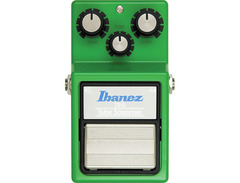
Ibanez TS9 Tube Screamer
4.5 (671)
Iconic Overdrive That Happens to Be Widely Available & Affordable
-s.webp?v=1785190673)




Average Price: $98
Standard/Professional
$50
$176+
Budget
Standard
High-end
- Enhances tube amp emulation effectively
- Versatile: can be used as a clean boost, for light to heavy overdrive, or even as a bass booster
- Adds a mid-range focus that cuts through in band settings
- Works well when stacked with other pedals
- See 6 more
- Can lack low-end, especially when used with certain guitars and amps
- Not everyone loves the characteristic mid-hump
| Bypass | buffered bypass |
| Analog/Digital | analog |
| Power | 9V |
| Effects | distortion, overdrive |
| Current Draw | 8ma |
It’s difficult to wander around in the world of guitar pedals without coming across the Tube Screamer. This iconic overdrive pedal has seen various incarnations since the late 70s, and continues to evolve. The Ibanez TS9 Tube Screamer is a reissue of the 1980s original, and is the most popular of the Tube Screamers. It even took the #1 spot in Guitar World’s The Top 50 Stomp Boxes, Devices and Processors of All Time. But enough with the trivia. Let’s talk about why the Ibanez TS9 Tube Screamer deserves a spot on your pedalboard.
For being so popular, the TS9 Tube Screamer is actually not very versatile. It does one thing, and it does it well. We’ll borrow this line from a review we liked:
What it DOES do ... is to boost the signal at the front end, which essentially results in a more dynamic tone with additional gain.
This is not a modern, high-gain sort of pedal. This is more of a vintage tube sounding boost that responds to your playing dynamics, and can provide extra bite no matter what genre you’re playing. Dig into your strings harder, and you’ll hear its character come through, depending on where you’ve set the Drive knob. Speaking of dials, you get three of them: Drive, Tone, and Level. Getting the hang of the Tube Screamer’s operation could not be simpler.
With the Drive knob all the way down, the Ibanez TS9 will give you a good clean boost. There’s just a little bit of grit, with the mid bump that this unit is very well-known for. As you turn the Drive up, the TS9 really starts to shine. One thing we love is how touch-sensitive the knobs are. It’s a simple pedal, but it has a lot of range. The TS9 retains a bit of your original signal, which explains why it responds so well to your playing dynamics. One of the best practical applications for it is to use it as an extra channel. You can use your amp’s clean channel by itself, clean channel with Tube Screamer, distortion channel by itself, and distortion channel with Tube Screamer. The TS9 plays very well with an already distorted amp, and alongside other distortion pedals, letting you get that little extra something and really cut through the mix. Note that the TS9 is buffered bypass , though you can get it modded if you need it to be true bypass.
Bottom Line: The Tube Screamer is an iconic pedal for a reason - it has been used on stages around the world and countless recordings. Whether you should spring for one or not kind of depends on your existing "dirt" section of your pedalboard. If you don’t already have any overdrive or distortion pedals, we hesitate recommending the Tube Screamer as your first one. For that, we prefer the versatility of a Fulltone OCD. If you’re a classic rock or blues player, and you either have a good distortion channel on your amp, or you already own distortion pedal, then we cannot recommend the Ibanez TS9 Tube Screamer enough.
See how artists use this


.jpg)




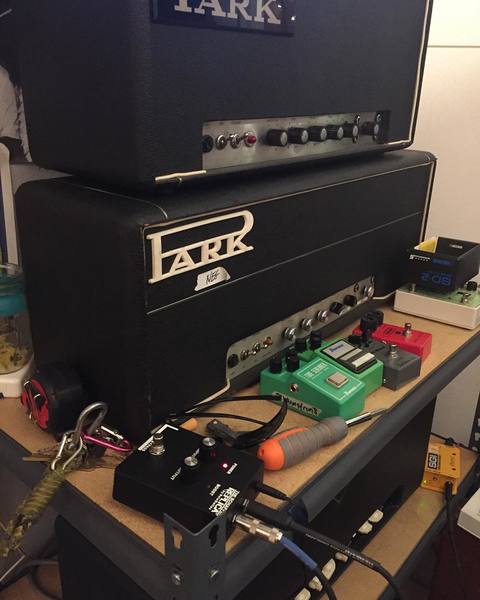
Boss BD-2 Blues Driver
4.5 (617)
Boss' Answer to the Tube Screamer


Average Price: $102
Standard/Professional
$50
$176+
Budget
Standard
High-end
- Highly versatile, covering a wide range of sounds from blues to heavy distortion
- Durable and reliable, capable of withstanding heavy use
- Can be used as both a primary drive and a clean boost
- Offers a dynamic and responsive overdrive
- See 6 more
- May not be the best choice for metal genres without modifications
- Some users find the pedal a bit too bright and need to adjust settings
- The full gain setting may not be as easy to dial in as on some competitors
| Bypass | buffered bypass |
| Analog/Digital | analog |
| Power | 9V |
| Effects | overdrive |
| Current Draw | 20ma |
Despite its name, the Boss BD-2 Blues Driver works for far more than just blues. It's often mentioned in the same breath as the Ibanez TS9 Tube Screamer, which is high praise. Considering how legendary the Tube Screamer is, that’s pretty high praise. Artists like John Mayer and Billie Joe Armstrong of Green Day have used this pedal in their live setups (John Mayer used one that was Keeley-modded). Let’s find out why.
We say this every time we review a Boss stompbox, but the build quality is great. Pedal aesthetics are subjective, but we'll mention the Blues Driver is a very good looking pedal, with its blue color and yellow lettering. Like other overdrive pedals, the knobs on this one won’t surprise you: LEVEL, GAIN, and TONE. Setting the Gain at about 30% gives you that crunchy Hendrix-like tone. The interplay between your guitar’s volume knob and the BD-2’s tone leaves you with a ton of fine-grained control over the amount of crunch and break-up. Roll the gain knob to between 60% and 70% to get a nice big blues solo tone, but one that still lets you articulate chords. The Tone knob, just like the previous pedals we’ve covered, let you span between very dark to extremely bright and treble-y, and you’ll adjust this depending what guitar/amp combo you have.
In terms of purpose, neither the Blues Driver nor Tube Screamer are meant for all-out high-gain distortion. The BD-2 excels if used to boost your clean tone, all the way to a very broken-up, crunchy sound. Right out of the box, the BD-2 offers a little bit more of that familiar overdriven sound, while the Tube Screamer is a little more particular. You can definitely get a pretty thick hardcore growl out of the Blues Driver with all knobs turned to the right.
Bottom Line: Between the Boss BD-2 Blues Driver and a Tube Screamer, it truly comes down to subtleties in tone. Perhaps surprisingly, a lot of the head-to-head comparisons tended to favor the Blues Driver, saying that the pedal responds better to picking dynamics, and has more “dirt” available than the TS9. Check out some YouTube videos of both and see which is better suited to your playing style; although we gotta admit when we played them side by side, it was difficult for us to even tell a huge difference. If you’re leaning towards the BD-2 you might also want to look at the Boss BD-2W Blues Driver Waza Craft. Check out our note below.
Note: Boss has been releasing Waza Craft versions of some of their most popular pedals, which are essentially made with higher quality components by Boss engineers in Japan, and incorporate the mods that used to be done by Keeley and others. They do however come with a higher price tag. So, is the higher price of the Boss BD-2W worth it? Some people say there’s a subtle difference (more low end and reduced noise for instance), some people say it’s too close to tell and thus not really worth it. We’re a bit more in the latter camp, though if you have the spare cash you might as well go the Waza Craft route since it’s a more “premium” pedal.
See how artists use this

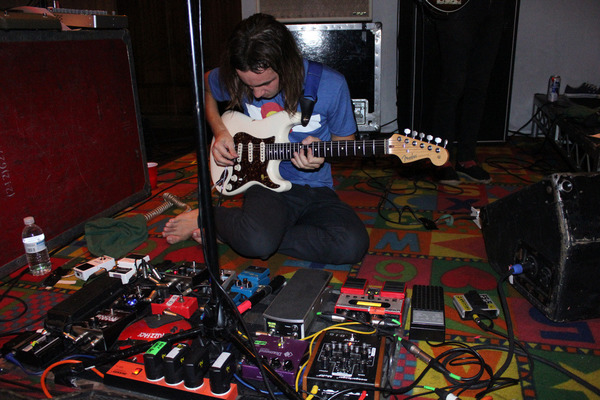







Keeley D&M Drive
4.5 (11)
Boutique no-compromise 2-in-1 overdrive & boost.


Average Price: $221
High-end/Boutique
$50
$176+
Budget
Standard
High-end
- Dual-drive design offers versatile overdrive and boost options
- Ability to change order of drive and boost provides tonal flexibility
- Harmonically rich drive suitable for a wide range of music genres
- Boost side adds clear, mid-pushed enhancement without muddiness
- See 6 more
- Significant output difference between "drive first" and "boost first" settings might limit on-the-fly adjustments
- Some may find the pedal expensive compared to other drive pedals
- Switches can feel crowded for users with larger feet or when used in a cramped pedalboard setup
| Bypass | true bypass |
| Analog/Digital | analog |
| Power | 9V |
| Effects | boost, overdrive |
| Current Draw | 55ma |
The Keeley D&M Drive is a pedal we fell in love with almost instantly. D&M stands for Daniel and Mick of That Pedal Show, who had a hand in designing this bad boy. Aside from sounding great, the stand-out feature of this pedal is that it's both an OVERDRIVE and BOOST pedal in one.
(if you want to learn more about boost pedals, we have a guide on them here)
The Keeley D&M can act as an overdrive pedal or boost independently - two soft-click foot switches control which side you want on or off. The really interesting part is that you can have them both on simultaneously, and a toggle switch controls which way you want to stack the two. And really, this feature makes all the difference, allowing you to dial in nearly any style and amount of crunch/drive you can imagine - country twang, blues rock, classic rock, etc.

The controls are dead simple, and identical for both sides. LEVEL, GAIN, and TONE knobs act exactly as you would expect. The pedal has a beautiful paint-job and is built to Robert Keeley's exacting standards (hand built in Oklahoma, USA). The top-mount jacks are a nice touch. The headroom on this thing is ridiculous , and makes it ideal for stacking with whatever other pedals are on your board. It's also worth noting that the D&M Drive is true bypass.
Bottom Line: The Keeley D&M does play nicely with other pedals, but it sounds so good it might cause you to toss aside your Tube Screamer and OCD. In fact, think of the drive side as a slightly modified OCD circuit, and the boost side as a modified Klon. We also very much can appreciate how nice it sounds at low volumes, and just like any pedal of this type, it comes alive when you crank it up. As a boutique pedal it's not exactly cheap, but given what all you're getting, we dare call it a steal.
See how artists use this


.jpg)

Fender Santa Ana Overdrive
4.5 (8)
Fender-style tube amp breakup tone with tons of options + boost.



Average Price: $207
High-end/Boutique
$50
$176+
Budget
Standard
High-end
- 4-band EQ allows for superior tone shaping
- Dual-function boost (volume/gain) enhances versatility
- Illuminated knobs useful on dark stages
- Compatible with different guitar pickups (single coils, humbuckers)
- See 6 more
- Larger size may complicate pedalboard integration
- Noticeable latency when switching on, disrupting flow
- Indicator lights excessively bright for some users
- Some users find the overdrive tone too generic
- See 2 more
| Bypass | true bypass, buffered bypass |
| Analog/Digital | analog |
| Power | 9V |
| Effects | overdrive |
| Current Draw | 150ma |
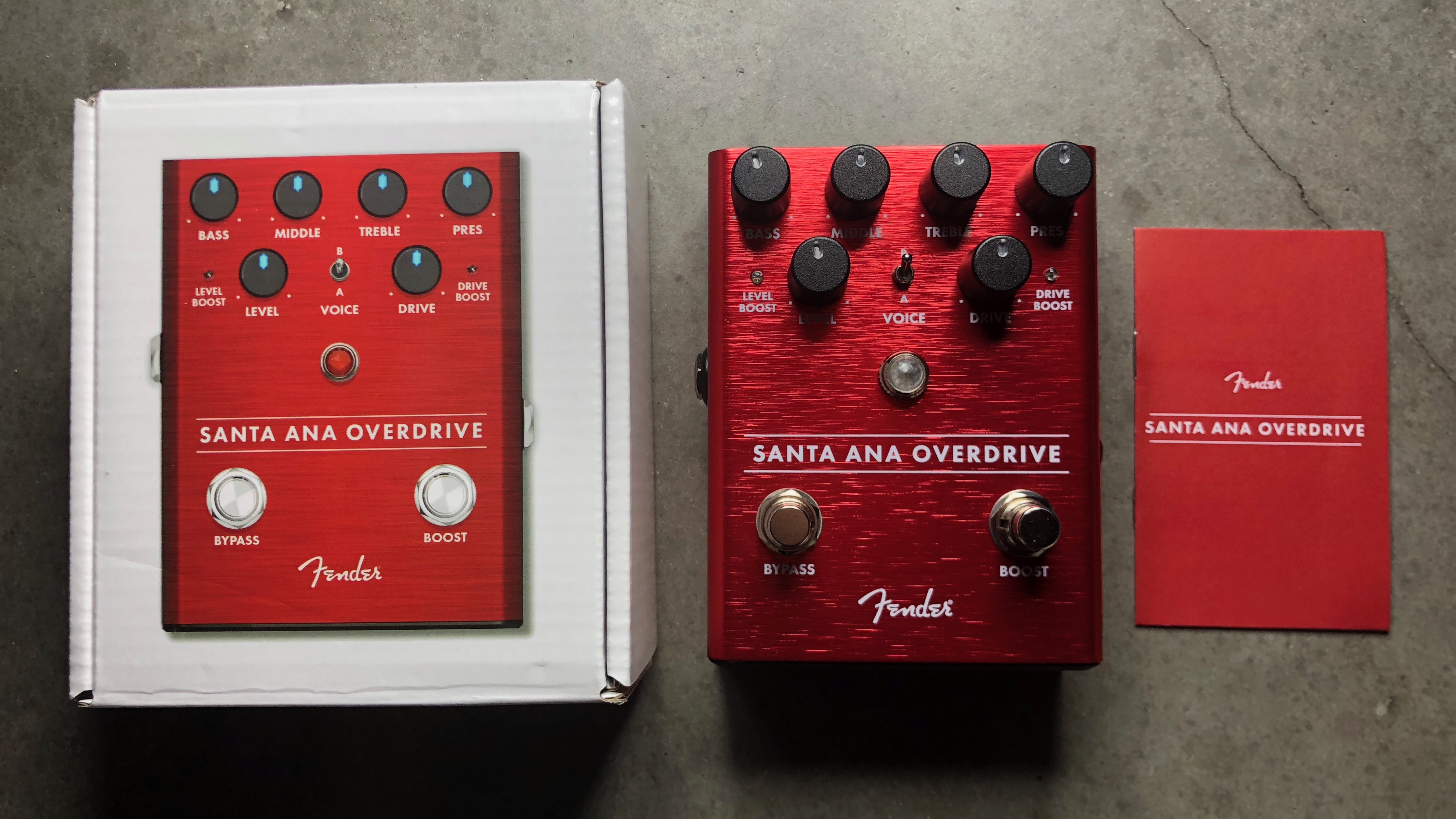
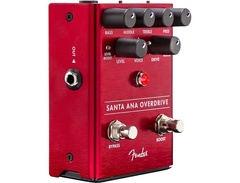
The Fender amp overdriven "break up" tone is well respected and sought after by guitarists, so we were eager to see what Fender's Santa Ana Overdrive pedal could do. The answer is, a lot. There are tons of features packed in here, including a boost.
The Santa Ana is gorgeous, with a rock solid enclosure and red brushed aluminum finish. Blue LEDs on the knobs make them easy to see in dark smoky venues. The tool-free flip-out battery compartment is brilliant.
This is a knob tweaker's delight. If you demand versatility out of your dirt pedals, you'll enjoy the Santa Ana. It has a 3-band EQ (BASS MIDDLE & TREBLE) and a PRES(ENCE) knob to sculpt your sound. Going a step further it has two voicings - to quote the manual A "works well with a classic Fender clean amp" and B with a bassier amp.
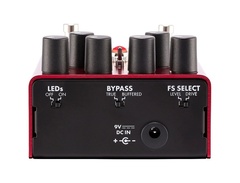
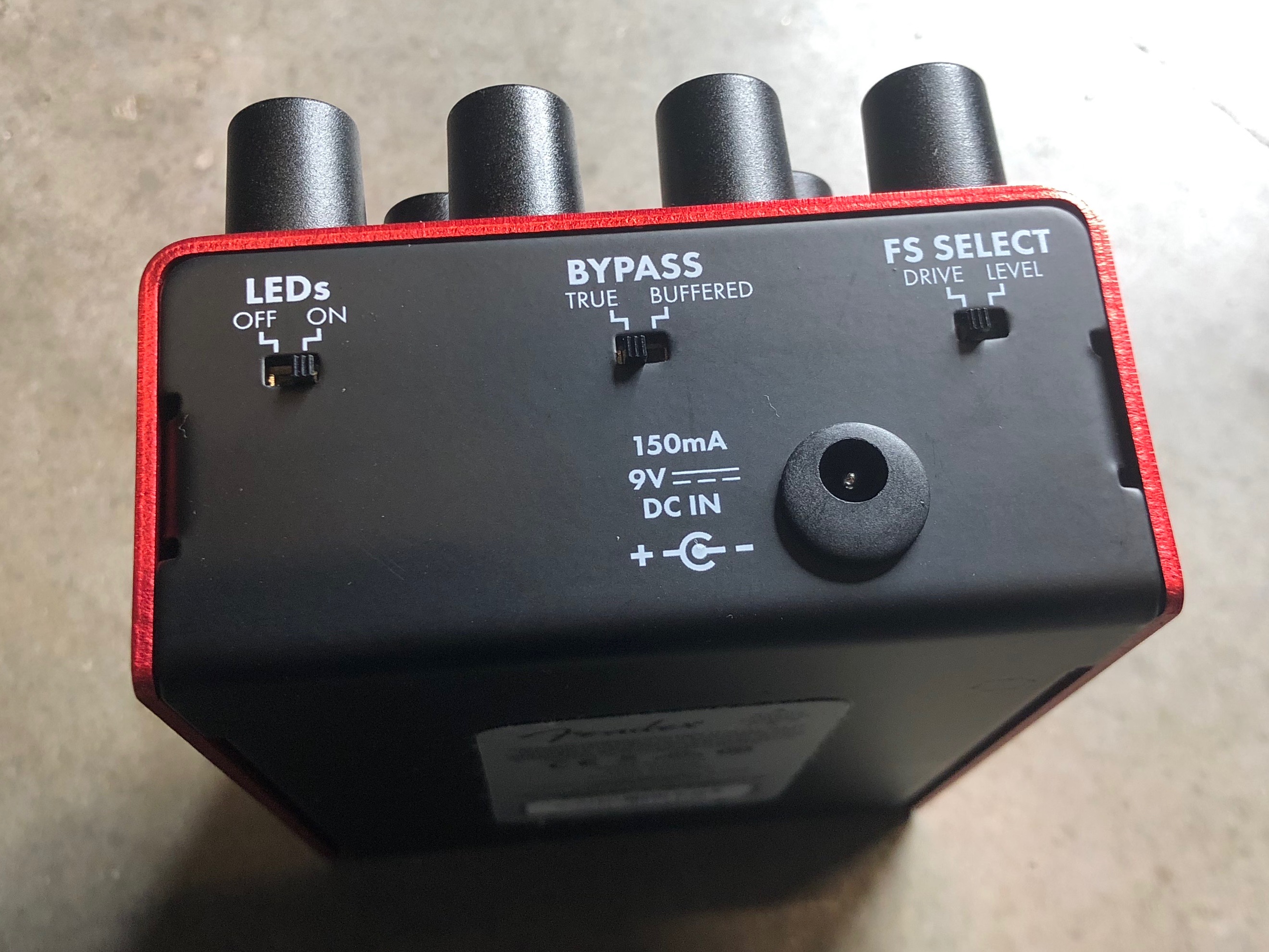
Other thoughtful options include being able to switch between true or buffered bypass, and choosing what function you want the BOOST footswitch to perform - extra drive, or more volume for solos.
Our favorite setting was keeping the DRIVE at or under 12 o'clock. Going too far over that makes it sound too dirty in a bad way.
Bottom Line: Fender knows a thing or two about overdriven tube amps, and it shows. The FET-equipped Santa Ana Overdrive provides a straightforward flavor of drive and sounded very nice on every amp we tested it on. Its high price tag can be somewhat justified by the inclusion of a boost, and we recommend it if you're looking for voicing and tone shaping options beyond what simpler OD pedals provide.
See how artists use this

.jpg)

Electro-Harmonix Soul Food
4.5 (319)
Affordable Klon Centaur Alternative That Excels as a Clean Boost
Average Price: $81
Standard/Professional
$50
$176+
Budget
Standard
High-end
- Offers a transparent, Klon-clone tone at a lower price
- Versatile low-to-mid gain range suitable for various music styles
- Enhances harmonics and adds a "tube-like" sound to solid-state amps
- Works well as a clean boost, adding clarity without over-coloration
- See 6 more
- Not suitable for high gain or fuzz sounds
- Footswitch can be stiff and produces a loud click
- Battery installation can be challenging due to tight internal spacing
- Might sound harsh when used with clean amps without modification
- See 1 more
| Bypass | true bypass, buffered bypass |
| Analog/Digital | analog |
| Power | 9V |
| Effects | distortion, overdrive |
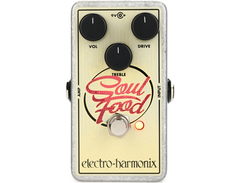
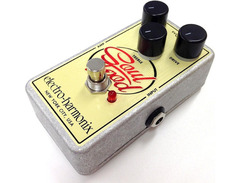
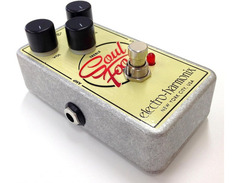
The Electro-Harmonix Soul Food is a pedal based on the circuitry of the legendary, unobtanium Klon Centaur. For under $100 USD, you can have a Klon clone that will likely fool anyone in a blind test. The Soul Food lets you dial in some thick bluesy overdrive, and excels as a clean boost.
Throwing the Soul Food onto our pedalboard and using it couldn't be simpler. You've got three knobs to play with, VOL DRIVE and TREBLE that are very sensitive and respond as you'd expect. If you remove the pedal's bottom cover you'll find a switch that you can toggle between True Bypass and Buffered Bypass.
This pedal is billed as a transparent overdrive, and it indeed introduces minimal coloration to your existing tone. Most of what you'll play with here is the DRIVE knob. Starting with the Drive knob in the fully counter-clockwise position showcases how well the Soul Food does as a clean boost with ridiculously high headroom. As you crank the Drive you'll get more of that classic bluesy distortion. The Soul Food is definitely a little mid-range heavy and nasally, but that's by design as it is meant to make you stand out in the mix.
Bottom Line: EHX hit a home run with the Soul Food. It's very versatile and easy to use, and a very affordable way to get those Klon Centaur vibes. It works well as a stand-alone drive or clean boost, but we liked it even better when we stacked it with other dirt pedals.
See how artists use this





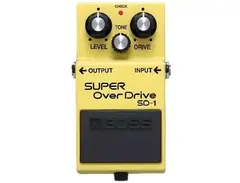
Boss SD-1 Super OverDrive
4.5 (568)
Classic "Marshall In a Box" That Plays Best with Other Pedals

Average Price: $65
Standard/Professional
$50
$176+
Budget
Standard
High-end
- Durable construction, typical of Boss products
- Affordable, offering good value for the quality and versatility
- Effective as a mild boost or for achieving crispy overdrive
- Works well as a booster in front of other distortion pedals
- See 4 more
- Some users find it alters bass tones unfavorably
- Can introduce noise when not used with a noise gate
- The tone might be too mid-focused for some players' taste
- Limited EQ options, with some wishing for more control over the sound
- See 2 more
| Bypass | buffered bypass |
| Analog/Digital | analog |
| Power | 9V |
| Effects | overdrive |
| Current Draw | 10ma |
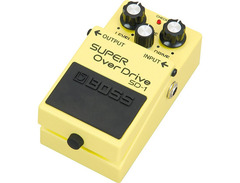
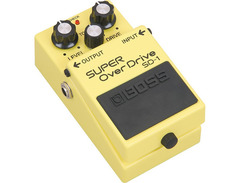
The overdrive pedal party is not quite complete without Boss in the mix, and the Boss SD-1 Super Overdrive is one that should never be overlooked. After all, this is the company behind the storied OD-1, which in 1977 was the first overdrive pedal on the market.
The SD-1 has been around for decades, and we feel it has become underrated in the sea of overdrive pedals available today. But don't let its spartan looks and modest price tag fool you. It's a very capable overdrive pedal and has been used and abused on hundreds of pedalboards of pro artists.
The Boss SD-1 is a medium-gain overdrive, and its sound has been compared to that of a Marshall stack. It works well as a boost into an already overdriven amp, with the DRIVE knob set to 0 and the LEVEL turned up. However it truly shines when paired up with other dirt pedals. If you want it to be true bypass, you'll need to mod it.
Bottom Line: Over the years the SD-1 has had to contend with so many other options in the market, yet continues to hold its own. It's certainly not transparent, it's a little noisy, and even a little unpredictable. Still, this little "Marshall stack in a box" deserves your attention, especially when you consider the legendary Boss build quality.
See how artists use this





JHS Morning Glory V4
5.0 (30)
A Beautiful and Boutique Option That's Versatile and Transparent


Average Price: $185
High-end/Boutique
$50
$176+
Budget
Standard
High-end
- Transparent overdrive, retains original guitar tone
- Versatile, works from low to medium gain needs
- Effective for gain stacking with other pedals
- High gain mode with external switch option
- See 6 more
- Expensive, especially for minimal tone alteration uses
- Voiced on the darker side, may require maxing out tone knob for brighter sounds
- Might not be the best standalone option for metal
- Some users feel it's overrated compared to expectations
- See 1 more
| Bypass | true bypass |
| Analog/Digital | analog |
| Power | 9V |
| Effects | boost, overdrive |
| Current Draw | 43ma |
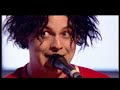
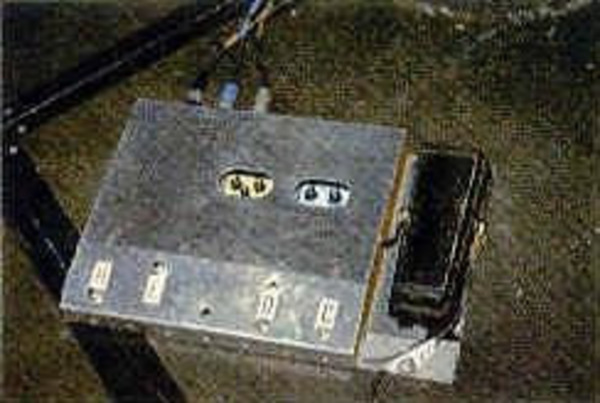
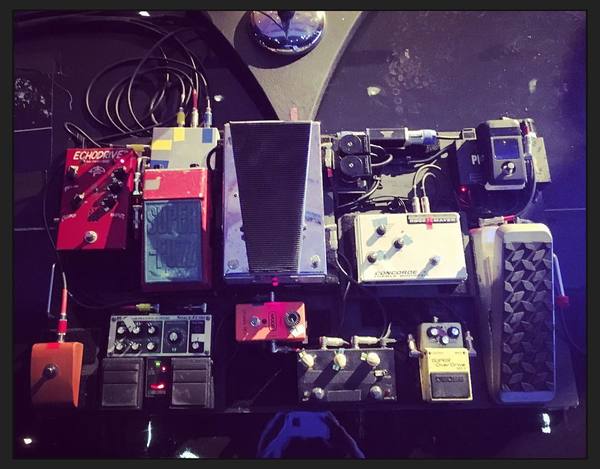
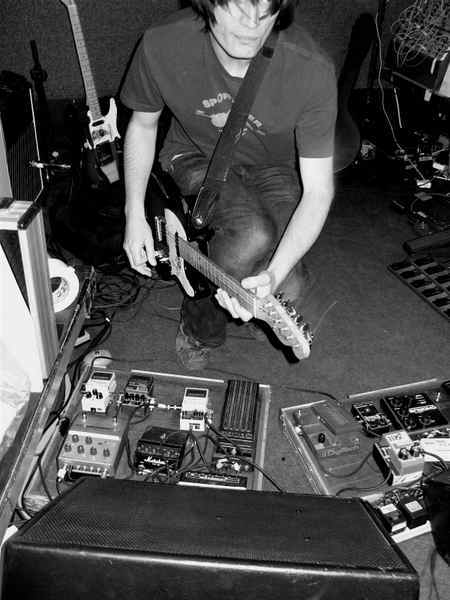
The JHS Morning Glory is based on the coveted 90s Marshall Bluesbreaker pedal, and bills itself as one of the most transparent overdrives out there. What that essentially means is that the Morning Glory retains the characteristics of your tone without too many pronounced EQ changes.
This very attractive boutique pedal offers three familiar knobs, VOLUME, DRIVE, and TONE. There's also a Gain toggle switch, which changes the LED light from blue to red and gives you more low end grit and punch. Think of it as two levels of boost - the effect is subtle, but still noticeable (you can actually plug in an external foot switch to toggle this setting with your foot).
As you dial the Drive up you'll introduce more treble, which can be unwanted especially if you have a brighter sounding rig already. Luckily, you can click the HI-CUT switch on the side of the pedal and tame that a little bit.
Bottom Line: The Morning Glory really does sound musical and nuanced, and nearly as transparent as an overdrive pedal can get (save for maybe the Timmy). A great always-on type pedal that adds just the right amount of spice to your mix. Definitely pick up the JHS Red Remote Footswitch so you can shift into a higher gear when needed. You are definitely in boutique pedal territory here which comes at a higher price, but this truly is one of the finer overdrive pedals on the market.
See how artists use this






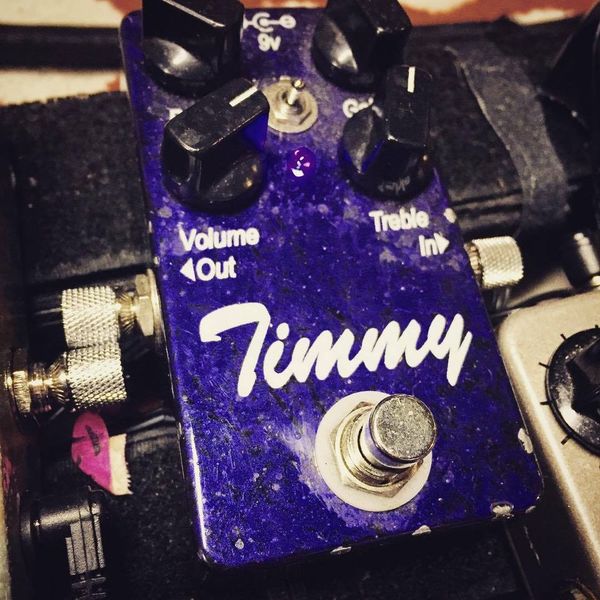
Paul Cochrane Timmy
5.0 (53)
Grail-Status Transparent Mid-Gain Overdrive That Boosts More of What You Already Have

Average Price: $286
High-end/Boutique
$50
$176+
Budget
Standard
High-end
- Transparent overdrive that doesn't mask your guitar's tone
- Versatile, from clean boost to high gain overdrive
- Compliments a wide range of rigs and amps
- Responsive to playing dynamics for tone control
- See 6 more
| Bypass | true bypass |
| Analog/Digital | analog |
| Power | 9V |
| Effects | overdrive |
| Current Draw | 2.2ma |
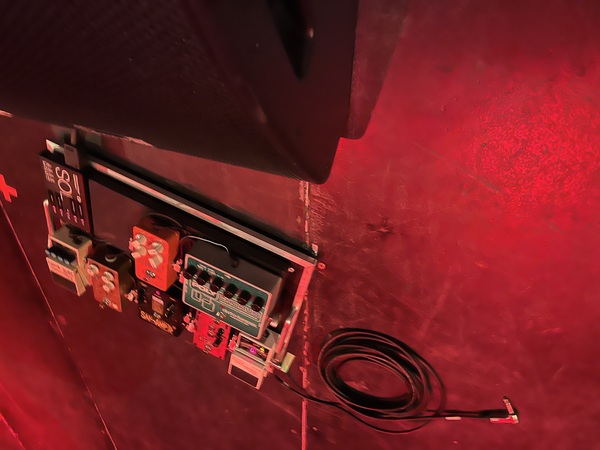
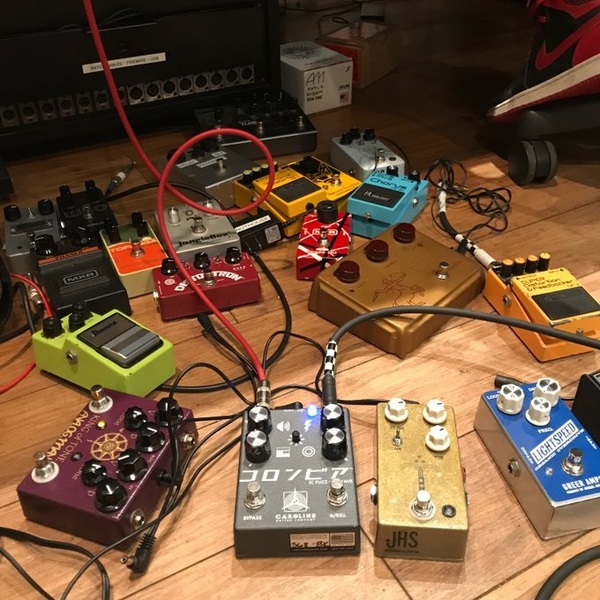
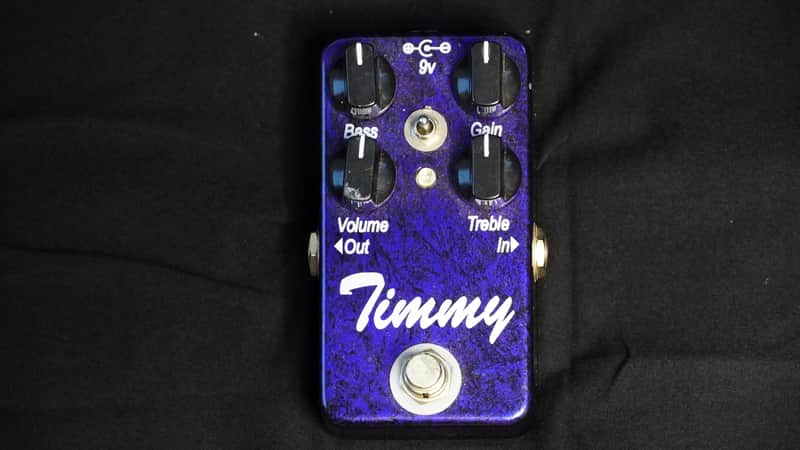
Right up up there with the notoriety of the Klon Centaur and the Tube Screamer is the Paul Cochrane Timmy Transparent Overdrive. Paul Cochrane builds these by hand, and despite the reasonable price tag the waiting list to get one can be quite long. If you're not one for waiting there are plenty on the used market.
The Timmy's claim to fame is its transparency. Similar to the JHS Morning Glory, the Timmy is going to retain the frequencies and tonal character of your amp, with a boost in the dirt department. The Gain and Volume knobs are no surprise, but the separate knobs for Bass and Treble let you customize your tone more than most other pedals' single Tone knob. The toggle switch in the middle gives you access to three different voicings, symmetrical clipping (down) and asymmetrical clipping (up).
So how does the Timmy sound? In our tests, it truly is about as clean as an overdrive can be (as strange as that sounds). We find it to be even more transparent than the JHS Morning Glory. As the gain increases, the signal is not compressed and definition is not lost in the low-end (unlike a Tube Screamer).
Bottom Line: The Paul Cochrane Timmy is ideal if you already love your amp's natural distortion, or if you intend to stack it with other dirt pedals. The price (new or used) is very reasonable, and you'll feel just a little cooler around your guitarist buddies knowing the Timmy is one of those "grail" pedals. Just remember it's not for everyone, especially if you want your overdrive to add its own character in the mids.
Note: On the used market you'll see "early" or "v1" Timmy overdrive pedals fetching anywhere from 2x to 3x the price. According to Paul Cochrane himself it does not seem there is a significant difference in tone with these early models.
See how artists use this





EarthQuaker Devices Westwood
5.0 (24)
A low to medium gain overdrive that keeps your amp's tone.

Average Price: $187
High-end/Boutique
$50
$176+
Budget
Standard
High-end
- Responsive and versatile EQ (bass and treble)
- Active EQ allows for sculpting without drastically altering signal
- Can function as a clean boost effectively
- Adds clarity and retains tone across gain settings
- See 6 more
- Gain knob past 12 o'clock may produce a mushy sound
- Does not come with a power supply
- Extremely bright LED might be too intense for some settings
| Bypass | true bypass |
| Analog/Digital | analog |
| Power | 9V |
| Effects | overdrive |
| Current Draw | 15ma |

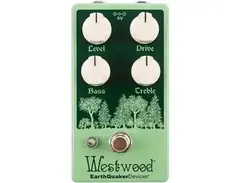
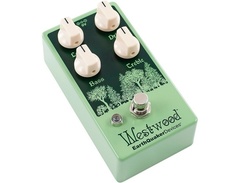
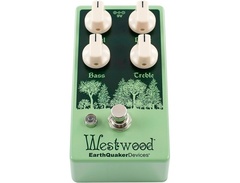
The EarthQuaker Devices Westwood translucent overdrive manipulator is a low to medium gain drive with a wide EQ range that sounds great while maintaining your guitar and amp character.
The true bypass pedal has a soft-click footswitch to engage the all-analog signal path. The Westwood uses electronic relay based switching and signal will not pass through the pedal without power, of which this pedal requires 15mA.
EarthQuaker Devices built this pedal specifically with low wattage amps in mind. We played it on four tube amps and it sounded great, although different, with all of them.
With a solid amount of drive, it never sounded too compressed and still responded to picking attacks with great dynamics. The crunch sounds terrifically full and as the drive increases you get a slightly fuzzy drive.
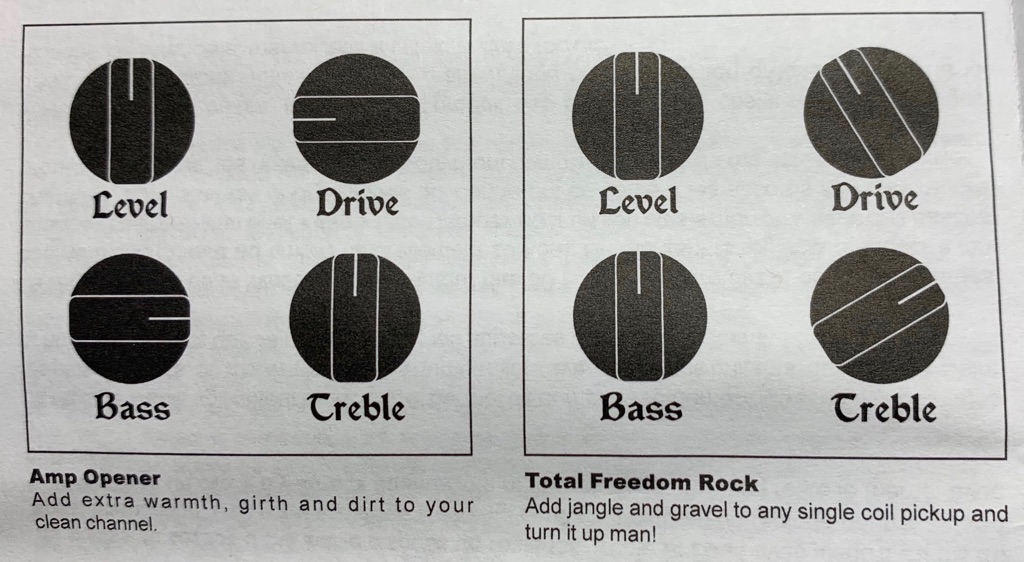
With the Drive knob turned down, it works as a transparent boost. The Bass and Treble knobs both have center detents, and are able to cut or boost by a huge 20 decibels. This wide EQ makes this pedal really versatile and you can really sculpt your amp to sound huge, cut through a mix, or whatever the situation calls for while keeping the your core tone.
Bottom Line: If you love your amps sound, but just want more of it, check out the Westwood. It delivers an articulate medium gain drive that responds to your playing and doubles as a clean boost thanks to a wide active EQ.
See how artists use this

.jpg)


.jpg)


What Does an Overdrive Pedal Do?
The pure way to achieve an overdriven tone would be to push a tube amp to the point of saturation where it starts "clipping." However, doing that is not the most practical, as we don't all have tube amps that we can crank to unholy volume levels. Enter the overdrive pedal.
An overdrive is a must if you play genres like blues, classic rock, or garage rock. That said, it can play several roles in your setup, regardless of genre:
Into your amp's clean channel: You can keep your amp on the clean channel, and kick on the overdrive to make the tone richer and more saturated, which can range from subtle all the way to more aggressive coloration. This can typically be dialed in by a pedal's DRIVE knob. Even at its highest settings, the results are going to be more tame than what you get out of a distortion pedal.
Into your amp's dirty channel: If your amp has a dirty channel you like, feeding an overdrive pedal into it can be very interesting. The result will completely vary on your amp and pedal combination, and how you dial in your pedal. Generally you're either going to completely change the tonal coloration of your distorted sound, or make your existing distorted tone sound even "bigger."
Stacking pedals: A common use for overdrive pedals among guitarists who play heavier genres is to stick an overdrive pedal in front or behind of a distortion pedal, hence stacking. Just like above, there are thousands of permutations here, and experimentation is key.
Quick tip when stacking one dirt pedal into another: Dial the knobs all the way down, and work your way up to see how all the parameters affect the sound. If you start out with all the knobs cranked it might be an incoherent mess.
Difference Between Overdrive and Distortion
In extremely simple terms, overdrive is a form of distortion. It's just generally accepted by guitarists as the lighter version of distortion.
Mild to moderate grit = overdrive.
Heavy grit = distortion.
Overdrive can be thought of how you get distortion, and distortion is the result. We know it's a gross oversimplification, but in practical terms that's how it works.
From Wikipedia:
The terms distortion and overdrive are often used interchangeably; where a distinction is made, "distortion" is used to denote a more extreme version of the effect than "overdrive".
How to Shop for an Overdrive Pedal
We won't spend too much time in this section, since the best way to choose the best overdrive pedal is to read through our reviews and impressions of several different ones that we've tested, and go from there. There are many variations in circuitry, price points, tone shaping options, and it's hard to say what's objectively better or worse.
One thing to note is there are a few legendary drive pedals like the Klon Centaur (which is discontinued and quite expensive) and the Ibanez Tube Screamer, and you'll hear those referenced a good bit since many overdrive pedals on the market today are recreations of those classic circuits.
You'll also hear the term "transparent overdrive" which refers to a pedal that focuses on retaining the "color" of your guitar and amp's tone by not compressing the sound as much. In practice this is a subtle detail, and if you're just starting out you probably shouldn't worry about it as much.
Why No Klon Centaur or King of Tone?
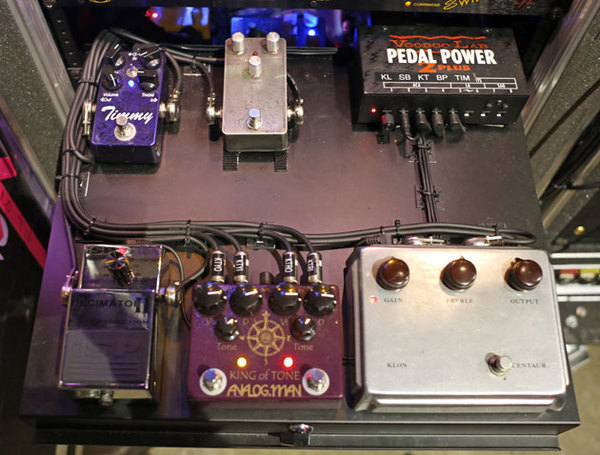
The Klon Centaur and Analogman King of Tone are legendary pedals. I know it, you know it, and your guitarist buddies all know it. Simply put, we truly don't think it's necessary to spend $500-$2000 to have an overdrive pedal on your board (or wait 5 years for Analogman to build you one)... at least not with the dozens of options that are fantastic and readily available.
How We Tested These Overdrive Pedals
To bring you the best overdrives out there, we keep current and extensively research new products. We periodically review and revise this list as new pedals are released.
We run them through different combinations of guitars and amplifiers, since changing the signal chain can greatly affect the sound of an overdrive pedal.
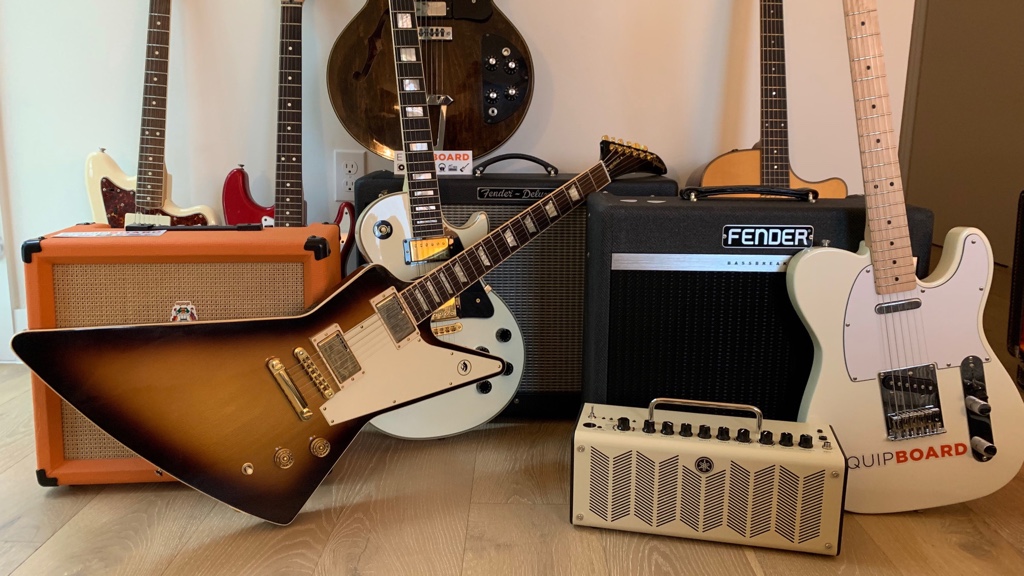
We ran these distortions through our tube amps, solid-states, and even headphone amplifiers. In terms of electric guitars, we used a variety of single-coil and humbucker pickups, as well as solid body, semi-hollow, and hollow body guitars.
In short, we listened to these overdrive pedals in as many signal chains as possible before formulating our opinions of them.
Which Overdrive Pedals Are Used by the Most Pro Artists?
Ever wonder what your favorite artists have on their pedalboards? Well, we crunched the numbers on Equipboard to reveal some fun facts about the most used overdrive pedals.
1.Ibanez TS9 Tube Screamer
- John Mayer's Tube Screamer can be seen in this video at 0:13 when he opens his drawer of pedals.
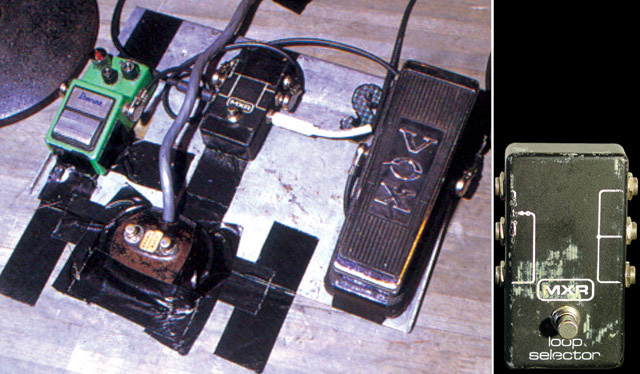
- Stevie Ray Vaughan was a Tube Screamer user, as can be seen in this photo of his spartan pedalboard.
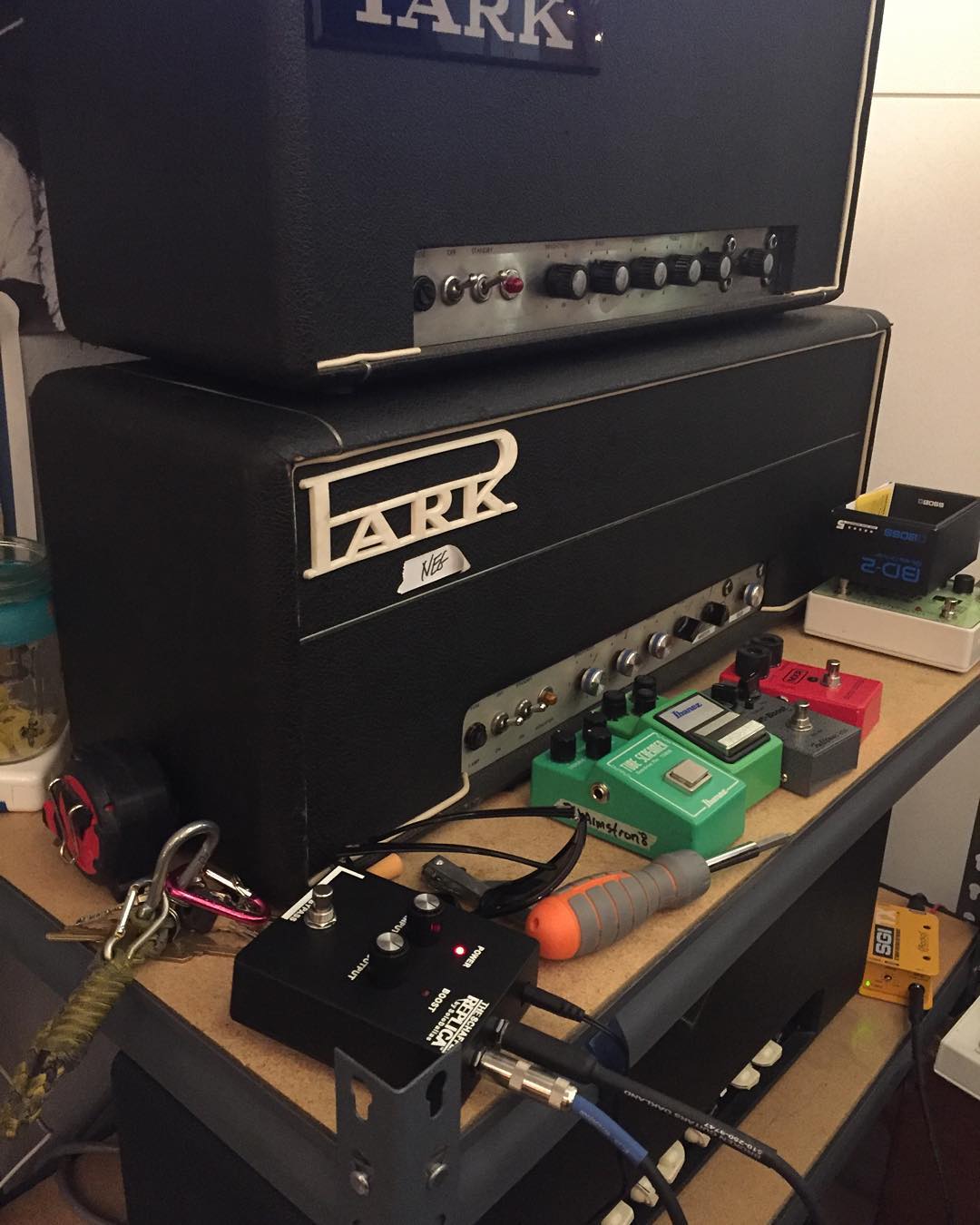
- Billie Joe Armstrong uses a Tube Screamer, as can be seen in this photo which was he previously posted to his Instagram.
2. Fulltone OCD
- Peter Frampton praises his Fulltone OCD in his Rig Rundown video: "But also, I love the Fulltone OCD, which is always in here, too."
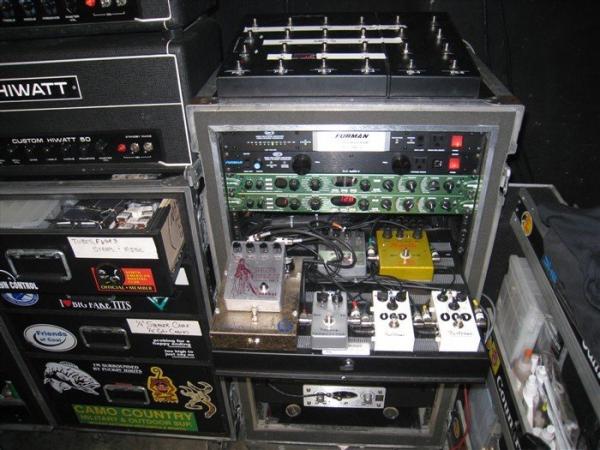
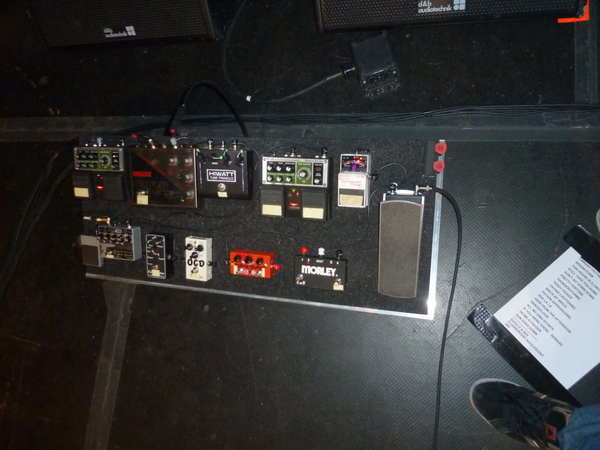
- Keith Urban actually uses a pair of Fulltone OCDs, as can be seen in this photo of his gear rig.
- James Valentine's Fulltone OCD can be seen at the 16:51 mark in his Rig Rundown video, where he claims it's his "main lead sound."
3. Boss BD-2 Blues Driver
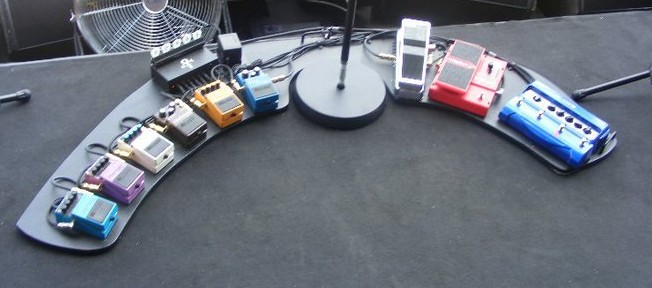
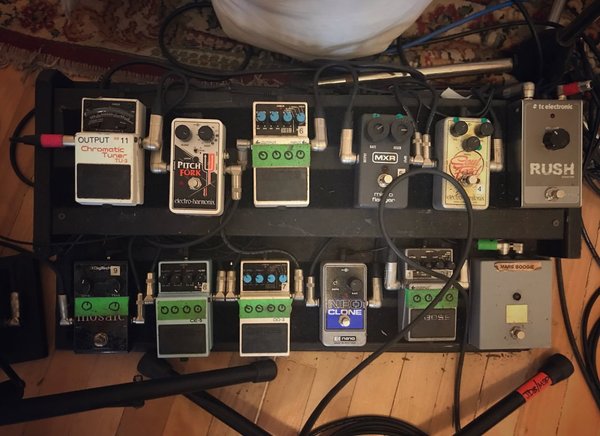
- Prince used the Blues Driver, as can be seen in this photo of his pedalboard.
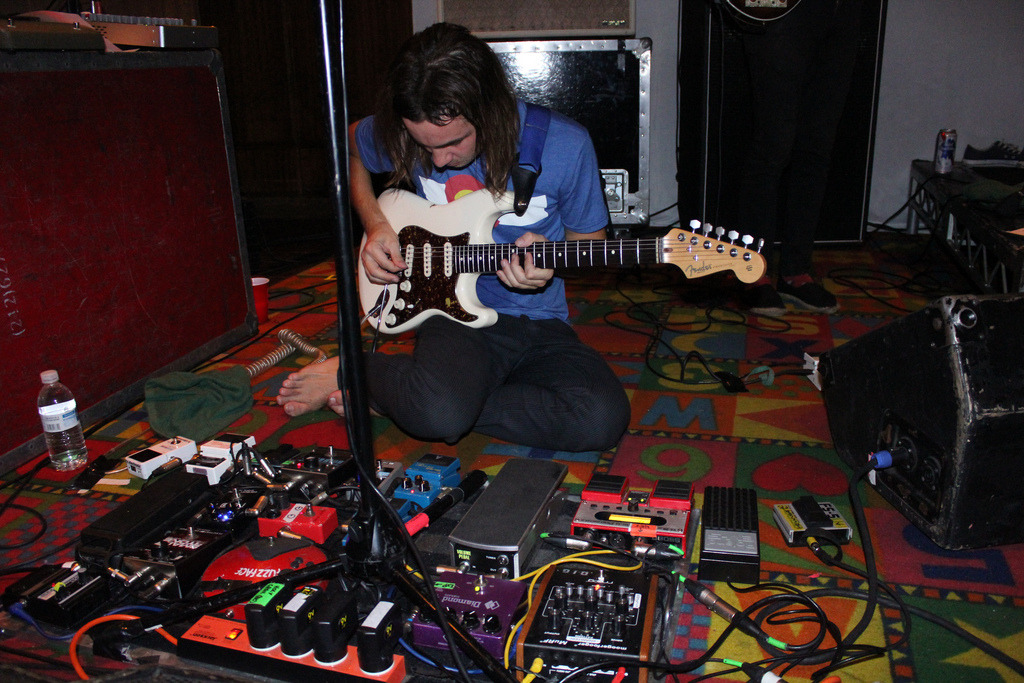
- Kevin Parker of Tame Impala has a Boss Blues Driver on his pedalboard, seen here.
- Steve Vai uses the special edition Boss BD-2W Blues Driver Waza Craft, which he talks about at 46:05 into this video.
And for the boutique overdrive pedals most used by pros:
Analogman King of Tone
-s.webp?v=1784905094)
Users include: John Mayer, Gary Clark Jr., Noel Gallagher, J Mascis (Dinosaur Jr.)
Klon Centaur
Users include: Nick Valensi (The Strokes), Josh Homme (Queens of the Stone Age), Josh Klinghoffer (Red Hot Chili Peppers), Joe Bonamassa
Crowther Hotcake
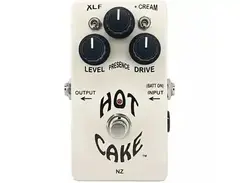
Users include: Thom Yorke (Radiohead), Ed O'Brien (Radiohead), Nels Cline (Wilco)
Paul Cochrane Timmy
Users include: Wayne Sermon (Imagine Dragons), Richard On (O.A.R.)
Way Huge Pork Loin
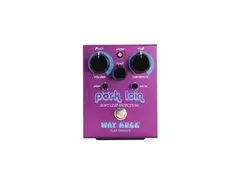
Users include: John Mayer, Joe Bonamassa, Troy Van Leeuwen (Queens of the Stone Age), Chris Wolstenholme (Muse)
Top Ranked Overdrive Effects Pedals on Equipboard
-m.webp?v=1785199181)

-m.webp?v=1784905094)


About the authors
Michael R. Pierce is the co-founder of Equipboard and a lifelong musician with over 25 years of experience as a guitarist and gear enthusiast. He blends solid music theory chops (thanks to formal training in guitar, piano, and trumpet) with real-world experience, always exploring and experimenting across genres like rock, blues, and hip-hop. Michael launched Equipboard in 2013 after graduating from The University of Texas at Austin, leveraging his unique blend of musical passion, technological acumen, and community building. His current go-to rig features a Fender American Original ‘50s Telecaster, Analogman King of Tone, Strymon Flint, and a Fender ‘57 Custom Champ. Read more
Giulio Chiarenza is the co-founder of Equipboard and a lifelong multi-instrumentalist with a deep passion for music gear. Born in Italy and raised in the U.S., he holds a Computer Science degree from The University of Texas at Austin and blends technical acumen with decades of hands-on experience across guitar, piano, drums, and electronic production. Early in his career, Giulio was signed to a San Francisco-based EDM label, releasing both remixes and original tracks. These days, he helps steer Equipboard’s vision while personally testing and reviewing gear. He's never too far from his go-to guitar: a vintage 1978 Fender Telecaster Custom. Read more
Comments
Sign Up or Log In to add comments

838
Peoples thoughts on real tube drive pedals?

664
TS-Mini is the best bang for the buck in my opinion

41037
Boss' answer to the tubescreamer was actually the SD1, they are 90% the same pedal.... and the TS808 was maxon's take on the venerable boss OD1. The blues driver is its own ground up design.... anyway as to the question 'what about real tube pedals'? Most will be starved plate designs, particularly affordable ones that run on pedal board voltage. You're not really using the tube for much. Its gimmick. The better ones have a sound if you're into that sort of thing. A preamp tube wants hundreds of volts to perform as designed.
New in Overdrive Pedals

$285.00 - $299.00


$179.00 - $229.00


.jpg?v=1785199193)


Related Articles
.jpg)


Equipboard Gear Guides
Best Distortion Pedals for Guitar
Michael Pierce + 1 more
Updated August 2025
.jpg)

Equipboard Gear Guides
8 Best Boost Pedals: Top Picks and Reviews 2026

Paul Kinman
Updated June 2024