Table of Contents

Equipboard
Equipboard is the world's largest community of artists and their gear. Read our review process.
We are reader-supported. When you buy through links on our site, we may earn an affiliate commission. Learn more.
Our Picks

Best All-Around Groovebox: The MC-707 delivers professional-grade production capabilities with the reliability and sound quality that has made Roland a studio standard for decades. This eight-track beast handles everything from intricate electronic compositions to full band arrangements with remarkable depth and versatility.
Read more


Polyend Tracker+ 16-track Stereo Sampler, Drum Machine, and Synthesizer
Best for Sample-Based Production: The Tracker+ reimagines the classic tracker interface for modern producers, combining the precision of computer-based tracking with the immediacy of hardware sampling. This machine excels at complex sample manipulation and intricate pattern programming that would be difficult to achieve on traditional grooveboxes.
Read more
Best Beginner-Friendly Option: The Circuit Tracks proves that powerful grooveboxes don't need to be complicated, offering an intuitive workflow that lets new users create impressive music within minutes while providing enough depth to satisfy experienced producers. This compact machine demonstrates that sometimes the best approach is the most straightforward one.
Read more
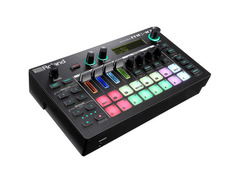
Best Portable Option: The MC-101 packs Roland's professional ZEN-Core sound engine into an incredibly compact form factor, making it the perfect companion for producers who need serious music-making capabilities on the go. Despite its small size, this machine delivers sound quality and features that rival much larger grooveboxes.
Read more
Elektron Digitakt II 16-track Stereo Drum Computer and Sampler
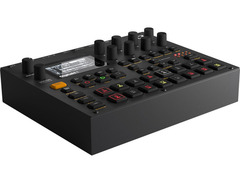
Best Advanced Sampling Machine: The Digitakt II represents Elektron's refinement of their sampling groovebox concept, offering deep sample manipulation capabilities alongside their signature sequencing workflow. This machine excels at transforming simple source material into complex, evolving musical arrangements that push the boundaries of what's possible with hardware sampling.
Read more
Best for Traditional Sampling and Hip-Hop: The MPC Live II continues Akai's legendary sampling tradition while adding modern conveniences and expanded capabilities. This machine represents the evolution of the MPC concept that defined hip-hop production, now updated for contemporary workflows while maintaining the distinctive feel that made the original MPCs so influential.
Read moreThe groovebox renaissance is here, and recent releases have brought us some of the most exciting hardware music production tools we've ever seen. These self-contained musical powerhouses are transforming how artists create, perform, and think about music production. Whether you're looking to break free from the computer screen or add tactile creativity to your live performances, the right groovebox can completely revolutionize your musical workflow.
In this comprehensive guide, we'll explore the top grooveboxes, helping you understand what makes each one special and which might be the perfect fit for your creative vision.
What is a Groovebox?
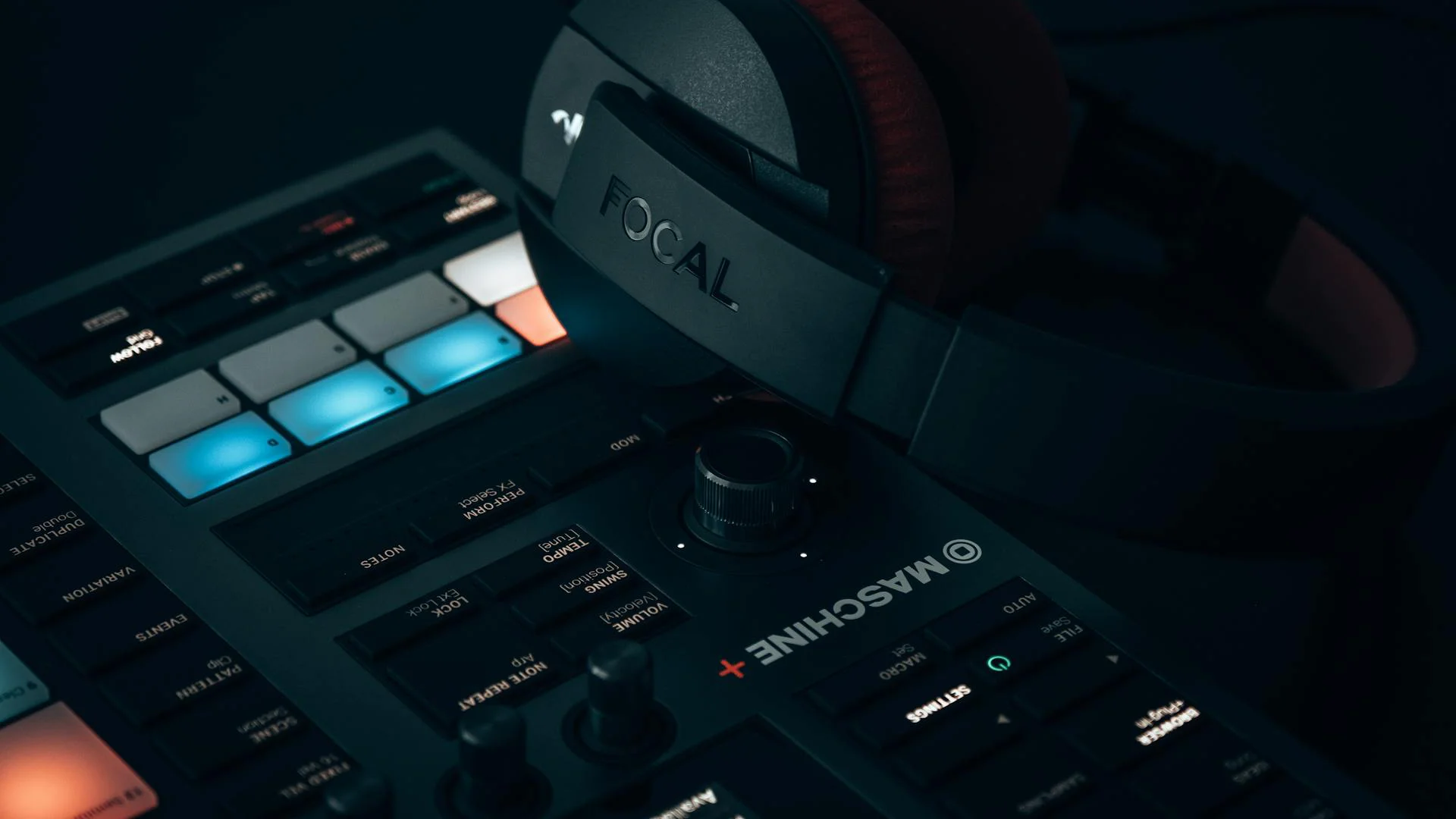
Understanding what a groovebox actually is can help you appreciate why these machines have become so essential in modern music production. At its core, a groovebox is a standalone electronic music production device that combines multiple functions into one compact unit.
The Essential Components
Every groovebox shares certain fundamental features that make it what it is. The sequencer acts as the brain of the operation, allowing you to program patterns and arrange your musical ideas in time. Most modern grooveboxes use step sequencing, where you can input notes and rhythms by pressing pads or buttons in sequence, though some also offer real-time recording capabilities.
The drum machine section typically provides a variety of percussion sounds, from classic analog kicks and snares to modern digital samples. Many grooveboxes include multiple drum kits and the ability to layer different percussion elements for complex rhythmic textures.
Synthesizer engines give you access to bass lines, leads, pads, and other melodic elements. These can range from simple virtual analog sounds to complex digital synthesis methods.
Sampling Capabilities
Modern grooveboxes often include powerful sampling features that let you record external audio sources or load your own sounds. This might mean anything from grabbing a vocal snippet from your phone to sampling a live instrument and manipulating it in real-time. The sampling capabilities often distinguish one groovebox from another, with some offering extensive sample editing while others keep things simple and immediate.
How They Differ from DAWs and Other Gear
While digital audio workstations provide incredible flexibility and virtually unlimited tracks, grooveboxes offer something different: immediate tactile control and the ability to create complete tracks without a computer. There's something magical about twisting a physical knob and hearing the filter sweep in real-time, or hitting a pad and feeling the satisfying click while your kick drum punches through the mix.
Unlike dedicated drum machines or synthesizers, grooveboxes are designed to be complete music production environments. You're not just getting one type of sound or function; you're getting an entire studio that fits in a backpack. This makes them particularly appealing for live performance, where reliability and portability are crucial.
Who Uses Grooveboxes and Why
The groovebox community spans a remarkably wide range of musicians and producers. Electronic music producers love them for their hands-on approach to beat making and sound design. Hip-hop producers appreciate the sampling capabilities and the ability to chop and manipulate breaks in real-time. Jazz and funk musicians use them to create backing tracks or add electronic elements to acoustic performances.
Live performers particularly gravitate toward grooveboxes because they offer independence from computers during shows. There's no worry about software crashes, driver issues, or the complexity of running a full DAW in a live environment. Many artists build their entire live setup around a single groovebox, creating dynamic performances that feel both electronic and organic.
The appeal also extends to songwriters and composers who want to quickly capture ideas without the friction of booting up a computer and opening software.
Best Grooveboxes
The groovebox market offers incredible diversity, with each manufacturer bringing their own philosophy and approach to hardware music production. From sampling-focused machines that excel at chopping breaks to synthesis-heavy units that can generate entirely new sounds, there's never been a better time to dive into hardware-based music creation.
Roland MC-707 Groovebox
4.5 (7)
The Complete Production Powerhouse










- Legendary Roland drum and synth sounds
- Intuitive and powerful workflow with minimal need for manual
- Ableton-like live looper and external signal processing
- Quick customization of drum machines/pads/tracks
- See 6 more
- Some find the build quality and screen viewing angles poor
- Note polyphony can be limited, causing note stealing
- Menu navigation and patch programming can be cumbersome
- Limited clip rows and small sampler memory
- See 4 more
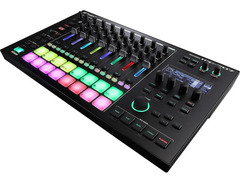
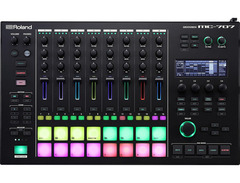
The MC-707 represents Roland's vision of what a modern groovebox should be: powerful enough for professional production yet intuitive enough for live performance. This machine doesn't just make beats; it creates complete musical experiences that can stand toe-to-toe with traditional studio productions.
Sound Engine Excellence
The heart of the MC-707 lies in its ZEN-Core sound engine, which provides access to Roland's decades of iconic sounds alongside cutting-edge modern synthesis. The machine includes over 3,000 tones that span everything from classic TR drum machines to Jupiter synthesizers and everything in between. What makes this particularly impressive is how these sounds have been optimized specifically for the MC-707's workflow rather than simply ported from other devices.
The synthesis capabilities extend far beyond preset sounds. The machine offers comprehensive sound editing that lets you dive deep into parameters like filter cutoffs, envelope settings, and modulation routing. Each of the eight tracks can run different synthesis methods simultaneously, meaning you might have a classic analog bass line running alongside a modern digital lead and a vintage drum kit.
Advanced Sequencing and Arrangement
Where the MC-707 truly shines is in its sophisticated sequencing capabilities. The step sequencer offers multiple resolution options, from traditional 16-step patterns to complex polyrhythmic sequences that can span several measures. The real-time recording mode captures your performance nuances, including velocity, timing variations, and continuous controller movements.
The pattern-based workflow encourages experimentation while maintaining organization. You can create variations of existing patterns without losing the original, making it easy to build tension and release throughout a performance or composition. The song mode allows you to chain patterns into complete arrangements, with smooth transitions and the ability to trigger changes in real-time.
Live Performance Integration
For live performers, the MC-707 offers extensive performance controls that go beyond simple pattern triggering. The pad sensitivity responds to playing dynamics, while the knobs and sliders provide immediate access to crucial parameters. The scatter effects add controlled chaos to your patterns, while the master effects can transform entire sections of your performance.
The machine's connectivity options make it easy to integrate into existing setups. Multiple audio outputs let you route different elements to separate channels on a mixing console, while MIDI connectivity ensures synchronization with other hardware or software. The USB connection provides both audio interface functionality and the ability to backup your projects to a computer.
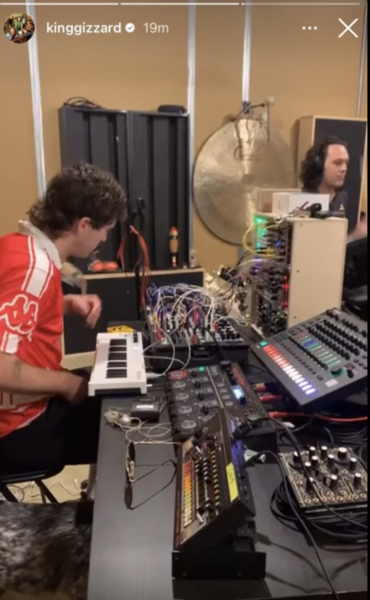
See how artists use this





Polyend Tracker+ 16-track Stereo Sampler, Drum Machine, and Synthesizer
The Modern Sampling Revolution



Average Price: $962
High-end/Boutique
$399
$900+
Budget
Standard
High-end
- Built-in synth engines and drum synthesizer add creative versatility
- Expanded memory and improved computer integration for seamless workflow
- Comfortable design with soft rubber contact points for extended use
- Unique workflow ideal for electronic music, deep house, and techno
- See 1 more
- Frequent bugs and crashes reported with current firmware
- Defective screens noted upon delivery in some cases
- Live MIDI recording issues significantly hinder performance
- Customizing synth patches is clunky and poorly documented
- See 1 more
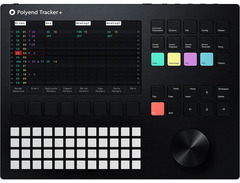
Polyend has created something genuinely unique with the Tracker+. Rather than following conventional groovebox design, they've taken the tracker concept that dominated electronic music production in the 1990s and given it a modern hardware implementation that feels both nostalgic and futuristic.
Revolutionary Interface Design
The visual workflow of the Tracker+ sets it apart from every other groovebox on the market. Instead of relying solely on pads and knobs, the machine features a high-resolution screen that displays your patterns in a traditional tracker format. This means you can see exactly what's happening across all 16 tracks simultaneously, with precise control over timing, pitch, and effects for every single note.
This visual approach makes complex editing tasks remarkably straightforward. Want to shift an entire drum pattern by a few milliseconds? You can see exactly where each hit lands and nudge them with precision. Need to create a polyrhythmic sequence where different elements cycle at different rates? The tracker display makes these relationships immediately visible and easy to manage.
Advanced Sampling Capabilities
The sampling engine in the Tracker+ offers professional-level functionality that rivals dedicated sampling workstations. The machine can record from multiple sources simultaneously, with automatic gain staging and the ability to set precise recording lengths. Once you've captured audio, the editing capabilities are extensive: you can slice samples automatically, set loop points with sample-accurate precision, and apply destructive or non-destructive processing.
Real-time sample manipulation during performance adds another dimension to the Tracker+'s capabilities. You can adjust playback speed, reverse samples, apply filters, and trigger different start points all while maintaining perfect sync with your sequence. The granular capabilities allow for smooth time-stretching and pitch-shifting that maintains audio quality even with extreme settings.
Creative Sequencing Tools
Beyond traditional step sequencing, the Tracker+ offers advanced pattern manipulation tools that encourage creative experimentation. The probability settings let you create patterns that evolve organically over time, while the euclidean sequencer generates complex rhythmic patterns based on mathematical principles. These tools can turn simple input patterns into evolving, complex arrangements that never quite repeat the same way twice.
The modulation system allows you to automate virtually any parameter over time. You can create filter sweeps, volume fades, pitch bends, and effect changes that sync perfectly with your patterns. The LFOs and envelope generators provide additional modulation sources, letting you create movement and interest that goes far beyond static sequences.
Novation Circuit Tracks
4.5 (5)
Simplicity Meets Power

- Intuitive interface and workflow, ideal for beginners
- Enhanced portability with internal battery
- Robust connectivity options for external synths and drum machines
- Improved sequencer with additional MIDI lanes and scene functionality
- See 6 more
- Limited fine control due to simplicity
- Some users experience issues with microSD card slot
- Patch editing on companion software challenging for beginners
- Only supports SD cards up to 32 GB, formatted to FAT
- See 6 more
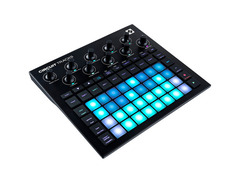
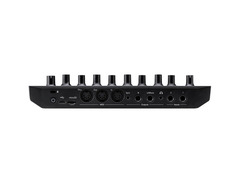
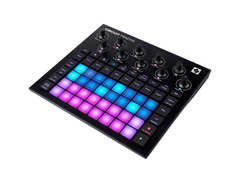
Novation designed the Circuit Tracks with a clear philosophy: music creation should be immediate and fun. Every control on the machine has been carefully considered to provide maximum musical impact with minimum complexity. This doesn't mean the machine lacks depth; rather, it reveals its capabilities gradually as users become more comfortable with the workflow.
Intuitive Design Philosophy
The two-track sampling engine provides everything you need for rhythm and melodic content without overwhelming you with options. The sample editing is streamlined but effective, letting you quickly chop breaks, tune melodic samples, and set loop points without diving into complex menus. The machine comes with a substantial sample library, but it really comes alive when you start loading your own sounds.
The four-track Nova synthesis delivers classic Novation synth sounds that range from punchy basses to ethereal pads. Each synth track offers six voices of polyphony, which is plenty for most groovebox applications. The sound editing uses Novation's tried-and-tested synthesis model, with filters, envelopes, and modulation options that are familiar to anyone who's used their software or other hardware.
Workflow Optimization
What makes the Circuit Tracks special is its session-based workflow that encourages experimentation and happy accidents. The machine organizes everything into sessions containing multiple patterns, making it easy to build complete songs or create variations for live performance. The session view lets you trigger different patterns and see how they interact, which often leads to unexpected musical discoveries.
The 32-step sequencer provides enough length for complex patterns while remaining easy to program and modify. The micro-timing features let you add swing and groove to your sequences, while the probability settings can make patterns evolve over time. The velocity-sensitive pads respond to your playing dynamics, adding human feel to programmed sequences.
Performance Features
For live use, the Circuit Tracks offers immediate control over crucial parameters without requiring menu diving. The dedicated filter and resonance knobs provide instant sound shaping, while the macro controls let you automate complex parameter changes with single knob movements. The built-in delay and reverb effects add space and dimension to your sounds.
The session launching capabilities make it perfect for live performance or jamming. You can prepare multiple variations of patterns and switch between them smoothly, creating dynamic performances that maintain forward momentum. The sync options ensure the machine works well with other gear, whether you're using it as a master clock or syncing to external sources.
See how artists use this


Roland MC-101 Groovebox
5.0 (8)
Portable Production Studio


- Frequent firmware updates greatly enhance functionality
- Intuitive and easy to learn for beginners
- Highly portable and lightweight
- Versatile sequencing capabilities with clip-based approach
- See 6 more
- Initial price increase noted by early adopters
- Some users find the build quality feels cheap
- Extensive menu diving required for deeper sound design
- Limited to 4 tracks, may feel restrictive to some users
- See 6 more
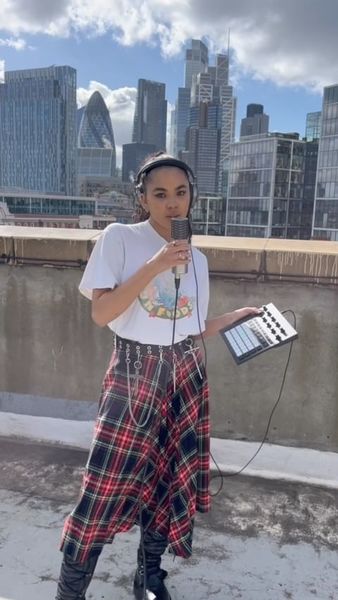
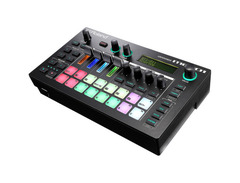
The MC-101 proves that portability doesn't require compromise. Roland has managed to fit their complete sound library, advanced sequencing capabilities, and professional connectivity into a device that easily fits in a laptop bag. This makes it ideal for traveling producers, commuter musicians, or anyone who wants to create music wherever inspiration strikes.
Compact Powerhouse Design
The four-track limitation might seem restrictive, but the MC-101's ability to layer multiple parts on each track actually provides substantial polyphony and arrangement possibilities. Each track can function as a full instrumental part, whether that's a complex drum kit, a multi-voice chord progression, or a detailed bass line with multiple articulations.
The ZEN-Core integration gives you access to the same high-quality sounds found in Roland's flagship instruments. This includes their legendary TR drum machines, classic Juno and Jupiter synthesizers, and modern digital instruments. The sound quality is identical to larger Roland devices, with full 32-bit audio processing and professional-grade DAC conversion.
Mobile-Optimized Workflow
The streamlined interface prioritizes the most essential controls while keeping advanced features accessible through logical menu structures. The four-track focus forces you to think about arrangement and sound selection more carefully, which often leads to tighter, more focused compositions. The pattern length can extend up to four measures, providing plenty of room for complex sequences.
Battery operation makes the MC-101 truly portable, with several hours of music-making possible on a single charge. The built-in speaker lets you create and demo ideas anywhere, while the headphone output provides private listening when needed. The compact form factor doesn't compromise the pad sensitivity or knob resolution, maintaining the tactile feel that makes hardware grooveboxes so appealing.
Integration Capabilities
Despite its size, the MC-101 offers comprehensive connectivity options. The audio outputs can handle both stereo mixes and individual track routing when connected to a larger mixer or audio interface. MIDI in and out ensure synchronization with other hardware, while the USB connection provides audio interface functionality and project backup capabilities.
The pattern chain mode allows you to create complete song arrangements that can play back without constant user intervention. This makes the MC-101 excellent for creating backing tracks for live performance or generating complete demo tracks for further development in a DAW. The tempo and key change capabilities provide additional performance flexibility.
See how artists use this




Elektron Digitakt II 16-track Stereo Drum Computer and Sampler
5.0 (7)
The Sampling Specialist


Average Price: $1,029
High-end/Boutique
$150
$601+
Budget
Standard
High-end
- 16 tracks with MIDI sequencing for comprehensive music production
- High-quality, lush stereo sampling capabilities
- Robust build quality, feels durable and professional
- Parameter Lock and Trig Condition features offer deep modulation possibilities
- See 5 more
- Lack of Overbridge support limits DAW integration
- Steep learning curve for beginners
- Slow data transfer without a media slot
- Limited FX options, although high quality
- See 1 more
Elektron has built their reputation on creating instruments that reward deep exploration. The Digitakt II continues this tradition, offering layers of functionality that reveal themselves over time. While the learning curve is steeper than some alternatives, the creative possibilities are virtually unlimited once you master the workflow.
Advanced Sampling Engine
The stereo sampling capabilities set the Digitakt II apart from its predecessor and many competitors. The ability to capture and manipulate stereo sources opens up new possibilities for ambient textures, wide percussion, and complex soundscapes. The sample editing features include time-stretching, pitch-shifting, and slice manipulation that maintain high audio quality even with extreme processing.
Real-time sampling during performance adds an improvisational element that can transform live sets into unique experiences. You can sample from external sources, resample the Digitakt's own output, or capture specific sections of patterns and immediately incorporate them into new sequences. This capability makes the machine feel alive and responsive rather than simply playing back predetermined content.
Elektron Sequencing Philosophy
The parameter lock system allows you to change virtually any setting on a per-step basis, creating sequences that evolve dramatically over time. You might start with a simple kick drum pattern, but by the end of 16 steps, you could have a complex polyrhythmic sequence with different tuning, filtering, and effects on each hit. This level of detail is what sets Elektron sequencers apart from more traditional approaches.
Conditional triggers add another layer of complexity, letting you create patterns that change based on probability, pattern position, or user input. A snare hit might only trigger on certain pattern repetitions, or a filter sweep might only occur when specific conditions are met. These features help create arrangements that stay interesting over extended periods.
Sound Design Capabilities
The analog filters provide warmth and character that many digital grooveboxes lack. The filter models are based on classic analog designs, with resonance characteristics and saturation behaviors that add musical color to your samples. The overdrive and compression stages can push these filters into creative territory, generating harmonic content that transforms simple samples into complex tones.
Effects processing includes both traditional options like reverb and delay alongside more creative tools like chorus, flanger, and bit-crushing. Each effect can be automated using the parameter lock system, creating dynamic changes that sync perfectly with your sequences. The effects can be applied to individual tracks or used as send effects for more complex routing options.
See how artists use this




Akai MPC Live II
5.0 (14)
The Hip-Hop Legend Evolved


- Intuitive, fast UI upgrade from older MPC models
- Portable with built-in battery and speakers, ideal for use anywhere
- Standalone capability, reducing need for computer DAW
- Versatile: acts as sampler, sequencer, and MIDI controller
- See 6 more
- Steep learning curve for new users
- Menu diving and screen navigation can be complex
- Built-in speakers not monitor quality; limited for professional mixing
- Positioning of Q knobs can be confusing, affecting ease of use
- See 3 more
The MPC lineage stretches back to the late 1980s, and the Live II carries forward that legendary workflow while addressing the limitations of earlier hardware. The result is a machine that feels familiar to anyone who's used an MPC while offering capabilities that would have been unimaginable in the original hardware.
Classic MPC Feel with Modern Power
The 16 velocity-sensitive pads maintain the response and feel that made MPCs the standard for drum programming and sample triggering. The pad sensitivity can be adjusted to match your playing style, whether you prefer light touches or aggressive hits. The pad layout follows the classic MPC arrangement, making transitions from older MPCs or MPC software straightforward.
Sampling capabilities include both traditional chopping methods and modern real-time manipulation. You can still slice breaks the classic way, assigning different slices to individual pads for finger drumming and pattern creation. The time-stretch algorithms provide transparent tempo adjustment, while the pitch controls let you tune samples without affecting their timing.
Standalone Production Environment
The built-in storage and battery power make the MPC Live II truly independent from computer systems. You can record samples from the built-in inputs, edit them using the touchscreen interface, and arrange complete tracks without any external devices. The storage capacity is substantial enough for extensive sample libraries, while the organization tools help you find specific sounds quickly.
Touch screen workflow modernizes the MPC experience without abandoning the hands-on approach that makes these machines special. Complex editing tasks that once required multiple button combinations can now be accomplished with intuitive touch gestures. The screen provides visual feedback for sample editing, sequence programming, and mixer operations that was impossible with earlier hardware MPCs.
Modern Connectivity and Integration
The audio interface functionality lets the MPC Live II serve as the centerpiece of a larger studio setup. Multiple inputs and outputs provide routing flexibility, while the monitoring options ensure you can hear everything clearly during recording and mixing. The MIDI connectivity ensures synchronization with other hardware or software.
Project compatibility with MPC software means you can start projects on the hardware and finish them in a DAW, or vice versa. This flexibility is crucial for producers who work in multiple environments or collaborate with others who use different tools. The export options include individual tracks, stems, and complete mixes, making integration with other systems straightforward.
See how artists use this

.jpg)

.jpg)


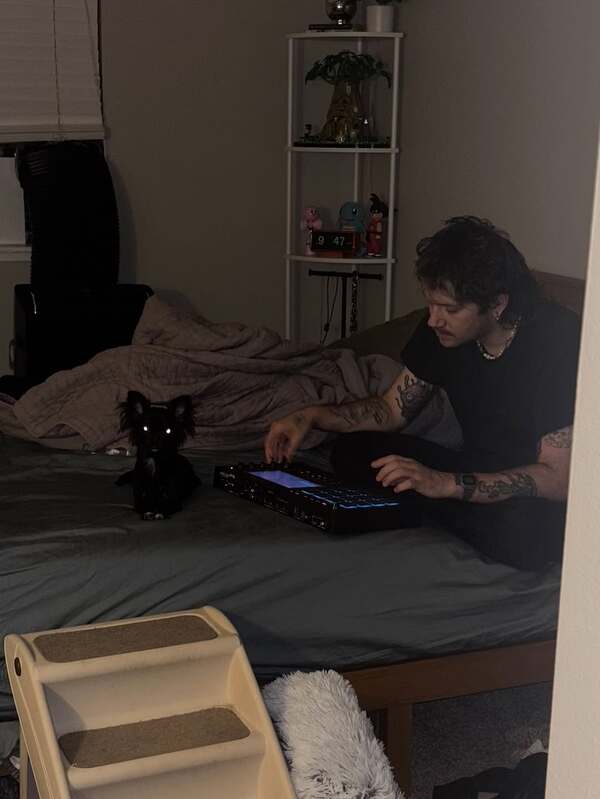

How to Choose a Groovebox
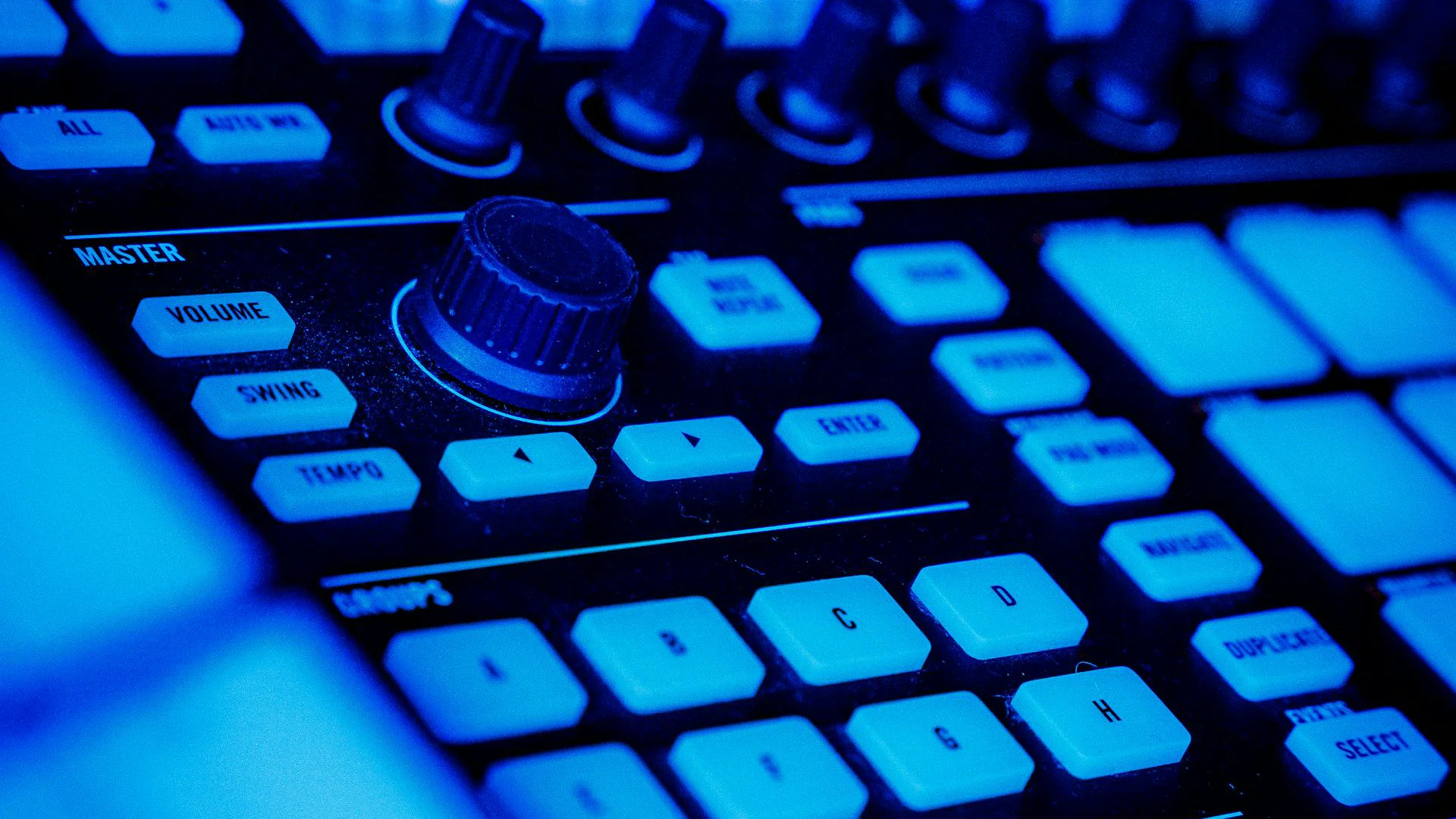
Selecting the right groovebox depends on understanding your needs, workflow preferences, and musical goals. The diversity of available options means there's likely a perfect match for your situation, but identifying that match requires honest assessment of how you plan to use the instrument and what features matter most to your creative process.
Understanding Your Workflow Preferences
The sequencing approach represents one of the most fundamental decisions you'll face when choosing a groovebox. Traditional step sequencers let you program patterns by activating steps in a grid, which works well for precise timing and complex polyrhythmic patterns. Real-time recording captures your performance as you play, preserving timing variations and velocity differences that add human feel to your sequences.
Some producers prefer the immediate visual feedback of tracker-style interfaces, where you can see every note and parameter change laid out in a timeline format. Others find this approach overwhelming and prefer the more abstract representation of step sequencers or the intuitive nature of pad-based recording. Consider which approach feels most natural to you and supports your creative process.
Pattern organization varies significantly between different grooveboxes. Some machines focus on short, looping patterns that you combine and layer during performance. Others encourage longer, more developed patterns that can contain complete song sections.
Live Performance vs Studio Production
Live performance requirements place different demands on grooveboxes than studio production. Reliability becomes paramount when you're on stage, as does the ability to make changes without interrupting the musical flow. Look for machines with dedicated controls for essential parameters and reliable hardware construction that can withstand the rigors of touring.
Visual feedback becomes crucial in live situations where stage lighting might make it difficult to see small displays or subtle LED indicators. Some grooveboxes excel in bright stage environments, while others are better suited to controlled studio conditions. Consider the typical lighting conditions where you'll be performing.
Backup and redundancy options matter more for live use than studio production. Some grooveboxes offer multiple output options, allowing you to send a backup signal to a second mixing channel. Others provide extensive project backup capabilities, ensuring you won't lose important work even if hardware fails.
Sampling Focus vs Synthesis Emphasis
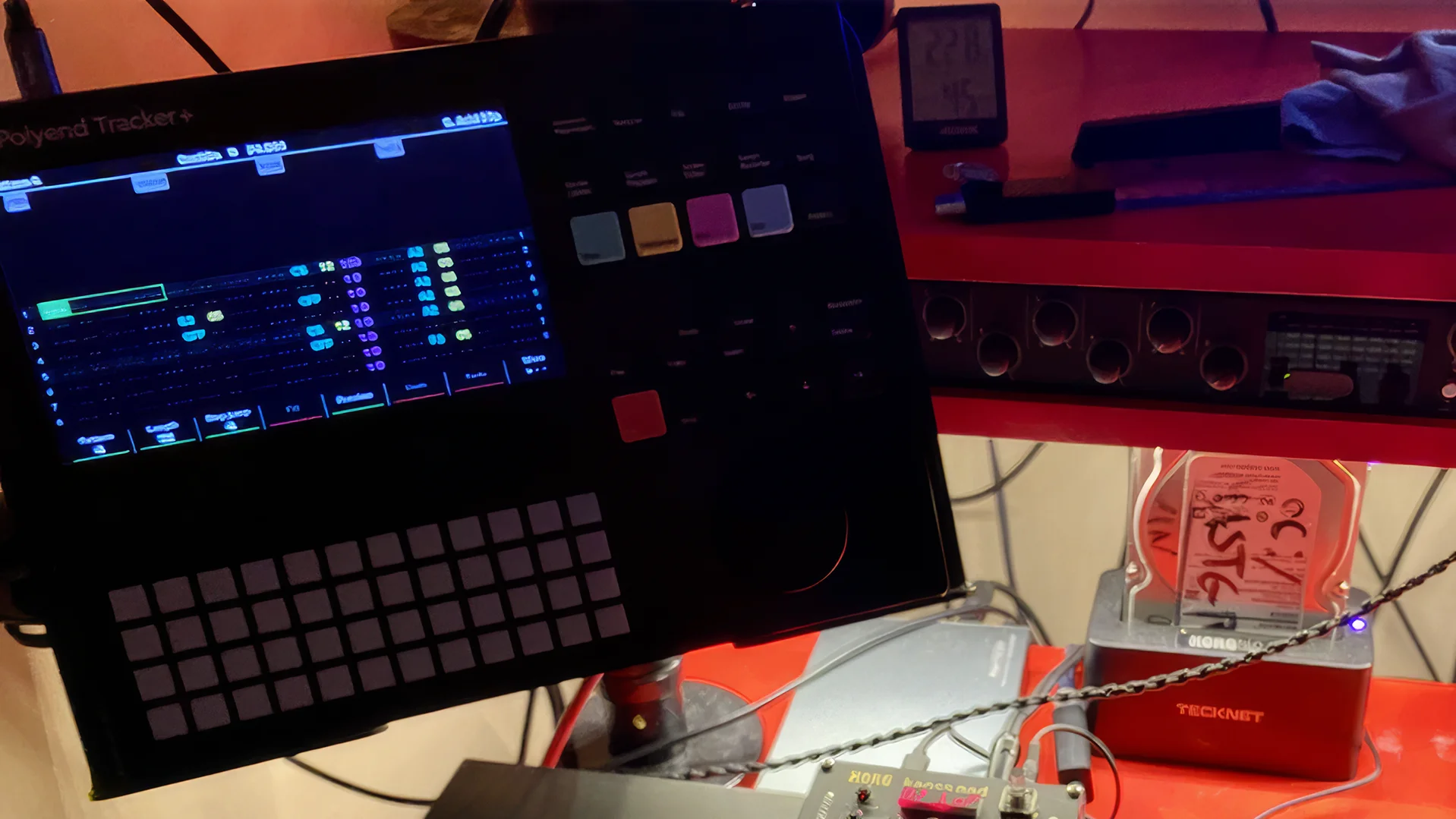
Sample-based grooveboxes excel at working with existing audio content, whether that's chopping classic breaks, manipulating field recordings, or processing acoustic instruments. These machines typically offer sophisticated sample editing, time-stretching capabilities, and extensive libraries of pre-loaded content. They're ideal for producers who work primarily with found sounds or who want to incorporate acoustic elements into electronic productions.
Synthesis-focused machines generate sounds from scratch using various synthesis methods. These grooveboxes often provide deeper sound design capabilities, allowing you to create unique tones that can't be found elsewhere. They're perfect for producers who want to develop signature sounds or who work in genres that demand original sonic content.
Many modern grooveboxes offer hybrid approaches that combine both sampling and synthesis capabilities. These machines provide flexibility but may not excel in either area to the same degree as more specialized options.
Budget Considerations and Value Assessment
Entry-level grooveboxes typically focus on ease of use and immediate gratification rather than deep functionality. These machines are perfect for beginners who want to explore hardware music production without making a substantial financial commitment. They often provide excellent value for money, offering professional-quality sounds and reliable operation at accessible prices.
Mid-range options typically offer more extensive feature sets, better build quality, and greater expansion possibilities. These machines often represent the sweet spot for many producers, providing professional capabilities without the premium pricing of flagship models. They're ideal for serious hobbyists and semi-professional producers who need reliable, versatile instruments.
Professional-grade grooveboxes offer the highest levels of sound quality, build construction, and feature depth. These machines are designed for demanding professional use and often include advanced capabilities that may not be necessary for casual music making.
Integration with Existing Equipment
MIDI compatibility ensures your groovebox will work well with other hardware synthesizers, drum machines, and sequencers. Look for machines that offer both MIDI input and output, as well as MIDI clock synchronization capabilities. Some grooveboxes also offer advanced MIDI features like program change messages and continuous controller support.
Audio connectivity requirements depend on how you plan to integrate the groovebox into your existing setup. Simple stereo outputs work fine for basic applications, but multiple individual outputs provide greater mixing flexibility. Consider whether you need balanced or unbalanced connections, and whether you require additional inputs for sampling or monitoring.
Computer integration varies significantly between different grooveboxes. Some machines work primarily as standalone devices with minimal computer interaction, while others offer extensive DAW integration and project sharing capabilities. Consider how important it is to move projects between your groovebox and computer-based music software.
Frequently Asked Questions
What is a groovebox used for?
Grooveboxes are primarily used for creating complete musical tracks without requiring a computer or additional equipment. They combine drum programming, melody creation, and song arrangement into a single device that's perfect for electronic music production, live performance, and musical sketching. Many producers use grooveboxes as their primary composition tool, while others incorporate them into larger studio setups for their unique workflow and sound character.
Can a groovebox replace my DAW?
While grooveboxes offer impressive standalone capabilities, they typically complement rather than completely replace digital audio workstations. Grooveboxes excel at immediate creativity, hands-on control, and live performance, but DAWs provide superior editing capabilities, unlimited tracks, and extensive plugin ecosystems. Many producers use grooveboxes for initial composition and performance, then transfer projects to DAWs for detailed editing and final production.
Are grooveboxes beginner-friendly?
Modern grooveboxes vary significantly in their learning curves, with some designed specifically for beginners while others target experienced producers. Machines like the Novation Circuit Tracks prioritize intuitive operation and immediate results, making them excellent starting points for new producers. The key is choosing a groovebox that matches your current skill level while providing room for growth as your abilities develop.
What groovebox is best for live performance?
Live performance demands reliability, easy operation under pressure, and clear visual feedback in various lighting conditions. The Roland MC-707 excels in live situations due to its robust construction, extensive performance controls, and ability to handle complete arrangements without computer assistance. However, the best choice depends on your specific performance needs, musical style, and comfort level with different interfaces.
Do I need experience with music production to use a groovebox?
While musical experience helps, many grooveboxes are designed to be accessible to newcomers to music production. The tactile, immediate nature of grooveboxes often makes them easier to understand than computer-based production software. Starting with a beginner-friendly model allows you to learn fundamental concepts like sequencing, sampling, and arrangement in a hands-on environment that encourages experimentation and creative discovery.
How do grooveboxes compare to traditional drum machines?
Grooveboxes extend far beyond traditional drum machines by incorporating melody creation, bass line programming, and complete song arrangement capabilities. While drum machines focus specifically on rhythm programming, grooveboxes provide comprehensive music production environments. Modern grooveboxes typically include drum machine functionality alongside synthesizers, samplers, and sequencers, making them much more versatile for complete music creation.
Conclusion
The groovebox landscape offers something for every type of music creator, from beginners taking their first steps into hardware production to professional producers seeking new creative possibilities. Each machine we've explored brings its own strengths and character to the table, proving that there's no single "best" groovebox, only the best groovebox for your specific needs and creative vision.
The Roland MC-707 stands out as the ultimate all-around production powerhouse, offering professional capabilities that can handle everything from intimate electronic sketches to full-scale productions ready for commercial release. Its combination of classic Roland sounds with modern workflow innovations makes it a reliable choice for producers who need versatility and quality in equal measure.
For those drawn to the art of sampling and complex pattern manipulation, the Polyend Tracker+ represents a revolutionary approach that bridges the gap between classic tracker software and modern hardware design. Its unique visual interface and powerful sampling capabilities open up creative possibilities that simply aren't available on other platforms.
The Novation Circuit Tracks proves that powerful doesn't have to mean complicated, offering an intuitive entry point into groovebox production that never feels limiting or simplistic. Its streamlined workflow encourages experimentation and makes music creation immediately rewarding, regardless of your experience level.
Portability reaches new heights with the Roland MC-101, demonstrating that serious music production doesn't require a desktop setup. This compact powerhouse brings professional Roland sounds and sequencing capabilities to any environment, making it perfect for the modern mobile producer.
The Elektron Digitakt II continues the company's tradition of creating instruments that reward deep exploration, offering sampling and sequencing capabilities that can transform simple source material into complex, evolving compositions. For producers who love to dive deep into sound design and pattern manipulation, few machines offer this level of creative potential.
Finally, the Akai MPC Live II carries forward the legendary MPC tradition while embracing modern conveniences, making it the perfect choice for producers who want to work within the hip-hop tradition while having access to contemporary production tools.
The beauty of grooveboxes lies not just in their individual capabilities, but in how they can transform your relationship with music creation. These machines encourage experimentation, reward happy accidents, and provide the tactile satisfaction that makes music production feel like a physical, engaging activity rather than a purely digital exercise.
Top Ranked Production & Groove on Equipboard

-m.webp?v=1784041495)

$1,499.00 - $1,899.99
5.0 (3)
5.0 (3)

$459.07 - $1,299.00
4.5 (58)
4.5 (58)
-m.webp?v=1784041094)
About the authors

S. Jino is an accomplished multi-instrumentalist and music producer based in Kolkata, India, distinguished by his self-taught mastery and unique blend of technical acumen and musical performance. His extensive experience was forged through hands-on dedication, starting with the full restoration of a broken guitar. Jino's capabilities span keyboards, pedals, and advanced digital production, reflecting a comprehensive skill set developed independently. As a significant contributor to the music scene, Jino regularly performs with worship bands and college ensembles. He has also established himself as a reliable and authoritative professional in freelance mixing, mastering, and original music creation. Inspired by the innovative sounds of Brian May and David Gilmour, and influenced by Kolkata's vibrant metal community, Jino is committed to the intricate art of vintage gear restoration and the continuous exploration of music and technology fusion. His current professional setup, featuring a meticulously restored nameless guitar, a Fender Player Strat, and a Boss Katana 50. Read more
New in Production & Groove
$939.00 - $999.99
in Production & Groove Rank

$143.00 - $219.00
in Production & Groove Rank
$1,499.00 - $1,899.99
in Production & Groove Rank

.jpg?v=1783787052)


$642.99 - $899.00
in Production & Groove Rank


$269.00 - $299.99
in Production & Groove Rank









.webp)