

By Gear Experts
Table of Contents

Equipboard
Equipboard is the world's largest community of artists and their gear. Read our review process.
We are reader-supported. When you buy through links on our site, we may earn an affiliate commission. Learn more.
Our Picks

Gretsch G9200 Boxcar Resonator
Best Budget Resonator: The warm voice of spider resonators at a working musician's price. This round-neck spider bridge model delivers authentic bluegrass tone without breaking the bank.
Read more


Best for Blues & Slide: The iconic brass-bodied resonator that defined the Delta blues sound. This handcrafted masterpiece delivers the unmistakable punch and projection that slide players dream about.
Read more


Dobro Hound Dog Deluxe Roundneck
Best for Bluegrass: The warm spider bridge sound that defines classic bluegrass resonator tone. This maple beauty delivers authentic Dobro projection with modern features that make it perfect for traditional and contemporary picking.
Read more
Dobro Hound Dog Resonator Guitar
Best for Recording & Fingerstyle: Complex harmonics and sustain in a recording-friendly package. This versatile resonator delivers balanced tone that captures every nuance of your playing with remarkable clarity.
Read more
Best Acoustic-Electric Resonator: Plug-and-play convenience with unmistakable resonator character. This unique double-cut electric combines vintage aesthetics with practical gigging features that transition seamlessly from acoustic to amplified settings.
Read more
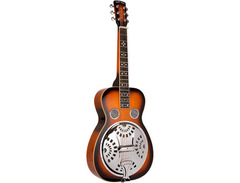
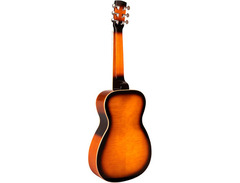
Gold Tone PBS-D Resonator Guitar
Best Luxury Resonator: Premium materials and master craftsmanship for the discerning resonator player. This high-end square neck delivers exceptional tone, playability, and visual beauty for serious bluegrass and lap-style enthusiasts.
Read more
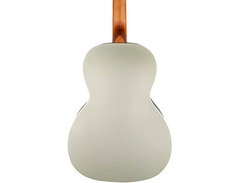
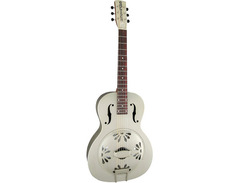
Gretsch Honey Dipper Round Neck
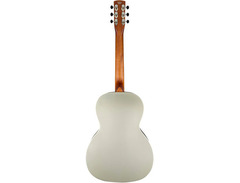
The Gretsch Honey Dipper is a bold, metal-bodied resonator with crisp projection, sharp tonal clarity, and vintage appeal, making it an excellent choice for blues, slide guitar, and fingerpicking enthusiasts.
Read more


When you hear that distinctive metallic twang cutting through a blues jam or bluegrass session, chances are you're listening to a resonator guitar. These unique instruments have a sound all their own that's impossible to mistake - whether it's the soulful slide work in Delta blues or crisp picking in bluegrass, the right resonator can completely transform your playing.
Why Resonator Guitars Matter

The resonator guitar story starts back in the 1920s when musicians faced a simple problem: they couldn't be heard. Before amplification became common, players in dance halls and noisy venues struggled to cut through the mix. John Dopyera solved this problem by creating guitars with metal cones (resonators) that amplified string vibrations for National String Instrument Corporation.
The Historical Significance
The resonator represents one of the biggest innovations in acoustic instrument design of the 20th century. In 1928, after leaving National, Dopyera and his brothers started the Dobro Manufacturing Company with their own resonator design. "Dobro" comes from "Dopyera Brothers" and has become practically synonymous with resonator guitars.
This split created two distinct resonator paths that continue today: National-style designs (biscuit and spider bridge) and Dobro-style spider resonators. Each developed its own following based on their unique sound qualities.
The Distinctive Tonal Palette
What makes resonators special is their sound. Unlike the warm, woody tones of traditional acoustics, resonators have a brighter, more metallic quality that projects incredibly well. This voice cuts through dense arrangements and offers amazing expressiveness, especially for slide playing.
The way a resonator sustains notes while keeping clarity makes it perfect for blues players who want their guitar to almost sing like a voice. This quality has made resonators essential in certain musical traditions where nothing else sounds quite right.
Beyond Volume: Why Musicians Choose Resonators
While solving volume problems was the original purpose, today's players choose resonators mainly for their unique sound. Even with all our modern amplification options, there's simply no replacing what a resonator does.
For slide players, the sustain and articulation creates an experience unlike any other guitar. Bluegrass musicians love how the cutting power helps melody lines stand out. Recording artists value the complex harmonics that add dimension to tracks in ways conventional guitars just can't match.
Types of Resonator Guitars

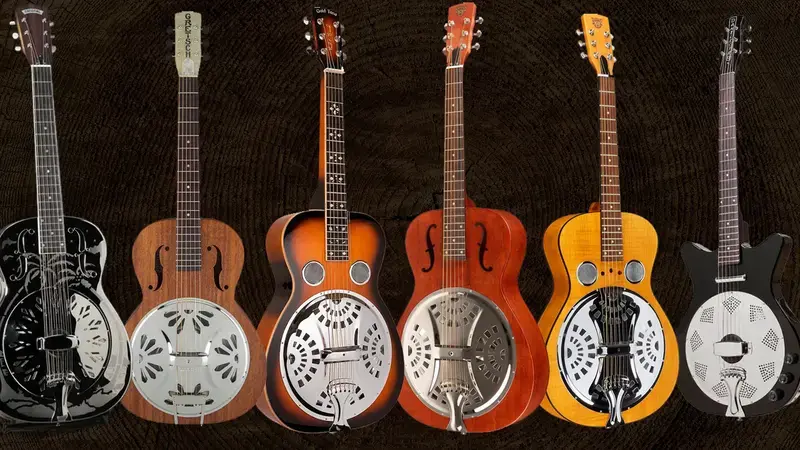
If you're new to resonators, understanding the different types will help you find one that fits your playing style and sound preferences. The three main types - biscuit bridge, spider bridge, and tricone - each produce distinctly different tones that work better for particular genres and techniques.
Biscuit Bridge Resonators
Biscuit bridge designs use a single cone with a wooden disk (the "biscuit") on top where the bridge attaches. This straightforward design creates some of the most recognizable resonator sounds.
Biscuit resonators give you a punchy, immediate response with less sustain than other designs. They're perfect for blues players looking for that raw, expressive sound that cuts through anything. The attack is sharp with a focused midrange that keeps notes defined even with heavy slide techniques.
Players into Delta blues and early folk-blues naturally gravitate toward biscuit bridge resonators. The sound is raw and soulful with a vintage character that connects straight back to early blues recordings.
Most of National's single-cone models fall into this category, particularly the Style O and Style N, which have become blues icons for both their sound and look.
Spider Bridge Resonators
Spider bridge designs (also called Dobro-style) use a single cone with an eight-legged metal bridge sitting on an inverted cone. This creates a noticeably different sound from biscuit models.
Spider bridge resonators offer warmer tones with more sustain and complex harmonics. The initial attack is a bit softer than biscuit models, but notes bloom with rich overtones and longer decay. This makes them favorites among bluegrass and country musicians who need notes to ring clearly.
The extra sustain supports melodic playing where notes need to connect smoothly. The warm yet projecting quality makes spider resonators versatile enough for both rhythm and lead playing in acoustic groups.
You'll find these resonators with both round necks (played like normal guitars) and square necks (played lap-style with a slide), with square necks being especially common in bluegrass.
Tricone Resonators
Tricone designs are the most complex resonator construction. As you might guess, these instruments use three smaller cones instead of one larger one, connected by a T-shaped bridge.
Tricones produce the most balanced, refined tone of all resonator types. The sound is remarkably complex, with rich harmonics, exceptional sustain, and even response across all strings. The tricone's balanced voice gives you amazing note separation and clarity, making it ideal for fingerstyle playing and studio recording.
While tricones might not have quite the raw punch of a biscuit bridge for Delta blues, they excel in more complex musical settings where nuance matters. Their sophisticated voice typically comes with a higher price tag since they're more complicated to build.
Body Styles & Construction
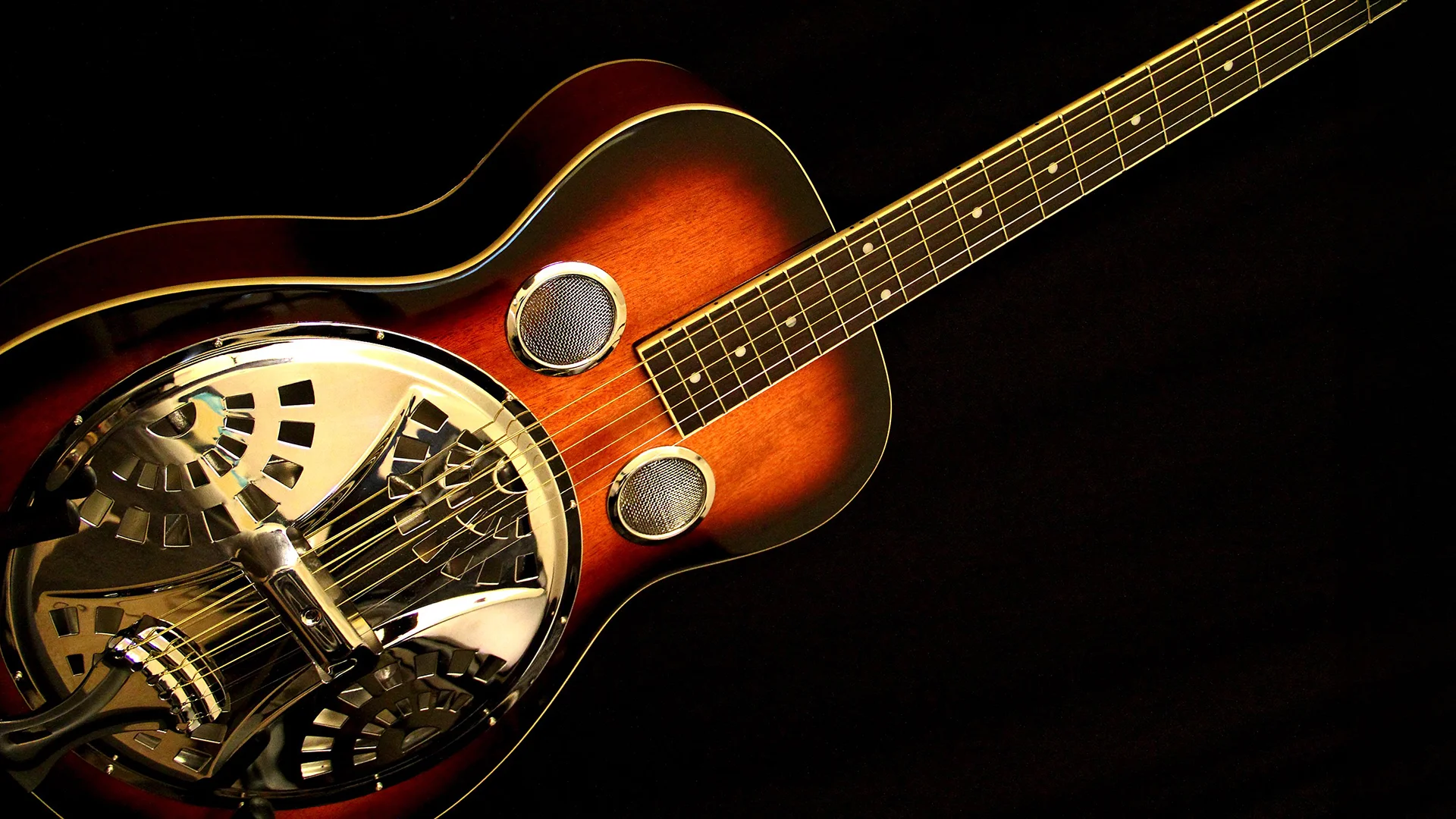
The body style and construction materials of a resonator guitar play a huge role in shaping its tone, playability, and suitability for different musical styles. Let's dive into the main options you'll encounter when shopping for a resonator.
Wood vs. Metal Bodies
One of the biggest choices you'll face is between wood and metal-bodied resonators, and this decision dramatically affects the instrument's sound and feel.
Metal-bodied resonators (typically made from brass, steel, or nickel-silver) deliver that classic, bright, cutting tone with incredible projection. The metal body enhances the metallic qualities of the resonator cones, creating a sound that's sharp, focused, and full of character. These instruments tend to have less natural acoustic volume when unplugged but produce that iconic resonator tone that blues players particularly love.
Wood-bodied resonators offer a warmer, more balanced sound that blends some traditional acoustic guitar characteristics with resonator qualities. The wood softens some of the metallic edge while adding its own tonal coloration depending on the species used. Mahogany bodies add warmth and midrange presence, while maple contributes to a brighter, more articulate sound.
Round Neck vs. Square Neck
There are two main options to consider here. Round neck resonators are played like conventional guitars - held against your body in standard position and fretted normally with your fingers. This makes them versatile instruments that can be played with traditional techniques or with a slide. Round necks are the go-to choice if you want to switch between regular fretting and slide playing within the same song or if you're adding a resonator to your arsenal without learning an entirely new playing position.
Square neck resonators (sometimes called "Hawaiian style") feature a thick, square-profiled neck designed to be played lap-style with the guitar flat on your lap or on a stand. They're played exclusively with a slide or tone bar, with the strings raised much higher off the fretboard than a standard guitar. This specialized design creates optimal conditions for slide playing, with better sustain and smoother slide action across the strings.
Acoustic vs. Electric Resonators
While all resonators began as purely acoustic instruments, modern players have more options with the introduction of acoustic-electric models and even fully electric resonators.
Traditional acoustic resonators remain popular for their pure, authentic tone. There's something special about the unmediated sound of strings vibrating those metal cones that many purists feel can't be matched. For home playing, recording in good acoustic environments, and traditional settings, nothing beats a quality acoustic resonator's natural voice.
Acoustic-electric resonators come fitted with pickups designed specifically to capture the unique characteristics of resonator guitars. These range from simple undersaddle piezo pickups to more sophisticated systems with internal microphones or magnetic pickups. They're ideal if you perform live regularly, especially in louder settings where miking an acoustic instrument becomes problematic.
Fully electric resonators like certain Danelectro models incorporate resonator cones into otherwise solid-bodied electric guitars. These create a hybrid tone that blends resonator characteristics with electric guitar versatility. They won't sound exactly like traditional resonators but offer interesting sonic options for experimental players.
Choosing the Right Resonator for Your Playing Style
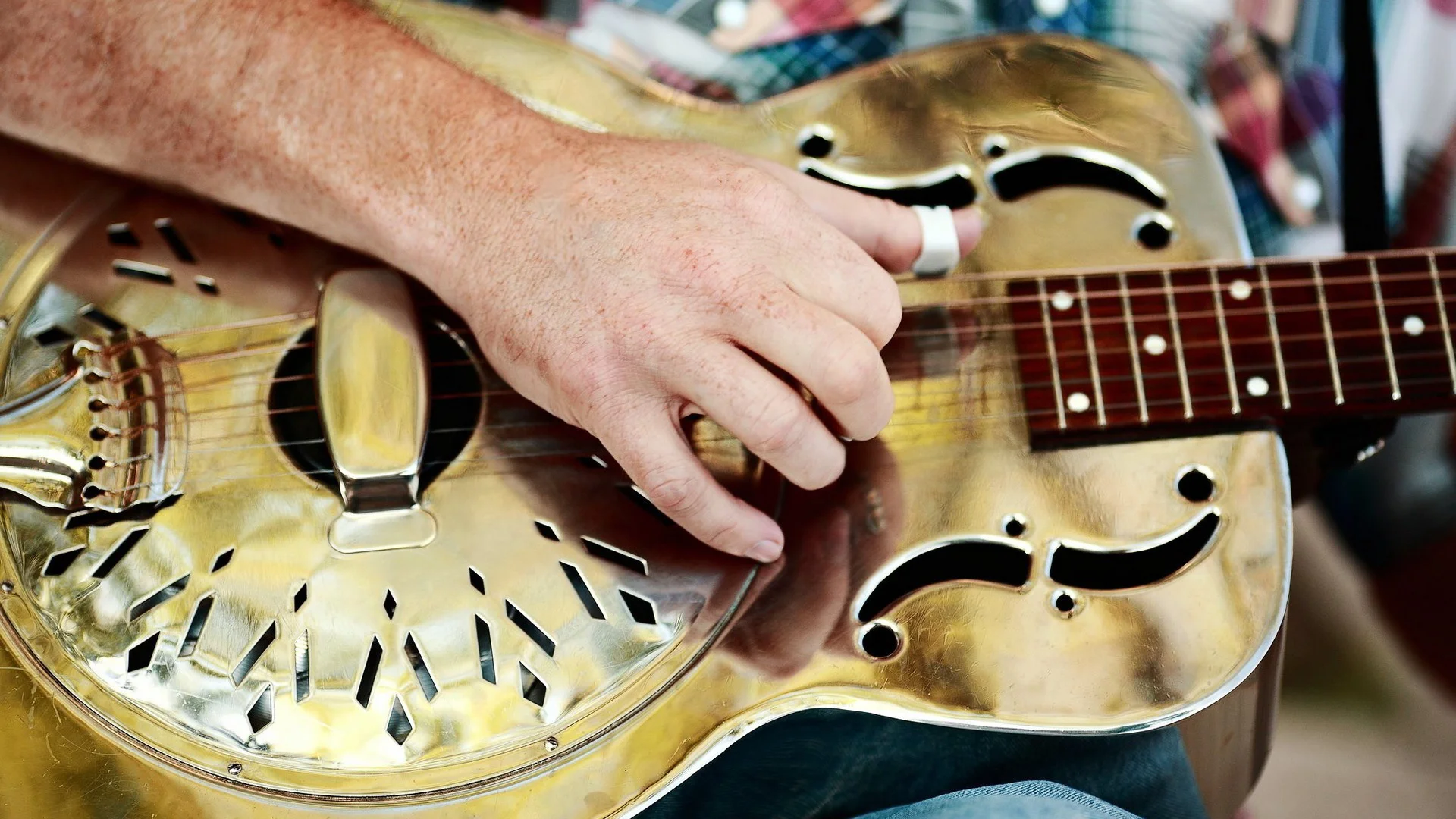
Finding your perfect resonator means matching the instrument to your musical style and needs. Different genres and techniques call for specific resonator characteristics to get that authentic sound. Let's look at which resonators work best for various playing styles.
Best for Blues & Slide Guitarists
Blues players, especially those focusing on Delta and slide blues styles, typically gravitate toward specific resonator designs that enhance their expressive playing.
Single-cone biscuit bridge resonators, especially metal-bodied models like National's Style O or Style N, deliver that raw, punchy tone that defines classic blues slide guitar. The immediate response and focused midrange of biscuit cones create that authentic blues voice that cuts through with emotion and grit. The brass body of a Style O, in particular, has become almost synonymous with Delta blues tone.
Round neck models make sense for blues players who alternate between standard fretting and slide techniques. The National Reso-Phonic Style O in a round neck configuration gives you the flexibility to play conventional blues licks and explosive slide runs within the same song.
For pure slide players focusing exclusively on bottleneck techniques, a square neck resonator with higher action can make slide playing smoother and more expressive, though it does limit your ability to play standard fretted notes.
For modern blues players who need amplification, consider models with built-in pickups or those that accommodate aftermarket pickup installation without compromising the acoustic tone.
Best for Bluegrass & Country Players
Bluegrass and country resonator players generally prefer different characteristics to highlight the clean, articulate playing these genres demand.
Spider bridge resonators, particularly wood-bodied models with square necks, have become the standard for bluegrass dobro players. The warmer tone, increased sustain, and balanced response complement the melodic, precise nature of bluegrass lead playing. The spider bridge design provides the sustain needed for the flowing legato phrases typical in bluegrass resonator technique.
Square neck models are almost universal in bluegrass because they're played lap-style with a slide, which is the traditional bluegrass resonator technique. The higher action and square neck profile facilitate clean slide work without the fret buzz that can occur on round neck models with lower action.
Wood bodies, often made from maple or mahogany, offer warmth and richness that blend beautifully with other acoustic instruments in bluegrass ensembles. The natural projection of spider bridge resonators helps these instruments cut through in all-acoustic settings without overpowering other instruments.
Expert Recommendations: The Best Resonator Guitars
Shopping for a resonator guitar can feel overwhelming with all the options, variations, and price points available. To help narrow down your search, we've compiled recommendations based on expert opinions, player feedback, and the latest models. These selections represent the best options across different categories, playing styles, and budget ranges.
Whether you're looking for your first resonator or adding another specialized instrument to your collection, these recommendations offer excellent starting points.
Gretsch G9200 Boxcar Resonator
4.5 (5)
The Ultimate Budget-Friendly Classic






Average Price: $477
Budget/Beginner
$499
$1300+
Budget
Standard
High-end
- Beautiful Padauk fretboard and expertly installed humbucker enhance aesthetics and sound.
- Smaller body size makes it comfortable for seated playing.
- Unique woody tone differs from typical metallic resonator sound.
- Excellent for both slide and fingerpicking with high action and smooth playability.
- See 6 more
- Limited access above the 12th fret can hinder slide playability.
- High action requires setup adjustments for regular tuning play.
- Initial buzzing issues need cone adjustments or setup.
- Lack of built-in electronics limits plug-and-play capability.
- See 1 more
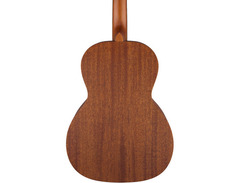
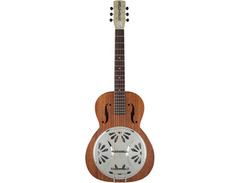
If you're curious about resonator guitars but don't want to spend a fortune, the Gretsch G9200 Boxcar should be on your radar. It nails that genuine resonator sound while keeping things wallet-friendly.
Design and Construction
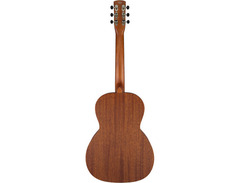
The Boxcar uses a spider bridge design that gives you that warm, rich resonator tone with plenty of sustain. The laminated mahogany body really complements the spider resonator's natural warmth. The spider bridge setup creates a fuller, more complex sound than what you'd get from biscuit models, which is why this guitar works so well for country and bluegrass.
The neck is mahogany with a soft V-shape that feels really comfortable, especially if you're used to regular acoustic guitars. The padauk fingerboard has simple white dot inlays - nothing fancy, just practical and easy to navigate. With 19 medium jumbo frets, you've got plenty of room to move around the neck.
Sound and Performance
What's cool about the Boxcar is that it gives you that authentic spider resonator vibe without making you empty your savings account. This thing has that warm, sustaining tone with notes that bloom nicely as you play them.
If you're into bluegrass or country, you'll love how this guitar handles both fingerpicking and strumming. It's got the sustain you need for those flowing melody lines, and the mahogany body adds just the right amount of warmth while keeping things clear enough for when you want to pick out individual notes.
Playability
Even if you've never picked up a resonator before, the Boxcar is pretty easy to get comfortable with. The soft V-neck feels natural in your hand, and the string height is set up sensibly. The 1.75" nut width hits that sweet spot where you have enough room for fingerstyle without the neck feeling too bulky - it works well no matter how you like to play.
The 25" scale length will feel familiar if you're coming from standard guitars, and the Grover tuners keep everything in tune even when you experiment with those alternate tunings that resonator players love. The bridge is maple with an ebony tip, paired with a bone nut and saddle - all this means your sound transfers nicely from the strings to the cone.
The Bottom Line
The Gretsch G9200 Boxcar is a great way to dip your toes into the world of spider resonator guitars without spending a ton. It sounds authentic, it's built solid, and it's comfortable to play. If you're into country, bluegrass, or folk and want to add some resonator flavor to your sound, you'll get a lot of bang for your buck with this guitar's warm tone and versatility.
See how artists use this



National Style 0 Resonator
5.0 (1)
The Definitive Blues Machine

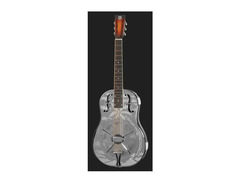
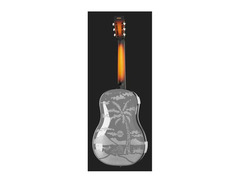
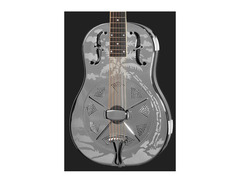
Average Price: $3,300
High-end/Boutique
$499
$1300+
Budget
Standard
High-end
- Iconic retro design with nickel-plated brass body and Hawaiian-themed decorations
- Exemplary craftsmanship reminiscent of vintage instruments
- Deep bass and brilliant treble ideal for Early Jazz and Ragtime
- Long sustain adds richness to the sound
- See 4 more
- Heavy build can be cumbersome for some players
- Wide neck may be challenging for players with small hands
- Limited access to higher frets due to 12-fret design
- Requires adaptation to avoid sounding cacophonous
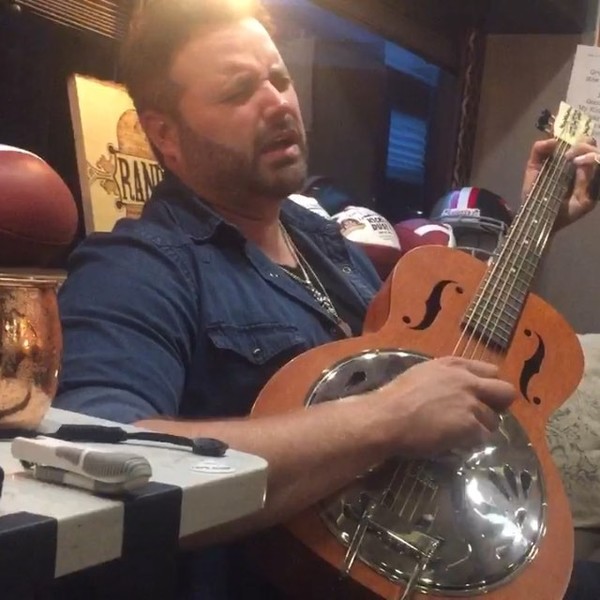
Want that raw, authentic blues tone that cuts like a knife? The National Style "O" isn't just another guitar - it's the real deal that blues legends have relied on for decades.
Design and Construction
The Style "O" rocks a nickel-plated brass body that screams vintage cool with that classic shield logo on the slotted headstock. But this guitar isn't just a pretty face - that brass body is what gives you that killer projection and metallic growl that'll slice through any jam session.
The heart of this beast is a handmade 9.5" resonator cone with a maple biscuit bridge - exactly what you need for that punchy, in-your-face blues response. The maple neck and ebony fretboard combo feels solid in your hands, and those mother of pearl inlays add just enough flash without being tacky.
Those vintage-style tuners aren't just for show - they keep you locked in tune even when you're really digging in with a slide. And yeah, at 4 kg (about 8.8 lbs), this thing has some heft to it, but that's part of what makes it feel like a serious instrument.
Sound and Performance
Let's cut to the chase - you don't grab a National Style "O" because you want something that does everything. You get it because nothing else sounds like it. The biscuit design with that brass body creates a sound that's raw but refined, with a midrange that absolutely kills for blues playing.
Slide into a note on this thing and it talks back to you - that perfect sweet spot where the note hits, sustains, and decays just like a great blues vocal. The attack is immediate and punchy, then opens up with harmonics that give your playing serious depth.
This guitar absolutely crushes for Delta blues and slide playing. Every nuance of your technique comes through crystal clear. The bass is tight and focused, while the highs sing without getting harsh or thin.
Playability
For a guitar with vintage DNA, the Style "O" plays surprisingly well. The 46mm nut width (about 1.81") gives you plenty of space for slides or fingerpicking. The 635mm scale (25") feels just like a regular guitar, so you won't have to completely retrain your hands.
The neck widens to 58mm at the 12th fret, so you've got room to move as you play up the neck. The 19 frets are nicely finished with medium wire that works great for both regular playing and slide.
Sure, it's got some weight to it, but it balances really well so you won't be struggling during gigs. The body depth of 7.9cm gives you plenty of resonance without feeling like you're hugging a barrel.
The Bottom Line
The National Style "O" isn't cheap, and it's not trying to be a jack-of-all-trades guitar. But if you're serious about getting that authentic blues resonator sound, this is the real deal that modern copies just can't touch.
For slide players, blues fans, or anyone recording who wants that genuine resonator character, the Style "O" delivers the goods. Plus, it comes with a hardshell case to keep your investment safe for years to come.
See how artists use this
.jpg?v=1784792382)







Dobro Hound Dog Deluxe Roundneck
4.5 (8)
The Bluegrass Champion

Average Price: $685
Standard/Professional
$499
$1300+
Budget
Standard
High-end
- Excellent acoustic sound that impresses even seasoned musicians
- Great value for the price, especially for entry-level Dobro
- Offers a powerful and expressive tone range, from chime to swampy
- Solid build quality and attractive matte finish
- See 6 more
- Inconsistent pickup quality, with some users experiencing poor amplified sound
- Requires setup adjustments for optimal playability, such as nut and bridge modifications
- Some quality control issues, like loose particles or small dents upon arrival
- Lacks onboard volume and tone controls for the pickup
- See 1 more
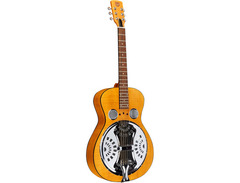
Looking for that quintessential bluegrass resonator without breaking the bank? The Dobro Hound Dog Deluxe Roundneck brings that warm, singing spider-bridge sound that bluegrass and country players crave.
Design and Construction
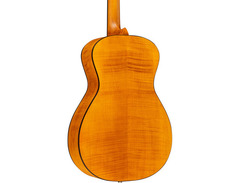
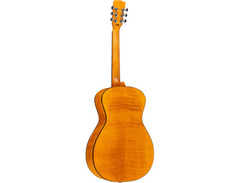
The Hound Dog Deluxe sports that beautiful flame maple laminate on the top, back, and sides - and it's not just for show. That maple construction gives your tone fantastic projection and clarity that cuts through in jam circles and on stage, exactly what bluegrass players need.
Built around a genuine nickel-plated Dobro cone with the classic spider (fan plate) bridge - the essential setup for that warm, complex sound that defines bluegrass resonator playing. The modern circular sound holes aren't just a cool visual touch; they actually help this thing project when you're picking alongside banjos and mandolins in acoustic settings.
The roundneck design means you can play this resonator like a standard guitar rather than lap-style, making it super accessible for players wanting to add that distinctive resonator voice to their bluegrass or country playing without learning an entirely new technique.
Sound and Performance
This guitar delivers exactly the kind of warm, sustaining tone that bluegrass and country resonator playing calls for. The spider bridge design gives notes time to bloom and develop, perfect for those flowing melodic lines in bluegrass standards.
When you dig into a bluegrass roll or cascade, each note rings clear and distinct without the notes blurring together. That clarity combined with warmth is what makes this such a great choice for traditional bluegrass and country styles.
The Fishman electronics are a huge plus for performing musicians. They capture the natural spider bridge resonator voice remarkably well, so you can plug in at gigs without losing that authentic Dobro character that bluegrass audiences recognize instantly.
Playability
The roundneck configuration makes this an ideal choice for guitarists moving into bluegrass resonator territory. The comfortable neck dimensions and reasonable action make it accessible if you're transitioning from standard guitar to resonator techniques, giving you a familiar feel while you explore this distinctive sound.
The string height is set up well for both standard fretting and moderate slide use, striking a good balance that works for versatile country and bluegrass applications. The neck feels substantial but not overly chunky, providing good support for the fretting hand during fast bluegrass runs.
The Bottom Line
The Dobro Hound Dog Deluxe Roundneck delivers that classic warm spider bridge sound that defines bluegrass resonator playing, but with modern appointments that make it exceptionally player-friendly. For bluegrass and country players looking for authentic Dobro tone with the convenience of good electronics, this instrument hits all the right notes.
While purists might eventually graduate to higher-end models, this resonator provides a genuine bluegrass voice that will serve players well from jam sessions to stage performances, all with that unmistakable warmth and projection that makes spider bridge resonators so beloved in traditional American music.
See how artists use this





.jpg)
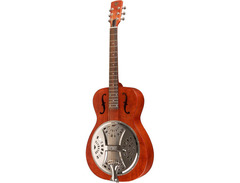
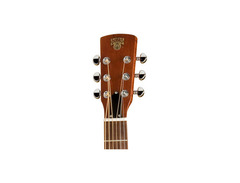
Dobro Hound Dog Resonator Guitar
5.0 (1)
The Fingerstyle & Studio Wizard

Average Price: $486
Budget/Beginner
$499
$1300+
Budget
Standard
High-end
- Strong blend of resonator and acoustic round hole tones
- Grover tuning pegs for reliable tuning stability
- Solid build quality and durable maple ply
- Unique vintage aesthetic with pleasing wood grain patterns
- See 6 more
- Inconsistent finish quality with rough spots and glue specks
- Stock strings often considered low quality
- Some units have neck alignment and structural issues
- Action may be too high for non-slide players
- See 2 more
Want a resonator that'll make your fingerstyle work shine in the studio? The Epiphone Dobro Hound Dog gives you that rich, balanced tone that recording engineers love, without the eye-watering price of vintage instruments.
Design and Construction
The Hound Dog features a gorgeous flame maple laminate body that's as easy on the eyes as it is on the ears. The maple construction adds brightness and definition to the resonator tone, perfect for capturing those complex fingerstyle arrangements where note separation really matters.
Inside, you'll find a genuine nickel-plated Dobro cone with the fan plate (spider) bridge system. This is the magic combination that gives you those lush, sustaining notes with plenty of harmonic complexity. The modern circular sound holes look slick and help with projection, making this resonator cut through nicely even in unplugged settings.
The round neck configuration means you can play this just like your regular acoustic guitar – no need to learn lap-style technique (though you certainly can use a slide if you want). This makes it a fantastic option for recording artists who want to add resonator textures to their tracks without completely changing their approach.
Sound and Performance
What makes the Hound Dog such a standout for recording and fingerstyle work is its exceptional balance across all registers. Unlike some resonators that can be overly bright or bass-heavy, this one delivers a remarkably even response from lows to highs.
When you're fingerpicking complex patterns, each note rings with its own distinct voice, creating a dimensional sound that sounds amazing on recordings. The spider bridge design gives you longer sustain than biscuit-bridge models, letting those harmonics develop fully for a rich, complex tone.
In the studio, this balanced voice means less EQ wrestling and more natural-sounding tracks. The clarity and note definition cut through a mix beautifully without being harsh, while still maintaining that distinctive resonator character that adds texture to your recordings.
Playability
The Hound Dog feels surprisingly comfortable and familiar if you're coming from standard acoustic guitars. The round neck profile sits naturally in your hand, making complex fingerstyle techniques flow easily without the adjustment period some specialized instruments require.
The action comes set up with enough height to eliminate buzzing during energetic playing but remains comfortable for intricate fingerstyle work. The neck dimensions provide enough space for precise fingering without feeling unwieldy, striking that perfect balance for expressive playing.
This approachability makes the Hound Dog an excellent choice for session players who might need to switch between conventional guitars and resonators during recording sessions. You won't feel like you're picking up an alien instrument when you reach for this resonator.
The Bottom Line
The Epiphone Dobro Hound Dog delivers that complex, harmonically rich tone that fingerstyle players and recording artists crave, all in a package that feels familiar and plays beautifully. The balanced voice across all registers makes it especially well-suited for studio work where tonal clarity and note definition are crucial.
For players who focus on recording or fingerstyle techniques, this resonator provides exceptional value with its combination of genuine Dobro components, versatile sound, and comfortable playability. It captures the essential character of much more expensive instruments while remaining accessible to working musicians.
See how artists use this




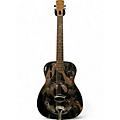



Danelectro 59 Resonator
3.0 (1)
The Stage-Ready Hybrid

Average Price: $717
Standard/Professional
$499
$1300+
Budget
Standard
High-end
- Versatile tone with blend knob for infinite combinations
- Good acoustic sound despite being an electric resonator
- Comfortable neck; no sharp or dead frets
- Easy setup; often ready to play out of the box
- See 4 more
- Poor tuning stability; tuners may need upgrading
- Upper fret access is limited, especially for slide playing
- Non-adjustable saddle and biscuit height limits customization
- Cheap, bulky control knobs that may need replacing
- See 1 more
Need a resonator that can handle any live situation without feedback nightmares? The Danelectro 59 Resonator is the gigging musician's dream - a cool hybrid that delivers authentic resonator tone with electric guitar reliability.
Design and Construction
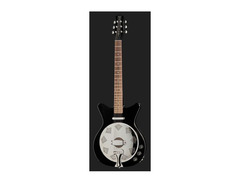
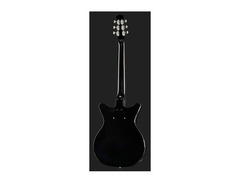
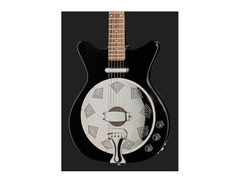
The '59 Resonator immediately stands out with its distinctive double-cutaway body finished in sleek black gloss. This isn't your grandpa's resonator - it's a modern take that combines resonator tone with electric guitar convenience, perfect for stage environments.
Under the hood, you get a biscuit-style resonator cone that delivers that punchy, immediate response blues players love. The body uses spruce and hardboard in that classic Danelectro semi-hollow construction, keeping the weight reasonable while maintaining resonator character. The maple neck with a comfortable C-profile feels instantly familiar, topped with a pau ferro fingerboard with simple dot inlays.
But the real magic happens with the electronics - a combination of a '56 Lipstick single-coil pickup and a piezo cone pickup. This dual-pickup system gives you incredible tonal options that standard resonators just can't match. Switch between pure resonator tone, electric guitar sounds, or blend both for unique textures.
Sound and Performance
This guitar's split personality is what makes it so valuable for performing musicians. The biscuit cone delivers that raw, bluesy resonator character with excellent projection and that metallic bite that cuts through any mix.
Plug in and the dual-pickup system opens up a world of sonic possibilities. The piezo cone pickup captures the authentic resonator voice when you need it, while the Lipstick single-coil gives you those vintage electric tones that work great with effects. Blend them together and you'll discover textures that neither a pure resonator nor a standard electric can achieve.
For blues players who need to go from acoustic jam sessions to amplified gigs, this versatility is a game-changer. You can get traditional resonator sounds without worrying about feedback problems that plague standard resonators at stage volumes. Then kick on some overdrive with the Lipstick pickup for slide work that'll cut through any band mix.
Playability
The 59 Resonator plays more like an electric guitar than a traditional resonator, making it super approachable if you're primarily an electric player. The double-cutaway body gives you excellent upper fret access that standard resonators can't match, perfect for slide runs high up the neck.
The 25" scale length and 1.65" nut width feel familiar and comfortable, while the 21 frets give you plenty of room to explore. The C-shaped neck is slim enough for fast playing but substantial enough for slide techniques, striking a good balance for versatile players.
At gig volumes, this hybrid design eliminates the feedback issues that make traditional resonators problematic on loud stages. You can crank it up without worrying about howling feedback, giving you the confidence to push your volume when the band gets cooking.
The Bottom Line
The Danelectro 59 Resonator is the perfect solution for gigging musicians who love the resonator tone but need electric guitar reliability. It's not a purist's instrument, but that's exactly the point - it's a practical tool designed for real-world performance situations where versatility and dependability matter.
For blues, rock, or Americana players who perform in amplified settings, this unique hybrid delivers authentic resonator character alongside electric guitar convenience. It bridges the gap between these two worlds better than perhaps any other instrument on the market, making it an essential tool for the working guitarist.

Gold Tone PBS-D Resonator Guitar
5.0 (1)
The Luxury Powerhouse

Average Price: $1,567
High-end/Boutique
$499
$1300+
Budget
Standard
High-end
- Offers a wonderfully rich sound that impresses musicians of all levels
- Feels like a high-quality instrument, enhancing the playing experience
- Excellent value for the price, appealing to budget-conscious buyers
- Does not come with a case, causing inconvenience for transport and protection
If you're ready to invest in a resonator that'll last a lifetime, the Gold Tone PBS-D Paul Beard Signature Series Squareneck Deluxe brings professional-grade features that make even veteran players smile. This isn't just another resonator - it's an heirloom-quality instrument.
Design and Construction
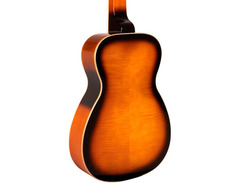
The PBS-D immediately catches your eye with stunning curly maple for the top, back, and sides, complemented by matching maple binding. The figured maple isn't just gorgeous to look at - it provides incredible tonal projection that helps you cut through in ensemble settings without sounding harsh.
At the heart of this beauty is a genuine Beard USA cone and spider - essentially the gold standard in modern resonator components. Paul Beard's expertise in resonator design shows in every detail, from the perfectly voiced cone to the maple bridge with ebony insert that maximizes tone transfer and sustain.
The maple neck feels substantial and stable, topped with an ebony fingerboard featuring those classic vintage-style hearts and flowers inlays that give this instrument its traditional aesthetic. The square neck profile is designed specifically for lap-style playing with a slide, enabling the optimal action height for clean, buzz-free notes.
Sound and Performance
This is where the PBS-D truly shines. The combination of premium materials and Paul Beard's cone design creates a voice that's simultaneously powerful and nuanced. The tone has remarkable complexity with a perfect balance of warmth and clarity that high-end resonators are known for.
When you dig in with your picks or slide, you get an immediate response with notes that bloom beautifully, giving you incredible dynamic range from whisper-quiet passages to powerful bluegrass breaks. The sustain is phenomenal, letting each note ring clearly with distinct separation even in complex runs.
For bluegrass players, this translates to a resonator that can handle everything from delicate melodic passages to aggressive roll patterns with equal finesse. The excellent string-to-string balance means you won't have to compensate for weak spots across the range - every note speaks with authority and character.
Playability
As a square neck model designed for lap-style playing, the PBS-D features ideal specs for this technique. The comfortable 25-inch scale length paired with the wider 1.875-inch nut width gives you plenty of room for precise slide work, eliminating the frustration of cramped spacing found on lesser instruments.
The Zero Glide nut is a premium touch that improves tuning stability and intonation - crucial for recording sessions where pitch perfection matters. The sealed guitar-style tuning machines hold their tune reliably, even with the string tension changes that slide playing can create.
For professional players, the 2-way adjustable truss rod with convenient headstock access is a game-changer, allowing quick adjustments on the road without major disassembly. This practical feature shows that the PBS-D was designed by people who understand the real-world needs of working musicians.
The Bottom Line
The Gold Tone PBS-D Paul Beard Signature Series isn't for beginners or casual players - it's a serious investment for musicians who demand the best. What you get in return is exceptional tone, playability, and craftsmanship that will inspire your playing for decades.
For professional bluegrass players, recording artists, or dedicated enthusiasts who want the resonator version of a high-end instrument, the PBS-D delivers at every level. The included hardshell case ensures your investment stays protected whether you're at home, in the studio, or on tour.


Gretsch Honey Dipper Round Neck
4.5 (7)
Bold, Vintage Resonator Tone

Average Price: $928
Standard/Professional
$499
$1300+
Budget
Standard
High-end
- Excellent sustain and rich tonal quality
- Great for slide playing and fingerpicking
- Sturdy and well-made, solid build
- Holds tuning well over time
- See 6 more
- Quite heavy, can be uncomfortable over long sessions
- Some units have issues with dead notes or intonation
- Neck finish may have minor uneven wood-working
- Factory strings might not suit everyone, often replaced
- See 2 more
The Gretsch Honey Dipper is a metal-bodied resonator guitar that delivers a bold, punchy projection with a bright, metallic bite, making it an excellent choice for blues, slide guitar, and fingerpicking styles. Its nickel-plated brass body not only enhances sustain and volume but also gives it a distinctive crisp, cutting tone that shines in Delta blues and roots music. Compared to wood-bodied resonators, the Honey Dipper leans heavily into the ringing, high-end clarity that makes metal-bodied models stand out, offering a sound that is both sharp and articulate - perfect for intricate slide runs and complex fingerpicking patterns.
The round-neck design allows for standard fretting, but like most resonators, it truly excels when played with a bottleneck slide. Due to its floating bridge and resonator cone design, intonation can feel different from a traditional acoustic guitar, making it more suited for open tunings and expressive slide playing rather than fast, intricate fretting. The rosewood fingerboard adds a bit of warmth to the overall tone, slightly balancing the guitar’s naturally piercing, bell-like resonance.
While it’s currently only available in one finish, the aged, vintage-inspired look fits well with its rootsy aesthetic. Build quality is consistent with Gretsch’s solid reputation in this price range, offering an instrument that feels well-made and durable. The Honey Dipper’s naturally loud projection makes it a great option for players who prefer unamplified performances, ensuring that delicate passages remain clear without needing fingerpicks. Overall, it’s a high-value resonator for those seeking an authentic metal-bodied sound without the high cost of vintage models.


Recording King RPH-R1-TS Dirty 30's


Average Price: $396
Budget/Beginner
$499
$1300+
Budget
Standard
High-end
- Great full sound despite its small size
- Smooth fretboard enhances playability
- Highly portable, ideal for travel
- Excellent build quality for the price
- See 1 more
- Potential stringing challenges with under-stringing tailpiece
- Strings may lay on the fretboard if not properly strung
Though the brand has experienced a recent resurgence, the original incarnation of Recording King actually started as a house brand for Montgomery Ward. The brand was a great example of the funky American instruments that were produced following the explosive popularity of early rock and roll. Some of the more notable musicians who’ve used the instruments include: Edward Sharpe, Justin Townes Earle, John Fahey, and Mark Spencer of Son Volt.
The modern revival of Recording King focuses on delivering vintage inspired designs the benefit from modern manufacturing and quality control. They brand has received critical acclaim from musicians the world over, offering some of the most affordable options in quality vintage inspired instruments currently available.
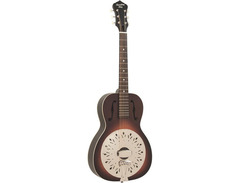
A perfect example of this is the Recording King Dirty 30s Resonator, which is easily one of the most affordable resonator guitars currently available. However, before you make a decision as to which resonator is right for you be sure to check out the following sections.
The most notable thing about this resonator guitar is that it’s one of the smaller sized resonator guitars available. Most resonator guitars have dimensions more similar to that of a dreadnought, which many smaller bodied musicians find uncomfortable to play. Women, younger musicians, and smaller bodied men should definitely consider this guitar for that fact alone.
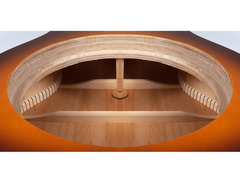
Another interesting thing about this guitar is that for its price it packs a lot of great features under the hood. The bridge (the wooden part, not the configuration) is made from maple topped ebony. The bridge is the first part of a resonator guitar that many musicians upgrade, so by having a better quality bridge from the factory Recording King is saving prospective buyers of this guitar a lot of effort.
The fretboard of this instrument is also rosewood, which while that’s a pretty standard feature on many instruments it’s a surprising inclusion for this price point. The guitar is also topped with spruce, which while this has a limited effect on the tone of a resonator it is a nice inclusion. The back and sides of the guitar are made from white wood, which while white wood is a cheaper material with limited acoustic value it is just as durable as any other laminated wood.
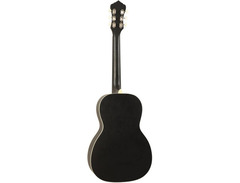
Lastly, the Dirty 30s Resonator is only available in the matte finish pictured on the various storefronts where you can buy it. So if you do like the finish you’re in luck, but if you’re not a fan of it you don’t have any options besides the stock finish.
The Dirty 30s line of instruments is solidly in budget territory, and while they’re good for their intended purpose they’re never going to sound like a $1000+ vintage instrument. This resonator is also not going to be as loud as bigger bodied resonators, though depending on what you intend to use this guitar for you may not really need a lot of extra volume. It’s still going to be significant louder than a flattop, so it should serve the majority of you perfectly well for solo play, performance, and practice.
The tone of the guitar is also well representative of what it aims to achieve. It’s dry and throaty, and it has the response that one would expect from a resonator guitar. It is a bit thin, but that’s to be expected considering you can easily pick one up for half the price of other budget resonator instruments.
As far as quality is concerned, the Dirty 30s Resonator actually seems to be have a better track record with quality assurance than other instruments in the series. There’s not a lot of reports of musicians who’ve found structural problems with the instrument, and so long as you purchase the guitar from a reasonable dealer you shouldn’t run into any problems. Just be sure to inspect the cone after you purchase the guitar, as due to the nature of the instrument it’s incredibly easy to damage.
The Dirty 30s Resonator may not have the volume or breadth of tone that you’d find in a more expensive instrument, but it’s easily one of the best options available for a musician looking to add some resonator flavor to their repertoire without breaking the bank.

Dean CE Acoustic-Electric Resonator

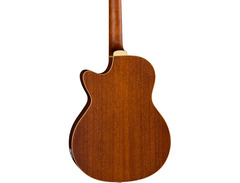
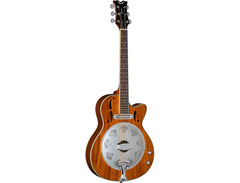
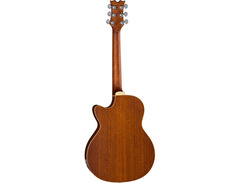
Founded in 1977 by Dean Zelinsky in Chicago, Illinois, Dean has arguably become one of the most diverse producers of musical instruments in the country. The company was actually started by Dean when he was just 19 years old, and it was through his innovation and dedicated work ethic that the company established the wide consumer base and market reach that they enjoy today.
Though Dean did eventually end up parting ways with the company, Dean has still maintained a commitment to providing musicians with unique and affordable options. Though the company established themselves by selling instruments aimed at hard rock and metal musicians, they’ve actually developed and marketed a wide variety of different instruments.
There’s no better example of this than the Dean Resonator Cutaway/Electric, which is inarguably unique. The question is: Is it just a novelty or is it an instrument worth your money?
An important thing to note about this guitar is that it isn’t a true resonator guitar or a pure electric instrument. It does have acoustic value, and it is capable of plugging into an amp or a p.a., but it isn’t a guitar that’s attempting to replicate a classic tone. It’s a unique instrument in its own right, which you should recognize before you think about buying this guitar. We’re going to get more into the tone of this instrument in the following section.
The guitar itself is made purely from mahogany, which is going to have a limited (if any if we’re being honest) effect on the tone of a resonator. The neck is also mahogany, and features 21 frets. The true standout feature of this instrument that differentiates it from similar instruments is the cutaway, which for a lot of slide word is going to come in handy. Later proponents of slide guitar tend to utilize the upper registers, which means that playing more modern slide work on a non-cutaway resonator can prove to be a pretty difficult task. The guitar also features Grover tuners, which definitely do a lot to help the guitar remain in tune.
The Dean Resonator also uses a lipstick pickup, which has a moderate output and a warm response. This helps to keep the guitar from sounding shrill when it’s plugged in, though should you plan on spending the majority of your time playing this guitar through an amp you may want to switch to nickel strings. While bronze strings do offer a better acoustic tone and a larger amount of volume, they don’t play very well with magnetic pickups.
Lastly, the guitar does come with a volume and a tone control. This helps to increase the overall flexibility of the instrument when its plugged in, and because the guitar is a resonator it doesn’t limit the acoustic tone to an excessive degree.
This guitar is a good approximation of a resonator’s tone, but it doesn’t have the volume that these guitars are known for. The true utility of this instrument is that it makes plugging into an amp significantly more convenient, which really does make it a pretty solid option for those of you who plan on gigging with the instrument. The only unfortunate part of this is that it means that this guitar isn’t going to sound as good when it’s recorded acoustically, though this can be compensated for depending on the equipment you have available as well as your proficiency when using it.
This guitar does a good job of fulfilling its intended purpose. It’s intended to be a hybrid instrument, so most reasonable musicians aren’t going to expect it to sound like a 1930s National resonator. Although not a good fit for someone looking for a more traditional sound, this Dean Resonator offers a unique take on a classic design.

Rogue Classic Spider Resonator

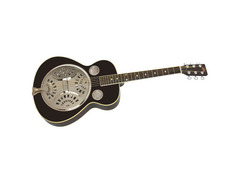

- Affordable entry-level resonator guitar with solid value
- Good platform for DIY upgrades and modifications
- Attractive appearance with decent craftsmanship
- Plays well, suitable for blues and classic tunes
- See 4 more
- Requires initial setup and adjustments for optimal performance
- Potential for buzzing due to initial setup issues
- Inconsistent build quality with potential structural issues
- Cheap tuners and hardware may require upgrades
- See 1 more
There’s not a guitar player alive who hasn’t fallen in love with resonator guitars at one point in time. This type of guitar is so unique, and it offers a sound completely unlike any instrument in the world. It can straddle the line between sharp and rootsy, and metallic and warm. This uniquely American instrument is an incredibly important part of music history, and has been wielded by everyone from the venerable Jack White to arguably one of the most influential blues musicians ever Robert Johnson.
However, just like mandolins or banjos guitarists don’t really understand these instruments. They’re actually not just acoustic guitars with a big chunk of metal, the construction used in these instruments is incredibly different from your standard flattop acoustic guitar.
If you’re looking at a resonator guitar you may have stumbled across the Rogue Classicc Spider Resonator (this review in particular concerns the sunburst model). If you’re still unsure whether or not this resonator guitar is the right fit for you, check out our take on it below.
Right off the bat, this is an inexpensive resonator guitar. A proper resonator is going to cost you at least $700, and that’s still on the lower end of the spectrum. These guitars are a niche instrument, so in order to remain viable commercially companies have to charge more for these instruments.
With that being said, the Rogue isn’t bad for its intended purpose. The guitar isn’t supposed to be the best resonator in the world, it’s supposed to be a cheap way for guitarists to experiment with the resonator guitar. It has all the characteristics of the instrument, and provided it receives a good set up it will play and sound adequate.
Another thing to note about this instrument is that it’s available in both round and square neck configurations. A square neck resonator has a square neck, and it’s played on your lap with a bar-type slide. This instrument is generally used in bluegrass, and it has a similar role to that of the banjo. A square neck resonator also generally doesn’t have frets, instead it has white markers to help guide you. A challenge with these instruments is making sure that you have good intonation, because without frets you have to rely on your ear a lot more.
A round neck resonator has a neck more like that of a standard acoustic guitar, so it’s a bet easier of a transition for most musicians. This type of guitar is generally used to play delta-blues slide, though it’s also seen in things like Dixieland jazz. The only downfall of this type of instrument is that it generally suffers from poor intonation because of the bridge. The saddles for the strings are generally a flat line, which isn’t a big deal if you’re playing slide but it does somewhat limit the utility of the instrument.
This guitar is topped with spruce and features mahogany back and sides.
So before we get into this section, this guitar does sound like a resonator. With that being said, it has much less volume and a thinner response than a higher-end instrument. However, it will still function well in a solo setting. If you mike this guitar you’re also going to be able to EQ the instrument to sound a bit warmer, and the volume well also become less of an issue.
Because it is a resonator it will be a good fit for genres that require this type of instrument. Most people are really not going to notice the difference between a cheap resonator and a more expensive one unless they’re well versed in the instrument, which your general audience isn’t. The square neck version won’t fit into a bluegrass setting as well because it’s not going to be loud enough to cut through the other instruments easily, but this can be compensated for depending on your technique and the volume of your bandmates.
This guitar is a good value for the money, and it does compare favorably to other instruments in its price range. You should be able to buy this guitar relatively confidently.
The round neck version of the Rogue offers a good value for musicians, though the square neck variety (while sounding fine) may not have enough volume to be heard over a full bluegrass band.
Additional Considerations Before Buying
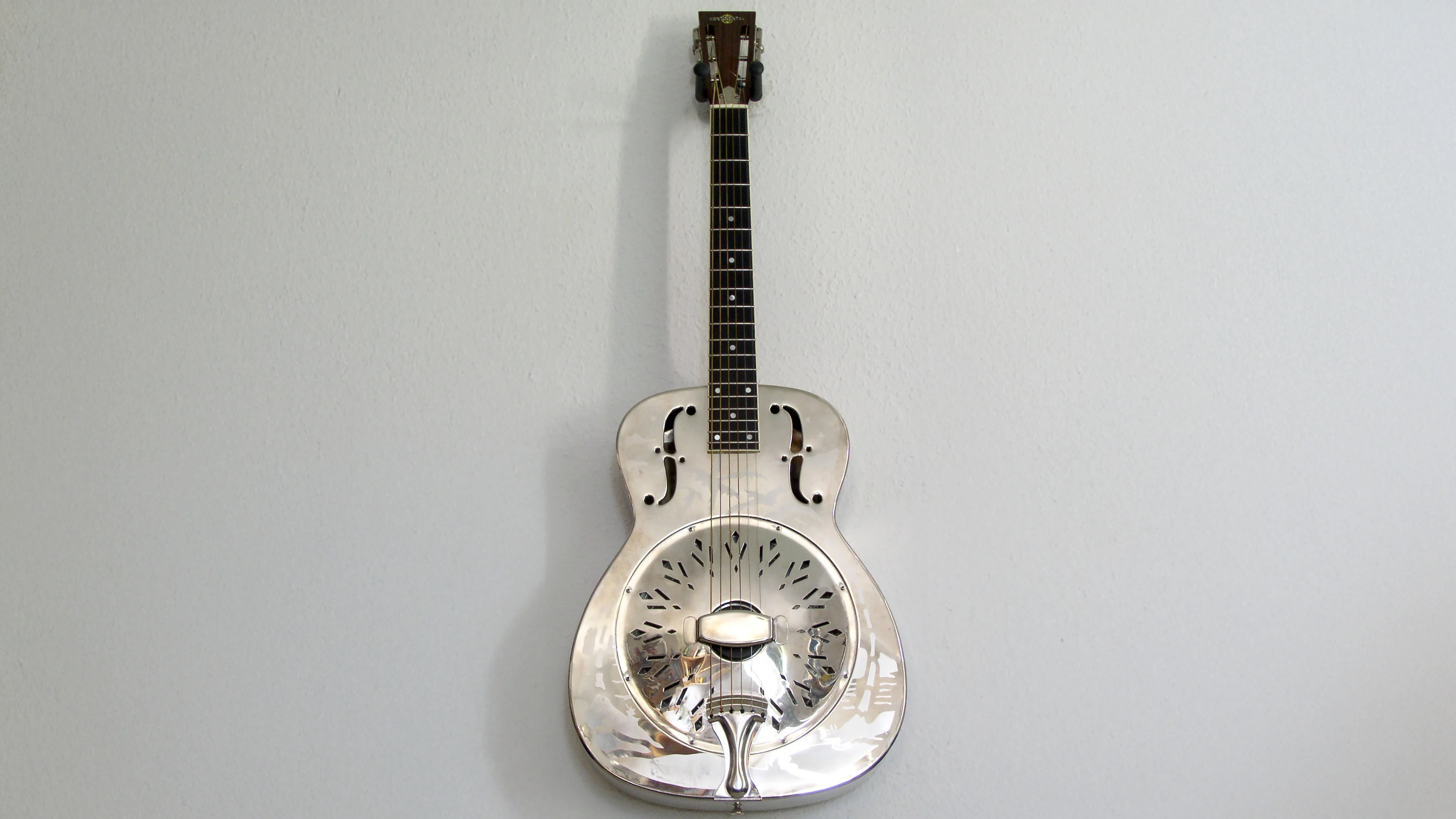
Finding the perfect resonator isn't just about the type or brand - several other factors can impact your experience with the instrument. Let's look at some crucial details that might not be as obvious but definitely matter when making your choice.
Neck Width & Scale Length
The neck dimensions of your resonator affect playability, especially if you're transitioning from standard guitars. Resonators typically come with wider necks than regular acoustic guitars, particularly square neck models designed exclusively for slide playing.
Round neck resonators usually have nut widths between 1.75" and 1.875", a bit wider than standard acoustics to accommodate slide techniques while still allowing conventional fretting. If you have smaller hands or primarily play standard fretting techniques, look for models on the narrower end of this spectrum.
Square neck models are substantially wider, often 2" or more at the nut, since they're designed exclusively for slide playing. The extra width creates ideal spacing for accurate slide positioning but makes conventional fretting nearly impossible.
Scale length affects string tension and feel. Most resonators feature a 25" scale similar to many acoustic guitars, providing a familiar feel for most players. If you're transitioning from electric guitars with shorter scales, this longer scale might require some adjustment to your technique and string gauge preferences.
Resonator Cone Material & Quality
The resonator cone is literally the heart of your instrument's sound, and the material and construction quality directly impact your tone and volume.
Aluminum cones are the most common and produce that classic bright, projecting resonator tone. The quality of the cone's spinning process affects how evenly and cleanly it produces sound, with premium hand-spun cones typically offering superior tonal response and durability.
Some specialty resonators use brass or other metal alloys for their cones, each with subtle tonal differences. Brass tends to produce a slightly warmer, more complex sound compared to aluminum, which some players prefer for certain styles.
Don't overlook the cone's connection to the rest of the instrument. Higher-end resonators feature more sophisticated mounting systems that maximize tone transfer and minimize unwanted vibrations. This attention to detail often separates good resonators from great ones in terms of tone and responsiveness.
Factory Setup vs. Custom Adjustments
The initial setup of a resonator is particularly critical because of their specialized nature, especially for slide playing. While many manufacturers ship their instruments with decent factory setups, most serious players find that some customization improves their experience significantly.
For slide players, action height is perhaps the most crucial adjustment. Too low, and you'll get buzzing and weak sustain; too high, and the instrument becomes unnecessarily difficult to play. Finding that sweet spot often requires experimenting with different heights to match your specific playing style and technique.
Bridge placement and intonation also dramatically affect a resonator's sound and playability. Even slight adjustments to the bridge position can transform a mediocre-sounding instrument into one with excellent intonation and balance across all strings.
Resonator Guitar Maintenance & Accessories
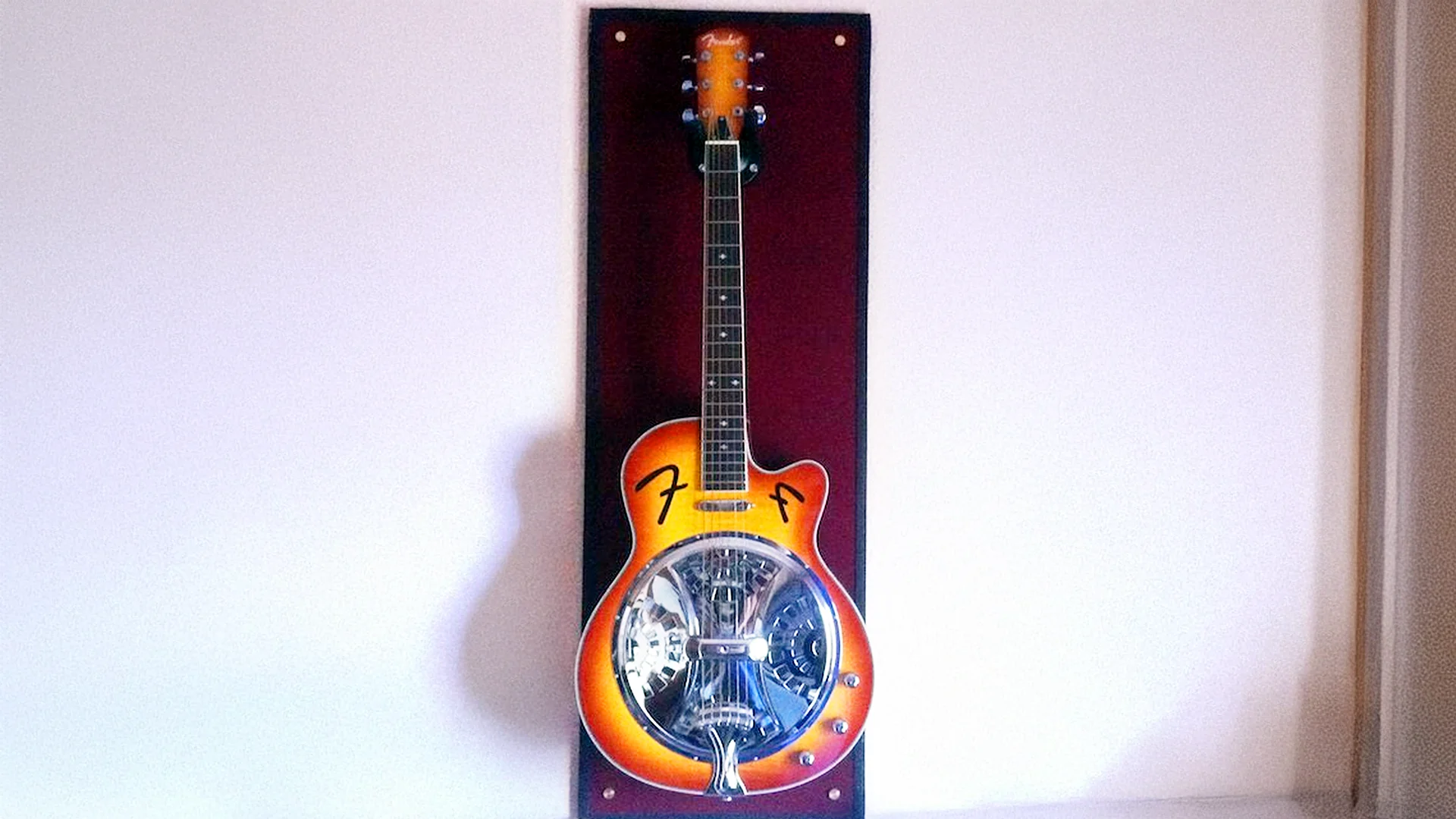
Keeping your resonator in top shape requires some specialized knowledge and the right accessories. Here's what you need to know to get the most from your instrument for years to come.
Best Strings for Resonator Guitars
String choice dramatically impacts your resonator's tone and playability, perhaps even more so than with standard acoustic guitars. Most resonator players prefer medium or medium-heavy gauge strings that bring out the instrument's natural volume and projection.
Phosphor bronze strings are popular for their warm, balanced tone and good durability. These strings typically range from .016-.056 gauge for standard tuning, providing enough tension for good resonator cone activation while still remaining playable for various techniques.
For slide players, especially those using heavier slides, slightly heavier gauges like .017-.059 can provide better sustain and volume. The increased tension helps the strings stand up to aggressive slide techniques without buzzing against the fretboard.
Many bluegrass players prefer nickel-wound strings for their brighter attack and clarity, which helps cut through in acoustic ensemble settings. For blues players seeking a vintage tone, pure nickel strings offer a warmer, more rounded sound that complements traditional playing styles.
Slides for Resonator Playing
The type of slide you choose significantly impacts your resonator's voice and your playing technique. Each material offers distinct tonal characteristics and feel that work better for different styles.
Glass slides (often made from wine bottle necks or manufactured Pyrex) deliver a smooth, sweet tone with less attack and more singing sustain. They're typically lighter and warmer-sounding, perfect for expressive blues playing where nuance matters more than raw volume.
Brass and bronze slides provide more weight and a brighter, more cutting tone with excellent sustain. This extra mass helps drive the strings into the resonator cone more effectively, resulting in greater volume and projection that works well for bluegrass and country styles.
Steel and chrome slides fall somewhere between glass and brass in terms of weight and tone. They offer a balanced option with good sustain and moderate brightness that works across various musical contexts.
Essential Maintenance Tips
Resonator guitars require some specific maintenance considerations beyond what you'd do for standard acoustics, particularly regarding the cone and mechanical components.
Keep your resonator's cone clean and free from debris, which can cause unwanted buzzing or rattling. A soft cloth for regular dusting and occasional careful cleaning around the cone edges helps maintain optimal sound quality.
Metal-bodied resonators benefit from periodic polishing with appropriate metal cleaners to prevent tarnish and corrosion, especially if you play in humid environments or have acidic perspiration. Always use products specifically designed for the metal type (brass, nickel-silver, etc.) to avoid damage.
The mechanical connections between cone, spider/biscuit, and strings require occasional inspection. Loose components can dramatically affect tone and volume, so check all visible screws and connection points if you notice changes in your instrument's sound.
Humidity control remains important, particularly for wood-bodied resonators. While metal-bodied models are somewhat less susceptible to humidity damage, their wooden necks and internal components still require proper humidity levels (around 45-55%) for optimal performance and longevity.
Conclusion: Making the Right Choice
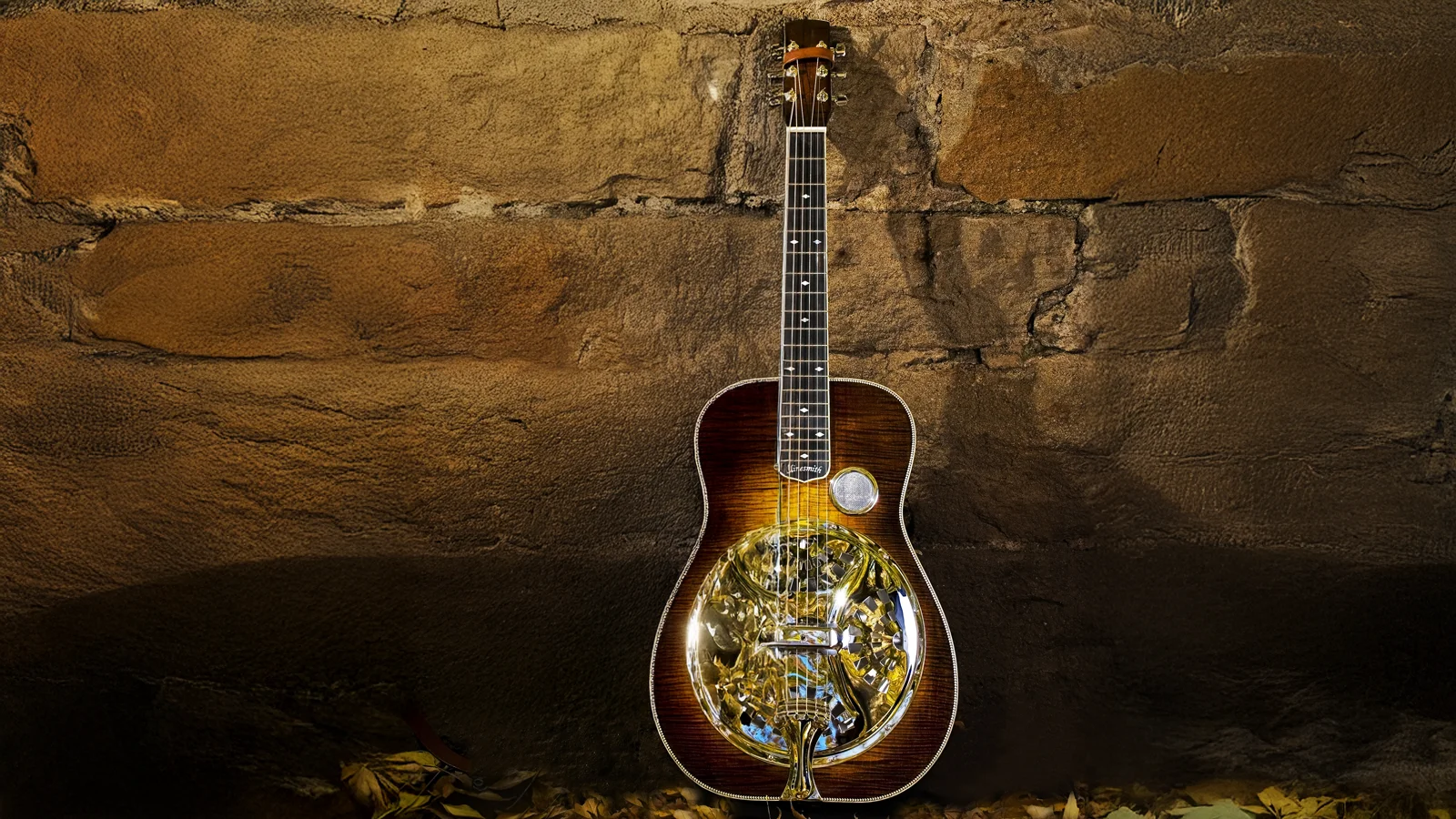
Now that we've taken this deep dive into resonator guitars, you should have a pretty good idea of which one might be right for you.
It's really about matching the guitar to what and how you play. If you're into raw, punchy blues, a biscuit bridge model like the National Style "O" with its iconic brass body gives you that authentic Delta sound. Bluegrass players will want the warmth and projection of a spider bridge resonator like the Dobro Hound Dog Deluxe.
On a tight budget? The Gretsch G9200 Boxcar delivers serious bang for your buck. Recording at home or focused on fingerstyle? Check out the Epiphone Dobro Hound Dog with its balanced tone and complex harmonics.
Gigging regularly? The Danelectro 59 Resonator with its dual-pickup system solves the feedback nightmares that plague traditional resonators on loud stages. And if you're ready to invest in something special, the Gold Tone PBS-D Paul Beard Signature is about as good as it gets.
Resonators have a sound nothing else can touch. Whether you're adding one to your collection or jumping into resonator playing for the first time, there's something magical about that distinctive voice that's been shaping American music for nearly a century.
Top Ranked Resonators on Equipboard
-m.webp?v=1784339066)


About the authors
Mason is a freelance music gear writer that contributes to Equipboard, Reverb, TuneCore, Music Aficionado, and more. He plays the guitar and mandolin and resides in Wyoming. Read more
S. Jino is an accomplished multi-instrumentalist and music producer based in Kolkata, India, distinguished by his self-taught mastery and unique blend of technical acumen and musical performance. His extensive experience was forged through hands-on dedication, starting with the full restoration of a broken guitar. Jino's capabilities span keyboards, pedals, and advanced digital production, reflecting a comprehensive skill set developed independently. As a significant contributor to the music scene, Jino regularly performs with worship bands and college ensembles. He has also established himself as a reliable and authoritative professional in freelance mixing, mastering, and original music creation. Inspired by the innovative sounds of Brian May and David Gilmour, and influenced by Kolkata's vibrant metal community, Jino is committed to the intricate art of vintage gear restoration and the continuous exploration of music and technology fusion. His current professional setup, featuring a meticulously restored nameless guitar, a Fender Player Strat, and a Boss Katana 50. Read more
Comments
Sign Up or Log In to add comments

98
I would like to find a list of the best resonator guitars with cost not as a constraint. I think most or all of these listed are on the cheap end.