Table of Contents

Equipboard
Equipboard is the world's largest community of artists and their gear. Read our review process.
We are reader-supported. When you buy through links on our site, we may earn an affiliate commission. Learn more.
The moment you first pick up a musical instrument is magical. Whether it's running your fingers across piano keys, strumming a guitar string, or producing that first note on a saxophone, there's a sense of endless possibility. Yet for many, that initial excitement quickly meets reality: learning an instrument takes dedication, patience, and most importantly, the right approach.
Learning music isn't just about looking cool with an instrument in hand - it's a journey that transforms both mind and spirit. Research consistently shows that musical training enhances cognitive abilities, improves memory, and reduces stress. But perhaps most importantly, it opens up a new way to express yourself that words alone cannot capture.
You might be thinking, "But I'm too old" or "I'm not naturally musical." Let's dispel these myths right now. Musical ability isn't a gift bestowed upon a chosen few - it's a skill that anyone can develop with the right guidance and practice. Whether you're eight or eighty, a busy professional or a retiree, your musical journey can begin today.
The beauty of learning music in today's world lies in its accessibility. Digital tools, online communities, and innovative teaching methods have made it easier than ever to start and maintain a consistent learning practice. Even fifteen minutes a day can lead to noticeable progress when approached correctly.
This guide isn't about teaching you how to play an instrument - it's about helping you build a sustainable, enjoyable relationship with music. We'll explore proven strategies, tackle common challenges, and reveal techniques that experienced musicians wish they'd known when they started. Whether you're picking up your first instrument, returning after a long break, or guiding someone else on their musical journey, you'll find practical, actionable advice to make your practice more effective and enjoyable.
The Foundation: Getting Started Right

Starting your musical journey is like building a house - the stronger your foundation, the more robust your skills will be. While it's tempting to rush into playing your favorite songs, taking time to set up proper fundamentals will accelerate your progress and help avoid frustrating roadblocks later.
Choosing Your Musical Path
Your choice of instrument should align with both your passion and practicality. Listen to your instincts, but also consider these crucial factors:
Physical compatibility matters more than you might think. For instance, someone with smaller hands might find a full-size classical guitar challenging at first, while a person with respiratory issues might want to stay away from demanding wind instruments. The right instrument should feel natural to hold and play, even if the techniques themselves take time to master.
Consider your musical inspirations. What songs make you think, "I want to play that"? Which artists inspire you? While you can play nearly any style on most instruments, some naturally lend themselves better to certain genres. Your enthusiasm for the style of music you'll be learning is crucial for long-term motivation.
Think about your living situation too. Digital pianos with headphone options can make practice possible in apartments, while drums might require electronic alternatives or significant sound treatment. The key is finding an instrument that fits into your life without demanding major changes or compromises.
Goal Setting That Actually Works
Effective goal setting transforms vague aspirations into achievable milestones. Start by defining your "why" - the deep-seated reason you want to learn. Maybe it's to play at family gatherings, join a band, or simply enjoy the pleasure of creating music alone.
Break down your journey into three tiers:
- Short-term goals (1-3 months): Master basic chords, play a simple song, or maintain a regular practice schedule.
- Medium-term goals (3-12 months): Play with others, perform for family, or learn more complex pieces.
- Long-term goals (1+ years): Join a band, compose original music, or teach others.
Essential Equipment and Setup
Quality basics make a significant difference in your learning experience. Start with an instrument that balances quality with affordability - avoid the cheapest options, as they often create unnecessary learning challenges, but don't feel pressured to buy professional-grade equipment either.
Create a dedicated practice space. Even if it's just a corner of your room, having a spot where your instrument and accessories are always ready makes it easier to maintain consistent practice. Ensure proper lighting, a comfortable chair or standing position, and good ventilation.
Essential accessories vary by instrument but might include:
- Maintenance tools (cleaning supplies, replacement strings/reeds)
- Learning aids (metronome, tuner, music stand)
- Recording device (can be as simple as your smartphone)
- Protective case for transport
Building Your Practice Routine

Creating a sustainable practice routine is where many musical journeys either flourish or falter. Think of practice like exercise - consistency matters more than marathon sessions. Understanding how to structure your practice time effectively can make the difference between steady progress and frustrating plateaus.
The Power of Consistency
The most successful musicians prioritize regular, focused practice over sporadic lengthy sessions. Science backs this up: shorter, consistent practice periods lead to better skill retention and faster progress than irregular marathon sessions. Twenty minutes daily will yield better results than a two-hour session once a week.
Start by identifying your peak energy times. Early birds might prefer morning practice when their mind is fresh, while others might find evening sessions more productive. The best practice time is one you can stick to consistently. Set a realistic schedule that fits your life - perhaps 15 minutes before work, during lunch breaks, or after dinner.
Track your practice sessions using a simple habit-tracking method. Whether it's marking a calendar or using an app, seeing your consistency builds momentum and motivation. Missing a day isn't failure - just resume the next day without guilt.
Smart Practice Sessions
Every effective practice session needs structure. Here's a proven framework that works across all instruments:
Start with a clear focus for each session. Rather than aimlessly playing, decide what specific skill or piece you'll work on. Perhaps it's mastering a difficult transition between chords, improving your timing on a particular rhythm, or perfecting a challenging passage.
Use the 'sandwich' method: Begin with something you can play well to build confidence, then tackle the challenging material, and end with something enjoyable. This approach keeps motivation high while ensuring progress.
Incorporate these elements into your practice:
- Review of previous material (5-7 minutes)
- Technical exercises (5-7 minutes)
- New material (10-15 minutes)
- Free play and experimentation (5 minutes)
Warming Up Like a Pro
Just as athletes warm up before training, musicians need to prepare their bodies and minds for practice. Physical warm-ups prevent strain and improve technique, while mental preparation enhances focus and learning.
Start with general body stretches focusing on the parts most used for your instrument. For instance, guitarists should stretch their fingers, wrists, and forearms, while wind instrument players need to focus on breath control exercises.
Begin with simple exercises that connect your mind and muscles. Scale patterns, arpeggios, or basic rhythmic exercises serve as excellent warm-ups. These fundamentals might seem boring at first, but they're crucial for developing muscle memory and technical proficiency.
Effective Learning Strategies
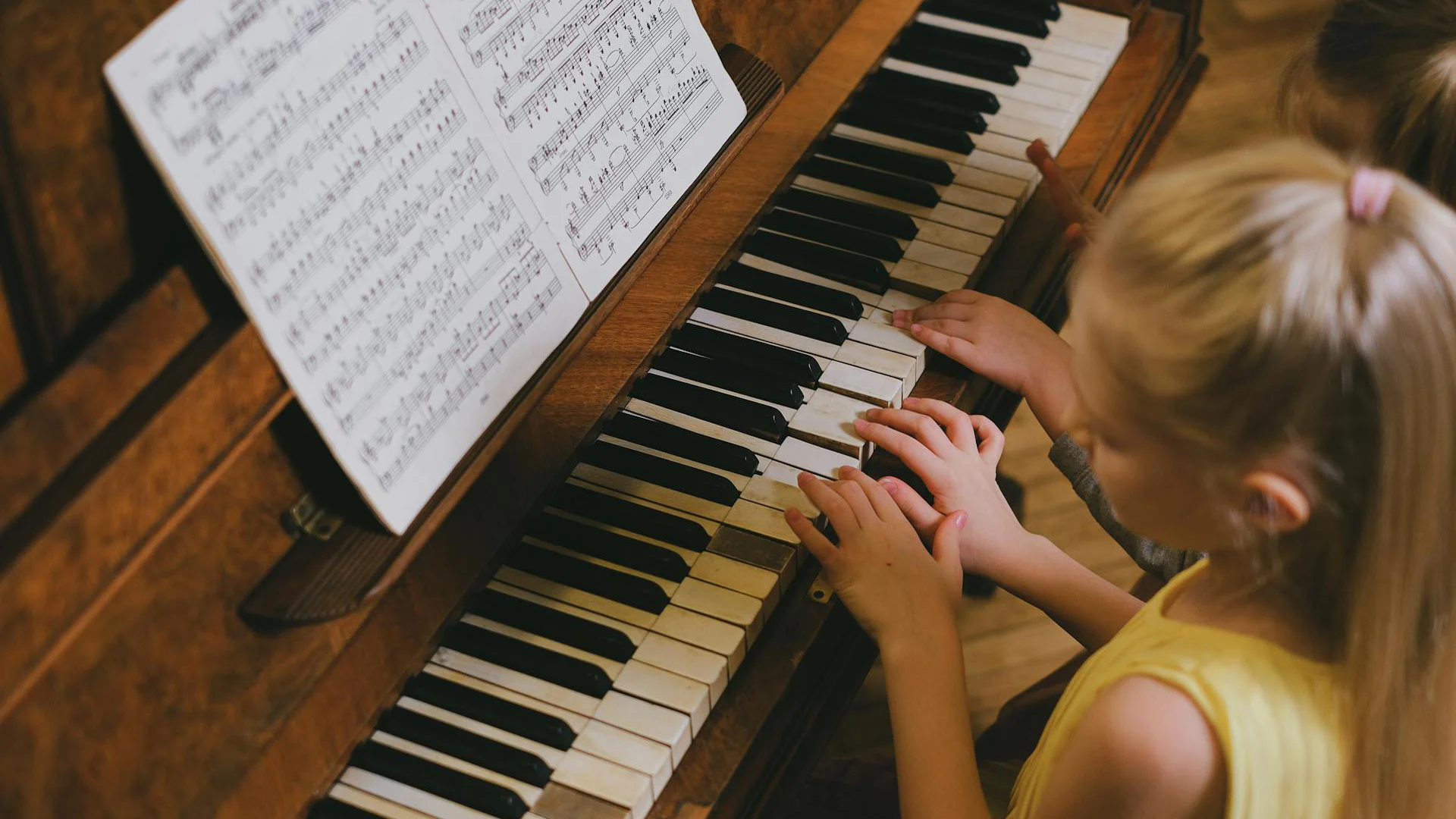
Success in music comes not just from how much you practice, but how intelligently you approach your learning. Modern research in cognitive science and decades of teaching experience have revealed powerful strategies that can dramatically accelerate your musical development. Here's how to make every minute of practice count.
Multi-Channel Learning
The brain learns best when engaged through multiple pathways. Traditional learning methods often focus too narrowly on one approach, but combining different learning styles creates stronger neural connections and faster progress.
Visual learning means watching skilled musicians perform, studying proper technique through video tutorials, and reading music or tablature. But don't just passively watch - actively analyze how experienced players move, their posture, and their technical approaches.
Auditory learning involves deep listening - not just to music you want to play, but to various interpretations of the same piece. Record yourself and compare your playing to reference recordings. Train your ear by trying to play what you hear without written music, starting with simple melodies.
Kinesthetic learning happens through physical practice, but with a twist: practice difficult passages extremely slowly at first, focusing on perfect movement patterns. Speed comes naturally once your muscles learn the correct motions.
Mastering the Fundamentals
Many eager learners rush past basics to play advanced pieces, only to hit frustrating plateaus later. Strong fundamentals are like compound interest - they might seem to progress slowly at first, but they lead to exponential growth over time.
Start each practice session with fundamental exercises, but make them engaging. Instead of mindlessly repeating scales, try playing them in different rhythms, dynamics, or styles. Create simple melodies using only scale notes. Turn technical exercises into mini-challenges with specific goals.
Recording and Self-Assessment
Your ears lie to you while you're playing. Recording yourself reveals the truth about your playing and becomes increasingly valuable as you progress. That’s why everyone is a great singer until they hear themselves sing on a recording. Start recording from day one - it might feel uncomfortable at first, but it's an invaluable tool for improvement.
Use recordings to:
- Check rhythm accuracy against a metronome
- Evaluate tone quality and consistency
- Identify problem areas you might miss while playing
- Track progress over time
- Practice performing under pressure
The Community Factor
Learning music in isolation limits your growth. Finding the right community accelerates learning through shared experience, accountability, and inspiration. But you need to engage strategically.
Online communities provide endless resources and connections, but can also overwhelm beginners with information. Choose one or two quality forums or groups focused on your instrument and actively participate. Share your progress, ask specific questions, and offer help to others when you can.
The Secret Sauce: Advanced Ninja Learning Techniques

While basic practice methods form the foundation of musical learning, certain advanced techniques can dramatically accelerate your progress. These methods, backed by both research and real-world success, often separate rapid learners from those who progress more slowly. Here's how to incorporate these powerful strategies into your practice.
Deliberate Practice
Mindless repetition is the enemy of progress. Deliberate practice involves focused, systematic attention to specific aspects of your playing. Think of it as practicing with a microscope rather than a broad brush.
Instead of playing a piece from start to finish repeatedly, break it into tiny segments - perhaps just two or three notes. Work on these micro-sections until they're perfect, then gradually connect them. This approach, known as chunking, builds muscle memory more effectively than full run-throughs.
Focus on the transitions between notes or chords rather than the notes themselves. Most mistakes happen during transitions, not during the actual playing of notes. Slow these transitions down to glacial speed, ensuring every finger movement is precise and efficient.
Pattern Recognition
The brain excels at recognizing patterns, and music is full of them. Learning to identify common patterns dramatically speeds up learning new pieces. For instance, many songs use similar chord progressions, scale patterns, or rhythmic structures.
Start building a mental library of these patterns. When learning a new piece, look for familiar patterns first - you'll often find you already know how to play significant portions of it. This approach turns learning new music from a note-by-note slog into a more efficient process of combining known patterns.
Mental Practice
Your brain can't tell the difference between physical practice and vividly imagined practice. Professional musicians often use mental rehearsal when physical practice isn't possible. This technique is particularly powerful for memorization and performance preparation.
Try this: Away from your instrument, visualize playing a piece in extreme detail. Imagine every finger movement, the sound of each note, and the physical sensations. When you return to your instrument, you'll often find you've improved - without playing a single note.
The Feedback Loop
Create tight feedback loops in your practice. Instead of practicing for long periods without evaluation, constantly assess what's working and what isn't. Record short segments of practice and listen back immediately, making specific notes about what to improve.
Challenge yourself to describe exactly what needs improvement. Rather than thinking "that doesn't sound right," identify specific issues: timing, tone, articulation, dynamics. This precision in self-feedback leads to more targeted and effective practice.
The 3-Rep Rule
When learning a difficult passage, play it perfectly three times in a row at a slow tempo. If you make a mistake, start the count over. Once you achieve three perfect repetitions, slightly increase the tempo and repeat. This builds reliable muscle memory and prevents practicing mistakes. For example, if you're learning a challenging scale run, set your metronome to 60 BPM and don't move faster until you can play it flawlessly three consecutive times.
The Transition Drill
Most mistakes happen between notes or phrases, not during them. Isolate the last note of one phrase and the first note of the next. Practice just these two notes, then expand to include one more note on either side. For instance, if you're struggling with a chord change, practice only the movement between the two chords until it feels natural, then incorporate the notes leading into and out of the change.
The Backwards Builder
Start with the last measure of a difficult section. Perfect it. Then add the second-to-last measure, practicing these two together. Continue working backwards, adding one measure at a time. This approach ensures the ending of each section is solid and builds confidence as you progress. It's particularly effective for memorization.
The Rhythm Transformer
Take a challenging passage and play it with three different rhythms: first as dotted eighth-sixteenth notes, then as sixteenth-dotted eighth notes, and finally as triplets. Return to the original rhythm and you'll find it feels more natural. This technique, used by violin virtuoso Ivan Galamian, helps overcome technical barriers by approaching them from different angles.
The Five-Minute Focus
Choose one specific technical element (like a trill or vibrato) and practice it for exactly five minutes with complete concentration. Use a timer. This concentrated burst is more effective than longer, unfocused sessions. Professional orchestral players often use this method to maintain challenging techniques.
The Slow-Fast Switch
Play a passage at extremely slow tempo (quarter speed) for one minute, focusing on perfect movement. Immediately attempt it at full tempo for just 5 seconds. Return to slow practice. This contrast helps your brain identify and eliminate unnecessary tensions. It's particularly effective for passages requiring speed and clarity.
Staying Motivated for the Long Haul

Musical mastery is a marathon, not a sprint. The initial excitement of learning an instrument eventually meets the reality of challenging practice sessions and inevitable plateaus. Understanding how to maintain motivation through these phases is crucial for long-term success. Let's explore proven strategies that keep you engaged and progressing.
Understanding the Motivation Cycle
Every musician experiences natural cycles of motivation. That initial burst of enthusiasm when you first start learning will fade - this is normal and expected. What matters is building sustainable practices that carry you through both high and low periods.
Think of motivation like a campfire. The initial flame is exciting but brief. To keep it burning, you need to continuously add smaller pieces of fuel - daily achievements, small victories, and meaningful progress. Large logs (big goals) are important, but it's the steady addition of kindling that maintains the flame.
Create motivation triggers in your environment. Keep your instrument visible and easily accessible. Set up your practice space to be inviting. The mere presence of these visual cues can spark the desire to practice, even on days when motivation is low.
Breaking Through Plateaus
Plateaus aren't walls - they're platforms for launching to the next level. When progress seems to stall, it's often because your brain is consolidating what you've learned before making another leap forward.
Transform plateaus into opportunities by changing your practice routine. If you've been focusing on technical exercises, switch to learning a new song. If you've been playing alone, find opportunities to play with others. Sometimes, the best progress comes from approaching your instrument from a different angle.
Progress Tracking That Works
Most musicians fail to recognize their own progress because they're too close to their daily practice. Create a concrete system for tracking improvement that you can trust when your perception feels stuck.
Record yourself playing the same piece once a month. The difference between recordings will be striking, even when daily progress feels minimal. Keep a practice journal, but focus on specific achievements rather than just logging time: "Learned the first verse of [song]" or "Increased metronome speed to 90 BPM."
Do You Really Need Music Theory?
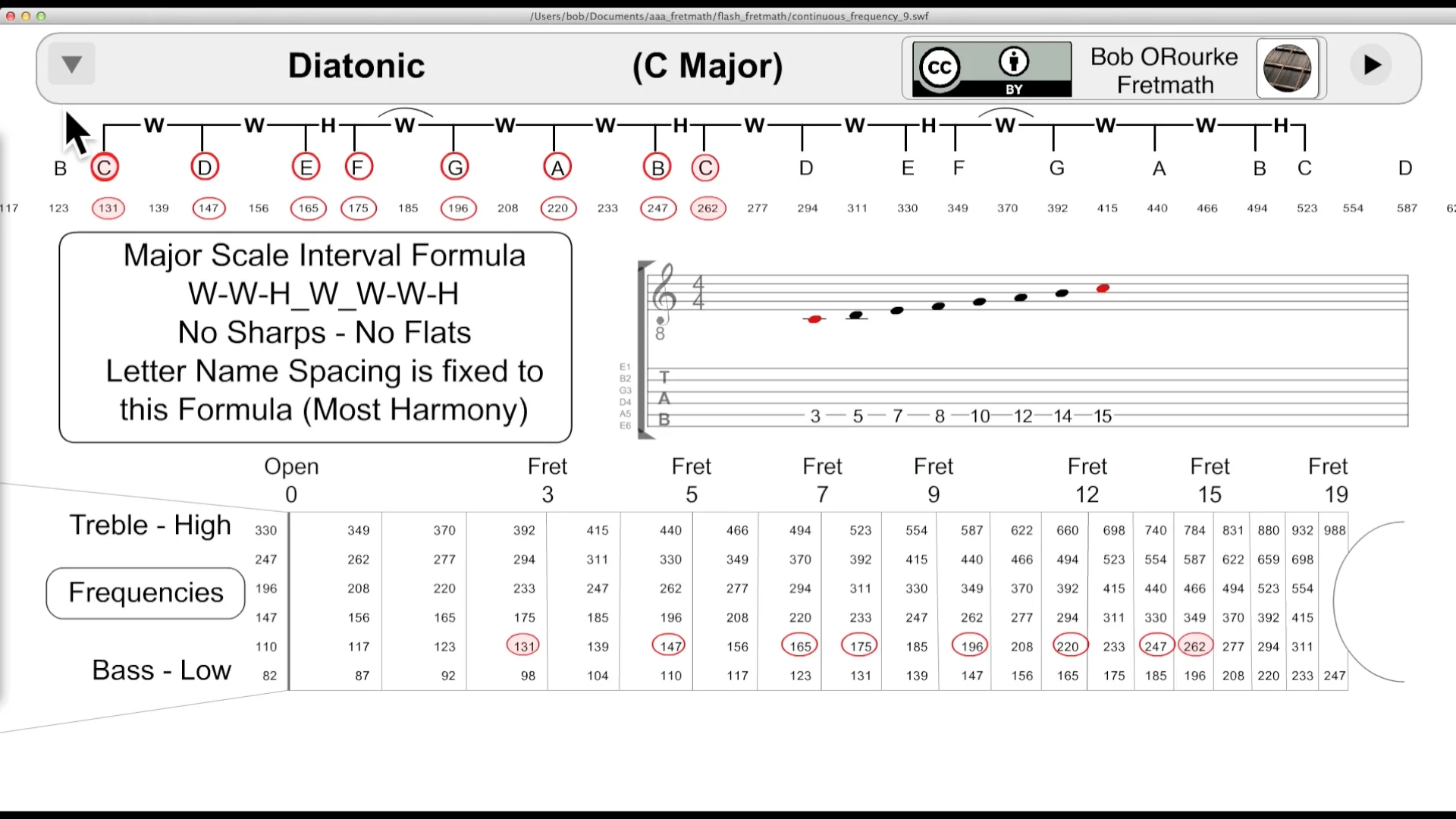
Many beginners view music theory with a mix of awe and dread, like it's some mystical language only accessible to the musically elite. In reality, theory is simply a tool that helps you understand how music works. Think of it as a map of the musical landscape - you can explore without one, but having it makes the journey much more efficient.
Finding the Right Balance
Theory should serve your music, not dominate it. Early in your journey, focus on practical applications rather than abstract concepts. Start with theory that directly enhances what you're currently playing.
Think of music theory like learning a language. You don't need to understand advanced grammar to have a basic conversation. Begin with the "survival phrases" of music: basic chord structures, common progressions, and rhythm patterns you encounter in your practice.
Create immediate connections between theory and practice. When learning a new theoretical concept, immediately apply it to a piece you know or want to learn. This practical application transforms theory from abstract knowledge into a useful tool.
Practical Application
Start with the building blocks that matter most for your instrument and style. For example, guitarists might begin with chord construction and progressions, while melodic instrument players might focus on scales and intervals.
Theory becomes fascinating when you discover how it explains why certain music moves you. Notice how a particular chord progression creates tension and release, or how a melody uses specific scale patterns to create emotion. These insights deepen your appreciation and accelerate learning new pieces.
Beyond The Basics
As you progress, theory reveals shortcuts and connections that make learning new music easier. Understanding common chord progressions means you can often predict what comes next in a song. Recognizing scale patterns helps you improvise and create your own music.
Working with Teachers

While self-learning has become increasingly viable with online resources, there's still immense value in working with a skilled teacher. Understanding when and how to leverage professional guidance can dramatically accelerate your musical development and help avoid common pitfalls that often frustrate self-taught musicians.
When to Seek Professional Help
The right time to find a teacher varies for everyone, but certain signals suggest you'd benefit from professional guidance. Watch for these key indicators: struggling to break through a plateau, developing pain or discomfort while playing, or feeling uncertain about proper technique.
Early guidance can be particularly valuable. While many successful musicians start self-taught, having a teacher establish proper fundamentals helps avoid developing bad habits that could take years to correct. Think of it as an investment in your long-term development.
Choosing the Right Mentor
Finding the right teacher is like finding a good training partner - technical expertise matters, but personal compatibility is equally important. The best teacher for you isn't necessarily the most accomplished performer or the most expensive option.
Look for someone who understands your goals and learning style. A great teacher adapts their approach to match your needs, rather than forcing you into a rigid learning system. They should challenge you while maintaining your enthusiasm for learning.
Making Lessons Count
Maximize the value of professional instruction by coming prepared. Record your practice sessions and note specific questions or challenges. Share your goals and preferences openly - a good teacher will incorporate these into their teaching strategy.
Between lessons, focus on implementing your teacher's suggestions exactly as prescribed. If something isn't working, make notes and bring it up in your next lesson. Remember, even the best teacher can't help if you're not practicing effectively between sessions.
Beyond Traditional Lessons
Consider supplementing one-on-one instruction with other learning formats. Master classes, group workshops, and specialized clinics offer unique perspectives and learning opportunities. These varied experiences build a more rounded musical education and can help you discover different approaches to your instrument.
The Multi-Instrument Journey

Once you've gained proficiency in one instrument, you might feel drawn to explore another. This musical expansion isn't just possible - it can actually accelerate your overall musical development. Understanding how musical skills transfer and complement each other opens up exciting possibilities for your musical journey.
Transfer of Skills
Musical knowledge is remarkably transferable. When you learn a second instrument, you're not starting from zero - you're building on a foundation of musical understanding. Your sense of rhythm, understanding of melody, and knowledge of music theory all carry over.
The brain creates neural pathways during musical learning that benefit any instrument you pick up subsequently. For example, if you started with piano, you already understand scales, chord structures, and reading music - skills that translate directly to other instruments.
Strategic Instrument Selection
Choose complementary instruments that enhance your overall musicianship. Understanding how instruments work together deepens your appreciation for music arrangement and composition. For instance, learning bass after guitar helps you understand groove and rhythm from a new perspective.
Consider these natural pairings: - Piano and guitar (both harmonic instruments that work well for accompaniment) - Bass and drums (rhythm section instruments that lock together) - Wind instruments and voice (both rely on breath control and single-note melody)
Managing Multiple Instruments
Success with multiple instruments requires strategic time management. Rather than dividing your practice time equally, consider focusing primarily on one instrument while maintaining skills on others. This approach prevents overwhelm and ensures steady progress.
Develop a rotation system that works for you. Some musicians dedicate different days to different instruments, while others might focus on one instrument per month while doing maintenance practice on others.
Advanced Considerations
Understanding multiple instruments shapes how you hear and create music. Composers and arrangers often play several instruments because it gives them intimate knowledge of each instrument's capabilities and limitations.
The Reading Music Debate
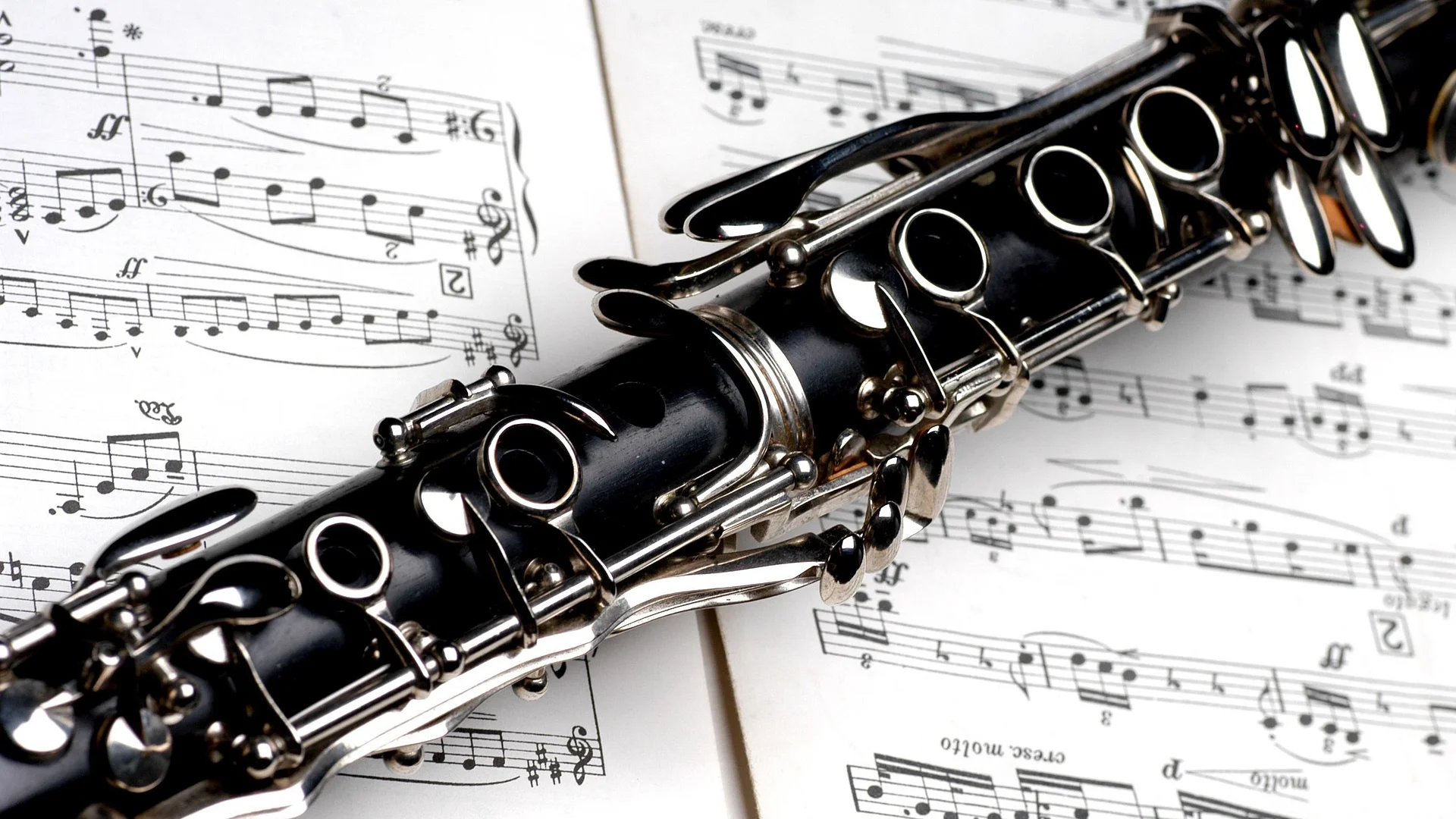
The ability to read music often sparks heated debates in the musical community. While some consider it essential, others point to legendary musicians like The Beatles, Jimi Hendrix, and Eric Clapton who created timeless music without reading traditional notation. Let's explore this nuanced topic to help you make an informed decision about its role in your musical journey.
Traditional Music Notation
Reading music isn't just about notes on a page - it's a sophisticated system for communicating musical ideas. Traditional notation conveys pitch, rhythm, dynamics, tempo, and expression with remarkable precision. This universal language allows musicians from different backgrounds to collaborate instantly, making it invaluable in certain contexts. Think of it as a common tongue that bridges cultural and stylistic gaps in the musical world.
The Essential Nature of Reading
In certain musical paths, the ability to read music isn't just helpful - it's practically mandatory. Classical musicians performing complex orchestral pieces need to interpret scores accurately and quickly. Session musicians, who might encounter new material daily, rely on their sight-reading abilities to maintain professional efficiency. Music educators and composers particularly benefit from fluency in musical notation, as it enables them to communicate ideas precisely and teach effectively.
Thriving Without Traditional Notation
Conversely, many groundbreaking musicians have achieved mastery without reading traditional notation. Their success often stems from exceptional ear training, intuitive understanding of music, and alternative learning methods. In genres like rock, blues, and folk music, many artists prioritize emotional expression and innovative sound over traditional notation skills. They often develop sophisticated systems of their own for remembering and communicating musical ideas.
Modern Approaches and Alternatives
The digital age has introduced new ways of understanding and creating music. Contemporary musicians often navigate between traditional notation and modern tools, using what best serves their needs. Digital audio workstations present music visually in ways that can be more intuitive for modern composers. Guitar tablature has evolved into a sophisticated system that many string players prefer for its directness and practicality.
Finding Your Path
The most practical approach often lies in understanding your specific musical goals and chosen genre's demands. A jazz pianist might benefit more from understanding chord charts and lead sheets than from mastering complex classical notation. Similarly, a songwriter might find that basic notation skills complement their natural ear for melody and harmony.
Consider your musical aspirations carefully. If you plan to explore multiple genres, collaborate with various musicians, or study music formally, having at least a basic understanding of reading music can open many doors. However, don't let a lack of reading ability hold you back from making music - many successful musicians combine limited reading skills with other strong musical abilities.
The key is to approach music reading as a tool rather than a requirement. Let your musical goals and interests guide your decision about how deeply to delve into traditional notation. Remember, music is ultimately about expression and communication - whether that happens through written notes or by ear is secondary to the music you create.
Instrument-Specific Success Strategies

Every instrument presents unique challenges and opportunities. While fundamental musical concepts remain constant, the path to mastery varies significantly depending on your chosen instrument. Let's explore specific strategies for the most popular instruments to help you overcome common hurdles and accelerate your progress.
Piano and Keyboard
The piano offers an excellent visual representation of music theory, making it an ideal first instrument. However, it comes with its own set of challenges.
Focus Areas:
- Hand independence is crucial. Start with simple exercises where each hand plays different patterns
- Proper finger positioning and hand posture prevent strain and enable speed
- Pedal technique - many beginners either overuse or completely ignore the pedals
- Reading both treble and bass clefs simultaneously
Common Pitfalls:
- Relying too heavily on one hand (usually the right)
- Poor posture leading to wrist strain
- Rushing into complex pieces before mastering basic hand coordination
Guitar and Bass
These string instruments require developing finger strength and dexterity, along with a good ear for tuning.
Guitar Specifics:
- Focus on clean chord transitions before building speed
- Develop calluses gradually to avoid finger pain
- Master rhythm patterns with simple chords before complex lead playing
Check out our guide on the best Guitar Lesson Websites and Apps.
Bass Essentials:
- Lock in with the drums - timing is everything
- Focus on note duration and consistency
- Develop finger alternation techniques early
- Learn to play with both fingers and picks
Drums and Percussion
Rhythm is the foundation of all music, and drums require a unique combination of physical coordination and timing precision.
Core Focus:
- Start with basic time-keeping before complex patterns
- Develop independence between limbs gradually
- Master dynamic control - playing quietly is often harder than playing loud
- Learn to feel subdivisions internally
Common Challenges:
- Rushing or dragging tempo
- Uneven volume between hands
- Over-complicating fills while losing the basic groove
- Poor posture leading to back strain
Woodwinds (Flute, Clarinet, Saxophone)
Wind instruments demand excellent breath control and embouchure development.
Essential Skills:
- Proper breathing techniques form the foundation
- Long tones for developing tone quality
- Finger coordination without looking at hands
- Reed maintenance and selection (for reed instruments)
Key Considerations:
- Start with breath control exercises before playing notes
- Focus on consistent tone production across all registers
- Regular practice with tuner for pitch accuracy
- Proper posture for optimal breathing
Brass Instruments
Brass instruments present unique challenges in embouchure development and stamina building.
Critical Elements:
- Build endurance gradually to avoid strain
- Focus on clean attacks and releases
- Develop flexibility across registers
- Regular buzzing practice with mouthpiece alone
Primary Challenges:
- Avoiding excessive pressure against the lips
- Maintaining consistent tone across dynamic ranges
- Building stamina without developing bad habits
- Understanding the role of air speed versus pressure
Strings (Violin, Viola, Cello)
String instruments require exceptional attention to pitch accuracy and bow control. These instruments often feel the least natural to begin with, but offer incredible expressive potential.
Essential Focus Areas:
- Proper bow hold and movement is crucial - most tone issues stem from bow technique
- Left-hand finger placement and intonation
- Posture affects everything - especially neck and shoulder position
- Developing vibrato gradually and naturally
Common Challenges:
- Inconsistent bow pressure and speed
- Tension in neck and shoulders
- Intonation accuracy across positions
- Creating clean string crossings
Voice
Your voice is uniquely personal, making it both the most natural and most challenging instrument to master objectively.
Core Techniques:
- Breath support and control
- Pitch accuracy and ear training
- Register transitions (bridging the break)
- Resonance and placement awareness
Key Considerations:
- Regular recording and listening is crucial
- Protecting vocal health through proper technique
- Understanding your voice type and limitations
- Developing a reliable warm-up routine
Voice-Specific Challenges:
- Overcoming self-consciousness
- Maintaining pitch without instrumental reference
- Managing register transitions
- Building stamina without strain
Conclusion
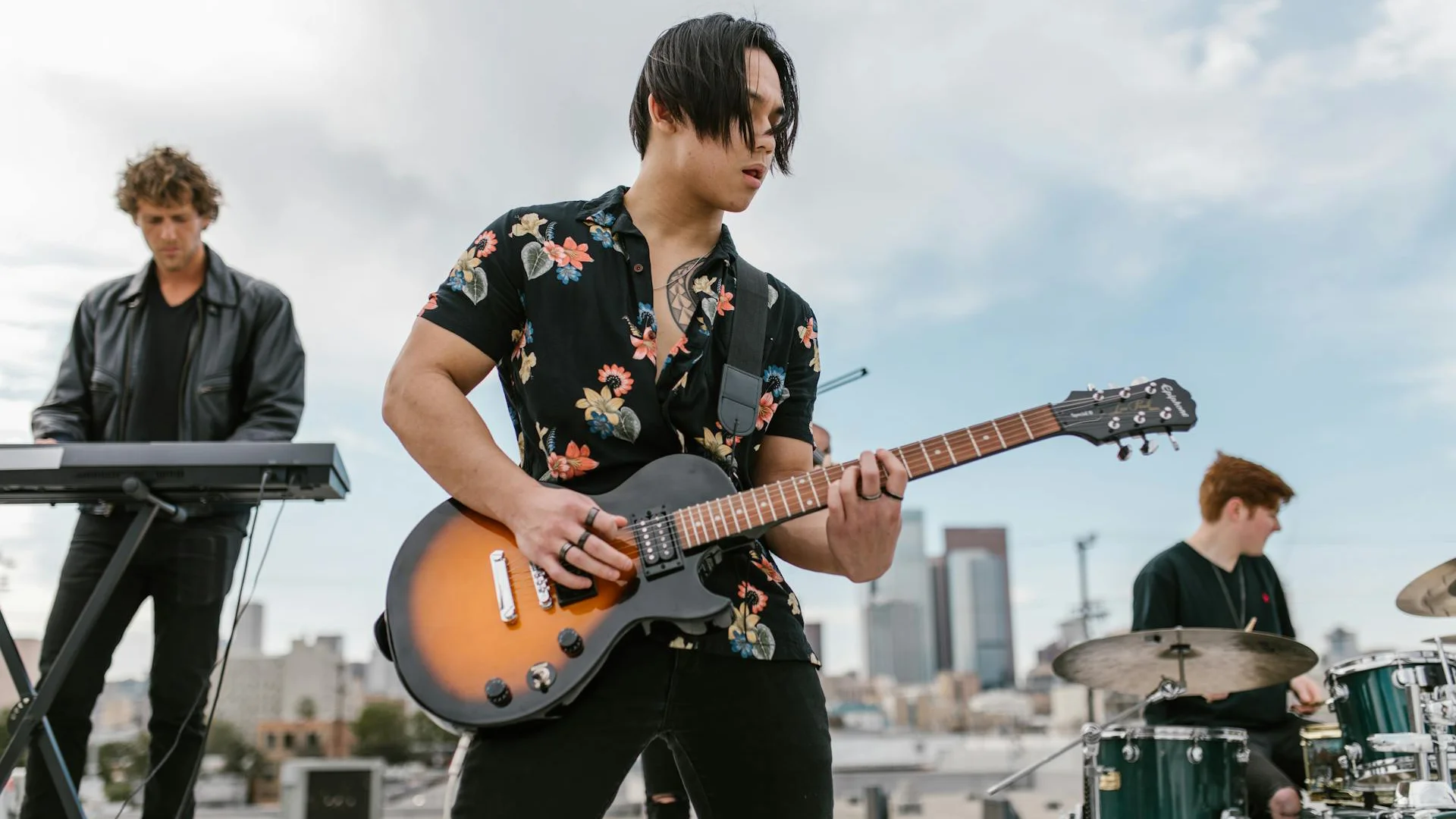
The journey of learning a musical instrument is one of the most rewarding endeavors you can undertake. Whether you're picking up your first instrument or adding another to your repertoire, remember that every accomplished musician started exactly where you are now.
The key to success lies not in natural talent, but in consistent, intelligent practice combined with the right mindset. The methods and strategies we've explored aren't just theoretical concepts - they're proven approaches that have helped countless musicians develop their skills and find their unique voice.
Remember that progress isn't always linear. There will be days when everything flows naturally and others when even simple pieces feel challenging. This is not just normal - it's an essential part of the learning process. Each plateau is merely a foundation for your next breakthrough.
Some crucial takeaways to keep in mind: - Start with proper fundamentals - they're your foundation for everything that follows - Embrace structured practice while leaving room for creative exploration - Use recordings to track your progress - you're improving more than you realize - Connect with other musicians - they're your best source of inspiration and support - Remember that music theory supports creativity rather than constraining it - Be patient with yourself while maintaining consistent practice
Most importantly, never lose sight of why you started this journey. Whether your goal is to perform professionally, play with friends, or simply enjoy making music for yourself, that initial spark of inspiration can sustain you through the challenges of learning.
Now, take what you've learned here and apply it to your very next practice session. Your future musical self will thank you for starting this journey with intention and purpose.
About the authors

S. Jino is an accomplished multi-instrumentalist and music producer based in Kolkata, India, distinguished by his self-taught mastery and unique blend of technical acumen and musical performance. His extensive experience was forged through hands-on dedication, starting with the full restoration of a broken guitar. Jino's capabilities span keyboards, pedals, and advanced digital production, reflecting a comprehensive skill set developed independently. As a significant contributor to the music scene, Jino regularly performs with worship bands and college ensembles. He has also established himself as a reliable and authoritative professional in freelance mixing, mastering, and original music creation. Inspired by the innovative sounds of Brian May and David Gilmour, and influenced by Kolkata's vibrant metal community, Jino is committed to the intricate art of vintage gear restoration and the continuous exploration of music and technology fusion. His current professional setup, featuring a meticulously restored nameless guitar, a Fender Player Strat, and a Boss Katana 50. Read more
Comments
Sign Up or Log In to add comments

45
This is a fantastic and incredibly thorough guide on how to learn an instrument. The points on "Mastering the Fundamentals" and "Mental Practice" are especially crucial.
As a Tabla educator at Tablatheka.com, I've found that the rhythmic aspect of practice is a powerful tool for developing this exact kind of mental discipline. The Indian system of 'Tala' is essentially a deep form of mental practice that trains the brain for focus and pattern recognition.
Thank you for creating such a high-quality resource for all aspiring musicians!