Table of Contents

Equipboard
Equipboard is the world's largest community of artists and their gear. Read our review process.
We are reader-supported. When you buy through links on our site, we may earn an affiliate commission. Learn more.
Have you ever noticed how some guitar amp cabinets seem to fill the entire room with sound while others hit you with laser-focused precision? This difference arises because of a design choice that many guitarists overlook: the back panel of their amplifier
The back panel of a guitar amplifier cabinet, or sometimes the intentional lack thereof, shapes your tone in ways that many guitarists overlook. From the three-dimensional warmth of classic Fender combos to the laser-focused punch of Marshall stacks, this fundamental design choice has been quietly influencing iconic guitar tones for decades.
Think of it like this: An open back amp is like an acoustic guitar, projecting sound in multiple directions to create a natural, room-filling presence. A closed back design is more like a megaphone, focusing all that sonic energy forward with purpose and precision. Neither approach is universally "better" - each serves different musical needs and playing situations.

Whether you're searching for vintage warmth, modern high-gain precision, or just trying to understand why your amp sounds the way it does, the story of open versus closed back design reveals how this seemingly simple choice shapes everything from practice room sessions to stadium-filling tones.
What Are Open and Closed Back Amplifiers?
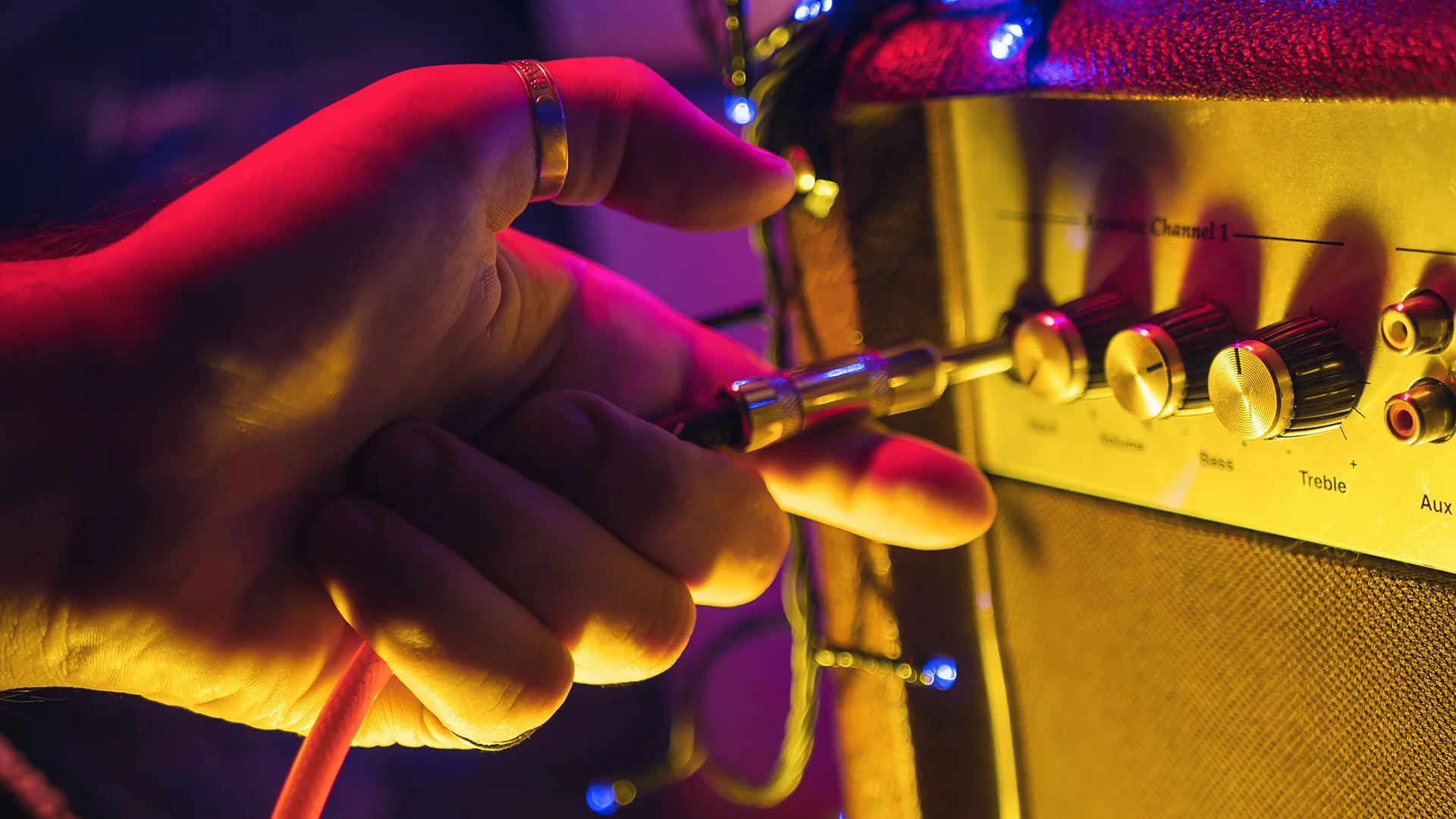
Before diving into the specifics, let's understand how these two designs fundamentally differ in their approach to sound projection. The distinction goes beyond just having a panel on the back - it's about how each design shapes your guitar's voice.
Open Back Amplifiers
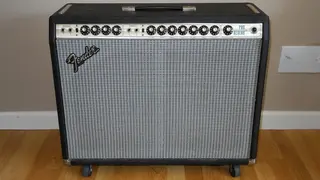
An open back amplifier features an exposed rear section that allows sound to escape both from the front and back of the speaker. This design became iconic through classic combo amps like the Fender Twin Reverb and Deluxe Reverb. Think of it like having a speaker that breathes from both sides, creating a more expansive sound field.
Closed Back Amplifiers
Closed back amplifiers take a different approach with their fully sealed rear panel. This design directs all the sound forward through the speaker, creating a more focused projection. This approach gained massive popularity through the British invasion of the 1960s and has remained a staple for rock guitarists ever since. The sealed cabinet essentially acts as an acoustic chamber, fundamentally altering how the speaker moves and how bass frequencies resonate.
Physical Design Impact
The difference between these designs isn't just about where the sound comes out. The enclosure type significantly influences how the speaker moves and interacts with air pressure. In open back designs, the speaker can move more freely, while closed backs create more resistance against the speaker's movement.
Tone and Sound Characteristics
The differences extend far beyond simple sound projection, affecting everything from note clarity to low-end response.
Open Back Sound Profile
Open back amplifiers produce a distinct sound that many players describe as three-dimensional. The bidirectional sound projection creates a natural room ambiance that's particularly noticeable when playing clean or lightly overdriven tones. The bass response tends to be looser and less focused, while the midrange stays open and articulate. High frequencies disperse more evenly, creating an airy quality that's perfect for intricate chord work and subtle dynamic playing.
Closed Back Sound Profile
In contrast, closed back designs excel at creating a focused, powerful sound. The sealed enclosure produces a tighter low-end response with more pronounced bass, making these amps popular for high-gain and heavy rhythm playing. The forward-projected sound cuts through dense mixes more effectively, while the increased cabinet resonance adds a characteristic punch to palm-muted notes. The midrange tends to be more aggressive, with a slight scoop in the upper mids that many rock and metal players prefer.
Genre Suitability
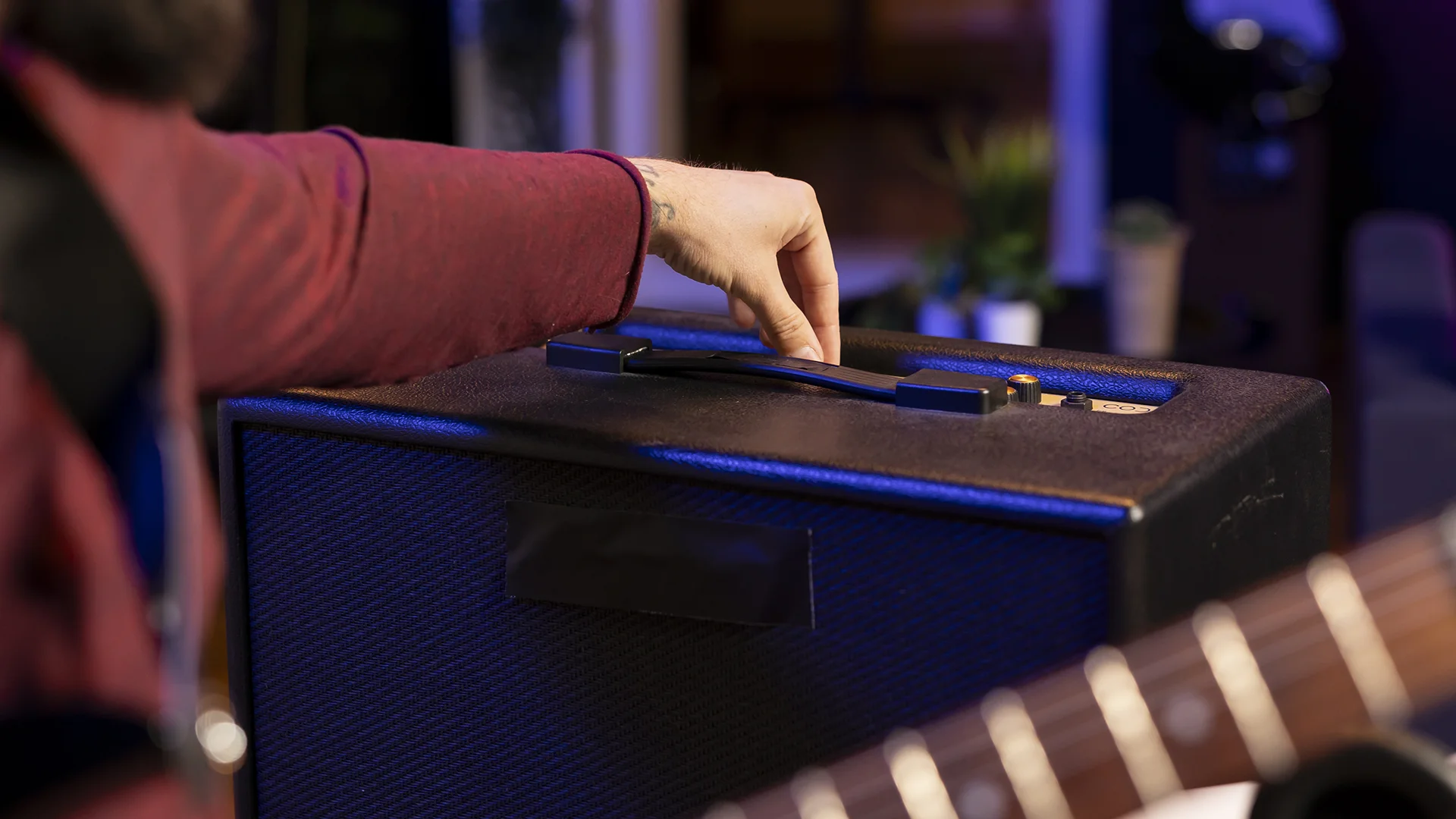
The choice between open and closed back amplifiers does have an effect on how well your tone suits different musical styles. Let's explore how each design complements specific genres.
Blues
Open back amplifiers have become almost synonymous with classic blues tones. Their natural compression and room interaction create the perfect platform for expressive playing dynamics. When pushed into overdrive, open backs produce that sweet spot where notes bloom and sustain naturally. The scattered reflection pattern adds dimension to slow, emotional phrases, while maintaining clarity for quick runs and double-stops. Closed backs can still excel for modern blues-rock, particularly when more aggressive tones are needed.
Jazz
Jazz guitarists traditionally gravitate toward open back designs for several reasons. The multidirectional sound projection creates a more organic spread that sits naturally in acoustic ensembles. The characteristic warmth and softer attack help achieve that classic 'round' jazz tone. The reduced bass emphasis of open backs prevents muddy low-end buildup when playing complex chord voicings. However, some fusion players prefer closed backs for their tighter response and enhanced projection in louder settings.
Country
Country music benefits from both designs, depending on the specific style. Traditional country players often prefer open backs for their twangy clean tones and natural ambiance. The airy top end helps chicken pickin' and hybrid picking techniques cut through the mix. Modern country rock players might lean toward closed backs, particularly when switching between clean and heavily overdriven tones. The focused projection helps maintain clarity during quick transitions between different gain stages.
Rock
Rock music's relationship with closed back designs runs deep. The tight low-end response and focused projection cut through dense mixes effectively. Modern rock particularly benefits from the controlled bass response when using down-tuned guitars. Drop tunings retain their definition without becoming muddy or losing impact. However, some classic rock and indie players prefer open backs for their more organic overdrive characteristics and room-filling presence.
Metal
Metal virtually demands closed back designs in most cases. The genre's emphasis on precise rhythm playing and high-gain tones benefits from the controlled low-end response and focused projection. Palm-muted riffs stay tight and punchy, while lead lines cut through with authority. The reduced dispersion pattern helps maintain clarity even with extreme gain settings. Progressive metal players might occasionally employ open backs for clean passages, but closed backs remain the standard for heavy styles.
Alternative/Indie
These genres often take advantage of both designs for different applications. Open backs excel at creating atmospheric clean tones and natural-sounding overdrive for indie rock. Shoegaze and ambient players particularly benefit from the way open backs interact with effect pedals. Closed backs come into play for more aggressive alternative styles where precise control over feedback and tighter low-end are needed.
Practical Considerations and Performance Settings
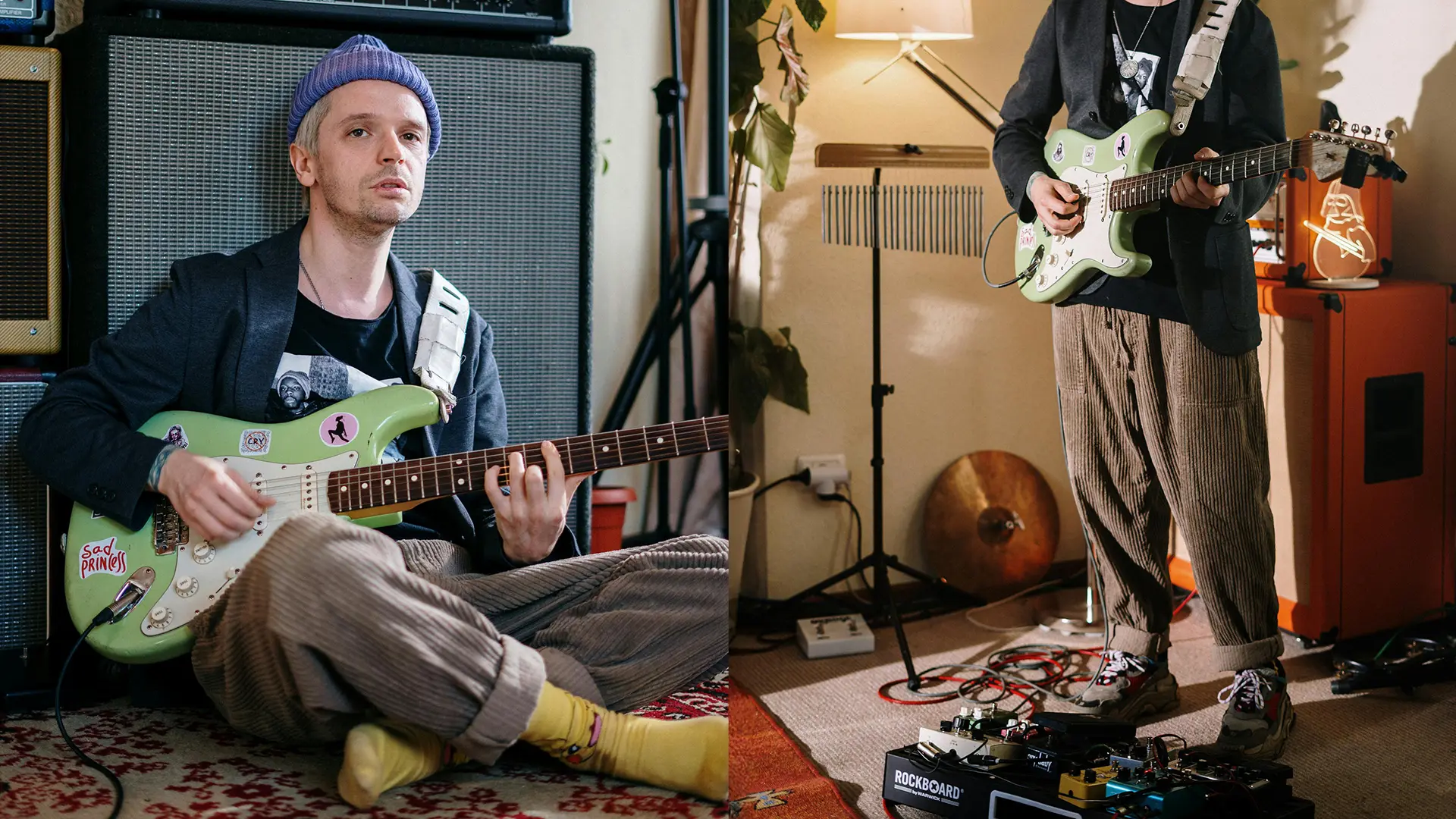
The choice between open and closed back amplifiers extends beyond just tone. Real-world usage scenarios and practical considerations play a crucial role in making the right decision for your needs.
Stage Performance
In live settings, each design offers distinct advantages. Open back amplifiers create a more ambient sound that works particularly well in smaller venues. The wide dispersion pattern helps fill the room naturally, making it easier for both you and your audience to hear. However, this can become challenging in larger venues where more focused projection is needed.
Closed back amplifiers provide excellent directional control over your sound. Their focused projection makes them ideal for larger stages and situations where you need to cut through a dense mix. The contained sound also makes it easier for sound engineers to manage your stage volume and create a balanced front-of-house mix.
Recording Applications
In the studio, both designs have their place. Open back amps tend to interact more with the room, creating natural ambiance that can be captured with room microphones. This characteristic makes them popular for recording situations where you want to capture a more organic, three-dimensional sound.
Space and Portability
Room size and mobility requirements often influence the choice between designs. Open back combos typically offer a lighter, more portable solution, making them popular among gigging musicians who need to transport their own gear.
Famous Guitarists and Their Amp Choices
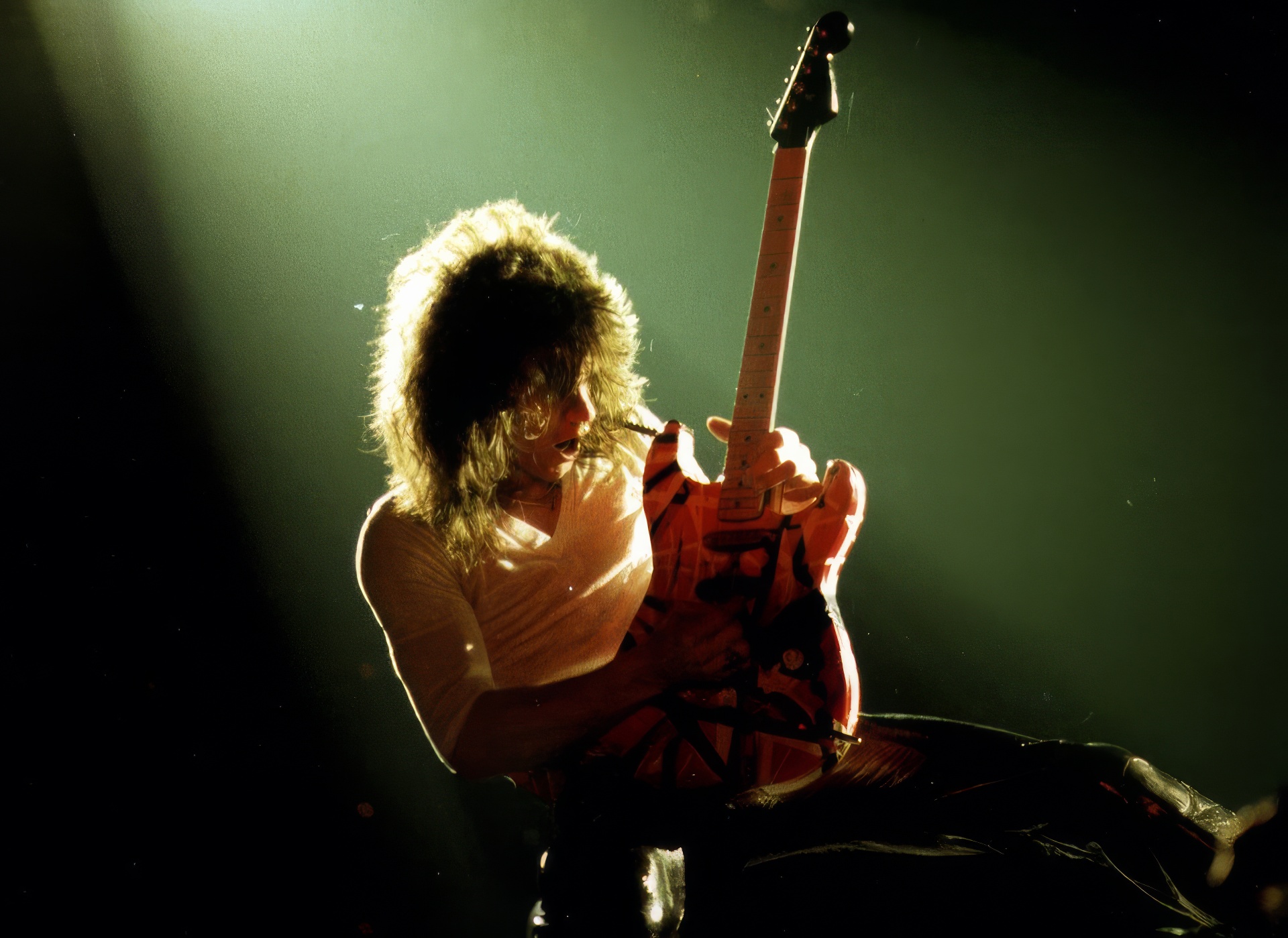
The evolution of guitar tone has been significantly shaped by players who understood how cabinet design could enhance their musical expression. Their choices and experiences provide valuable real-world insights into the practical applications of these different designs.
Open Back Champions
Eric Clapton's legendary work with the Bluesbreakers showcased the magical interaction between open back combos and overdriven tubes. His famous "woman tone" came from pushing Fender Twin Reverbs to their sweet spot, where the open back design allowed the speakers to breathe and create that distinctive room-filling warmth. Beyond just equipment choice, Clapton's technique of standing at specific distances from his amp demonstrated his deep understanding of how open backs disperse sound.
Stevie Ray Vaughan's massive Texas blues tone relied heavily on his beloved Fender Vibroverb's open back design. The way he positioned his amp on stage, slightly angled up, maximized the interaction between the front and back wave projections. This setup created his signature "wall of sound" effect, particularly evident on tracks like "Texas Flood" where the amp's natural room interaction adds dimensional depth to his playing.
Closed Back Innovators
Eddie Van Halen's journey with closed back designs helped define modern rock tone. His early experiments with Marshall Plexis through closed back cabinets established the template for high-gain guitar. The tight low-end response of his closed back setup was crucial for maintaining clarity in his complex passages and harmonic techniques. His famous "brown sound" relied heavily on how closed back cabinets compressed and focused the midrange frequencies.
James Hetfield's rhythm work with Metallica demonstrates the ultimate application of closed back design principles. His Mesa/Boogie rigs, particularly during the "Black Album" era, showcased how closed backs excel at delivering sharp attack and precise palm-muted rhythms. The controlled bass response of his closed back setup became a cornerstone of modern metal rhythm playing, allowing for clarity even with heavily down-tuned guitars.
Modern Hybrid Approaches
Today's players often take a more nuanced approach, combining both designs for maximum tonal flexibility. John Mayer's stage setup frequently includes both Dumble-style combos with open backs for clean tones and closed back cabinets for higher gain sounds. This hybrid approach allows him to access both the breathiness of open backs and the punch of closed designs.
Josh Homme of Queens of the Stone Age has built his distinctive sound around strategic amp placement, using multiple cabinets of different designs. His desert rock tone combines the room-filling qualities of open backs with the focused punch of closed cabinets, creating a massive wall of sound that maintains clarity even in complex mix situations.
Choosing the Right Amp for Your Needs
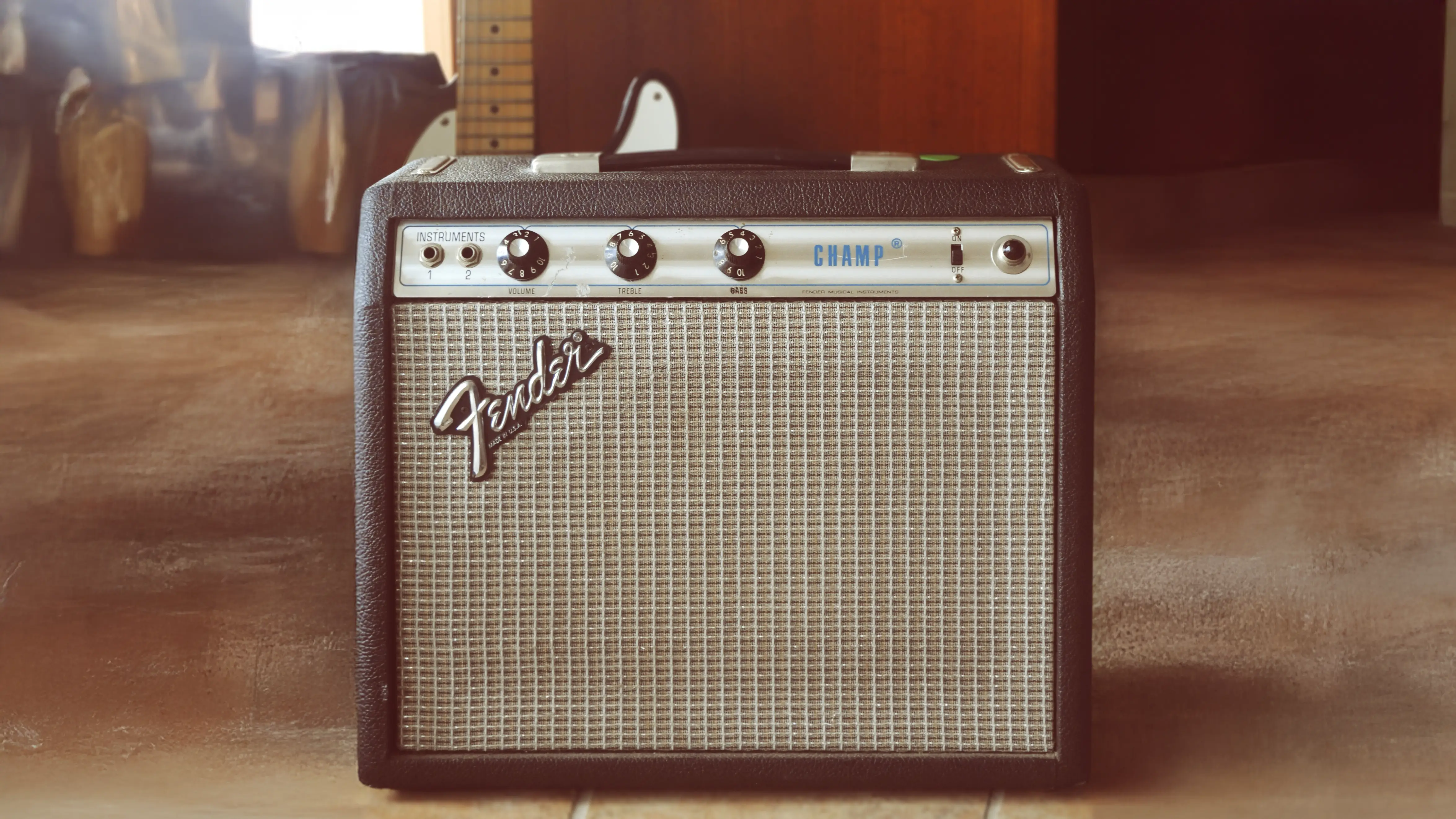
Understanding the characteristics of each design is important, but applying this knowledge to your specific situation requires careful consideration of several factors. Your choice can significantly impact both your tone and playing experience.
Playing Environment
The space where you'll primarily use your amp plays a crucial role in your decision. Small room acoustics often complement open back designs, making them ideal for home practice and intimate venues. Their natural sound dispersion creates a comfortable listening experience at lower volumes. In contrast, closed back designs can be overwhelming in small spaces but excel in larger venues where focused projection is necessary.
Musical Context
Your band situation and musical style should heavily influence your choice. Open back amps work exceptionally well in sparse arrangements where tonal clarity and note definition are paramount. Jazz combos and blues trios often benefit from the natural room interaction these amps provide. For heavier styles, particularly those involving multiple guitarists or dense arrangements, closed back designs help maintain your sonic space in the mix through their focused projection and tighter low end.
Technical Requirements
Consider your specific technical needs. If you frequently use effects pedals, open back amps generally provide a more transparent platform for time-based effects like reverb and delay. Their natural dispersion complements ambient effects particularly well. For high-gain players, closed back designs offer better feedback control at high volumes and maintain tightness when using significant amounts of distortion.
Practical Factors
Think about the logistics of your playing situation. Gigging musicians who transport their own gear might prefer the typically lighter weight of open back combos. Studio players often value the flexibility of having both options available, as each design offers unique recording characteristics. Consider whether you need the ability to isolate your sound on stage, as closed back designs offer better control over stage volume and bleed.
Frequently Asked Questions
What's the biggest difference in sound between open and closed back amps?
An open back amp creates a more spacious, room-filling sound since it projects sound both forward and backward. Closed back amps focus the sound forward, delivering tighter bass response and more focused projection. This makes closed backs generally punchier while open backs sound more ambient and three-dimensional.
Will an open back amp be too loud for home practice?
Actually, open back amps often work better for home practice. Their diffused sound projection creates a more natural room-filling effect at lower volumes. Closed back amps can sometimes feel more overwhelming in small spaces due to their focused projection, though they offer better sound isolation for apartment dwellers.
How do different amp designs affect microphone placement when recording?
Open back amps require different mic techniques since they project sound from both front and rear. Many engineers place one mic in front and another behind the amp to capture the full sound. Closed back amps are more straightforward to record since all sound projects forward, typically requiring just one mic positioned in front of the speaker.
Can I add a removable back panel to convert between open and closed?
While it's technically possible on some amps, it's not recommended unless the manufacturer specifically designs for this. The cabinet and speaker are typically voiced for a specific configuration, and modifying this can result in unexpected changes to tone and performance.
Which design is better for playing with a band?
Closed back amps typically work better in full band situations, especially at higher volumes. Their focused projection helps cut through the mix and provides better onstage monitoring. Open backs can work well in quieter band settings but may struggle to compete with loud drums and bass.
Do pedals sound different through open versus closed back amps?
Yes, particularly time-based effects like reverb and delay. Open back amps tend to create more natural ambiance, which can enhance these effects. Closed backs provide a more controlled environment for effects, which can be beneficial for high-gain and heavily processed tones.
Related Gear and Resources
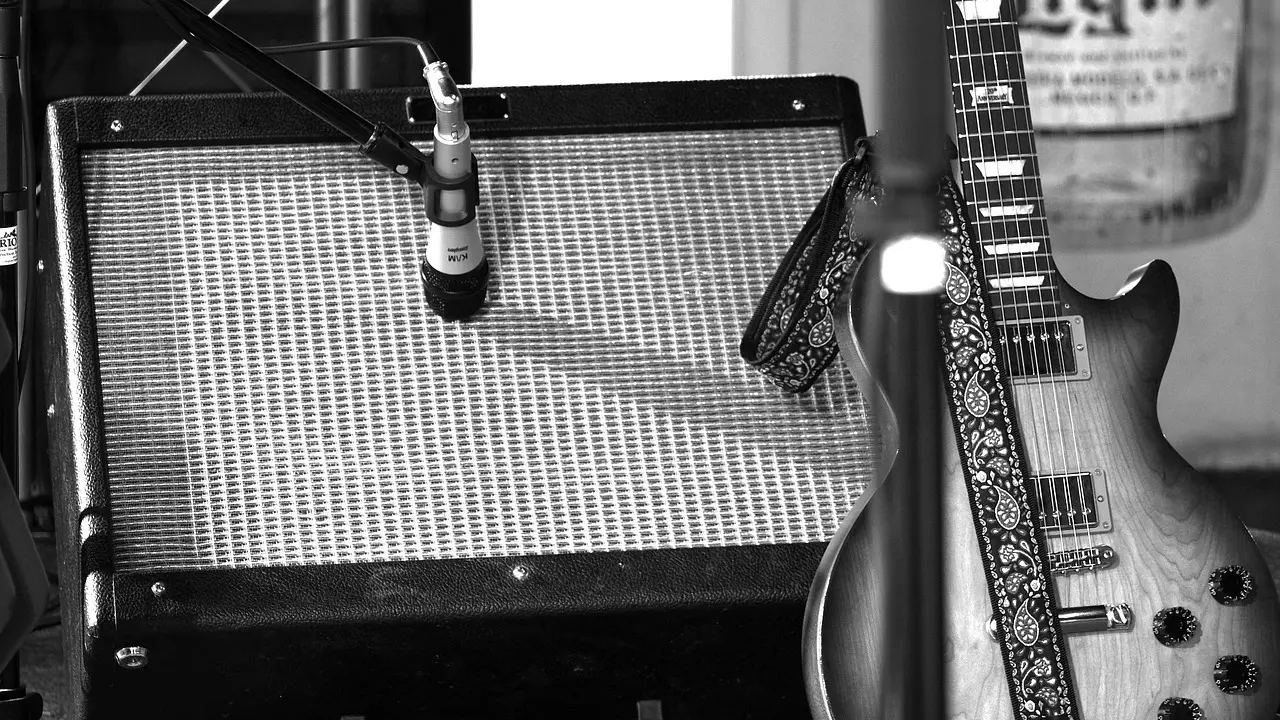
The performance of both open and closed back amplifiers can be significantly enhanced with the right supporting equipment. These accessories can help you optimize your tone and solve common practical challenges associated with each design.
Speaker Stands and Isolation
Proper amp positioning dramatically affects how both designs interact with your room. Quality speaker stands help elevate your amp to optimal height, particularly important for open back designs where back-projected sound needs space to develop. Isolation platforms can reduce unwanted resonance, especially beneficial for closed back amps in studio settings.
Microphones and Recording Equipment
Different amp designs often require specific microphone approaches. Dynamic mics like the SM57 remain industry standards for both designs, but open back amps often benefit from additional room microphones to capture their full sound character. Room treatments and portable isolation shields can help control reflections when recording either design, particularly useful for open backs in problematic spaces.
Extension Cabinets
Adding an extension cabinet can expand the capabilities of both designs. For open back combo amps, a closed back extension cab can add focused low-end punch when needed. Similarly, closed back amps can benefit from an open back extension for situations requiring more ambient sound dispersion. This hybrid approach offers maximum versatility for different playing scenarios.
Control and Switching
Quality footswitches and controllers enhance the functionality of modern amps regardless of design. Many of the amps we've reviewed offer extensive switching options for channels, effects, and other features. MIDI controllers can expand these capabilities further, particularly useful for more advanced digital modeling amps.
Conclusion
The choice between open and closed back amplifiers ultimately comes down to your specific needs, playing style, and musical context. Neither design is inherently superior - each offers distinct advantages that can enhance different aspects of your playing and tone.
Open back designs excel in creating natural, room-filling sound that's particularly suited to clean and moderate-gain tones. Their three-dimensional sound projection makes them excellent choices for practice, recording, and smaller venues where natural ambiance is desired. From blues to country, jazz to indie rock, these amps have helped shape countless classic recordings and performances.
Closed back configurations offer focused projection and tighter low-end response that's invaluable for high-gain applications and larger venues. Their controlled sound dispersion and enhanced bass response make them particularly effective for modern rock and metal, where precise attack and powerful projection are essential. The focused nature of closed back designs also offers practical advantages for stage monitoring and recording situations where isolation is crucial.
Consider your primary playing environment, musical style, and practical needs when making your choice. A bedroom player focusing on clean tones might find an open back design more pleasing, while a guitarist in a loud rock band might benefit from the focused punch of a closed back. Many experienced players eventually incorporate both designs into their setups, using each one's strengths for different musical situations.
Remember that these design characteristics are just one part of your overall tone. Your choice of guitar, pickups, effects, and playing style all contribute to your final sound. Understanding how different amp designs interact with these elements will help you make an informed decision that enhances your musical journey.
About the authors

S. Jino is an accomplished multi-instrumentalist and music producer based in Kolkata, India, distinguished by his self-taught mastery and unique blend of technical acumen and musical performance. His extensive experience was forged through hands-on dedication, starting with the full restoration of a broken guitar. Jino's capabilities span keyboards, pedals, and advanced digital production, reflecting a comprehensive skill set developed independently. As a significant contributor to the music scene, Jino regularly performs with worship bands and college ensembles. He has also established himself as a reliable and authoritative professional in freelance mixing, mastering, and original music creation. Inspired by the innovative sounds of Brian May and David Gilmour, and influenced by Kolkata's vibrant metal community, Jino is committed to the intricate art of vintage gear restoration and the continuous exploration of music and technology fusion. His current professional setup, featuring a meticulously restored nameless guitar, a Fender Player Strat, and a Boss Katana 50. Read more