.jpeg?v=1783110491)
Bob Dylan
Role
Genre
Role
Genre
Bob Dylan's Microphones


An M49 can be seen throughout many photos from the recording sessions of Highway 61 Revisited, including this one of Dylan. Its exact use is unknown, but this photo suggests that it was used as a vocal mic. Neither Dylan's guitar amplifier (which is facing away from the microphone) or his bass (the cable of which appears to run away from Dylan's station, far from the mic) are level with the M49. Yet, the M49's boom stand is set up in such a way that Dylan would only need to look up to sing into the mic.
The following is an excerpt from pg. 322 of Bob Dylan: All the Songs (The Story Behind Every Track) by Philippe Margotin & Jean-Michel Guesdon.
Out of the nine songs, only "Like a Rolling Stone" was produced by Tom Wilson. Aside from the arrival of Roy Halee (future producer of Simon & Garfunkel) as a new sound engineer, methods and recording equipment were nearly identical to those used for the album Bringing It All Back Home. However, a Neumann M49 mic appears in various photographs, though it is difficult to say which producer is responsible for this change—presumably Tom Wilson.
Find it on:


Here is the quote from the article:
"In addition to Thriller, the SM7 (now the SM7B) is a weapon of choice inside broadcast booths around the world and has fans in a number of recording artists, including Sheryl Crow, John Mayer, and according to Bob Dylan's engineer Chris Shaw (as quoted in Bob Dylan: All the Songs by Phillipe Margotin), the legend of folk's tone was perfect for this large-diaphragm dynamic."
Find it on:


According to producer Al Schmitt, a Telefunken U47 was used to record Dylan's vocals for Shadows in the Night.
“I used Capitol’s Neumann U47 on Bob’s vocals. It’s the very same microphone that was used on Frank Sinatra, Dean Martin and Nat King Cole. It’s a great–sounding microphone. Fortunately, because I work a lot at Capitol, I get to use it frequently, and I’ve had it on Paul McCartney and on Diana Krall and others. The mic was maybe nine or 10 inches away from Bob, with a windscreen. Pops and esses were no problem. I used the Neve 1073 mic pres in the old Neve desk at Capitol on all the mics. It has an amazing sound, with lots of punch and warmth. So Bob’s 47 went through that. The only compression I used on the entire album was on Bob’s voice, a tiny bit of an old mono Fairchild. I barely touched it, I used it mainly for the tube sound. It just added some warmth. On the desk I also mixed in some of Capitol’s live chamber number four on his voice.
Despite Schmitt's mention of Neumann, Sinatra's U47 is famous for bearing the Telefunken brand.
Find it on:


In this article, Shaw, Bob Dylan's sound engineer, says, "The large-diaphragm condenser microphones that most people use on vocals would just be too sweet on Bob’s voice, and he’s also a surprisingly loud singer, so a dynamic responds better to that. A dynamic microphone is also good for Bob because his vocal sound is formed closer to his mouth than his throat. The SM7 captures the explosiveness of his singing better than, say, a [Telefunken] 251 might.”
Find it on:
-m.webp?v=1783230248)
Among the microphones that Bob Dylan's sound engineer has used for recording Dylan's drums is a Neumann U87, as stated in this article.
Find it on:

Used during Dylan's September 27, 1997 performance at the World Eucharist Congress in Bologna, Italy. It is first visible in this video at 0:20.
Find it on:

Mentioned by producer Bob Johnston in this Mix Online article.
I always used three microphones on Dylan, 'cause his head spun around so much. I used a big [Neumann] U47 on him, same as I used on Johnny Cash later. I would put a baffle over the top of his guitar because he played while he sang lead vocals. I didn't use any EQ on the band, just set the mics up right to make each instrument sound the best it could. I used some EQ on Dylan's voice.
Johnston stated the same in this Sound on Sound "Classic Tracks" interview about the recording of "Sad Eyed Lady of the Lowlands".
"What I used on his vocals — and what I used on Johnny Cash, Patti Paige, Marty Robbins and many others — was a [Neumann] U47 microphone with a power pack,” Johnston explains. "It was the old one and nothing was better. I put a baffle over the top of Dylan's guitar so he could play while he sang, and I also used some EQ on his voice, but I never tried to change his sound. All I did was change sounds in terms of the mechanics. Whatever Dylan did — from Highway 61 through Blonde On Blonde, John Wesley Harding, Nashville Skyline, Self Portrait and New Morning — happened because he himself had changed. I never knew what he was going to sound like and I never cared. He was growing.”
Find it on:


-m.webp?v=1783230888)
"In 1971 George Harrison and Ravi Shankar held their famous Concert for Bangladesh at New York’s Madison Square Garden. The stage was positively bristling with MD421s, including all of the stars’ lead vocal mics (Eric Clapton, Ringo Star, George Harrison, Bob Dylan, Leon Russell and Billy Preston) Check out the video." -Martin Mitchell's Microphones.
Find it on:

Shaw, Dylan's sound engineer, uses a Neumann KM 84 mic on the snare, while recording Dylan's albums, according to this article by E-Musican.
Find it on:

Used to record the acoustic guitar on "Someday Baby", as mentioned by sound engineer Chris Shaw in this December 31, 2008 Electronic Musician article.
Bob Dylan won the GRAMMY Award for Best Solo Rock Vocal Performance in 2006 for the song “Someday Baby,” from the Modern Times LP, which itself garnered a GRAMMY for Best Contemporary Folk/American Album. Chris Shaw was looking for a dense, Muddy Waters-like sound for the track. He placed a Neumann KM 84 microphone on the bottom of a snare drum purposely selected for its “crappy” sound, with a Shure Bullet microphone on the top on a stand over the kick drum, and rounded the center of the kit off with a Shure SM57 on the rack tom. Dylan’s Gibson Everly Brothers model acoustic guitar is usually recorded using one B&K 4011 pointed at the 12th fret. The distant-sounding slide guitar, played by Larry Campbell, is mixed hard left and owes its spooky allure to the Neumann U87 room microphones.
Find it on:



Bob Dylan used this microphone on vocals for his albums Blood On The Tracks and Desire
Find it on:
This is a community-built gear list for Bob Dylan.
- Find relevant music gear like Microphones, Guitars, Amplifiers, Effects Pedals, Pianos, Keyboards and Synthesizers, Software Plugins and VSTs, Instruments, and other instruments and add it to Bob Dylan.
- The best places to look for gear usage are typically on the artist's social media, YouTube, live performance images, and interviews.
- To receive email updates when Bob Dylan is seen with new gear, follow the artist.
Discography
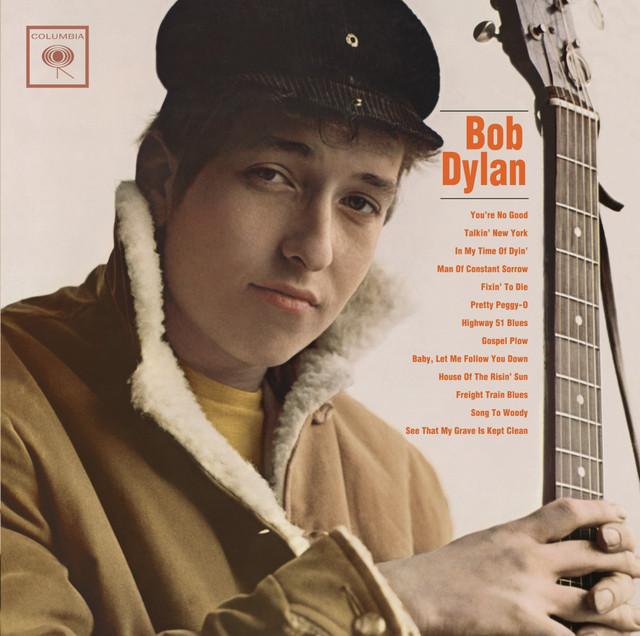
Bob Dylan
1962
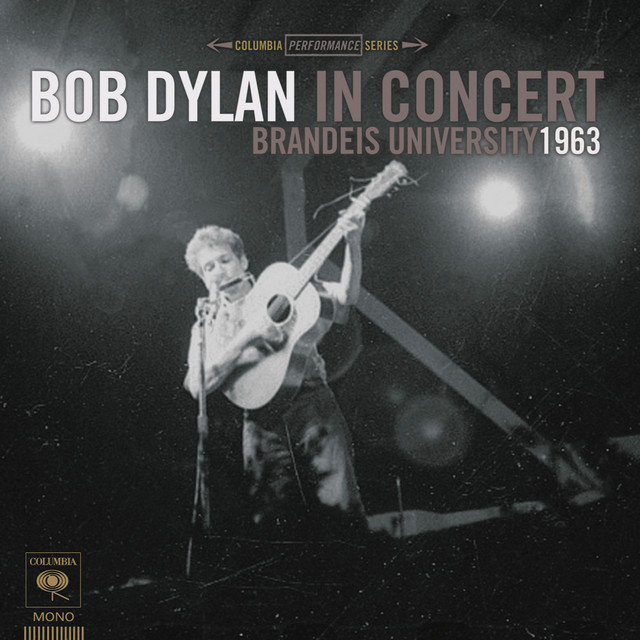
Bob Dylan In Concert: Brandeis University 1963 (Live)
1963
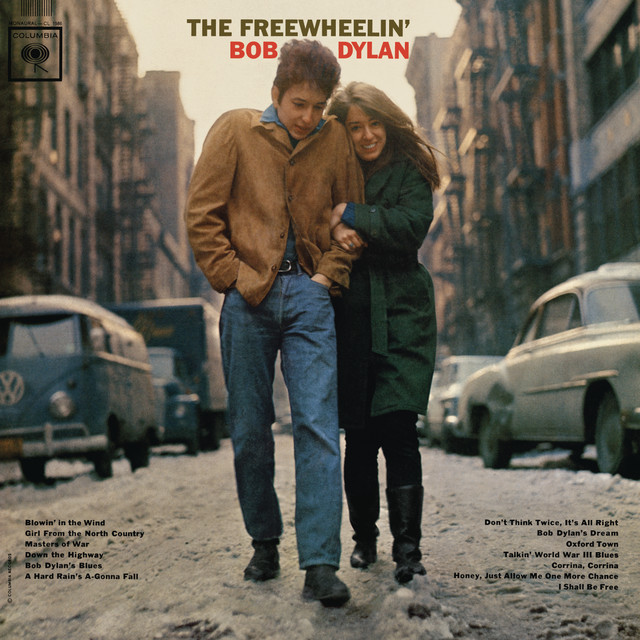
The Freewheelin' Bob Dylan
1963
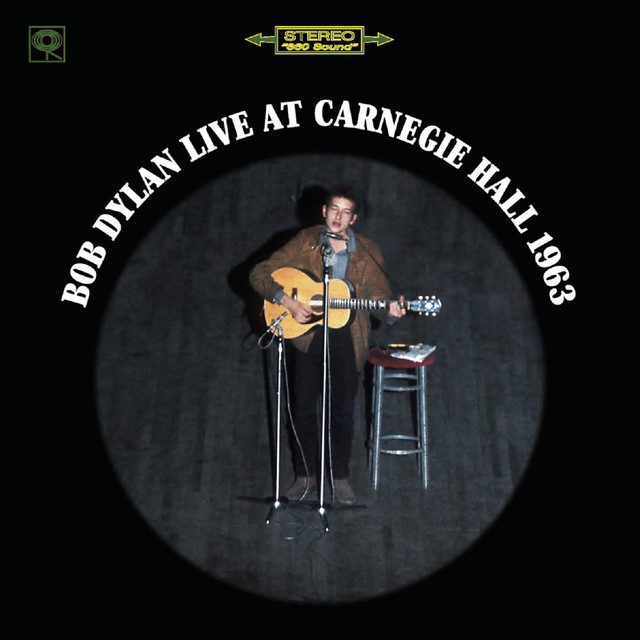
Bob Dylan Live At Carnegie Hall 1963
1963
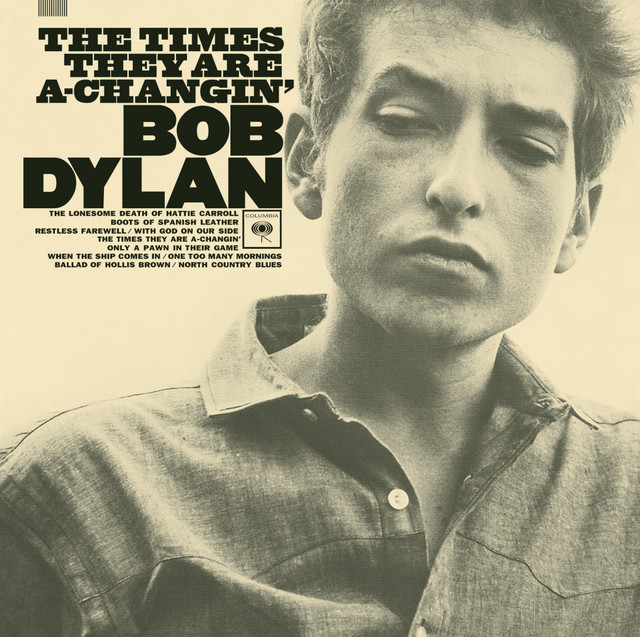
The Times They Are A-Changin'
1964
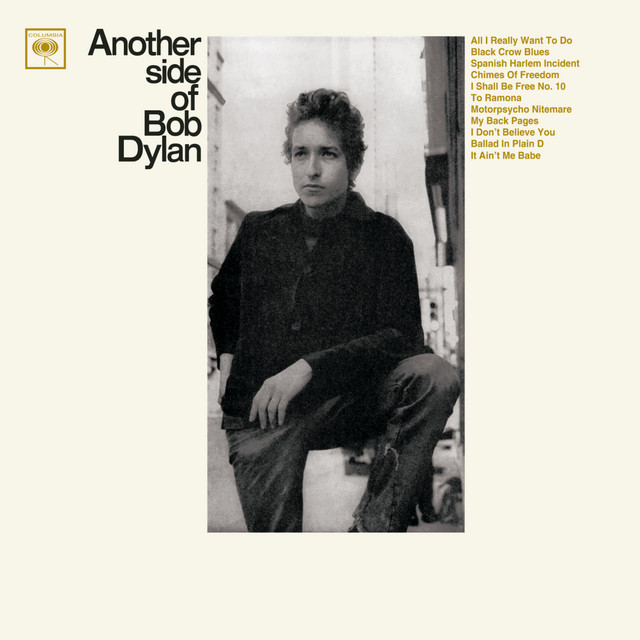
Another Side Of Bob Dylan
1964
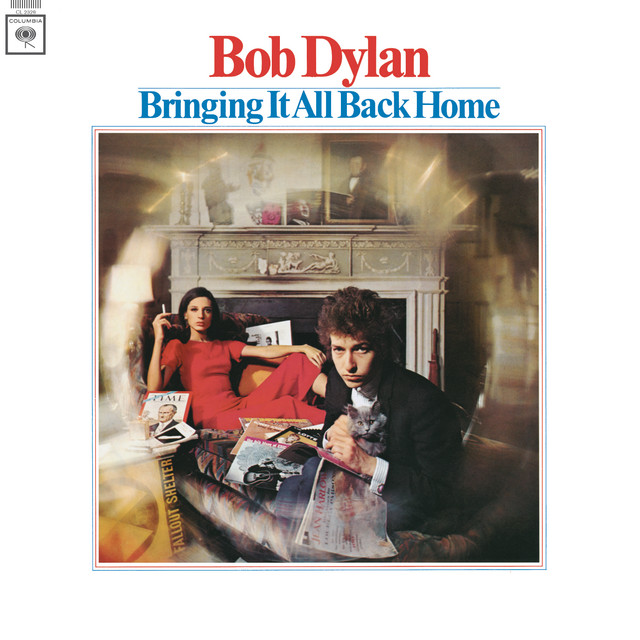
Bringing It All Back Home
1965
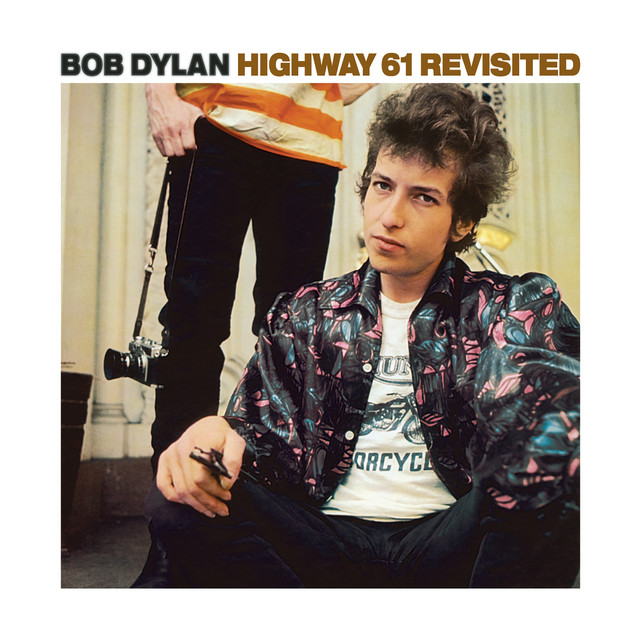
Highway 61 Revisited
1965
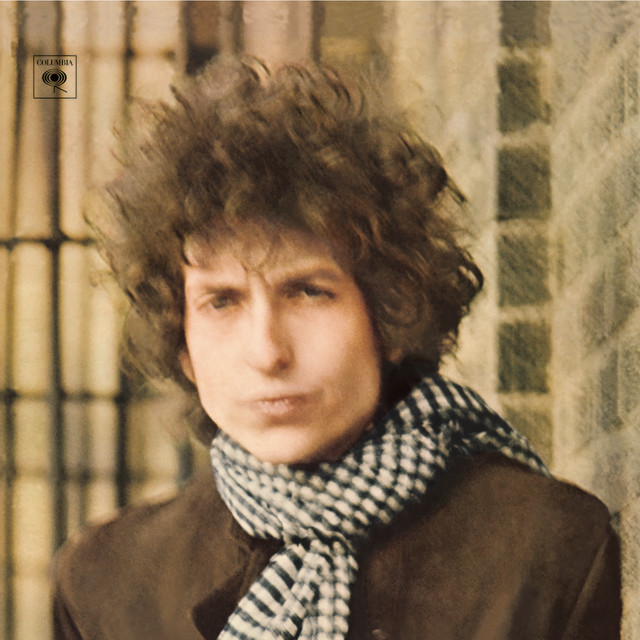
Blonde On Blonde
1966
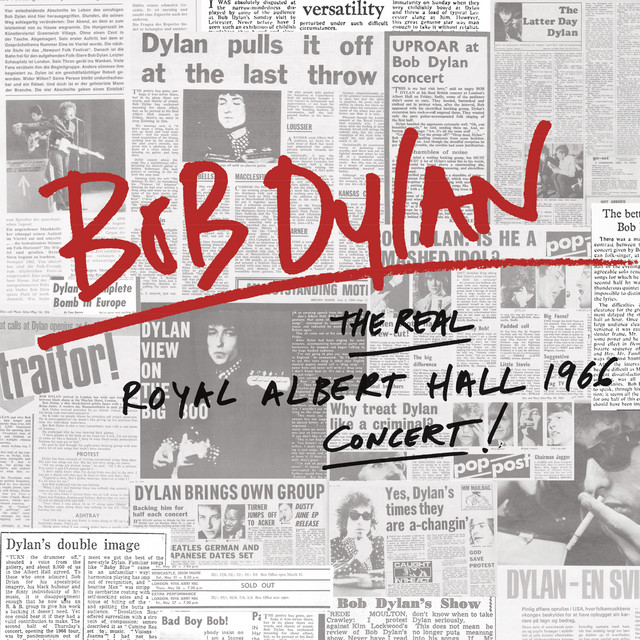
The Real Royal Albert Hall 1966 Concert (Live)
1966
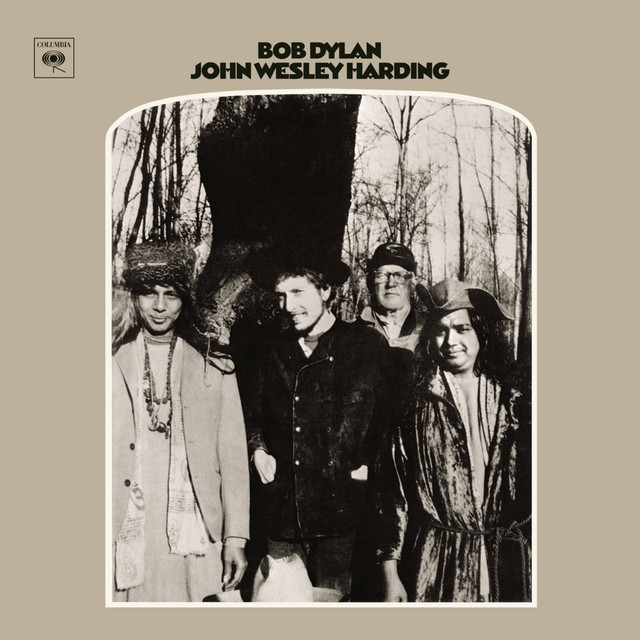
John Wesley Harding
1967
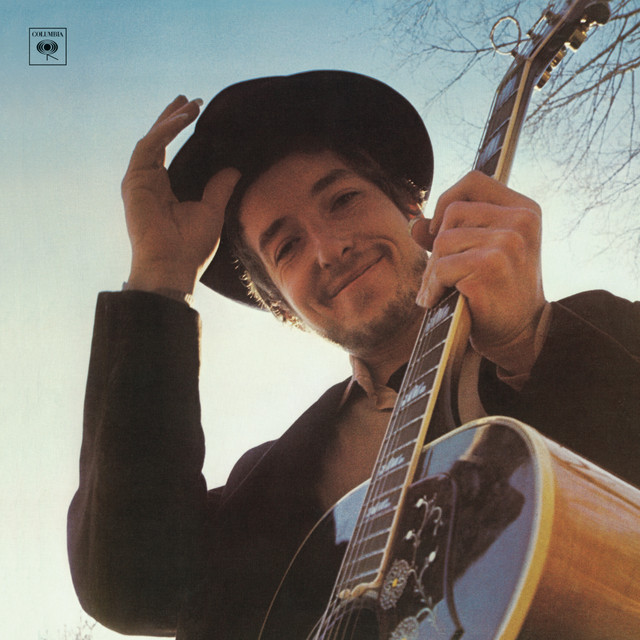
Nashville Skyline
1969
Album Credits
-
Bob Dylan & Robert Zimmerman · 2017
Producer -
Bob Dylan & Robert Zimmerman · 2016
Producer -
Bob Dylan & Robert Zimmerman · 2015
Producer -
Bob Dylan & Robert Zimmerman · 2012
Producer -
Bob Dylan & Robert Zimmerman · 2009
Producer -
Bob Dylan & Robert Zimmerman · 2009
Producer -
Bob Dylan & Robert Zimmerman · 2006
Producer -
The Band · 2005
Producer -
Bob Dylan & Robert Zimmerman · 2001
Producer -
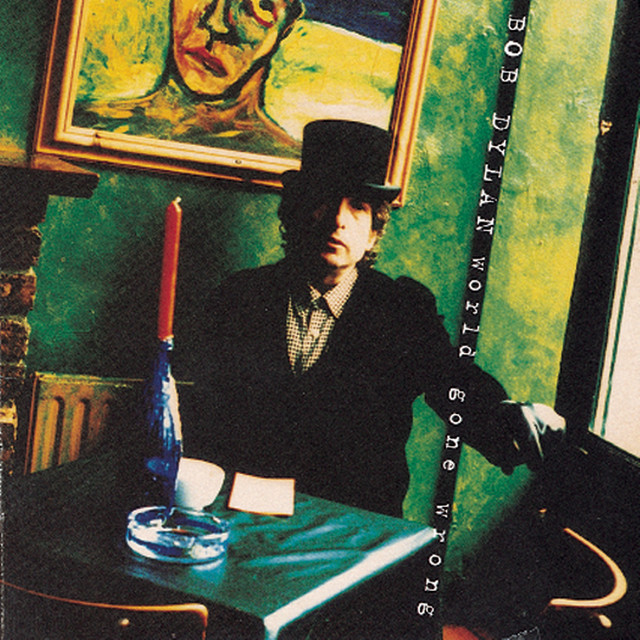
Bob Dylan & Robert Zimmerman · 1993
Producer -
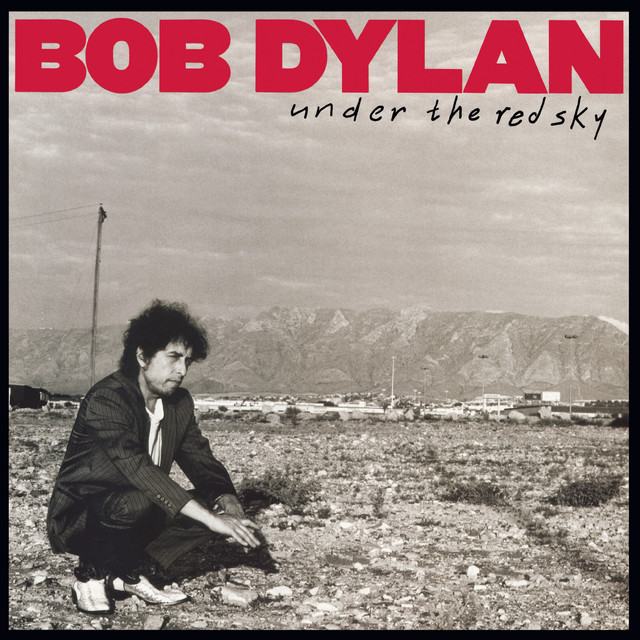
Bob Dylan & Robert Zimmerman · 1990
Producer -
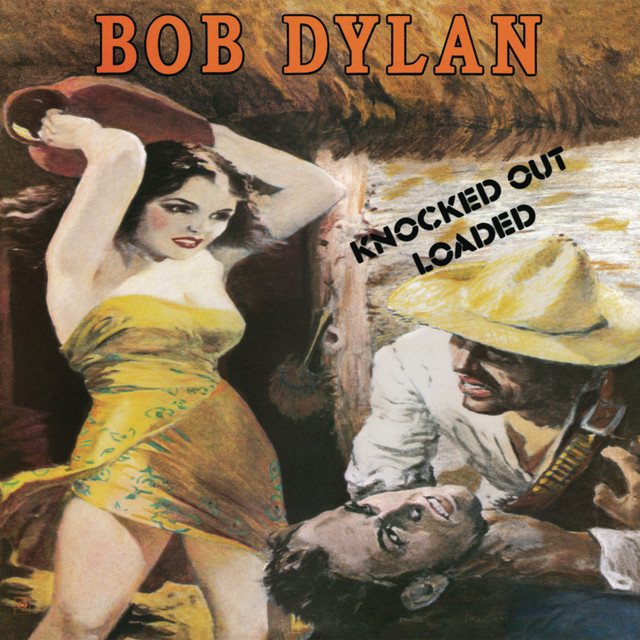
Bob Dylan & Robert Zimmerman · 1986
Producer