

Pricing and availability
We compare 600+ stores and found this item at 9 stores. Prices updated .
Store
Reviews
Price









Average Price: $462
High-end/Boutique
$75
$201+
Price Tier
Budget
Standard
High-end
Price History
Based on price data from 6 merchants for "Electro-Voice RE20". Prices shown reflect NEW condition. Tracking began Apr 2, 2026.
* Product prices and availability are updated by Equipboard every 24hrs and are subject to change. Equipboard may receive compensation for purchases made at participating retailers linked on this site. This compensation does not affect what products or prices are displayed, or the order of prices listed. For more information, please refer to our affiliate disclosure.
Description
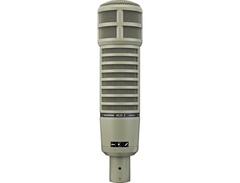
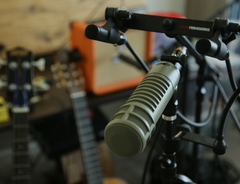
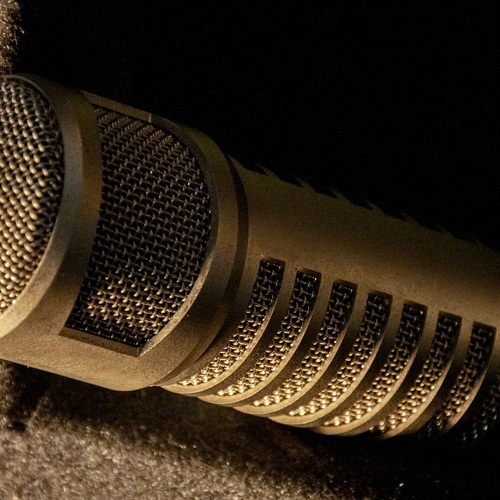
Introducing the Electro-Voice RE20, a stalwart among dynamic cardioid microphones often found in recording studios and broadcasting stations. For more than half a century, this microphone has been delivering natural, full-bodied audio for vocals and instruments alike. It's the musicians' favorite due to its unparalleled clarity, definition, and Variable-D design that offers consistency regardless of proximity to the mic.
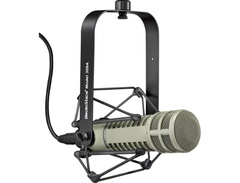
The RE20 is visually imposing yet highly efficient with its solid steel housing and humbucking coil that resists electromagnetic interference. It's not just about durability; the RE20 is known to deliver a clear, robust sound, free of unwanted background noise. The microphone's internal shock-mount reduces vibration noise, creating a sound that's as pure as possible.
Equally impressive is its tailored frequency response that accentuates vocals while maintaining a consistent and smooth extended high-end with controlled lows. It's an all-purpose studio performer that's equally at home in a live stage setup. All these features make the Electro-Voice RE20 a definitive standard in the world of dynamic microphones.
Key Features:
- Premier choice for recording studios and broadcasters
- Variable-D design for unmatched clarity and definition
- Internal shock-mount for reduced vibration noise
- True cardioid pattern for maximum background noise rejection
- Tailored frequency response for vocals
- Smooth extended high-end and controlled lows
- Rugged steel housing for durability
- Humbucking coil to resist electromagnetic interference
Owner's manual
Electro-Voice RE20 User ManualProduct specs
| Microphone Type | Dynamic |
| Polar Pattern | Cardioid |
| Frequency Response | 45Hz-18kHz |
| Output Impedance | 150 ohms |
| Connector | XLR |
| Dimensions | 8.53" x 2.14" |
| Weight | 1.62 lbs. |
| Included Accessories | Stand Mount, Carry Case |
FAQs
-
What is the primary use of the Electro-Voice RE20 microphone?
-
The Electro-Voice RE20 is primarily used for broadcasting, voice-over work, and podcasting due to its natural sound and ability to minimize proximity effect, making it ideal for close-miking vocals.
-
How does the Electro-Voice RE20 handle proximity effect?
-
The RE20 features Electro-Voice's Variable-D technology, which minimizes proximity effect, allowing for consistent sound quality even when the microphone is used very close to the sound source.
-
Is the Electro-Voice RE20 suitable for recording musical instruments?
-
Yes, the RE20's wide frequency response and cardioid pattern make it suitable for recording a variety of instruments, providing clarity and detail without distortion.
-
What type of connector does the Electro-Voice RE20 use?
-
The Electro-Voice RE20 uses a standard XLR connector, making it compatible with most professional audio equipment.
-
Does the Electro-Voice RE20 require phantom power?
-
No, as a dynamic microphone, the Electro-Voice RE20 does not require phantom power to operate.
Videos

Podcastage
Shure SM7b vs. Electro Voice RE20 Comparison (Versus Series)
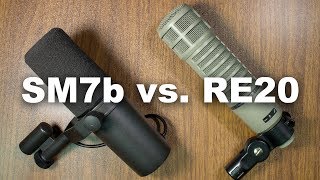
Shure SM7b vs. Electro Voice RE20 Comparison (Versus Series)
Podcastage
EV RE20 Review (SM7B, TLM103, E100S, RE27 comparisons included!)

Booth Junkie
Electro Voice RE20 Review / Test (vs. SM7b, Procaster, Ethos)
Podcastage
BEST VOICEOVER MIC? | Electro-Voice RE20 Microphone Review

EposVox

Shure SM7B vs Electro-Voice RE20 - Battle of the Endgame Microphones! (Best Podcasting Mic Review)

AudioHaze
Electro Voice RE-20 Broadcast Dynamic Mic Review / Test
Podcastage
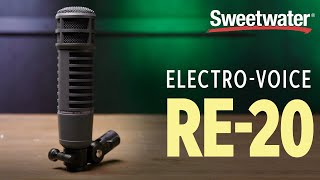
Electro-Voice RE20: Getting the Most Out of Your Gear

Sweetwater
Electro-Voice RE-20 Dynamic Cardioid Microphone | Reverb Demo Video

Reverb
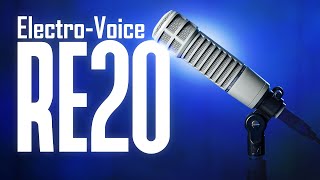
Electro-Voice RE20 Broadcast Microphone

Curtis Judd
Electro-Voice Brasil | Review Mic RE20

Electro-Voice Official
Reviews
PROS
-
Exceptional sound quality with dynamic clarity and deep bass
-
Maintains consistent tonal color even at high volumes
-
Great for spoken word, broadcasting, and music recording
-
Effective noise rejection, ideal for non-soundproof environments
-
Minimal proximity effect, offering stable volume and frequency
-
Durable and solid construction, suitable for rigorous use
-
Versatile across a range of applications (vocals, instruments, podcasts)
-
Requires little EQ, enhancing natural voice quality
-
Longevity, with performance remaining consistent over years
-
Iconic and historical significance in the music industry
CONS
-
Requires significant gain, necessitating a good preamp
-
May not suit all vocal types, depending on individual needs
-
The original "putty" color and design may not appeal to everyone
-
Internal foam prone to deterioration over time in vintage units
-
Heavy, potentially cumbersome for handheld use
Owner Insights
We analyzed real musician discussions from forums and Reddit to find what players love, question, and tweak about Electro-Voice RE20.
User experience
Use cases and applications
-
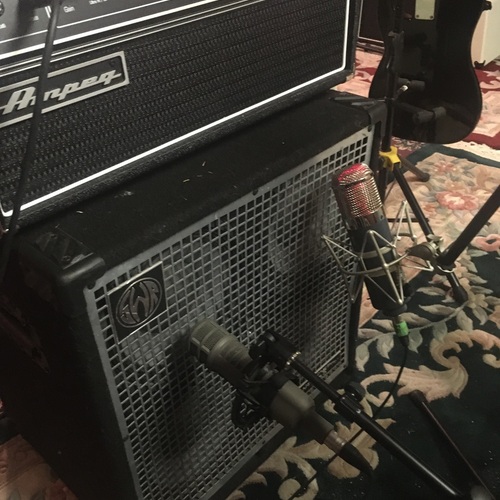
Owners frequently use the RE20 on instruments like bass cabs and kick drums, taking advantage of its clarity and low-end response.
Source -
The RE20 is favored for vocal clarity in untreated spaces, especially for voices like Thom Yorke's, but sibilance can be problematic for some users.
Source -
Ideal for voiceover work, the RE20 remains effective in untreated rooms, thanks to its low sensitivity and directional nature.
Source -
The RE20 suits deeper voices, particularly when EQ adjustments add midrange and air, enhancing vocal presence.
Source
Features and functionality
-
The RE20 is often praised for its condenser-like high-end clarity, making it suitable for a wide range of instrumental applications.
Source -
The RE20 has excellent off-axis rejection, making it effective in small, untreated rooms by minimizing room reflections and noise.
Source -
The RE20 has a built-in blast filter, effective for handling loud voices without additional wind protection.
Source
Setup and maintenance
-
The RE20 requires a sturdy mount due to its weight, as flimsy stands may struggle to support it properly.
Source -
Replacement internal foam can be installed by users with guidance from YouTube, simplifying maintenance.
Source -
When purchasing used RE20 or PL20 mics, ensure there's no internal rattling which indicates foam degradation; replacement requires precise tools and minor soldering.
Source
Comparisons
-
The RE20 is noted for a lack of pronounced proximity effect due to Variable-D Technology, offering consistency for vocalists who move around.
Source -
The RE20 is described as having a "papery" quality in the upper midrange compared to the SM7B, which is often mitigated by the SM7B's versatile midrange boost.
Source -
Unlike the Sennheiser MKH416, the RE20 has minimal proximity effect, offering a more consistent sound even at close distances.
Source -
The RE20 is considered natural sounding without added compression or low end, while the NTG3 adds a pleasant low quality but struggles with room flutter.
Source
Software and compatibility
-
When paired with a tube preamp, the RE20's low noise level benefits significantly, enhancing gain for remote podcasting and voiceovers.
Source
Critic Reviews
5.0 out of 5
Based on 4 Reviews and 36 Ratings

396
I absolutely love this microphone
In my opinion this is THE microphone for my guitar (both electric and classical), my voice, and my kick drum!

554
Amazing vocal mic, but it needs lots of gain
Great on vocals, has a really clear sibilant sound. Other mics I've tried before this, like the SM57 and AKG 214 sound a little bit dull to me, and this is slightly better sounding than those two. It really shines on layering vocals. On your first take it might only sound 5% better than any other mic, but once you double your vocals, it sounds really professional and great.
For the sibilant sound I'm talking about, check out Christian Henson Music of Spitfire audio on youtube, he uses this microphone all the time in his videos, and you'll get a really good feel for it right away through his videos.
My only gripe with this is that if you are too close to it, it starts to sound muddy, and if you're too far from it the volume drops off quickly. It also has a really weak signal, so you need lots of gain. As an instrument mic, you kind of need a 2nd microphone to balance out or add in the top end.

274
Great Mic
Used in conjuction with four other microphones to record an Orange OR120 for my band's debut album

Artist usage
Add artist

This is where Kurt sang In Utero [Pachyderm Recording Studio, Cannon Falls, Minnesota], from left to right: EV RE-20 (dynamic mic), Lomo 19a-9 (tube condenser mic), Sennheiser MD421 (U4 most likely, dynamic mic).


In this acoustic performance of Everlong on Howard Stern, Dave Grohl is using two RE20 microphones; One for vocals and another one for his Gibson Hummingbird.


in an interview with SOS parker reveals he recorded most of the vocals on the Slow Rush with a Electro Voice re-20, before he lost it in the malibu fire


Thom can be seen using a ElectroVoice RE20 in this photo.


I know that the vocals they cut over at CBS are Paul singing live right off the floor with the rhythm section into an Electro-Voice RE20, which was a relatively new mic at the time. They recorded the telephone section [of the song] over at CBS, as well. That character voice was also Paul, with a simple highpass filter engaged to give the telephone effect.”


The mic is demonstrated at 1:19 where he says 'Electrovoice RE-20' on the advanced studio recording techniques video 'Microphones Comparison'.


In this performance, Dan Auerbach uses a RE-20 from Electro-Voice for vocals.


This article on the making of Marr's 2018 Call the Comet album by MixOnline.com touches on some of the gear used during the recording process. "The bass, played by Iwan Gronow, goes through a Fender Bassman 100 or 300 through an 8x10 speaker. When not going DI, either an Electro-Voice RE20 or Neumann TLM 103 or beyerdynamic m380 microphone is used." (While the engineer is providing this feedback, the gear is housed in Marr's own Crazy Face studios, which contains gear he's collected over his decades in the music industry.)


According to Emusician, Chris Wolstenholme uses the Electro-Voice RE20 dynamic microphone with his Markbass cabinet.


In this 1999 South Bank Blur documentary, Damon was shown recording the vocals to So You starting at 4:20.


“For a pretty long time I’ve used an Electro-voice RE-20,” he said. “It’s the best microphone I own by a pretty long way. The diaphragm is pretty far in it so you don’t really have to use a pop filter. You can get a really in-your-ear, straight-up, true sound. I use one for kick drums too so it’s a good combo mic. It’s got similarities with a Shure SM7, but the SM7s are more bass-heavy, they sound more like modern radio whereas the RE-20 sounds like ’70s radio.”


Used "occasionally" on John Mayer's Continuum, as stated by recording engineer Chad Franscoviak in this October 1, 2006 Mix Online interview.
To capture Palladino's bass, his instrument typically went into either an Ampeg SVT or B-15 into an Avalon U5 mono instrument preamp and DI. “I took the throughput into his amplifier and usually put a FET 47 close up, and on occasion an RE20. Then I almost always put an NS-10 on his bass cabinet to get the ultralow stuff,” Franscoviak explains. “I would compress the DI and the FET 47 lightly, not in any way that would effect the dynamics of his performance, only for tonal reasons. I would never put a compressor on the NS-10.”
Album Usage
The Electro-Voice RE20 has been featured on the following albums:

That Wasn't A Dream
Pino Palladino & Blake Mills (2025)

Getting Killed
Geese (2025)

Bus Stop Please
Fatboy Slim & The BPA & Norman Cook & Daniel Steinberg (2024)

The Moon Represents My Heart (月亮代表我的心)
Chinese American Bear (2024)

For the first time
Black Country, new road (2021)

Always on My Mind
Eric Moore & Eric Moore (2021)
INSIDE
Bo Burnham (2021)

The Slow Rush
Tame Impala & Kevin Parker (2020)

Live Vol. 1
Parcels (2020)

Call The Comet
Johnny Marr (2018)

Waiting on a Song
Dan Auerbach (2017)

Dos en Uno
Steve Jordan (2017)

Tail of Lions
Alex Clare (2016)

Children of God
Phil Wickham (2016)

Covers Collection 2015
Alex G (2015)

To Pimp A Butterfly
Kendrick Lamar (2015)

Kairos
Sepultura (2011)

Permalight
Rogue Wave (2010)

Wild Horses
The Rolling Stones (2009)

Use Somebody
Kings of Leon (2009)
Sex On Fire
Kings of Leon (2009)

Only By The Night
Kings of Leon (2008)

In Rainbows
Radiohead (2007)

Two Against Nature
Steely Dan (2000)
(What's The Story) Morning Glory? (Deluxe Remastered Edition)
Oasis (1995)

Linger
The Cranberries (1993)

In Utero
Nirvana (1993)

The Fire Inside
Bob Seger & the Silver Bullet Band & Bob Seger & The Last Heard & Bob Seger (1991)

Murmur
R.E.M. (1983)

Pubis Angelical / Yendo De La Cama Al Living
Charly García (1982)

Songs In The Key Of Life
Stevie Wonder (1976)

Toys In The Attic
Aerosmith (1975)
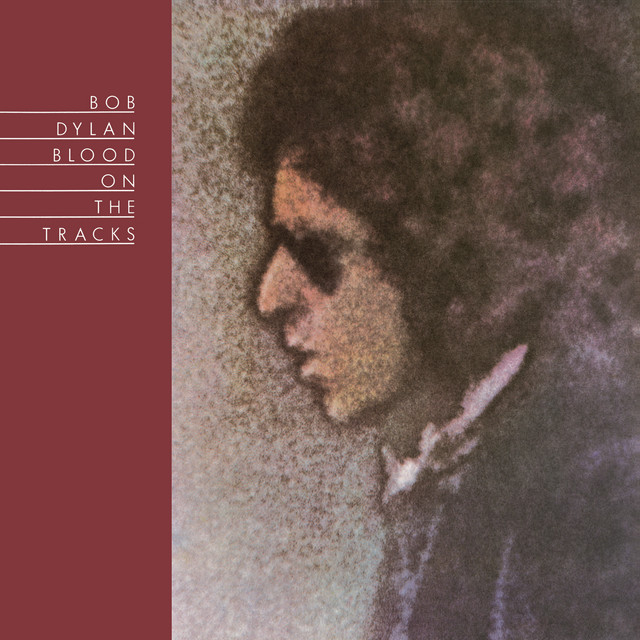
Blood On The Tracks
Bob Dylan & Robert Zimmerman (1975)
Genre Usage
Based on how artists on Equipboard use this gear, it is most commonly found in the following genres.
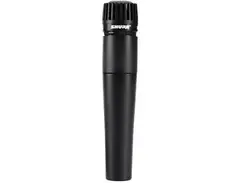
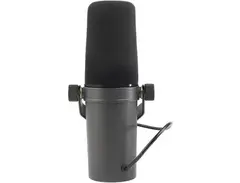
Used With
Based on how musicians on Equipboard use Electro-Voice RE20, it is most commonly used with the following gear.
-s.webp?v=1784905101)
-s.webp?v=1784905105)




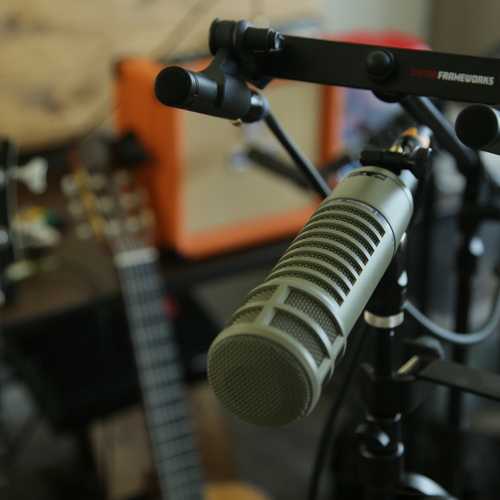
Community setups
Show yours.jpeg?v=1784708525)




More Electro-Voice Dynamic Microphones

$265.00 - $355.00
in Dynamic Microphones Rank


$99.99 - $153.00
in Dynamic Microphones Rank


$449.00 - $835.00
in Dynamic Microphones Rank


$449.00 - $699.00
in Dynamic Microphones Rank


$45.00 - $109.99


Accessories & Related Items




-s.webp?v=1784905087)



Similar


Gear Guides





.webp)

Most Popular Dynamic Microphones
Most Popular Brands
-
Added to Equipboard on by
 olly_manik
GearIQ 972
-


