Neil Young
Canadian singer, songwriter & musician
Role
Genre
Role
Genre
Neil Young's Gear


"At the core of Young’s amplifier setup is a piece of gear as essential to his sound as Old Black: the 1959 tweed Fender Deluxe he’s used since the late Sixties," states this article.
Find it on:


Old Black is a 1953 Gibson Les Paul Goldtop, painted black [1] and customized quite considerably. After the guitar had been left at a guitar repair store, the original P-90 bridge pickup was replaced with a Gretsch Dynasonic single-coil pickup. Eventually, a mini humbucker pickup from a Gibson Firebird guitar replaced the Dynasonic. The neck pickup has always been the original P-90 pickup, but it is now covered by a hand fitted aluminum P-90 cover, replacing the original white plastic cover. The guitar was roughly resprayed to jet black, and received a new Tune-o-matic bridge (not available when the guitar was produced) and a B-7 model Bigsby vibrato tailpiece. It would presumably also have had a white plastic pickguard at some point, as was standard on 1953 Goldtops. Old Black is notable for its metal hardware, including aluminum backing plates. The pick guard is chrome-on-brass/bronze. The tuners have been replaced with Schaller M-6 tuning keys, and the rest of the hardware is mostly nickel-plated. The headstock displays a partially painted-over mother-of-pearl inlay, sometimes referred to as a "wheat stack", rather than the typical silk screened "Les Paul Model" logo, along with single-ply binding around the headstock, although the binding has now fallen off
Find it on:


Young derives his distortion entirely from the Deluxe’s output-tube saturation. He coaxes various gain stages from the amp using a device called the Whizzer, a custom-made switching system he and his late amp tech, Sal Trentino, developed around the time of the Rust Never Sleeps tour in 1978. A high-tech concept housed in a rudimentary box, the Whizzer boasts four preset buttons, each corresponding to one volume/tone configuration on the Deluxe. Young accesses the presets through footswitches on his pedal board, which, in turn, command the Whizzer to mechanically twist the Deluxe’s tone and volume controls to the programmed positions. All four of the Whizzer’s presets dial in distorted tones on the Deluxe. “The first one,” says Cragg, “is still clean enough that Neil can get really nice dynamics, depending on the way he picks. The second setting is the one he uses on songs like ‘Hey Hey, My My,’ and the third one is really distorted.” The final setting, which moves the Deluxe’s main volume and tone knobs to 12 and the second volume control to roughly 9.9, produces a sound that, says Cragg, “is basically a woooaaarrr type of thing.”
Find it on:

Neil Young's guitar tech, Larry Cragg, when asked about Neil's 1961 Gretsch White Falcon said "That’s the real deal. Neil’s had it forever. It’s kind of green-looking and really stunning. There’s probably only 10 or 11 of those around.” This is found in an interview with Guitar World magazine.
Find it on:

"For his touring acoustics, Young has been relying on a trio of Martins, all equipped with Cragg’s stereo FRAP (Flat Audio Response Pickup) transducers: the 1968 D-45 used to record much of 1972’s Harvest; “Hank,” an early Forties D-28 formerly owned by Hank Williams; and a second D-28 that Cragg tunes to what Young calls “A# modal” [low to high: A# F A# D# G A#]," reads this article.
Find it on:


Find it on:

In this article, it says, "Cragg uses D’Angelico 80/20 Brass strings (.012–.054) on Young’s acoustics, and Dean Markley Super V’s (.010–.046) on his electrics. Picks are nylon Herco Gold Flex 50s. “Neil used those when I first started working for him, and he still does today.”
Find it on:


-m.webp?v=1784386650)
"For his touring acoustics, Young has been relying on a trio of Martins, all equipped with Cragg’s stereo FRAP (Flat Audio Response Pickup) transducers: the 1968 D-45 used to record much of 1972’s Harvest; “Hank,” an early Forties D-28 formerly owned by Hank Williams; and a second D-28 that Cragg tunes to what Young calls “A# modal” [low to high: A# F A# D# G A#]," reads this article.
Find it on:

"Cragg uses D’Angelico 80/20 Brass strings (.012–.054) on Young’s acoustics, and Dean Markley Super V’s (.010–.046) on his electrics. Picks are nylon Herco Gold Flex 50s. “Neil used those when I first started working for him, and he still does today," states this article.
Find it on:
-m.webp?v=1784412880)
"His main acoustics are a Martin D-45 that he got in 1967, a prewar D-18 and a D-28. I've installed stereo Fraps in each, which is by far the best way to amplify an acoustic guitar. I place two pickups inside the guitar-one for the top three strings and one for the bottom three. I do it real time while stringing up the top three strings . I have the pickup hot through a nice P.A. system,and I move it around."
Find it on:

"Other electric guitars used by Young on his recent tour include a 1956 Les Paul Junior of Cragg’s that he calls a “really rude, in-your-face killer,” and a second ’53 goldtop that the tech assembled as a stand-in for Old Black," reads this article.
Find it on:

"Across the top panel are switches for, variously, a Mu-Tron octave divider; an old, AC-powered MXR analog delay; a Boss Flanger in a “blue, cast-metal box”; and an Echoplex," reads this article.
Find it on:

"The next button is for a master loop that switches any of the top devices in and out, except the tube reverb. The next one is for a real strange unit, a large very old Boss flanger in a blue cast metal box. He hits that only when he wants to get totally crazy. The next one controls an Alesis Microverb that's in a strange setting that's 100% reverb."
Find it on:

Neil Young bought the Broadcaster in the early 70's which was used for the 'Tonight's the Night' live tour and has recently been seen used on the 'Tonight show with Jimmy Fallon'.
Find it on:

In a video by Rusted Moon, it is mentioned that Neil Young acquired the 1963 Gretsch 6119 Tennessean by trading his Gretsch White Falcon with Stephen Stills.
Find it on:

At 0:19 in this video of Young's performance of"Hey Hey, My My" at Farm Aid 1985, Neil Young can be seen using a Gibson J-200.
Find it on:


"Cragg pads down the output from the Deluxe and feeds it into a Magnatone 280 with stereo vibrato combo amp, and a Mesa/Boogie Bass 400 head with the highs EQ’d out," states this article.
Find it on:

Neil Young used the Guild M-20 acoustic guitar during the recording of his album "Le Noise," as evidenced by a user-uploaded photo on Sugarmtn.
Find it on:

"And it’s totally stock except for two 6L6’s in place of the original tubes," reads this article, about Neil Young's tweed Fender Deluxe.
Find it on:

This Guitar World interview says, "The stage rig is rounded out by a 25-watt tweed Fender Tremolux of Cragg’s that the tech rebiased to run at 40 watts, as well as a 'high-powered, four-6L6' tweed Fender Twin."
Find it on:

Q : You're talking about an Epiphone acoustic, with the ornamentation ?
NEIL : Yes, it's one of the cheapest. It's probably lying on the floor in my bedroom right now. It looks like it's in good shape but the action's really bad and the neck isn't too good. And it's always going out of tune. But I like it. Most of the songs on American Dream were written on it. I think I also wrote Fuckin' Up on it, too. But I also have very nice guitars, great for recording and composing. I have quite a few Martins, Gretschs -- particularly White Falcons, old Explorers, Flying V s. Larry Cragg has more than I do. You should talk to him about my guitars and amps. My amps are something else.
Find it on:

Neil Young's Mu-Tron Octave Divider is mentioned in this Guitar World interview:
"The slanted portion features five buttons: one for each of the four Whizzer presets, as well as a reverb kill. Across the top panel are switches for, variously, a Mu-Tron octave divider; an old, AC-powered MXR analog delay; a Boss Flanger in a “blue, cast-metal box”; and an Echoplex."
Find it on:

Q : You're talking about an Epiphone acoustic, with the ornamentation ?
NEIL : Yes, it's one of the cheapest. It's probably lying on the floor in my bedroom right now. It looks like it's in good shape but the action's really bad and the neck isn't too good. And it's always going out of tune. But I like it. Most of the songs on American Dream were written on it. I think I also wrote Fuckin' Up on it, too. But I also have very nice guitars, great for recording and composing. I have quite a few Martins, Gretschs -- particularly White Falcons, old Explorers, Flying V s. Larry Cragg has more than I do. You should talk to him about my guitars and amps. My amps are something else.
Find it on:

After Buffalo Springfield disbanded, Neil Young traded a Gretsch White Falcon Stereo G6137 with Stephen Stills, as detailed in the YouTube video by Rusted Moon titled "Neil Young's Gretsch White Falcons, 1967 - today."
Find it on:

"Cragg pads down the output from the Deluxe and feeds it into a Magnatone 280 with stereo vibrato combo amp, and a Mesa/Boogie Bass 400 head with the highs EQ’d out," states this article.
Find it on:

"Cragg uses a combination of Sennheiser 409 and Shure SM57 microphones on the amps," states this article.
Find it on:

Neil Young has used these five Conn strobe tuners (one for each guitar string with the E tuner doing double duty) since the mid 1970s, they live under the front edge of the drum riser. Also visible on the cover of the album "Rust Never Sleeps"
Find it on:

"The stage rig is rounded out by a 25-watt tweed Fender Tremolux of Cragg’s that the tech rebiased to run at 40 watts, as well as a “high-powered, four-6L6” tweed Fender Twin," states this article.
Find it on:

Lot #42 in the second group (#3198) of Julien's Auctions' December 17, 2017 "Neil Young Online Auction".
A Creepy Fingers Harakiri Fuzz distortion pedal.
Find it on:

You can see the 1989 "Marshall Configuration" in video.
Find it on:
This is a community-built gear list for Neil Young.
- Find relevant music gear like Microphones, Guitars, Amplifiers, Effects Pedals, Pianos, Keyboards and Synthesizers, Studio Equipment, Software Plugins and VSTs, Headphones, and other instruments and add it to Neil Young.
- The best places to look for gear usage are typically on the artist's social media, YouTube, live performance images, and interviews.
- To receive email updates when Neil Young is seen with new gear, follow the artist.
Discography
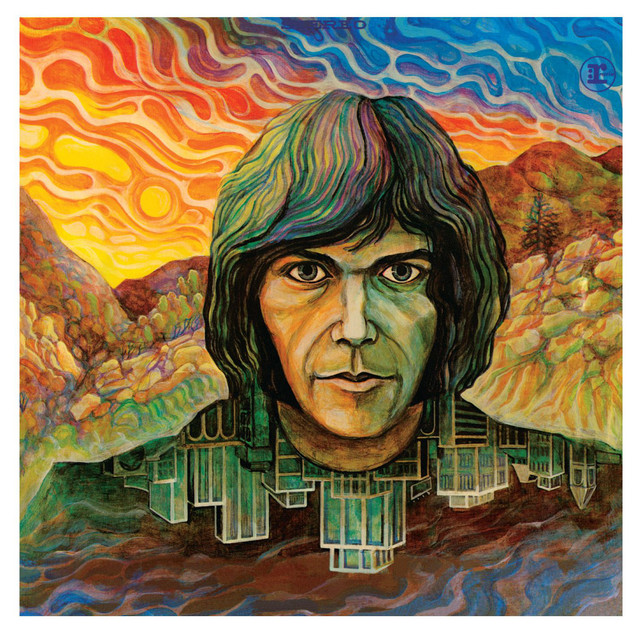
Neil Young (2009 Remaster)
1969
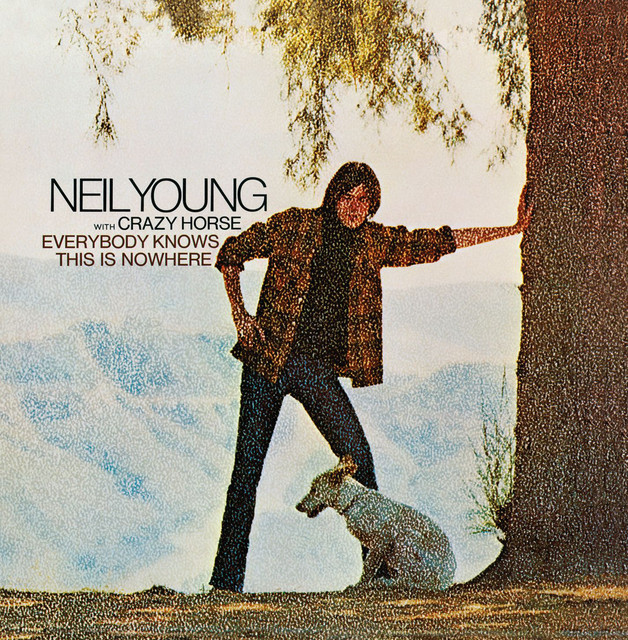
Everybody Knows This Is Nowhere
1969
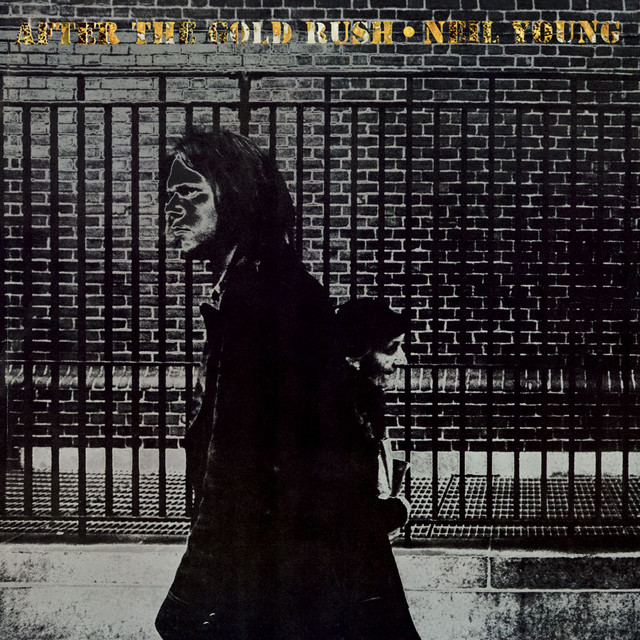
After the Gold Rush (2009 Remaster)
1970
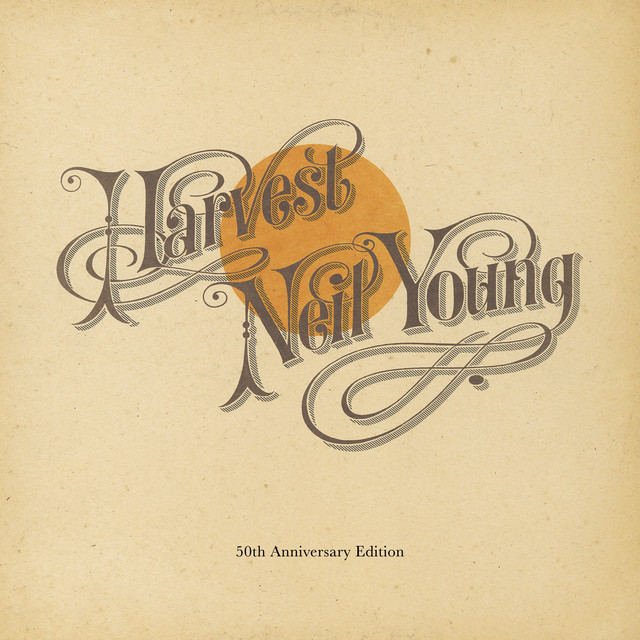
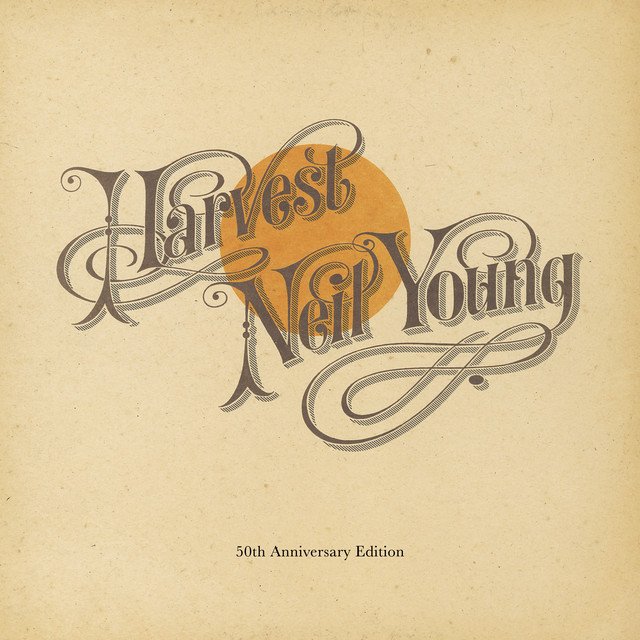
Harvest (50th Anniversary Edition)
1972
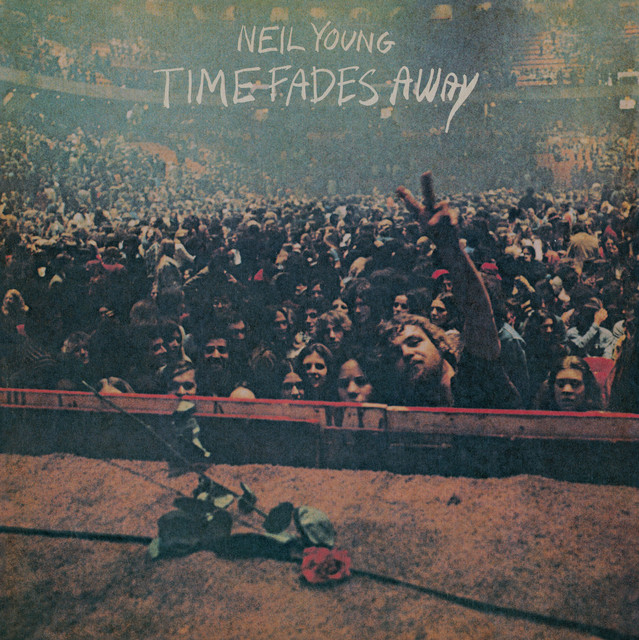
Time Fades Away
1973
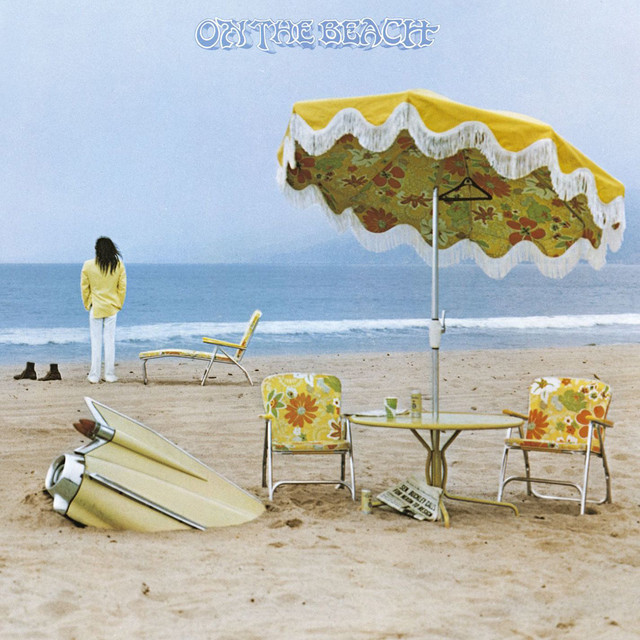
On the Beach
1974
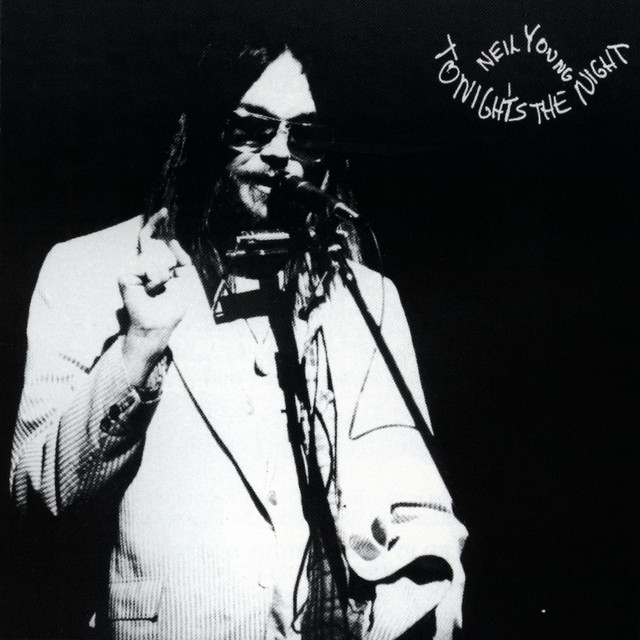
Tonight's the Night
1975
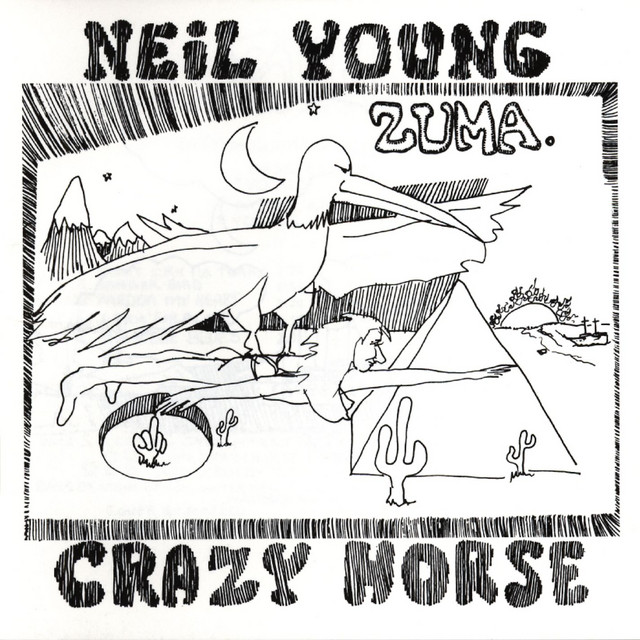
Zuma
1975
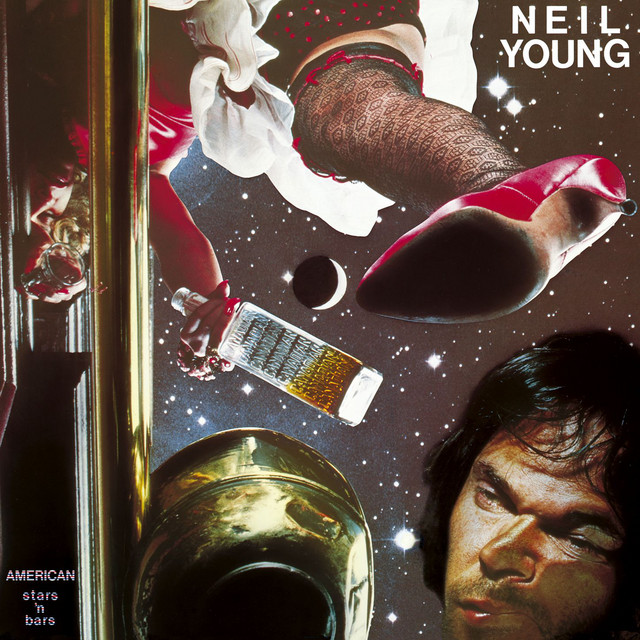
American Stars 'N Bars
1977
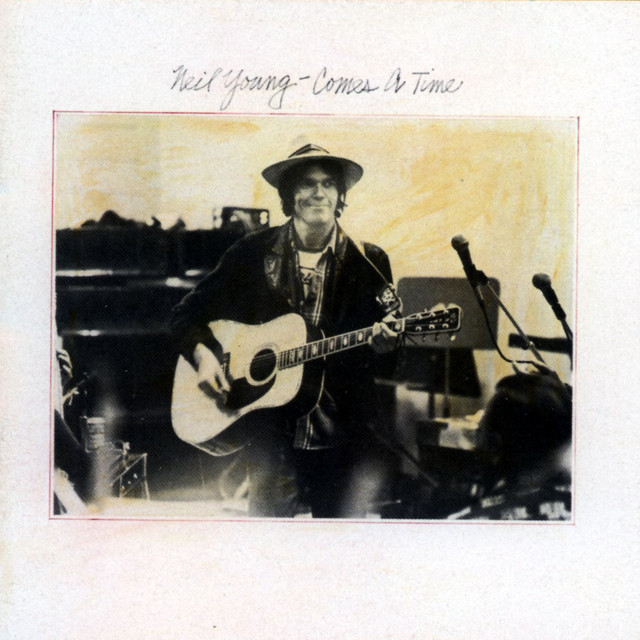
Comes a Time
1978
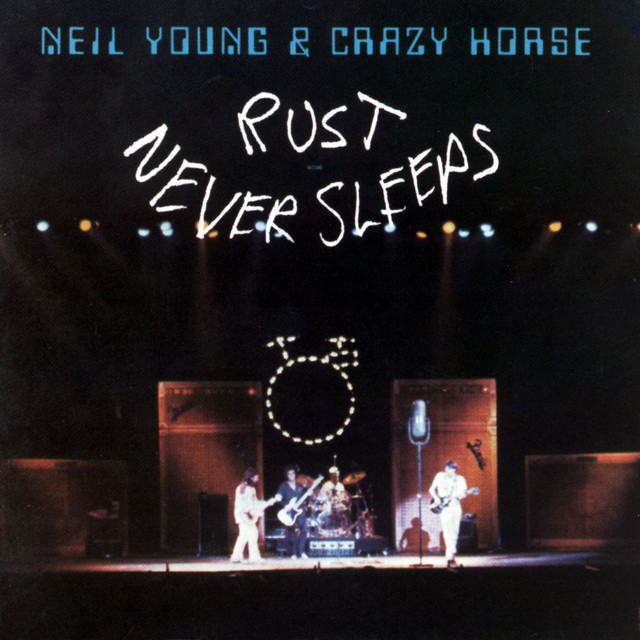
Rust Never Sleeps
1979
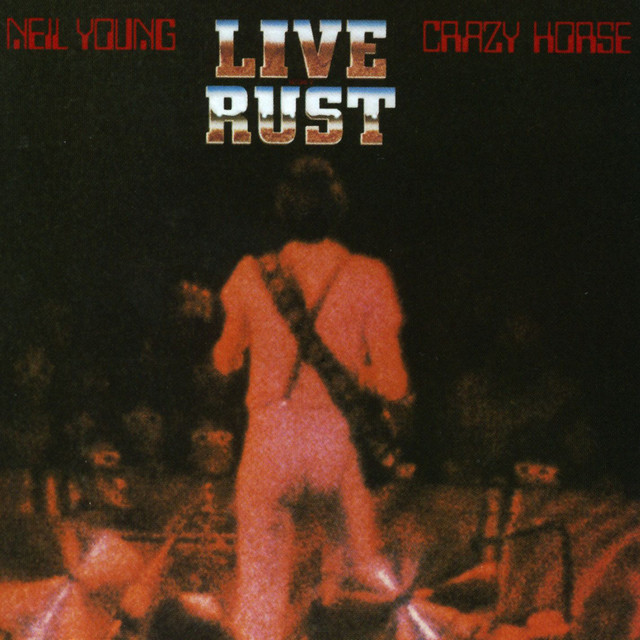
Live Rust
1979
Album Credits
-
Neil Young · 2023
Producer -
Journey Through the Past (Outtake)
Neil Young · 2022
Producer -
Neil Young · 2020
Producer -
Neil Young · 2020
Producer -
Neil Young · 2018
Producer -
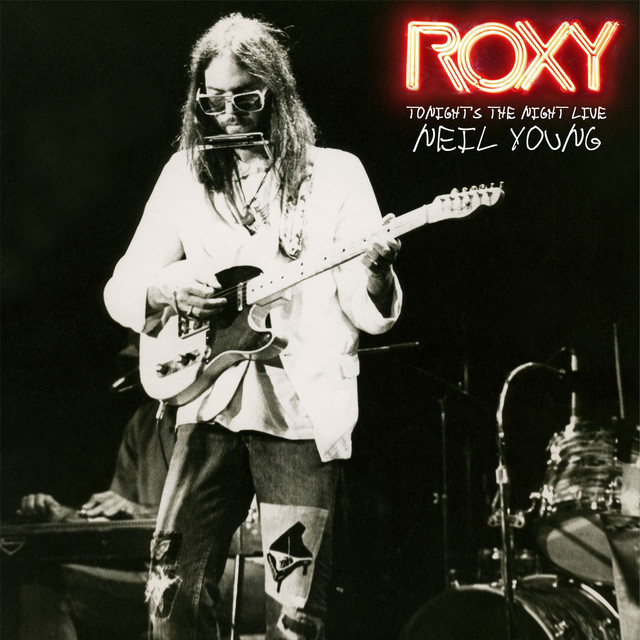
ROXY: Tonight's the Night Live
Neil Young · 2018
Producer -
Neil Young · 2017
Producer -
Neil Young · 2017
Producer -
Neil Young · 2016
Producer -
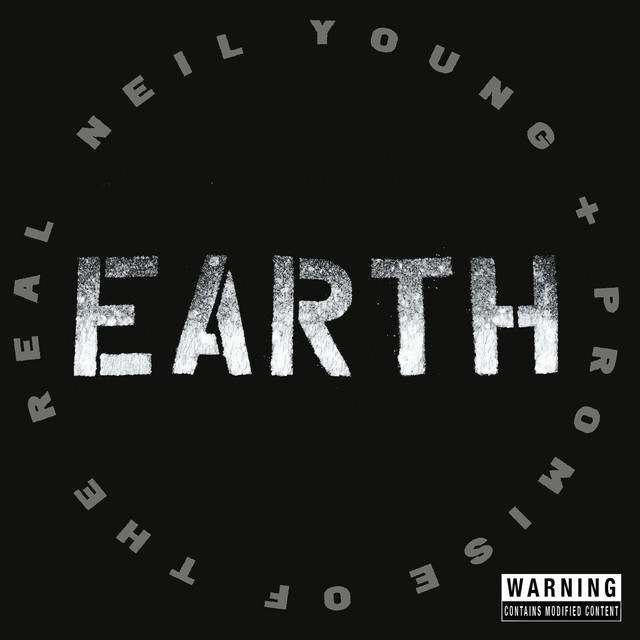
Neil Young · 2016
Mixing Engineer Producer -
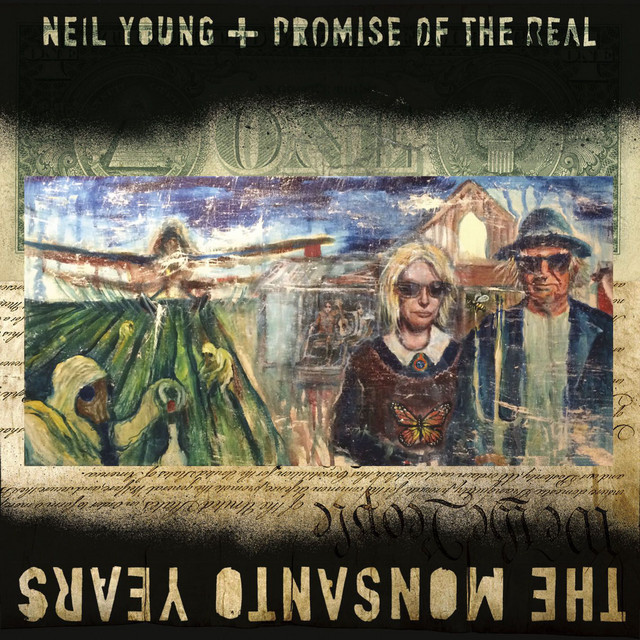
Neil Young · 2015
Producer -
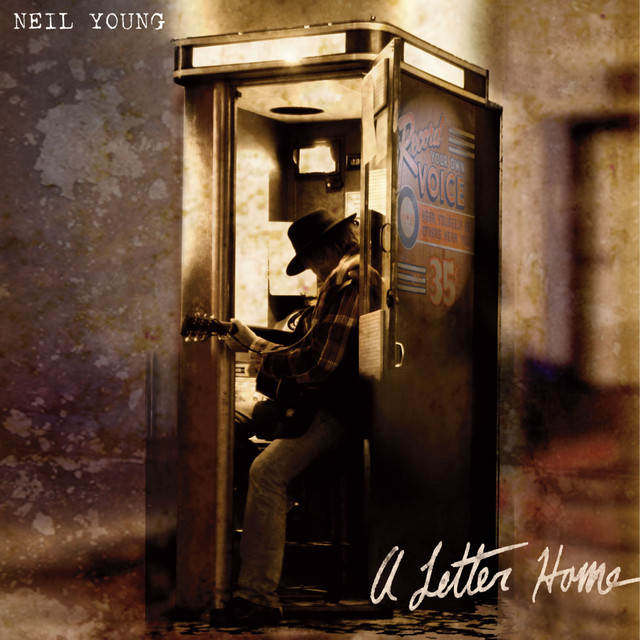
Neil Young · 2014
Producer


.jpeg?v=1784409024)