Bob Mould
Genre
Group
Credits
Genre
Group
Credits
Bob Mould's Studio Equipment



Well, speaking of that evolution, “Losing Sleep” goes through some pretty interesting changes in dynamics, which makes it stand out from the rest of the album. The guitar is just a clean Strat with some direct signal, and we may have switched to a Fender Champ. I can’t remember exactly, but sometimes I get that sound by going direct into a Drawmer 1960 [mic pre/compressor]. The stereo tube compression just slams it, and it’s got the EQ on the front end so you can brighten it up. I remember the day we put it up to mix. Beau was like, “What do we do with this?” I was still trying to write words for the last song, so I told him to have some fun for five hours and went in the other room. The demo had that same sparseness and structure, but it was nowhere near as colorful as what Beau came up with. That one’s the outlier on the album for sure, so everybody’s talking about it.
Find it on:





Bob Mould uses an Eventide H3000 Ultra Harmonizer, according to this Guitar Geek rig diagram.
Find it on:


According to this Guitar Geek rig diagram, Bob Mould uses a Roland SDE-3000 Delay.
Find it on:




-m.webp?v=1783004238)
He uses this compressor, according to Guitar Geek's rig diagram.
Find it on:


"I remember my signal path because I still have it! [laughs] I plugged into a Roland SDE-1000 delay, and then I had an Eventide H3000 SE – I ran stuff from it in stereo and then I compressed it with a DBX 160S two-channel compressor. At that point, I had a left and a right signal, so I had a pair of stacks on each side, with each made up of a Roland JC120 solid-state head, a four by 12 Marshall cabinet and a four by 12 Sonic cab – both of those had Celestion speakers. Also, on each side of the stacks, I had a Fender Concert, a great tube amp with one 12-inch speaker.
Find it on:

In an excerpt from his autobiography, See a Little Light, Mould states that he started using an H910 unit around the time Husker Du began recording the Metal Circus EP.
Find it on:
-m.webp?v=1782917976)
"I remember my signal path because I still have it! [laughs] I plugged into a Roland SDE-1000 delay, and then I had an Eventide H3000 SE – I ran stuff from it in stereo and then I compressed it with a DBX 160S two-channel compressor. At that point, I had a left and a right signal, so I had a pair of stacks on each side, with each made up of a Roland JC120 solid-state head, a four by 12 Marshall cabinet and a four by 12 Sonic cab – both of those had Celestion speakers. Also, on each side of the stacks, I had a Fender Concert, a great tube amp with one 12-inch speaker.
Find it on:

Quoted from the interview about his studio, Bob said:
Pretty much use Mark of the Unicorn transformers and a couple of Yamaha O2r's that I leave everything plugged in and set up so I run everything through them. I actually like the sounds of the pre-amps in the O2r's. They are really brash and crazy sounding.
Find it on:

Quoted from the interview, Bob said:
What I got at home, the core is using the Power Mac G4's, whether it's my laptop or dual gig tower I got.
Find it on:

Quoted from the interview, Bob said this about his dbx 166:
I also like really shitty compressors, like the cheap dbx 166 rack mount. When I am doing all my filter house stuff — you know, Daft Punk-sounding stuff, the cheaper the compressor the better the sound, cause you get that totally trashy up-front sound.
Find it on:
This is a community-built gear list for Bob Mould.
- Find relevant music gear like Microphones, Guitars, Amplifiers, Effects Pedals, and other instruments and add it to Bob Mould.
- The best places to look for gear usage are typically on the artist's social media, YouTube, live performance images, and interviews.
- To receive email updates when Bob Mould is seen with new gear, follow the artist.
Discography
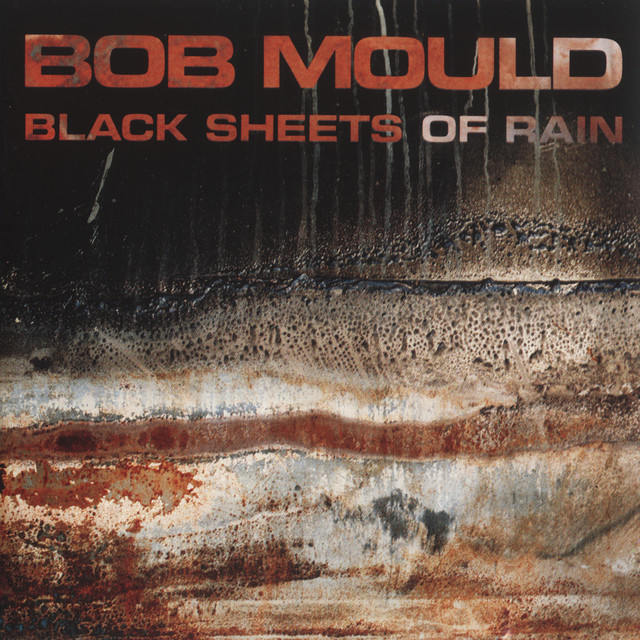
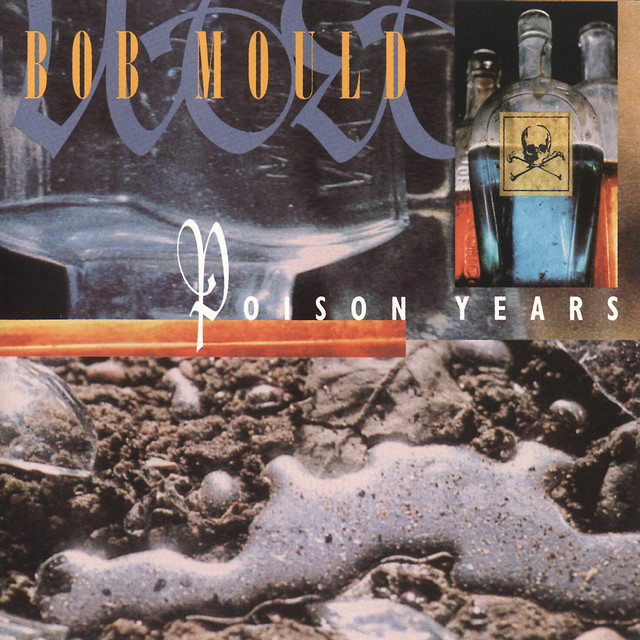
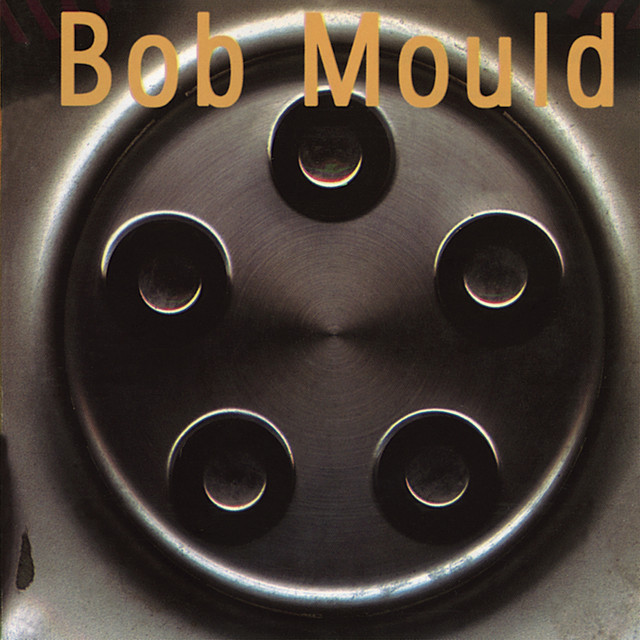
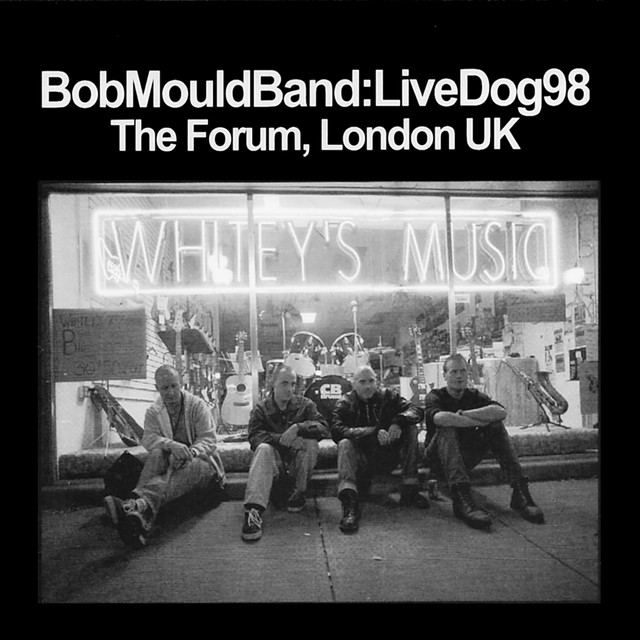
Album Credits
-
Bob Mould · 2025
Producer -
Bob Mould · 2022
Engineer Mixing Engineer Producer -
Bob Mould · 2020
Producer -
Bob Mould · 2019
Producer -

Bob Mould · 2016
Producer -

Bob Mould · 2014
Producer -
Bob Mould · 2012
Producer -
Bob Mould · 2009
Mixing Engineer Producer Programmer -
Bob Mould · 2008
Mixing Engineer Producer Programmer -
Bob Mould · 2005
Engineer Programmer -
Bob Mould · 2002
Mixing Engineer Producer -
Bob Mould · 1998
Producer Programmer