Brian Eno
Role
Genre
Role
Genre
Brian Eno's Effects Processors

-m.webp?v=1783177031)
In this article, on the making of the Brian Eno sound, it read, "Kevin Killen, answering a question about the signal flow on the U2 song “4th of July” on Gearslutz, described the signal path as follows:
'The delay and modulation was derived from the AMS 1580. On its fader return, some hi frequencies were rolled off, then it was fed into a 224 Hall setting, probably 5 seconds but with a rolloff in the top and bottom. This return may have been equalised also. We may have added a second delay but then the delays have to be timed to the track as the net effect is blurring the chord progression… Our last tweak would be to play with the sends on all of the returns to the point that its almost recirculating out of control, which in turn is creating a layer upon layer effect.'"
Find it on:


“I don’t think there were that many things that would surprise people who work in studios. My studio is fairly basic... an Eventide H3000 processing thing — that’s very good indeed," Eno says, in this transcribed interview from the October 1990 issue of Sound On Sound magazine, after being asked what gear was used in the studio during the making of Wrong Way Up, his collaboration with John Cale.
Find it on:

In this undated image of Eno in his then-studio, a Studio Quad rack unit is visible behind him (it's the fifth one down from the top, and despite the blurriness of the photo, it can be easily identified by the large Digitech STUDIO logo on the left side of the faceplate, as well as the large green menu screen in the center).
Find it on:

In this article in the December 1995 issue of Future Music magazine, the SPX90 is named in the "Kit List" as being one of Eno's effects.
Find it on:

Per this interview in a 1981 issue of Keyboard:
Since I'm normally working in studios I'm liable to use two or three echoes at once. For instance, the Roland, and then a Lexicon Prime Time, and then maybe a long digital reverb as well, a Lexicon 224 or something like that, or the plate reverb or whatever they have in the studio.
Find it on:

In this article in the December 1995 issue of Future Music magazine, the Sonic Maximizer is named in the "Kit List" as being one of Eno's effects.
Find it on:


In this undated image of Eno in his then-studio, a 1201 rack unit is visible behind him (it's the fourth one down from the top, and despite the blurriness of the photo, it can be easily identified by the large dot-matrix style font on the left side of the faceplate).
Find it on:

According to this Sound on Sound article, Eno used the Studio Vocalist unit extensively when recording his album Another Day on Earth.
Find it on:

In this undated image of Eno in his then-studio, an H3000 rack unit is visible behind him (it's the bottom unit on the rack just over his right shoulder).
Find it on:

In this article in the December 1995 issue of Future Music magazine, the A3 is named in the "Kit List" as being one of Eno's effects.
Find it on:

The studio is based around two Apple Mac G4 computers running Logic, plus a selection of outboard including (right) the Digitech Studio Vocalist used extensively on Another Day On Earth, a Lexicon Jam Man loop sampler and an Eventide H3000 Harmonizer.
Find it on:
-m.webp?v=1782227096)
Per this interview in a 1981 issue of Keyboard:
Since I'm normally working in studios I'm liable to use two or three echoes at once. For instance, the Roland, and then a Lexicon Prime Time, and then maybe a long digital reverb as well, a Lexicon 224 or something like that, or the plate reverb or whatever they have in the studio.
Find it on:

In this article on the making of Eno's album Another Day On Earth, Eno says, "When I was playing parts live into the computer I would do processing through external boxes. I'd also sometimes feed stuff out of my computer through the Kaoss Pads. There's a lot of plugin processing going on. I'd usually print the processed track inside of the computer, and then push it back in time, because when there's a lot of processing you get latency problems. I like working like that, because I can do different things with the already-processed track."
Additionally, the article's sidebar lists both the Kaoss Pad Mk I and II among his equipment.
Find it on:

In a letter dated June 26, 1992, Brian Eno expressed his admiration for the Eventide H3000 SE Harmonizer, confirming his use of this effects processor. The letter serves as definitive proof of Eno's engagement with this particular piece of music gear.
Find it on:
This is a community-built gear list for Brian Eno.
- Find relevant music gear like Microphones, Pianos, Keyboards and Synthesizers, Software Plugins and VSTs, Instruments, Studio Equipment, Headphones, and other instruments and add it to Brian Eno.
- The best places to look for gear usage are typically on the artist's social media, YouTube, live performance images, and interviews.
- To receive email updates when Brian Eno is seen with new gear, follow the artist.
Discography
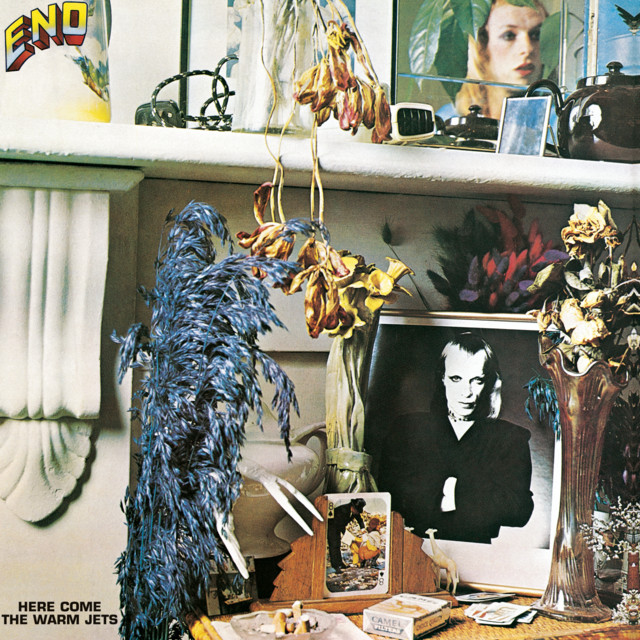
Here Come The Warm Jets
1973
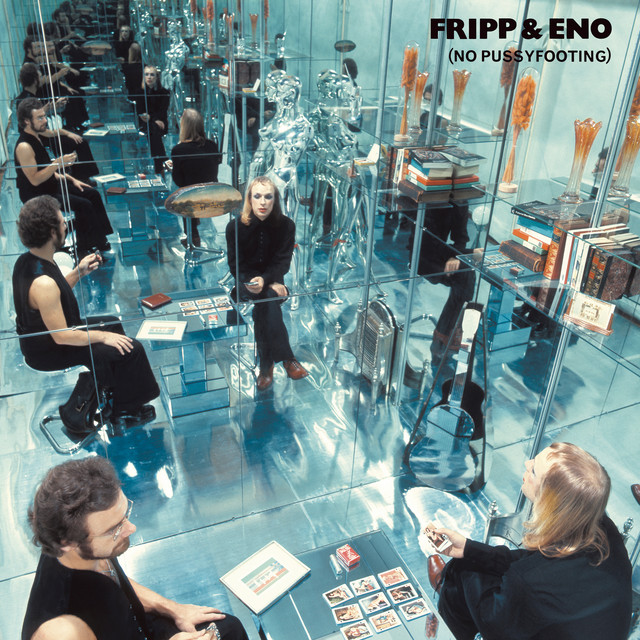
No Pussyfooting
1973
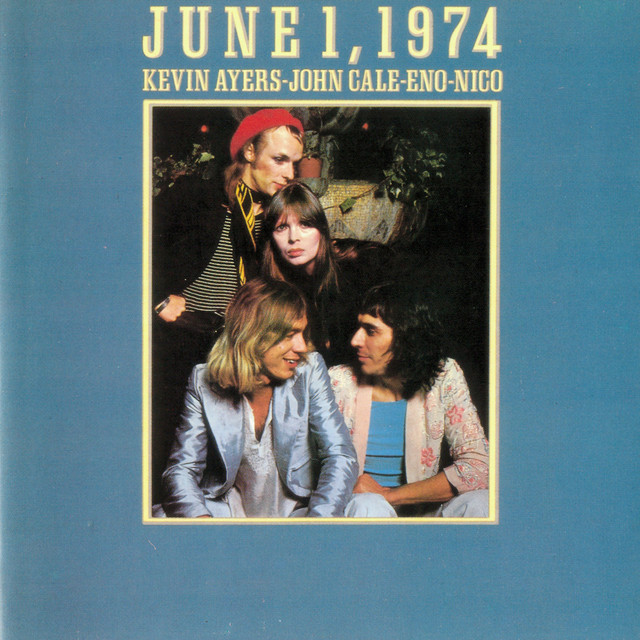
June 1, 1974 (Live At The Rainbow Theatre / 1974)
1974
![Taking Tiger Mountain (By Strategy) [2004 Remaster] album cover](https://images.equipboard.com/uploads/album/image/274230/taking-tiger-mountain-by-strategy-2004-remaster.jpg)
Taking Tiger Mountain (By Strategy) [2004 Remaster]
1974
Another Green World (2004 Remaster)
1975
Evening Star
1975
Discreet Music
1975
Cluster & Eno
1977
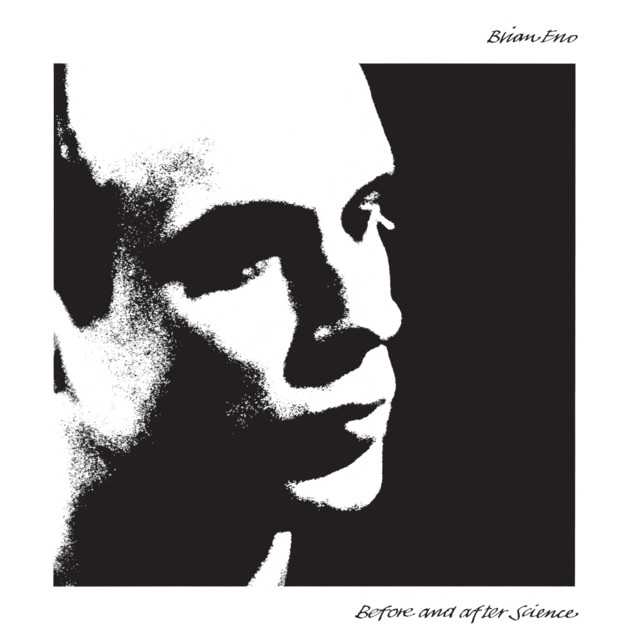
Before And After Science
1977
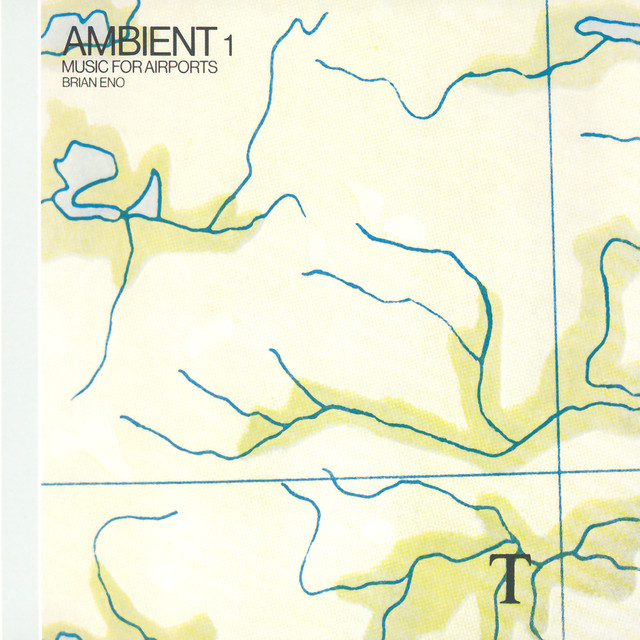
Ambient 1: Music For Airports (Remastered 2004)
1978
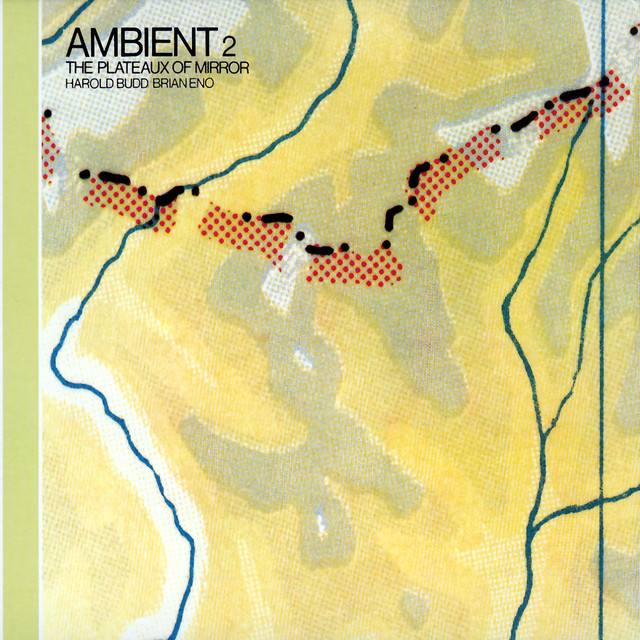
Ambient 2: The Plateaux Of Mirror (Remastered 2004)
1980
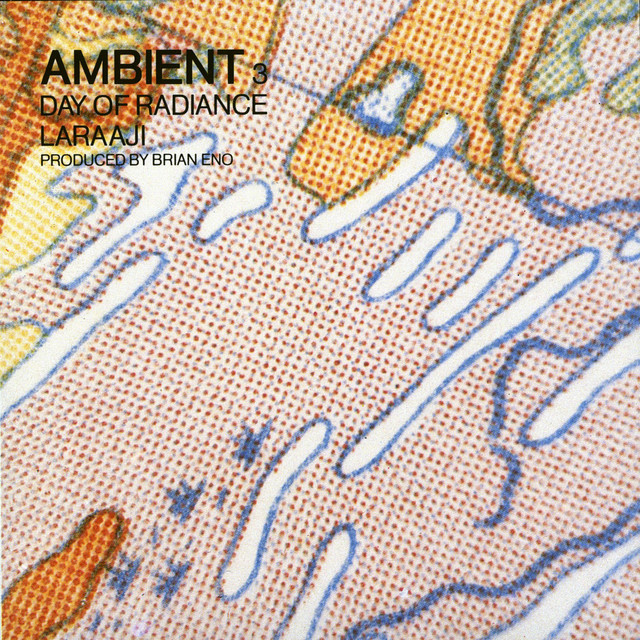
Ambient 3: Day Of Radiance
1980
Album Credits
-
Producer
-
Beatie Wolfe · 2025
Producer -
Brian Eno & Beatie Wolfe · 2025
Producer -
Eno (Original Motion Picture Soundtrack)
Brian Eno · 2024
Mixing Engineer Producer Recording Engineer -
Coldplay · 2024
Programmer -
Live and Let Live (Dark-Side Mix)
Peter Gabriel · 2023
Programmer -
Live and Let Live (Bright-Side Mix)
Peter Gabriel · 2023
Programmer -
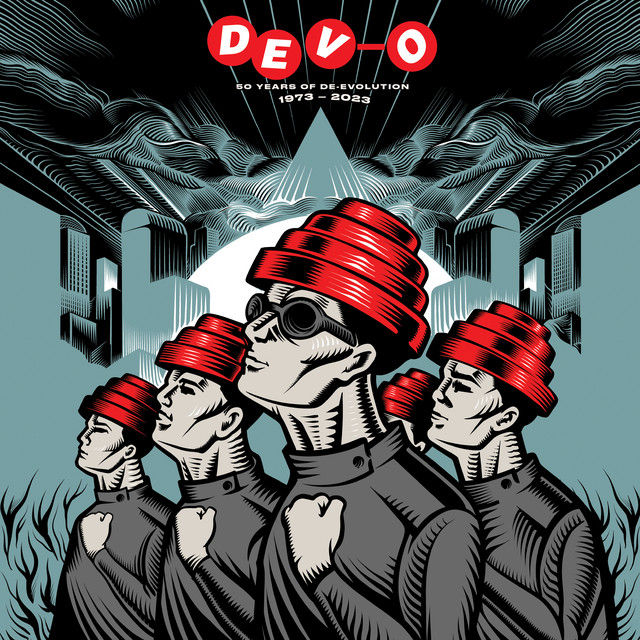
50 Years of De-Evolution 1973–2023
Devo · 2023
Producer -
Four Kinds of Horses (Dark-Side Mix)
Peter Gabriel · 2023
Programmer -
Four Kinds of Horses (Bright-Side Mix)
Peter Gabriel · 2023
Programmer -
Peter Gabriel · 2023
Producer Programmer -
Brian Eno & Fred again.. · 2023
Producer