David Gilmour
Pink Floyd
David Gilmour's Microphones


"The distinctive, gold detailed MD 409N vocal microphone was Pink Floyd's microphone of choice for vocals in the late 60s and early 70s. They can be seen using these microphones in "Live in Pompeii," along with many other recorded live performances from the 70's"
Find it on:


In "Pulse" 1994, WEM and Marshall speaker cabinets are mic’ed with Shure SM57 and Neumann U-87 microphones.
Find it on:


-m.webp?v=1783260056)
Used for Gilmour's guitar on Dark Side of the Moon, as mentioned by recording engineer Alan Parsons in this March 9, 2012 Premier Guitar interview by Mitch Gallagher.
What about with Gilmour on Dark Side of the Moon?
Probably a [Neumann] U 87, possibly a U 86. I’ve carried that through right to the present day.
Did you use both of those together or did you use them separately?
Just one or the other.
Despite Parsons' uncertainty, a U87 is visible next to Gilmour in this footage from the Dark Side of the Moon sessions at 3:55.
Find it on:


Used for vocals on the Rattle That Lock Tour, as featured in this article by Sound Technology Ltd.
After five decades as a leading live sound engineer Colin Norfield’s roster of acts reads like a who’s who of touring giants.
In 1994 he piloted the sound mix for Pink Floyd’s landmark Divisional Bell tour, and his relationship with band front-man, David Gilmour has endured right up to the five recent performances at the Royal Albert Hall to promote his new album, Rattle That Lock.
Over the years, Colin has become increasingly discerning with his equipment selection, and for the first time on these shows, he introduced the artist to AKG’s D7 dynamic mic. This had originally been brought to his attention by the Austrian company’s Artist & Key Customer Relations Manager, Walter Rührig, with whom he has enjoyed a long relationship.
“Colin and I spoke again before this tour, and I suggested he give the D7 another try,” says the AKG man. The mic was submitted for initial tests several months before full production rehearsals started, and Colin Norfield promptly adopted it, at the same time ensuring that the six backing vocalists were also equipped with the D7.
Explaining his reasons behind the decision, Colin Norfield explains, “It’s a problem to get a big punchy sound in The Albert Hall due to its notoriously difficult acoustics. I needed something that would deliver a clean, robust all round sound.
“Having used the AKG D7 on other artists I have found it to be a good all round microphone, which doesn’t let much in from outside. I know of other artists who have literally screamed into the D7 — with no evidence of distortion.”
Find it on:

Used for vocals for a time, as mentioned by sound engineer Andy Jackson in this interview from Vol. 6, #7 of Resolution Magazine.
And for vocals? When we did Live 8, I mixed FOH helped by Jon Lemon, and he said: 'Check these out, they're the new Neumann live mic, the condenser that looks like a dynamic.' They're pretty good, and reasonably light directionality, that was good, so that was what went out on the road.
And in the studio? Well David's very easy, he sounds good on anything, he sound pretty good on a 58, but it's the Sony C800G with the heat sink, horribly expensive, but they're fantastic. I've tried lots of things, and it's really good, it has an openness and a size. We've done all sorts of things over the years, 67, 47, I had him on a Brauner for a while — they all work, he's got a good voice and good technique, so it's not that difficult.
Find it on:

Used since the On An Island Tour, as stated by sound engineer Andy Jackson in this October 2007 interview from Vol. 6, #7 of Resolution Magazine.
Oddly enough I ended up adding a 57, it was Colin Norfield who did FOH, traditionally uses the Shure KSM32s which are nice, but just because of the experience on the album, at the Albert Hall I put up the same thing, the 57 and the STC as well, and then the rest of the tour it was just a 57, which was really helpful: there's something about combining the mics that gives you something you can't make out of any one of them, it covers all the bases.
This is also stated in this June 1, 2006 Mix Online article
Shure KSM-32s are on guitar cabinets (for Gilmour and Manzanera).
As of the Rattle That Lock Tour, Gilmour's WEM cabinets are miked with KSM32s, as seen in this photo from 2016 Wroclaw concert.
Find it on:

Used for Gilmour's guitar on On An Island, as mentioned by sound engineer Andy Jackson in this July 2006 Sound on Sound article.
"Everyone asks what reverbs David uses, and the answer is none! He uses delays, and it's usually around 700 milliseconds or so. That's on his pedalboard, but apart from that there's probably only one or two different distortion boxes and maybe a compressor. It's not that complex — it's just finely tinkered with and he's got some nice guitars and good fingers. The amp was generally an old Fender Tweed Twin Reverb, with a little bit from his Hi-Watts occasionally. When he's recording at home, he just kind of sticks that Sony mic in a non-specific place in front of the speaker and I tried to replicate that in the studio, but it wasn't really working in our room. Chris wanted to stick an SM57 on it, maybe four inches from the grille cloth and a bit off-axis, but then I put a Coles 4040 ribbon mic next to it, dead in the middle of the cone, and we found that mixing that in behind the 57 really worked. What you hear is mainly the 57, but when you bring up the Coles, the sound just goes 'expensive'. Nearly all the guitar I recorded ended up being done like that — you just have to be really careful about the mic positions and make sure both are exactly the same distance from the speaker.
"Some of the guitars would be from David's home recording as he has a similar amp and effects setup at home. In fact on the guitar solo for 'On An Island' where there are two guitars, the first is a Les Paul and the second one a Strat. He recorded the Les Paul at home using the Sony mic and I recorded the Strat in the studio using the SM57 and the Coles ribbon, so if you want to hear how the two approaches compare, that's a good place to do it."
This is restated by Jackson in this interview from Vol. 6, #7 of Resolution Magazine, which reveals that the mic was also used for the On An Island Tour performances at Royal Albert Hall.
Well oddly enough we went through lots of experiments on the last album, and mostly ended up using a 57, rammed right up the speaker, traditional style. I did put an STC 4040, which is the updated 4038, and snuck it quite a long way behind, but it just poshed up the 57, but it was mostly the 57.
And you put them next to each other? Yes, right together. Every time I try splitting it across speakers, it never sounds phase coherent.
And on stage? Oddly enough I ended up adding a 57, it was Colin Norfield who did FOH, traditionally uses the Shure KSM32s which are nice, but just because of the experience on the album, at the Albert Hall I put up the same thing, the 57 and the STC as well, and then the rest of the tour it was just a 57, which was really helpful: there's something about combining the mics that gives you something you can't make out of any one of them, it covers all the bases.
Find it on:

Used for vocal overdubs on Dark Side of the Moon, as mentioned by recording engineer Alan Parsons in this March 9, 2012 Premier Guitar interview by Mitch Gallagher.
By the time we got around to overdubs, probably the only mic I actually had set up would be a [Neumann] U 47 so that we could do vocals. I might have stuck that on it, on occasion.
Find it on:

Used for vocals with Pink Floyd for an unspecified session, as mentioned by producer William Wittman in this November 16, 2006 R / E / P forum post.
The only Floyd session I ever saw, they had U-47fets set up for vocals.
Given Wittman's career, the U47 FET could have been used on any session from The Final Cut to The Division Bell, which overlaps with the beginning of sound engineer Andy Jackson's work with Gilmour. In fact, a U47 is mentioned by Jackson in this interview from Vol. 6, #7 of Resolution Magazine.
Well David's very easy, he sounds good on anything, he sound pretty good on a 58, but it's the Sony C800G with the heat sink, horribly expensive, but they're fantastic. I've tried lots of things, and it's really good, it has an openness and a size. We've done all sorts of things over the years, 67, 47, I had him on a Brauner for a while — they all work, he's got a good voice and good technique, so it's not that difficult.
Find it on:

Used on Gilmour's Yamaha RA-200R for The Endless River, as is visible in this photo from this February 10, 2015 Music Radar interview with guitar tech Phil Taylor about the contents of Astoria.
Find it on:

Used for Gilmour's vocals on On An Island, in addition to the title track's Les Paul solo, as mentioned by sound engineer Andy Jackson in this July 2006 Sound on Sound article.
"Actually, it's very straightforward — voice — nice microphone, nice mic amp, nice compressor. There you go. For reverbs I tend to be old-school and use an EMT plate. I had a couple of plates and a Lexicon Hall — that was our palette. The vocal chain starts with that Sony tube mic with the heatsink on the side, the C800G, and it is the most fantastic microphone. We have a couple of those, one in the studio and one for David to use at home, which is another reason his demos sounded so good. That feeds an old Neumann V72 mic preamp and then EAR EQs and compressors like the ones I use here in my mastering system. I would compress his voice but only fairly gently with a tickle of 2:1, then maybe do that again on the mix. That's with the exception of the rock songs of course, which were completely mashed in a Fairchild! The thing is, David makes my life easy — stick him on the phone and he sounds great! He is not a difficult person to record — great technique and a great voice."
(...) "Some of the guitars would be from David's home recording as he has a similar amp and effects setup at home. In fact on the guitar solo for 'On An Island' where there are two guitars, the first is a Les Paul and the second one a Strat. He recorded the Les Paul at home using the Sony mic and I recorded the Strat in the studio using the SM57 and the Coles ribbon, so if you want to hear how the two approaches compare, that's a good place to do it."
This is restated by Jackson in this interview from Vol. 6, #7 of Resolution Magazine.
Well David's very easy, he sounds good on anything, he sound pretty good on a 58, but it's the Sony C800G with the heat sink, horribly expensive, but they're fantastic. I've tried lots of things, and it's really good, it has an openness and a size. We've done all sorts of things over the years, 67, 47, I had him on a Brauner for a while — they all work, he's got a good voice and good technique, so it's not that difficult.
Find it on:



Used for live vocals since Live 8, as mentioned by sound engineer Andy Jackson in this interview from Vol. 6, #7 of Resolution Magazine.
And for vocals? When we did Live 8, I mixed FOH helped by Jon Lemon, and he said: 'Check these out, they're the new Neumann live mic, the condenser that looks like a dynamic.' They're pretty good, and reasonably light directionality, that was good, so that was what went out on the road.
The microphone is specified to be a KSM 105 in this June 1, 2006 Mix Online article about the On An Island Tour.
All of the vocal mics are Neumann KSM-105s.
Footage from Live 8 shows it to be the wired version.
Find it on:

Two were used on Gilmour's Yamaha RA-200R for The Endless River, as is visible in this photo from this February 10, 2015 Music Radar interview with guitar tech Phil Taylor about the contents of Astoria and Medina.
Left to right: 1958 FENDER Tweed Twin, 1976 Yamaha RA200 Rotary speaker with Alembic preamp, 1970s Hiwatt SA212, Alessandro Redbone Special, Leslie Model G27 cab
“These were David’s main amps on The Endless River,” comments Phil Taylor on the beautiful array of vintage and modern amps in the studio’s live room. “He also used the Leslie Studio 12 cab with the Allesandro Redbone Special 55-watt model.”
Taylor also mentioned a single KM 86 being used on The Division Bell for the same purpose in this September 1994 Guitar World interview by Brad Tolinski, one of a trio from the same issue.
GW: What about microphones?
PT: It varies, but primarily Neumann U-87's and Shure SM-57's. We've also used a Neumann KM-86 on his rotating speaker.
Find it on:
This is a community-built gear list for David Gilmour.
- Find relevant music gear like Guitars, Amplifiers, Effects Pedals, and other instruments and add it to David Gilmour.
- The best places to look for gear usage are typically on the artist's social media, YouTube, live performance images, and interviews.
- To receive email updates when David Gilmour is seen with new gear, follow the artist.
Discography
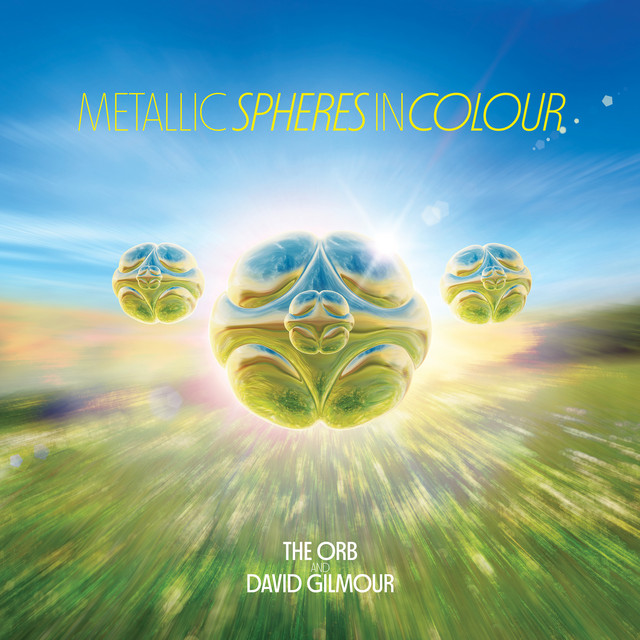
Album Credits
-

Between Two Points (Live from the Luck and Strange Concerts)
David Gilmour · 2025
Mixing Engineer Producer -

Wish You Were Here (Live from the Luck and Strange Concerts)
David Gilmour · 2025
Mixing Engineer Producer -

Luck and Strange (Live from the Luck and Strange Concerts)
David Gilmour · 2025
Mixing Engineer Producer -

Sorrow (Live from the Luck and Strange Concerts)
David Gilmour · 2025
Mixing Engineer Producer -

David Gilmour · 2025
Mixing Engineer Producer -
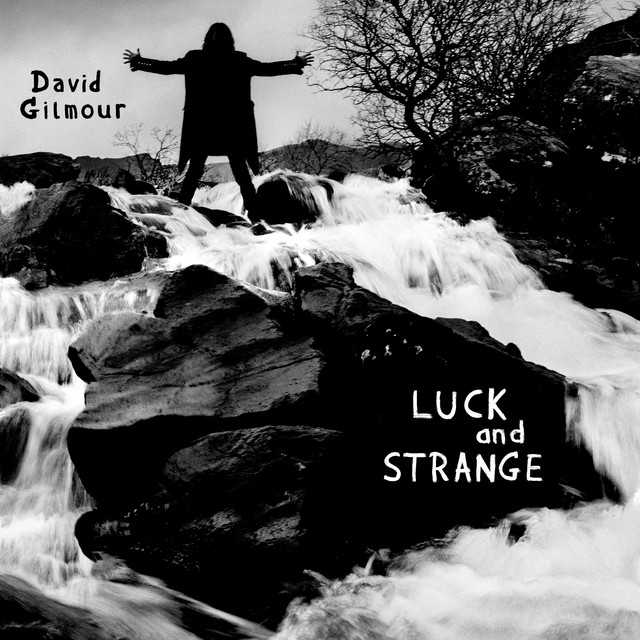
David Gilmour · 2024
Mixing Engineer Producer Programmer -
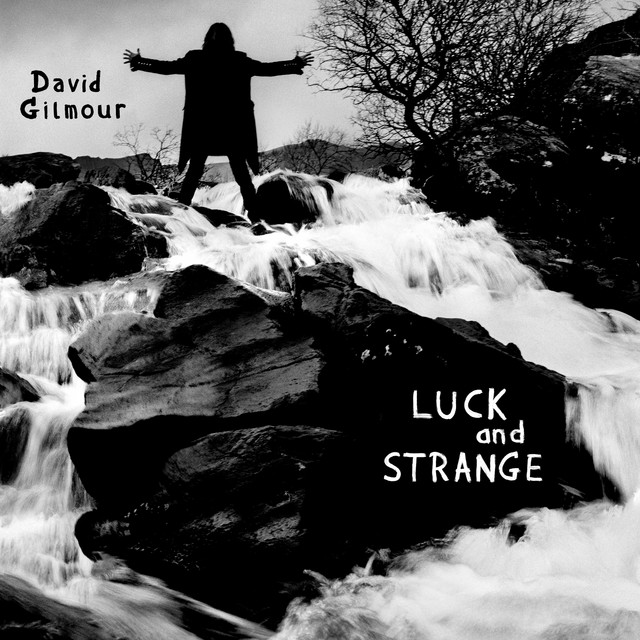
David Gilmour · 2024
Mixing Engineer Producer -
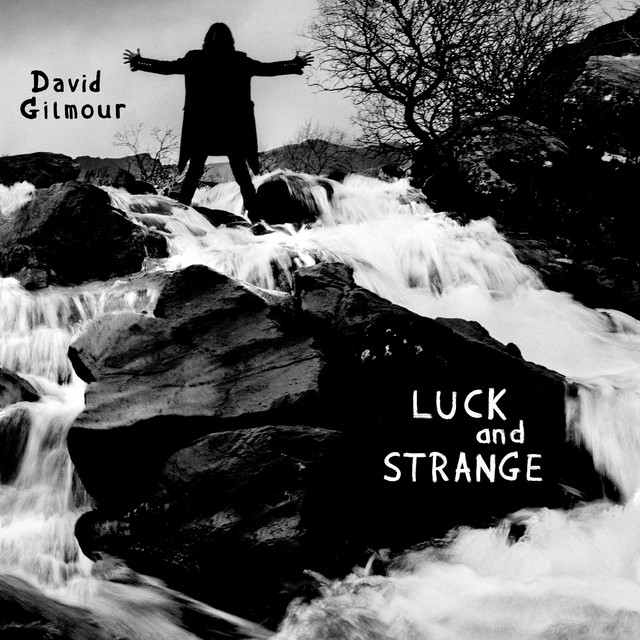
David Gilmour · 2024
Mixing Engineer Producer -
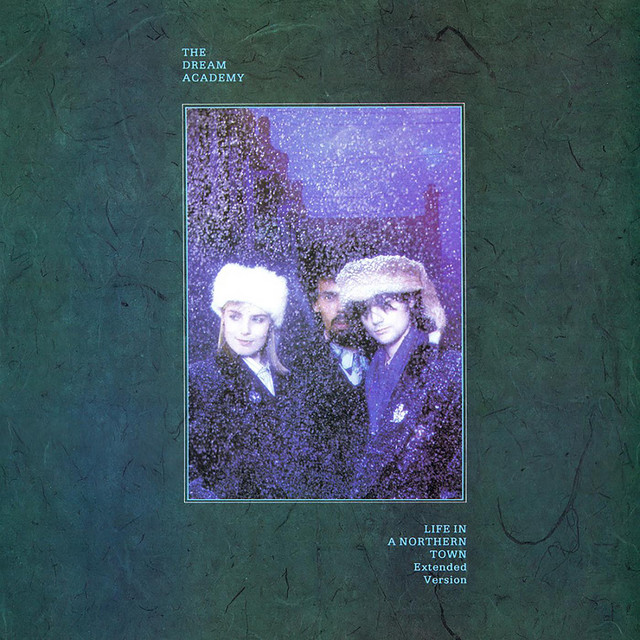
The Dream Academy · 2021
Producer -
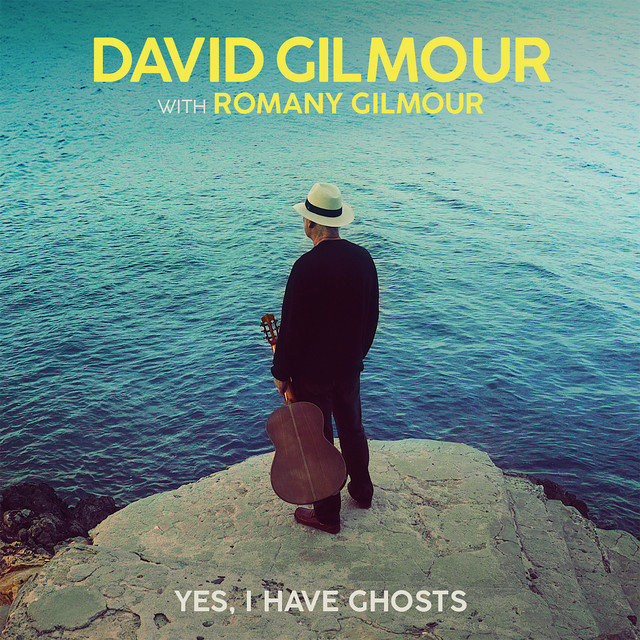
David Gilmour · 2020
Mixing Engineer Programmer -
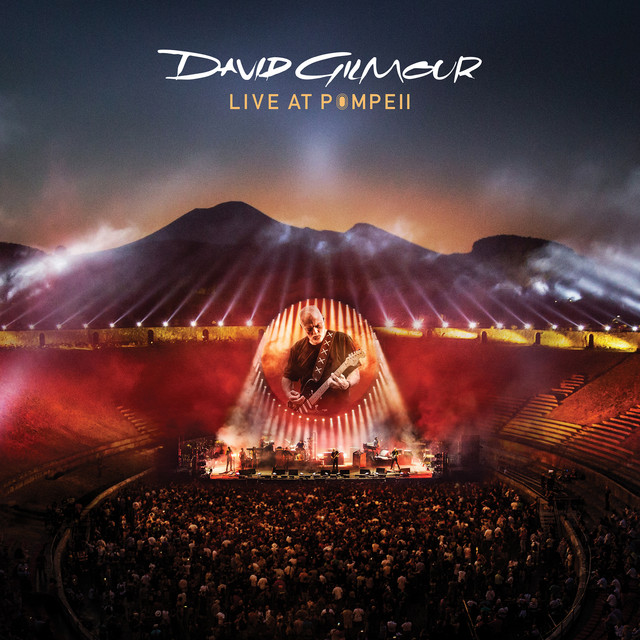
David Gilmour · 2017
Mixing Engineer Producer -
One of These Days (Live At Pompeii 2016)
David Gilmour · 2017
Mixing Engineer Producer
.jpeg?v=1783292592)

.jpeg?v=1783065966)




.webp)