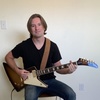
David Gilmour
Pink Floyd
David Gilmour's Gear


David Gilmour's connection with GHS Boomers series goes back to 1979, when he started using them on Pink Floyd's "The Wall" project. He uses gauges 010-012-016-028-038-048 on his Fender Stratocaster and gauges 010 1/2-013-017-030-040-050 on his Gibson Les Paul . Decide for yourself which is right for you!
From 1964 to now, the GHS Boomers series has been the flagship set of GHS Strings. Used by musicians in every genre, the Boomers have shown to stand up to any playing style. Now known as "The Power String", GHS Boomers continue to make their mark on music across the world. The roundwound guitar set is made with Nickel-Plated steel wrapped tightly around a round core wire. The combination provides the string with its bright characteristic and long-lasting tone.
Introducing our brand new NitroPack singles! Each single string is sealed in a nitrogen environment, eliminating all oxygen, in a tear-resistant package. Whether you use one string or the whole set, the NitroPack guarantees straight from the factory freshness!
ABOUT GHS STRINGS
GHS Strings are manufactured in a state-of-the-art, climate controlled facility using precision equipment and only the purest of materials. The air-tight Fresh Pack locks in factory freshness that endures the test of time and locks out corrosion. When you buy GHS strings you get quality, consistency, lasting intonation and superbly harmonious sound!
GHS Strings - The String Specialists since 1964.
GB-DGG Set (Red): 010 1/2-013-017-DY30-DY40-DY50
Find it on:


In the article it states : "In the studio, David likes to tinker around and get his sound as quickly and as easily as possible. He plugs into a Boss CS-2 compressor, a T.C. 2290 for delay and a Yamaha SPX90 for stereo chorus. Then it's into a Gallien-Krueger 250Ml amplifier at an overdriven setting into a Fender Super Tube amp at a clean setting."
Find it on:


Used for Gilmour's vocals on On An Island, as mentioned by sound engineer Andy Jackson in this July 2006 Sound on Sound article.
"Actually, it's very straightforward — voice — nice microphone, nice mic amp, nice compressor. There you go. For reverbs I tend to be old-school and use an EMT plate. I had a couple of plates and a Lexicon Hall — that was our palette. The vocal chain starts with that Sony tube mic with the heatsink on the side, the C800G, and it is the most fantastic microphone. We have a couple of those, one in the studio and one for David to use at home, which is another reason his demos sounded so good. That feeds an old Neumann V72 mic preamp and then EAR EQs and compressors like the ones I use here in my mastering system. I would compress his voice but only fairly gently with a tickle of 2:1, then maybe do that again on the mix. That's with the exception of the rock songs of course, which were completely mashed in a Fairchild! The thing is, David makes my life easy — stick him on the phone and he sounds great! He is not a difficult person to record — great technique and a great voice."
Find it on:

Used on The Endless River, as mentioned by guitar tech Phil Taylor in this February 10, 2015 Music Radar interview about the contents of Astoria.
“David has a 1963 Fender Bass VI. It’s strung relatively light for a baritone. But it’s still a 30-inch scale, so I thought I’d get him a new one made. I wanted it to be more like a guitar, shorter scale, but it also had to have a vibrato on it. I talked to Fender, and they made two."
They have a 27-inch scale, so between a guitar and a bass. You can put lighter strings on these, it feels very nice. But I had to change a few things - I put a Vibramate String Spoiler on the back-end of the Bigsby and replaced the electronics with Callaham Cryo electronics. I wanted to get as much detail out of the strings as possible.
“The strings were unbalanced on the regular Fender Tele pickups, so I got Ron Ellis to make some custom baritone pickups. I was very pleased, thought it was marvellous. But it sat here for a year before David even picked it up!
"Only for The Endless River, was it played. We were here with (co-producer) Youth, who said David maybe needed a more baritone sound. David shrugged and says, ‘Okay... have I got a baritone?’ Finally, he played it.”
In 2019, the guitar was auctioned off for $68,750 as part of Christie's The David Gilmour Guitar Collection auction with the following item description:
FENDER MUSICAL INSTRUMENTS CORPORATION, CORONA, 2010 A SOLID-BODY ELECTRIC GUITAR, TELECASTER CUSTOM BARITONE At the peghead Fender TELECASTER, the reverse with logo Custom Shop, the finish black with white binding, in original hardshell case bearing a label inscribed FENDER BARITONE TELE #1 NO S/N; accompanied by a color photograph by Phil Taylor of David Gilmour playing this guitar in his East Sussex studio circa April 2014 Length of back 15 ¾ in. (40 cm.)
This guitar was custom-made for David Gilmour by Fender Custom Shop in 2010 and kept primarily for studio use. A baritone guitar incorporates a longer scale length than a normal guitar and is tuned either in a perfect 4th (B, E, A, D, F#, B) or perfect 5th lower (A, D, G, C, E, A) than a standard guitar tuning. This allows for deeper voicing than typically heard with guitar performance. Gilmour’s guitar technician Phil Taylor liaised with Fender to build a baritone on a shorter scale than his 1963 Fender Bass VI (lot 30). The resulting guitar has a 27-inch scale, placing it between an electric and bass guitar in terms of size. It was further modified with a Vibramate String Spoiler and custom baritone pickups, and the electronics replaced with Callaham Cryo electronics. At the suggestion of album co-producer Youth, Gilmour used the baritone guitar during recording of Pink Floyd’s fifteenth studio album The Endless River, notably on the track It’s What We Do. Material from the 1993 recording sessions for The Division Bell was revisited and reworked with 21st Century digital technology and supplemented with new material recorded between 2013 and 2014 at Gilmour’s Astoria houseboat studio. Released in November 2014 as a tribute to keyboardist Richard Wright, who had passed away in 2008, the predominantly instrumental album debuted at number one in the UK, France, Germany, Portugal, Ireland, the Netherlands, Belgium, New Zealand, and Canada. The guitar was subsequently enlisted for performances of Run Like Hell during Gilmour’s Rattle That Lock Tour from 12th September 2015, played by longtime Pink Floyd collaborator Jon Carin during the first three legs of the tour and thereafter by Chester Kamen for the final two legs through to 30th September 2016.
Find it on:


One of the main amps used by David Gilmour during Pink Floyd's 1968 LP A Saucerful Of Secrets
Find it on:

Used on Gilmour's Yamaha RA-200R for The Endless River, as is visible in this photo from this February 10, 2015 Music Radar interview with guitar tech Phil Taylor about the contents of Astoria.
Find it on:


Mentioned in this February 10, 2015 Music Radar interview with guitar tech Phil Taylor about the contents of Astoria.
A vintage Magnatone 260 combo joins the Hiwatts and Fenders in the live room, further evidence of the regard in which amps by the US company, recently revived, are held.
Find it on:
-m.webp?v=1782480431)
Mentioned by guitar tech Phil Taylor in this September 1994 Guitar World interview (one of a trio from the same issue).
GW: How many guitars does he use during the course of a performance?
PT: About seven. In addition to his Strats, he uses a Telecaster tuned to a drop-D for "Run Like Hell," two mid-Eighties Gibson J-200 acoustics -- one tuned to standard pitch and the other tuned to D,A,D,G,A,D for "Poles Apart" -- a Chet Atkins electric-acoustic and two lap steels.
In 2019, Gilmour's 6120 was auctioned off for $100,000 as part of Christie's The David Gilmour Guitar Collection auction with the following item description:
THE FRED GRETSCH MANUFACTURING COMPANY, BROOKLYN, 1960/61 A HOLLOW-BODY ELECTRIC GUITAR, CHET ATKINS 6120 Inlaid at the headstock Gretsch and labeled internally THE FRED. / GRETSCH / MFG.Co. / 60 Broadway / Brooklyn (11), N.Y. / Model no. 6120, Serial No. 39884 / MUSICAL INSTRUMENT MAKERS SINCE 1883, Gretsch and applied at the pickguard, along with Chet Atkins, with original hardshell case bearing a label inscribed GRETSCH 6120 #39884 and SERIAL NO. DG1066; accompanied by a facsimile copy of the sales invoice from California Guitar to Mr. Dave Gilmour, dated 15th December 1979 Length of back 20 5/8 in. (52.5 cm.)
David Gilmour purchased this 6120 from Frank Lucido’s California Guitar, Ventura, California, in December 1979, during a brief interlude between completing final recording and mixing sessions for the 1979 Pink Floyd album The Wall at Producer's Workshop in Los Angeles in November 1979 and beginning rehearsals for the upcoming The Wall Tour in January 1980. Gilmour kept this guitar for studio use.
Find it on:

Christie’s is preparing to bring to auction highlights from David Gilmour’s personal guitar collection on June 20th, 2019 in New York. Comprising more than 120 guitars, Gilmour’s collection focuses on a selection of his preferred Fender models including Broadcasters, Esquires, Telecasters and Stratocasters,
Find it on:

This guitar was mentioned in the booklet of the reissue CD release of "P.U.L.S.E.". In the booklet it's called "Gibson 'Chet Atkins' Classical.
Find it on:

Used for The Division Bell and The Endless River, as reported by Gilmourish. The Rover was the basis for Gilmour’s Doppolas speakers, which replaced it on tour.
The Doppolas
David had been using a Maestro Rover rotating speaker on the Division Bell sessions and this inspired Phil Taylor and Paul Leader to design the Doppola speakers that featured on the 1994 tour. These were custom built rotating cabinets with two 6″ 100W speakers in each powered by – and running in conjunction with – the Hiwatts. Leslie cabinets or the old Yamahas might have seemed the obvious choice, but Gilmour was after a slightly different sound and something a bit lighter to carry around.
The Maestro Rover
The Maestro Rover rotating speaker is a small rotating cabinet mounted on a stand, featuring a 6″ 35w speaker and controls for volume, speed and a foot control for switching the unit on/off. The Rover was reportedly employed by David during the Dark Side of the Moon recording sessions in 1972, although no footage can confirm this.
The Rover was featured in David’s 1993 setup for the Division Bell and Endless River recording sessions. The rig consisted of a duplicate combination of Fender Bassmans and Hiwatt SA212 amps, with the Rover standing on top mic’ed for stereo.
Find it on:

Avant le Floyd (jusqu’à 1968)
David Gilmour, né le 06 mars 1946, commence la guitare grâce à des disques d’enseignement réalisés par le Folksinger Pete Seeger (qui a été membre des Weevers avant la seconde guerre mondiale) ; ce dernier préconise avant tout un travail sur l’oreille du guitariste. Il a alors 15 ans et s’entraîne sur une guitare classique empruntée à son voisin de palier qu’il n’aurait – semble-t-il – jamais rendue.
Puis il se procure une guitare avec ouies en « f » sur laquelle il installe un micro ; Par la suite, il achète une Burns Sonnet épouvantable selon ses dires et une Hofner Club 60 qu'il utilisera avec Joker Wild. Sur quelques photos, on le voit avec ce premier groupe avec des amplis Vox AC-30 mais ce ne sont peut-être que des amplis prêtés ou en location.
Find it on:

According to Gilmourish's gear photos, Gilmour uses the Peterson AutoStrobe 490 tuner rack unit.
Find it on:
-m.webp?v=1783177207)
David Gilmour is listed as a user of the Mastery Bridge on the Mastery Bridge website.
Find it on:

Gilmour used EMG SA single coils on his Red Strat during the Division Bell era of Pink Floyd, usually with a EXG and SPC connected to them.
Find it on:


At 3:51 you can clearly see him playing his famous studio distortion rig which he describes in an interview for guitar world in 1988 where he reveals his use of a Steinberger guitar.
“That very nasty distortion you hear at the beginning of the song is basically the result of the Steinberger going through two little amps in the studio—a Fender Super Champ and a Gallien-Krueger. I use a Boss Heavy Metal distortion pedal and a Boss digital delay pedal, which then goes into the Fender Super Champ. And that in combination with the internal distortion on the Gallien-Krueger was how I got that particular sound."
Link to the interview: http://www.guitarworld.com/pink-floyds-david-gilmour-discusses-his-technique-and-gear-1988-guitar-world-interview
Here is a link to a site where you can see Gilmour holding his Steinberger and next to it you can see it being revealed as being the GMT-six: http://jeffbabicz.com/steinberger-sound.htm
Find it on:

Ever wondered what the most bizzare guitar has David Gilmour got in his collection? Well, this "afri-can" guitar could easily be the winner of this competition. A South African company called Township Guitars is crafting their instruments out of old oil cans. They are inspired by the traditional can instruments that have long been played by the poorest in Africa.
Each guitar consist of a five-liter oil can body, a maple neck with a rosewood fingerboard, a single or double coil pick-up as well as volume and tone controls, a truss rod and a fully adjustable bridge.
On the picture below, Gilmour plays two single coil version through his small Fender Super Champ combo. (Introduced in 1982, the Fender Super Champ combo was co-designed by Rivera Amplifiers to help Fender with a modern sound. It featured 18 Watts of RMS, 10" speaker, clean and overdrive channel, and spring reverb.)
Find it on:

In this article it states David Gilmour owns a rare Rickenbacker Hawaiian
Find it on:

Visible on the pedal shelf of Gilmour's studio, Medina.
Find it on:

Used for Gilmour's vocals on On An Island, in addition to the title track's Les Paul solo, as mentioned by sound engineer Andy Jackson in this July 2006 Sound on Sound article.
"Actually, it's very straightforward — voice — nice microphone, nice mic amp, nice compressor. There you go. For reverbs I tend to be old-school and use an EMT plate. I had a couple of plates and a Lexicon Hall — that was our palette. The vocal chain starts with that Sony tube mic with the heatsink on the side, the C800G, and it is the most fantastic microphone. We have a couple of those, one in the studio and one for David to use at home, which is another reason his demos sounded so good. That feeds an old Neumann V72 mic preamp and then EAR EQs and compressors like the ones I use here in my mastering system. I would compress his voice but only fairly gently with a tickle of 2:1, then maybe do that again on the mix. That's with the exception of the rock songs of course, which were completely mashed in a Fairchild! The thing is, David makes my life easy — stick him on the phone and he sounds great! He is not a difficult person to record — great technique and a great voice."
(...) "Some of the guitars would be from David's home recording as he has a similar amp and effects setup at home. In fact on the guitar solo for 'On An Island' where there are two guitars, the first is a Les Paul and the second one a Strat. He recorded the Les Paul at home using the Sony mic and I recorded the Strat in the studio using the SM57 and the Coles ribbon, so if you want to hear how the two approaches compare, that's a good place to do it."
This is restated by Jackson in this interview from Vol. 6, #7 of Resolution Magazine.
Well David's very easy, he sounds good on anything, he sound pretty good on a 58, but it's the Sony C800G with the heat sink, horribly expensive, but they're fantastic. I've tried lots of things, and it's really good, it has an openness and a size. We've done all sorts of things over the years, 67, 47, I had him on a Brauner for a while — they all work, he's got a good voice and good technique, so it's not that difficult.
Find it on:



Used for live vocals since Live 8, as mentioned by sound engineer Andy Jackson in this interview from Vol. 6, #7 of Resolution Magazine.
And for vocals? When we did Live 8, I mixed FOH helped by Jon Lemon, and he said: 'Check these out, they're the new Neumann live mic, the condenser that looks like a dynamic.' They're pretty good, and reasonably light directionality, that was good, so that was what went out on the road.
The microphone is specified to be a KSM 105 in this June 1, 2006 Mix Online article about the On An Island Tour.
All of the vocal mics are Neumann KSM-105s.
Footage from Live 8 shows it to be the wired version.
Find it on:

Two were used on Gilmour's Yamaha RA-200R for The Endless River, as is visible in this photo from this February 10, 2015 Music Radar interview with guitar tech Phil Taylor about the contents of Astoria and Medina.
Left to right: 1958 FENDER Tweed Twin, 1976 Yamaha RA200 Rotary speaker with Alembic preamp, 1970s Hiwatt SA212, Alessandro Redbone Special, Leslie Model G27 cab
“These were David’s main amps on The Endless River,” comments Phil Taylor on the beautiful array of vintage and modern amps in the studio’s live room. “He also used the Leslie Studio 12 cab with the Allesandro Redbone Special 55-watt model.”
Taylor also mentioned a single KM 86 being used on The Division Bell for the same purpose in this September 1994 Guitar World interview by Brad Tolinski, one of a trio from the same issue.
GW: What about microphones?
PT: It varies, but primarily Neumann U-87's and Shure SM-57's. We've also used a Neumann KM-86 on his rotating speaker.
Find it on:

Originally designed for inclusion in the range of Effects Boards created for Pink Floyd’s David Gilmour, the PETE CORNISH ST-2™ has a long history of preference by professional rock musicians as a vital part of their custom built PETE CORNISH™ Effects Pedalboards and Rack Systems.
From petecornish.co.uk
Find it on:

(David Gilmour)“These guitars have been very good to me and many of them have given me pieces of music over the years. They have paid for themselves many times over, but it’s now time that they moved on. Guitars were made to be played....
Find it on:

David Gilmour's distinctive guitar work, renowned for its lyrical solos and rich tones, has become a staple in popular music culture over the past fifty years. According to The Worley Gig, Gilmour is associated with the 1957 Gretsch Solid Body Electric Guitar, 6129 Silver Jet, adding to his iconic sound palette.
Find it on:

According to Gilmourish he used Booster+ by TC in late 80s on stage.
Find it on:

"...He also used it [Power Boost] heavily on Pink Floyd's 1972-1977 Pink Floyd tours and was later seen using the [Colorsound] Overdriver version in the 1990s..."
Find it on:

In this Instagram photo by Polly Samson, David Gilmour can be seen in recording studio using the T-Rex Binson Echorec Magnetic Disk Delay.
Find it on:

David’s elaborate pedal rack as seen in his new recording studio, Medina (Hove, Brighton, UK).
Find it on:
This is a community-built gear list for David Gilmour.
- Find relevant music gear like Guitars, Amplifiers, Effects Pedals, and other instruments and add it to David Gilmour.
- The best places to look for gear usage are typically on the artist's social media, YouTube, live performance images, and interviews.
- To receive email updates when David Gilmour is seen with new gear, follow the artist.
Discography
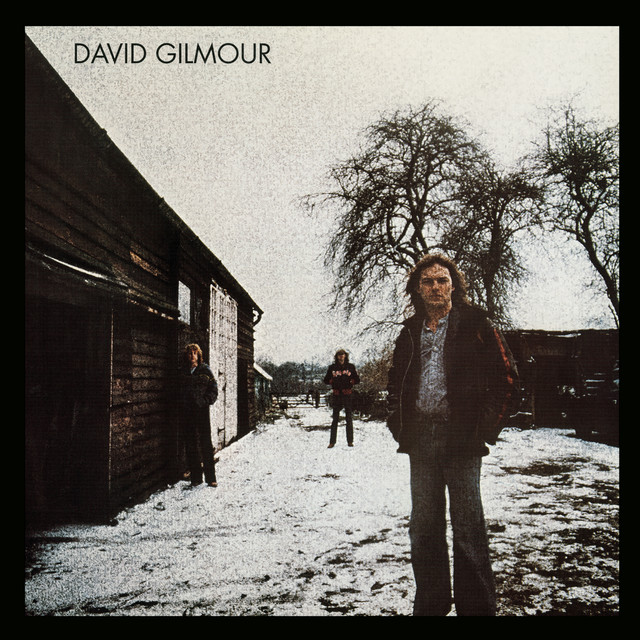
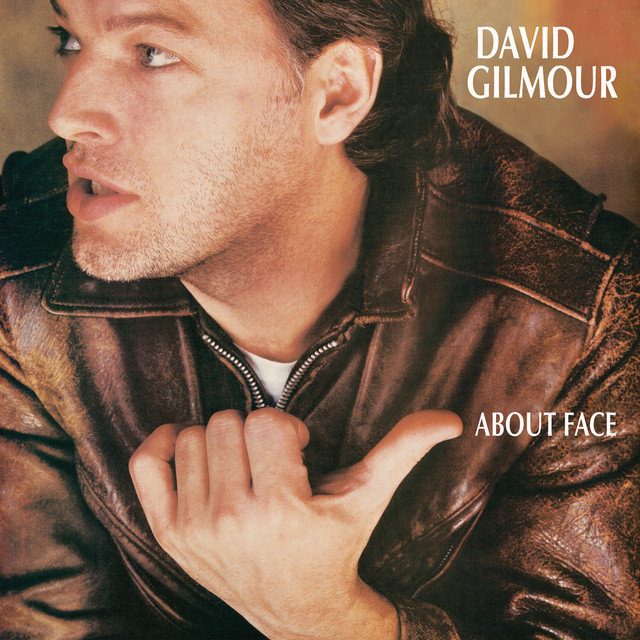
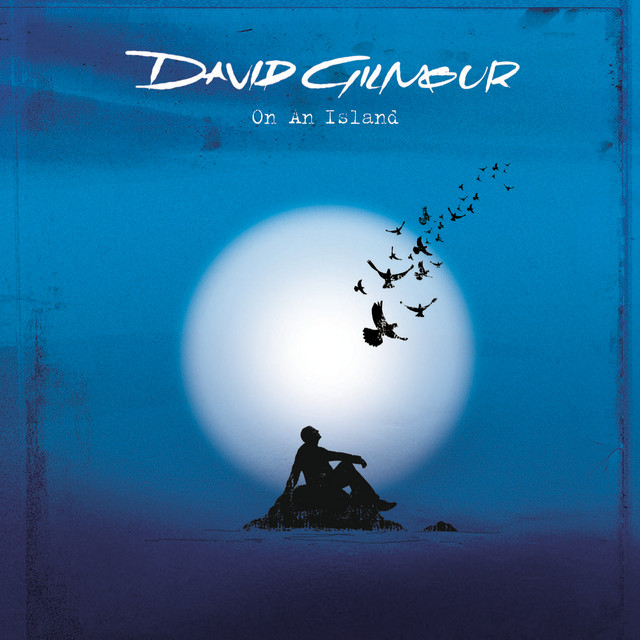
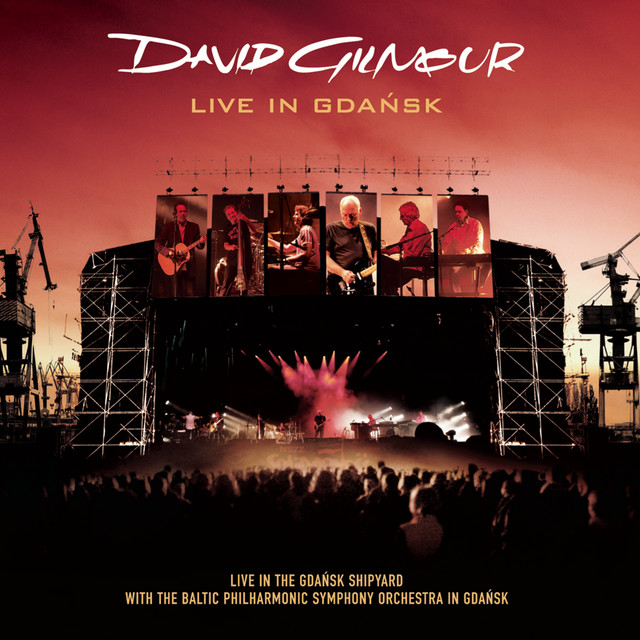
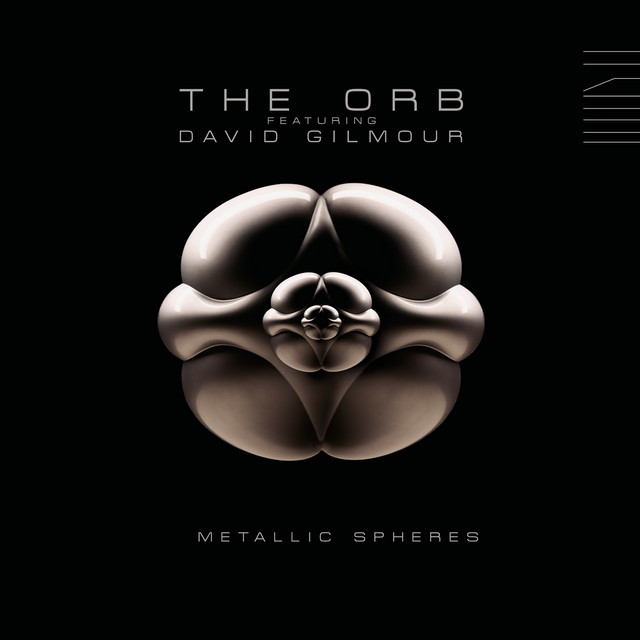
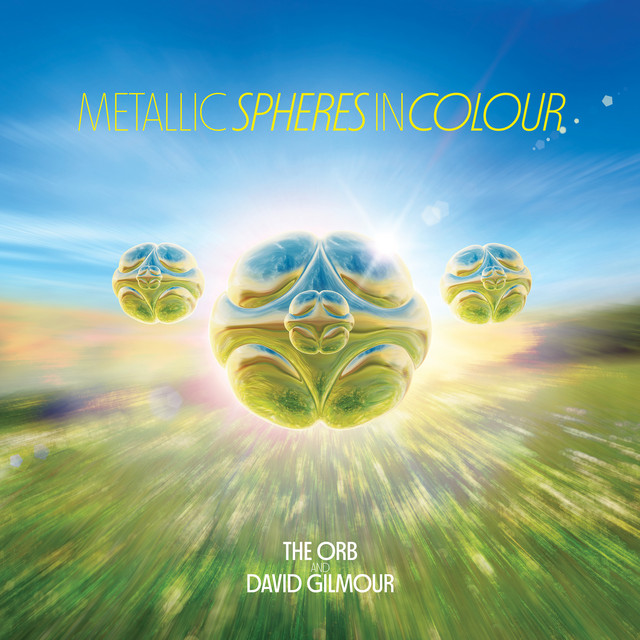
Album Credits
-

Between Two Points (Live from the Luck and Strange Concerts)
David Gilmour · 2025
Mixing Engineer Producer -

Wish You Were Here (Live from the Luck and Strange Concerts)
David Gilmour · 2025
Mixing Engineer Producer -

Luck and Strange (Live from the Luck and Strange Concerts)
David Gilmour · 2025
Mixing Engineer Producer -

Sorrow (Live from the Luck and Strange Concerts)
David Gilmour · 2025
Mixing Engineer Producer -

David Gilmour · 2025
Mixing Engineer Producer -
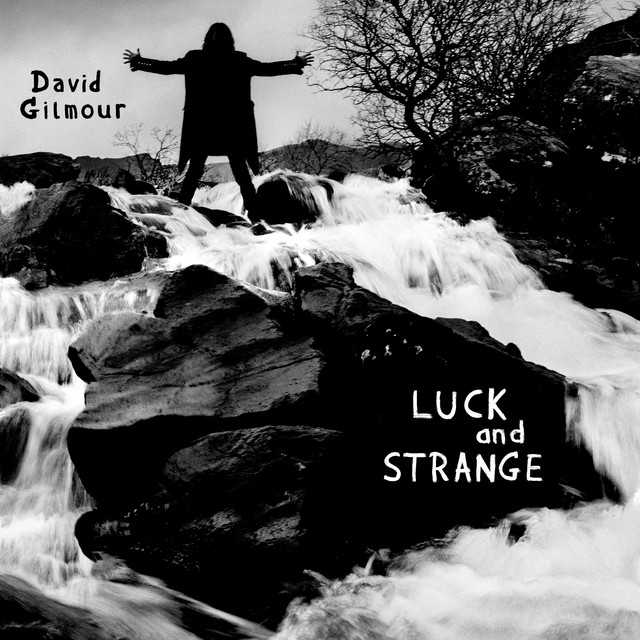
David Gilmour · 2024
Mixing Engineer Producer Programmer -
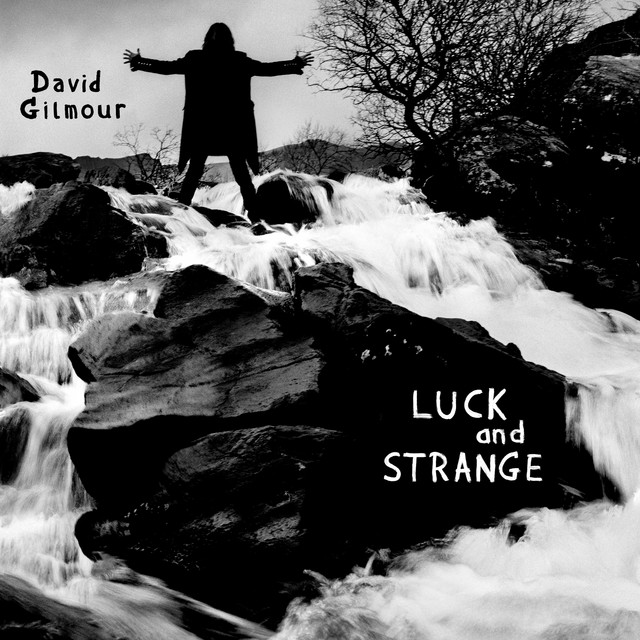
David Gilmour · 2024
Mixing Engineer Producer -
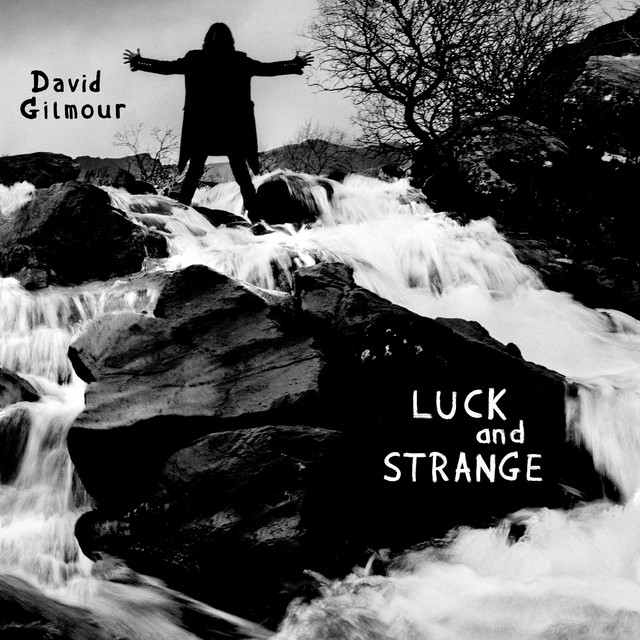
David Gilmour · 2024
Mixing Engineer Producer -
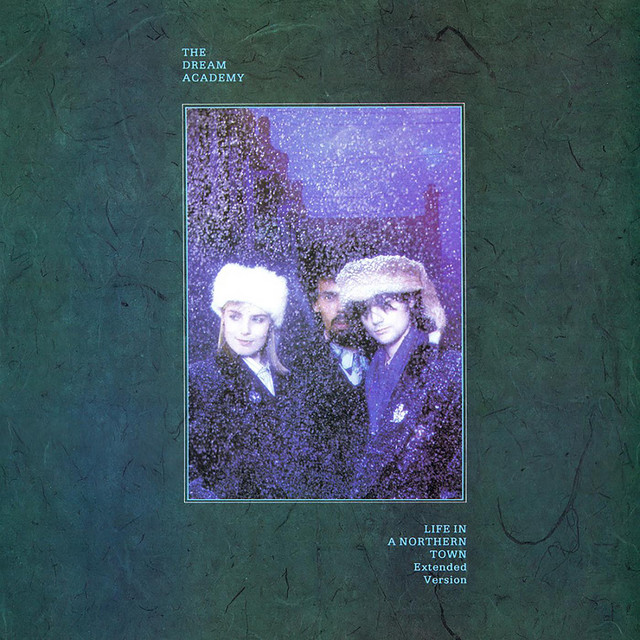
The Dream Academy · 2021
Producer -
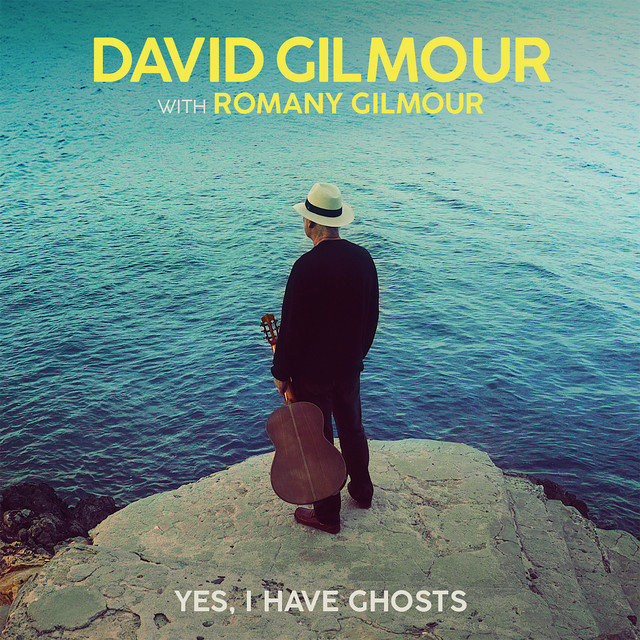
David Gilmour · 2020
Mixing Engineer Programmer -
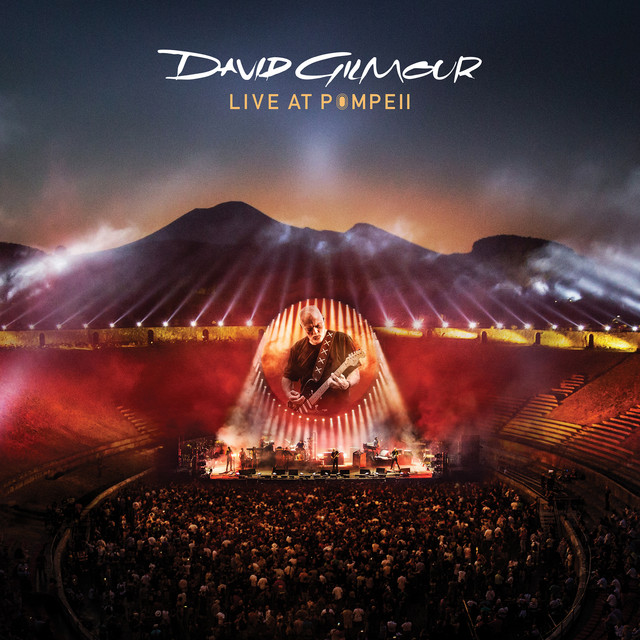
David Gilmour · 2017
Mixing Engineer Producer -
One of These Days (Live At Pompeii 2016)
David Gilmour · 2017
Mixing Engineer Producer
.jpeg?v=1783110732)

.jpeg?v=1783065966)