Larry Carlton
Role
Genre
Group
Credits
Role
Genre
Group
Credits
Larry Carlton's Gear


Among Carlton's first guitars, as stated in the February 1977 Guitar Player interview "Larry Carlton" by Steven Rosen.
Larry's first acoustic instrument was "a nameless box with strings a half-inch off the fretboard;" his first electric axe was a Fender Broadcaster purchased in 1955. This was traded for a Telecaster, then a Stratocaster, and finally a Gibson ES-175. Later he bought another Tele and used it as a backup.
Find it on:


Mentioned in the February 1977 Guitar Player interview "Larry Carlton" by Steven Rosen.
The Ford group had furnished Larry with a black Les Paul Custom ("I was becoming more turned on to Beck and Clapton," he says.) which replaced the Gibson he had been playing on record dates. He wasn't happy, though, with his sound on the Les Paul, so he switched to a Gibson ES-335 which he still uses. The musician feels the 335 to be a vast improvement over the Fenders he had once relied upon, especially in relation to sustain and body feel; his jazz background led him to be more comfortable with a larger instrument in his hands. Other axes in his collection include a 1952 Telecaster, a '52 gold-top Les Paul, and two Martin acoustics.
Find it on:


A modified 1969 ES-335 is discussed in the February 1977 Guitar Player interview "Larry Carlton" by Steven Rosen and in the September 10, 2007 Premier Guitar interview "Chattin' with Mr. 335: Larry Carlton" by James Egolf.
Guitar Player
The Ford group had furnished Larry with a black Les Paul Custom ("I was becoming more turned on to Beck and Clapton," he says.) which replaced the Gibson he had been playing on record dates. He wasn't happy, though, with his sound on the Les Paul, so he switched to a Gibson ES-335 which he still uses. The musician feels the 335 to be a vast improvement over the Fenders he had once relied upon, especially in relation to sustain and body feel; his jazz background led him to be more comfortable with a larger instrument in his hands. Other axes in his collection include a 1952 Telecaster, a '52 gold-top Les Paul, and two Martin acoustics.
Some minor work has been done on the basically stock ES-335 (1969): a stud tailpiece and metal inserts were installed; Schaller tuning heads replaced the worn out originals; the pickups have been changed several times to other standard humbuckers; and a different tone pot with a wider range of effect is now used. Carlton compares the Gibson with the instruments of other players, (including studio guitarist Dean Parks') and finds that his sustain on the high E and B strings is far greater than theirs.
Larry's advice to those interested in 335s: find one that feels comfortable and see if it sounds good acoustically. His guitar, without being plugged in, will sustain on its own.
Recently, Carlton tried out another studio man's 335 after Gibson had installed a 5"x5" brass piece right where the tailpiece fits on. Though the guitar "weighs a ton," Larry reports, the brass plate, along with a special ebony fingerboard, creates a strong sustain.
Premier Guitar
Larry Carlton is one of the most prolific guitar players of our time. Though the term “prolific” gets bandied about quite freely, Larry is truly the definition of the word – each time Larry conquers one avenue, he finds new opportunities to excel. From playing and arranging more than 3000 sessions for acts like Michael Jackson and Steely Dan, to an internationally successful solo career, to commercial work and playing in groups like The Crusaders and Fourplay, Larry has really done it all. Recently, Larry launched a new record label, 335 Records, and an online TV station, Mr. 335 TV. We caught up with Mr. 335 himself to chat about his amazing start in the business, his newfound freedom, and everything in between.
[...]
When did you hook up with the 335?
The romance between Larry Carlton and the ES-335 started in 1969. I was getting calls to do sessions, and I had to jump from studio to studio, but I never knew what style of music I was going to be called upon to play. I love jazz, I can play rock and roll and I can play country music, so I was looking for a guitar that could cover all those bags. I needed a guitar that was – and is – as versatile in sound as I was as a player. After checking out a few things, I decided that the Gibson ES-335 was right for me. I could play my jazz things – I love jazz and I love the f-hole and the semi-hollowbody sound – but when you put on the treble pickup, you can get it to scream on the amplifier. Versatility, versatility, versatility – that’s why I chose this guitar.
[...]
Your solo on Steely Dan’s “Kid Charlemagne” is pretty legendary. Are there any secrets to that tone?
I played the same 335 on 90% of my solo sessions, including the solo for “Kid Charlemagne.” I just used a little Tweed Deluxe amplifier. There’s video of that rig on my website. The combination that I used sound-wise for the “Kid Charlemagne” solo was the 335, Tweed Deluxe amplifier, back pickup and with the tone control turned down to about three.
Find it on:



Used live in Zaire, as mentioned in the February 1977 Guitar Player interview "Larry Carlton" by Steven Rosen.
A Fender Princeton Reverb amplifier with one 10" speaker powers his Gibson in the studio, while two Mesa Boogie amps (Mesa Engineering, Box 116, Lagunitas, CA 94938) are used for 'live' Crusaders work. Carlton tried a Fender Concert and Twin for stage work, but even at the relatively low volume setting, the distortion spread, and the sound would not stay tight. Experimenting with a Marshall 4"x 12" bottom, Larry found the sound wasn't right for him. When the Crusaders recorded their 'live' album Scratch at the Roxy in L.A., the guitarist played with one cabinet, but the volume was still too loud. He also worked with an Ampeg VT 22 for a short period (two 12" speakers with 100 watts RMS) when the band performed in Zaire, Africa. Ampeg sponsored the event, and Larry liked the equipment they provided so well, that upon his return to the States he ordered a VT 22. But once again, he was unsatisfied with the sound quality the unit produced.
Carlton has specific settings for the Mesa/Boogie: volume is at seven on all preamps, treble on 10, midrange on 3, bass on 0, and the graphic equalizer is set for more highs and midrange, but no bottom.
Find it on:

Mentioned in the February 1977 Guitar Player interview "Larry Carlton" by Steven Rosen.
A Fender Princeton Reverb amplifier with one 10" speaker powers his Gibson in the studio, while two Mesa Boogie amps (Mesa Engineering, Box 116, Lagunitas, CA 94938) are used for 'live' Crusaders work. Carlton tried a Fender Concert and Twin for stage work, but even at the relatively low volume setting, the distortion spread, and the sound would not stay tight. Experimenting with a Marshall 4"x 12" bottom, Larry found the sound wasn't right for him. When the Crusaders recorded their 'live' album Scratch at the Roxy in L.A., the guitarist played with one cabinet, but the volume was still too loud. He also worked with an Ampeg VT 22 for a short period (two 12" speakers with 100 watts RMS) when the band performed in Zaire, Africa. Ampeg sponsored the event, and Larry liked the equipment they provided so well, that upon his return to the States he ordered a VT 22. But once again, he was unsatisfied with the sound quality the unit produced.
Carlton has specific settings for the Mesa/Boogie: volume is at seven on all preamps, treble on 10, midrange on 3, bass on 0, and the graphic equalizer is set for more highs and midrange, but no bottom.
Find it on:

Mentioned in the February 1977 Guitar Player interview "Larry Carlton" by Steven Rosen.
The guitar is always wide open (volume and tones on 10) and controlled with a Sho-Bud pedal, while other pedals, used primarily for 'live' shows, are an MXR distortion unit (heard on 'Spiral', a track from the Crusaders' LP Those Southern Knights), and an Electro-Harmonix Small Stone phaser (on 'Keep That Same Old Feeling', one of the band's latest singles). The Sho-Bud is employed for rhythm shadings and set all the way down to give the guitarist his solo peak.
Canton also has a complete line of phasers, compressors, and fuzzes, but uses them only when a song calls for a specific effect (as on 'Spiral', where the MXR is barely turned on to blend with the sound of the amp). When devices are used, Larry changes his amp settings to compensate for the loss in highs.
Find it on:


Mentioned in the February 1977 Guitar Player interview "Larry Carlton" by Steven Rosen and in an interview included in Volume 34 of Keyboard.
The guitar is always wide open (volume and tones on 10) and controlled with a Sho-Bud pedal, while other pedals, used primarily for 'live' shows, are an MXR distortion unit (heard on 'Spiral', a track from the Crusaders' LP Those Southern Knights), and an Electro-Harmonix Small Stone phaser (on 'Keep That Same Old Feeling', one of the band's latest singles). The Sho-Bud is employed for rhythm shadings and set all the way down to give the guitarist his solo peak.
Canton also has a complete line of phasers, compressors, and fuzzes, but uses them only when a song calls for a specific effect (as on 'Spiral', where the MXR is barely turned on to blend with the sound of the amp). When devices are used, Larry changes his amp settings to compensate for the loss in highs.
When I was working with Billy Joel on The Stranger, I started invading all the music stores looking for a [Electro-Harmonix] Small Stone phaser. The whole Fender Rhodes sound [on "Just The Way You Are"] is that.
Find it on:
This is a community-built gear list for Larry Carlton.
- Find relevant music gear like Guitars, Amplifiers, Effects Pedals, and other instruments and add it to Larry Carlton.
- The best places to look for gear usage are typically on the artist's social media, YouTube, live performance images, and interviews.
- To receive email updates when Larry Carlton is seen with new gear, follow the artist.
-
Added to Equipboard on by
 michael
Gear IQ 42641
-
Updated
Discography
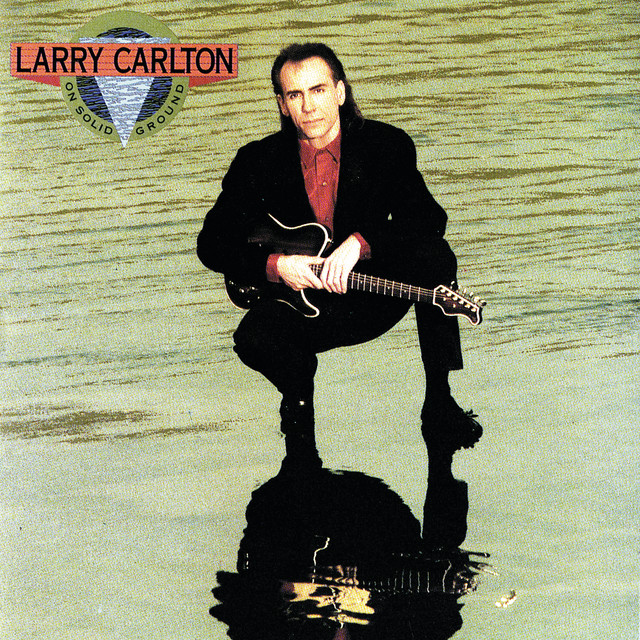
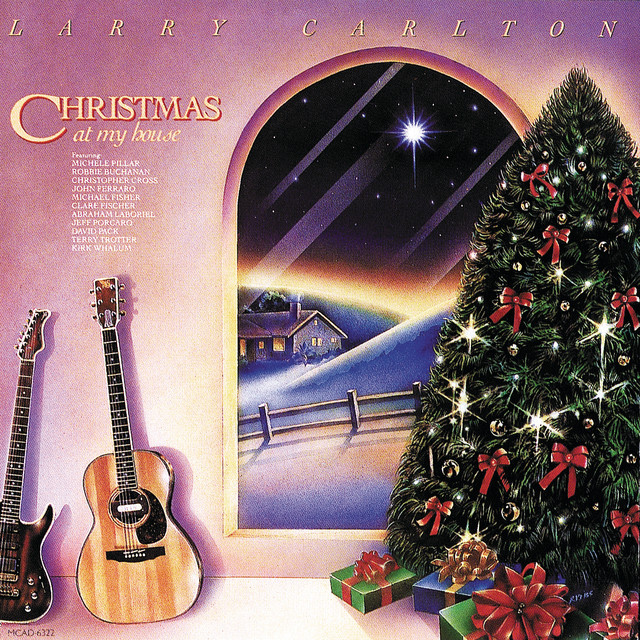
Album Credits
-
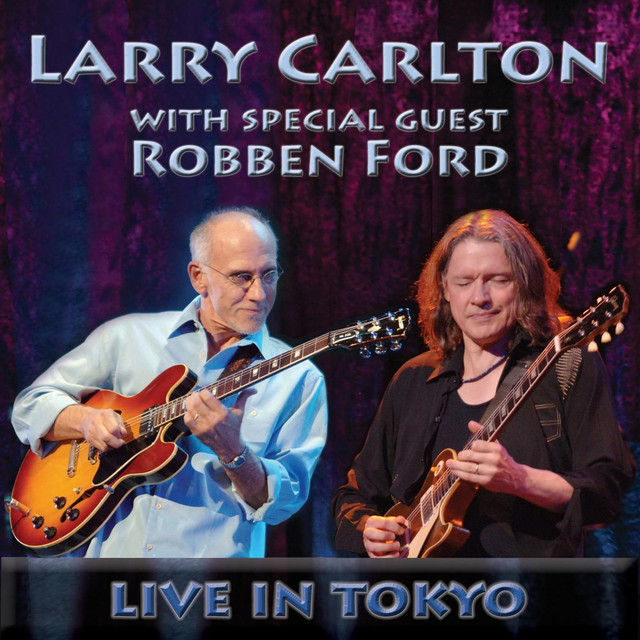
Robben Ford & Larry Carlton · 2008
Producer -
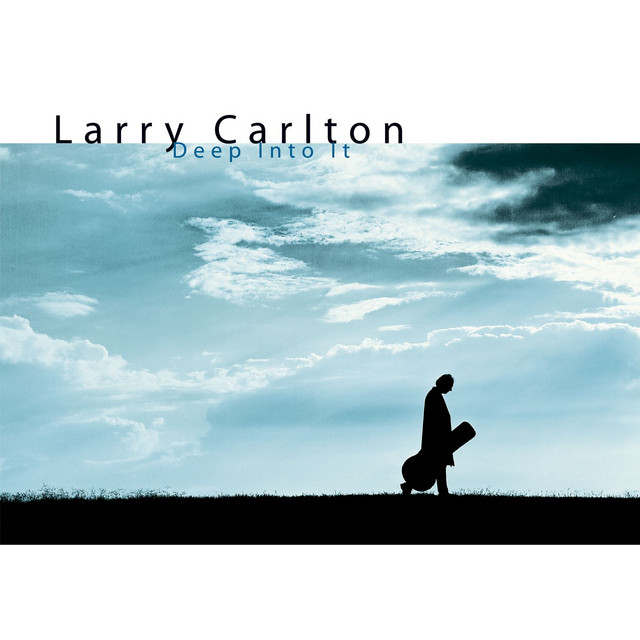
Larry Carlton · 2001
Producer -
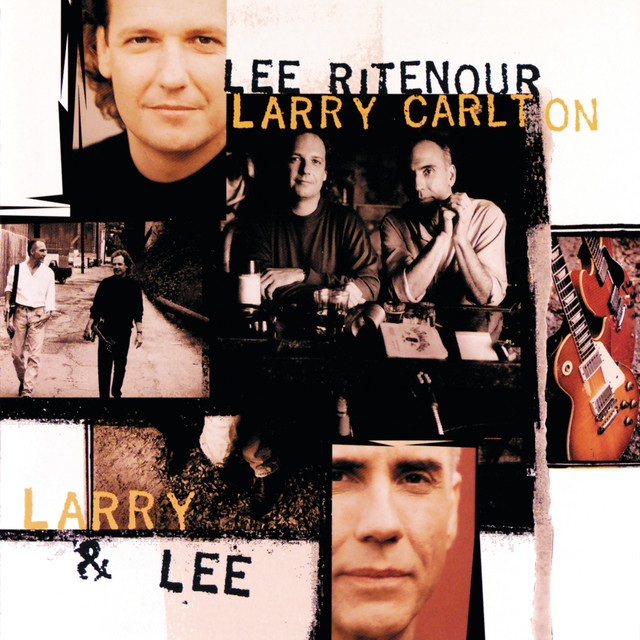
Larry Carlton & Lee Ritenour · 1995
Producer -
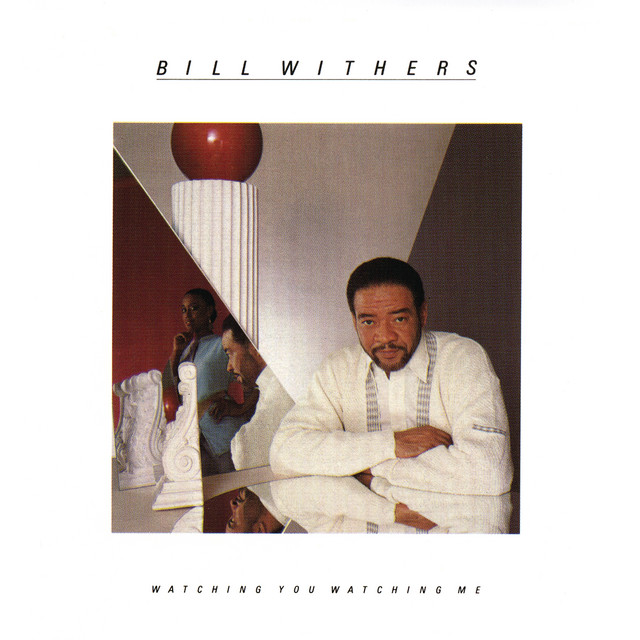
Bill Withers · 1985
Engineer Producer -
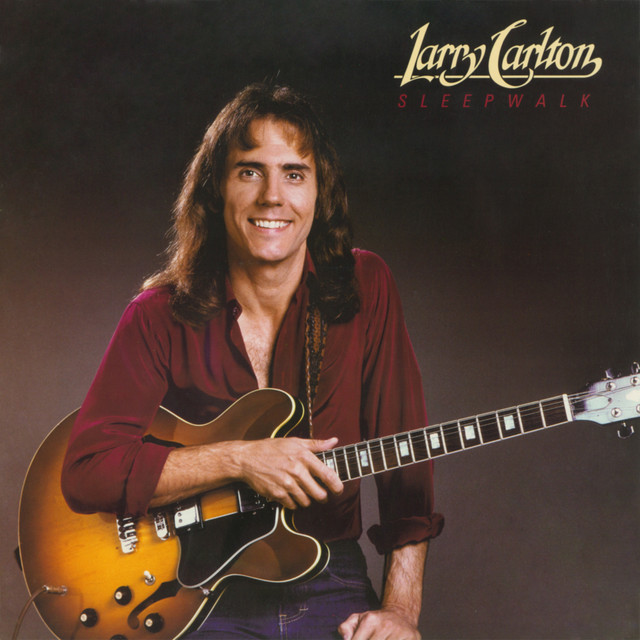
Larry Carlton · 1982
Engineer Producer -
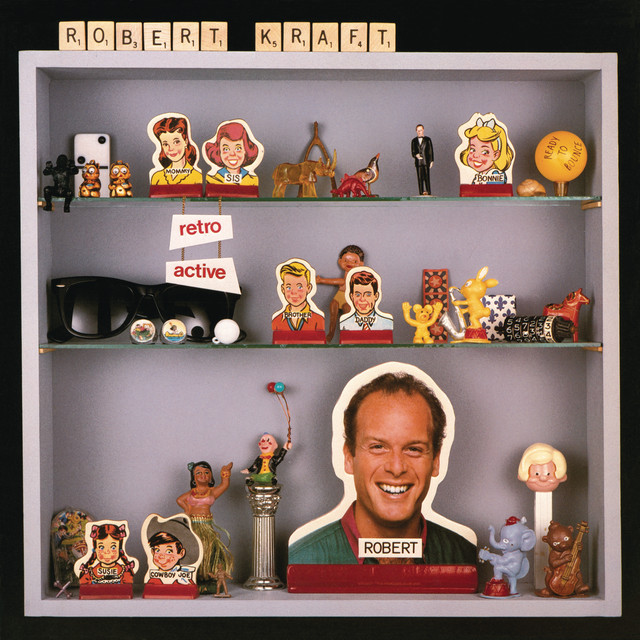
Robert Kraft · 1982
Producer Recording Engineer -
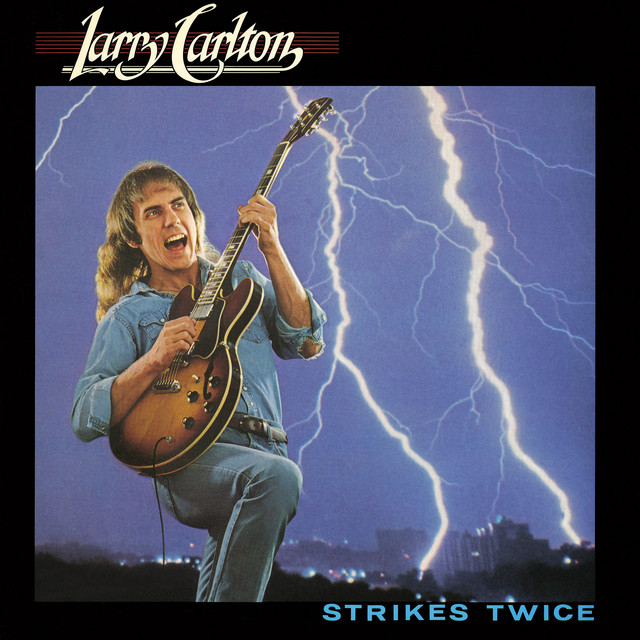
Larry Carlton · 1980
Engineer Producer -
Larry Carlton · 1978
Engineer Producer