
Rory Gallagher
Irish guitarist and songwriter
Genre
Group
Credits
Genre
Group
Credits
Rory Gallagher's Guitars


Fender Stratocaster Electric Guitar
Solid Body Electric Guitars"Featuring an unusual three-tone sunburst finish, Rory used his 1958 Strat on some US tours around 1972. According to Rory’s brother, there’s a slim possibility it once belonged to Buddy Holly" - via Music Radar
Find it on:


According to this Music Radar article "Rory used the National resonator (left) for some thrilling slide work on his cover of Tony Joe White’s As The Crow Flies on the much-loved Irish Tour ’74 album. Likewise, the Esquire (right) also began to find favour around that time, again for slide work." It also mentions that this guitar was used on his 1974 Tour.
Find it on:


Used by Rory in Rockplast, 1982. Seen in the video from 0:50 forward.
This guitar was always tuned up one step.
Find it on:

Rory Gallagher was seen a couple of times with Gibson Melody Maker, and is visible playing it in this photo.
Find it on:

Visible in this photo of Gallagher posted to his estate's Instagram account.
Find it on:

According to this Music Radar article, "Rory’s go-to slide guitar during the first few years of his solo career due to its sharp tonal qualities. There’s a ’66 marking on the neck, but some sources have it as a ’67 model. He always paired it with a half-fingered brass slide." It also mentions that this telecaster was used on the albums Rory Gallagher, Deuce, and Live in Europe.
Find it on:


Rory had many guitars in his collection. One of these is the 1978 Fender Music Master. You can see him playing this guitar on an amazing cover of Nadine below.
Find it on:

Rare photo of Rory playing a 1959 Chet Atkins G6121.
Find it on:

A 1963 Corvette is featured in its own page on Gallagher's official website, in which his brother Donal recalls its acquisition. It is also mentioned in an interview in Kerrang No. 15, May 6-19 1982.
Gallagher's website
Purchased for $50-80 in a Pawnshop in the late 70s. This eventually became a substitute guitar for the Esquire.
At present I’m using a Gretsch Corvette for slide instead of the Esquire. The Corvette is Gretsch’s attempt at a Les Paul Junior, but I took off the Gretsch pickup because it was too weak and I put on a P90, which is an old black Gibson single coil pickup.
Beat Instrumental, March 1979
But for most of the open tuning things I’ve been using a Gretsch Corvette with the heavy strings. It’s a very tough guitar —my brother got it for me for 75 dollars in a pawn shop in Los Angeles. I took the pickup off that and put a P90 on. I should have hung on to it, in retrospect, because they’re very good pickups — similar to the Tennessean. But, in my opinion, the P90 is the best pickup for slide —it has the right overtones.
Guitarist Magazine, June 1987
Donal Gallagher:
While on a guitar shopping therapy session in downtown LA, we went into a store called Guitar Village, after a few minutes of the other customers blasting the same guitar riff over and over through mega amps, my head caved in and I told Rory I was going outside to feed the parking meter. Inadvertently, I had parked in front of a pawn-shop so, as an excuse to stay out of the ‘cacophony canyon’, I entered the shop to inquire about the Gretsch guitar wedged into their window.
“That’ll set you back $75” the keeper told me from behind his cell like grill, “You wanna look?” “Not sure I can afford it anyway” I haggled, with no intention of buying it but to waste time. “What you wanna spend?” “Around $50” I replied. Unknowingly I left the shop with a rare Gretsch ‘Corvette’ and put it in the car.
“No luck” Rory said when he finally returned to the car. “I picked something up, but if its no good the case will come in handy” I said and showed Rory what I had bought. “You’re kidding, how much?” he asked “$50” I said meekly “Quick let’s get out of here before they find out what they gave you and want it back” Rory said with glee.
The guitar would become a Rory favourite and would travel in Guitar Trunk 1 thereafter.
Kerrang
'I play a lot of slide guitar too and for that I often use a Gretsch Corvette, which I found in pawnshop in Los Angeles for 90 dollars. Most of the best slide players are dead now. The old bluesmen and people like Lowell George and Duane Allman, but Johnny Winter's still around and Schenker plays a bit and does the Edge in U2. But they're not really in the blues tradition like I am.
Find it on:

According to this Music Radar article, "A studio-only instrument, this Danelectro was used to record A Million Miles Away and Cradle Rock on 1973’s Tattoo album. Both would become live favourites, but Rory didn’t opt to use the Dano onstage." It also mentions that this Danelectro was used on the album Tattoo.
Find it on:

Featured in a page on Gallagher's official website. It was notably used on Jinx.
Fender representatives Don Johnston and Larry Newman presented Rory with a brand new Pearl White 25th Anniversary Strat in New York in November 1979.
They thought I couldn’t afford a nice and clean guitar, and they were slightly embarrassed by the finish (of the 1961 Stratocaster) so they gave me a lovely white Anniversary Strat – which I used in the studio a lot. It has a great sound, but the odd thing is that nowadays the people are no longer offended by the look of the old guitars, because Adrian Belew has this old battered one, and late Stevie Ray Vaughan had a sunburst Strat with all the finish gone. But it was very nice of them to give me the white Strat. I must play it on stage now, and it’s began to loose some of the finish – the white shine.
The guitar was produced by Fender in 1979 as a limited run to celebrate the 25th year of production. The Strat featured a four-bolt maple neck with a large headstock and Sperzel tuners, standard Strat synchronized tremolo and three single-coil pickups. The first batch of 500 guitars was sprayed in a white finish that happened to turn yellow over-time, so Fender quickly changed it to a custom silver paint which was used on the rest of the 10,000 guitars which were produced under this line. Rory’s guitar was serial number #000004
Rory used this guitar mainly in the studio, more precisely on the album “Jinx”. Although he does not use a tremolo arm on his main Strat, the Anniversary Stratocaster tremolo was used in the studio by taking out two of the five springs from the back. Upon receiving the guitar he also removed the finish from the back of the neck and re-fretted it with larger frets to better fit his style of playing.
I was honored to receive a Strat from the Fender Company and I used it to record some of the tracks on ‘Jinx.’ But the first thing I did was to remove all the finish off the neck and put in some heavy frets. I also removed the middle tone pot – so it operates like a Telecaster.
Find it on:

According to this Music Radar article says "Rory’s ’68 Martin D-35 was used on tracks such as Just The Smile from his first solo album, and shows signs of age." It mentions that Rory used this guitar on Deuce, Live in Europe, and Rory Gallagher.
Find it on:

According to this Music Radar article "Rory used the National resonator (left) for some thrilling slide work on his cover of Tony Joe White’s As The Crow Flies on the much-loved Irish Tour ’74 album. Likewise, the Esquire (right) also began to find favour around that time, again for slide work." It mentions that this guitar was used on Rory's 1974 Irish tour.
Find it on:

Featured on this page of Gallagher's estate's official website.
Rory played this 12 string acoustic in the 1990s. Here’s a clip of him playing it and explaining the similarities between American blues and Irish music on Rory’s last TV session in 1994 on UTV.
Find it on:

he used a Gibson SG later in his career but also in Taste. Altough it definetly wasnt his main guitar
Find it on:


In this video Rory plays a blonde Fender American Telecaster with a Humbucker in the Neck position. See 51:38.
Find it on:

Listed on the official website of Rory Gallagher, which quotes some information about the guitar from the May 2019 issue of Guitarist.
1961 Kay
K1962 Value Leader
Rory was wide-ranging in his tastes in guitars and was often drawn to instruments by budget American guitar brands that were found in the hands of bluesmen in the 50s and 60s. Such is the case with this Kay K1962 Value Leader electric, an affordable model that was available in single-, double- and triple pickup variants and featured a single cutaway and semi-hollow body, accounting for its light weight. The wooden bridge is made of maple and the controls, handily marked with ‘V’ and ‘T’ letters for volume and tone, are mounted on an angular metal plate that Kay sometimes mirrored on the top half of the Two-Tone Sunburst body as well.
Guitarist Magazine, May 2019
Find it on:

Used for Gallagher's contributions to Rattlesnake Guitar: The Music Of Peter Green (namely his covers of "Leaving Town Blues" and "Show Biz Blues"), as featured on this page of Gallagher's official website.
Rory gave serious consideration to guitar oddities and used them as valid musical tools. If they had a sound or a vibe he liked, they got played. Such was the case with this Japanese-made 1965 Teisco TRG-1 with a built-in speaker, which was used on his final studio recordings; a Peter Green tribute album called Rattlesnake Guitar: The Music of Peter Green [1995].
This guitar could be used as a normal guitar, or you could rock out somewhat by using the internal transistorized amplifier powered by dual 9-volt batteries. This setup provided you with a big 1/2 watt into the 3-inch speaker.
The Teisco branded versions of these guitars had double cutaways and bore the model numbers TRG-1 and TRE-100.
Find it on:

"One of the earliest Guyatone solid body electric guitars. In the 1960s, Rory used a small Guyatone LG-50H as a slide guitar on stage a few times, but he soon exchanged it for a Telecaster. In 1974 when he visited Japan for concert tour, he looked for his old small Guyatone model. And he found similar black Guyatone at local music store when he returned to Ireland. This Guyatone LG-60B may be the one. The headstock on early models, with three tuning pegs per side, was changed to the more Fender-esque six-in-a-line tuners for the export market."
Find it on:
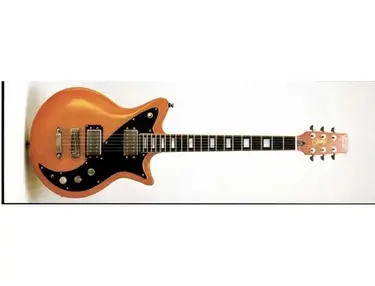
In 1977, Rory Gallagher was presented with an early prototype of the Guyatone Glory LG-1000 Deluxe, as detailed on the official Rory Gallagher website by jsimonelli.
Find it on:

Rory Gallagher used a Guyatone LG-50H, one of the earliest solid body electric guitars, as a slide guitar on stage during the 1960s. This is confirmed by the Official Site of Rory Gallagher, which states that he utilized the instrument a few times before replacing it with a Telecaster.
Find it on:

Rory Gallagher is confirmed to use the Ibanez MC500, a sophisticated electric guitar known for its elaborate craftsmanship and advanced electronics, as verified by The Official Site of Rory Gallagher, authored by jsimonelli.
Find it on:

Rory Gallagher is confirmed to have used an Epiphone Coronet, as detailed on the official Rory Gallagher website by jsimonelli. This specific guitar, a 1963 model, features a single P-90 pickup, which aligns with Gallagher's known preference for P-90s, evidenced by his modifications to other guitars such as Les Paul Juniors and a Gretsch Corvette. The Coronet, initially produced by Epiphone under the Gibson brand in 1959, was originally equipped with a single Epiphone New York pickup before transitioning to the P-90 configuration.
Find it on:

Rory Gallagher is confirmed to have used a Hohner JT60 Electric Guitar, serial no. C208092, as evidenced by its sale at Bonhams Auction House in 2024 as part of the Rory Gallagher collection auction (Lot 127). The guitar features a double-cut, offset body with an ivory-colored finish, three pickups, a tremolo bridge/tailpiece, and a maple neck with an Indian rosewood fingerboard.
Find it on:
-m.webp?v=1769326316)
In the photo, Rory Gallagher is seen playing a prototype of the Guyatone LG-880 Marroly, identifiable by its unique selector different from the mass-produced model. This image likely dates back to his visit to Japan in 1974 or 1975, as detailed on the music-trade website : http://www.music-trade.co.jp/80020972carte.html
Find it on:

Rory Gallagher is known to have used the Teisco TG-64, as documented on the Official Site of Rory Gallagher by jsimonelli. While touring in America, Gallagher would often visit pawn shops to purchase unique guitars, including brands like Kays, Harmonys, Tokais, and Teiscos. The TG-64, a model from the early to mid-1960s, featured a blank aluminum scratchplate, an early plate style vibrato, and the distinctive "monkey grip" in the body. It was initially introduced with a new 4/2 headstock and later modified to the more common "hook" end, maintaining a two-piece scratchplate with the control section made of black anodized aluminum.
Find it on:
This is a community-built gear list for Rory Gallagher.
- Find relevant music gear like Microphones, Guitars, Amplifiers, Effects Pedals, and other instruments and add it to Rory Gallagher.
- The best places to look for gear usage are typically on the artist's social media, YouTube, live performance images, and interviews.
- To receive email updates when Rory Gallagher is seen with new gear, follow the artist.
Discography
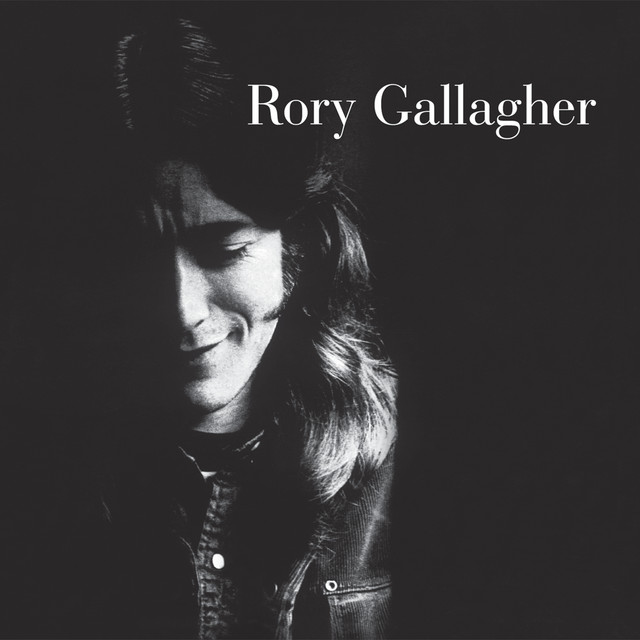
Rory Gallagher (Remastered 2017)
1971
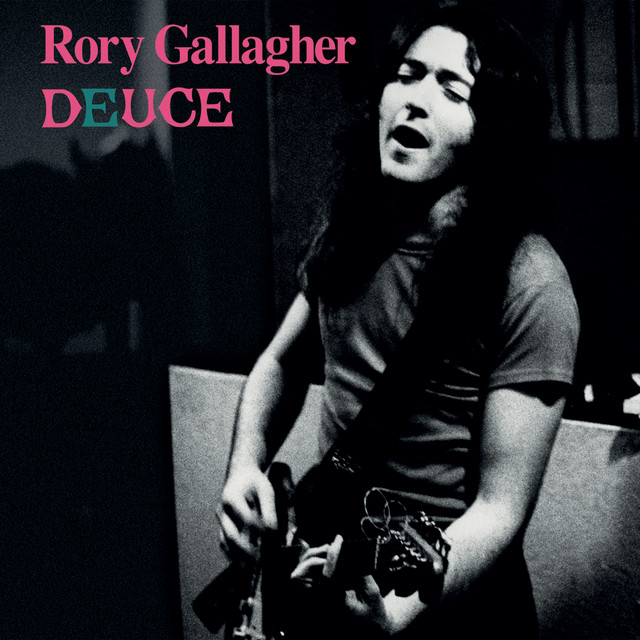
Deuce (Remastered 2017)
1971
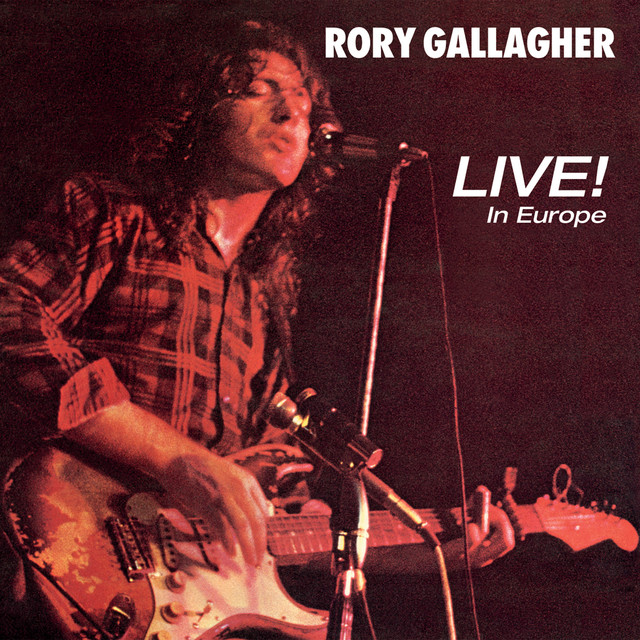
Live! In Europe (Remastered 2017)
1972
Blueprint (Remastered 2017)
1973
Tattoo (Remastered 2017)
1973
Irish Tour ‘74 (Live / Remastered 2017)
1974
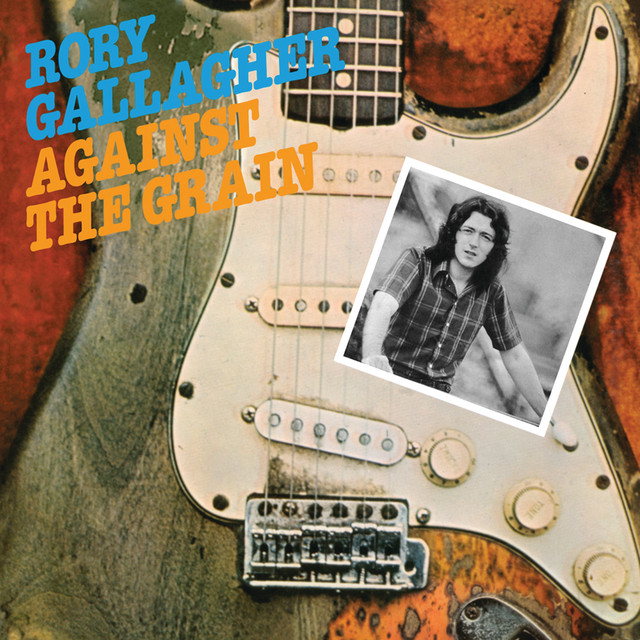
Against The Grain (Remastered 2017)
1975
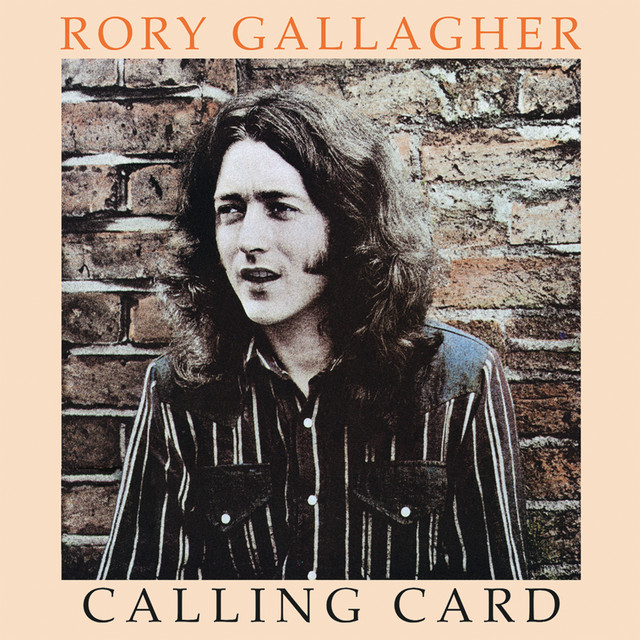
Calling Card (Remastered 2017)
1976
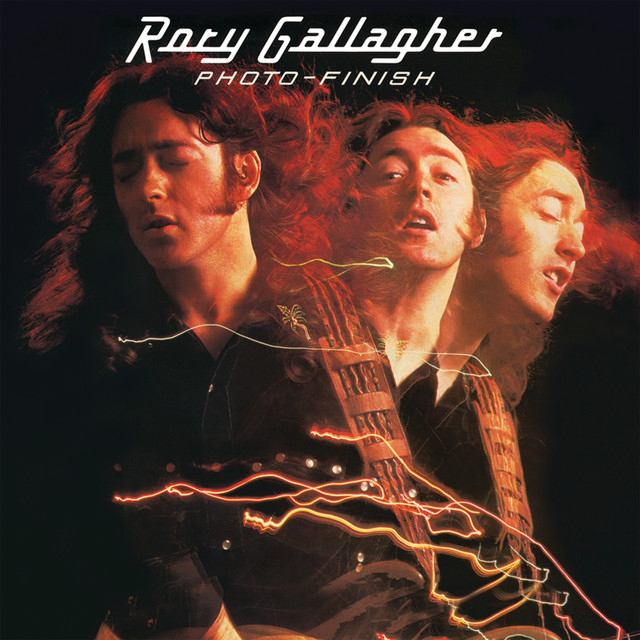
Photo Finish (Remastered 2017)
1978
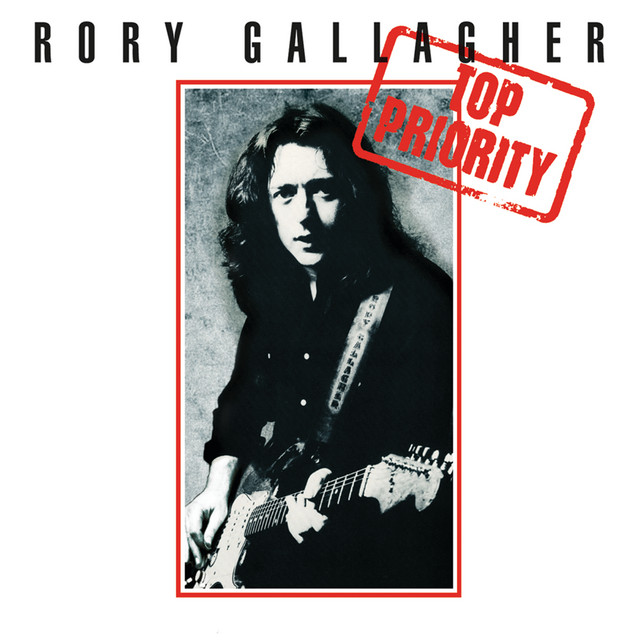
Top Priority (Remastered 2017)
1979
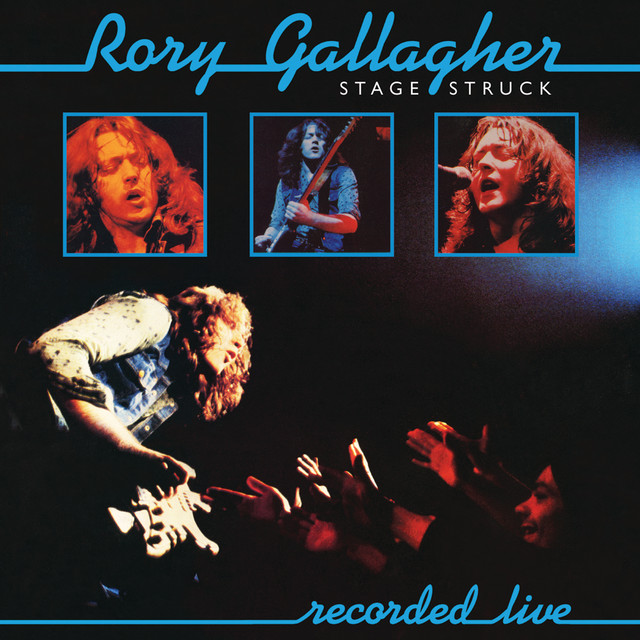
Stage Struck (Live / Remastered 2017)
1980
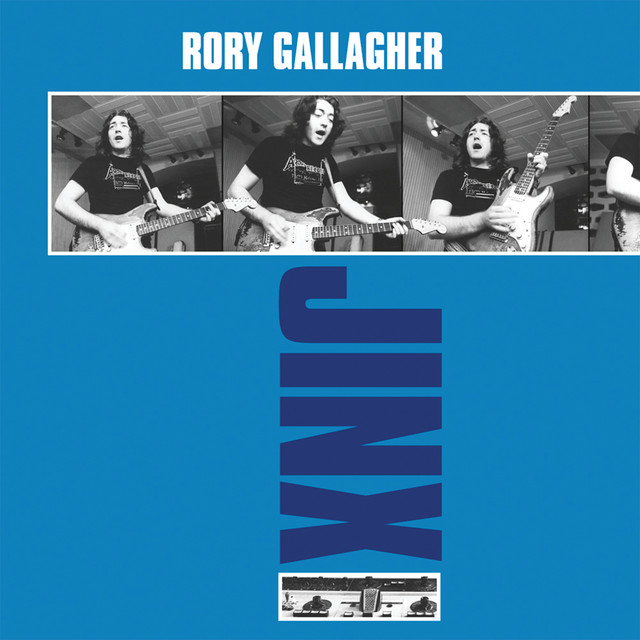
Jinx (Remastered 2017)
1982
Album Credits
-
Rory Gallagher · 2013
Producer








.webp)
