Stock Aitken Waterman
Role
Genre
Group
Role
Genre
Group
Stock Aitken Waterman's Gear



They take turns behind the desk, Aitken laying a guide keyboard line down from a Roland D50, and Stock building a rhythm pattern with a Linn 9000 and a Roland TR727.
Find it on:


Equipment used on Rick Astley's "Never Gonna Give You Up," which was recorded at Stock, Aitken & Waterman's PWL Studio, included "The Linn 9000, which most sequences and drums were done on, was run from a [Friendchip] SRC synchroniser, and a [Yamaha] DX7 was used for virtually all of the bass lines. There was also a [Roland] Juno 106; a [Yamaha] Rev 5 and Rev 7; Dbx 160 compressors; SDE 3000 delays; an Emulator; and the wonderful Publison Infernal Machine 90, which was the first sampler that could actually pitch?change without really affecting the time signature. You could time?stretch things and make them fit reasonably well — It was a little choppy, but for the time it was phenomenal. Other than that, there was an AMS delay/harmoniser, which always had a number of kick and snare samples, and that was pretty much it."
Find it on:

They take turns behind the desk, Aitken laying a guide keyboard line down from a Roland D50, and Stock building a rhythm pattern with a Linn 9000 and a Roland TR727.
Find it on:

Equipment used on Rick Astley's "Never Gonna Give You Up," which was recorded at Stock, Aitken & Waterman's PWL Studio, included "The Linn 9000, which most sequences and drums were done on, was run from a [Friendchip] SRC synchroniser, and a [Yamaha] DX7 was used for virtually all of the bass lines. There was also a [Roland] Juno 106; a [Yamaha] Rev 5 and Rev 7; Dbx 160 compressors; SDE 3000 delays; an Emulator; and the wonderful Publison Infernal Machine 90, which was the first sampler that could actually pitch?change without really affecting the time signature. You could time?stretch things and make them fit reasonably well — It was a little choppy, but for the time it was phenomenal. Other than that, there was an AMS delay/harmoniser, which always had a number of kick and snare samples, and that was pretty much it."
Find it on:
-m.webp?v=1784905108)
Equipment used on Rick Astley's "Never Gonna Give You Up," which was recorded at Stock, Aitken & Waterman's PWL Studio, included "The Linn 9000, which most sequences and drums were done on, was run from a [Friendchip] SRC synchroniser, and a [Yamaha] DX7 was used for virtually all of the bass lines. There was also a [Roland] Juno 106; a [Yamaha] Rev 5 and Rev 7; Dbx 160 compressors; SDE 3000 delays; an Emulator; and the wonderful Publison Infernal Machine 90, which was the first sampler that could actually pitch?change without really affecting the time signature. You could time?stretch things and make them fit reasonably well — It was a little choppy, but for the time it was phenomenal. Other than that, there was an AMS delay/harmoniser, which always had a number of kick and snare samples, and that was pretty much it."
Find it on:

The PWL complex is well-equipped, no doubt about it, with two out of three studios identically equipped with SSL desks, Sony 24-track digital machines, and generous amounts of outboard equipment. These are supported by the most comprehensive collection of keyboards this writer has ever witnessed in a studio: Fairlight III, Kurzweil, PPG Waveterm, Roland JX8P, Publison Infernal Machine (which Stock describes as "a Godsend"), Emulator II, DX7II, and so on.
Find it on:

Equipment used on Rick Astley's "Never Gonna Give You Up," which was recorded at Stock, Aitken & Waterman's PWL Studio, included "The Linn 9000, which most sequences and drums were done on, was run from a [Friendchip] SRC synchroniser, and a [Yamaha] DX7 was used for virtually all of the bass lines. There was also a [Roland] Juno 106; a [Yamaha] Rev 5 and Rev 7; Dbx 160 compressors; SDE 3000 delays; an Emulator; and the wonderful Publison Infernal Machine 90, which was the first sampler that could actually pitch?change without really affecting the time signature. You could time?stretch things and make them fit reasonably well — It was a little choppy, but for the time it was phenomenal. Other than that, there was an AMS delay/harmoniser, which always had a number of kick and snare samples, and that was pretty much it."
Find it on:

The PWL complex is well-equipped, no doubt about it, with two out of three studios identically equipped with SSL desks, Sony 24-track digital machines, and generous amounts of outboard equipment. These are supported by the most comprehensive collection of keyboards this writer has ever witnessed in a studio: Fairlight III, Kurzweil, PPG Waveterm, Roland JX8P, Publison Infernal Machine (which Stock describes as "a Godsend"), Emulator II, DX7II, and so on.
Find it on:

The PWL complex is well-equipped, no doubt about it, with two out of three studios identically equipped with SSL desks, Sony 24-track digital machines, and generous amounts of outboard equipment. These are supported by the most comprehensive collection of keyboards this writer has ever witnessed in a studio: Fairlight III, Kurzweil, PPG Waveterm, Roland JX8P, Publison Infernal Machine (which Stock describes as "a Godsend"), Emulator II, DX7II, and so on.
Find it on:

They take turns behind the desk, Aitken laying a guide keyboard line down from a Roland D50, and Stock building a rhythm pattern with a Linn 9000 and a Roland TR727.
Find it on:

The PWL complex is well-equipped, no doubt about it, with two out of three studios identically equipped with SSL desks, Sony 24-track digital machines, and generous amounts of outboard equipment. These are supported by the most comprehensive collection of keyboards this writer has ever witnessed in a studio: Fairlight III, Kurzweil, PPG Waveterm, Roland JX8P, Publison Infernal Machine (which Stock describes as "a Godsend"), Emulator II, DX7II, and so on.
Find it on:

Equipment used on Rick Astley's "Never Gonna Give You Up," which was recorded at Stock, Aitken & Waterman's PWL Studio, included "The Linn 9000, which most sequences and drums were done on, was run from a [Friendchip] SRC synchroniser, and a [Yamaha] DX7 was used for virtually all of the bass lines. There was also a [Roland] Juno 106; a [Yamaha] Rev 5 and Rev 7; Dbx 160 compressors; SDE 3000 delays; an Emulator; and the wonderful Publison Infernal Machine 90, which was the first sampler that could actually pitch?change without really affecting the time signature. You could time?stretch things and make them fit reasonably well — It was a little choppy, but for the time it was phenomenal. Other than that, there was an AMS delay/harmoniser, which always had a number of kick and snare samples, and that was pretty much it."
Find it on:

Equipment used on Rick Astley's "Never Gonna Give You Up," which was recorded at Stock, Aitken & Waterman's PWL Studio, included "The Linn 9000, which most sequences and drums were done on, was run from a [Friendchip] SRC synchroniser, and a [Yamaha] DX7 was used for virtually all of the bass lines. There was also a [Roland] Juno 106; a [Yamaha] Rev 5 and Rev 7; Dbx 160 compressors; SDE 3000 delays; an Emulator; and the wonderful Publison Infernal Machine 90, which was the first sampler that could actually pitch?change without really affecting the time signature. You could time?stretch things and make them fit reasonably well — It was a little choppy, but for the time it was phenomenal. Other than that, there was an AMS delay/harmoniser, which always had a number of kick and snare samples, and that was pretty much it."
Find it on:





This article states that a Lexicon 224x was used on Rick Astley's "Never Gonna Give You Up," which was recorded at Stock, Aitken and Waterman's PWL Studio.
Find it on:

This article states that a Lexicon 224x was used on Rick Astley's "Never Gonna Give You Up," which was recorded at Stock, Aitken and Waterman's PWL Studio.
Find it on:

The PWL complex is well-equipped, no doubt about it, with two out of three studios identically equipped with SSL desks, Sony 24-track digital machines, and generous amounts of outboard equipment. These are supported by the most comprehensive collection of keyboards this writer has ever witnessed in a studio: Fairlight III, Kurzweil, PPG Waveterm, Roland JX8P, Publison Infernal Machine (which Stock describes as "a Godsend"), Emulator II, DX7II, and so on.
Find it on:
This is a community-built gear list for Stock Aitken Waterman.
- Find relevant music gear like Studio Equipment, Software Plugins and VSTs, Headphones, and other instruments and add it to Stock Aitken Waterman.
- The best places to look for gear usage are typically on the artist's social media, YouTube, live performance images, and interviews.
- To receive email updates when Stock Aitken Waterman is seen with new gear, follow the artist.
-
-
Updated
Discography
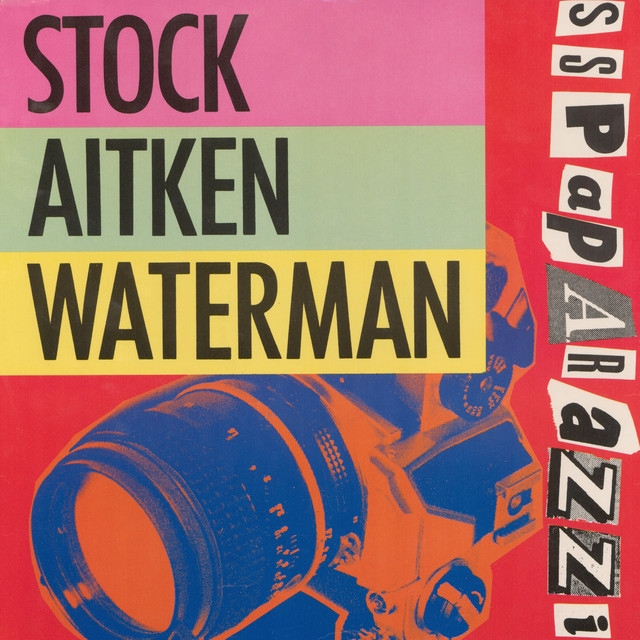
Album Credits
-

Bananarama & Boys Noize · 2023
Producer -

Bananarama · 2019
Producer -
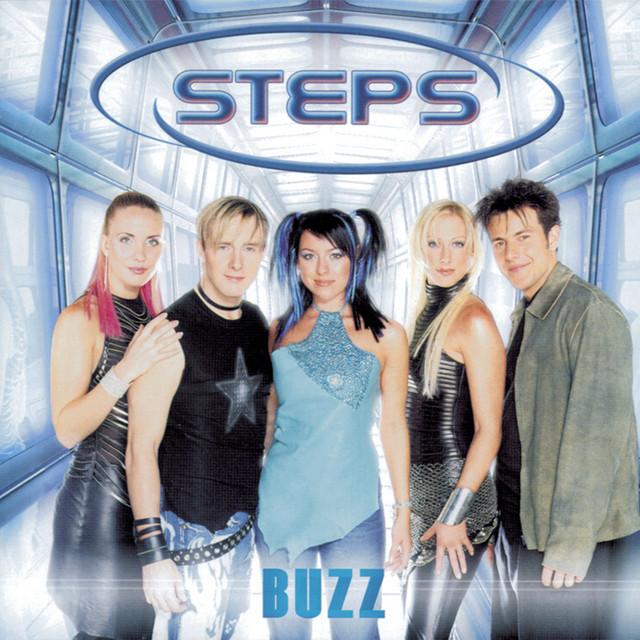
Steps · 2000
Producer -

Debbie Harry · 1991
Producer -
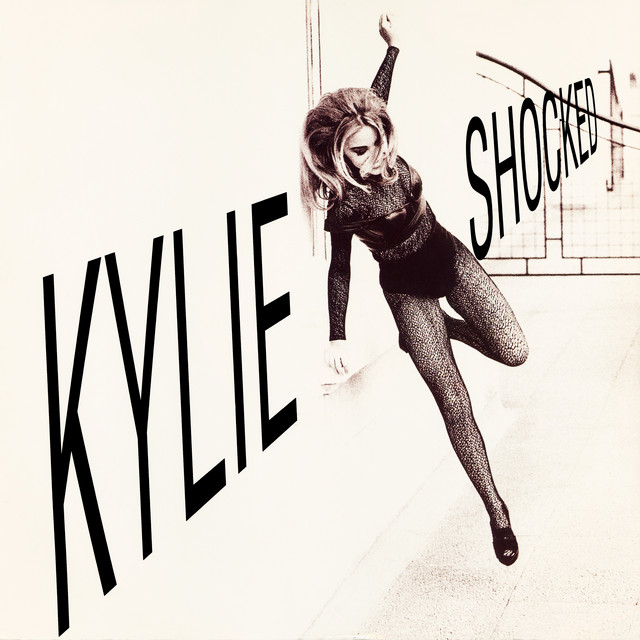
Kylie Minogue · 1991
Producer -

Kylie Minogue · 1990
Producer -
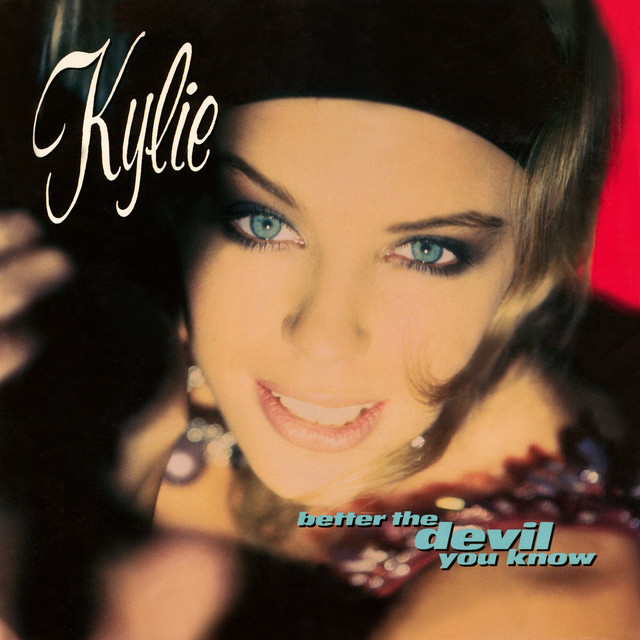
Kylie Minogue · 1990
Producer -
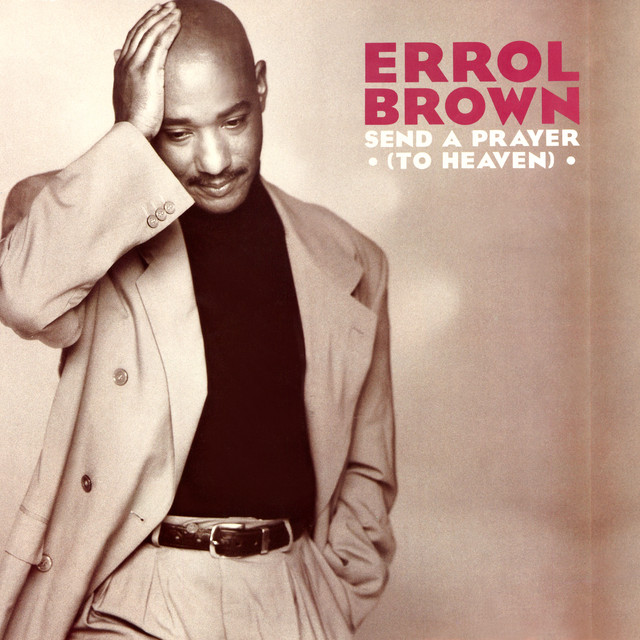
Errol Brown & Errol Brown · 1990
Producer -
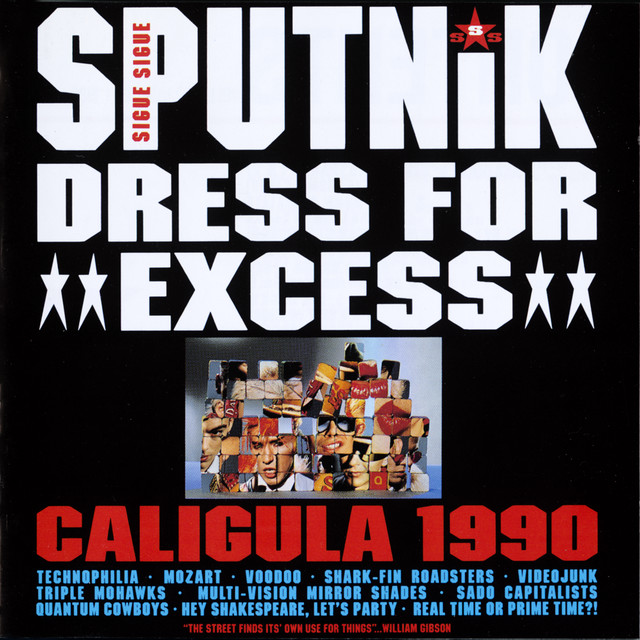
Sigue Sigue Sputnik · 1989
Producer -
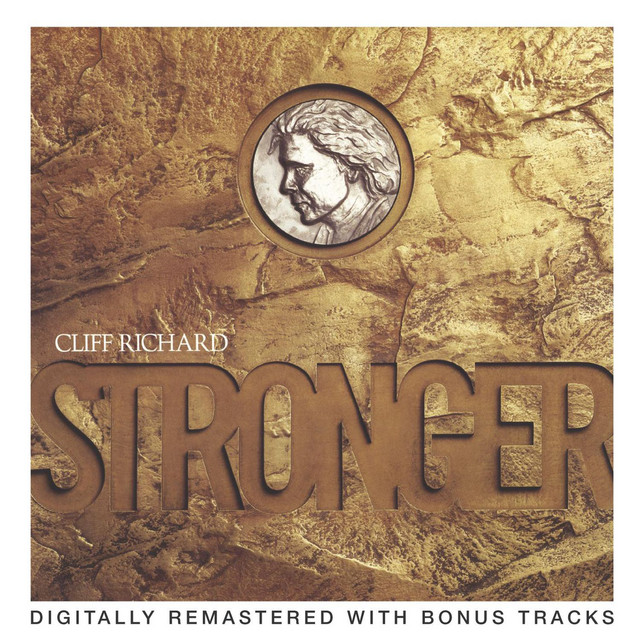
Cliff Richard · 1989
Producer