

Pricing and availability
We compare 600+ stores and found this item at 1 store. Prices updated .
Store
Reviews
Price




Average Price: $249
Budget/Beginner
$500
$1501+
Price Tier
Budget
Standard
High-end
* Product prices and availability are updated by Equipboard every 24hrs and are subject to change. Equipboard may receive compensation for purchases made at participating retailers linked on this site. This compensation does not affect what products or prices are displayed, or the order of prices listed. For more information, please refer to our affiliate disclosure.
Description
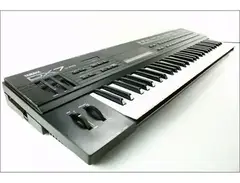
Step into the world of iconic sound with the Yamaha DX7-IIFD, a synthesizer revered for its groundbreaking FM synthesis technology. This legendary instrument has shaped the sound of countless hits since its release, characterized by its bright, complex tones and expressive capabilities. The DX7-IIFD builds upon its predecessor with advanced features, offering musicians even more creative potential. With its six-operator FM synthesis engine, the DX7-IIFD provides a rich palette of sound possibilities, from crystalline bells to lush, evolving pads.
The Yamaha DX7-IIFD is equipped with 61 velocity-sensitive keys, allowing for dynamic performance expression. It also includes a built-in floppy disk drive, making it easier for musicians to store and recall patches. This synthesizer is a favorite among professionals and hobbyists alike for its reliability and unique sound character, which has been a staple in numerous genres, from pop and rock to electronic and jazz.
Whether you're a seasoned player or an aspiring sound designer, the Yamaha DX7-IIFD offers a deep well of creativity with its expansive features and timeless sound.
Key Features:
- Six-operator FM synthesis engine
- 61 velocity-sensitive keys
- Built-in floppy disk drive for patch storage and recall
- MIDI compatibility for seamless integration with other gear
- Comprehensive preset library with classic sounds
- Robust build quality for stage and studio use
Product specs
| Brand | Yamaha |
| Model | DX7IIFD 16-Voice Synthesizer with Floppy Drive |
| Finish | Black |
| Year | 1986 - 1989 |
| Categories | Digital Synthesizers, Keyboard Synths |
| Analog / Digital | Digital |
| Key Size | Full Size |
| Keyboard Action | Synth Action |
| MIDI I/O | MIDI Input, MIDI Output, MIDI Through |
| Number of Keys | 61 Keys |
| Polyphony | 16 Voices |
FAQs
-
What are the standout features of the Yamaha DX7-IIFD synthesizer?
-
The Yamaha DX7-IIFD is known for its digital FM synthesis, offering 16-voice polyphony and a built-in floppy drive for patch storage. It features a full-size, 61-key synth action keyboard and comprehensive MIDI connectivity, making it a versatile instrument for live performance and studio use.
-
How does the Yamaha DX7-IIFD differ from the original DX7 model?
-
The DX7-IIFD includes enhancements such as 16-voice polyphony and a floppy disk drive for easier patch storage and retrieval, compared to the original DX7's 32-voice polyphony without disk storage. These upgrades make it more convenient for managing complex sound libraries.
-
Is the Yamaha DX7-IIFD suitable for modern music production?
-
Yes, the DX7-IIFD remains a valuable tool in modern music production due to its distinctive FM synthesis sound, which is still sought after for its unique tonal qualities. Its MIDI capabilities also ensure compatibility with contemporary DAWs and production setups.
-
Can the Yamaha DX7-IIFD be used for live performances?
-
Absolutely, the Yamaha DX7-IIFD is well-suited for live performances thanks to its robust build, full-size keyboard, and reliable MIDI functionality. Its digital synthesis offers a wide range of sounds ideal for various musical styles.
-
What kind of sounds can I create with the Yamaha DX7-IIFD?
-
The Yamaha DX7-IIFD is capable of creating a broad spectrum of digital sounds, from bright, bell-like tones to rich, complex textures. Its FM synthesis is particularly known for producing expressive electric pianos, evolving pads, and unique digital timbres.
Videos

matrixsynth
The Yamaha DX7 II FD D Video Manual by The N Y School of Synthesis
The Yamaha DX7 II FD D Video Manual by The N Y School of Synthesis
matrixsynth
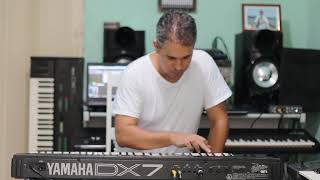
Yamaha DX7 II-FD (Performance) Factory Sounds and EPS FM

Tiago Mallen

Yamaha DX7 II-FD Sound Demo - Full Tines - Whitney Houston - Greatest Love of All - Andreas Herold

OLB-City Music Channel
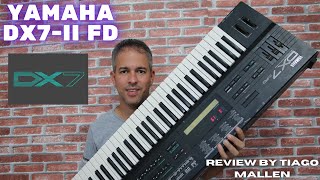
YAMAHA DX7 II fd - REVIEW by TIAGO MALLEN (MEUS EPS FAVORITOS) 64 PRESETS - FM Synthesizer (1987)
Tiago Mallen
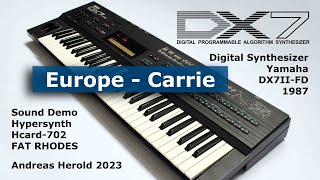
Yamaha DX7 II-FD Sound Demo - Europe - Carrie - Hypersynth Hcard-702 - FAT RHODES - Lexicon MX200
OLB-City Music Channel
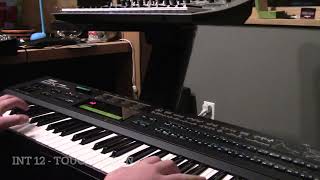
Yamaha DX7-IIFD - Internal Presets 1-32

Yet Another Vacuum Collector
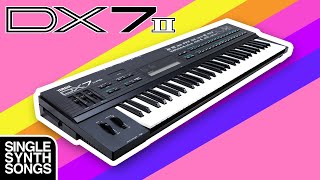
YAMAHA DX7 II-FD | Single Synth Song

Clemens Wenners Music
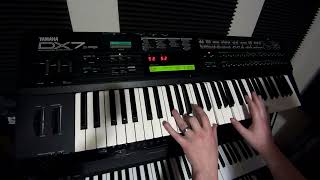
Synth Stuff Ep. 78 - Yamaha DX7IIFD

tritonrecordings
Reviews
PROS
-
Superior keybed provides a fantastic playing experience
-
Dual mode enables rich layering capabilities
-
Unique FM sounds with warmth and character
-
Offers extensive sound programming versatility
-
Solid and durable build quality
-
Enhanced memory with Hcard for extra storage
-
Responsive to playing intensity and mood
-
Improved interface with a larger screen for easier navigation
-
Compatible with third-party software for extended functionality
-
Historic sound widely recognized in music production
CONS
-
Can be challenging to program for beginners
-
Lacks an arpeggiator, limiting some sound design options
-
Repair and maintenance may be difficult due to design
-
Some experience minor headphone noise issues
-
Considered heavy and less portable by modern standards
-
Learning curve required to unlock its full potential
-
Requires external resources to fully grasp programming
Owner Insights
We analyzed real musician discussions from forums and Reddit to find what players love, question, and tweak about Yamaha DX7-IIFD.
User experience
Comparisons
-
The original DX7 has a distinctive aesthetic with its brown casing and teal/pink buttons, appealing to those seeking a vintage look.
Source -
The DX7IIFD offers a full 0-127 MIDI velocity range, although some users experience difficulty reaching velocities above 100.
Source -
The DX7IID's internal noise level and button quality are noted as improvements over the original DX7.
Source -
The unison feature on the DX7-II offers superior sound quality, rivaling the D-50 by reducing polyphony but enhancing richness.
Source
Mods and upgrades
-
The Supermax extension is available to enhance velocity response issues in the DX7IIFD, addressing common user frustrations.
Source
Software and compatibility
Features and functionality
-
The DX7IIFD model features an A/B bank system, allowing for more sounds to be loaded compared to the original DX7.
Source -
Regular DX7 cartridges don't fit in the DX7-II slot; only mk2 ones do, with rare converters available.
Source -
The DX7IID/FD includes a floppy drive, offering expanded storage options beyond cartridges.
Source -
The DX7IID allows for layers and splits, which greatly increases versatility compared to the DX7S model.
Source
Other
4.5 out of 5
Based on 8 Reviews and 23 Ratings

41028
Two DX7 engines, one massive keyboard.
This synth originally belonged to my Dad and Uncle who used it to create some really strange relaxation/meditation music called Stress Break. Their idea was to market it along with this crazy waterbed in a cone of silence stress relief dome-thingy that a guy they knew designed. The package never made it into the Sharper Image and busy 80s stock brokers and hedge fund managers continued to turn to Alcohol and Qualudes to decompress after a long day defrauding hard working American laborers. But I grew up on the sounds of this synthesizer (as well as stereo field recordings of crickets and lofi Drumulator kicks EQed to sound like a heartbeat), so I justy love the DX7.
This synth is a baffling monster at first. It is the biggest, baddest FM synth on the planet. FM stands for Frequency Modulation. The digitally controlled oscillators are called operators and they are used is specific algorithms to modulate eachother and mix together in certain ways (think super-omega ring modulators) based on a series of envelope settings that effect amplitude and pitch and therefore modulation amount andfrequency. This brave new world of synthesis coupled with the DX7 mk 1's impossible pushbutton interface made the classic FM synths of the mid 80s preset boxes for most musicians (though what a great set of presets, you all know that hard and bright DX7 electric piano simulation that was used by artists as diverse as Aaron Neville and Pearl Jam). That said, for serious nerds like me, deciphering FM synthesis and creating strange new patches was a holy mission when these synths fell out of favor during the grunge era and all-analog Acid House boom that followed.
The DX7-IIFD addresses some of the problems of the DX7 for gigging musicians who just use presets. They added a cartridge memory port so you could buy new preset cartridges programmed by the MIT-elves at Yamaha (they look very Atari) and load them in for instant gratification. They added a good LCD display and improved the push buttons so it might just be possible for a rocket scientist to program a patch using the actual user interface. They also put 2 DX7 engines under the hood and improved and expanded the keyboard allowing you to split the keyboard between 2 patches or to layer patches. The action felt a lot better too so the MIDI functionality got a lot better when it came to aftertouch and velocity, which is awesome on a synth with so many envelope parameters for each of its 6 operators (and did I mention all these envelopes can be made to effect and interact with eachother in wild and unimaginable ways?).
Even after wrapping my pointy head around FM synthesis as a concept and the complex architecture of the DX7-II I didn't unleash its full potential until Windows 95 and the internet exploded and nerds of an even more terrifying bent than me started creating mouse friendly graphical editors that could help you program the Yamaha FM synths... and best of all, they were released as freeware. Doom anyone? This was my Doom! Achievement unlocked.
In my opinion the DX7-IIFD is the best of all the Yamaha FM synths. It has more voices, more operators, more functionality as a sound design tool, performance instrument AND MIDI module and is just totally inspiring in every way. But don't got screwing with one of these f you don't have a day to waste learning the architecture and another few hours the next morning to get absorbed in the awesomeness you can create when you stop trying to emulate natural sounds and start generating tones no one has heard before because they never could exist in nature.
I dock this synth 1 star for being so powerful, complex and alien in conception and implementation that only the most determined dweebs can tame her. I don't think Yamaha could have made an on-board user interface that would be intelligible and streamlined with the technology of the day, but it doesn't change the fact that this synth is not for the faint of heart and can only be truly appreciated when slaved to your computer with 3rd party software.

2532
The DX7 was the second synth I owned, and a source of much frustration. I finally wrapped my head around programming the thing, but the menu diving was just too much for me. I sold it before computer editors became available.
To illustrate the complexity of the DX7, one simply need look at this hardware controller that was designed for it (that's a lot of knobs):
http://m3.i.pbase.com/g2/58/139858/2/149069403.hiNHQWLa.jpg
All that said, I'd still love to play with one again someday. It's a powerful synth.
41028
I shared your pain with the menus.... those hardware controllers are IMPOSSIBLE to find too! I don't feel like a knob or fader for some of these parameters would give you the detailed control you need either. Only software with a graphical ADSR envelope display for each parameter cuts it when you have a sound in your head and want to make it a reality....

210
I got good memories with the DX7. We got one too in one of my first bands and we play some tunes from The Chick Corea E Band and of course we can never achieve a sound like him but closer and also an strong keyboard but...that's long ago

103
I had one of these. Never figured out how to program it and sold it. Shame really cos it is capable of so much. https://www.youtube.com/watch?v=u_zKk2kNkH4
41028
she is, indeed, a pain to program... even with a software programmer via midi yo STILL can't always predict exactly what you are doing as you adjust modulation levels and operator frequencies (though after the 1st decade the algorithms start making more sense lending a smidgen of predictability without doing post graduate work)... I am better now at guessing than I was in the 90s, but there's still an element of luck creating all but the most obvious sounds like 'lately' and 'reese' basses or bells/clangs using only 3 or 4 operators and a fast overall envelope. This synth is like my wildcard for pads and unusual lead stuff. If I want a layer of ringing, squawking, grinding, then I hook up the DX7 and start fucking around. I like my TX817 a lot but decided to elt her go last year in favor of software for non-sine operators... Sytrus really ickles my fancy for the jobs I used to use the TX81Z for.
85
FM is mostly pointless and modern software or keyboards runs circles around these old things
FM is mostly pointless and modern software or keyboards runs circles around these old things


166
DX7IIFD REVIEW
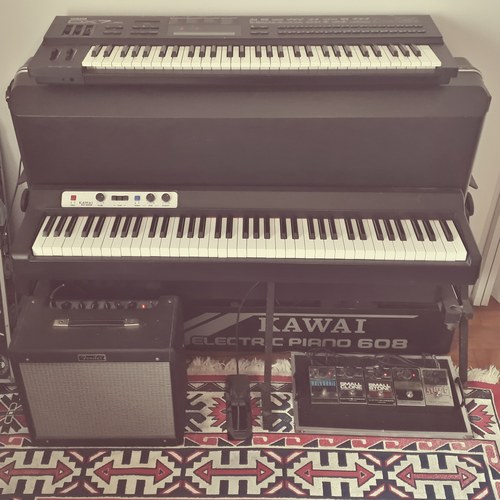
DX7 have two meanings for being into my setup. My main keys instrument is the Kawai Electric P608, an electric piano which isn't easy to take around for rehearsals and so. So I needed a keyboard which could fit its sound, but also that could be usefull into my synth setup.
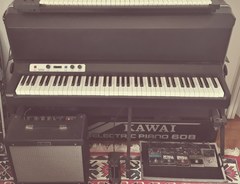


200

758
Genius of a keyboard
Simply awesome, Everything about is great including all the sounds it has.

Artist usage
Add artist
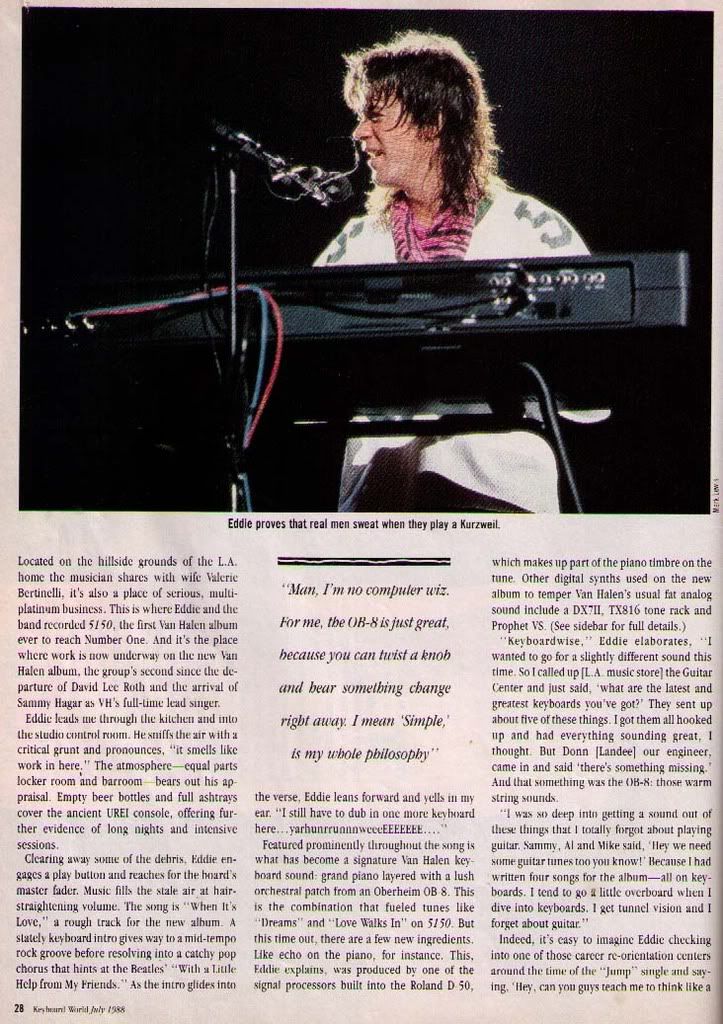
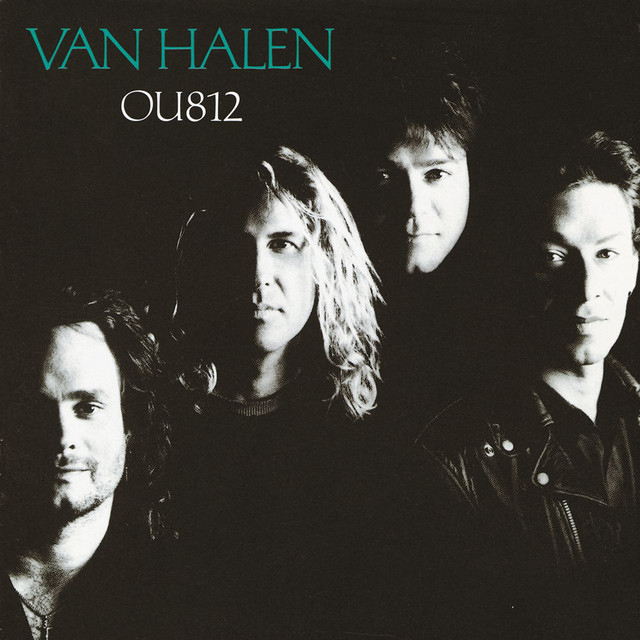
Eddie Van Halen used the DX7II on OU812as a contrast to the 'fat analogue' sounds of early records.

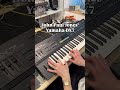
John Paul Jones uses the Yamaha DX7-IIFD, as evidenced by a YouTube video from Soundgas, which details an auction of his studio gear, including this specific synthesizer.


You can see it during the drumroll at the start of the video.

Vangelis has used a Yamaha DX7 IIFD, according to this book.


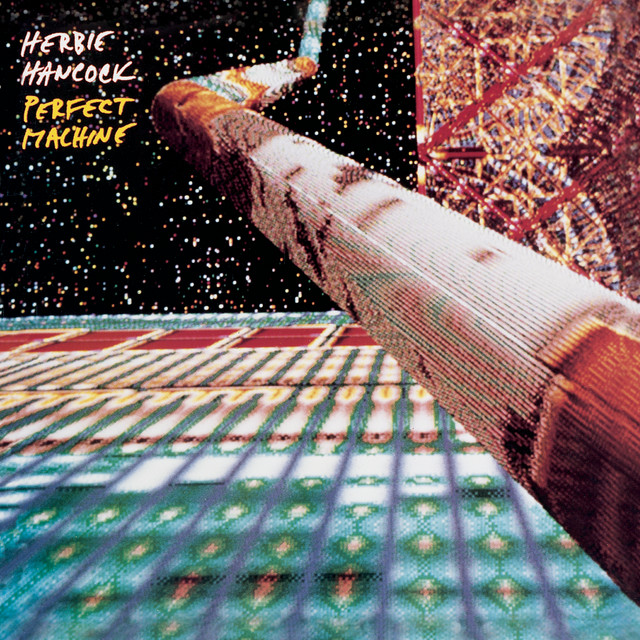
Used on Perfect Machine, as specified in Herbie Hancock’s Electronic Instrument Glossary from September 14, 2016.
Yamaha DZ7llFD [sic] – This updated version of the DX-7 held 64 voices in internal memory and another 64 voices in a RAM/ROM cartridge that could be accessed. In dual mode, one could layer these voices in different combinations and create a variety of sounds not available on the standard DX-7. This was used by Herbie on his 1988 album Perfect Machine.


While their rig has been overhauled many times over the years, the DX7IIfd was Scott's primary controller for triggering samples for many tours. best seen at 1:05 in this video


Steve Winwood has used the Yamaha DX7-IIFD live for two tours in the late 80's. It can be seen on "STEVE WINWOOD At The Royal Albert Hall" DVD


Yanni used the DX7-IIFD for a very short period of time from 1994-1996. In my opinion, it was a mistake getting rid of it as it made some of his most famous sounds more clear and beautiful. You can see it in the video in the song 'Desire' being used for the main guitar sound.


In the video titled "David Bryan Keyboard Lesson #1" on YouTube, David Bryan mentions using the Yamaha DX7-IIFD as a controller.


In an article by Sound on Sound, Daniel Miller is listed as using the Yamaha DX7-IIFD synthesizer.

In a studio tour video by MusicRadar Tech, the Freemasons are shown using the Yamaha DX7-IIFD synthesizer.


"Here is my main studio setup these days: Macintosh computer, Otari 8-track and Soundcraft mixer, Yamaha DX7II and TX81Z, Ensoniq EPS16+, Korg Wavestation, Sequential Prophet 5 and SixTrack, Casio CZ101, Lexicon reverbs, Eventide H3000, delays and other procesors, steel guitar, bamboo and clay flutes, percussion, etc. etc."
Album Usage
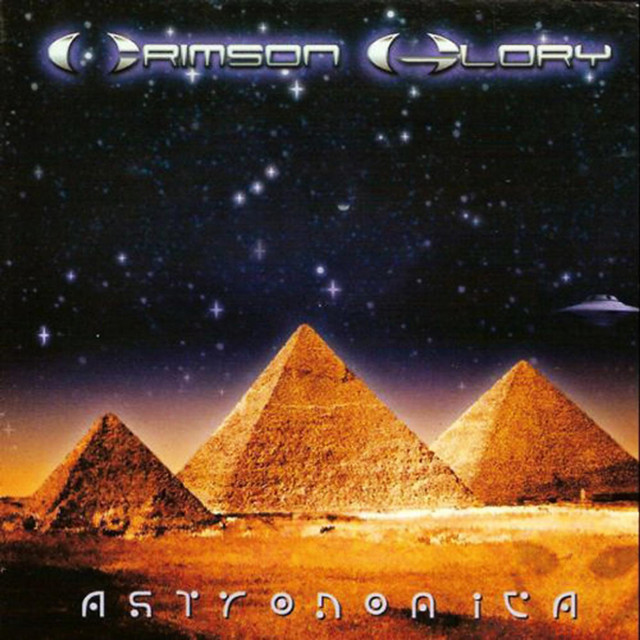
The Yamaha DX7-IIFD has been featured on the following albums:

Genre Usage
Based on how artists on Equipboard use this gear, it is most commonly found in the following genres.
Used With
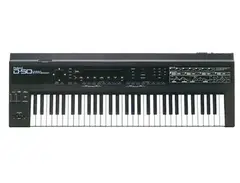
Based on how musicians on Equipboard use Yamaha DX7-IIFD, it is most commonly used with the following gear.





Community setups
Show yours

Similar
Add recommendation1 alternative for Yamaha DX7-IIFD, curated by the Equipboard community.

$290.00
More Yamaha Synthesizers

$279.00 - $449.99
in Synthesizers Rank


$79.99 - $495.44
in Synthesizers Rank


$290.00
in Synthesizers Rank


$529.99 - $649.99
in Synthesizers Rank


.jpeg?v=1784733415)


$152.59 - $1,999.99


-m.webp?v=1784818838)


Accessories & Related Items



Gear Guides






.webp)

Most Popular Synthesizers
Most Popular Brands
-
Added to Equipboard on by
triadexGearIQ 117
-


