The Prodigy
UK electronic group, main member Liam Howlett
The Prodigy's Studio Equipment


"A guy from our record company went to New York and got this for me for my birthday; it was a really good present. It's so nice, just for single drum hits."
Find it on:


"I love my Boss SE70s. (...) You can get awesome distortion sounds from the SE70. (...) I've got four SE70s, and I programme the hell out of them. I've really gone mad with them." - Liam Howlett interviewed by Sound To Sound
Find it on:

Liam Howlett used to own an ART Multiverb, but sold it because he could get better sounds from his Boss SE-70.
Find it on:


Liam Howlett used to own an Alesis Quadraverb, but he ended up selling it in favor of his Boss SE-70.
Find it on:

According to this article, the Culture Vulture is one of the few pieces of gear Liam Howlett didn't get rid of after starting to use Reason.
Find it on:


Korg: You've recently been using a KM2 mixer, an Electribe ER-1, ES-1 and EM-1. What are your impressions of this kit?
Liam: I haven't checked the mixer yet, but the ER-1 resembles 70s and 80s analogue drum sounds, which is what i like.
Find it on:

From an interview with the Prodigy's chief live sound engineer: "Everything is recorded to an Alesis HD24 hard?disk multitracker, to be mixed in Logic in the two or three days of down time that Burton and the band enjoy between weekend festival slots. "I'll spend a lot of time cleaning up the track and getting rid of spill. I'll go through and clean up all the vocals, not changing anything, but I'll hand?draw automation to take all the background noise out and get them as clean as possible. Same with some of the snare hits and stuff like that.”
Find it on:

From an interview with the Prodigy's chief live sound engineer: "The [Roland] Dimension D is used to make the guitar big, because we've only got one guitarist and we try to make everything bigger than everything else. I've also got a [Yamaha] Rev 7 and a Rev 5. I've got them Y?split together because they've got a habit of stopping working, so one of them is usually working at any one time. They're both drum reverbs, I just run them both off the snare. Then I've got a guitar reverb, an SPX990, and a [TC Electronic] M2000 on vocals, which does harmoniser on some songs and reverbs on others. Then I've got a TC D•Two for all my more traditional delays.”
Find it on:

"I'm not that impressed with this, really. I went through a stage of going into my local music shop, and every time they had a new bit of equipment, I convinced myself I needed it. I had to get out of that. I've used this a couple of times -- on Jilted Generation I used it on about three tracks -- but I'd sell it any day."
Find it on:
-m.webp?v=1783090753)
"...The item can be seen 4:07 into this video..."
Find it on:

Last shot of studio before i move out . End of an era,, new studio monday yeeha!!
Find it on:

Liam Howlett's keyboard tech: "There is a laptop ready to go if one of the other three fail, but we use solid?state drives and they are also very reliable. Liam can do all the mixing from stage, but Jon Burton also has access to the raw outputs from the MOTU 828s in case there is a problem with Liam's desk.”
Find it on:

In this interview with Liam Howlett, he says he used to own a SPX 1000, but ended up ditching it in favor of the Boss SE-70: "The SPX1000 is just a crap industry-standard thing, with no special effects whatsoever, so I got rid of that. A grand for just a reverb unit and delay is a bit of a waste of money really..."
Find it on:

According to this article, the Phoenix compressor is one of the few pieces of gear Liam Howlett didn't get rid of after starting to use Reason.
Find it on:
-m.webp?v=1782917887)
The Prodigy has used the Roland TR-808 Rhythm Composer in their studio, as documented by Jussi Lahtinen on Theprodigy.info.
Find it on:

Korg: "You've recently been using a KM2 mixer, an Electribe ER-1, ES-1 and EM-1. What are your impressions of this kit?"
Liam: "I haven't checked the mixer yet, but the ER-1 resembles 70s and 80s analogue drum sounds, which is what i like."
Find it on:

From an interview with the Prodigy's chief live sound engineer: "The [Roland] Dimension D is used to make the guitar big, because we've only got one guitarist and we try to make everything bigger than everything else. I've also got a [Yamaha] Rev 7 and a Rev 5. I've got them Y?split together because they've got a habit of stopping working, so one of them is usually working at any one time. They're both drum reverbs, I just run them both off the snare. Then I've got a guitar reverb, an SPX990, and a [TC Electronic] M2000 on vocals, which does harmoniser on some songs and reverbs on others. Then I've got a TC D•Two for all my more traditional delays.”
Find it on:

From an interview with the Prodigy's chief live sound engineer: "The [Roland] Dimension D is used to make the guitar big, because we've only got one guitarist and we try to make everything bigger than everything else. I've also got a [Yamaha] Rev 7 and a Rev 5. I've got them Y?split together because they've got a habit of stopping working, so one of them is usually working at any one time. They're both drum reverbs, I just run them both off the snare. Then I've got a guitar reverb, an SPX990, and a [TC Electronic] M2000 on vocals, which does harmoniser on some songs and reverbs on others. Then I've got a TC D•Two for all my more traditional delays.”
Find it on:

From an interview with the Prodigy's chief live sound engineer: "The [Roland] Dimension D is used to make the guitar big, because we've only got one guitarist and we try to make everything bigger than everything else. I've also got a [Yamaha] Rev 7 and a Rev 5. I've got them Y?split together because they've got a habit of stopping working, so one of them is usually working at any one time. They're both drum reverbs, I just run them both off the snare. Then I've got a guitar reverb, an SPX990, and a [TC Electronic] M2000 on vocals, which does harmoniser on some songs and reverbs on others. Then I've got a TC D•Two for all my more traditional delays.”
Find it on:

From an interview with the Prodigy's chief live sound engineer: "The [Roland] Dimension D is used to make the guitar big, because we've only got one guitarist and we try to make everything bigger than everything else. I've also got a [Yamaha] Rev 7 and a Rev 5. I've got them Y?split together because they've got a habit of stopping working, so one of them is usually working at any one time. They're both drum reverbs, I just run them both off the snare. Then I've got a guitar reverb, an SPX990, and a [TC Electronic] M2000 on vocals, which does harmoniser on some songs and reverbs on others. Then I've got a TC D•Two for all my more traditional delays.”
Find it on:

From an interview with the Prodigy's chief live sound engineer: "The [Roland] Dimension D is used to make the guitar big, because we've only got one guitarist and we try to make everything bigger than everything else. I've also got a [Yamaha] Rev 7 and a Rev 5. I've got them Y?split together because they've got a habit of stopping working, so one of them is usually working at any one time. They're both drum reverbs, I just run them both off the snare. Then I've got a guitar reverb, an SPX990, and a [TC Electronic] M2000 on vocals, which does harmoniser on some songs and reverbs on others. Then I've got a TC D•Two for all my more traditional delays.”
Find it on:

According to the official website of Jomox - Prodigy belongs to famous users of Xbase 09 .
Find it on:
This is a community-built gear list for The Prodigy.
- Find relevant music gear like Studio Equipment, Software Plugins and VSTs, Headphones, and other instruments and add it to The Prodigy.
- The best places to look for gear usage are typically on the artist's social media, YouTube, live performance images, and interviews.
- To receive email updates when The Prodigy is seen with new gear, follow the artist.
-
Added to Equipboard on by
 wouterbruijninckx
Gear IQ 956
-
Updated
Discography
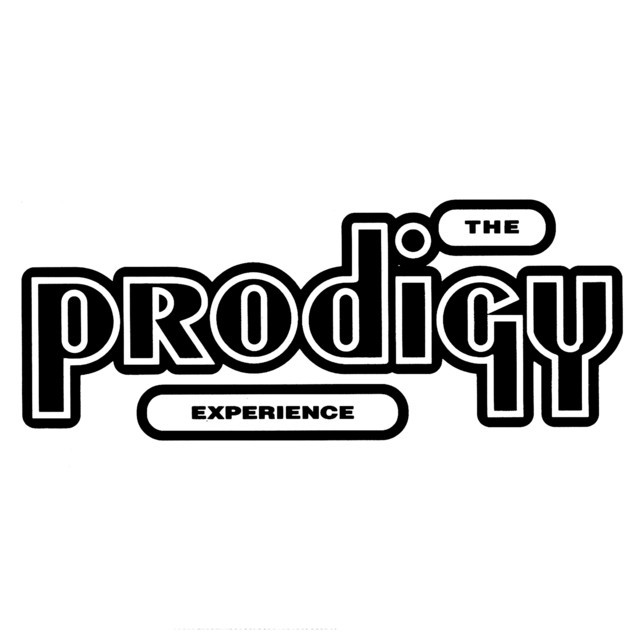
Experience
1992
Music for the Jilted Generation
1994
The Fat of the Land
1997
Always Outnumbered, Never Outgunned
2004
More Music for the Jilted Generation
2008
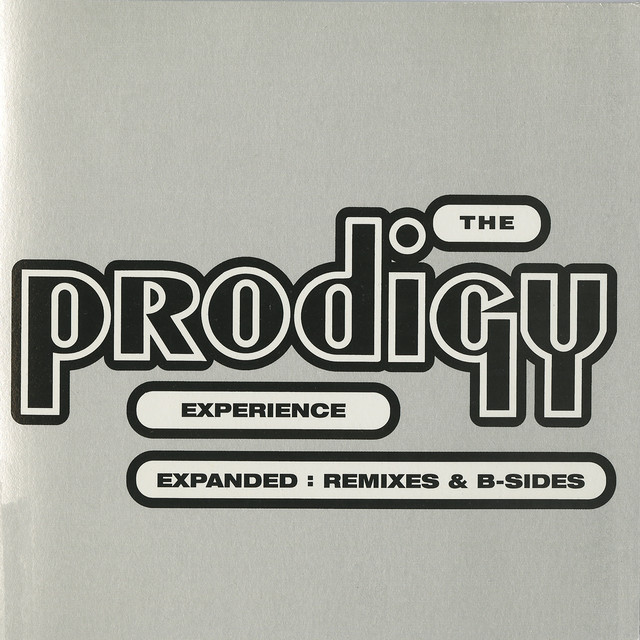
Experience: Expanded (Remixes & B-sides)
2008
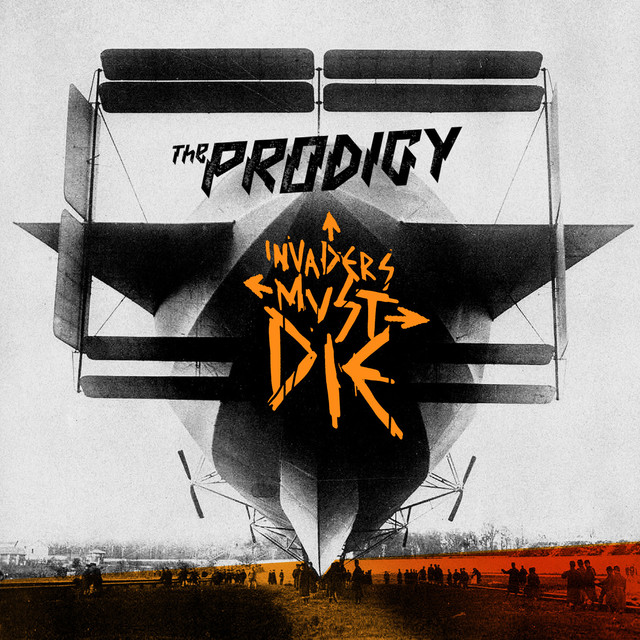
Invaders Must Die
2009
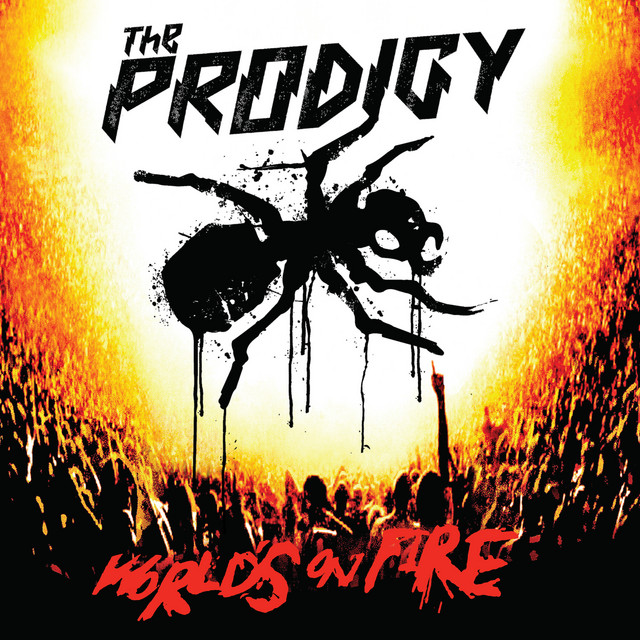
World's on Fire (Live at Milton Keynes Bowl- 2020 Remaster)
2011
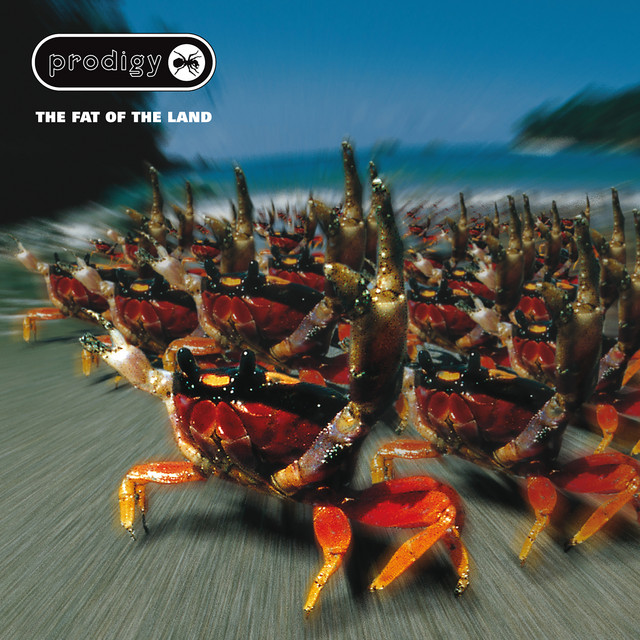
The Fat of the Land - Expanded Edition
2012
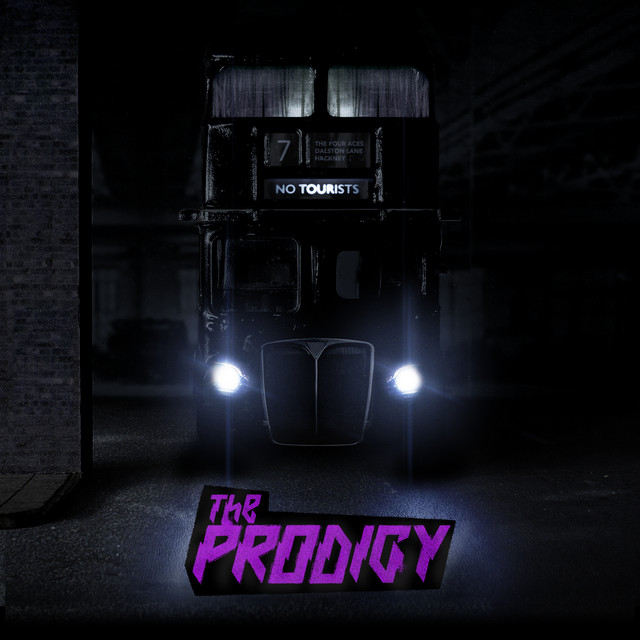
No Tourists
2018