Simon Franglen
English score composer
Simon Franglen's Gear



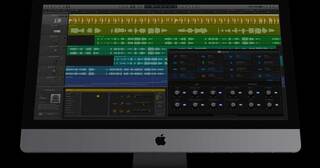
A 2009 unit is featured in this December 30, 2019 Twitter post.
Moore’s law in action. We added 128GB RAM to this 2009 Mac for £200. If I’d been able to fit that in the #Synclavier in its heyday (at $5000 per MB), it would have cost $640,000,000. Or enough to buy Newcastle United, and get them into the Champions league.
Find it on:

Used to mix the The Magnificent Seven soundtrack, as stated in this October 20, 2016 Audio Media International article.
We looked at the options and decided, having built guerrilla studios in the past, that mixing at home was possible. There we used Neumann KH420 mid-fields, each sitting on top of Neumann KH870 subwoofers for an amazing 7.1 rig combination. We then used KH310s for the sides and surrounds.
Avatar was the last film that we mixed in analogue as a crew but since then everything has been entirely in the box. I used an Avid C24 as a mix controller and was taking sounds that the live players were generating and manipulating them through Pro Tools. I used quite a lot of plug-ins, including [The Cargo Cult] Slapper for multi-channel delay and the VSM plug-ins, which I really like. We needed a bit of a contemporary sound so we also used a whole host of different reverb plug-ins along with delay and compression.
Find it on:


Featured in this January 24, 2018 Facebook post by Sonixinema.
Simon Franglen, known for his work on The Magnificent Seven and Titanic, had some kind words to say about Hybrid Scoring Collection: Strings
“I see pioneering spirit in Sonixinema instruments, they have different style to anything else. It’s never about the number of GB in a library, it is always about the life in each instrument. Great work.”
Find it on:


Featured in this excerpt from the September 1989 issue of Sound on Sound. It also features in this January 15, 2020 Twitter post.
Sound on Sound, September 1989
Simon Franglen is a composer of music for TV, films, stage plays and commercials, and also a record producer and keyboard player/programmer. He works mainly at home - in his Padded Cell studio - with his own Synclavier. Before there are any shouts of 'lucky devil', remember that you don't get to be a Synclavier owner unless you are pretty good at what you do. Obviously, megastars like Stevie Wonder and Sting can buy Synclaviers out of their small change, but for a jobbing composer a Synclavier is a major purchase. So why spend all that money?
"I was a programmer for a couple of years before being able to buy one myself, and I suppose you could say, if certain people were built to play certain instruments, then I was built to play the Synclavier. If people ask me what I play, I say I play Synclavier; I don't play keyboards, although I do happen to have other keyboards in my system."
To Simon Franglen, the Synclavier is a very natural instrument to play.
"I don't think when I use it. With any instrument - violin, guitar, piano etc - if you have to think how to use it, it loses its point, because you are not thinking about the music. It becomes a machine rather than a musical instrument."
Since the Synclavier represents a major investment, there has to be a justification for that investment. You do not just have one because you fancy the idea of being in the Synclavier club. There has to be a financial motive. For Simon, it made financial sense to buy his own system rather than continually renting other people's, and the benefits of having its facilities available 24 hours a day are obvious, of course. There are other attractions: "The variety of work you get by using the Synclavier is quite stunning. The wide range of facilities that you can offer an artist, producer or director means that no two jobs are the same. I'm in the fortunate position of tending to work with more established artists, to whom quality is more important than cost."
The Padded Cell studio is, in a word, compact. The studio is just wide enough to fit in the REIMS mixing console. Simon's keyboard arrangement is designed for maximum ease of use, with the Synclavier keyboard protruding from under the mixer - which is raised by eight inches to make this possible. In front of the Synclavier keyboard is the Macintosh II keyboard. In action, Simon continually swaps back and forth between faders, keyboard and computer keys, so the arrangement makes a lot of sense.
Simon's Synclavier system is not the world's largest, but certainly of adequate capability: 64 voices, 24 megabytes of RAM, plus a 180 megabyte hard disk. At the top of his shopping list at the moment is an optical disk unit (costing over £20,000). Simon currently stores his sample library on three optical disks, each of which can hold up to 2000 megabytes of data, but he has to hire the actual unit when necessary. The Synclavier's internal hard disk holds a library of 'greatest hits' samples for day to day use.
So how does a Synclavier owner rate his machine against other musical technology?
"What makes it the best machine in the world is the hundred and something little red buttons on the keyboard. Where on other 'workstations' you go: Control A - Option B - Command C - drop this in - set this up... all you do on the Synclavier is hit a button. It is as simple as that. You just hit a button and work.
"It is the most ergonomic package currently available, and even if you ignore the sheer size and quality, you are still left with the most versatile system I've ever seen. I know other manufacturers are addressing a mass market, but sleeker packaging doesn't necessarily make equipment any easier to use."
As you can tell, here speaks a dedicated Synclavier man. And for a final comment...
"The whole thing about working with the Synclavier is control. Getting the best out of the music. And this is the best way I know of doing that."
January 15, 2020
Hello old friend.
Find it on:

Used for the Avatar soundtrack, as stated in this March 19, 2010 Electronic Musician interview.
[Spectrasonics] Ominsphere, Stylus RMX. I used Trilian a little at the end; it hadn’t come out until I was getting to the end of the project. [FXpansion] BFD, I was using BFD2 on some of the stuff. I like [Native Instruments] Battery, especially for drum work. It’s very nice the way I can build things in that. And there’s some little boutique ones like [FXpansion] Strobe. I used a bit of [Native Instruments] Massive. But it wasn’t really a synth score.
Find it on:


Used for the Avatar soundtrack, as stated in this March 19, 2010 Electronic Musician interview.
[Spectrasonics] Ominsphere, Stylus RMX. I used Trilian a little at the end; it hadn’t come out until I was getting to the end of the project. [FXpansion] BFD, I was using BFD2 on some of the stuff. I like [Native Instruments] Battery, especially for drum work. It’s very nice the way I can build things in that. And there’s some little boutique ones like [FXpansion] Strobe. I used a bit of [Native Instruments] Massive. But it wasn’t really a synth score.
Find it on:



Mentioned in this October 26, 2020 OWC Radio interview.
Okay, I have to ask, I don’t have the equipment you have, but I’m looking at four different computers in front of me. What are all those different computers doing for you on a daily basis? What do you use them for?
So I have them running samples. So I write in Pro Tools, which is unusual. Most composers tend to write in Logic or Cubase. And I have to say, I really, really like Logic, and especially with the way that it integrates with the new Mac Pro, it is amazing. And then, what I use is a thing called Vienna Ensemble Pro, which is a piece of software that allows me to network together and feed sound from them. So I have one computer, for instance, that has all of my string libraries. And then I have another computer that has my brass and woodwinds, and another computer has all my percussion in it and another, and so on. So that I’m using different libraries so that the central computer, the Mac Pro 2019, is acting sort of like an input machine. And everything else is being served off the different machines. I can do it all internally in the Mac Pro. I find that serving it off different machines just seems to work better for them. The new Mac Pro is ridiculous. And when I have driven it with hardware, I’ve got to a point where I’ve had 270GB worth of data taken out of material with samples. Then the Activity Monitor is still only at 40% with 700 or 800 tracks. It’s ridiculously powerful.
Find it on:

Used to mix the The Magnificent Seven soundtrack, as stated in this October 20, 2016 Audio Media International article.
We looked at the options and decided, having built guerrilla studios in the past, that mixing at home was possible. There we used Neumann KH420 mid-fields, each sitting on top of Neumann KH870 subwoofers for an amazing 7.1 rig combination. We then used KH310s for the sides and surrounds.
Avatar was the last film that we mixed in analogue as a crew but since then everything has been entirely in the box. I used an Avid C24 as a mix controller and was taking sounds that the live players were generating and manipulating them through Pro Tools. I used quite a lot of plug-ins, including [The Cargo Cult] Slapper for multi-channel delay and the VSM plug-ins, which I really like. We needed a bit of a contemporary sound so we also used a whole host of different reverb plug-ins along with delay and compression.
Find it on:


A couple are featured in this March 13, 2016 Spitfire Audio Creative Cribs interview at 5:53.
Find it on:

Quoted on the product’s official testimonial page.
crusher-X is spectacularly great. I’m finding new ways to use it every day. I’m especially finding the link with my ROLI and LinnStrument extremely creative.
Find it on:

Quoted on the official product page.
"I bought IRCAM Solo Instruments 1 as soon as it came out. It was the solo instruments library that dared to go places that others dared not. IRCAM Solo Instruments 2 is the sequel that is somehow better than the wonderful original, and I can use my MPE controllers now. Unique!"
Find it on:

Featured on Franglen's official Seaboard artist page.
Find it on:

Used for the Avatar soundtrack, as stated in this March 19, 2010 Electronic Musician interview.
Between the three people who provided synthetic [parts] on the film, there’s not a single hardware synth used. It was entirely soft synths. Probably the vast majority of what I was using was [Native Instruments] Kontakt 4.
Find it on:

Used for the Avatar soundtrack, as stated in this March 19, 2010 Electronic Musician interview.
[Spectrasonics] Ominsphere, Stylus RMX. I used Trilian a little at the end; it hadn’t come out until I was getting to the end of the project. [FXpansion] BFD, I was using BFD2 on some of the stuff. I like [Native Instruments] Battery, especially for drum work. It’s very nice the way I can build things in that. And there’s some little boutique ones like [FXpansion] Strobe. I used a bit of [Native Instruments] Massive. But it wasn’t really a synth score.
Find it on:


Used for the Avatar soundtrack, as stated in this March 19, 2010 Electronic Musician interview.
[Spectrasonics] Ominsphere, Stylus RMX. I used Trilian a little at the end; it hadn’t come out until I was getting to the end of the project. [FXpansion] BFD, I was using BFD2 on some of the stuff. I like [Native Instruments] Battery, especially for drum work. It’s very nice the way I can build things in that. And there’s some little boutique ones like [FXpansion] Strobe. I used a bit of [Native Instruments] Massive. But it wasn’t really a synth score.
Find it on:


Used for the Avatar soundtrack, as stated in this March 19, 2010 Electronic Musician interview.
[Spectrasonics] Ominsphere, Stylus RMX. I used Trilian a little at the end; it hadn’t come out until I was getting to the end of the project. [FXpansion] BFD, I was using BFD2 on some of the stuff. I like [Native Instruments] Battery, especially for drum work. It’s very nice the way I can build things in that. And there’s some little boutique ones like [FXpansion] Strobe. I used a bit of [Native Instruments] Massive. But it wasn’t really a synth score.
Find it on:

Used for the Avatar soundtrack, as stated in this March 19, 2010 Electronic Musician interview.
[Spectrasonics] Ominsphere, Stylus RMX. I used Trilian a little at the end; it hadn’t come out until I was getting to the end of the project. [FXpansion] BFD, I was using BFD2 on some of the stuff. I like [Native Instruments] Battery, especially for drum work. It’s very nice the way I can build things in that. And there’s some little boutique ones like [FXpansion] Strobe. I used a bit of [Native Instruments] Massive. But it wasn’t really a synth score.
Find it on:

Used for the Avatar soundtrack, as stated in this March 19, 2010 Electronic Musician interview.
So you were doing a lot of sample manipulation: repitching samples and changing their timing?
Absolutely. There’s a bit where you see all the “wood sprites,” as we called them, floating down onto Jake. He’s in the night forest. And I remember taking a lot of things like vocals—I had some ethnic vocals—turning them backward and putting them through [SoundToys] Crystallizer.
Find it on:

Featured in this photo from the official product page.
Simon Franglen in his Studio
SCM150ASL Pro
Find it on:

Mentioned in this October 26, 2020 OWC Radio interview.
Simon, you’re in Hollywood. Can you do me a favor? Can you kind of look around the studio you’re in and tell our audience what kind of gear you’re using and a little bit about your process. I know you have a current project you can’t talk about. You can’t talk about the one you’re working on now. But perhaps we can use the example of the 2019 release of The Birth of Skies and Earth because that was a huge project, and perhaps we can talk about how you managed that one?
Well, if I look around from where I am, I’m looking at a 55-inch OLED main monitor, which I moved to use touchscreens, and I’d like backlighting, so they don’t sort of blast your eyes out, especially late at night. And then that’s feeding into a 28-core Mac Pro 2019 with 384GB of RAM and 32TB of OWC RAID internally.
Oh, that’s awesome. So you’re using the OWC SSDs inside the Mac Pro?
Yeah. The NVMe writes,
Aha, you know, they just came out with a new case for those. You can actually carry some of those projects with you and use them on your laptop. If you’re thinking about work, you can actually hook the Envoy Pro to the back of your laptop with the NVMe in it. It’s wonderful.
I have external 4M2. I have the 4M2s externals as well as the 4M2s internals. I have two boxes with 8TB in each, which I used to carry stuff around as well.
So you have a studio in London, and you’re currently in a studio in LA. Is that your second place, or are you just traveling?
Yes, it is.
Okay, you have a full setup. You’re looking at your 55-inch OLED. What manufacturer do you use for your monitor?
I’ve used the Sony, but it’s the same panel as the LG. It’s basically the same thing, but I like the Sony. It was the one that came out that had the sort of angled stand on it and made it look a bit like an artist’s easel, and it works perfectly. I have it set up on my keyboard workstation. I have a Yamaha 88-Note Keyboard in front of it. And then a load of little side panels used to control different things like iPads and androids of various sorts that go with different remote controls. Then to my right is an iMac Pro, which is a, I want to say a 12-core. And that’s got 128GB in RAM in there. And then I’ve got two Mac Pro 2013, they both have 128GB in as well.
Find it on:

Mentioned in this October 26, 2020 OWC Radio interview.
Okay, I have to ask, I don’t have the equipment you have, but I’m looking at four different computers in front of me. What are all those different computers doing for you on a daily basis? What do you use them for?
So I have them running samples. So I write in Pro Tools, which is unusual. Most composers tend to write in Logic or Cubase. And I have to say, I really, really like Logic, and especially with the way that it integrates with the new Mac Pro, it is amazing. And then, what I use is a thing called Vienna Ensemble Pro, which is a piece of software that allows me to network together and feed sound from them. So I have one computer, for instance, that has all of my string libraries. And then I have another computer that has my brass and woodwinds, and another computer has all my percussion in it and another, and so on. So that I’m using different libraries so that the central computer, the Mac Pro 2019, is acting sort of like an input machine. And everything else is being served off the different machines. I can do it all internally in the Mac Pro. I find that serving it off different machines just seems to work better for them. The new Mac Pro is ridiculous. And when I have driven it with hardware, I’ve got to a point where I’ve had 270GB worth of data taken out of material with samples. Then the Activity Monitor is still only at 40% with 700 or 800 tracks. It’s ridiculously powerful.
Find it on:

Mentioned in this October 26, 2020 OWC Radio interview.
I’ve got generations and generations of OWC stuff. So I have ThunderBays that go back to neanderthal times were spinning hard drives and stacks of big ones and little ones. When SSDs came out in the two and a half-inch format, then I was using box; they’re taking the little mini ones. And that was transformative because it meant I could carry libraries with. Previously we were running external RAIDS, and they became bigger and heavier and noisier, and everything else, and suddenly these little boxes could outperform them. And why for instance, the Accelsior cards are working so well for me in terms in my new Mac Pro, is that it allows me to have a system now where I don’t have all these boxes hanging off the outside of my Mac Pro as much as I love the trash cans because they were very compact and transportable. The problem was you ended up with this spaghetti of stuff that was running off them. The 4M2s were great because they were the first time I could get the NVMe up to size to like, actually get some NVMe RAIDs that were big enough for me to use them properly. And then, of course, I’ve got all the sort of hubs. The different Thunderbolt 3 and Thunderbolt 2 hubs that I’ve had for years. I mean, I’ve been buying stuff from OWC for 15 years. I’m going to guess since it first appeared, it was the place where I would buy all the bits and pieces. And Larry’s wonderful. But I also know that when we were having some issues, there was a bug in the 10.15.4 Apple release of Catalina that was affecting large data transfers. And the guys at SoftRAID and the guys at OWC worked tirelessly with me to try and solve. We nailed it down with a fix, and the guys could not have been better. I think that’s the thing that I would say about OWC, and the reason I agree to talk to you about it is that they’ve gone the extra mile. And I think that for someone like me, that’s worth in gold.
Find it on:

Mentioned in this October 26, 2020 OWC Radio interview.
I’ve got generations and generations of OWC stuff. So I have ThunderBays that go back to neanderthal times were spinning hard drives and stacks of big ones and little ones. When SSDs came out in the two and a half-inch format, then I was using box; they’re taking the little mini ones. And that was transformative because it meant I could carry libraries with. Previously we were running external RAIDS, and they became bigger and heavier and noisier, and everything else, and suddenly these little boxes could outperform them. And why for instance, the Accelsior cards are working so well for me in terms in my new Mac Pro, is that it allows me to have a system now where I don’t have all these boxes hanging off the outside of my Mac Pro as much as I love the trash cans because they were very compact and transportable. The problem was you ended up with this spaghetti of stuff that was running off them. The 4M2s were great because they were the first time I could get the NVMe up to size to like, actually get some NVMe RAIDs that were big enough for me to use them properly. And then, of course, I’ve got all the sort of hubs. The different Thunderbolt 3 and Thunderbolt 2 hubs that I’ve had for years. I mean, I’ve been buying stuff from OWC for 15 years. I’m going to guess since it first appeared, it was the place where I would buy all the bits and pieces. And Larry’s wonderful. But I also know that when we were having some issues, there was a bug in the 10.15.4 Apple release of Catalina that was affecting large data transfers. And the guys at SoftRAID and the guys at OWC worked tirelessly with me to try and solve. We nailed it down with a fix, and the guys could not have been better. I think that’s the thing that I would say about OWC, and the reason I agree to talk to you about it is that they’ve gone the extra mile. And I think that for someone like me, that’s worth in gold.
Find it on:

Specified on the official Millennia artist page.
Simon Franglen LA/UK STT-1s
Find it on:

Used to mix the The Magnificent Seven soundtrack, as stated in this October 20, 2016 Audio Media International article.
We looked at the options and decided, having built guerrilla studios in the past, that mixing at home was possible. There we used Neumann KH420 mid-fields, each sitting on top of Neumann KH870 subwoofers for an amazing 7.1 rig combination. We then used KH310s for the sides and surrounds.
Avatar was the last film that we mixed in analogue as a crew but since then everything has been entirely in the box. I used an Avid C24 as a mix controller and was taking sounds that the live players were generating and manipulating them through Pro Tools. I used quite a lot of plug-ins, including [The Cargo Cult] Slapper for multi-channel delay and the VSM plug-ins, which I really like. We needed a bit of a contemporary sound so we also used a whole host of different reverb plug-ins along with delay and compression.
Find it on:

Used to mix the The Magnificent Seven soundtrack, as stated in this October 20, 2016 Audio Media International article.
We looked at the options and decided, having built guerrilla studios in the past, that mixing at home was possible. There we used Neumann KH420 mid-fields, each sitting on top of Neumann KH870 subwoofers for an amazing 7.1 rig combination. We then used KH310s for the sides and surrounds.
Avatar was the last film that we mixed in analogue as a crew but since then everything has been entirely in the box. I used an Avid C24 as a mix controller and was taking sounds that the live players were generating and manipulating them through Pro Tools. I used quite a lot of plug-ins, including [The Cargo Cult] Slapper for multi-channel delay and the VSM plug-ins, which I really like. We needed a bit of a contemporary sound so we also used a whole host of different reverb plug-ins along with delay and compression.
Find it on:

Used to mix the The Magnificent Seven soundtrack, as stated in this October 20, 2016 Audio Media International article. Franglen is also quoted on the official product page and the plugin appears in this photo from this January 6, 2020 Avid interview.
Audio Media International, October 20, 2016
We looked at the options and decided, having built guerrilla studios in the past, that mixing at home was possible. There we used Neumann KH420 mid-fields, each sitting on top of Neumann KH870 subwoofers for an amazing 7.1 rig combination. We then used KH310s for the sides and surrounds.
Avatar was the last film that we mixed in analogue as a crew but since then everything has been entirely in the box. I used an Avid C24 as a mix controller and was taking sounds that the live players were generating and manipulating them through Pro Tools. I used quite a lot of plug-ins, including [The Cargo Cult] Slapper for multi-channel delay and the VSM plug-ins, which I really like. We needed a bit of a contemporary sound so we also used a whole host of different reverb plug-ins along with delay and compression.
The Cargo Cult Slapper product page
Slapper is immensely deep, exquisitely beautiful and sounds like it could go on forever. I find it to be the most musical echo I own and it's just as useful in stereo as in Atmos.
Find it on:

Two 2013 units are mentioned in this October 26, 2020 OWC Radio interview.
Simon, you’re in Hollywood. Can you do me a favor? Can you kind of look around the studio you’re in and tell our audience what kind of gear you’re using and a little bit about your process. I know you have a current project you can’t talk about. You can’t talk about the one you’re working on now. But perhaps we can use the example of the 2019 release of The Birth of Skies and Earth because that was a huge project, and perhaps we can talk about how you managed that one?
Well, if I look around from where I am, I’m looking at a 55-inch OLED main monitor, which I moved to use touchscreens, and I’d like backlighting, so they don’t sort of blast your eyes out, especially late at night. And then that’s feeding into a 28-core Mac Pro 2019 with 384GB of RAM and 32TB of OWC RAID internally.
Oh, that’s awesome. So you’re using the OWC SSDs inside the Mac Pro?
Yeah. The NVMe writes,
Aha, you know, they just came out with a new case for those. You can actually carry some of those projects with you and use them on your laptop. If you’re thinking about work, you can actually hook the Envoy Pro to the back of your laptop with the NVMe in it. It’s wonderful.
I have external 4M2. I have the 4M2s externals as well as the 4M2s internals. I have two boxes with 8TB in each, which I used to carry stuff around as well.
So you have a studio in London, and you’re currently in a studio in LA. Is that your second place, or are you just traveling?
Yes, it is.
Okay, you have a full setup. You’re looking at your 55-inch OLED. What manufacturer do you use for your monitor?
I’ve used the Sony, but it’s the same panel as the LG. It’s basically the same thing, but I like the Sony. It was the one that came out that had the sort of angled stand on it and made it look a bit like an artist’s easel, and it works perfectly. I have it set up on my keyboard workstation. I have a Yamaha 88-Note Keyboard in front of it. And then a load of little side panels used to control different things like iPads and androids of various sorts that go with different remote controls. Then to my right is an iMac Pro, which is a, I want to say a 12-core. And that’s got 128GB in RAM in there. And then I’ve got two Mac Pro 2013, they both have 128GB in as well.
Find it on:

Mentioned in Franglen's testimonial for the accSone crusher-X.
crusher-X is spectacularly great. I’m finding new ways to use it every day. I’m especially finding the link with my ROLI and LinnStrument extremely creative.
Find it on:

Mentioned in this October 26, 2020 OWC Radio interview.
Simon, you’re in Hollywood. Can you do me a favor? Can you kind of look around the studio you’re in and tell our audience what kind of gear you’re using and a little bit about your process. I know you have a current project you can’t talk about. You can’t talk about the one you’re working on now. But perhaps we can use the example of the 2019 release of The Birth of Skies and Earth because that was a huge project, and perhaps we can talk about how you managed that one?
Well, if I look around from where I am, I’m looking at a 55-inch OLED main monitor, which I moved to use touchscreens, and I’d like backlighting, so they don’t sort of blast your eyes out, especially late at night. And then that’s feeding into a 28-core Mac Pro 2019 with 384GB of RAM and 32TB of OWC RAID internally.
Oh, that’s awesome. So you’re using the OWC SSDs inside the Mac Pro?
Yeah. The NVMe writes,
Aha, you know, they just came out with a new case for those. You can actually carry some of those projects with you and use them on your laptop. If you’re thinking about work, you can actually hook the Envoy Pro to the back of your laptop with the NVMe in it. It’s wonderful.
I have external 4M2. I have the 4M2s externals as well as the 4M2s internals. I have two boxes with 8TB in each, which I used to carry stuff around as well.
So you have a studio in London, and you’re currently in a studio in LA. Is that your second place, or are you just traveling?
Yes, it is.
Okay, you have a full setup. You’re looking at your 55-inch OLED. What manufacturer do you use for your monitor?
I’ve used the Sony, but it’s the same panel as the LG. It’s basically the same thing, but I like the Sony. It was the one that came out that had the sort of angled stand on it and made it look a bit like an artist’s easel, and it works perfectly. I have it set up on my keyboard workstation. I have a Yamaha 88-Note Keyboard in front of it. And then a load of little side panels used to control different things like iPads and androids of various sorts that go with different remote controls. Then to my right is an iMac Pro, which is a, I want to say a 12-core. And that’s got 128GB in RAM in there. And then I’ve got two Mac Pro 2013, they both have 128GB in as well.
Find it on:
This is a community-built gear list for Simon Franglen.
- Find relevant music gear like Pianos, Keyboards and Synthesizers, Microphones, Software Plugins and VSTs, Instruments, Studio Equipment, Headphones, and other instruments and add it to Simon Franglen.
- The best places to look for gear usage are typically on the artist's social media, YouTube, live performance images, and interviews.
- To receive email updates when Simon Franglen is seen with new gear, follow the artist.
-
Added to Equipboard on by
 eyeseeofficial
GearIQ 161592
-
Updated
Discography
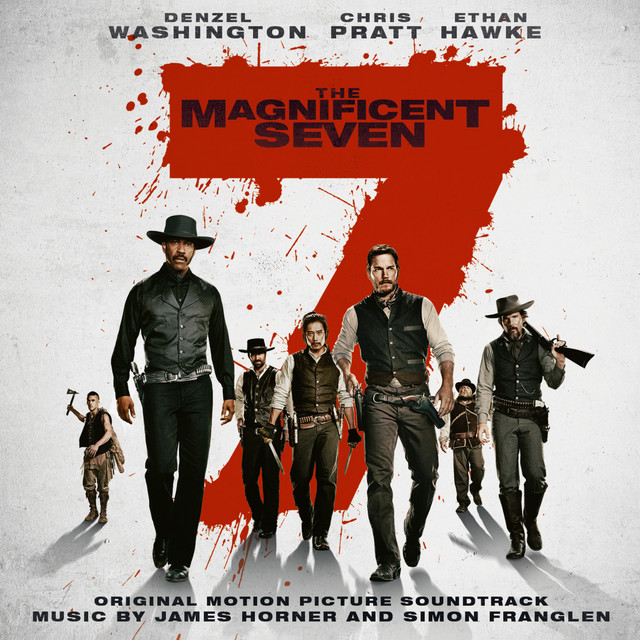
The Magnificent Seven (Original Motion Picture Soundtrack)
2016
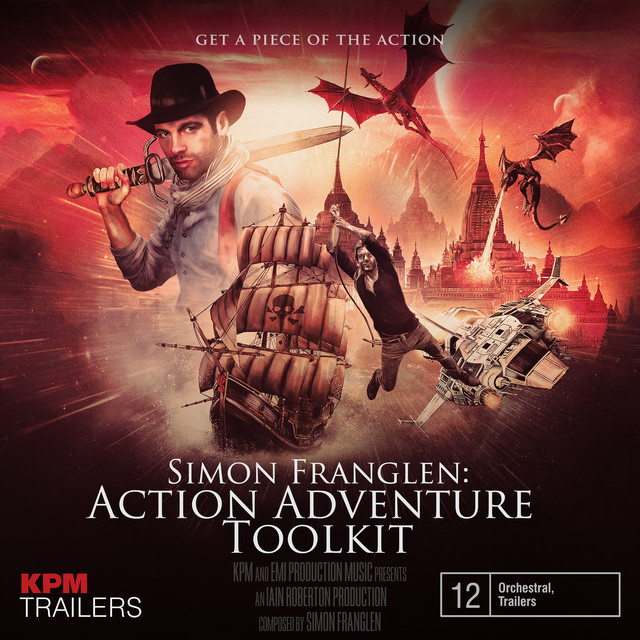
Simon Franglen: Action Adventure Toolkit
2017
Simon Franglen: Cinematic Texture Toolkit
2017
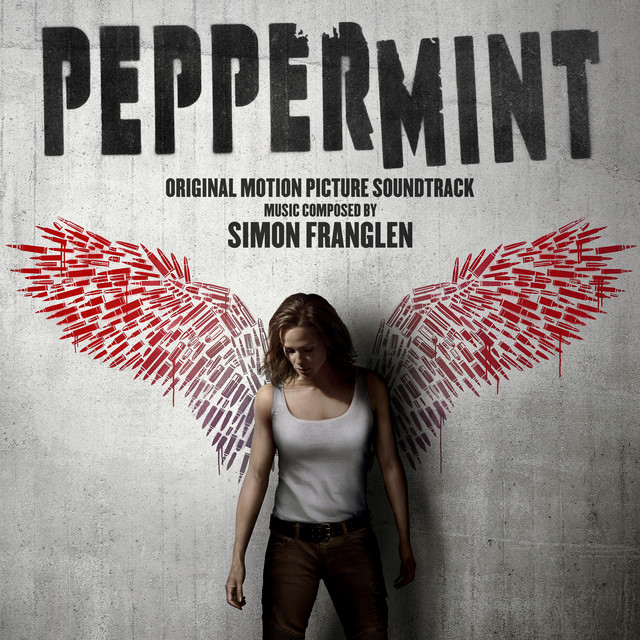
Peppermint (Original Motion Picture Soundtrack)
2018
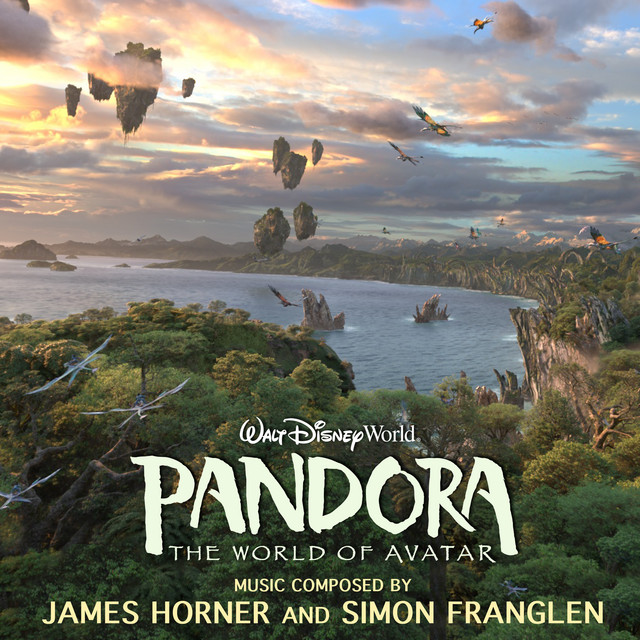
Pandora: The World of Avatar
2019
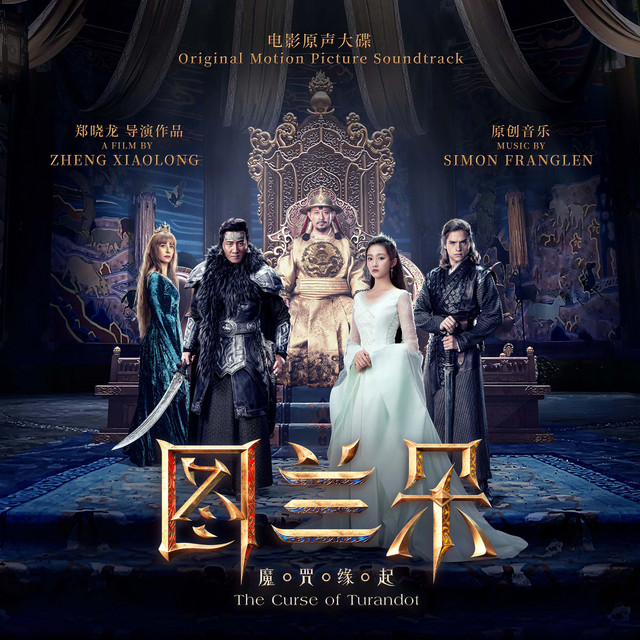
The Curse of Turandot (Original Motion Picture Soundtrack)
2021
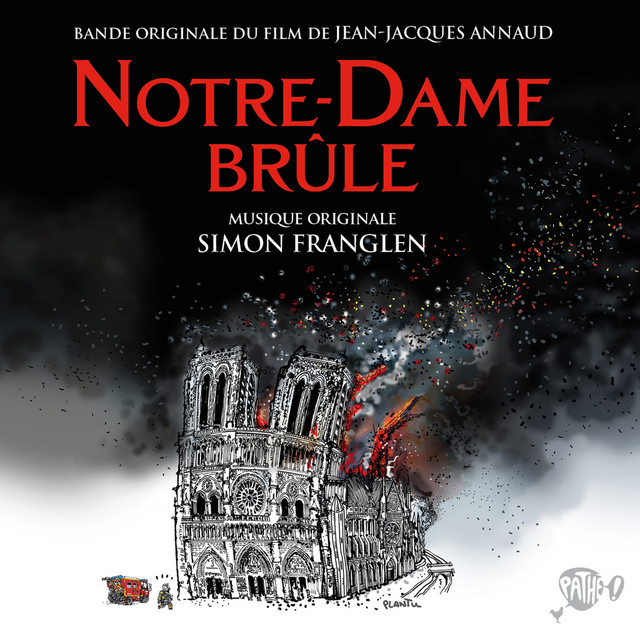
Notre-Dame brûle (Bande originale du film)
2022
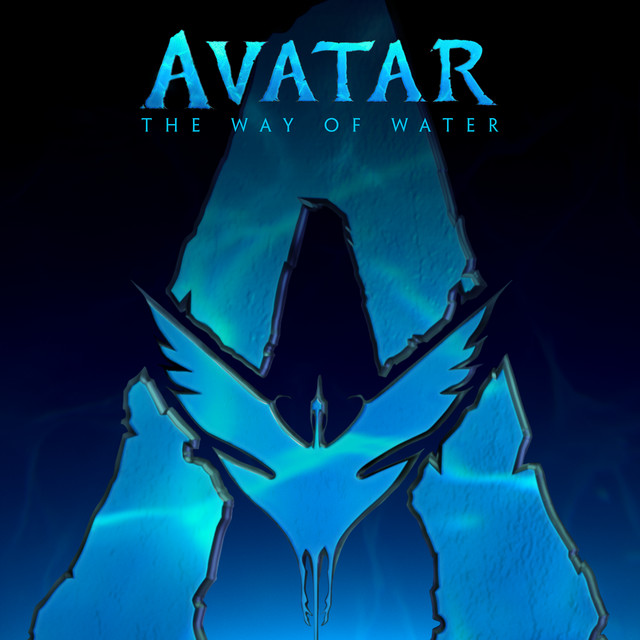
Avatar: The Way of Water (Original Motion Picture Soundtrack)
2022

Avatar: The Way of Water (Original Score)
2022

The Echoes of Eternity (AION2 Original Soundtrack)
2025
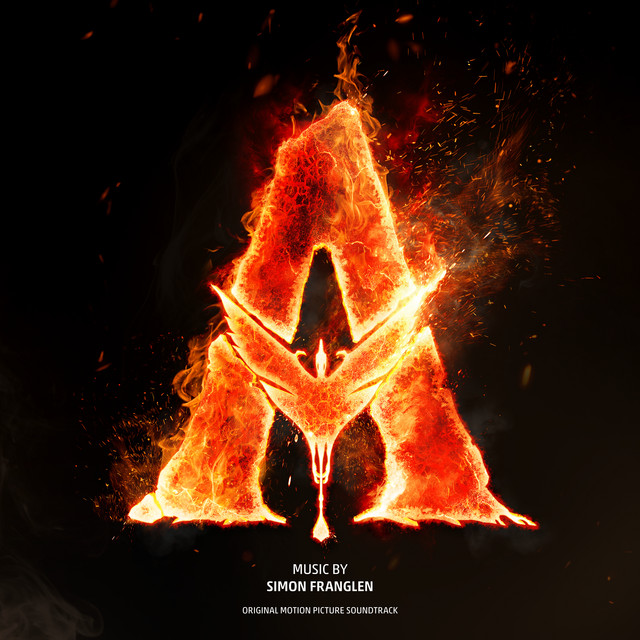
Avatar: Fire and Ash (Original Motion Picture Soundtrack)
2025
Album Credits
-
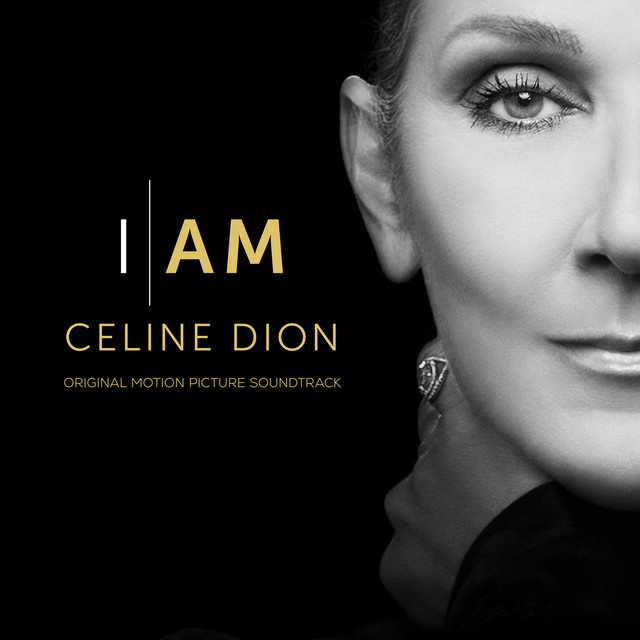
I AM: CELINE DION (Original Motion Picture Soundtrack)
Céline Dion · 2024
Programmer -

Love Again (Soundtrack from the Motion Picture)
Céline Dion · 2023
Programmer -
Avatar: The Way of Water (Original Score)
Simon Franglen · 2022
Producer -
Avatar: The Way of Water (Original Motion Picture Soundtrack)
Simon Franglen · 2022
Producer -
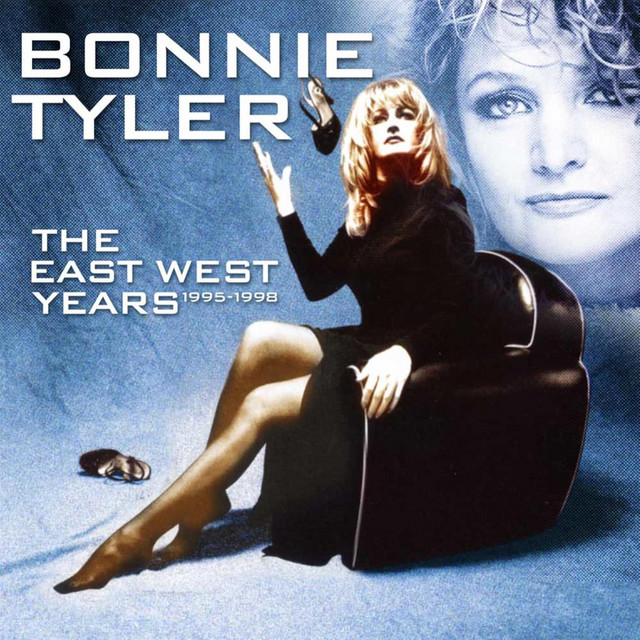
Bonnie Tyler · 2021
Engineer Producer Programmer -

Unmasked: The Platinum Collection
Andrew Lloyd Webber · 2018
Engineer Producer Programmer -
The Magnificent Seven (Original Motion Picture Soundtrack)
Simon Franglen · 2016
Producer -
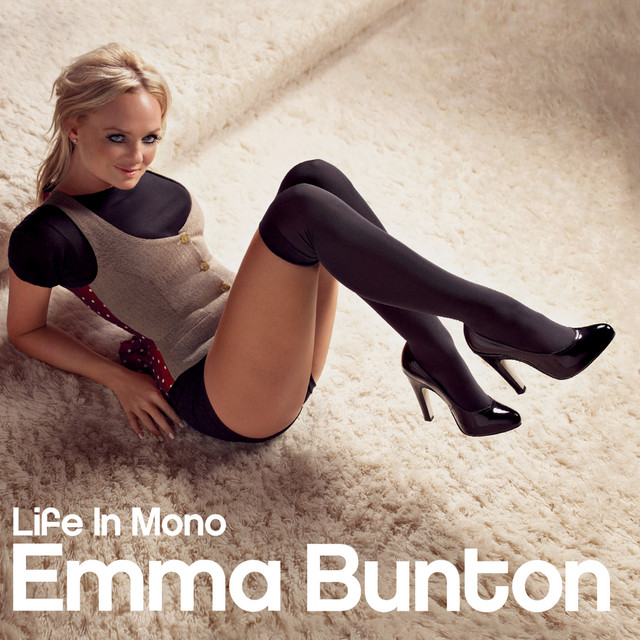
Emma Bunton · 2006
Producer -
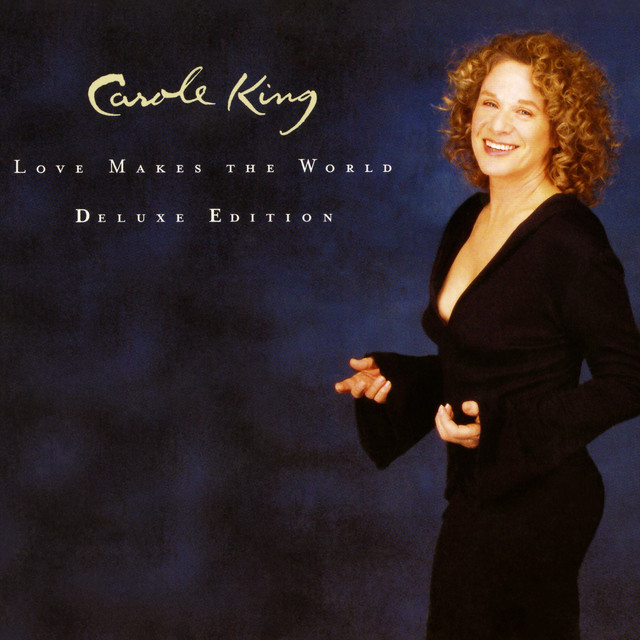
Carole King · 2001
Programmer -
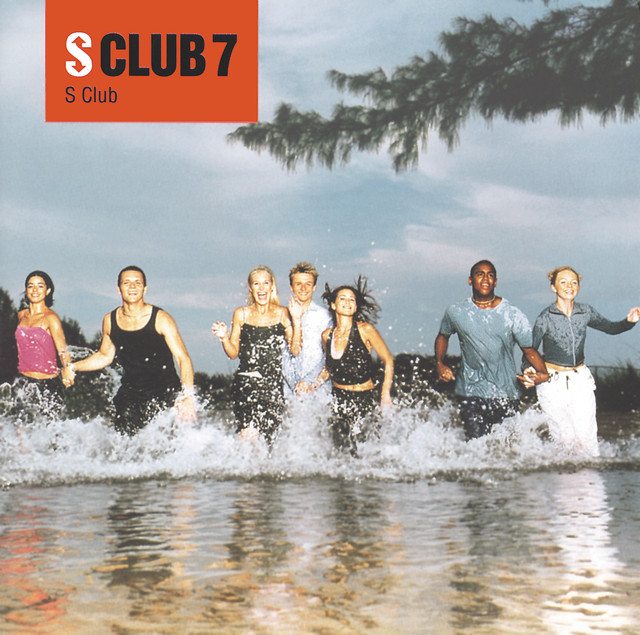
S Club 7 · 1999
Producer -
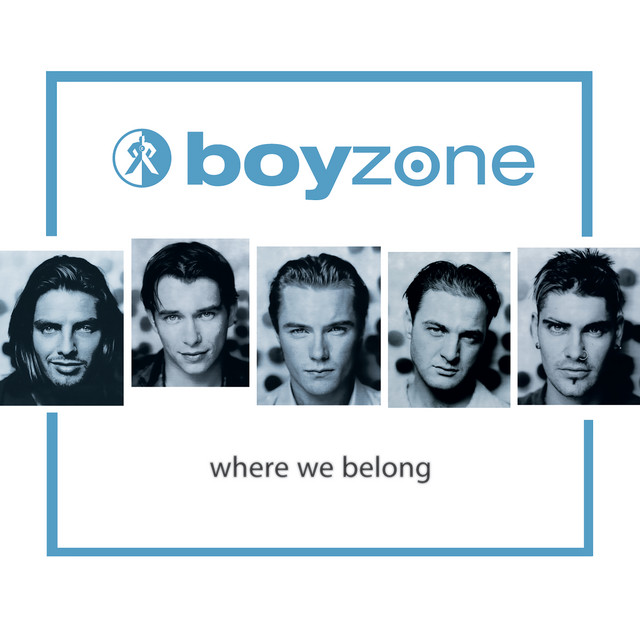
Boyzone · 1998
Engineer Producer Programmer -
Boyzone · 1998
Engineer Producer Programmer