
Adele
UK soul/jazz singer
Adele's Gear


In the live performance of "When We Were Young" at The Church Studios, Adele uses the Sennheiser SKM 9000, Sennheiser's flagship wireless microphone. Previously, during her "21" album tour, she used the Sennheiser SKM 2000 handheld transmitter. While the specific microphone capsule Adele uses in this performance isn't identified, it is unlikely to be a Neumann capsule. Her backup singers appear to use the Sennheiser 5000 series, possibly the 5200, with entry-level capsules.
Find it on:





"According to front of house engineer Dave McDonald the Neumann KMS 104 was always going to be an essential part of Adele's audio makeup. "I've been touring for the last year with Air," he explains, "and we were using the Neumann KMS 104. It takes the vocal and really throws it to the back of the hall with clarity. When I started working with Adele I said: ‘let's get you one of these, a) for health reasons, because you need your own microphone and b) it's the right mic for your vocal'. The KMS 104 just has this depth. It goes right to the bottom and the high end of the vocal and it's crystal clear. That's what I always want. I don't want to be messing around for ages EQing a vocal when I can just put a really good mic on it."
Find it on:


"I recorded all Adele's vocals with my Rode Classic 2, going through my UA 6176 mic pre, and never went back to them. The vocals in the final version are all from the demo. She was really going through something and you can hear it in her voice. I think I also used quite a bit of Logic overdrive on her voice, too, to add harmonics."
Find it on:


Used on the vocals for "Someone Like You", as featured in this April 18, 2013 Instagram post by recording engineer Warren Huart.
Compression! Same chain used for #adele on #someonelikeyou #urei1176 #LA2A #dbx165 #dbx175vu #compressor #recordingstudio #studio #recordingengineer #warrenhuart #warrenhuartproducer #vintagegear #gearporn #studioporn
Find it on:

The most highly anticipated performance of the evening finally arrived when Adele took the stage to perform “Rolling in the Deep.” Her favorite nickel-finish Sennheiser SKM 2000-XP wireless handheld transmitter with MMK 965-1 capsule conveyed her beautiful voice to the adoring crowd. Dave McDonald, Adele’s front-of-house engineer, said, “It’s a great microphone. We started using it just after the Brit Awards in February of last year, and she’s loved it ever since.” He adds, “Ninety-nine-point-nine percent of the equipment we use is Sennheiser – and the point-one percent is Neumann.”
Find it on:

Used on the vocals for "Someone Like You", as featured in this April 18, 2013 Instagram post by recording engineer Warren Huart.
Compression! Same chain used for #adele on #someonelikeyou #urei1176 #LA2A #dbx165 #dbx175vu #compressor #recordingstudio #studio #recordingengineer #warrenhuart #warrenhuartproducer #vintagegear #gearporn #studioporn
Find it on:

Used for Adele's vocals on "Rolling in the Deep", as mentioned by mixer Tom Elhirst in this Sound on Sound interview.
"I recorded all Adele's vocals with my Rode Classic 2, going through my UA 6176 mic pre, and never went back to them. The vocals in the final version are all from the demo. She was really going through something and you can hear it in her voice. I think I also used quite a bit of Logic overdrive on her voice, too, to add harmonics."
Find it on:


Used for the vocals on "Someone Like You", as mentioned anecdotally by recording engineer Warren Huart in this August 1, 2012 Mix interview, archived on the Endless Analog website.
Warren Huart on Steven’s vocals: Most of Steven Tyler’s keeper vocals were cut at Swing House with a Neumann U 48 that Huart had used previously on The Fray, James Blunt, Adele and others.
Find it on:

Used for vocals on "Hello", as stated by mix engineer Tom Elhirst in this December 21, 2015 SonicScoop interview.
The chain in LA was the Neve 1066 (Mic pre/3-band EQ) to the Bluestripe UREI 1176 compressor into a Fairchild 660 limiter. I’m taking the multitrack return from Pro Tools to the line amp on the Neve 1066, then straight into the 1176 and 660 and back up the insert return.
The UREI is hitting and releasing quicker, while the Fairchild is doing a much slower attack and release. Here at Electric Lady I use a Neve 1081 into a Blackface 1176 and then into a Tube-Tech CL 1B compressor.
A large part of the vocal sound is the plates and chambers at Capitol Studios: There’s chambers that Les Paul built back in the 1940’s, and they are literally like nothing else on earth. When I got back to NY in September, I mixed five or six songs at Electric Lady, so we’d send the vocals from here and they’d record it through the chamber, and send back the prints.
Once you’ve found the vocal sound for someone like Adele, you want to use it through the whole record, and these plates and chambers sound incredible. To get to them is hard enough: you go in to the basement of Capitol, you then climb through a ladder to get to the sub-basement, where it looks like no one has been for 50 years. You literally open a hatch and climb down a steel ladder.
Have you ever been in a reverb chamber? They’re like tiled rooms, not painted – like Alice in Wonderland rooms, they don’t look right.
There’s a lot of effects going on behind the vocals. There’s an AMS delay, an Eventide preset called “Canyon,” a plate, a spring…You can see the escalation of things. There’s about seven or eight things going on. You get this wide kind of thing, but her vocal remains super-present.
So what’s going on in the box?
There’s no compression processing going on at all, just some de-essing and some little volume draws on the vocals – little dots and dips, but no rides. The rides have been done with automation on the flying faders.
Find it on:

The most highly anticipated performance of the evening finally arrived when Adele took the stage to perform “Rolling in the Deep.” Her favorite nickel-finish Sennheiser SKM 2000-XP wireless handheld transmitter with MMK 965-1 capsule conveyed her beautiful voice to the adoring crowd. Dave McDonald, Adele’s front-of-house engineer, said, “It’s a great microphone. We started using it just after the Brit Awards in February of last year, and she’s loved it ever since.” He adds, “Ninety-nine-point-nine percent of the equipment we use is Sennheiser – and the point-one percent is Neumann.”
Find it on:

Adele used logic pro x to create 3 songs on her album "25" with Greg Kurstin
Find it on:

Used for vocals on "Hello", as stated by mix engineer Tom Elhirst in this December 21, 2015 SonicScoop interview.
The chain in LA was the Neve 1066 (Mic pre/3-band EQ) to the Bluestripe UREI 1176 compressor into a Fairchild 660 limiter. I’m taking the multitrack return from Pro Tools to the line amp on the Neve 1066, then straight into the 1176 and 660 and back up the insert return.
The UREI is hitting and releasing quicker, while the Fairchild is doing a much slower attack and release. Here at Electric Lady I use a Neve 1081 into a Blackface 1176 and then into a Tube-Tech CL 1B compressor.
A large part of the vocal sound is the plates and chambers at Capitol Studios: There’s chambers that Les Paul built back in the 1940’s, and they are literally like nothing else on earth. When I got back to NY in September, I mixed five or six songs at Electric Lady, so we’d send the vocals from here and they’d record it through the chamber, and send back the prints.
Once you’ve found the vocal sound for someone like Adele, you want to use it through the whole record, and these plates and chambers sound incredible. To get to them is hard enough: you go in to the basement of Capitol, you then climb through a ladder to get to the sub-basement, where it looks like no one has been for 50 years. You literally open a hatch and climb down a steel ladder.
Have you ever been in a reverb chamber? They’re like tiled rooms, not painted – like Alice in Wonderland rooms, they don’t look right.
There’s a lot of effects going on behind the vocals. There’s an AMS delay, an Eventide preset called “Canyon,” a plate, a spring…You can see the escalation of things. There’s about seven or eight things going on. You get this wide kind of thing, but her vocal remains super-present.
So what’s going on in the box?
There’s no compression processing going on at all, just some de-essing and some little volume draws on the vocals – little dots and dips, but no rides. The rides have been done with automation on the flying faders.
Find it on:


In this picture, Adele can be seen playing a Fender Precision bass.
Find it on:


In this photo, Adele can be seen playing an Epiphone El Capitan bass.
Find it on:

Used on "Hello", as mentioned in the product description for Waves' Grand Rhapsody Piano.
Sampled from the Fazioli F228 grand piano housed at London’s Metropolis Studios – the very piano played on Grammy-winning hits such as Adele’s “Hello.”
Find it on:

Mentioned in this Reverb.com listing by Adavanced Audio.
The CM67se has also been used in the Decca Tree for orchestra recording at Angel Studios in London on tracks for Adele.
Find it on:

Used for vocals on "Hello", as stated by mix engineer Tom Elhirst in this December 21, 2015 SonicScoop interview.
The chain in LA was the Neve 1066 (Mic pre/3-band EQ) to the Bluestripe UREI 1176 compressor into a Fairchild 660 limiter. I’m taking the multitrack return from Pro Tools to the line amp on the Neve 1066, then straight into the 1176 and 660 and back up the insert return.
The UREI is hitting and releasing quicker, while the Fairchild is doing a much slower attack and release. Here at Electric Lady I use a Neve 1081 into a Blackface 1176 and then into a Tube-Tech CL 1B compressor.
A large part of the vocal sound is the plates and chambers at Capitol Studios: There’s chambers that Les Paul built back in the 1940’s, and they are literally like nothing else on earth. When I got back to NY in September, I mixed five or six songs at Electric Lady, so we’d send the vocals from here and they’d record it through the chamber, and send back the prints.
Once you’ve found the vocal sound for someone like Adele, you want to use it through the whole record, and these plates and chambers sound incredible. To get to them is hard enough: you go in to the basement of Capitol, you then climb through a ladder to get to the sub-basement, where it looks like no one has been for 50 years. You literally open a hatch and climb down a steel ladder.
Have you ever been in a reverb chamber? They’re like tiled rooms, not painted – like Alice in Wonderland rooms, they don’t look right.
There’s a lot of effects going on behind the vocals. There’s an AMS delay, an Eventide preset called “Canyon,” a plate, a spring…You can see the escalation of things. There’s about seven or eight things going on. You get this wide kind of thing, but her vocal remains super-present.
So what’s going on in the box?
There’s no compression processing going on at all, just some de-essing and some little volume draws on the vocals – little dots and dips, but no rides. The rides have been done with automation on the flying faders.
Find it on:

In this live photo, Adele can be seen playing an Epiphone Masterbilt AJ-500ME.
Find it on:

In the performance "Adele Live in London," Adele is seen using the Sennheiser MD 9235 wireless microphone at the 00:48:15 mark, as captured in a user-uploaded photo on Image1.
Find it on:

Used for vocals on "Hello", as stated by mix engineer Tom Elhirst in this December 21, 2015 SonicScoop interview. An image of the settings can be found here.
The chain in LA was the Neve 1066 (Mic pre/3-band EQ) to the Bluestripe UREI 1176 compressor into a Fairchild 660 limiter. I’m taking the multitrack return from Pro Tools to the line amp on the Neve 1066, then straight into the 1176 and 660 and back up the insert return.
The UREI is hitting and releasing quicker, while the Fairchild is doing a much slower attack and release. Here at Electric Lady I use a Neve 1081 into a Blackface 1176 and then into a Tube-Tech CL 1B compressor.
A large part of the vocal sound is the plates and chambers at Capitol Studios: There’s chambers that Les Paul built back in the 1940’s, and they are literally like nothing else on earth. When I got back to NY in September, I mixed five or six songs at Electric Lady, so we’d send the vocals from here and they’d record it through the chamber, and send back the prints.
Once you’ve found the vocal sound for someone like Adele, you want to use it through the whole record, and these plates and chambers sound incredible. To get to them is hard enough: you go in to the basement of Capitol, you then climb through a ladder to get to the sub-basement, where it looks like no one has been for 50 years. You literally open a hatch and climb down a steel ladder.
Have you ever been in a reverb chamber? They’re like tiled rooms, not painted – like Alice in Wonderland rooms, they don’t look right.
There’s a lot of effects going on behind the vocals. There’s an AMS delay, an Eventide preset called “Canyon,” a plate, a spring…You can see the escalation of things. There’s about seven or eight things going on. You get this wide kind of thing, but her vocal remains super-present.
So what’s going on in the box?
There’s no compression processing going on at all, just some de-essing and some little volume draws on the vocals – little dots and dips, but no rides. The rides have been done with automation on the flying faders.
Find it on:


In this photo, one can see Adele playing a Crafter BA400EQ/N acoustic bass.
Find it on:

Two EM 9046 receiver units with all eight channels on each used on her tour 2016
Find it on:

In this article on Sennheiser.com, front-of-house engineer Dave Bracey states: “This is the first time that Adele, Joe [Campbell, monitor engineer] and I have used Digital 9000,” Dave explains. “Adele had used a different Sennheiser mic for her previous tour, which she really liked. We were going to try out several alternative mics with her during rehearsals, but after we listened to the 9000 we knew we already had the winner. So we compared Adele’s previous Sennheiser mic to the Digital 9000 with a 9235 capsule with her and the 9000 sound was twice as good. It was such a leap forward straight away that we knew it was the right choice. Its whole sonic character is amazing."
Find it on:

Used for vocals on "Rolling in the Deep" and "Hello", as stated by mix engineer Tom Elhirst in this September 2011 Sound on Sound interview and in this December 21, 2015 SonicScoop interview, respectively. An image of the settings for the latter song can be found here.
Sound on Sound, September 2011, "Tom Elmhirst: Recording Adele 'Rolling In The Deep'"
Vocals: Waves Q6 & De‑esser, Digirack EQIII, Lo‑Fi & Trim, Pultec EQ, Urei 1176, Tube‑Tech CL1B, various spring reverbs and delays.
"I had the Q6 on the chorus vocal, notching out 930, 1634 and 3175 Hz very, very heavily: ‑18dB, ‑18dB and ‑12.1dB respectively, with very narrow Q. I also had the EQIII on the lead‑vocal sub, notching something out again. Something obviously needed to be taken out. The vocal is the most important thing in the track, and taking those frequencies out allowed me to keep it up front in the mix, particularly in the chorus. You can never account for what mic the vocals were recorded on, and whatever it is that bugs me, I can take it out. 'T' on the lead vocal bus is the [Massey] Tapehead plug‑in, which wasn't used, but I did use two Waves De‑essers, one taking out at 5449Hz and the other at 11004Hz. Rather than use one to try to cover all the sibilance I used two. I do that quite often.
"Regarding the outboard, I had the Pultec EQ, Urei 1176 and the Tube‑Tech CL1B on the lead vocal sub insert (desk channel 25). The Pultec boosted around 100Hz and 12k. It's colourful, but not drastic. There was not a lot of gain. The blackface Urei had fast attack and fast release, whereas the Tube‑Tech had slow attack and slow release, it was more evening out the level. You can use compression as an effect, but on the vocal you mainly want control. You want to set it up right so you're not constantly moving the channel fader to fit the vocal in the mix. If you're constantly moving the fader, rather than just doing the occasional ride, you know that you need to look at your compression. There's also Paul's Roland Space Echo track, which I used throughout, and which was the only lead vocal effect in the first chorus. On the backing vocals I had the Digirack Trim, again the Lo‑Fi, and the EQIII, cutting a bit around 405Hz and boosting a little around 3.17k. I used quite a few spring reverbs on the backing vocals, because I wanted them to have a lot more ambience. In the choruses I would also have added several delays. The delays make the backing vocals swing a bit, and they also fill up the space and make sure that they fit in the mix.”
SonicScoop
The chain in LA was the Neve 1066 (Mic pre/3-band EQ) to the Bluestripe UREI 1176 compressor into a Fairchild 660 limiter. I’m taking the multitrack return from Pro Tools to the line amp on the Neve 1066, then straight into the 1176 and 660 and back up the insert return.
The UREI is hitting and releasing quicker, while the Fairchild is doing a much slower attack and release. Here at Electric Lady I use a Neve 1081 into a Blackface 1176 and then into a Tube-Tech CL 1B compressor.
A large part of the vocal sound is the plates and chambers at Capitol Studios: There’s chambers that Les Paul built back in the 1940’s, and they are literally like nothing else on earth. When I got back to NY in September, I mixed five or six songs at Electric Lady, so we’d send the vocals from here and they’d record it through the chamber, and send back the prints.
Once you’ve found the vocal sound for someone like Adele, you want to use it through the whole record, and these plates and chambers sound incredible. To get to them is hard enough: you go in to the basement of Capitol, you then climb through a ladder to get to the sub-basement, where it looks like no one has been for 50 years. You literally open a hatch and climb down a steel ladder.
Have you ever been in a reverb chamber? They’re like tiled rooms, not painted – like Alice in Wonderland rooms, they don’t look right.
There’s a lot of effects going on behind the vocals. There’s an AMS delay, an Eventide preset called “Canyon,” a plate, a spring…You can see the escalation of things. There’s about seven or eight things going on. You get this wide kind of thing, but her vocal remains super-present.
So what’s going on in the box?
There’s no compression processing going on at all, just some de-essing and some little volume draws on the vocals – little dots and dips, but no rides. The rides have been done with automation on the flying faders.
Find it on:


Adele is seen using the Wisycom MTH400 wireless microphone in a user-uploaded photo.
Find it on:

At 2.00-2.04 min. and in other parts of this video of adele's concert at caesar's palace she can be seen using a neumann kk204/kk205 on top of a mth410 with a wisycom to sennheiser ew/2000/6000 series converter in between. Capsule can be recognized through the neumann logo and writing in little characters at the very bottom of it, which is the case only with neumann capsules. Its not a kk104-105 for sennheiser 5000 due to its size and also since the converter for sennheiser se5 is significantly bigger than the one seen here.
Find it on:

Used for the lead vocals on "Rolling in the Deep", as stated by mix engineer Tom Elmhirst in this September 2011 Sound on Sound interview.
Below that are the vocals, starting with the lead vocal ['LdVb'], which subs the verse, bridge and chorus tracks below, while 'LVSE' is a Roland RE501 Space Echo track that Paul had recorded. Below are the backing vocals. [...] There's also Paul's Roland Space Echo track, which I used throughout, and which was the only lead vocal effect in the first chorus.
Find it on:

Used for the lead vocals on "Rolling in the Deep", as stated by mix engineer Tom Elmhirst in this September 2011 Sound on Sound interview.
Vocals: Waves Q6 & De‑esser, Digirack EQIII, Lo‑Fi & Trim, Pultec EQ, Urei 1176, Tube‑Tech CL1B, various spring reverbs and delays.
"I had the Q6 on the chorus vocal, notching out 930, 1634 and 3175 Hz very, very heavily: ‑18dB, ‑18dB and ‑12.1dB respectively, with very narrow Q. I also had the EQIII on the lead‑vocal sub, notching something out again. Something obviously needed to be taken out. The vocal is the most important thing in the track, and taking those frequencies out allowed me to keep it up front in the mix, particularly in the chorus. You can never account for what mic the vocals were recorded on, and whatever it is that bugs me, I can take it out. 'T' on the lead vocal bus is the [Massey] Tapehead plug‑in, which wasn't used, but I did use two Waves De‑essers, one taking out at 5449Hz and the other at 11004Hz. Rather than use one to try to cover all the sibilance I used two. I do that quite often.
"Regarding the outboard, I had the Pultec EQ, Urei 1176 and the Tube‑Tech CL1B on the lead vocal sub insert (desk channel 25). The Pultec boosted around 100Hz and 12k. It's colourful, but not drastic. There was not a lot of gain. The blackface Urei had fast attack and fast release, whereas the Tube‑Tech had slow attack and slow release, it was more evening out the level. You can use compression as an effect, but on the vocal you mainly want control. You want to set it up right so you're not constantly moving the channel fader to fit the vocal in the mix. If you're constantly moving the fader, rather than just doing the occasional ride, you know that you need to look at your compression. There's also Paul's Roland Space Echo track, which I used throughout, and which was the only lead vocal effect in the first chorus. On the backing vocals I had the Digirack Trim, again the Lo‑Fi, and the EQIII, cutting a bit around 405Hz and boosting a little around 3.17k. I used quite a few spring reverbs on the backing vocals, because I wanted them to have a lot more ambience. In the choruses I would also have added several delays. The delays make the backing vocals swing a bit, and they also fill up the space and make sure that they fit in the mix.”
Find it on:
-m.webp?v=1784067492)
Used for the lead vocals on "Rolling in the Deep", as stated by mix engineer Tom Elmhirst in this September 2011 Sound on Sound interview.
Vocals: Waves Q6 & De‑esser, Digirack EQIII, Lo‑Fi & Trim, Pultec EQ, Urei 1176, Tube‑Tech CL1B, various spring reverbs and delays.
"I had the Q6 on the chorus vocal, notching out 930, 1634 and 3175 Hz very, very heavily: ‑18dB, ‑18dB and ‑12.1dB respectively, with very narrow Q. I also had the EQIII on the lead‑vocal sub, notching something out again. Something obviously needed to be taken out. The vocal is the most important thing in the track, and taking those frequencies out allowed me to keep it up front in the mix, particularly in the chorus. You can never account for what mic the vocals were recorded on, and whatever it is that bugs me, I can take it out. 'T' on the lead vocal bus is the [Massey] Tapehead plug‑in, which wasn't used, but I did use two Waves De‑essers, one taking out at 5449Hz and the other at 11004Hz. Rather than use one to try to cover all the sibilance I used two. I do that quite often.
"Regarding the outboard, I had the Pultec EQ, Urei 1176 and the Tube‑Tech CL1B on the lead vocal sub insert (desk channel 25). The Pultec boosted around 100Hz and 12k. It's colourful, but not drastic. There was not a lot of gain. The blackface Urei had fast attack and fast release, whereas the Tube‑Tech had slow attack and slow release, it was more evening out the level. You can use compression as an effect, but on the vocal you mainly want control. You want to set it up right so you're not constantly moving the channel fader to fit the vocal in the mix. If you're constantly moving the fader, rather than just doing the occasional ride, you know that you need to look at your compression. There's also Paul's Roland Space Echo track, which I used throughout, and which was the only lead vocal effect in the first chorus. On the backing vocals I had the Digirack Trim, again the Lo‑Fi, and the EQIII, cutting a bit around 405Hz and boosting a little around 3.17k. I used quite a few spring reverbs on the backing vocals, because I wanted them to have a lot more ambience. In the choruses I would also have added several delays. The delays make the backing vocals swing a bit, and they also fill up the space and make sure that they fit in the mix.”
Also used on the vocals for "Someone Like You", as featured in this April 18, 2013 Instagram post by recording engineer Warren Huart.
Compression! Same chain used for #adele on #someonelikeyou #urei1176 #LA2A #dbx165 #dbx175vu #compressor #recordingstudio #studio #recordingengineer #warrenhuart #warrenhuartproducer #vintagegear #gearporn #studioporn
Find it on:
This is a community-built gear list for Adele.
- Find relevant music gear like Microphones, and other instruments and add it to Adele.
- The best places to look for gear usage are typically on the artist's social media, YouTube, live performance images, and interviews.
- To receive email updates when Adele is seen with new gear, follow the artist.
-
Added to Equipboard on by
.jpg?v=1784079508) gchiaren
gchiarenGearIQ 37622
-
Updated
Discography
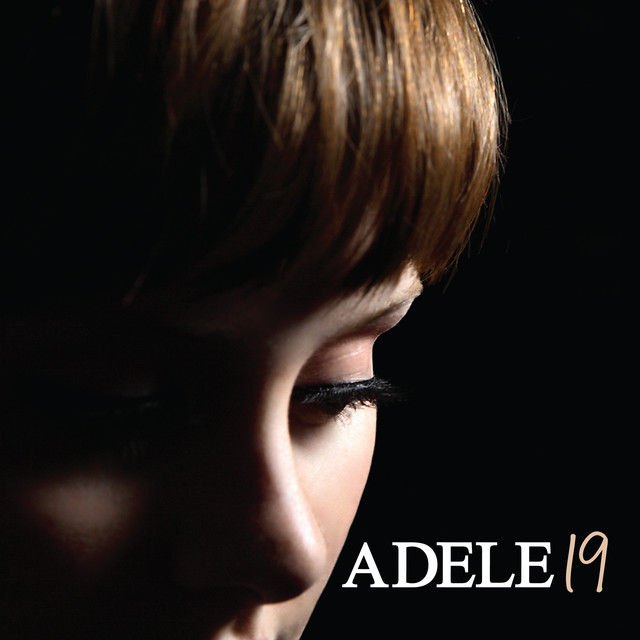

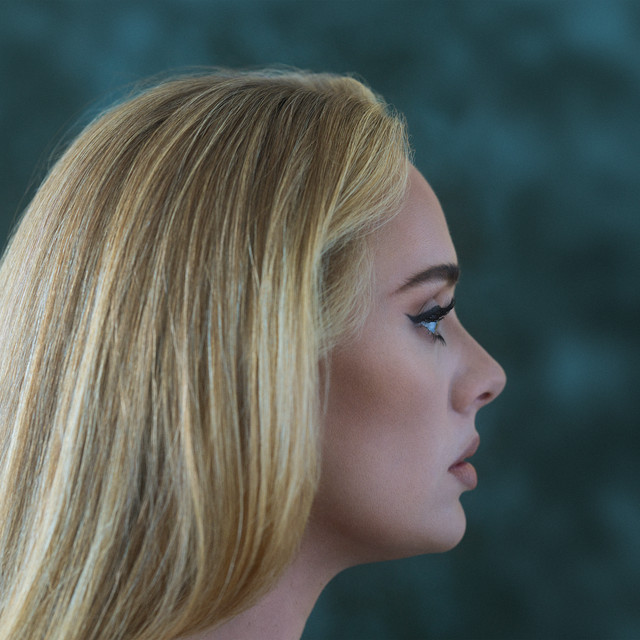
Album Credits
-
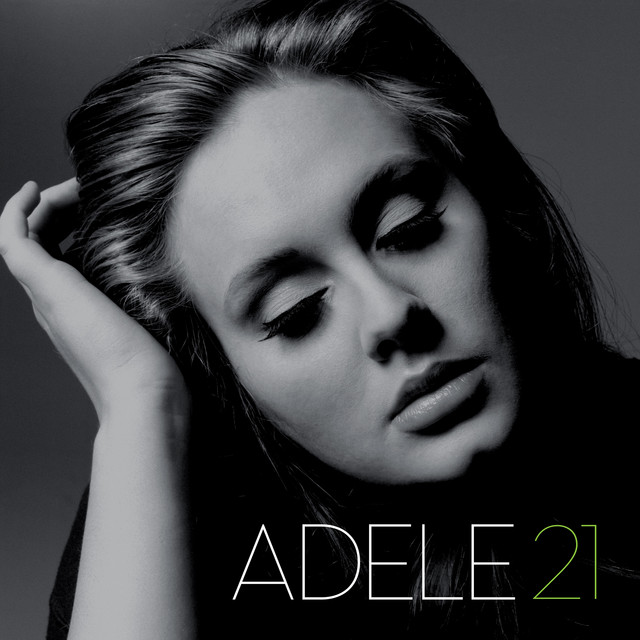
Adele · 2011
Producer



.jpg?v=1775254159)


.jpg)