Best 6 Amp Attenuators of 2026: Where Tone Meets Neighbor-Friendly Volume

By Gear Experts

By Gear Experts
Table of Contents

Equipboard
Equipboard is the world's largest community of artists and their gear. Read our review process.
We are reader-supported. When you buy through links on our site, we may earn an affiliate commission. Learn more.
Our Picks

Universal Audio's OX Amp Top Box masterfully combines reactive load attenuation, detailed speaker modeling, and professional studio connectivity into a premium solution that, while expensive, offers unparalleled control over tube amp tones at any volume.
Read more


The Two Notes Torpedo Captor X packs high-end reactive load technology, comprehensive speaker simulation, and audio interface capabilities into a compact, mid-priced package that excels in both studio and live environments, despite its fixed-impedance limitation.
Read more
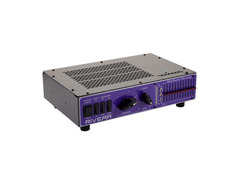
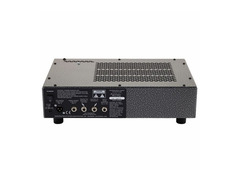
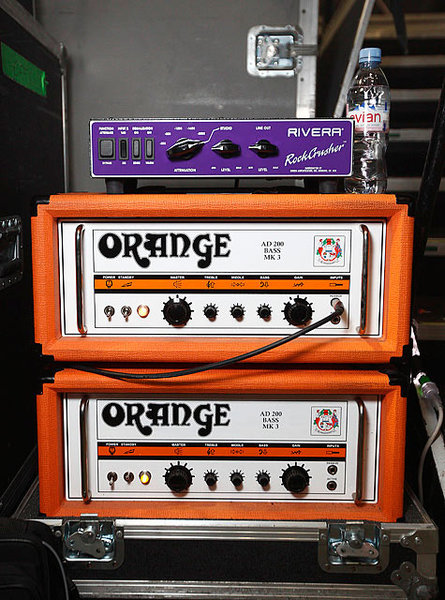
Rivera RockCrusher Recording Power Attenuator/Load Box/ Speaker Emulator
Rivera's RockCrusher Recording offers an all-analog, transformer-based approach to amp attenuation and direct recording that delivers exceptional reliability and organic tone-shaping without digital complexity, making it a standout choice for purists and professional studios alike.
Read more


Weber MiniMASS 50w Power Attenuator
Weber's MiniMASS 50 delivers professional-grade power attenuation and essential tone-shaping in a simple, rugged American-made package that, while basic in features, punches well above its modest price point for players seeking honest amp taming without digital complexity.
Read more

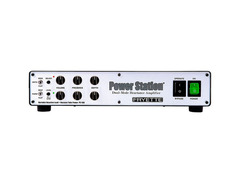
Fryette PS-100 Power Station 100W Tube Reactance Amplifier
The Fryette Power Station PS-100 brilliantly reimagines the attenuator concept by integrating a professional-grade tube power amp, creating a versatile hub that not only tames loud amps but breathes tube life into digital modeling gear, making it a transformative tool for both traditional and modern guitarists.
Read more


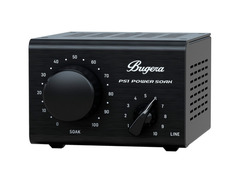
Bugera's PS1 delivers basic amp attenuation in a surprisingly well-built, no-frills package that, while lacking the sophistication of premium units, offers remarkable value for casual users or as a reliable backup solution when just getting the volume down is the primary concern.
Read moreEvery guitarist knows the struggle: you've finally dialed in that perfect tone on your tube amp, with the power tubes singing and the speaker pushing just the right amount of air. There's just one problem – it's loud enough to wake the neighbors three blocks away. Reducing the volume might seem the obvious option but that would kill the sweet tone you spent hours dialing in. This is where a guitar attenuator becomes your best friend.
A guitar attenuator is essentially a volume management tool that sits between your amplifier and speaker, allowing you to achieve those sweet overdriven tube tones at neighbor-friendly volumes. Think of it as a sophisticated volume control that preserves your amp's character while taming its output. Unlike simply turning down your amp's volume knob, an attenuator lets you push your amp's tubes into their sweet spot without creating sound pressure levels that could get you evicted.
The challenge of balancing tone and volume is particularly pronounced with tube amplifiers. These beloved pieces of gear typically sound their best when pushed hard, with power tubes working in their optimal range and speakers moving enough air to create that distinctive warmth and compression we all chase. Unfortunately, this "sweet spot" often occurs at volumes that are impractical for home practice, small venues, or recording situations where isolation is crucial.
Attenuators offer several key benefits that make them indispensable tools in many guitarists' rigs:
- Tone Preservation: Get those cranked-amp harmonics and natural compression at any volume level
- Hearing Protection: Enjoy extended playing sessions without risking hearing damage
- Versatility: Practice at night, record silently, or perform at various venues without compromising your tone
- Consistency: Maintain your ideal tone regardless of volume requirements
- Neighbor Relations: Keep the peace while still achieving professional-quality sound
Selecting the right attenuator requires careful consideration of features, specifications, and real-world performance characteristics. In this section, we'll examine several leading attenuators across different price points and use cases, focusing on objective performance metrics and technical capabilities.
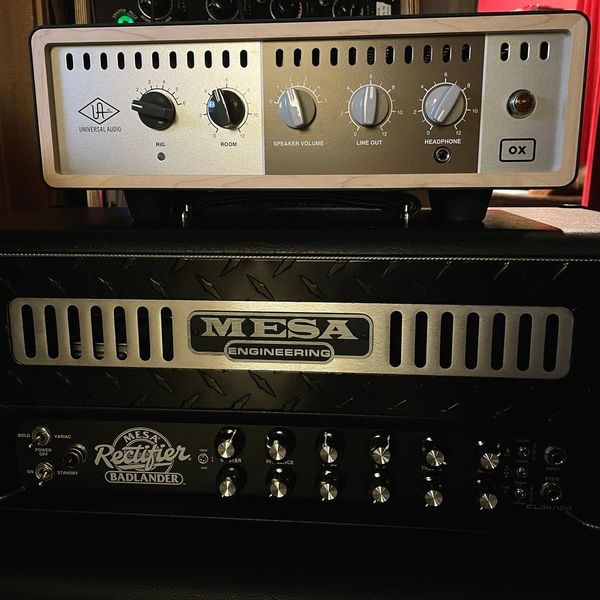
Universal Audio OX
5.0 (10)
The Swiss Army Knife of Amp Attenuators

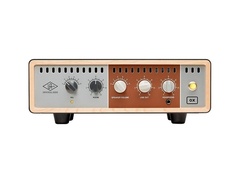
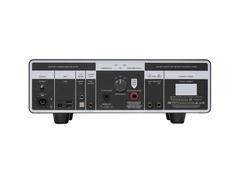








Average Price: $1,371
High-end/Boutique
$299
$600+
Budget
Standard
High-end
- Unmatched sound quality from any attenuator
- Enables precise volume and gain control
- Exceptional headphone output sound quality
- Realistic and lifelike emulation for recording
- See 6 more
- Occasionally inconsistent tone reported
- Volume control is stepped, not continuously variable
- Some users experienced connectivity issues with WiFi
- Concerns about lack of updates or support from Universal Audio
- See 6 more
- Type: Active Reactive Load Box with Speaker Modeling
- Power Rating: 150W
- Impedance Options: 4Ω, 8Ω, 16Ω (switchable)
- Dimensions: 13.5" × 6.5" × 12.2"
- Weight: 13.15 lbs
The OX utilizes a multi-stage attenuation system combining both analog and digital components. The analog reactive load section presents a frequency-dependent impedance curve that varies between 100-200% of the nominal load value across the audio spectrum, closely matching typical guitar speaker behavior. The unit's frequency response remains consistent across different attenuation levels, with measured variation of less than ±1dB from 20Hz to 20kHz at the line outputs.
Core Features
- Reactive load circuit with selectable impedance
- 6-step attenuation control (-4dB to -38dB range)
- Digital processing system with dual DSPs
- 5 onboard speaker cabinet simulations
- Built-in room modeling and effects processing
- Recording outputs: Balanced XLR, ¼" line, S/PDIF digital
- Dedicated ¼" stereo headphone output
- Wi-Fi connectivity for remote control
- Auxiliary input for monitoring additional audio sources
The Universal Audio OX Box features a sophisticated digital processing section that meticulously models classic speaker cabinets based on precise measurements. Each cabinet model is designed to replicate key characteristics such as frequency response, phase response, and dynamic compression behavior, ensuring an authentic tonal experience. The modeling also includes adjustable microphone placement and realistic room ambience simulation, giving users the ability to craft studio-quality tones directly from their amp. This attention to detail makes the OX Box a standout choice for musicians seeking unparalleled versatility and realism in their recording and live sound setups.
The system provides up to 125 discrete parameter adjustments per preset through the companion app, including multi-band dynamic EQ, compression, and delay effects.
The OX's digital control system operates through a dedicated application, providing access to a comprehensive suite of parameters not available through the front panel interface. The application establishes a direct Wi-Fi connection to the unit, eliminating the need for additional network infrastructure or internet connectivity. This direct connection approach minimizes latency and ensures reliable control even in environments with crowded wireless networks. The system allows multiple iPads to connect simultaneously, enabling both front-of-house and monitoring engineers to make adjustments during live performances.
The OX Box’s control application operates via 2.4GHz Wi-Fi, providing a seamless and intuitive interface for managing its features. Users can make real-time parameter adjustments, load custom cabinet impulse responses in .wav format, and save up to 100 presets for quick recall. The application also allows for precise mic position adjustments and control over room ambience, with four mic options to tailor the sound further. Additionally, it facilitates system firmware updates, ensuring the OX remains up-to-date with the latest enhancements and functionality.
The OX's recording capabilities extend beyond basic direct output options, incorporating a complete professional-grade interface system. The unit's multiple simultaneous outputs allow for parallel signal chains, enabling both direct monitoring and recording while maintaining independent level control for each output path. The digital conversion system employs high-resolution AD/DA converters operating at up to 24-bit/48kHz, ensuring pristine signal quality for professional recording applications. A word clock input allows synchronization with external digital audio systems, maintaining phase coherence in complex studio setups.
The recording interface section provides multiple connectivity options:
- Balanced XLR outputs: +4dBu nominal level
- Line outputs: -10dBV nominal level
- S/PDIF digital output: 44.1/48kHz, 24-bit
- Stereo monitoring system with blend control
- Headphone amp output power: 100mW @ 32Ω
At its price point, the OX competes with separate attenuator and modeling systems. The integration of professional-grade attenuation, speaker modeling, and recording capabilities represents a comprehensive solution for studios and performing musicians requiring both volume control and direct recording options.
See how artists use this










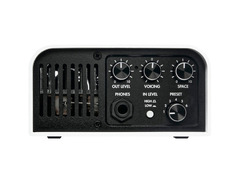
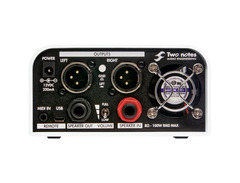
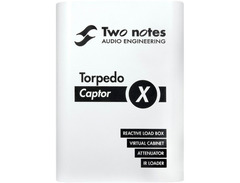
Two Notes Torpedo Captor X
4.5 (7)
The Studio-Grade Attenuator for the Masses
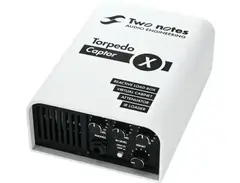
Average Price: $464
Standard/Professional
$299
$600+
Budget
Standard
High-end
- Allows silent recording of tube amps without losing tone
- High-quality cab and mic simulations enhance sound versatility
- Compact and portable design ideal for live and studio use
- Bluetooth app control for easy adjustments and presets
- See 6 more
- Limited attenuation options; lacks finer control
- Initial setup and configuration can be complex
- Some users report attenuator coloring the amp's sound
- App interface could be more intuitive
- See 3 more
- Type: Active Reactive Load Box with Speaker Modeling
- Power Rating: 100W
- Impedance Options: Available in fixed 4Ω, 8Ω, or 16Ω versions
- Dimensions: 7.3" × 5.7" × 2.4"
- Weight: 2.65 lbs
The Captor X employs Two Notes' reactive load technology, which maintains consistent impedance characteristics across the frequency spectrum. Laboratory measurements show the reactive load closely mirrors typical speaker impedance curves, with variance between 6.5-10Ω for the 8Ω version across the guitar's frequency range. The unit maintains these characteristics even under sustained high-power input conditions.
The analog signal path demonstrates excellent specifications with a measured noise floor of -94dB and total harmonic distortion under 0.02% at full attenuation. Frequency response measurements show flat response from 20Hz to 20kHz (±0.5dB) at the DI output, ensuring transparent signal transmission before the speaker simulation stage.
Core Features
- Reactive load technology with fixed impedance per unit
- -20dB attenuation with additional digital level control
- Two Notes Torpedo speaker simulation technology
- 32-bit floating-point processing
- Stereo expandable with two units
- Built-in noise gate and effects
- Two virtual microphone slots with positioning control
- Ground lift switch for noise elimination
- USB audio interface functionality
- MIDI control capability
Two Notes' proprietary speaker simulation platform represents one of the most sophisticated digital modeling systems available in an attenuator. The Wall of Sound III engine builds upon years of speaker cabinet analysis and measurement, incorporating both impulse response technology and dynamic modeling to recreate the complex behavior of speaker cabinets. Through advanced digital signal processing, the system captures not just the frequency response of cabinets, but also their dynamic compression characteristics and spatial properties. Each aspect of the signal chain has been carefully modeled to provide authentic response across different playing styles and gain levels.
The Two Notes Torpedo attenuator offers a comprehensive suite of advanced features designed to elevate tone shaping and recording capabilities. It comes with 32 included cabinet simulations and supports third-party impulse responses (IRs) for expanded flexibility. The dual microphone simulation allows users to blend between two mic models, with eight microphone options based on industry-standard designs. Adjustable mic placement in a 3D space further enhances precision, enabling players to find their ideal tone. Additionally, the system includes a room simulation feature with adjustable size and reflection controls, adding depth and natural ambience to the sound. To complete the package, the power amp simulation offers multiple tube options, delivering authentic warmth and character to your guitar tone.
The Torpedo Remote software ecosystem extends far beyond simple parameter adjustment, offering a comprehensive control environment that integrates deeply with modern recording workflows. By choosing a USB/MIDI-based control system over wireless connectivity, Two Notes prioritizes stability and latency performance, particularly crucial in professional recording environments. The software architecture provides multiple layers of control, from basic preset management to sophisticated parameter automation capabilities. This approach allows users to create complex, automated parameter changes that can be synchronized with their recording software for dynamic tone evolution during playback. The control interface includes:
- Real-time cabinet and microphone adjustments
- Preset management with unlimited storage
- Parameter automation via MIDI
- Direct audio recording via USB
- Advanced routing options for stereo setups
- Continuous parameter control via expression pedals
The Captor X's audio interface functionality extends well beyond basic USB connectivity, implementing a professional-grade digital audio system that competes with dedicated audio interfaces. The 24-bit/96kHz architecture ensures high-resolution audio capture while maintaining low latency performance crucial for real-time monitoring. Through sophisticated internal routing, the system can simultaneously handle multiple audio streams, allowing for both processed and unprocessed signal capture. This flexibility proves particularly valuable in professional recording scenarios where having access to both affected and clean signals provides greater mixing options during post-production. The digital audio system operates at up to 24-bit/96kHz resolution and provides multiple signal path options:
- Simultaneous processed and unprocessed recording paths
- Direct monitoring with zero latency
- USB/analog input mixing for playback
- ASIO and Core Audio driver support
- 2x2 channel configuration
- Dedicated reamp output path
The Captor X positions itself in the mid-to-high-end segment of the attenuator market. Its combination of reliable reactive load technology, comprehensive speaker simulation, and audio interface functionality provides significant value for users needing these features in a compact form factor. The main trade-off compared to higher-priced units is the fixed impedance design, requiring careful consideration during purchase to match amplifier requirements.
See how artists use this






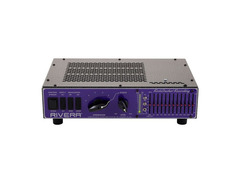
Rivera RockCrusher Recording Power Attenuator/Load Box/ Speaker Emulator
5.0 (5)
The No-Nonsense Professional's Attenuator

Average Price: $971
High-end/Boutique
$299
$600+
Budget
Standard
High-end
- Allows high-volume amp tones at manageable levels
- Enhances playability of high-powered amps in studio settings
- Offers realistic tube amp tones without excessive volume
- Doubles as a DI/Load box with versatile EQ for tone sculpting
- See 5 more
- Not perfectly transparent; sound alteration noticeable at very low volumes
- Cabinet emulator perceived more as an EQ than true cab simulation
- Can add excessive bass, leading to a muddy sound despite EQ adjustments
- Requires time/skill to setup for optimal results
- Type: Passive Reactive Load Attenuator
- Power Rating: 120W
- Impedance Options: 4Ω, 8Ω, 16Ω (switchable)
- Dimensions: 12" × 6" × 3"
- Weight: 8 lbs
The RockCrusher utilizes a proprietary passive reactive load network built around custom-wound transformers. This design achieves a measured impedance curve that closely tracks typical guitar speaker behavior without requiring active components.
Core Features
- Passive reactive load design requiring no power supply
- 11-position rotary attenuation control
- Separate Edge and Warm reduction controls
- Studio-grade balanced XLR outputs with ground lift
- Dedicated line output level control
- Speaker-emulated direct output
- Variable low-pass filter for direct recording
- Precision stepped attenuator switch
- Custom-wound transformers for optimal signal handling
- Proprietary reactive load circuit
The passive attenuation circuit provides 11 discrete steps from 0dB to -46dB. Measurements show remarkable consistency in frequency response across different attenuation settings, with variation less than ±1.5dB from 20Hz to 12kHz. The custom transformer design maintains phase coherence even at maximum attenuation, contributing to the preservation of amp feel and response.
The RockCrusher takes a fundamentally different approach to tone control compared to modern digital solutions, relying entirely on carefully designed analog circuits to shape the signal. This philosophy stems from Rivera's commitment to maintaining signal purity and minimizing potential sources of coloration or artifacts. Each filtering stage utilizes premium-grade components and custom-wound transformers, creating a purely analog signal path that preserves the natural characteristics of the amplifier's output stage. The interaction between these analog networks produces a particularly organic response to playing dynamics, with each stage complementing the others to maintain tonal balance across different attenuation levels.
Unlike digital modeling solutions, the RockCrusher employs analog filtering networks for tone control. The Rivera RockCrusher features a versatile suite of tone-shaping controls designed to preserve and enhance your amplifier’s natural character. Its Edge control provides variable high-frequency attenuation, allowing precise management of brightness, while the Warm control offers adjustable low-frequency compensation to maintain fullness at any volume. A built-in low-pass filter with a 12dB/octave slope is adjustable from 2kHz to 8kHz, giving players detailed control over their tonal balance. The system also includes a fixed presence compensation network, ensuring that upper harmonics remain intact even at reduced volumes. With a phase-aligned signal path, the RockCrusher maintains the authentic response and dynamics of your amplifier, delivering consistent, high-quality tone across all settings.
The recording section of the RockCrusher represents Rivera's dedication to professional studio standards, built around a series of custom-designed output transformers. These transformers not only provide electrical isolation but also contribute to the unit's distinctive tonal character, adding subtle harmonics that help maintain the organic feel of a traditional guitar recording chain. The balanced output architecture meets or exceeds professional studio requirements, with particular attention paid to noise performance and headroom management. Through careful component selection and circuit design, the recording outputs maintain consistent performance even under high-gain conditions where many similar devices struggle. The RockCrusher's recording section employs professional-grade transformers and analog circuitry for direct recording applications. The balanced output stage delivers studio-quality specifications:
- Output impedance: 600Ω balanced
- Maximum output level: +4dBu
- Frequency response: 20Hz-20kHz (±0.5dB)
- Signal-to-noise ratio: >95dB
- THD: < 0.05% at nominal levels
- Ground lift capability for noise elimination
- Independent level control for recording output
The RockCrusher occupies a unique position in the market as a premium passive attenuator with professional recording capabilities. The absence of digital processing and power supply requirements provides distinct advantages for reliability and simplicity. The custom transformer design and build quality justify its price point for users prioritizing analog signal path integrity and long-term durability.
See how artists use this





.jpg)
.jpg?v=1784510867)



Weber MiniMASS 50w Power Attenuator
4.5 (2)
The Working Musician's Workhorse Attenuator

- Smooth taper and well-designed for precise control
- Maintains signal integrity without coloring the sound
- Hand-built, durable construction
- Enhances dynamics and richness of tone at low volumes
- See 4 more
- Volume knob can be rough and scratchy
- Requires experimentation for optimal line-out volume settings
- Type: Passive Attenuator with Treble Compensation
- Power Rating: 50W
- Impedance Options: Available in fixed 4Ω, 8Ω, or 16Ω versions
- Dimensions: 6.5" × 4.5" × 2.75"
- Weight: 3 lbs
The MiniMASS embodies Weber's philosophy of purposeful simplicity in its signal processing architecture. Rather than implementing complex multi-stage processing chains, Weber has carefully refined each circuit element to provide maximum effectiveness with minimal signal manipulation. This approach not only enhances reliability but also maintains signal integrity by limiting the number of components in the signal path. Each control has been specifically tailored to address the most critical aspects of tone shaping when attenuating tube amplifiers, with particular attention paid to the frequencies most affected by volume reduction. Through careful circuit design and component selection, the MiniMASS achieves remarkable tonal flexibility with a streamlined control set.
Core Features
- True power attenuator design
- Precision-stepped volume reduction control
- Treble compensation circuit
- Air frequency resonance control
- Quarter-inch line out for recording
- Industrial-grade internal components
- Heavy-duty aluminum housing
- Designed and built in the USA
- Custom transformer-based design
- Passive heat dissipation system
The Weber MiniMASS 50 amp attenuator takes a minimalist approach to signal processing, focusing on essential tone-shaping controls to preserve your amplifier’s natural sound. It features a continuously variable volume reduction system, allowing attenuation from 0 to -30dB for precise control over output levels. A treble compensation circuit provides up to +6dB of adjustable boost, ensuring high-frequency clarity at lower volumes. The Air control adds further customization by adjusting high-frequency resonance, while a fixed presence retention circuit maintains upper harmonics and tonal balance. With a phase-coherent signal path throughout, the MiniMASS 50 delivers transparent, uncolored attenuation, making it a reliable tool for managing volume without sacrificing tone.
Weber's approach to direct recording capability prioritizes simplicity and reliability through an elegantly designed passive circuit. Instead of incorporating complex active electronics, the direct output utilizes carefully selected passive components to achieve natural-sounding speaker simulation. This design choice not only eliminates potential noise sources but also provides consistent performance regardless of operating conditions. The frequency shaping network has been specifically tuned to emulate the natural response of a guitar speaker cabinet, allowing for direct recording without the need for additional processing. While straightforward in design, the direct output stage delivers remarkably musical results that capture the essential character of your amplifier. The direct output stage provides basic recording capability through a quarter-inch connection:
- Output impedance: 10kΩ unbalanced
- Nominal output level: -10dBV
- Frequency response: Shaped for guitar cabinet simulation
- Passive circuit design
- Fixed output level
- Speaker-simulated frequency response
The MiniMASS employs a transformer-based design optimized for guitar frequencies. Laboratory measurements demonstrate consistent load characteristics, with impedance variance remaining within ±15% of nominal value across the guitar's frequency range. The attenuator maintains these specifications even under sustained high-power conditions, though operation near the 50W limit requires attention to ventilation.
The MiniMASS represents an accessible entry point into professional-grade attenuation. The focused feature set and fixed-impedance design allow for high-quality construction of essential components while maintaining a competitive price point. The made-in-USA construction and serviceable design contribute to long-term value, though users requiring sophisticated recording capabilities or multiple impedance options may need to consider higher-priced alternatives.


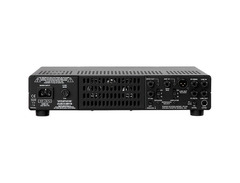
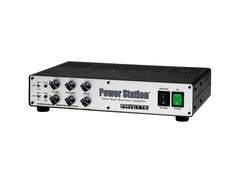
Fryette PS-100 Power Station 100W Tube Reactance Amplifier
5.0 (1)
The Power Amp Attenuator That Breaks All The Rules

Average Price: $1,246
High-end/Boutique
$299
$600+
Budget
Standard
High-end
- Versatile: amplifies low watt amps, tames loud amps, and provides tube power for preamps
- Excellent build and sound quality, offering multiple uses and tonal possibilities
- Transparent attenuation with minimal tonal difference between bypass and attenuated mode
- Adjustable volume from silent recording to full 100W power, with two-channel control
- See 6 more
- Single speaker output limits connectivity options for multiple cabinets
- FX-loop can only be switched on/off remotely, requiring a footswitch pedal
- Rack mount kit not included, necessitating additional purchase for rack integration
- Type: Reactive Load Box with Integrated Tube Power Amp
- Power Rating: 100W (Load), 100W (Power Amp)
- Impedance Options: 4Ω, 8Ω, 16Ω (switchable input and output)
- Dimensions: 19" × 9" × 3.5" (2U rack space)
- Weight: 18 lbs
The Power Station combines load box and power amplification functions through a sophisticated tube-based design. The reactive load section demonstrates consistent impedance characteristics, measuring between 80-190% of nominal value across the frequency spectrum. The power amplification stage delivers full-bandwidth response from 20Hz to 20kHz (±1dB) with characteristic tube compression and harmonics.
Core Features
- Integrated tube power amplification stage
- Variable reactive load attenuator
- Balanced line input and output
- Series effects loop
- 3-band active EQ section
- Dual-range master volume control
- 12AX7 preamp tube
- 6L6GC output tubes (switchable to EL34)
- Selectable output impedance
- Fan-cooled chassis design
The Power Station's amplification section represents a significant departure from traditional attenuator design, incorporating a complete tube power amplifier that builds upon decades of Fryette's amplifier engineering expertise. This innovative approach allows the unit to not only reduce power but also reconstruct and amplify the signal with the organic character that only vacuum tubes can provide. The power section utilizes carefully selected tubes operating in their optimal range, ensuring both excellent headroom for clean tones and smooth, musical compression when pushed harder. Through sophisticated biasing and power supply design, the amplifier maintains consistent tonal characteristics across its entire power range, from whisper-quiet practice levels to full stage volume. The carefully engineered output transformer plays a crucial role, providing the proper impedance matching and frequency response characteristics that are essential for authentic tube amp tone.
The Fryette Power Station PS-100 features a robust tube-based power section that offers impressive versatility and tonal performance. Delivering clean headroom up to 100W RMS, it accommodates everything from delicate low-wattage setups to full-scale amplification. The variable output power, adjustable from 1W to 100W, ensures precise control over volume and dynamics, whether you’re practicing at home or performing on stage. A switchable output tube configuration and cathode-biased output stage provide additional flexibility for tailoring tonal response, while the push-pull class AB operation ensures a balanced and dynamic sound. Dual-range volume controls allow fine-tuned adjustments, and the output transformer, equipped with multiple impedance taps, guarantees seamless compatibility with various speaker setups.
Fryette's approach to the Power Station's control layout reflects years of real-world experience in both studio and stage environments. The front panel interface has been methodically organized to provide intuitive access to all functions while maintaining the flexibility needed for professional applications. Each control has been carefully calibrated to provide useful adjustment ranges that correspond to practical usage scenarios, rather than extreme settings that look impressive on paper but prove less useful in practice. The layout groups related controls together in a logical flow that follows the signal path, making it easy to quickly dial in desired settings even in low-light situations. Special attention has been paid to the tactile feel of each control, with high-quality potentiometers and switches that provide clear feedback and reliable operation. The front panel provides comprehensive control over all functions:
- Input gain control with 20dB range
- Low, mid, and high EQ controls (±12dB)
- Dual-range master volume
- Series effects loop with send/return levels
- Load/power amp mode selector
- Output impedance selector
- Tube bias adjustment points
- Status LED indicators
The Power Station PS-100 combines multiple functions in a single unit. While the price point matches premium attenuators, the inclusion of a professional-grade tube power amp provides additional utility. The ability to function as both attenuator and power amp offers particular value for users integrating multiple sound sources or requiring precise control over power tube operation. The robust construction and serviceability support long-term reliability, though the complexity of the tube design requires appropriate maintenance consideration.
See how artists use this




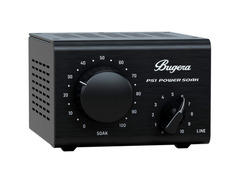
Bugera PS1 Attenuator
4.5 (4)
The Budget-Friendly Basic Attenuator


Average Price: $115
Budget/Beginner
$299
$600+
Budget
Standard
High-end
- Allows for cranked amp tones at lower, comfortable volumes
- Compatible with various amp setups, including non-standard configurations
- Enhances tube amp performance without significant tone loss
- Offers great value for its price point compared to competitors
- See 6 more
- Might lose some clarity and character with certain amp tones
- Durability concerns with some units failing prematurely
- Generates heat, which could be a concern for long-term use
- A slight burning smell reported initially by some users
- See 5 more
- Type: Passive Attenuator
- Power Rating: 100W
- Impedance Options: 4Ω, 8Ω, 16Ω (switchable)
- Dimensions: 5.5" × 3.9" × 2.4"
- Weight: 1.5 lbs
The PS1 employs a conventional resistive network for attenuation. Measurements show relatively consistent load presentation across standard guitar frequencies, though with less complex impedance behavior than reactive designs. The attenuation circuit provides continuous adjustment from 0 to -20dB, with frequency response measurements showing progressive high-frequency attenuation as reduction increases.
The Bugera PS1 is designed to handle up to 100W of continuous power, making it a reliable choice for a wide range of amplification setups. It offers a frequency response of 100Hz to 10kHz (±3dB), ensuring accurate tone reproduction within the key audio spectrum for guitarists. The attenuation range spans from a subtle -1dB to a substantial -20dB, allowing players to achieve optimal volume control without compromising tone. Additionally, the unit is thermally stable and rated for continuous operation at power levels below 80W, making it a robust option for demanding use cases.
Bugera's approach to the PS1's attenuation circuit emphasizes reliable operation through simplified design principles. Rather than incorporating complex switching networks or multiple stages of control, the PS1 utilizes a carefully optimized two-stage architecture that provides smooth, predictable attenuation characteristics. This streamlined approach not only enhances long-term reliability but also makes the unit more intuitive to use in practical applications. The power soaking network has been specifically engineered to handle the full rated power while maintaining consistent frequency response characteristics throughout its operating range. By focusing on essential functionality without extraneous features, Bugera has created an attenuation system that delivers predictable results with minimal complexity.
Core Features
- Passive attenuation circuit
- Continuous attenuation control
- Multi-impedance capability
- Single-knob operation
- All-metal construction
- Compact form factor
- Two-stage attenuation network
- Temperature-resistant components
- Vented chassis design
- Cold-rolled steel housing
The Bugera PS1 emphasizes simplicity and efficiency, focusing on core functionalities for reliable performance. It features a single continuous attenuation control, allowing users to easily adjust volume levels with precision. The two-stage power-soaking network ensures effective handling of power dissipation, while fixed resistance values per impedance setting provide consistent tonal response. Impedance selection is mechanically switched, ensuring durability and straightforward operation. The PS1 utilizes passive cooling via a vented chassis, eliminating the need for additional components and enhancing reliability. Additionally, the direct speaker-level throughput maintains signal integrity, making the PS1 a practical and dependable choice for volume management.
The PS1's physical construction reflects Bugera's commitment to creating a robust platform for reliable attenuation. Every aspect of the chassis design has been engineered to promote longevity and stable operation under demanding conditions. The full metal housing serves multiple purposes, providing both electromagnetic shielding and effective heat dissipation while protecting internal components from physical damage. Component selection focused on exceeding thermal and electrical specifications rather than meeting minimum requirements, ensuring consistent performance even under sustained high-power operation. The mechanical design incorporates features typically found in more expensive units, such as gold-plated contacts and secure board mounting, demonstrating attention to detail in areas that directly impact reliability. In short, the unit's build prioritizes durability and simplicity.
The PS1 positions itself as an entry-level solution for basic attenuation needs. The straightforward design and limited feature set allow for a notably lower price point while maintaining essential functionality. Construction quality exceeds expectations for the price range, though the simplified circuit design results in less sophisticated tone preservation compared to higher-end units. The unit offers particular value for users requiring occasional attenuation or seeking a backup solution, while those needing precise tone shaping or recording capabilities may require more advanced options.


How Do Guitar Attenuators Work?
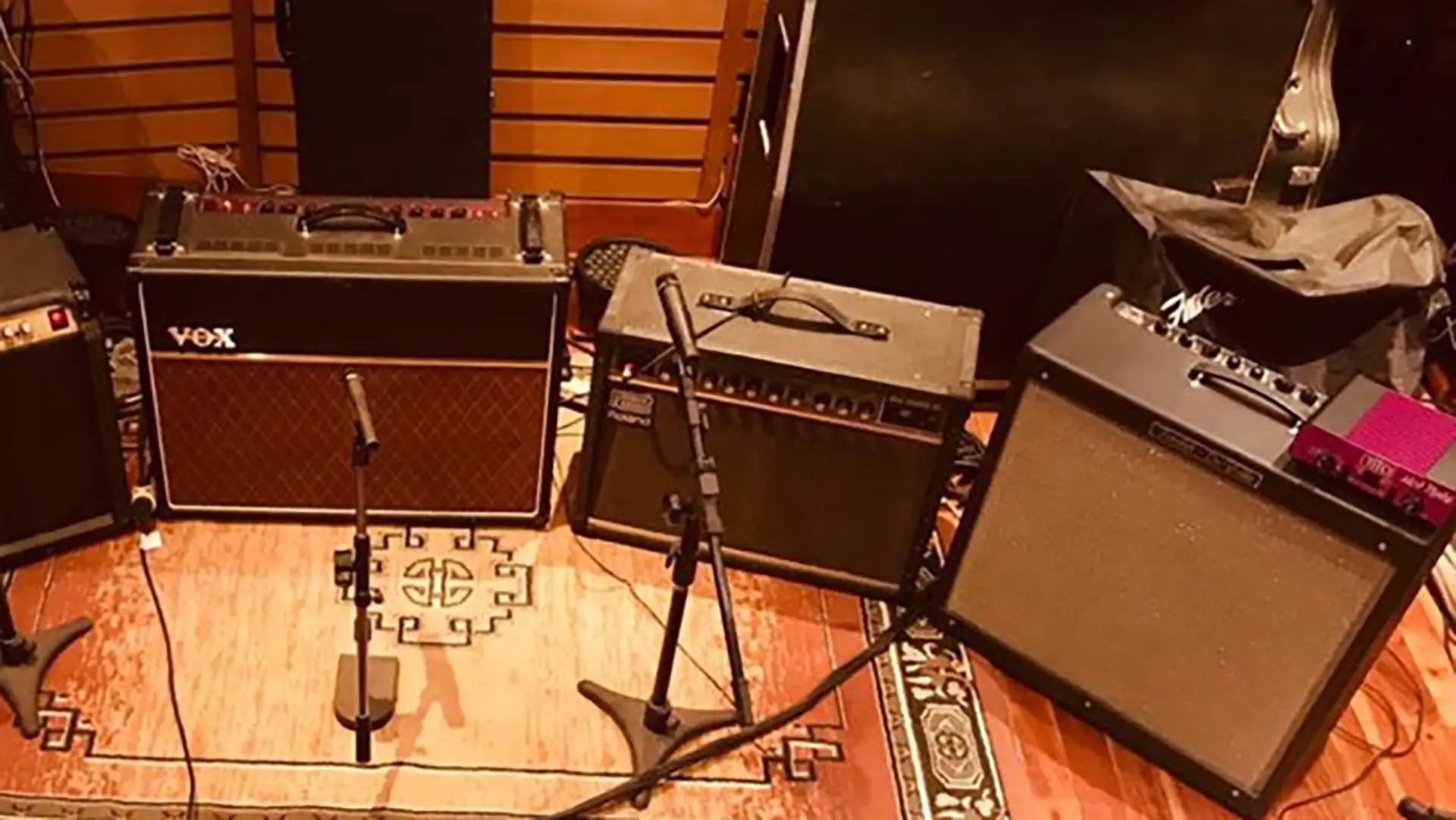
Understanding how guitar attenuators work is crucial for making an informed purchase decision. At their core, attenuators are sophisticated devices that manage the relationship between your amplifier's output power and the sound that ultimately reaches your ears.
The Basic Function
Think of an attenuator as a controlled energy converter. When your tube amp is cranked up to achieve that perfect tone, it's producing a significant amount of electrical power. The attenuator intercepts this power before it reaches your speaker and converts a portion of it into heat, allowing only your desired amount of power to reach the speaker. This process is similar to how a water valve controls the flow from a pipe – you're not changing the quality of what flows through, just the quantity.
Key Technical Concepts
Load Boxes and Impedance Matching Your tube amp needs to "see" the correct load (measured in ohms) to function properly and safely. This is where impedance matching becomes crucial. An attenuator must present the correct impedance to your amp while simultaneously managing the connection to your speaker. For example, if your amp is designed for an 8-ohm speaker, your attenuator needs to provide that same 8-ohm load to the amp, regardless of how much attenuation you're applying.
Heat Dissipation When an attenuator reduces volume, it's actually converting electrical energy into heat. Higher-quality attenuators feature robust heat sinks and efficient designs to manage this heat effectively. This is particularly important when using high-powered amps or when applying significant attenuation. A well-designed attenuator will safely dissipate this heat without compromising tone or reliability.
Power Scaling Different attenuators handle power scaling in various ways. Some offer stepped attenuation (like -3dB, -6dB, -12dB), while others provide continuous adjustment. The most sophisticated units even offer multi-stage attenuation, allowing for more precise control over both overall volume and tonal balance.
Signal Path and Tone Preservation The way an attenuator handles your amp's signal can significantly impact your tone. Premium attenuators use sophisticated circuits that maintain the complex interaction between your amp's output stage and speaker, preserving important acoustic properties like:
- Power tube saturation characteristics
- Speaker impedance curve simulation
- Natural compression and harmonic content
- Low-end response and definition
The Signal Chain
Here's how a typical attenuator setup works in practice:
- Your guitar signal enters the amplifier
- The amp processes and amplifies the signal
- The amplified signal enters the attenuator
- The attenuator reduces the power level while maintaining impedance matching
- The attenuated signal reaches your speaker at a lower volume
- Your ears enjoy great tone at a manageable volume level
Understanding these concepts will help you evaluate different attenuator options and choose one that best matches your specific needs. In the next section, we'll explore the different types of attenuators available and how their various approaches to these technical challenges affect their performance.
Types of Guitar Attenuators
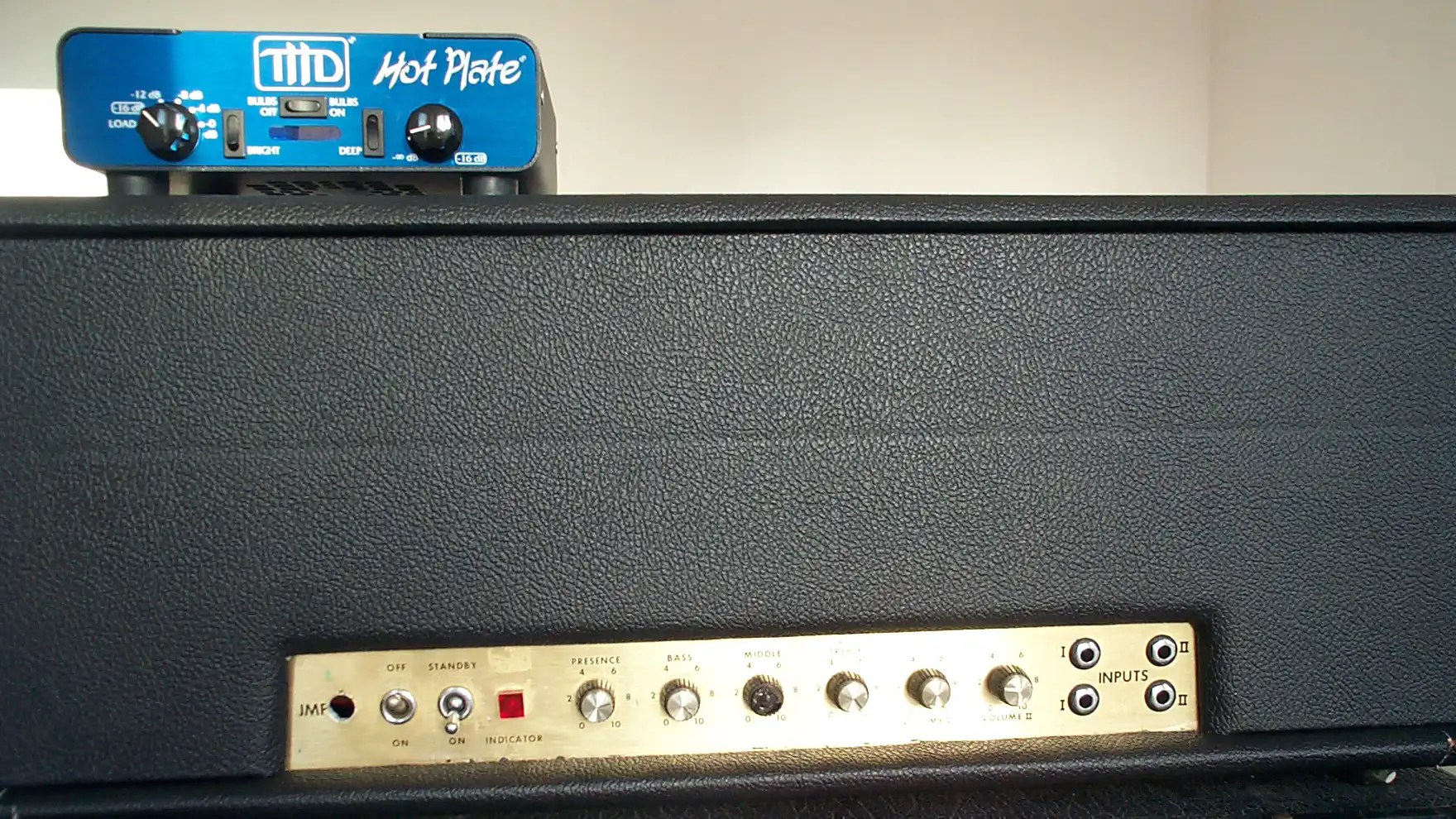
The world of guitar attenuators can seem overwhelming at first glance, with various approaches to managing your amp's output. Let's break down these different types and see how each one might fit your needs.
Passive vs. Active Attenuators
The first major distinction in the attenuator world is between passive and active units. Passive attenuators are the traditional approach, operating without any additional power source. These workhorses of volume management have earned their place in countless guitarists' rigs through their simplicity and reliability. Think of them as the analog solution to a digital world's problem - straightforward, effective, and virtually bulletproof when properly built.
A passive attenuator relies purely on electrical resistance to do its job, making it incredibly reliable. You'll never have to worry about power supplies failing or batteries dying mid-gig. However, this simplicity comes with some sonic compromises, particularly when you're pushing for maximum attenuation. Many guitarists notice that their tone becomes slightly darker or less dynamic when using a passive attenuator at extreme settings.
Active attenuators, on the other hand, represent the modern approach to volume management. By incorporating powered circuits, these units offer more precise control over your tone and usually include additional features that expand their utility beyond simple volume reduction. The Universal Audio OX is a perfect example of this evolution, offering not just attenuation but also speaker simulation, mobile app control, and studio-quality recording outputs.
Reactive vs. Resistive Load Technology
Perhaps the most significant technical distinction in attenuator design is between reactive and resistive load technologies. This difference might sound academic, but it has a profound impact on how your amp feels and responds when attenuated.
Resistive load attenuators, the simpler of the two approaches, work much like a giant volume knob. They effectively reduce your amp's output power, but they don't replicate the complex relationship between your amp and speaker. It's a bit like listening to your favorite song through cheap earbuds - you hear all the notes, but something about the experience feels flat.
Reactive load attenuators take a more sophisticated approach. They attempt to replicate the complex impedance characteristics of a real speaker, maintaining that magical interaction between your amp's output stage and its load. This technology helps preserve the feel and response that makes playing through a tube amp so special, even at whisper-quiet volumes.
The Multi-Function Revolution
Modern attenuators have evolved far beyond simple volume reduction devices. Many now serve as comprehensive audio interfaces for the modern guitarist. The latest generation of attenuators often includes built-in direct recording capabilities, speaker simulation, and even digital control options.
The integration of digital technology has also transformed how we interact with these devices. Many modern attenuators now offer mobile app control, preset storage, and even wireless connectivity. This digital integration means you can save your favorite settings, adjust parameters remotely, and even simulate different speaker cabinets – all from your phone.
However, this additional functionality usually comes with a higher price tag and a steeper learning curve. While a simple passive attenuator might take minutes to master, these digital powerhouses often require some time investment to fully understand and utilize their capabilities.
Key Factors to Consider
Selecting the right attenuator involves more than just choosing between different types. Let's explore the crucial factors that will help you make an informed decision that matches your specific needs and setup.
Technical Compatibility
The first and most critical consideration is ensuring your attenuator works harmoniously with your amplifier. This compatibility comes down to two essential technical specifications: impedance matching and power handling.
Impedance matching is non-negotiable when it comes to tube amplifiers. Your attenuator must match your amp's output impedance exactly – typically 4, 8, or 16 ohms. Using an incorrectly matched attenuator can potentially damage your amplifier's output transformer, leading to costly repairs. Some high-end attenuators offer switchable impedance options, providing flexibility if you own multiple amps with different impedance requirements.
Power handling is equally crucial. Your attenuator needs to handle more power than your amp can deliver. For instance, if you have a 50-watt amp, you'll want an attenuator rated for at least 100 watts to provide a comfortable safety margin. This headroom ensures your attenuator won't become overwhelmed during peak moments, like when your amp's power tubes are pushed into saturation.
Tone Preservation
While all attenuators will affect your tone to some degree, the extent of this impact varies significantly between models. The best attenuators maintain your amp's character even at significant volume reductions, preserving the subtle harmonics and dynamic response that make your tone special.
High-end attenuators often include frequency compensation controls that let you fine-tune the tonal balance at different volume levels. This feature becomes particularly important when playing at very low volumes, where our ears perceive frequencies differently (known as the Fletcher-Munson curve). Some units even offer separate controls for bass, midrange, and treble attenuation, allowing you to maintain a consistent tonal balance regardless of volume.
Environment and Use Case
Your primary playing environment and intended use should significantly influence your choice of attenuator. A bedroom player's needs differ substantially from those of a gigging musician or recording engineer.
For home practice, key considerations include the amount of attenuation needed and whether silent recording capabilities are important. If you're mainly playing in an apartment, you might prioritize features like headphone outputs and speaker simulation for late-night practice sessions.
Studio users might focus more on recording capabilities, such as balanced XLR outputs, multiple cabinet simulations, and reamping functionality. These features can significantly expand your recording options and help capture the perfect tone without waking the neighbors.
Live performers often prioritize reliability, ease of use, and durability. Simple, bullet-proof construction might be more valuable than extensive features that could potentially malfunction during a show. Quick adjustment capabilities and clear visual indicators become crucial in dark, noisy venues.
Budget and Value Considerations
Attenuators span a wide price range, from basic units around $100 to professional-grade systems exceeding $1,500. While it's tempting to focus solely on price, consider this purchase an investment in your tone and playing satisfaction.
Entry-level attenuators can effectively reduce volume, but they might compromise your tone more noticeably. Mid-range units often hit a sweet spot of features and performance, offering good tone preservation and useful additional features without breaking the bank. High-end units justify their cost through superior tone preservation, build quality, and extensive additional features.
Consider also the potential resale value of different units. Well-regarded brands like Two Notes, Universal Audio, and Rivera tend to hold their value better than lesser-known manufacturers, making them a safer long-term investment.
Build Quality and Reliability
An attenuator is a critical link in your signal chain, and its failure during a performance could be catastrophic. Build quality becomes particularly important because these devices handle significant power and generate considerable heat.
Look for robust construction with quality components, effective heat dissipation, and reliable controls. Physical features like metal housing, high-quality connectors, and smooth-operating controls often indicate attention to detail in construction. Some manufacturers, like Rivera and Fryette, have built their reputations on bomb-proof construction that can withstand years of heavy use.
Future-Proofing Your Purchase
While your current needs might be simple, consider how your requirements might evolve. If you're planning to start recording or performing live in the future, investing in an attenuator with additional capabilities might save you from needing to upgrade later.
Features that might become valuable include:
- Direct recording outputs for future home studio work
- MIDI control for integration with more complex rigs
- Multiple impedance options if you're considering different amps
- Software integration for advanced tone shaping and preset management
Tips for Using a Guitar Attenuator
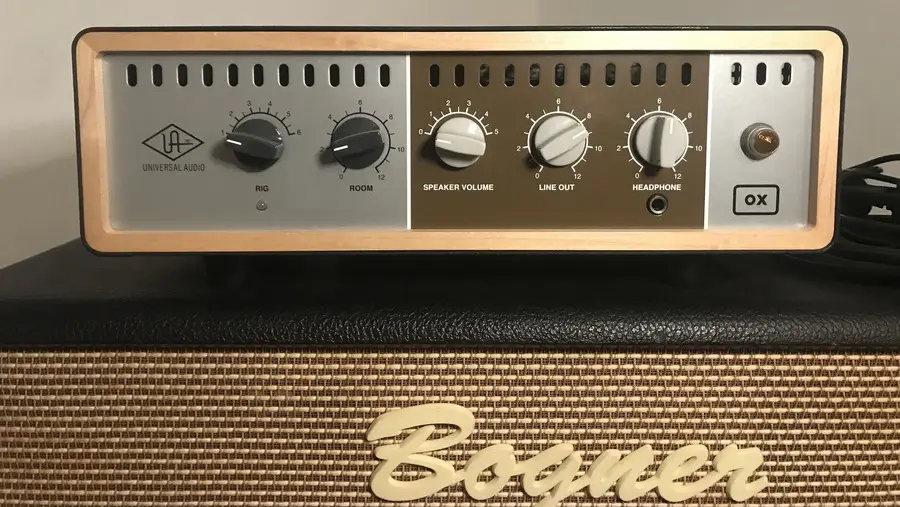
Getting the most from your attenuator requires more than just plugging it in and turning it down. Understanding proper setup and usage not only ensures optimal performance but also protects your valuable equipment. Let's explore the essential aspects of attenuator operation that every guitarist should know.
Setting Up Your Attenuator
First impressions matter, and how you initially connect your attenuator sets the stage for everything that follows. Always begin with your amplifier powered off – this isn't just being cautious, it's protecting your investment. Connect the attenuator to your amp's speaker output first, then run a speaker cable from the attenuator to your cabinet. Before powering up, double-check that your attenuator's impedance setting matches your amp's output impedance. Starting with maximum attenuation (minimum volume) gives you a safe starting point from which to dial in your ideal settings.
Managing Heat and Placement
Think of your attenuator as a power converter – it's taking your amp's excess power and converting it to heat. This makes placement crucial to reliable operation. Your attenuator needs room to breathe, so avoid stacking other equipment on or around it. In studio racks or tight stage setups, consider leaving extra space around the unit for proper ventilation. If you're planning extended high-power sessions, occasional breaks allow for cooling and prevent potential thermal issues.
Volume Management
Achieving the perfect balance between power tube saturation and volume requires a methodical approach. In the studio, start by dialing in your amp's sweet spot – that perfect combination of preamp and power tube distortion. Then use your attenuator to bring the volume to an appropriate level for recording. This approach maintains the character of your amp while keeping levels manageable.
For live situations, the process requires additional consideration of room acoustics and stage volume requirements. Start conservatively with more attenuation than you think you'll need, then gradually reduce it until you find the sweet spot where your tone sits perfectly in the mix. Remember that different venues may require different settings – what works in a small club might not be ideal in a larger space.
Maintaining Tone Quality
One common concern with attenuators is their impact on tone, particularly at higher attenuation levels. Most amps naturally sound brighter at higher volumes, so significant attenuation might make your tone seem darker. Many attenuators include treble compensation controls to address this – use them subtly to maintain tonal balance rather than dramatically boosting high frequencies. Consider your power tube choice as well; some tubes maintain their character better under attenuation than others.
Recording Applications
In the studio, your attenuator becomes a powerful tool for capturing the perfect guitar tone. Consider running two signal paths: one through the attenuated speaker for capturing room sound, and another through any direct recording outputs your attenuator might offer. This dual-path approach provides mixing options later while ensuring you capture the full character of your amp.
Phase alignment between different signal paths becomes important in recording scenarios. Take time to check phase relationships between microphone and direct signals if you're planning to combine them. Most importantly, allow your amp and attenuator sufficient warm-up time before critical recording – thermal stability affects both tone and response.
Frequently Asked Questions
Can an attenuator damage my amp?
A properly matched and correctly used attenuator won't damage your amplifier. However, improper impedance matching or using an attenuator with insufficient power handling capacity can potentially cause problems. Always ensure your attenuator's power rating exceeds your amp's output and that impedances match exactly. Most amp damage occurs from mismatched impedance or operating without a proper load, not from the attenuation itself.
What's the difference between an attenuator and a load box?
While both devices can reduce your amp's output volume, they serve different purposes. An attenuator reduces volume while still sending a signal to your speaker, allowing you to hear your amp through its cabinet. A load box, on the other hand, completely replaces your speaker cabinet, typically sending the signal to a recording interface or mixing board. Many modern units combine both functions, but understanding this distinction helps explain why some units cost significantly more than others.
Are attenuators suitable for solid-state amps?
Generally, attenuators aren't necessary for solid-state amps. The appeal of attenuators comes from their ability to allow power tube distortion at lower volumes, which isn't relevant to solid-state designs. Solid-state amps typically sound consistent across their volume range and include master volume controls that effectively manage output levels without requiring additional attenuation.
What impacts tone quality when using an attenuator with a tube amp?
Several factors affect your tone when using an attenuator. The most significant is the relationship between power reduction and frequency response – as volume decreases, high frequencies often become less prominent due to both the attenuator's circuitry and human hearing characteristics. Other factors include speaker excursion (which affects low-frequency response), power tube operation, and the specific design of your attenuator (reactive vs. resistive load). Quality attenuators include compensation features to address these effects.
How do reactive and resistive attenuators differ in their approach to volume management?
The key difference lies in how they interact with your amplifier's output transformer. Reactive attenuators simulate the complex impedance characteristics of a real speaker, maintaining the dynamic interaction between your amp's output transformer and its load. This preserves more of your amp's natural feel and response. Resistive attenuators present a simpler load to your amp, which can alter this interaction. While both approaches effectively reduce volume, reactive designs typically preserve more of your amp's original character, especially at higher attenuation levels.
Which attenuators offer the best value for home practice setups?
For home practice, the best value depends on your specific needs. If you're primarily playing at low volumes and don't need recording features, a quality passive attenuator like the Weber MiniMASS offers excellent value. However, if you also want recording capabilities or plan to use the attenuator in multiple settings, investing in a more versatile unit like the Two Notes Torpedo Captor X might prove more economical long-term. Consider your amp's power rating, your required amount of attenuation, and any additional features you might need when evaluating value.
How much attenuation do I really need?
The amount of attenuation needed depends on several factors. Consider: - Your amp's power rating - Your typical playing volume - Room size and acoustic properties - Desired level of power tube saturation - Neighbors' proximity and noise tolerance
Most players find that -15 to -20dB of attenuation handles most home practice situations, while recording or late-night practice might require -30dB or more. Remember that each -10dB represents approximately a 50% reduction in perceived volume.
Conclusion
Choosing the right attenuator represents a significant step in optimizing your guitar rig for modern playing environments. Whether you're a bedroom player looking to tame a powerful tube amp, a recording enthusiast seeking perfect tone at manageable volumes, or a performing musician requiring consistent sound across different venues, today's attenuator market offers solutions for every need and budget.
The key to making the right choice lies in understanding your specific requirements. Consider your primary use case – will you mainly use it for home practice, studio recording, or live performance? Factor in your amp's power rating and impedance, your required amount of attenuation, and any additional features you might need, such as direct recording capabilities or speaker simulation.
Budget naturally plays a role, but remember that an attenuator is an investment in both your tone and your ability to play in more situations. Entry-level units like the Bugera PS1 can effectively reduce volume, while premium options such as the Universal Audio OX and Fryette Power Station PS-100 offer comprehensive solutions for professional applications. Mid-range options like the Two Notes Torpedo Captor X and Rivera RockCrusher provide excellent value, balancing features and performance.
Before making your purchase, consider future needs as well as current requirements. If you're planning to start recording or performing live, investing in a more capable unit might save money in the long run. Also, factor in the long-term reliability and support available from established manufacturers.
Remember that the best attenuator is the one that lets you achieve your ideal tone at volumes appropriate for your playing situation. With the information provided in this guide, you're now equipped to make an informed decision that will serve your needs both now and in the future.
Top Ranked Guitar Power Attenuators on Equipboard


$270.00
5.0 (18)
5.0 (18)


$954.49 - $999.00
5.0 (5)
5.0 (5)
About the authors
Juan Spinelli is a multi-instrumentalist musician, but more of a guitarist than anything else. Based in Buenos Aires, Argentina, he started playing at a very early age and learned various instruments such as flute, clarinet, percussion, didjeridoo, cavaquinho, bass and more. Today, he also works as a music producer and sound engineer, collaborating in several projects in his city and with artists from all over the world. Read more
New in Guitar Power Attenuators


$959.00 - $1,099.99
in Guitar Power Attenuators Rank


$299.00 - $399.00
in Guitar Power Attenuators Rank

$642.97 - $769.99
in Guitar Power Attenuators Rank